
This week, I said goodbye to my best friend of nearly 13 years.
I’ll do my best to have a new post in two weeks.
This week, I said goodbye to my best friend of nearly 13 years.
I’ll do my best to have a new post in two weeks.

For years, there’s been debate in anti-hunger circles about the need to improve the diet and health of people experiencing hunger. Most recently, discussion has revived around adding purchasing restrictions to SNAP to make soda, candy, ice cream, and prepared desserts ineligible for purchase with benefits.

On the surface, it sounds like a great idea. Assuming that people just need to be directed towards healthier options, this would be an efficient policy. Because Americans generally believe that poverty results from making poor choices, it’s easy to accept that people experiencing hunger need help making better choices. We’ve also all been conditioned to believe that people using SNAP are trying to manipulate the system, which makes it easier to accept that they need extra restrictions.
However, this policy proposal does not improve health, recognize current barriers to food security, or respect the dignity of people experiencing hunger. Empowering people to eat healthier benefits everyone, but this policy proposal fails to do so.
This should immediately call into question why SNAP has been chosen to be the policy tool for this crusade.

If this policy seeks to reduce junk food consumption, why does it only restrict people receiving benefits? Specifically targeting vulnerable, low-income demographics for a society-wide issue is disingenuous and inequitable.
After working in anti-hunger spaces for nearly fifteen years, I’ve learned from thousands of people seeking food assistance. Overwhelmingly, these individuals demonstrate that they know how to eat healthy.
Ask at any food pantry, and staff will tell you that quality fresh produce is always in highest demand and shortest supply. We see too many food pantry photos of shopping carts loaded with potato chips because that’s all they have- it’s not that shoppers are choosing them over healthier options.
People experiencing hunger know as well as any other demographic what healthy eating looks like.
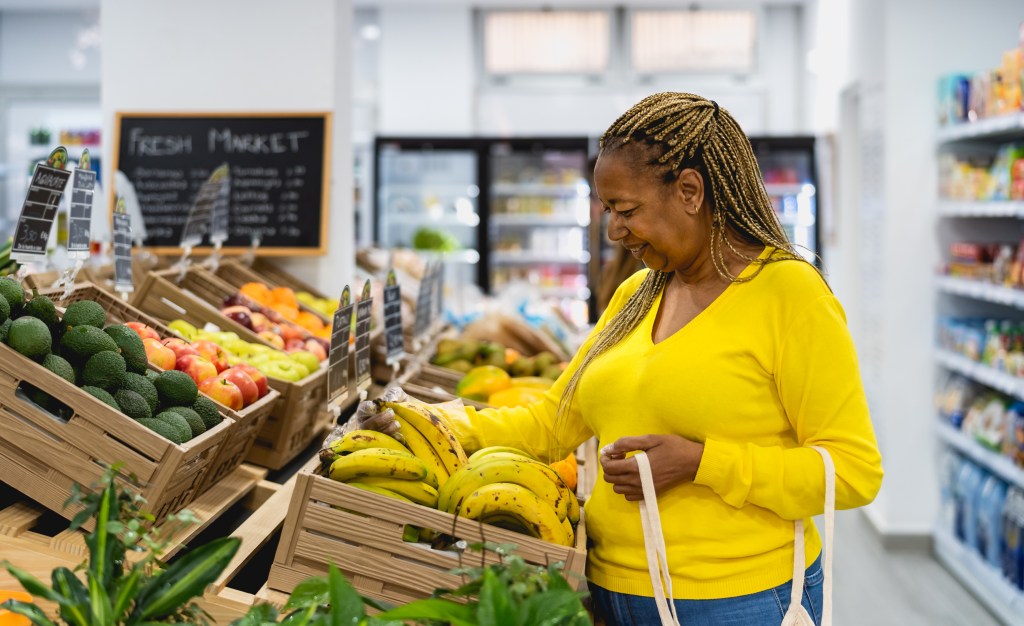
The barrier isn’t knowledge or choice; it’s access. Fresh foods are more expensive than processed. Critics like to point out that an apple is cheaper than a bag of frozen chicken nuggets, but they ignore the reality that an apple is not a meal. An apple, peanut butter, and fixings for a sandwich on whole wheat bread is significantly more expensive than a bag of frozen chicken nuggets. By calorie, healthy foods are more expensive.
Since adding restrictions to SNAP do not increase the budget of beneficiaries, eliminating the purchase of certain foods reduces choice. By making unhealthy options inaccessible, it does not make healthy foods more accessible.

SNAP funds are so inadequate that they have always forced people to prioritize the cheapest foods. The choice has never been between a bag of chips or a vegetable stir fry.
This policy intends to assert the idea that people experiencing poverty need the leadership of people who have never been food insecure, which is condescending, paternalistic, and completely ignorant.

It also takes away the chance for recipients to practice self-care through food. Facing the incredible challenges of today’s world, everyone deserves the freedom to buy the foods that make us feel comforted, safe, and nourished, even if they’re not always the healthiest.
If policy makers really cared about the health and diet of SNAP recipients, they would be fighting to increase SNAP benefits. If they really feared the risks that junk food poses to Americans, they’d be working to reduce access for the entire population.
This policy just intends to be cruel towards and already vulnerable population.
The opinions expressed here are solely my own and do not express the views or opinions of my employer.
Want to learn more about food justice? Subscribe so you never miss a post!
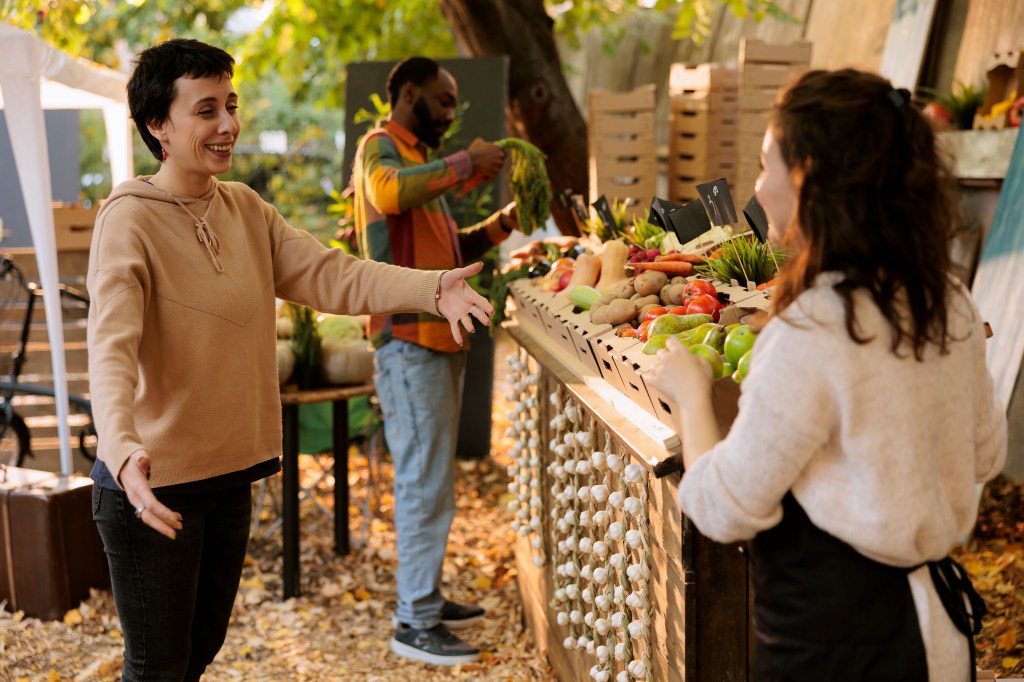
I often hear food pantry staff complain that there are neighbors and community members experiencing hunger who simply won’t use their food pantry. Although I hear this less often as food pantries see rising hunger rates, it’s still not unusual for staff and volunteers to recognize specific communities that they simply can’t entice to the pantry.

I regularly hear surprise and confusion at the thought that someone experiencing hunger might not seek out or want their help and resources. Although there are many underlying reasons why people may not attend the food pantry, it usually boils down to not feeling welcome.
Our society’s idea of creating a welcoming atmosphere often stops at colorful murals and smiling volunteers.
This is a great starting point but isn’t likely to attract someone who is already reluctant or uncomfortable about visiting (especially because of systemic/historic barriers).

Food pantry staff and volunteers are usually wealthy, white, English-speaking, cis women who are working high-income jobs or retirees. Few have experienced hunger and often have little exposure to the cultural norms or language of the communities they’re trying to approach. As a result, their efforts at outreach and a welcoming environment can feel awkward, artificial, or fake. No one wants to visit a food pantry just to make the volunteers feel good, but that’s often the expectation these efforts can invoke.


Send representation to community meetings, local government gatherings, potlucks at neighboring churches, and listen to your community’s needs. You’re far more likely to get honest feedback and build trust while weeding the community garden or picking garbage off the street than interrogating someone across a desk. This can help your organization learn what it can do to offer effective support for your neighbors, which may require changing your current operations.
It’s quite likely that a pantry run by people of predominantly western European backgrounds may not be familiar with the foods that your clients want, and don’t even know what they don’t know about them.
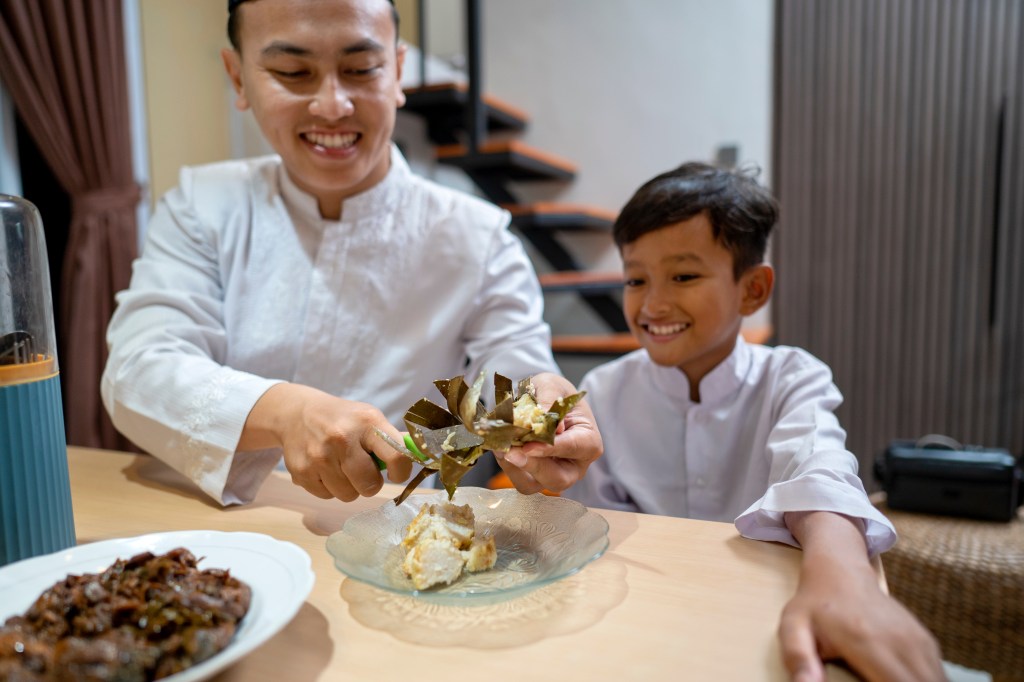
Consider hiring a community chef to do a cooking lesson or taste test for volunteers, staff, and neighbors to learn more. I’ve often seen volunteers throw out foods they aren’t familiar with, which is a direct deterrence to shoppers.
The opinions expressed here are solely my own and do not express the views or opinions of my employer.
Want to learn more about food justice? Subscribe so you never miss a post!

It’s always a treat to leave work early. Who doesn’t love it when your manager decides that you should head home to enjoy some extra hours for yourself?
Everyone I know needs a vacation right now, but there are many workplaces that absolutely cannot change their hours or accommodate extra closures. Social Security offices, the ER, and food pantries are all examples of institutions that need to be reliably open. If they close early or unexpectedly, people lose out on essential or life-saving services.
What are the consequences of a food pantry closing early?
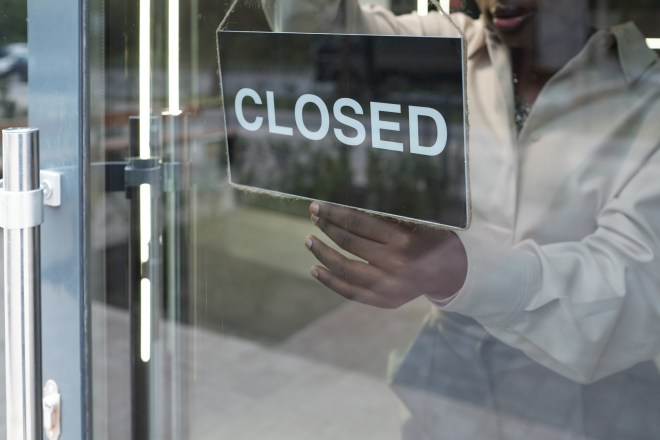
In my experience, the shame and stigma of food assistance means that many people postpone visiting a food pantry until the last minute, when their shelves are literally empty and their stomachs grumbling. Our food pantry often saw a high number of first-time clients at the end of the day, possibly for this reason.
When a food pantry closes early, people who were counting on it for dinner that night are deprived of that meal and more. If you showed up for your first ever visit to a closed food pantry, it might also influence your enthusiasm for trying again.

Food pantry hours are often inaccessible. I’ve mentioned this many times before, but food pantry distribution hours usually cater to the schedules of volunteers rather than the needs of their community. Retirees often have very different availability than families facing food insecurity (who are usually working multiple jobs and acting as caregivers) which makes it extra difficult for people to access pantries.
If we want to fight hunger, it’s essential that food pantries offer reliable hours.
Many people drive significant distances to pantries, and few have the resources to deplete their fuel for an unreliable resource. People experiencing hunger will seek out other pantries, if they have that option, or go hungry if there is nowhere else to access food.

Respecting the time of shoppers should also include minimizing the amount of time spent at the food pantry. An hour-long line indicates that the pantry either has inadequate shopping hours or a weak system of distribution (inducing clients to feel competitive). Examine your food flow policies and expand your hours to reduce the wait time. Long waits in line make food less accessible for seniors, parents, and people with disabilities while increasing tension and stress.

The opinions expressed here are solely my own and do not express the views or opinions of my employer.
Want to learn more about food justice? Subscribe so you never miss a post!
Type your email…
Content warning: discussion of slaughtering animals for meat consumption
I increasingly receive emails from people excited to share the secret to solving hunger- usually advocating for a miracle crop, agricultural practice, or a specific diet. While these conversations are a great opportunity to learn about their passion, ranging from hydroponics to yucca farming, these solutions don’t usually address food insecurity. They may help with sustainability, conservation, or health, but fail to consider the root causes of hunger.

Here is a recent must-read on the root causes of hunger recently written by the International Panel of Experts on Sustainable Food Systems.
Hunger is a political rather than agricultural problem. Food access, rather than quantity, is the barrier to a nourished world.
Nevertheless, one of the most common proposals I hear for ending hunger is vegetarianism. Many people argue that the resources it takes to raise livestock would be much more effectively dedicated to other food products. They’re not wrong, but the issue is so much more complicated than that.
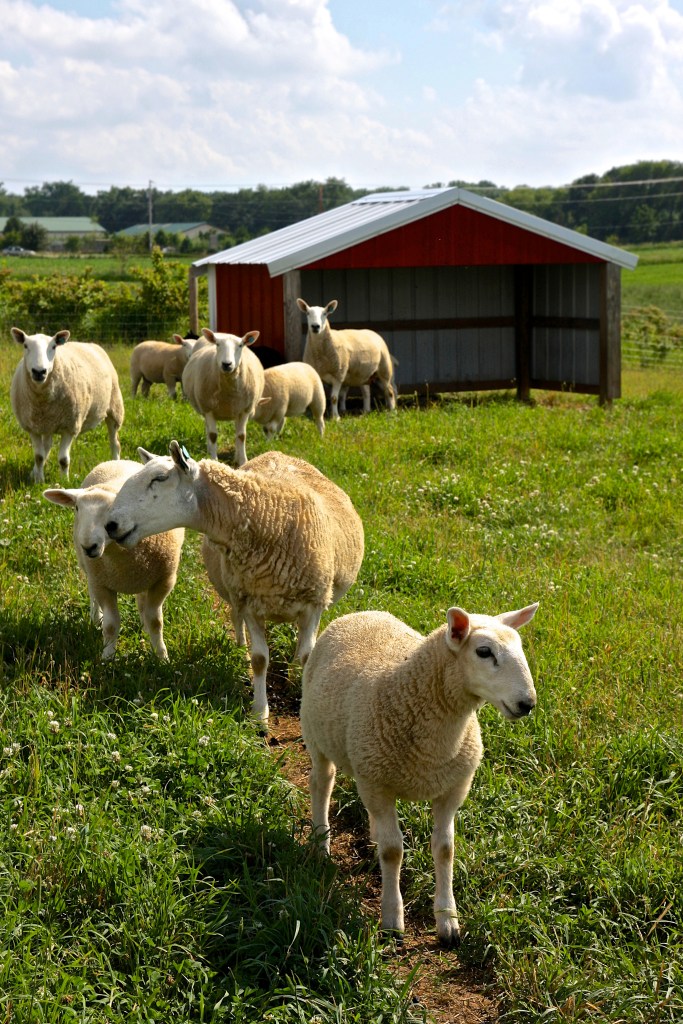
I grew up on a small farm that raised sheep and poultry for meat, with the occasional goats as well. My parents dedicated significant effort to enriching our pastures to ensure it made the animals and the land healthier. Most years, we hired a mobile butcher to slaughter our animals on-site to reduce the stress and trauma of traveling. Meat has always been a part of my diet, and I was never sheltered from the realities of raising livestock.
As a result of my background, I believe that it is possible to sustainably and ethically eat animals. Our society would definitely benefit from changing the way we treat animals, but I’ve witnessed how livestock and conservation do not have to be mutually exclusive.
Food is how we celebrate culture, traditions, show affection, and care for our bodies and I have the greatest respect for people who make the choice to limit or eliminate their consumption of animal products, whatever their reasons.
While there are many compelling reasons for our society to eat less meat, an essential component of food justice is ensuring that people choose what they eat rather than having the decision forced upon them.

Our world would absolutely be healthier, more humane, and more sustainable if we consumed fewer animal products.
But promoting a vegetarian diet as the solution to hunger does not increase access to food- it simply eliminates a source of nutrition that is essential for many people.
Chastising food insecure families for eating meat is no more dignified nor respectful than placing restrictions on what SNAP recipients can spend their benefits on.
Beans and other plant proteins are not a significant food for many cultures (and it’s a personal pet peeve of mine that many food pantries and banks tout offering dry beans as a miracle solution to hunger.)

As SNAP data shows us, we can empower people to eat healthier by increasing their buying power and is more effective than reducing their options.
Food systems are rapidly evolving, and there are many conditions right now that may significantly impact the foods we can regularly access. But it’s essential that in our effort to ensure our neighbors are nourished we not sacrifice their autonomy and power of choice.
The opinions expressed here are solely my own and do not express the views or opinions of my employer.
Want to learn more about food justice? Subscribe so you never miss a post!

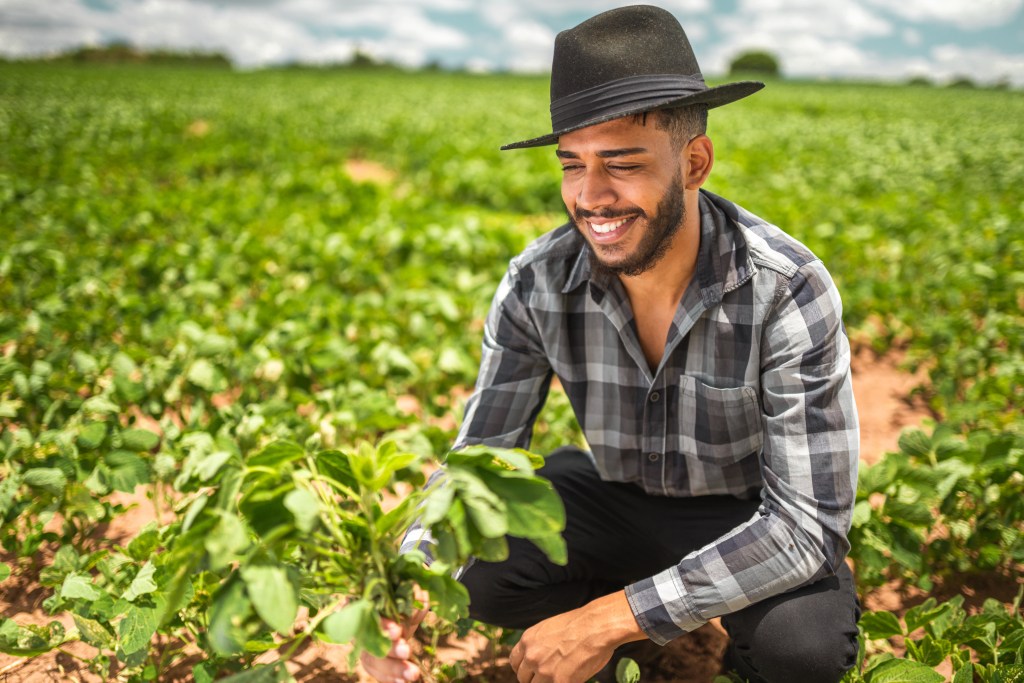
I recently was chatting with a farmer who sells their produce at a nearby farmers market, and I mentioned that my professional experience lies primarily in food pantries, and they had so much to say. This farmer shared that when they first moved to Oregon, they depended upon a food pantry and clothing closet. I wasn’t sure what they were going to say next, because it is a negative experience for many.
However, this person absolutely gushed about what a positive experience they had. They visited a grocery style pantry, which gave them the autonomy to make their own food choices, and they said their regular visits were the most respectful, dignified, and compassionate experiences they could have imagined. Years later, their farm still makes regular donations of fresh produce to that pantry.

I don’t hear a lot of these stories. While there are plenty of wonderful food pantries doing incredible work, there are also lots of food pantries reinforcing the narrative that people experiencing hunger are there because of personal failures, bad judgment, or a lack of responsibility. Even pantries with friendly volunteers and a healthy food supply can foster systems and attitudes that still leave their shoppers feeling humiliated or ashamed.
Unfortunately, eliminating these judgements in food pantries depends upon establishing new foundational attitudes rather than just increasing the budget or building capacity.

This farmer I spoke to didn’t mention anything about the quality or the quantity of food they received. They didn’t even talk about the line or limits on food supply. Instead, they talked about how the food pantry made them feel. They felt respected, seen, and dignified.
While food is obviously an important component of the pantry experience, this reminds me that even pantries without enough food or those who are unable to access culturally or nutritionally specific options can still make a lasting, positive impact on the individuals they serve.
Even if food pantries don’t have everything someone needs, they can still practice compassion by respecting their humanity and need for nourishment. If you’ve ever heard a volunteer question whether someone deserves to visit your food pantry, then you have work to do.

You are the best expert on the food your body needs to thrive. Why would a food pantry client be any different?

Even though these are foundational attitudes, they aren’t impossible to introduce to a pantry. Success depends on consistency and exposure, and leadership that is eager to embrace food justice and human dignity. Building these ideas into your mission, values, and strategic plan is the best way to demonstrate your commitment to the community.
Nonprofits are overwhelmed by need and rightly panicked about funding. But we need to focus on the reality that the most important part of using a food pantry; the piece which clients will remember and share with their neighbors, has little to do with the food they got and everything to do with how their visit made them feel.
The opinions expressed here are solely my own and do not express the views or opinions of my employer.
Want to learn more about food justice? Subscribe so you never miss a post!
Food banks and pantries are running out of food. Rising prices, combined with shortages of foods like eggs, a likely scarcity of agricultural workers, and the complications of potential tariffs mean that there’s less food available to anti-hunger organizations despite the rising need.
The stress of this situation means that anti-hunger advocates are getting creative by trying to access new resources or uplift underutilized connections.

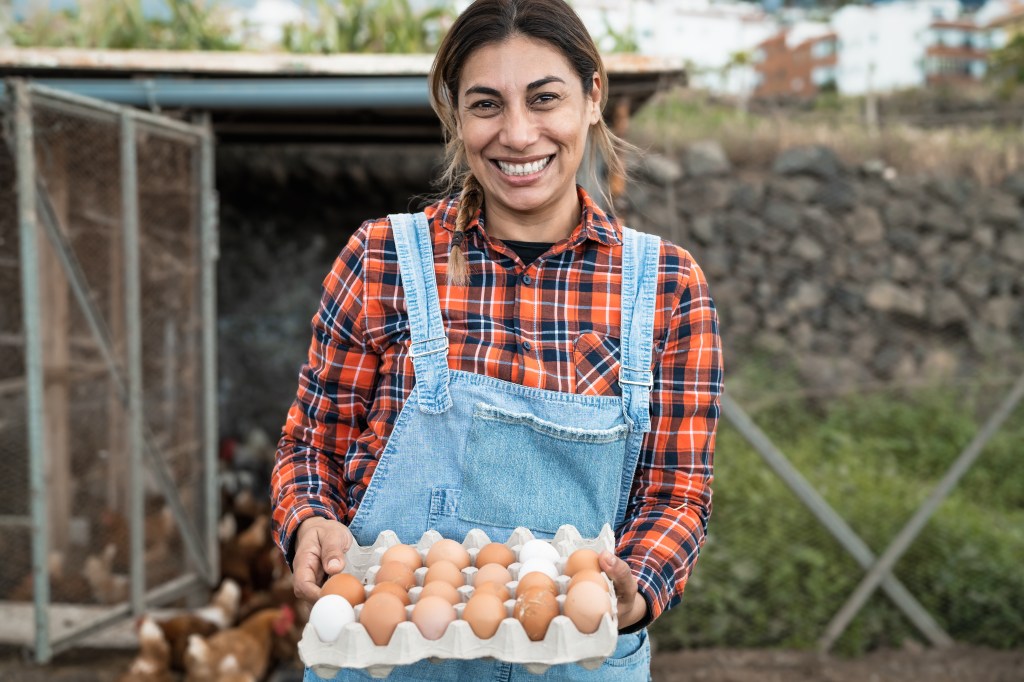
As part of this movement, I’ve been fielding calls from several food pantries about the best ways to connect with farmers’ markets as a potential food source. It’s true that markets don’t tend to have large gleaning or donor relationships with anti-hunger organizations. There are a lot of reasons why this is not a simple partnership, so today I’m going to dig into the challenges your pantry needs to consider if pursuing this option.

Food pantries are usually open at the convenience of their volunteers, which means pantries and farmers’ markets do not consistently have overlapping open hours. This can make it hard to connect and harder to collect donations.
I have turned down numerous pantry donations that were kept in someone’s garage, coolers, car, or other inadequate space because they didn’t want it to go to waste, but they couldn’t store it properly. Don’t compromise on food safety!

Small farmers, however, don’t necessarily have that luxury. It’s hard to profit as a farmer, which means they don’t have the wiggle room to donate as much as your pantry would like, and aggressive solicitation can be counterproductive.
One of the greatest barriers I’ve encountered is that volunteers often don’t prioritize giving away foods they aren’t familiar with, which means some of the most fun and delicious donations don’t make it into the hands of people who may want it before it spoils.
None of these barriers are insurmountable, and I don’t intend to discourage any pantry from working with a farmers’ market. It’s simply important to recognize that working directly with farmers’ markets demands a different relationship and attitude than with a large grocery chain.

Despite the unique challenges, farmers’ markets offer an incredible opportunity to build relationships that can maximize your food purchasing budget. Buying a CSA share from a local farm is an incredible way to access local, fresh food while supporting a neighboring business. And making reliable purchases might enable a farmer to offer deals or discounts to pantries to maximize their dollars.
Targeting a farmers’ market can be a challenging avenue for food pantries, but if you have the capacity and drive to build a relationship with local farmers, then there is enormous potential for everyone to benefit.
The opinions expressed here are solely my own and do not express the views or opinions of my employer.
Want to learn more about food justice? Subscribe so you never miss a post!
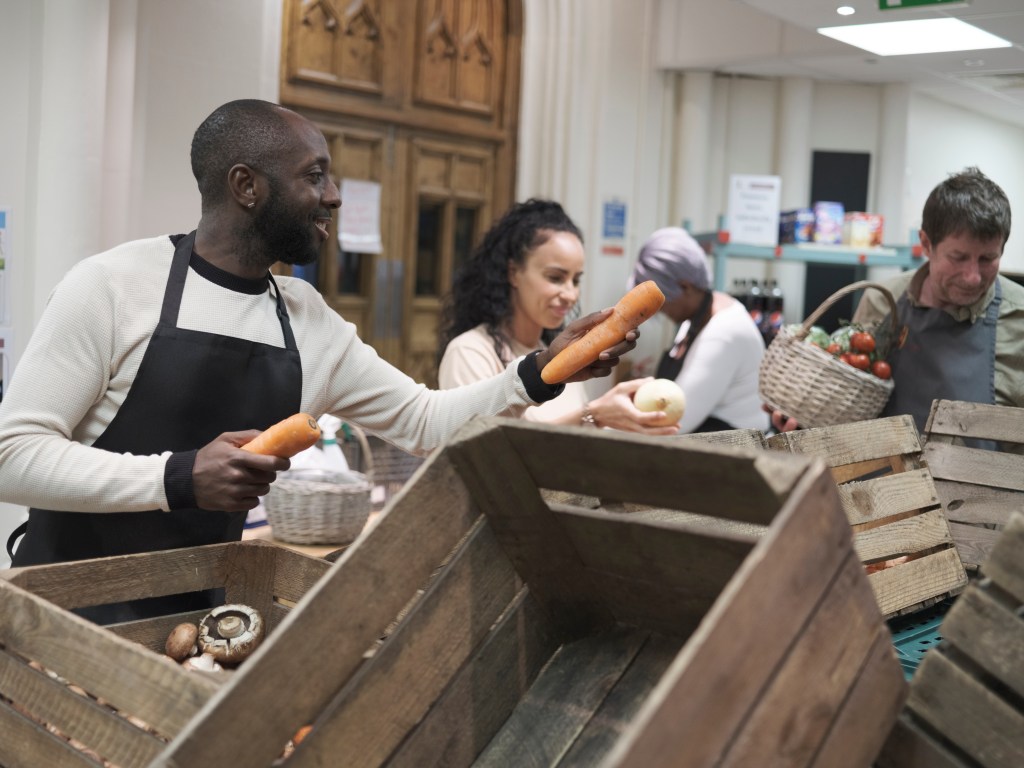
I once became embroiled in a week-long argument with a colleague who was adamant that our food pantry’s primary mission was to serve our volunteers. They argued that our goal was to give community members positive and meaningful ways to support their neighbors, and that giving away food to people in need was the vehicle we used. My perspective that our food pantry should center people experiencing hunger as our primary beneficiaries was not welcome or accepted.
As frustrating as this discussion was, it also wasn’t surprising.
This framework excuses subjugating the needs of people experiencing hunger to those of the volunteers supporting the effort. This is how organizations unintentionally transition into a volunteer-focused organization rather than a client centered pantry.

It’s more comfortable to focus on the givers than on the receivers. Our society carries lots of problematic assumptions about hunger and people living in poverty, and by focusing our efforts on volunteers (who generally have less lived experience), we don’t have to challenge these ideas or our biases.
Food pantries are chronically short of volunteers, and it is essential that we ensure our teams feel appreciated and valued. But too often, this attitude strays into favoritism.
This manifests in many ways, like pantries letting volunteers take food outside of distributions. This is against the rules everywhere from the national level down, but it’s still a common practice for pantries to turn a blind eye to a volunteer taking a dozen eggs to save themselves from going to the grocery store after their shift.
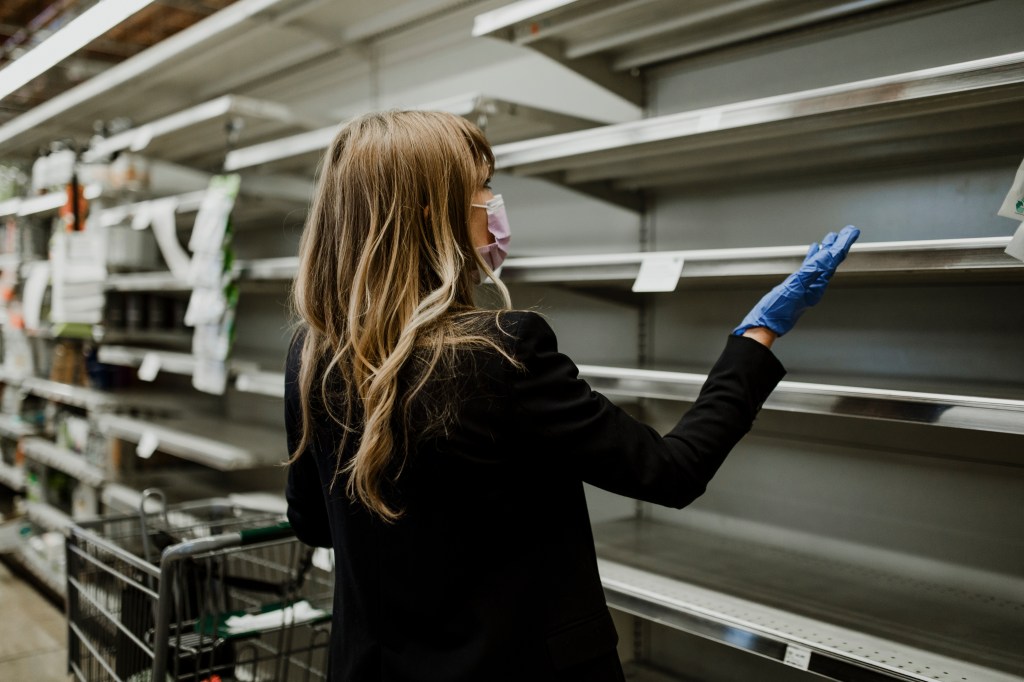
This attitude is further demonstrated in systems intended to minimize volunteers’ effort, like restocking shelves when volunteers want to, rather than when the shelves are empty (a frustration I recently heard from a volunteer/client about their local pantry.) While it’s less work for volunteers, it also means fewer options and less food for shoppers.
It’s also important to recognize a volunteer focus in the increasing prevalence of pantries hiring a security officer, who often costs significantly more and is more intimidating than giving staff and volunteers regular training in de-escalation and trauma-informed care. In most cases, the security officer is intended to increase the comfort of volunteers, rather than ensure all clients feel safe and welcome.


While I fully recognize that most pantries have a chronic shortage of volunteers, compromising your priorities for volunteer recruitment makes it harder to stay committed to your goal of ending hunger.
Organizations attract volunteers who agree with their values.
Prioritize serving clients the best that you can and you may have fewer volunteers, but at least you can be confident that they are empowering your organization to fight hunger with dignity, respect, and abundance.
The opinions expressed here are solely my own and do not express the views or opinions of my employer.
Want to learn more about food justice? Subscribe so you never miss a post!
In 2025, Who Deserves to Eat will publish on the 1st and 3rd Monday of every month to allow me to better balance my time with other food justice projects. Follow me on LinkedIn if this isn’t enough conversation on food access for you!
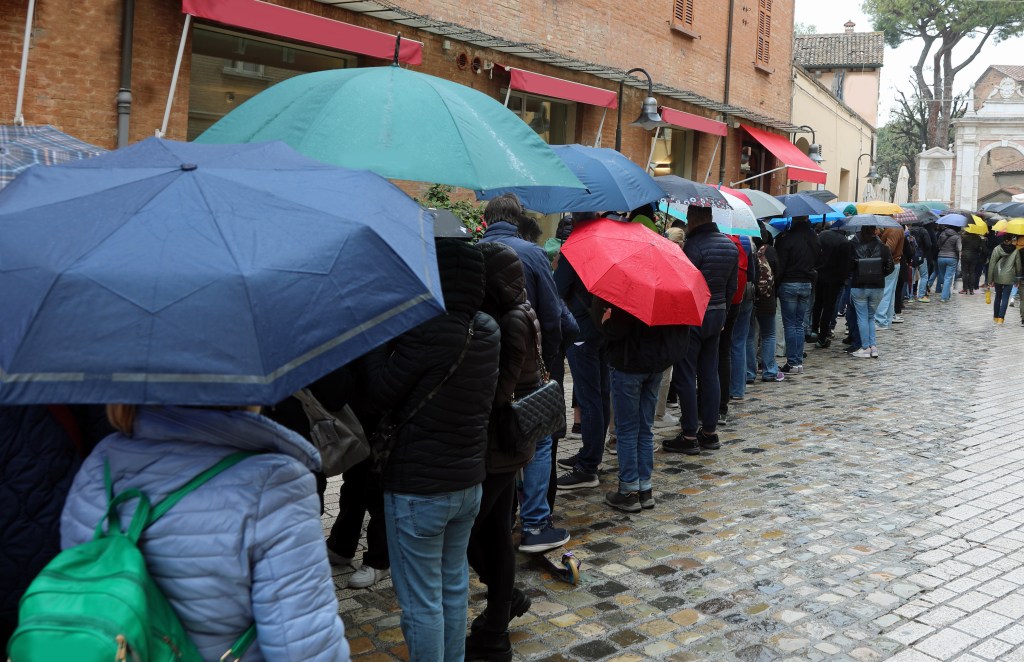
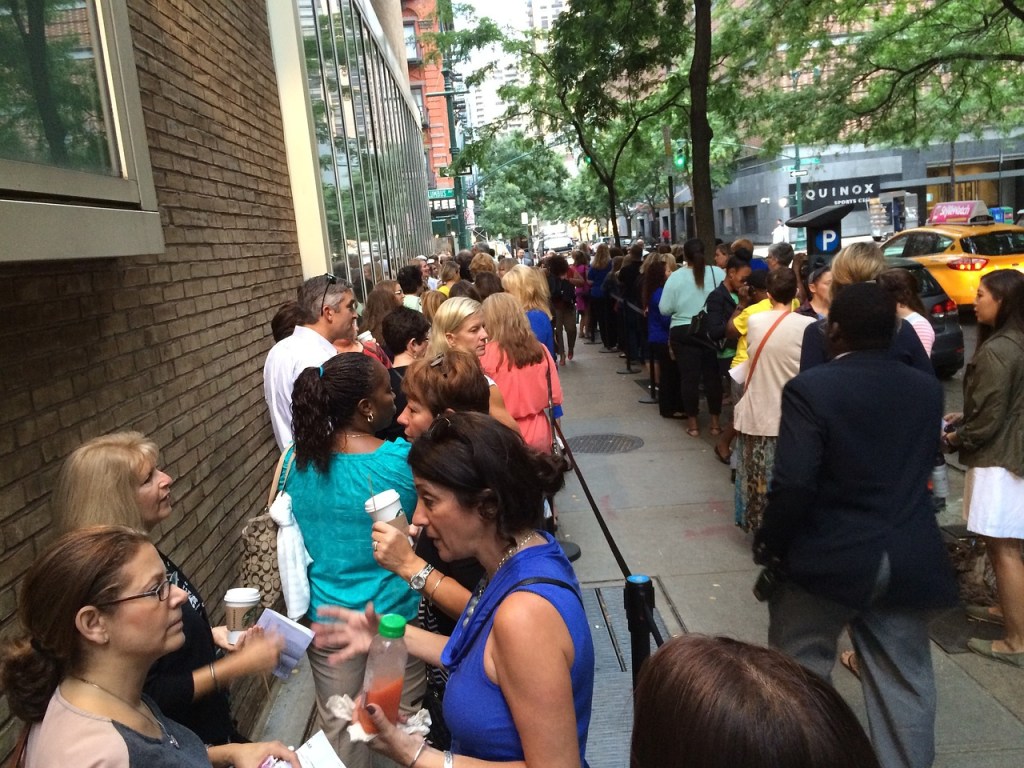
This time of year, it’s not at all unusual to see food pantries with a line of clients stretching out the door and around the block. Demand for food increases with cold weather, costlier utilities, and the price of the holiday season, but few pantries have the capacity to increase the number of people they can provide food to at the same time.
This results in longer and longer lines of people experiencing hunger waiting to get the food they need to survive, and more challenges and stress for everyone.
Most food pantries occupy small physical spaces while offering limited hours, which contributes to larger crowds of clients seeking help simultaneously.

Harsh winter weather can make waiting for your turn in the pantry immensely unpleasant and be a barrier to access for those who can’t withstand the weather or stand for the required time.
Few pantries have a setup where shoppers wait indoors or even in a covered space. Those that do allow waiting inside often lead to a tightly packed crowd where people may be uncomfortable or anxious, which can escalate tensions.
No food pantry has all the food it needs for its clients to thrive. Very few organizations can provide their neighbors with what they need to celebrate their health, culture, or community. Many organizations embrace a scarcity mindset by emphasizing what they lack, including encouraging clients to come earlier during distribution to get better quality food, “to beat the crowds.”

This attitude often fosters competition, prompting more defensive attitudes while in line and while shopping. And longer lines increase anxiety as the people closer to the back worry that they won’t get the food they need.
Besides being physically taxing, the demand on time can be a barrier to waiting in line. Food pantries often have distribution hours that cater to the availability of volunteers rather than the needs of their community. That is why many, if not most, food pantries are open during the workday.
I’ve met many clients running by a pantry on their lunch break, only to see the long line and realize that they won’t be able to get food without risking their job.

The long line can also be a significant barrier for people with children. Even when the weather is pleasant, standing still in a crowd with young kids is not easy. Now imagine doing it surrounded by individuals who are stressed, cold, and hungry.

The opinions expressed here are solely my own and do not express the views or opinions of my employer.
Want to learn more about food justice? Subscribe so you never miss a post!

Because gift-giving is voluntary, our society expects us to express gratitude for that honor. We appreciate the intentions of the gift-giver even when the gift itself is not something that is useful or wanted. In general, this is not a bad expectation. It emphasizes the value of relationships over the value of the gifts themselves.
However, when this attitude carries over into food banking, it can quickly grow toxic and counterproductive.
Food is necessary to live, which means if we treat it as a gift, we construct a framework that makes the survival of our neighbors’ dependent upon gifts bestowed by others. While we can certainly argue that American capitalism grants a few powerful individuals the authority to determine who lives or dies, an ethical society shouldn’t accept this attitude.
Historically, this relationship in emergency food assistance has been defined by reinforcing existing inequalities and outdated assumptions about poverty. Food banks and pantries often emphasize their services as a gift to recipients, which undermines the right of our community to be nourished and healthy with no strings attached.
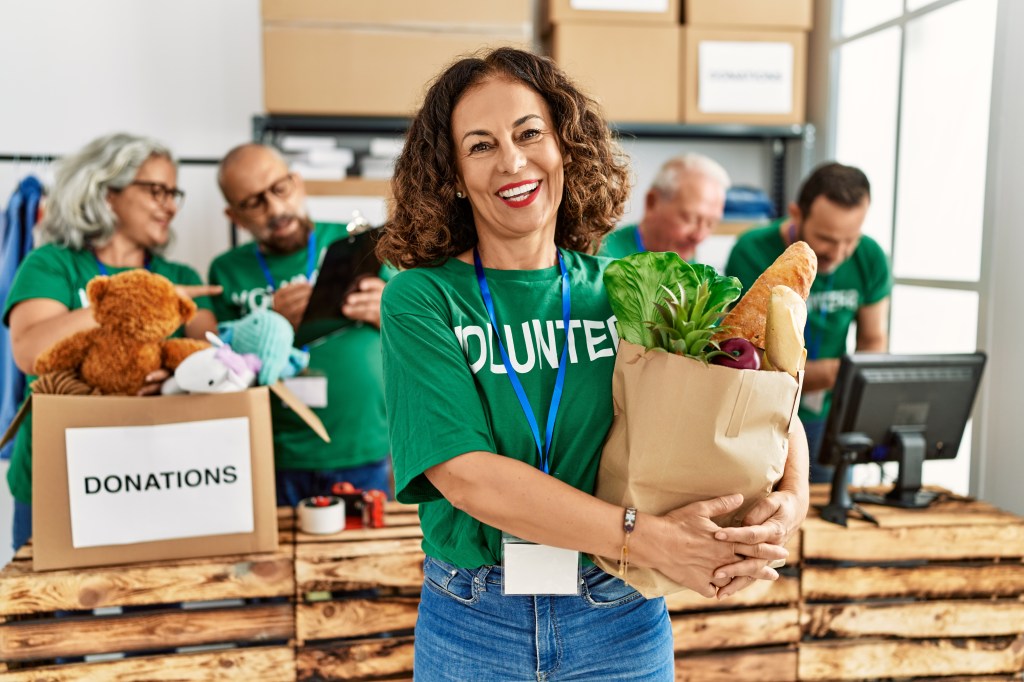
Food banks and pantries provide a vital service for our neighbors who are prevented from accessing food elsewhere. In nearly all circumstances, organizations depend upon volunteers “gifting” their time, labor, and funds to fulfill their mission. It can be quite easy for nonprofits to embrace language around gift-giving to echo the holiday spirit and evoke compassion from their communities.
But when we frame the giving of food as a gift when fighting hunger, we perpetuate harmful assumptions that ultimately inhibit our efforts. It unintentionally constructs a scenario where staff and volunteers expect their efforts to be treated as a gift- which means believing that recipients should express gratitude, and that they aren’t entitled to what they are given. But no one should ever be expected to be grateful for food.
This language reinforces the power imbalance of giver versus receiver and entirely disregards the individual needs of people experiencing hunger. Because our society expects the recipients of gifts to be grateful, it often means any comments or concerns about how the gift doesn’t serve them are unwelcome or ignored.

I can’t count the number of times I’ve heard food pantry staff or volunteers complain about how a client asked for different options because they wouldn’t or couldn’t eat what they were offered, and were annoyed that their gift was not accepted with humility.
The food that food banks, pantries, and meal sites provide is not a gift. It is a human right, attempting to fill a very big hole created by the inequalities built into our society. While anti-hunger organizations do not have the capacity to meet the full scope of the need, they are still vital for helping millions of people make it through yet another hungry day.
We fail ourselves, and each other, as empathetic creatures by maintaining a paradigm that denies everyone the right to be nourished by healthy, culturally sensitive foods.

There will be no new blog post next Monday, December 29. Who Deserves to Eat will return on January 6, 2025.
The opinions expressed here are solely my own and do not express the views or opinions of my employer.
Want to learn more about food justice? Subscribe so you never miss a post!

I started my food justice career increasing access to healthy foods in several rural communities in eastern Montana and then in eastern Oregon. These towns were small enough that there was little industry, and no local grocery store. Residents had to drive at least twenty miles to buy groceries, and the high cost of fuel meant that this was a trip that few people could afford more than twice a month. The consequences were that food insecurity rates were high.

Both of my communities had small food pantries, one which depended primarily on donated game and beef from local farmers, and another which was stocked with canned goods. While these little organizations might have prevented starvation, they lacked the resources and capacity to really serve the needs of neighbors with dignity and abundance. One of them was well-known for the handsy coordinator who would grope any woman who visited. Many people chose not to seek food assistance rather than endure his harassment, while others had no other option.
While hunger is a problem everywhere, the challenges that my neighbors faced in these isolated, rural communities were different than the obstacles I see for my urban clients. While the root causes are universally barriers to accessing wealth, effective strategies for addressing them are very different.


SNAP empowers people to make their own food choices, and is efficient because once a family is signed up, they are able to receive and use benefits without additional costs or demands (beyond the state expectations for maintaining eligibility.)
One of the biggest barriers to using SNAP is that the application process can be invasive, and many people may be deterred by the fear that they aren’t eligible for enough funds to justify the effort. Leaning into tools like SNAP Screener that can help people see how much they are eligible for and connect with support on their application are effective ways to encourage participation.

The opinions expressed here are solely my own and do not express the views or opinions of my employer.
Want to learn more about food justice? Subscribe so you never miss a post!

The winter holidays are approaching, which means many parents are looking for ways to engage with their children during the long vacation. My previous food pantries always saw a noticeable increase in the number of families, or parents reaching out on behalf of their older children, looking to volunteer at this time of year.
When it is done well, parents and children leave their volunteer service feeling enriched and impactful. When it is not handled gracefully, it can be harmful to everyone.
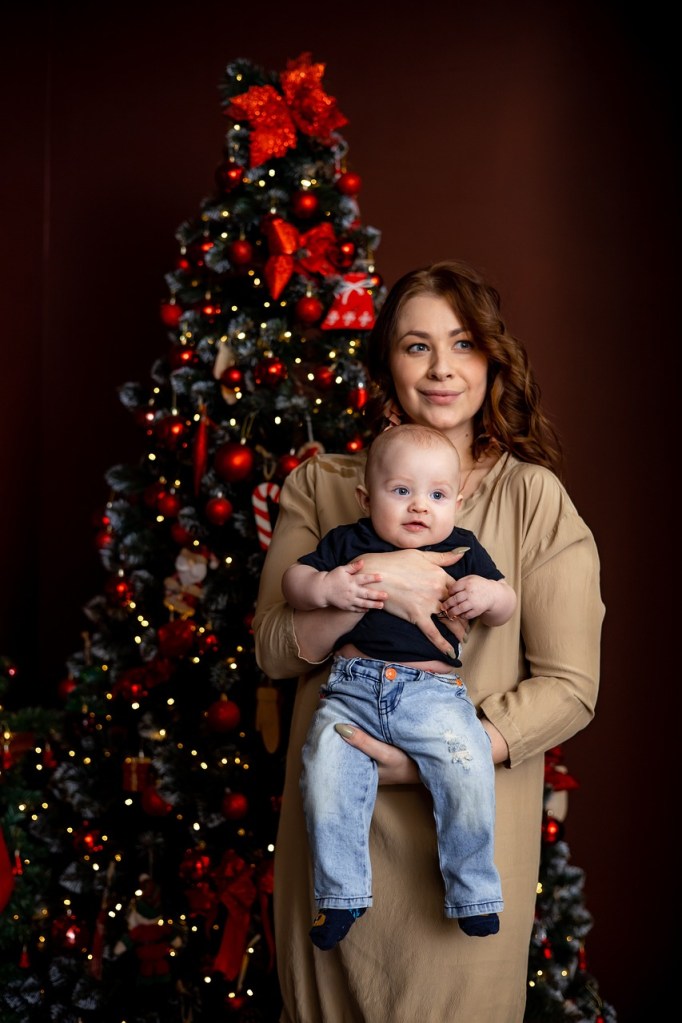
As a food pantry manager, I’ve fielded calls from dozens of parents looking for opportunities to help their children “appreciate how fortunate they are.” Essentially, the lesson they are trying to convey is how lucky their children are that they don’t have to use a food pantry. Framed this way, it emphasizes an “us/them” dichotomy that rarely fosters empathy or understanding of hunger. This attitude reinforces the attitude that visiting a food pantry is shameful, and further perpetuates the myth that poverty is a matter of luck or hard work, rather than systemic oppression and inequality.
I also regularly hear from families wanting to spend December helping the “less fortunate members of their community.” Again, this language emphasizes the differences between them and food pantry clients and may cement them in the minds of their children. Without thoughtful guidance, attitudes like this can perpetuate harmful attitudes around racism, poverty, and inequality.
This type of volunteering is performative and biased, even if well-intentioned. Poverty is not something to be gawked at, and this attitude is harmful to anti-hunger organizations working to emphasize dignity and the belief that everyone deserves to eat.

Volunteering as a family can be a hugely positive and formative experience, but service must be treated with delicacy and respect. Far too often, the people using services like food pantry clients are treated as a vehicle for volunteers to complete their “good deeds” or as examples to illustrate a specific assumption.
There are specific steps that parents and nonprofit organizations can take to fight these tendencies, increase the impact of their volunteer services, and help children develop an understanding of social justice that empowers them to be future changemakers.


The opinions expressed here are solely my own and do not express the views or opinions of my employer.
Want to learn more about food justice? Subscribe so you never miss a post!

Have you ever been hangry?
A combination of hungry and angry, hangry is the perfect term for the short temper and dysregulation that accompanies the stress of hunger. I am the ultimate hangry person. When I get too hungry, my tolerance level for everything drops, and I essentially check out until I get some food. My friends and family know that once I’ve hit hangry, we’re not going to get anything done until the situation is rectified.
I know I’m not alone. Hangry is an increasingly popular term because it captures the peevishness that grows alongside hunger. We all know that no one is their best self when they are hangry.
This especially goes for food pantry clients and people facing food insecurity. Hunger amplifies stress, which can be further sparked when facing the indignities that can accompany seeking out food assistance.

Every food pantry I’ve worked at regularly served people who hadn’t eaten in too long. Whether they didn’t have an easy way to travel to the pantry or postponed their visit for as long as possible, it was not unusual to serve clients who hadn’t eaten in twelve hours or more. (I’ll never forget serving a young man at one of my first food pantries who hadn’t eaten in two days. That level of hunger and stress brings enormous urgency to everyone at the pantry.)
Interactions between clients and volunteers can be tense. Volunteers are trying to adhere to the policies they’ve been taught as efficiently as possible, potentially without awareness of the other issues clients might be experiencing.

Clients are often trying to get in and out quickly with as much dignity as possible, which can run contrary to the systems volunteers seek to enforce.
Imposing strict rules on people dealing with hunger, stress, and other challenges can make these interactions harder.
Food pantries and meal sites all experience their fair share of challenging interactions. Our shoppers come with complex stories and high stress that can amplify triggers. But there are few scenarios where getting someone the food they need doesn’t make it better.

It’s not too much to ask people to clean up after themselves, and your pantry should already have several waste bins distributed throughout the room. While you may still have to clean up an occasional mess, it should be preferable to escalating unnecessary conflict.

I often see pantries seeking to develop a more efficient, professional atmosphere through increasingly strict rules and official looking paperwork. It’s these same pantries who experience increased conflict by placing unreasonable and inflexible expectations on their community.
Food pantries strongly benefit from a friendly, casual attitude over formality. It is entirely possible to develop a professional, respectful food pantry that has best practices for supporting their clients rather than asserting their authority. Offering snacks is a great first step.
The opinions expressed here are solely my own and do not express the views or opinions of my employer.
Want to learn more about food justice? Subscribe so you never miss a post!

In conversation with several food pantries this fall, I’ve noticed a common theme. As they serve a rising number of clients with high anxiety and urgent needs, organizations are starting to hire staff whose sole responsibility is pantry security and rule enforcement. While recognizing the need for safety, it’s worth examining this trend and the potential impact.
It’s important that everyone feels safe at a food pantry. Building an inclusive community depends on establishing a physically safe space. Because food pantries serve such a wide diversity of people, this can sometimes be a challenge.
Conflict is not uncommon. People experiencing food insecurity often endure trauma, high stress, and sometimes mental health and substance abuse issues. Hunger is a traumatic experience both mentally and physically, and it’s essential that we respond with compassion and empathy rather than force. All my previous food pantries had occasional visitors we had to navigate carefully because of the potential for unsafe or violent behavior. It is important that food pantry staff have an established protocol for how to manage these interactions while ensuring that everyone feels safe and welcome.

Pantries need to carefully consider how they build a safe space. Most food pantries are run by people of priviledge with no lived experience of poverty, which means they are more likely to trust law enforcement personnel. Many other communities feel less safe with an official in uniform present, which means bringing a security officer into the pantry does not necessarily build a more welcoming environment. Whatever you believe about the police, it’s important to remember that everyone does not agree with you, which influences the conditions you facilitate.
Depending on your location and demographics, fears about immigration enforcement can also impact who feels safe around a security officer. Many food pantry advocates remember the decrease in Latine clients we saw during the height of President Trump’s anti-immigrant deportations. We should expect similar situations to arise again.
In many scenarios, dedicated security officers exacerbate conflict by responding with combative rather than de-escalatory tactics. While having a staff member trained and skilled in building a safe space should be every pantry’s goal, a security officer is unlikely to be the most productive response for building a safe and welcoming environment.

Instead, train your team to prioritize above all else that your visitors are food insecure individuals who need help and support. Trauma-informed care recognizes that hunger isn’t the only challenge they’re bringing in the door. Start by checking in with the shopper to see if they have specific needs that help can resolve the issue- it often is as simple as a snack or bottle of water. I can’t emphasize enough how many times getting someone a snack resolved any issues.

Volunteers should never participate in confrontation with clients. This should be a trained staff responsibility only, which helps maintain a positive experience for volunteers and avoids fueling negative attitudes towards shoppers who are struggling.
The opinions expressed here are solely my own and do not express the views or opinions of my employer.
Want to learn more about food justice? Subscribe so you never miss a post!
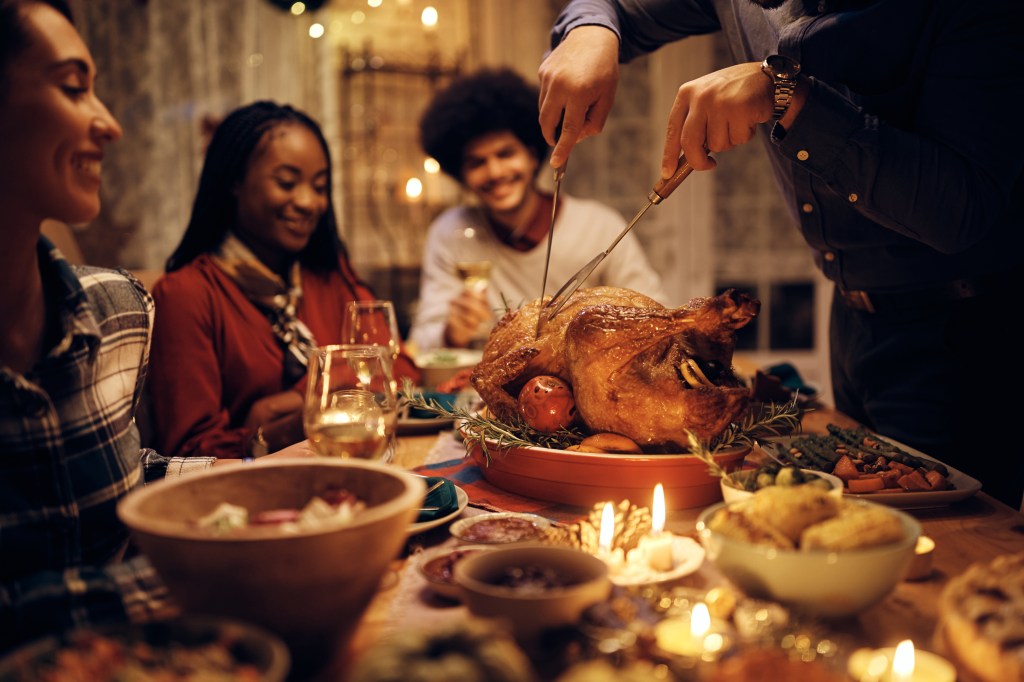
As the holiday decorations have arrived in force at all commercial retailers, I’ve been pleased to see many of them them partnered with barrels and posters collecting for food drives. I’m excited to donate cans at my local rock climbing gym and funds at the grocery store.
However, it often seems like every business not supporting a food drive is now hosting their own holiday meal, food box distribution, or toy drive. It’s a great way to connect with neighbors, market services, and build a positive reputation. But it’s not always the best thing to fight hunger.

While hosting a your own food program sounds great on paper, it’s not as simple as one might believe.
We all enjoy the warm feelings of helping people in need, but if your organization hasn’t hosted before, you may not be well set-up to safely manage and serve hot foods, store and distribute food boxes, or ensure that your services prioritize the dignity of your recipients.
Even more frequently, these distributions are designed with one particular community in mind rather than the broader population (commonly seniors, children, or veterans). While wanting to support your friends and your neighbors is noble and good, communities thrive when services prioritize those with the greatest need and barriers rather than the people the American business community relates to the most.

Consistency is important to food access. Offering a one-time event can be hard to ensure neighbors know about it, and one-off events can leave people confused without options the following year. Anti-hunger organizations are well-suited for hosting these events because that is what they do. They have established relationships with their neighbors and clients and are trained to safely distribute food in a way that elevates the dignity of all involved. Your local athleticwear store or graphic design studio doesn’t have the same tools and skills.
If you’re suddenly inspired to use your business to make a difference this year, consider why. Are you motivated to ensure your neighbors have access to the food they need to celebrate their community? If so, you are better off partnering with an existing organization that has the capacity, framework, and resources to make the event a success.
If you are interested in hosting it yourself for the marketing potential, then it’s important to recognize that your primary goal is self-promotion rather than food access. When you ask your food bank for support on this project, know that the staff are intimately aware of your motives, and frustrated by your requests.
If you want to host a food distribution because you want to nourish and uplift your people – your church, your apartment complex, your community group, or your clients, think about who in your area is already offering assistance. With very rare exceptions, most food banks require that any distribution be open to any and all who need it, not just specific people.
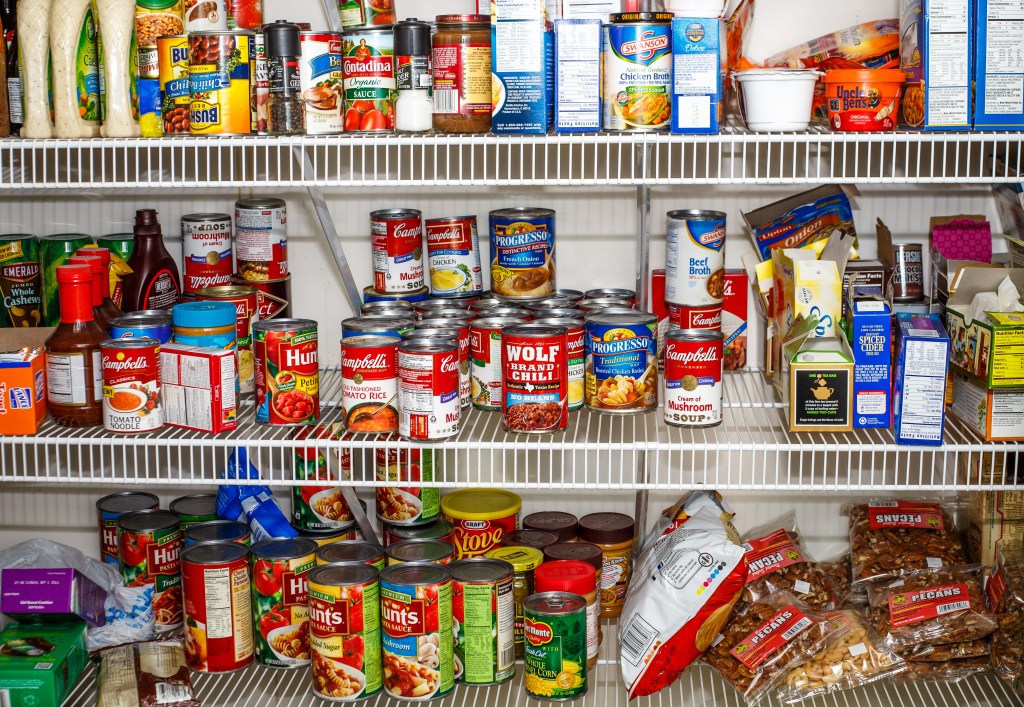
Encourage your clients, church, or community to explore the services that already exist. Using existing services helps food banks more than setting up new distributions. Established programs have a better understanding of the needs in a region and can better allocate resources without needing to train, certify, and coordinate an inexperienced partner.
Additionally, food banks, who are likely to provide most, if not all, of the food distributed, are already swamped during the holidays. They have limited capacity to onboard and support new and one-time partner agencies. They also may plan most of their holiday food orders around the number of agencies they anticipated serving, so sourcing additional foods may not be easy.

The opinions expressed here are solely my own and do not express the views or opinions of my employer.
Want to learn more about food justice? Subscribe so you never miss a post!

No matter how you feel about the outcome of this election, the reality is that if Trump implements the policies he has proposed, food insecurity is likely to significantly increase.

Mass deportation (or even just threats of) will decimate the agriculture community which depends on migrant labor. This will contribute to both food shortages and increased costs.
Separating nutrition programs from agriculture within the Farm Bill, as proposed by Project 2025 (Chapter 10), removes any incentive for compromise between parties and is a deliberate move towards slashing SNAP. (This one really frightens me.)
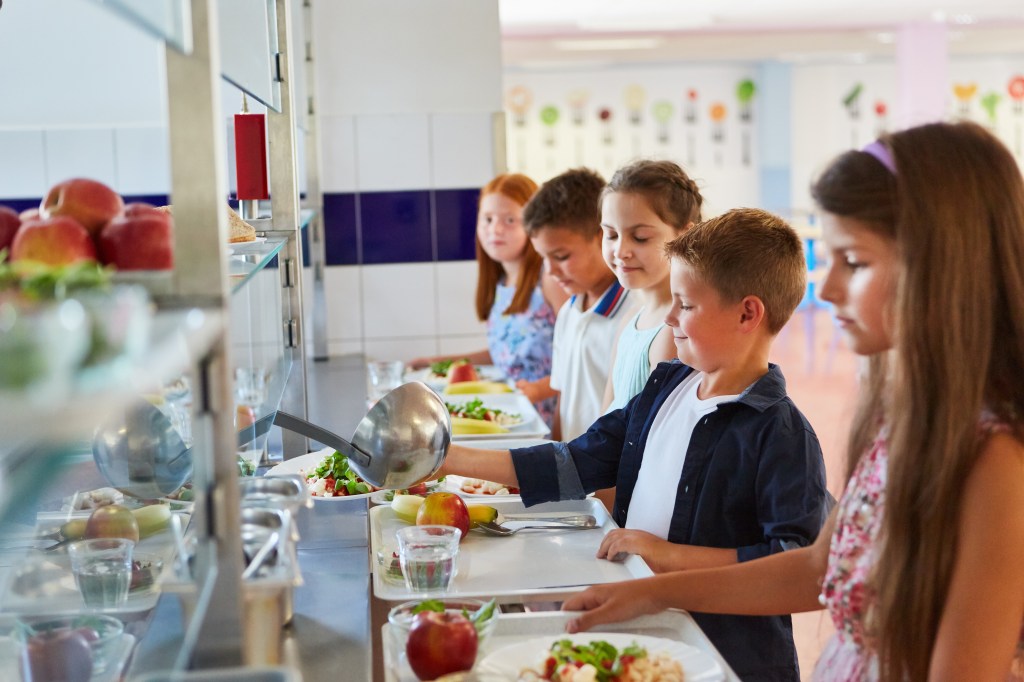
Further proposals within the document recommend reinstating SNAP work requirements, which are proven to increase hunger and have no positive impact on employment.
The administration also plans to target Universal School Meals, which over the last year have provided ample proof that nourished children have better outcomes. The list goes on.
It’s true we have no idea what will happen, but these are the policies that have been proposed.
What this means is that we can expect significant changes in America’s hunger landscape. The resources we have and the policies we uphold are likely to fluctuate alongside a volatile economy. We face uncertainty, fear, and an increasing disinterest in evidence-based policy. Anti-hunger work is going to get harder.
One of my biggest frustrations of working in the anti-hunger community is that we tend to be reactive rather than proactive. Food bank and pantry staff are overworked, underpaid, and under-resourced, which makes it incredibly hard to plan long-term. But long-term planning is the only way we will make a difference, because ending hunger depends on ending it tomorrow and not just today.
What your food pantry can start doing today to prepare for a changing landscape:
I fully recognize and empathize that we are entering the busiest time of year for this industry, but doing this now is the only way we can prepare for future changes that could very well overwhelm our services.

I know that there are plenty of organizations and staff that aren’t interested in being these safe spaces. It’s important that everyone share this information- so advocates know where we can safely refer our clients and direct resources. If your pantry doesn’t want to serve LBGTQ+ shoppers, I certainly don’t want to send them to you.
The opinions expressed here are solely my own and do not express the views or opinions of my employer.
Want to learn more about food justice? Subscribe so you never miss a post!
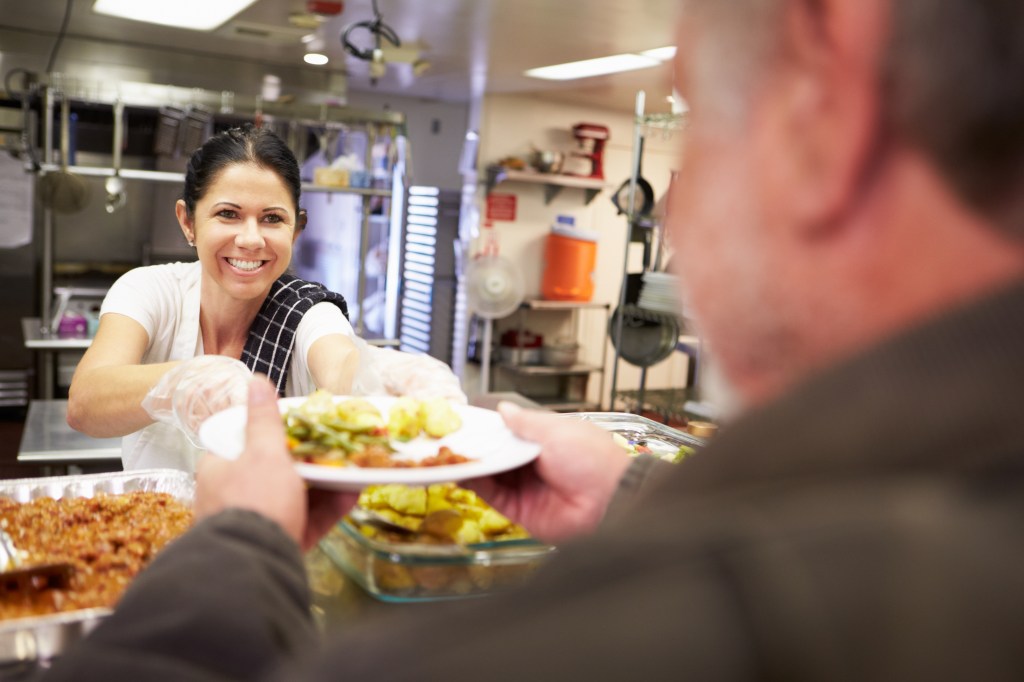
For most of America’s history, anti-hunger efforts have focused on getting food into the hands of people who need it. An essential component of survival, we prioritize efforts to sustain people needing nourishment today. This is why this work predominantly manifests through services like food pantries and meal sites. As important as it is, this strategy does nothing to help people access food tomorrow.
The emergency food access industry often argues that by freeing people from spending money on food, we’re helping them save up to escape poverty. Realistically, this is unlikely.

If food was the only thing that was unaffordable, maybe it would make a difference. Unfortunately, poverty also makes appropriate housing, healthcare, transportation, and childcare inaccessible. While providing food aid might allow individuals to reallocate the dollars they would have spent on food, it’s unlikely that families have enough to save rather than spend it on other essentials.
This is why we need food justice.
While I find myself occasionally using anti-hunger and food justice terms interchangeably, it’s important to recognize that they have distinct meanings.

Fighting hunger means getting food into the hands of people who need it. Food justice seeks to change the systems preventing people from accessing food in the first place.
Anti-hunger organizations focus on food access for individuals. By their very nature, these efforts treat hunger as a personal, rather than systemic, failure.
In contrast, food justice explicitly calls out the systemic barriers that perpetuate hunger like racism, sexism, unaffordable housing, and inaccessible healthcare. For organizations such as food banks who have long staunchly maintained their “apolitical” status, going anywhere near these controversial issues can be terrifying.
This is an area that increasingly causes discomfort in anti-hunger organizations unwilling to step away from the narrative of hunger as an individual problem precisely because it means examining systems of oppression.

We can’t effectively fight hunger without pairing the fight against hunger with food justice. Without examining root causes, food banks will never meaningfully influence the problems that bring food insecure individuals through their doors. But without providing immediate food assistance, food justice efforts may induce change too slowly to help people facing hunger today.

The opinions expressed here are solely my own and do not express the views or opinions of my employer.
Want to learn more about food justice? Subscribe so you never miss a post!

At one of my past food pantries, I worked with a collection of predominantly older, wealthy, white volunteers without lived experience of hunger. They were interested in addressing hunger, as demonstrated by serving at the pantry, but many entered our organization centering fault and responsibility for hunger on the individuals experiencing it.

Working in this job gave me valuable experience learning how to teach these volunteers to reevaluate their assumptions, but also showed me the importance of developing a framework to facilitate this growth. Few people change their mind after a few conversations, but can slowly internalize and adopt ideas they are consistently exposed to.
By repeatedly emphasizing important concepts of fighting hunger, I found I can incrementally change their interpretation of food insecurity.
The more I do this work, the more I recognize the value of being thoughtful in how we frame hunger. How we think about it directly impacts the decisions we make when choosing how to address it, and if we are tactical, we can amplify our impacts through the words we use to discuss it.


Everyone is looking for a way to make enough money to thrive, and everyone has different tools helping or hindering them from doing so. Consistently talking about hunger as a systemic problem helps redirect our societal tendencies to treat hunger as a personal failure.

The opinions expressed here are solely my own and do not express the views or opinions of my employer.
Want to learn more about food justice? Subscribe so you never miss a post!

I recently found myself wrestling with the use of the words “healthy” versus “fresh.” In the food access (and wellness) fields, we often use these terms interchangeably when talking about diet, but my ruminations made me consider how it might not always be the best practice in the context of food justice.

Fresh foods are those that have undergone minimal processing, and usually need to be consumed shortly after harvest or collection. Fresh foods are generally considered healthy because they are generally whole foods without any of the additives that define our industrial food supply. They offer the simplest opportunity to consume our daily nutrients.
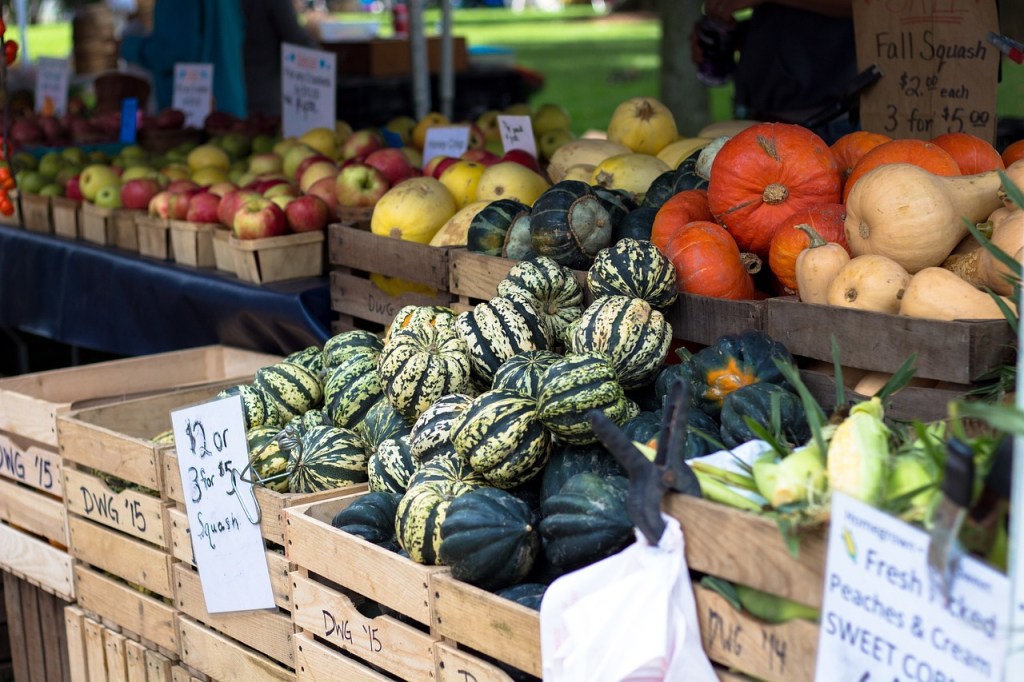
Fresh foods can be hard to access. The weather in my hometown of Portland, Oregon, has quickly transitioned to fall, which means my garden is rapidly declining in productivity and many farmers’ markets are soon closing for the winter. Fresh foods will become harder to access as the season progresses, and the options at the grocery store will have to travel greater distances with variable quality.
When we place an emphasis on healthy foods being exclusively fresh, we add extra barriers for individuals who may not be able to access this option. At every food pantry I’ve ever worked at, I’ve encountered shoppers who were apologetic about their “bad diet” because they didn’t have a refrigerator or cooking capacity to choose fresh foods, regardless of what else they were eating.

Consistently accessing fresh foods requires easy access because it has a limited shelf-life. Food pantry clients often limit their shopping excursions to once or twice per month to minimize time and transportation costs, which means they only eat fresh food for a couple days after each trip.
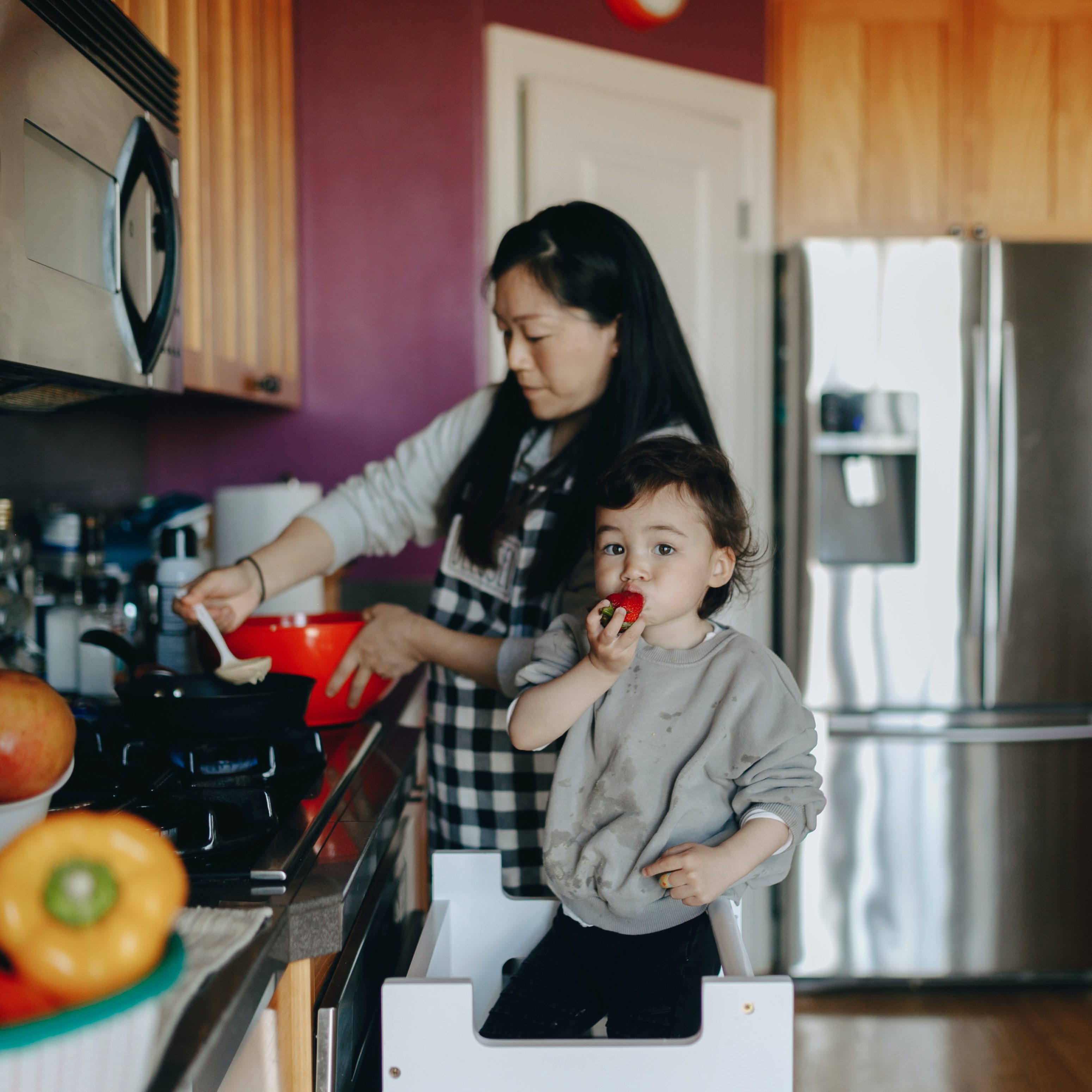
Fresh foods also often require refrigeration and extra preparation to use, which can be beyond the capacity for someone with limited storage, inadequate tools, no time, or physical limitations. When we insist that eating fresh food is the only way to eat healthy, we mislead too many of our neighbors into believing that they are eating wrong.
When we teach people that their only options are inadequate, we foster discouragement and defeat. Food shaming never improves outcomes.
It is entirely possible to eat healthy without fresh foods. In many scenarios, preserved options are more nutrient dense because they were harvested and preserved at the peak of ripeness.

The opinions expressed here are solely my own and do not express the views or opinions of my employer.
Want to learn more about food justice? Subscribe so you never miss a post!

As we head into the holiday seasons, heralded by the arrival of twenty-foot-tall skeletons and inflatable black cats, most anti-hunger organizations are finalizing plans for their winter food drive. Food drives have long been a staple of food access work- they are a great mechanism for collecting food while increasing community engagement and awareness of their mission. Nearly all food access organizations utilize this tool.
But there are significant shortcomings and challenges that accompany food drives. In this post, I’ll share what some of those are, and ways that organizations and community members can navigate them.
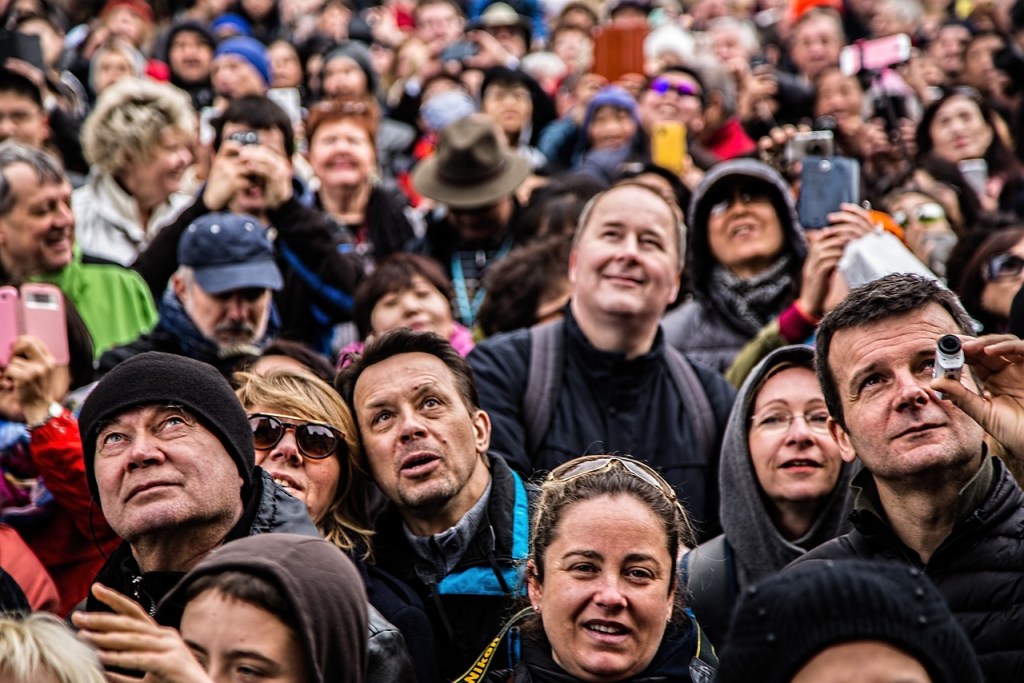
Food drives are fantastic for many reasons. They bring much-wanted variety to a food supply that can often grow monotonous when depending on bulk food bank donations. They offer a tangible way for community members to connect with your organization. Personalizing donations are a beautiful entry point for neighbors to have discussions about the reality of food insecurity. Sorting donations is a great task for the huge influx of volunteers that nonprofits often see during the holiday season.
But these same benefits also present challenges.
Most food banks have specific food needs, based on what items they’ve been able to source elsewhere, and these needs can vary month to month. Unless it’s an incredibly targeted food drive (I’ve seen breakfast cereal or peanut butter specific events), food drives may not meet the food pantry’s highest food needs. While all donations are impactful, targeted aid is the most effective for fighting hunger.

The foods most in demand are often the most expensive, which means they are also the least likely to be donated. My personal mission is always to increase donations of spices and seasonings, but their high cost makes them some of the least donated ingredients. While I enthusiastically encourage people to donate foods that make them happy (because it helps remind them that people experiencing hunger are just like them), this builds community engagement more than an appropriate food supply.
My previous pantries supplied donors with donation barrels that we would try to both deliver and pick up. This required a volunteer or staff member to make extra trips during our busiest time of year, generally in less-than-ideal weather conditions. It felt worth it when we picked up hundreds of pounds of food, but often one or two hours of driving and days of coordination yielded little more than twenty or thirty pounds. While the donor absolutely deserved our praise and gratitude, this is not an ideal use of time. Many organizations hosting food drives also like to provide personalized signage and food requests, the development of which often falls on to food pantries. The amount of labor that goes into facilitating a food drive may not produce a similar payoff.

Once the food has been received, it needs to be organized. Delivered in overflowing boxes, bags, and barrels, food banks or pantries must sort it into categories that allow them to efficiently manage their distribution, be it in prepacked boxes or on grocery-style shelves. This responsibility usually falls to volunteer groups, who often sign up for one-time shifts during the holidays.
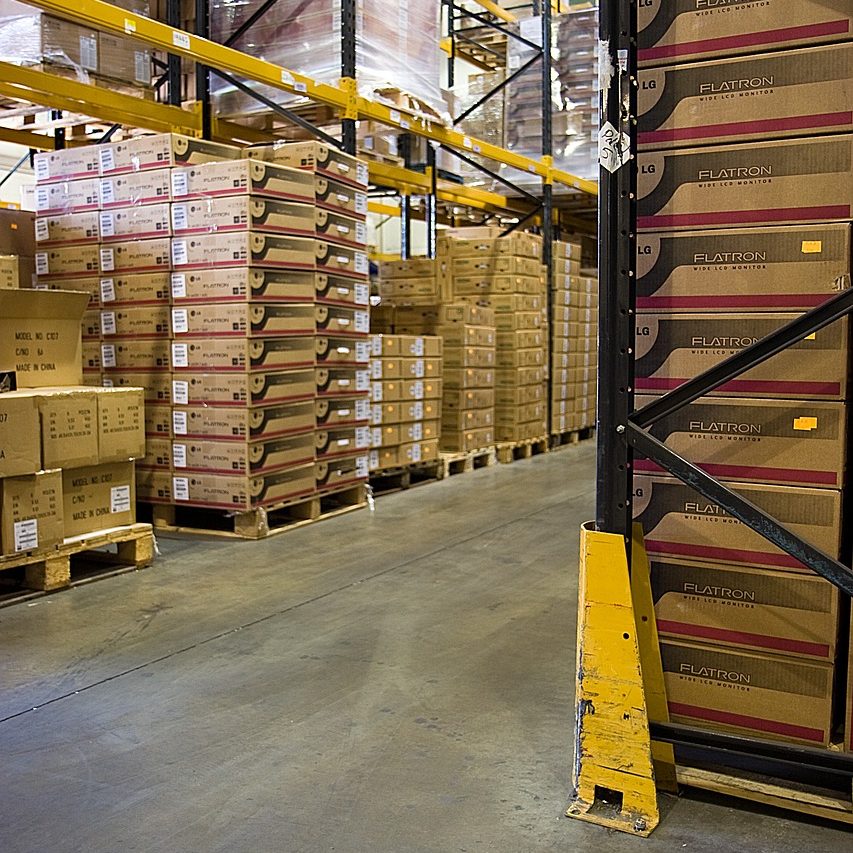
Under the supervision of a staff member, volunteers evaluate the food to ensure it’s safe for distribution (inevitably someone donates homemade preserves, goods without a label, or a bottle of alcohol- all unallowable options that must be discarded). These types of shifts are often fun but highly chaotic and have varying degrees of efficiency for the amount of work that actually gets done. While they are a perfect way to get volunteers into the door of their local food pantry, they are less successful at helping these organizations meet their day-to-day responsibilities of serving clients.
Additionally, this labor- and time-intensive task can mean that donations sit taking up space until they can be addressed. Sometimes this means organizations cannot accept other donations until food drive is sorted and distributed. This can be a significant problem for pantries with limited storage capacity.
Food banks (and some pantries) have significantly more buying power than the average individual, which means donated funds can buy much more food than an individual in their local grocery store.
One of the most efficient ways to maximize capacity is through virtual food drives– where neighbors donate funds, or even choose to buy specific items which ensure the food bank gets the best rates as well as the foods they most need.

Transitioning food drives to virtual, while still leaving room and opportunity for the donation of physical goods, is ultimately more accessible and efficient for everyone.
The one challenge this leaves is it reduces opportunities for large groups to volunteer together with food pantries, who often cannot accommodate their size or offer responsibilities to work together during day-to-day operations. In this scenario, food banks who do still have the capacity and need for larger shifts should step up to ensure these volunteers have a place to channel their energy while also connecting them with impact on the local level.
The opinions expressed here are solely my own and do not express the views or opinions of my employer.
Want to learn more about food justice? Subscribe so you never miss a post!
 Reintroducing justice and dignity to the fight to end hunger