I explore new strategies for increasing food access and security
Author: Anina Estrem
My background as a food pantry manager, school garden educator and degree in public policy specializing in food access informs my current work as a food banker, and provides me with an alternative perspective to American traditions for fighting hunger. I intend for this blog to provide me with a space to examine the challenges regarding food banking in a way that I believe they are not currently being analyzed.
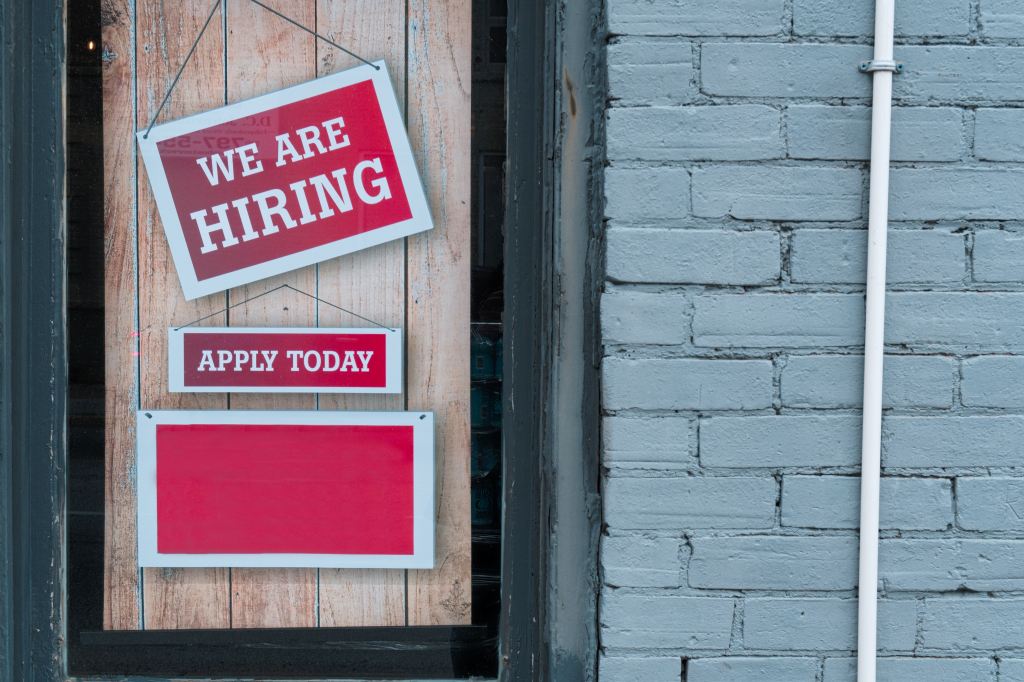
These are two questions that we regularly hear at our food pantry. First-time clients who are brought to our pantry due to inadequate wages or unemployment worry that their situation might make them ineligible to receive food assistance. It is tragic that people in these opposing circumstances both worry that they don’t deserve help feeding themselves and their families.
Why is our idea of who deserves to eat so focused on employment?
The United States first began to view hunger as a domestic issue rather than a problem experienced by impoverished nations facing famine and conflict in the 1960s. As understanding and data around food insecurity grew, the 1970s produced the significant expansion of the Food Stamps program as we know it (now known as the Supplemental Nutrition Assistance Program, or SNAP). Providing low-income families with money specifically dedicated to purchasing food, the program had a significant impact on fighting hunger.
A key part of SNAP participation has long been work requirements, which require participating individuals to work a minimum amount of hours every month in order to receive benefits. This policy has recently risen to prominence as it was reevaluated and updated as part of the debt ceiling negotiations. Making sure that people are working or pursuing employment may seem like a simple expectation to set, but making survival conditional on productivity simply brings more shame and humiliation to the experience of being food insecure.
Imbuing ideas about who deserves to eat into anti-hunger policies does not do much to change behaviors, but it does ensure that more people don’t have access to resources or don’t believe that they are entitled to the food they need to survive.
When people aren’t allowed to use SNAP, they must turn to other resources like food pantries. Everyone must eat, so these policies simply offload the burden from government to nonprofit programs. There is no option for people to just not eat if they are not deemed deserving enough.
If we’re truly committed to the idea that everyone deserves to eat, then these policies need to be called out for perpetuating the idea that anyone doesn’t deserve access to healthy, nourishing food. Food security should not depend upon your employment status.
The opinions expressed here are solely my own and do not express the views or opinions of my employer.
Want to learn more about food justice? Subscribe so you never miss a post!
“I’ve never done this before.” The client walking in the door was visibly shaking, and she repeatedly dropped her reusable grocery bags as she tried to prop them up in her shopping cart. “I’m really nervous. I never thought I’d need to do this.”
“Well,’ I told her, ‘we’re really glad you made it in today. We’ve got some fun options and I hope you’re able to find some foods that work for your family.” I explained our pantry processes before ushering her to Cannery Row where we keep our nonperishable options, and left her hesitantly browsing the shelves.
Visiting a food pantry is highly stigmatized. For many shoppers, just having to use this service is embarrassing, humbling, and shameful. While we have a long way to go to overcome cultural biases against receiving food assistance, here is how you can make sure that they do not dominateyourfood pantry.
1. Let clients shop how they like.
We don’t have a prescribed path by which clients must traverse the food pantry. It’s a small space so the lack of a traffic pattern does cause some serious traffic jams, but we noticed that clients were unnecessarily worried about doing things the “right” way.
I like to tell them, “We’re lawless rebels here so there’s no right or wrong way to shop.” Our clients usually laugh, and the traffic jams slowly work themselves out. People have the option to revisit their food choices, browse as new options are restocked, or even take a break if they get overwhelmed. Freedom from the fear of making a mistake substantially relaxes the atmosphere within our pantry.
2. Allow your visitors to take what they need, rather than telling them what they can have.
Beyond the few items that we do have set limits for because we run chronically low (frozen meat, eggs, cooking oil), the pantry is filled with signs asking clients to take what they need and leave what they do not. We still regularly get questions about how much they can take, and my team takes delight in responding, “as much as you need!” More than once, this answer evokes tears in shoppers who had expected or previously experienced different attitudes.
Clients with big families can load up their shopping carts, or people excited by a food familiar to their culture can take an abundance. Although we usually do not have enough of one item for everyone to take a large amount, the beauty of this system is that because everyone’s needs vary, it all evens out in the end. One client may finish the bell peppers, but the next client will get access to a new bin of potatoes or onions instead. We have never had any client conflict over our unlimited food choices.
3. Celebrate building food security!
We celebrate when people take lots of food. Clients often worry about taking “too much,” so our volunteers gently encourage them to take more and help our visitors enjoy the abundance that we have.
We have also learned that unlimited abundance often results in people taking less food, because they are confident that we have what they need so there’s no urgency in their shopping. We’re here to end hunger, and we know that a full shopping cart means a family knows they have what they need for a few more days.
By having as few rules as possible, we’ve made it so that our shoppers can’t make a mistake which contributes to a relaxed, comfortable environment. Few people who need to use a food pantry are visiting us on their best day, so ensuring that they come to a place where they know they will not be judged, shamed or scrutinized goes a long way to making the food pantry experience more comfortable.
The opinions expressed here are solely my own and do not express the views or opinions of my employer.
Want to learn more about food justice? Subscribe so you never miss a post!
I once had a gentleman who stopped by our food pantry every week with a bag of food to donate. Unfortunately, every time the items he gave us were grubby, damaged beyond use or exceptionally expired. It got to the point where we would barely glance at them after he left before throwing the bag away because it was never of a quality that we’d be comfortable sharing with clients.
One day, when he handed me a gallon of milk that was over a month past its expiration date, I finally asked him where he was getting this food.
“I’m dumpster diving. I know you guys need food and I thought this would help. Someone can use this.”
My jaw dropped. I gently explained to him that while we appreciated the thought, we needed to ensure that all the food we gave away was safe to eat, which we could not do it if was salvaged from a dumpster. We haven’t seen him since.
It’s true that the US wastes extraordinary amounts of food. It’s also true that donations of discarded and unwanted food are the primary food source for most anti-hunger organizations like food banks. The demand for food far outweighs the capacity for anti-hunger organizations to purchase it. However, as my experience with the above-mentioned donor illustrates, it also perpetuates the idea that it’s okay for people experiencing poverty to eat food we would deem as garbage.
There is enough food in the US that food pantry clients don’t have to eat damaged, discarded, or expired options. There is not a food shortage in this country- simply a lack of access.
Food pantries and banks need food. This system would not currently function without donations of discarded, unwanted, and damaged items. Most of the time, this food is perfectly fine to eat. Expiration dates are simply a date of maximum nutritional value and not a food safety concern. Canned and dry goods are completely fine up to ten years past their expiration date if the packaging and container are all intact.
Donations often include food that can’t be sold for many reasons besides being old; the store over-ordered and doesn’t have storage capacity; the boxes fell over in transit and are damaged but unopened; one container in a pack of many was damaged but the rest are intact. Perishable foods are more complicated to evaluate- but my pantry has a standard by which we assess every item and a timeline of how long past the expiration date it is appropriate and safe to distribute an item.
Perpetually running on a scarcity mindset, food pantries are often encouraged to distribute as much food as possible, which encourages the distribution of foods long past their viability date.
When the food bank receives a donation of onions, they are pressured to get those onions to food pantries who will salvage the best ones for distribution to clients. This doesn’t mean that clients are getting good quality onions- it only means that they’re not getting the worst ones.
New Ways of Thinking
The goal of an anti-hunger organization should not be to give out as much food as humanly possible, but to make sure that what we do give out is safe, nutritious, and respectful. This attitude can be difficult for many food pantries to adopt as they are conditioned to a scarcity mindset where food is in such short supply it feels wrong to throw anything out. Ensuring that all the food on the shelves is dignified and useful will help cultivate client trust. Client satisfaction increases enormously when clients don’t feel like they need to inspect every single item of food for safety and viability.
Our food pantry asks two questions when we’re evaluating if food is appropriate to give to clients.
Would someone be able to wait until tomorrow to eat this (or is it going to go bad immediately)?
Will this food bring someone joy? Will a shopper pick this up and be excited to show it to their family when they get home? Although you can certainly salvage the inner layers of a moldy onion, no one feels joy receiving such an item in a time of need. It does mean we toss out some foods that some people might consider usable, but we ensure that our clients feel respected and cared for.
Rather than emphasizing how much food is saved from the landfill, food banks and pantries should emphasize the quality of foods donated and how they lend dignity to the experience of visiting a food pantry. Rhetoric like this will help us move away from the idea that its appropriate for food pantry clients to eat whatever we salvage from the landfill.
Food donations are essential to the food banking industry. No organization has the budget to purchase all the food they need to support their neighbors experiencing hunger. But it is also time that we rethink the food we give with an emphasis on quality to move away from the idea that anyone deserves any less than the freshest, healthiest food out there.
The opinions expressed here are solely my own and do not express the views or opinions of my employer.
What demographics experience some of the highest rates of hunger?
It’s not who you think it is, precisely because you thought it.
You probably guessed seniors and children. Anti-hunger efforts tend to focus on these two vulnerable demographics because of the concern that they are helpless to fight it themselves. Seniors are living on a fixed income, while children are at the mercy of their parents’ financial situation. Anti-hunger advocacy has long prioritized those whose poverty we see as out of their control (the “deserving poor”).
Because of greater concerns regarding senior and childhood hunger, there are more programs available to support them. Just over 10% of American households are food insecure, while 12.5% of households with children do so. Although having children in the household does increase the hunger risk, programs like the National School Lunch Program (NSLP) and Women, Infants and Children (WIC) are powerful and effective tools against childhood hunger.
Households that include a senior experience hunger rates of 7.1%, and 9.5% for seniors living alone. Seniors are one of the least-hungry demographics in the U.S. (Keep in mind that no identity exists independently, and people have many different experiences and identities that impact their hunger risk. This data only indicates that advancing age is not a primary indicator of hunger risk and does not mean there are no hungry seniors or that we shouldn’t be figuring out how to lower these numbers further.) The low rate of senior hunger is thanks to programs such as Meals on Wheels, the Commodity Supplemental Food Program (CSFP), and other projects specifically because this is a demographic that is prioritized when fighting hunger.
While these communities certainly deserve our attention and continued efforts to end hunger, it’s important for anti-hunger advocates to examine where the greatest need lies. Identifying the barriers to food security for our most vulnerable community members helps us increase access for everyone.
Who’s hungry?
College Students
41% of college students are food insecure. Our vision of a college student as a carefree young person with their parents footing the bill is long outdated. A college degree is now almost essential for accessing a living wage, so higher numbers of first generation, older and other “nontraditional” students are pursuing college and graduate degrees.
Many of these students are attending community college, over 25, supporting their own families, paying their own housing and other living expenses, and usually end up in significant debt with the high cost of tuition. It should be no surprise that nearly half of college students don’t have enough food to eat.
55% of disabled Medicare recipients are food insecure. Despite protective policies like the ADA, people with disabilities still experience discrimination that limits housing and employment opportunities, which have a profound impact on hunger rates. Disabilities may also make it harder to physically access food, as people may not have the ability to shop at the grocery store or travel long distances for affordable food.
While policy changes on both the local and federal level are necessary for eliminating the root causes of hunger for these groups, there are certainly steps that food pantries can take to become more available to these communities and thus a little more accessible to everyone.
How Can Food Pantries Support Our Hungriest Neighbors?
College Students
Do students know about food resource options? The stigma against using emergency food assistance programs for students is high, so making pantries easily accessible and welcoming for young people is essential. SNAP benefits are often unavailable to students, and these restrictions may mean that students don’t know that there are other resources available to them. Because of this, more and more colleges are developing their own pantries right on campus. Pantries should do direct outreach at schools with clear explanations of eligibility. Volunteer recruitment may also be a gentle way to introduce students to the idea of food assistance, as many schools require volunteer hours as part of their curriculum.
LBGTQ+ Individuals
Many food pantries are located in or have their origins within religious institutions which historically have not welcomed the LGBTQ+ community. My own food pantry started in a church basement, and our name and logo reflect that. As a result, I often get phone calls inquiring about our religious affiliation (there is none) because people are unsure if it is a safe space.
One small but significant step we’ve taken is to ask for our client’s pronouns upon check-in, so that we can ensure we identify them correctly (after training volunteers on the importance of pronouns). Also, because we do not require any identification or documentation, our shoppers can choose what name we enter them in our database even if it does not match their identification. I’ve been delighted with the few opportunities I’ve had to delete someone’s deadname in our database (the name they had before their transition). Small details like gender neutral bathrooms are also more inclusive.
There is no reason that inclusive food pantries shouldn’t do deliberate outreach towards the LGBTQ+ community. With Pride Month approaching, pantries committed to fighting LGBTQ+ hunger should absolutely deck themselves in rainbows and undertake outreach so everyone knows there is a safe and welcoming place to get food assistance.
People with Disabilities
Can the pantry space accommodate wheelchairs? Are there places to sit, or must clients stand in a long line to enter? Is there a quiet space where someone who is overstimulated may take a break? Because many pantries exist in whatever space is available, they may not be physically accessible to everyone. Pantries often find workarounds by distributing food boxes to individuals who can’t enter the pantry themselves, but this deprives them of the respect and autonomy that is so important to establishing a dignified experience. Although we have only one disabled parking spot at our pantry, we are mostly accessible and have volunteers on hand to help clients shop however they may need it, such pushing a shopping cart for a wheelchair user or explaining our food options to those with limited vision to ensure they can have the same shopping experience as everyone else.
Hunger doesn’t exist in a silo. It is important to remember that identities overlap and that hunger rates are also heavily influenced by race, gender, and a multitude of other factors. We can never know all the obstacles to food security that someone may face, which is why breaking down the greatest barriers for our most vulnerable populations helps us improve food security for the entire community.
There are many, many other ways that food pantries can ensure these demographics feel more welcome and food secure. What are some of the steps that your organization has taken?
*(Data is from 2021-22 resources.)
The opinions expressed here are solely my own and do not express the views or opinions of my employer.
Food and hunger are deeply complex issues, and ones which carry a lot of emotional weight. Especially in America, there are strong cultural ideas about hunger that heavily influence how we view it and impact the policies we make to address it. Solutions crafted to end hunger are often ineffective because they address our assumptions rather than the reality.
Luckily, many food pantries have significant autonomy, which means they have the authority to make organization-level policies that address hunger as it is rather than how we feel about it. However, as small nonprofits that may not have a strong social justice foundation that depend upon volunteers to survive, there are just as many opportunities for food pantries to prioritize things other than hunger and the people we serve.
Every food pantry should aspire to be client centered. Client-centered food pantries focus on the needs and experience of the people seeking their services.
Although this may require a significant change in mindset, client-centered food pantries do better helping meet their shoppers’ needs, provide volunteers with more meaningful opportunities for service, and offer a more comfortable environment for everyone.
What are the characteristics of a client-centered food pantry?
Services are designed to fit the needs of the clients rather than clients fitting into service model. That means that every pantry should be individualized. What works for one community may not work for another.
Assume that the client knows their own needs best. If we are not living in their house with them, then it is impossible for us to judge what foods will best help them celebrate their culture, be healthy, and feel secure.
Generosity. Food pantries should not just give clients enough food to fill their bellies- they should give enough to provide emotional security. A full kitchen provides a sense of security as well as many days’ worth of meals. No one walks away with too much food from a food pantry.
Be open to criticism. Given the quality of food pantries generally receive, it is inevitable that a loaf of moldy bread occasionally makes its way to a client. A client-centered food pantry recognizes that no one likes being given food that’s gone bad and vows to do better. Even though mistakes are unavoidable, getting defensive only increases animosity and demeans the client.
Who is the intended audience of the pantry’s public outreach efforts? Looking at websites and social media, do they target clients, volunteers, or donors? What information will these other demographics be deprived of if outreach efforts focus on clients, helping them access information about your services and resources? Probably very little.
Close attention to the use of language. A volunteer once observed that she had never heard me say “no” to a client. If we do not have an item they need, I always try to offer an alternative, even if it isn’t very similar. This prioritizes a sense of abundance that helps our visitors feel like we have enough for everyone.
Prioritize client needs. Although food pantries would not function without the community members who donate their time, it’s important to remember that our mission is to serve clients with the help of volunteers rather than using clients to provide volunteers with a meaningful experience. Ideally this is a mutually beneficial relationship, but it is easy for food pantries to emphasize volunteer needs over those of clients.
There has been a transition in the food banking world in the last decade. Food justice advocates are learning that the most effective way to end hunger is to engage with and empower those with lived experience.
Adopting a client-centered pantry model is more dignified for the user, allows the organization to build stronger relationships, and disseminates the idea that everyone deserves to eat good quality food, no matter what.
The opinions expressed here are solely my own and do not express the views or opinions of my employer.
Want to learn more about food justice? Subscribe so you never miss a post!
No one wants to go to a food pantry. No matter how hard we work to make it better, waiting in line to be given whatever food is available does not feel good for anyone. Many people choose to go hungry rather than seek assistance, fearful of how they might be treated when they’re there. Encountering pity, condescension, or disrespect will deter people from returning. And even if they have a bad experience at only one food pantry, it may be incredibly heard not to harbor fears or reactions about how they may be treated at any food pantry.
If we’re committed to ending hunger in our community, it is essential that we consider the trauma our clients may be carrying with them when they walk through our doors.
Trauma-informed nutrition recognizes that people seeking emergency food assistance often come to us with trauma. Trauma is an emotional response from a stressful event, and it is important for anti-hunger advocates to recognize that food insecurity can be incredibly traumatic.
We live in a world where people are regularly shamed for their food choices, their eating habits, and their physical outcomes. Few Americans are trauma-free when it comes to food. To create the most welcoming food pantry possible, my pantry has developed policies that recognizes how everything we do has an impact on both the nutritional and emotional health of the people who use our resources.
How to start building a trauma-informed food pantry
1. Prioritize treating everyone with respect.
My food pantry recently had the longest line we’ve ever seen, and a client spent nearly ten minutes yelling at me about her concerns that people were cutting in front of her. It would have been easier (and much preferred) if I had told her the situation was resolved and walked away. Instead, I recognized that waiting in that long line probably left her and everyone else feeling powerless and scared about getting their needs met, and spent the time to acknowledge her fears by listening. Even when people are rude or disrespectful towards us, my pantry team works hard to respond with compassion because we recognize that our clients’ behavior is often driven by fear.
2. Everyone needs to eat
I often hear stories about other food pantries where clients have been turned away because they lack the proper documentation, were told they “should be grateful for what they got,” or just treated rudely by a volunteer. All the people who have had these experiences are reluctant to try again, and don’t do so unless it’s absolutely necessary. Along with prioritizing respect, we ensure everyone is welcomed with dignity, and no one is ever turned away or shamed for receiving food.
3. Be flexible and compassionate
It’s important that food pantries have consistent policies to ensure that they are equitably implemented, but it’s also important to recognize our clients’ different needs. There’s a certain amount of information we’re required to get from our shoppers to give them food, but when I have a survivor of domestic violence fearful of sharing even her name, we find ways to make that work. When we have a client who has already shopped for their monthly staples but they’ve taken in extra household members and they absolutely can’t make it until next month, we help them out. When a carload of recent immigrants pulls up right after we have closed for the day, we take care of them. Even though this is exhausting work, it is important that we not lose sight of the need for compassion and how we may need to adapt to circumstances.
These are simple steps, but they can be hard to implement in the moment when faced with stress, anger, and fear. Remembering that food pantry clients are rarely only worried about food and respecting the emotions and attitudes that may accompany them is the first step towards building a trauma-informed food pantry.
The opinions expressed here are solely my own and do not express the views or opinions of my employer.
Want to learn more about food justice? Subscribe so you never miss a post!
Hunger rates are rising. With the expiration of Covid-era SNAP benefits alongside inflation, thousands of families who have never faced food insecurity before now worry about where their next meal will come from.
Food pantries are seeing dramatic increases in the number of clients seeking help. It’s only been seven weeks since this most recent increase began, and anti-hunger advocates are tired. Because of an industry-wide fear that there isn’t enough food for everyone, there is pressure to retract, hoard our food, and reduce the amount distributed so that it never outweighs the amount coming in. Fatigue and fears about the future reinforce this inclination. Historically, the food banking industry has been careful to never give away too much food at once lest they run out, even when hungry families clamor for more.
Contrary to every industry impulse, I propose that this is the moment when food pantries should push harder than ever to give our clients as much food as possible. Although meeting the growing demand is an infinitely complex struggle, this is an opportunity to revisit the reason we do this work while uplifting every client’s individual needs. One of the most powerful methods of empowering our clients is by letting clients choose how much of everything they want rather than limiting and rationing our food supply.
Why food pantries should remove as many limits as possible and increase the amount of food available to our clients right now:
1. Setting limits on the amount of food people take encourages them to take more than they otherwise might.
There is ample evidence in marketing research that introducing scarcity increases demand by making an item seem more rare and thus desirable. Clients are more likely to take the maximum amount allowed because limits promote a scarcity mindset, when otherwise they would only take what they need. Studies show that pantries who switch to a no-limits model see clients increase the amount of food they take at the initial transition, and gradually reduce as confidence in their food security increases. We have noticed in my pantry that the clients who are slowest to transition away from a scarcity mindset are refugees, as we serve several families recently arrived from Afghanistan and Ukraine. It makes complete sense that people escaping a warzone have a scarcity mindset and are slower to adopt a mindset of abundance. Limiting their access to food only perpetuates their fears of scarcity.
2. It’s impossible for someone to take too much food.
Every client requires a different amount of food to feel secure. Some people need a full fridge to feel safe, while others only require a couple cans. Preventing clients from taking what they need to feel secure may force them to visit the pantry more often, which overworked food pantry staff will tell you they would rather not encourage! And for many people, that is an unfair demand. One of our clients last week sold plasma to get gas for their car to visit our pantry. Food pantries should minimize the number of visits a client makes with the recognition that they face many other challenges besides hunger. Abuse of welfare is rare (by people in poverty,) although Regan’s “welfare queen” rhetoric continues to color how our society views people who use welfare.
3. We’re here to end hunger.
Although it’s always more comfortable to have the cushion of a full warehouse, the food we distribute is only useful when it is in the kitchens and bellies of the people who need it.
More complex food flow demands should not deter us from making sure every one of our neighbors has dinner every night this week.
It feels counter-intuitive but with the demand rising, it is more important than ever for food pantries to distribute as much food as possible. As organizations responsible for keeping our neighbors fed, we must overcome the innate human instinct to hoard and our own scarcity mindsets in favor of making sure our community has the food it needs to survive.
The goal of every emergency hunger assistance organization is not just to keep people fed for one more day. For organizations committed to ending hunger, we aspire to provide people with the food they need to thrive so that their resources can be allocated towards paying rent, or medical bills, and other essentials. This starts by respecting their individual needs and empowering clients to make their own choices.
The opinions expressed here are solely my own and do not express the views or opinions of my employer.
Want to learn more about food justice? Subscribe so you never miss a post!
When a new client first comes into my food pantry, many feel compelled to explain why they are here. Many of our shoppers have experienced a chain of challenges that has left them without the money to buy food, such as a job loss, medical emergency, housing crisis, or other disaster.
Based on the “pull yourself up by your bootstraps” mentality that is engrained into our American psyches, it’s easy to internalize the idea that people have arrived at this position due to their own choices. Somehow, they brought those crises on themselves. We assume that people lack the education, the experience, or sound decision-making abilities that could keep them from needing the help of a food pantry. Nothing could be further from the truth. If hunger were an individual problem, then we’d be able to solve it on the individual level.
Here are the two main ways we frame hunger as an individual failure rather than a systemic problem:
1. Nutrition Education
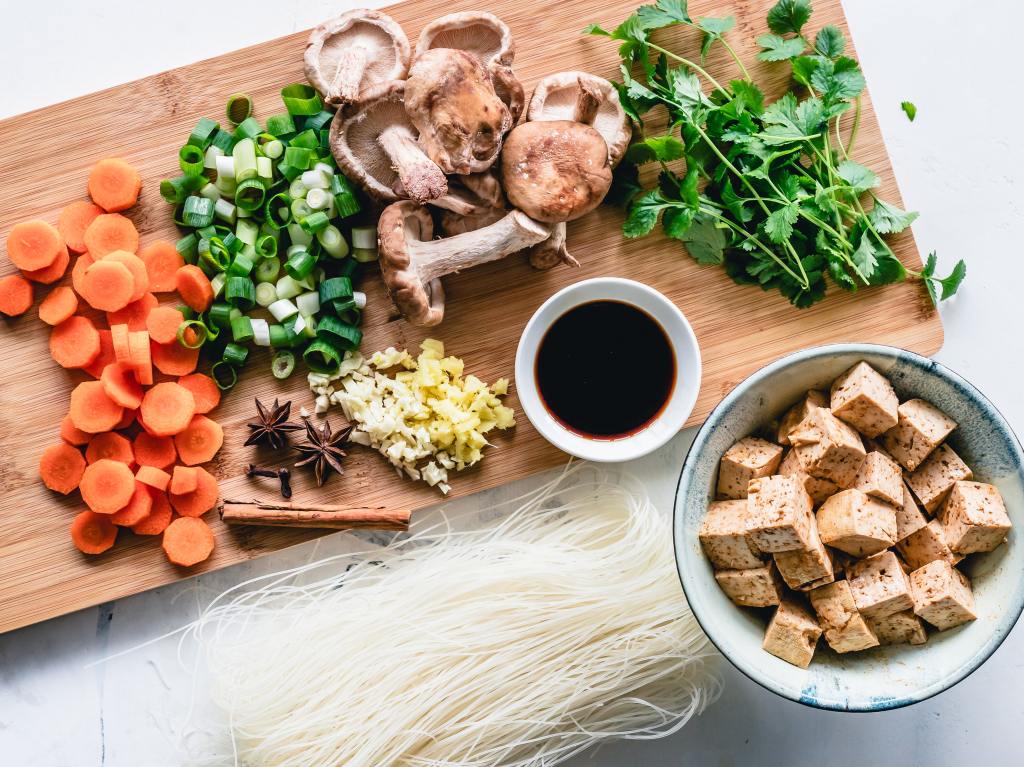
It’s easy to believe that people wouldn’t be hungry if only they knew how to cook and eat a little more responsibly. If someone had taught them how to prepare lentils, or buy in bulk, or create a meal plan, then they wouldn’t be at risk of food insecurity.
In a society that glorifies willpower as the primary determinant of health, it’s too easy to accept the misconception that food insecurity is fueled by poor eating choices that can be solved with cooking classes and nutritional posters.
At my food pantry, it is very clear that our clients are eager for fresh produce and other healthy options. Everyone knows the basics of how to eat healthy.
The barriers preventing people from eating more whole foods and scratch cooking are numerous and complex. Many food pantry clients live in public housing, transitional housing, retirement units, or other facilities which offer inadequate or nonexistent kitchens. Many of my clients only have access to a microwave. They may have a tiny refrigerator, which they often share with other residents. Cooking is challenging or impossible with these limited resources.
Many food pantry clients work more than one job, often in addition to serving as a caregiver for children or aging relatives. As all of us know, it’s hard enough to find the time to cook healthy meals when we’re only responsible for ourselves. Preparing a healthy meal while providing for others with special needs is a daunting and exhausting responsibility when you barely have enough money to get by.
Ignorance of cultural differences can also color our judgements about how others’ food choices. Our pantry currently serves many Russian and Ukrainian families, who have informed me that beans are not a part of their traditional diet. These families are eager to take bags and bags of potatoes, cabbage, and other fresh produce, but dry beans, often praised as one of the healthiest budget food options, don’t play a role in their cuisine. Blaming poverty on cultural differences like this is ridiculous and disrespectful.
Our clients are eager to eat healthy foods. Fresh produce flies off our shelves. We were surprised to observe the immense popularity of eggplant. I didn’t know that our community vastly prefers green over purple cabbage. Things like sliced fruit and berries rarely make it to the fridge before being snapped up, and you’re likely to see a small child munching on an apple or banana while their parents’ shop.
While we are certainly more comfortable assigning individual blame, I have learned that food pantry clients know how they should eat and would love the opportunity to do so if only they were able. Cooking classes and nutrition resources are powerful resources for building skills, having fun, and improving quality of life, but they are an individual resource that acts as only the tiniest band aid for a systemic problem.
2. Financial Literacy
Our cultural biases in America make us particularly likely to assume that people are hungry because of poor financial decisions. We judge the quality of their car, the way they’re dressed, or the age of the phone they carry, and speculate that if they hadn’t made such frivolous purchases, they probably wouldn’t be hungry.
In reality, most of our food pantry clients have very few opportunities to change their financial situation. Employment opportunities are restricted by skillset, but also transportation, caregiving duties, and scheduling around second and third jobs. Responsibilities like this make it incredibly hard to change jobs or careers while ensuring the household gets the care it needs.
It is easy to make judgements about personal spending and think about how we would have behaved differently if we were in that situation.
We may condemn someone for the purchase of a new phone, recognizing that it may represent several days’ worth of food, but it’s also important to remember that the price of that little luxury will not extract anyone from poverty.
This decision has nothing to do with needing financial education.
Everyone needs a certain level of financial literacy, and, in particular, women are often denied it (and then shamed for their lack of knowledge). Financial literacy classes are an important and useful tool for helping people succeed. But naming financial education as the cause of poverty and hunger demonstrates a blatant misunderstanding of what hunger really looks like.
What Does Cause Hunger?
Food pantry users don’t have access to enough money. Gender and/or racial discrimination keeps wages low and limits employment opportunities. Outrageous costs of living suck up income. Medical or student debt curtails financial freedom. Caregiving responsibilities consume all time and energy outside of work. While both nutrition education and financial literacy are certainly skills that everyone should have, it is important to remember that they are not root causes of hunger. They are minor strategies we can use to empower people experiencing hunger, but truly effective solutions recognize that hunger is a systemic problem, and effective solutions will not address it on an individual level.
To honor my holiday vacation,I’m reposting this blog from April, 2023.
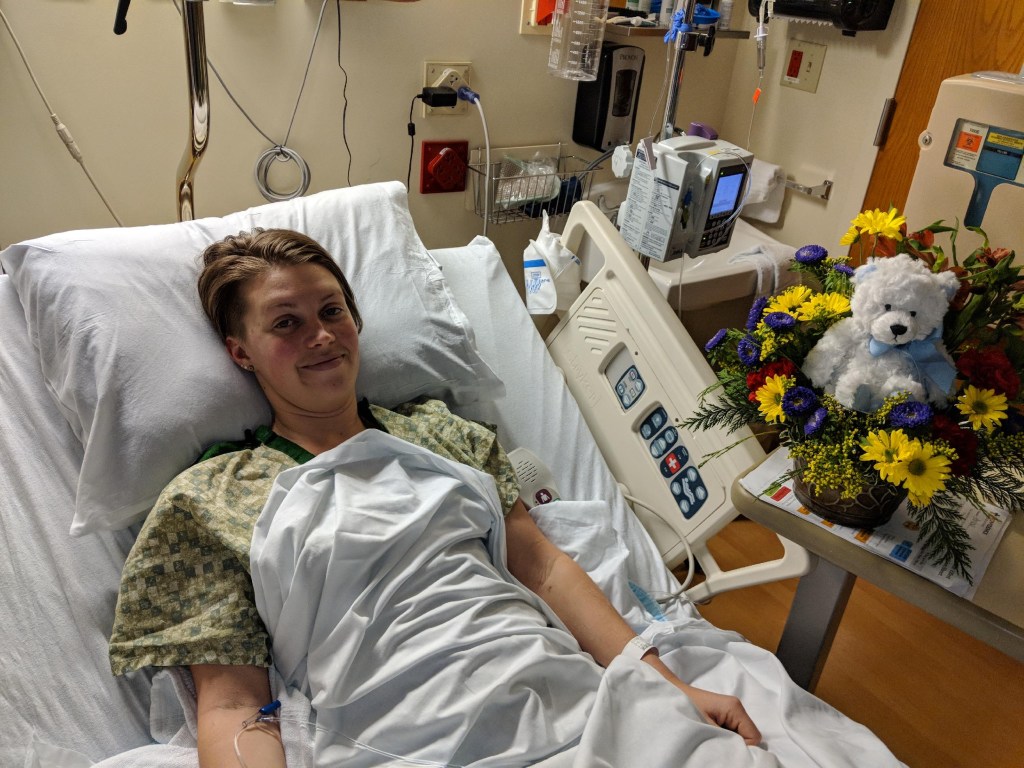
Eight years ago in mid-December, I checked myself into the ER. It turned out that my appendix had burst approximately three months prior, with all the complications that accompany a life-threatening infection. I spent 12 days in the hospital and had two surgeries before moving in with my mom for an additional month because I was too weak to take care of myself on my own.
I endured a year of slow recovery before something triggered my system that suddenly gave me near-debilitating arthritis and an increased sensitivity to foods. Over the next six months I slowly just stopped eating because being hungry was preferable to the pain, depression and fatigue that accompanied digestion.
Some foods hurt me worse than others, and I eventually reached the point where I ate little besides cabbage and avocados. I felt like I was dragging my body through the heaviest mud imaginable, and nothing could lighten the weight.
I tried every diet I could find, was dismissed and mistreated by numerous doctors, penalized at work for talking to HR about taking medical leave, and was starting to panic that the future I envisioned might never materialize as my body continued to fail.
Through random chance, someone recommended a diet plan that excluded foods containing the lectin protein in seeds that are hard on sensitive digestive systems. It proposed eliminating all grains, fruits, and grain-fed animal products along with any preservatives. Within four days of starting this new plan, I began to feel better. I’ve now been following this diet for five years and in many ways have been able to return to the life I hoped for.
I became an anti-hunger advocate and food justice champion long before I got sick. I was already committed to making food a fun and communal experience rather than just a vehicle for nutrition.
But over the last five years of learning how sensitive my body is to my food choices, my understanding of food insecurity has changed dramatically.
My quality of life is entirely determined by my diet- how well I sleep, how much energy I have, my focus at work, and my capacity to manage emotional burdens. And my understanding of my nutritional needs is constantly changing and evolving.
I’m lucky to have always been able to afford and prepare the food I need. I could buy artichokes, sardines, and radicchio, all foods which at one time held an important role in my recovery.
But I know that if I was dependent on a food pantry or SNAP benefits for my nutrition, I would still be miserably sick. My diet would be determined by the options available, rather than by what my body needed.
I know that if I allowed someone else to determine what foods I eat- even someone well-educated in nutrition- they would not get it right. Everyone knows their own needs best, and my role working in food pantries is to facilitate that as best as I can.
Many people experiencing food insecurity have never had the opportunity to make intuitive food choices before. The food they eat is determined by what they can afford or what the food pantry is able to give them. I don’t want anyone else to ever be as sick as I was, so I am committed to ensuring that people facing food insecurity can choose what and how much they want to eat.
There are still times where I rage about the things my illness has taken from me- the freedom to eat out at a restaurant without scrutinizing the menu, the enjoyment of a good whiskey, or eating pizza with my partner.
But upon reflection, I also see that it has given me invaluable experience and the tools I need for being a better anti-hunger advocate and helping my food pantry always do better for the people we serve.
The opinions expressed here are solely my own and do not express the views or opinions of my employer.
Want to learn more about food justice? Subscribe so you never miss a post!
One of the reasons that there remains such stigma against using food pantries is the sense of powerlessness that comes from someone else determining what you eat. Food choice is deeply personal, and it is invasive and uncomfortable for someone else to make those choices for you.
People seeking emergency food assistance are at the mercy of those providing the resources and are often deeply aware of the power imbalance that comes with it. Food pantry staff work hard to get food to clients, and it can feel uncomfortable or invalidating for shoppers to be choosy, which can lead to pantries adopting a “they should be grateful for what they get” attitude.
But it is equally important to recognize that the power of choice in this setting may be one of the few opportunities many people have in their day-to-day life to say “no.” Rather than create a conflicting dynamic where food pantry staff get the last word, it’s possible to build an environment where choice and dignity are integral to the shopping experience.
Here are four techniques that food pantries can use to give clients autonomy and choice while using food assistance programs.
1. Minimize how often you tell clients, “no.”
We sort all our food out of sight in the warehouse, so clients don’t see it until it’s ready for distribution. This way we avoid clients seeing an option that they can’t have, either because it doesn’t meet our quality standards or because we’re stockpiling it for a later distribution. We work hard to never even mention foods that we’re not actively giving away so that no client feels let down when they don’t see that food. Any food that a client sees is available for them to take.
2. Set limits on as few items as possible, and be realistic.
It is probably necessary to limit some high demand foods like eggs, coffee, and frozen meat or else your supply will be quickly depleted. It can be tempting to put a limit on other popular items, but it’s also important to consider if people are going to adhere to the limit. If it is essential, your shoppers may just take more anyways. Don’t set up a situation when clients are tempted to break the rules or where your volunteers must focus on enforcement. Focus on celebrating when clients find the foods they need, rather than bemoaning when they take more than you think they need. (Read this to help get you there: Food Pantry Transformation With an Attitude of Abundance)
3. Encourage shoppers to take food as you restock the shelves.
We restock constantly throughout the day, so it’s quite likely we will bring in a cart of food that our clients are excited to see. It can be inconvenient or even annoying to have people dig into the boxes as we’re unpacking, but telling clients that they need to wait until we’re done is an unnecessary power play (and breeds competition between shoppers). When people take food as we bring it out, it also saves us from having to put it all away!
4. Don’t let volunteers take food if they’re not shopping as clients!
If you’re part of the Feeding America network, this is policy, but it still happens far too often. It’s easy for a volunteer who put in a hard day of work to feel like they earned that bag of coffee beans, or that it will be easier to just grab a dozen eggs instead of running to the grocery store. Every pantry needs a strict volunteer shopping policy where no food, no matter how small, may be taken unless they are shopping as a client. It is important that clients never get the impression that shopping policies are applied inconsistently because it is hard to feel respected and dignified when you think others are being favored. It is very possible that you will lose volunteers over the strict implementation of this rule, but are those the volunteers you really want to keep?
How clients feel while getting their food from a food pantry is just as important as the quality of food that they receive. Visiting a food pantry feels inherently humiliating and embarrassing, so it’s important to focus on the ways we can help clients leave feeling a little more empowered, respected and dignified. There is no quick fix, but implementing these small techniques will go a long ways towards establishing that everyone has a positive experience at the food pantry.
The opinions expressed here are solely my own and do not express the views or opinions of my employer.
Want to learn more about food justice? Subscribe so you never miss a post!
I recently had a conversation with a first-time client as she hesitantly browsed the shelves of our food pantry. She told me how grateful she was to access our resources, and then vigorously promised me that she would only take the foods she needed to get by until she next got paid.
American culture is steeped in the idea that people experiencing hunger do so because of their own failures, and that food pantries are at risk of abuse by these individuals. This is so engrained in our brains that many of our clients feel like they must reassure me that they won’t abuse our program while taking as little food as possible.
At my food pantry we emphatically believe that no one deserves to be hungry. Hunger is a systemic rather than individual problem, and we know we’re only a tiny band aid for a gaping wound. I gently responded to this new client by telling her that I wanted her to take more food than she needed. I asked her to try foods she’d never eaten before, and to pick out some ingredients that just looked fun to cook with. I told her I hoped she could find some indulgences to treat herself, and that I didn’t want her to only visit us when her cupboards were empty.
Our goal is to keep everyone’s kitchen stocked so that there is never a moment when they are unsure of when their next meal will be. She did not expect this answer and began to cry.
Why is it so radical to tell her to take as much food as she wants? What paradigm taught us to operate under this idea of scarcity?
What is a Scarcity Mindset?
The idea that there isn’t enough food for everyone is engrained in the emergency food assistance program. There isn’t enough food in the donation system for individual pantries, and there isn’t enough food for all the clients who visit those pantries. Pantries then limit how much food people take to ensure there is enough for everyone. It is a simple, clear way to equally dispense food to hungry households. It also makes it likely that someone experiencing hunger will leave a food pantry with less food than they want, and feeling that their individual needs were not met.
I have worked hard over the last several years to turn this attitude on its head by adopting an attitude of abundance. Although there are major shortages throughout the food system, I also see opportunities for changing how we think about the food we give away and the clients we serve.
It is possible for food pantries to foster a culture which celebrates providing everyone the food they need and the dignity they deserve even while facing food shortages.
How do you cultivate an attitude of abundance?
Physical display of abundance
When we display food in bins, on shelves and in coolers, we make a deliberate attempt to make it look like we have as much food as possible. For our fresh produce bins, that simply means keeping them as full as possible so when clients walk in they immediately see plenty of brightly colored, healthy options.
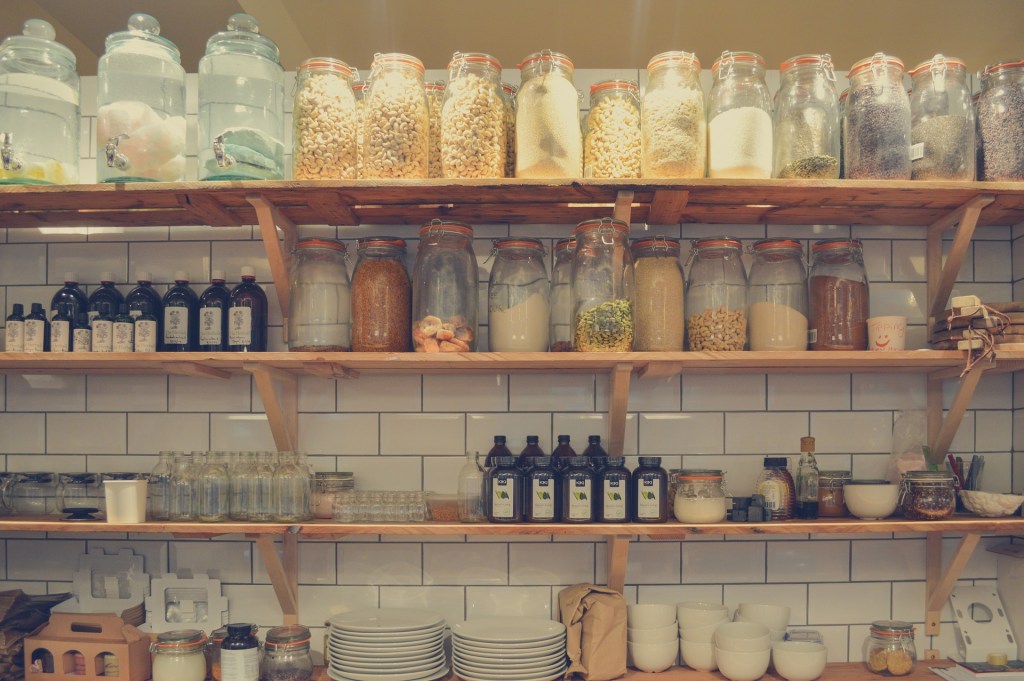
We also keep our shelves looking full by arranging items like canned goods to take up as much physical space as possible. This may mean not stacking them, bringing them to the front of the shelf, and neatly spacing them out. It is important when our clients first enter the food pantry that they immediately feel, “they’ve got lots of food for me,” rather than worrying about there being enough for everybody.
I also always tell our clients that there’s one specific food I want them to take lots of it. Regular clients now ask me as soon as they walk in, “what do you need me to take today?” This further emphasizes our abundance and implies that we need our clients’ help, making this a reciprocal relationship. (The excess food item has been sweet potatoes for months now due to a generous donor, so our clients will joke and tease me as I beg them to take yet another bag.)
Ensure the pantry culture embraces abundance (which means making sure your volunteers are on board!)
During the height of the pandemic, our pantry offered prepacked food boxes to minimize contact. It allowed us to strictly control how much food went out, but I still heard concerns from volunteers about someone getting too much or having too many specific requests to fill.
To change our attitudes while working with the prepacked boxes of food, I set challenges for my volunteers. I found items not packed in boxes because they were hard to find the perfect home for (frozen banana leaves, a fifty-pound bag of oatmeal, or jars of lutefisk), and challenged my volunteers to find someone who wanted them. It became a game to offer these items to every shopper, and a point of pride for the volunteers who successfully gave them away. Our team began to compete and then to brag about how well they did at meeting clients’ individual needs. As well as being fun, this emphasized to both volunteers and clients that we had an abundance to share, and helped my team appreciate the unique needs of everyone we served. We learned that having one specific item was often more meaningful to a client than giving them boxes and boxes of our regular options.
We also started offering first-time clients double the standard amount of food. Volunteers learned about the stigma of using food assistance, and how that may result in people postponing seeking help until their cupboards are literally bare. Giving double the food helped these families refill their cupboards and provided the emotional security of having what they need to be comfortable and not just survive.
This meant that new clients left with approximately 80 pounds of food. For individuals who had been anxious or reluctant to visit our pantry, this immediately changed their attitude. Many left in tears of gratitude, which also increased our volunteer satisfaction as they saw firsthand the impact that their service had for our neighbors experiencing hunger.
Although we now operate as a grocery-style pantry where clients make all their own food choices, the practice of focusing on individual needs and understanding the stigma of visiting a food pantry was transformational for our organizational culture.
Celebrate meeting your clients’ needs
Prioritizing individual needs and increasing the amount of food clients receive made our transition to a grocery-style pantry much easier since our team had already adopted an attitude of abundance. The most important thing we do now to maintain that culture is to celebrate when a client leaves with a full grocery cart. We know their cart is full of foods that work for them, and that making their own food choices brings dignity and autonomy to a process that can so easily be humiliating.
We have gradually seen the amount of food people take go down, as everyone transitions from a scarcity mindset to an attitude of abundance. Our clients know that we will have the food they need again next week, so there is no urgency in loading up today.
No matter what model a food pantry uses to distribute food, it is possible to foster an attitude of abundance. It is easy to focus on scarcity, but prioritizing abundance helps us change how we think about the needs of our community, how our clients feel when they use these services, and how to imbue dignity into the institutions that fight hunger.
The opinions expressed here are solely my own and do not express the views or opinions of my employer.
Want to learn more about food justice? Subscribe so you never miss a post!
Discussions about hunger are everywhere right now. Most major foodbanks have increased their outreach efforts encouraging people facing hunger to seek out assistance now that their SNAP benefits have decreased. Across the street from my gym, a massive billboard from a national nonprofit encourages people experiencing hunger to visit their food pantries. Anti-hunger organizations everywhere are seeing enormous increases in need and anticipate that these numbers will continue to rise.
As we face potentially historic hunger rates, the anti-hunger community is bracing itself. There’s no question in any advocate’s mind that we’ll face this challenge head-on with all the ingenuity and stamina we’ve got as long as there are still hungry families. But even with all the dedication and enthusiasm in the world, there are major barrier to impede our efforts.
Is there enough food for everyone?
Technically yes, but also no. The United States has abundant agricultural resources that allows the nation to produce enough calories to feed everyone. There is enough food out there. But getting this food to the people who need it most in a timely and efficient manner is often impossible with the systems we currently have in place.
Time Limits
Unlike other products that a business might be able to store until they need it, food has a time limit. If it isn’t consumed by a specific moment, it’s garbage. (Food pantries have resources indicating how long past expirations dates foods are deemed to be edible and safe for distribution. Date checks and physical inspections are how quality is maintained.)
Much of the fresh food donated to the emergency food assistance program has already started to fade, which means it needs to be given away immediately. But it may not be donated when food pantries need it. Many pantries are open only a few hours at a time- rarely do organizations operate five days a week. If a donation comes available after a weekly distribution, chances are it will not last until the next week. Timing is a key factor in whether a donation can be accepted or not.
The other challenge food pantries face in distributing is how fast they can give food away. For organizations who set limits to ensure everyone gets equal amounts, that means always saving a little food. In some cases, that will include saving food until it is no longer edible.
Bulk donations may also not be able to be given away fast enough. Donations are often conditional to taking the entire amount, which can mean pantries end up with more than they want or can distribute. A pallet of arugula is better than no arugula, even knowing that half of it will end up in the garbage.
Dignity
Businesses are often very eager to donate food that is about to go bad. It provides a tax write-off and keeps it out of their dumpster. While it is important to incentivize donations, food pantries must find a balance between having food to fill the shelves, and giving away items that may make clients feel disrespected or worthless.
My food pantry uses two questions to evaluate if fresh foods are appropriate to give away:
Will someone be able to eat this tomorrow (is it imminently inedible)?
Will it bring someone joy?
In the case of a moldy onion, it’s quite likely that although the outer layers are bad, there is functional onion inside. However, if you were experiencing hunger and came to a food pantry for help, how would being given a moldy onion make you feel? Probably not good.
We must make sure that our foods demonstrate the respect, dignity, and compassion that our clients deserve. If food pantries are committed to feeding everyone who needs it, it’s important that our clients feel positive or hopeful about their experience. We must consider how they feel as they unpack their groceries at home, which has just as much impact on whether they return as their actual shopping experience.
Transportation
One of the biggest challenges emergency food programs face is transportation. Food often comes available for donation unexpectedly and requires someone to pick it up. Few food pantries have extra capacity for their drivers, and they also tend to work with small vehicles while donations often come in bulk or on pallets. Food pantries may not have the capacity to take as much food as they want, even when they desperately need it. As client numbers grow, many organizations may be faced with demand that far outpaces their food supply.
Storage
Storage capacity is another overwhelming obstacle for food pantries. As small, underfunded nonprofits, food pantries work with the spaces accessible to them which can severely inhibit their capacity to store food. Many pantries are housed in awkward spaces like the basement of a church or unused classroom of a school which may offer only very limited storage. Cold storage may be a collection of home refrigerators and freezers that don’t come close to meeting the needs of the community. Another common model of food distribution is to set up tables full of food in a gym or parking lot, which means all the food being given away is moved from somewhere else and can’t be saved for next time. Not being able to store or stockpile means that once clients have emptied their shelves, there’s no way to refill it until their next food delivery comes in.
Because the type of food available to food pantries in unpredictable, the lack of storage also makes it harder to distribute food in useful combinations. Ideally, everyone would have pasta sauce to distribute alongside spaghetti, but if those foods don’t come on the same day, it can’t be done. Or days when not enough food comes in, pantries can’t pull out a stash of desirable foods to improve the options.
Food pantries are doing incredible and essential work to help fight hunger. Thousands of people are seeking food assistance for the first time in their lives, and are going to find the resources they need to get through another month. But food pantries are facing a real crunch as they have to strategize how to scale up their operations to ensure everyone needs are met while facing these obstacles. These barriers are not easily addressed, and significantly limit the capacity of pantries to fight hunger even as demand rises.
On March 1st, 2023, anyone who received SNAP benefits (formerly known as Food Stamps) lost nearly one-hundred dollars per person per month thanks to the expiration of Covid-era bonus benefits. This cut has already had a terrifying impact on people experiencing food insecurity, and anti-hunger advocates expect that it will quickly grow much worse.
The rapidly rising number of people shopping at food pantries has demonstrated just how effective the SNAP program is. It provides dignity to users by allowing them to make their own choices and choose foods that work for their own families and lifestyles. The number of people returning to emergency food assistance services with the loss of these benefits shows us just how many didn’t need it while receiving these benefits.
Despite the proven effectiveness of SNAP, doubts about the need for and value of welfare are pervasive throughout American society. They are largely fueled by the concept of the “welfare queen,” an imaginary 1980s character who used her welfare benefits to facilitate a life of leisure and excess at the expense of hard-working taxpayers. Concerns about the misuse of benefits and social services permeate how we think about hunger, and they’ve created a conundrum.
Thanks to fears of welfare abuse, society is ready to condemn anyone experiencing food insecurity who eats expensive or quality food.
High-end steak, organic produce, fancy olive oil, and other expensive foods are considered an inappropriate and unnecessary food choice for anyone struggling to meet their food needs. It is deemed irresponsible to spend money on these kinds of items when you could buy greater quantities of lower-quality ingredients.
Conversely, people experiencing poverty are regularly reprimanded for their unhealthy eating habits. Even though chips, soda, and salty snacks are the cheapest and most accessible foods, we see a constant stream of policy proposals eliminating the ability to purchase them with SNAP, increasing taxes to make them more expensive, or other mechanisms intended to make it harder for people living in poverty to access.
These biases have manufactured a very narrow window of food that is considered appropriate for people experiencing hunger to eat; they simply can’t win. They are expected to eat from-scratch meals from bulk ingredients, that are healthy but not too healthy (certainly not organic), but must not eat cheap, accessible soda, chips or instant meals either.
The desire to dictate what food should be available to people experiencing hunger comes from the deeply engrained assumption that people are poor because of personal failure.
American society assumes that people need food assistance because of poor decision-making, which leads us to believe that they make similarly bad choices when it comes to food and need to be told how to eat appropriately.
As anti-hunger activists, it is essential that we examine the biases that we carry through our work. This vision of what we think people should eat is unconscious and pervasive, but it requires a deliberate effort to recognize and change it.
We can start by fighting for people experiencing hunger to be able to make all their own food decisions. We should be advocating for higher and more accessible SNAP benefits, transitioning food pantries to client-choice models, and catching ourselves when we make judgements about what types of foods our neighbors choose to eat.
I recently had a food pantry visitor tell me, “It’s embarrassing enough to be here, but you are so welcoming and friendly that it makes it better.” We can’t take away the need to use emergency food services, but there are many things we can do to make it as positive an experience as possible.
Even though the worst impacts of the pandemic lockdown are (hopefully!) behind us, hunger remains a serious problem for many Americans. Inflation, supply chain interruptions, and cuts to SNAP benefits make finding affordable and appropriate groceries more and more complicated. This means that individuals and families who have never previously needed help are finding themselves lined up outside of their local food pantry.
Getting your groceries at a food pantry for the first time can be overwhelming and intimidating. It’s a scary and humbling place to be, and it’s important to prioritize the humanity of this experience.
I’m going to share the techniques we use to ensure that our clients feel welcome and respected on their first visit and help know they are welcome to come back as long as they need our assistance. Although this may look like a simple list of changes to make, successful implementation depends on a genuine belief that everyone deserves to eat which will be entirely determined by the mindset and culture of your food pantry.
Help your clients feel seen.
Find your bubbliest volunteers and put them in charge of making sure every client is personally welcomed to the pantry. I am that person at my pantry, and I keep up a near-constant stream of chatter with whomever is in earshot. I reflect on the weather, eggplant recipes, and how I’m so excited about the latest delivery of sweet potatoes. If you have regular volunteers, help them learn client names so that they can welcome them on repeat visits. If you can remember their food preferences, or the story they told you about their child the other day, it feels so much more welcoming and comfortable.
Make check-in as simple as possible.
Food pantries have lots of reporting responsibilities, which can lead to an excess of bureaucratic processes. See if you can reduce the amount of data you gather. Evaluate what you REALLY need to know about your clients, and what you might have fallen into the habit of gathering for other reasons.
Don’t let your language get too clinical or formal.
Ask for their birthday instead of their date of birth. Don’t talk about their “eligibility” to get food- you’re going to get them food! Be as casual and carefree as you can about processing whatever intake information you need. You never want people to worry that they won’t receive food due to administrative complications.
Let clients make their own choices.
Food choice is important. Everyone knows their own needs best. I certainly would not be comfortable with someone making my grocery decisions for me! Letting shoppers decide what and how much food they need is empowering and dignified. Not everyone likes or eats the same food- so make your pantry reflect this. If you have the capacity, get rid of limits. Data shows that no-limit pantries actually often give away less food, since they increase client confidence that there will be more food on their next visit and reduce waste by letting clients target their specific needs.
Prioritize abundance.
Let clients know what items you have in plenty. Even if it’s something not everyone eats, let them know that you’re swimming in water chestnuts and tell them they should grab a few cans.
Don’t focus on what foods are running low; prioritizing abundance helps your clients develop confidence that you have what they need. It also naturally encourages people to take the appropriate amount for them rather than hoarding or being too frugal.
Celebrate when someone gets lots of food.
You should be proud you had the items that families needed to feel secure! Make check-out as easy as possible, so that no one feels guilty about the amount of food they take. Focus on the fact that you made sure they won’t go hungry tonight.
No one wants to get their food from a food pantry, and far too many people go hungry rather than risk the humiliation they anticipate. Surprise them, and food pantries will see happier clients, greater volunteer satisfaction since they can focus on helping people, and help you explore your next opportunities for building the best, most well-respected food pantry in your community.
When the Covid lockdown first began, the government recognized that millions of workplaces shutting down would astronomically increase hunger rates across the U.S. Accompanying the literally miles-long lines of cars at drive-through food bank distributions, the USDA provided extra dollars to SNAP benefits (formerly known as Food Stamps) which have been essential for keeping millions of families fed over the past three years. On March 1, the last of these additional benefits will expire. The end of this program will reduce the amount of money for food by approximately $95 per person per month. (Citation)
Facing rising costs of living and devastating inflation, more people than ever have no other option than to visit their neighborhood food pantry to keep their family fed. Hunger assistance programs are bracing themselves for massively increased attendance, especially among first-time clients.
To ensure that everyone feels welcome, we as anti-hunger activists, social justice warriors, and compassionate neighbors need to examine what biases we may carry about hunger that negatively influence our work.
Particularly in America, there is a strong stigma against using welfare, even among those who implement and support essential programs like food assistance. Poverty is a result of inequitable opportunity, but that is an uncomfortable reality for a culture that preaches equality for all. That’s why discourse on welfare and food assistance tends to revolve around who we believe deserves this help instead.
We all need food to survive. When we implement systems or policies based on who we believe deserves access to food, we make a radical statement about who deserves to live- and who doesn’t.
Effective anti-hunger efforts must begin by embracing the idea that everyone deserves to eat, and examining all the ways we can live this ideal. In future posts, I will discuss actionable opportunities for implementing this concept in food pantries, but I want to start by examining what assumptions we may have about individuals who use emergency food assistance.
What are some of the most common biases about food pantry clients?
1. People use food pantries when they don’t need to.
No one waits in line for an hour in January for a couple of grocery bags of discarded food if they don’t have to. No matter how hard we work to make it better, the process of using a food pantry is uncomfortable, humbling, and undignified. No one uses these services unless they must. It’s essential to reflect on whether you or your anti-hunger peers unconsciously believe otherwise, because it may impact how you serve those who come to you for help.
2. People should only use food pantries if they can’t afford their own food.
If hunger were only about food, it would be so much easier to solve! Unfortunately, having money for food is indelibly intertwined with the cost of housing, healthcare, and transportation. Spending on food is more flexible than these fixed costs, which means it is often the first thing to be sacrificed. Food pantry clients may have money in their bank account- budgeted to pay their rent and utilities, medical prescriptions, fuel costs, or even shoes for their growing children. Just because someone can technically afford to buy food doesn’t mean that they should if our end goal is a healthy, stable community.
3. Food pantries are only for the unemployed.
Most food pantry clients have at least one household member who is employed. However, families are often restricted by childcare responsibilities, disability and health challenges, or transportation limitations which can all make it hard to find a job that pays a living wage. Although unemployment is dropping, too many people are still underemployed and not able to support themselves no matter how hard they work or how many jobs they have.
4. Poverty is static.
I regularly encounter volunteers or donors who are surprised to see a nice car in the parking lot or a client with a new iPhone. The American concept of poverty assumes that if someone experiencing poverty owns something nice or expensive, it must be because they make irresponsible financial decisions. It is none of our business to judge how our clients spend their money, but…
People often experience poverty and hunger in phases throughout their lifetime. All it takes is one medical bill or job loss before someone who considered themselves financially comfortable may require the services of a food pantry. Conversely, a promotion or completion of an educational degree may support a previously struggling household. There are endless possibilities for why someone needs a food pantry, whether it’s a one-time visit or for long-term use.
As anti-hunger advocates, it’s important to recognize these (often unconscious) biases that may impact how we welcome clients, what and how much food we allow them to take, and the dignity of the process.
There are many, many actions steps that food pantries can make to improve the experience for their shoppers, but they all depend on the organization wholeheartedly embracing the idea that everyone deserves to eat.
There is incredible energy in the anti-hunger movement right now.
New programs and models have blossomed and thrived over the last two years of the pandemic, developing new strategies for helping our neighbors be a little more food secure. Data continues to confirm that policy and systemic change are the most effective strategies for lifting communities out of food insecurity. However, sometimes these big picture visions and idealistic strategies neglect the just-as-essential work that is being done to support individuals.
Food pantries do not often have a positive reputation- they may be degrading to clients, they don’t meet individual needs, or they have such limited capacity that their impact feels negligible. Because of this, the “big picture thinkers” like food banks and policy makers tend to focus their solutions beyond the scope of neighborhood food pantries.
I believe that it is possible to build a food pantry that can be part of the big picture.
As an experienced anti-hunger advocate, I’ve run multiple food pantries, worked with several food banks, and have extensive experience addressing the root causes of hunger. I believe that it’s possible to create a new kind of experience for people facing food insecurity. I have many strategies, techniques and experiences that demonstrate how visiting a food pantry can become a positive experience, where cultural identities are respected, and where individuals can develop a sense of stability. This blog intends to showcase how much potential food pantries have to fight food insecurity and to play a part in the bigger picture of ending hunger.
The opinions expressed here are solely my own and do not express the views or opinions of my employer.