Find the Right Balance Between Healthy and Comfort Foods

Recently, while doing a quick walk around our food pantry perimeter after we closed, I saw one of our clients sitting in her car eating a box of four chocolate-covered strawberries. I imagine that she is a mom who was about to head home for an evening of family and responsibilities, and it makes me happy to see that she got a break, however brief, to enjoy a fancy treat all to herself. 

American society identifies hard work as the key to success, which means our culture is eager to vilify people living in poverty as lazy, entitled, and unmotivated. I’m sure there are some who would condemn this mom for taking a break, eating unhealthily, or not sharing her family.

In our food pantry, we recognize that food is just as important as a tool for self-care as it is a vehicle for nourishment. For some, cooking an elaborate healthy meal helps them feel nourished and competent, while other people find comfort in a bag of potato chips or cookies. We all have these habits and traditions, but it is primarily low-income individuals who are berated for careless eating or lack of cooking skills. This is one reason we see such aggressive advocacy for policies that limit access to unhealthy foods for low-income individuals.

Beyond the fact that we know ignorance is rarely the root cause of these choices, the focus on nutrition neglects the reality that food is a powerful tool for self-care. In the same way that I like to treat myself to a little bit of chocolate with my morning cup of coffee, or my partner finds joy in a bowl of fresh popcorn in the evening, food is a powerful way that humans take care of ourselves.

When I was at my sickest and unable to eat my normal diet, I learned just how much I use food to manage my mental and emotional health. It was agony to no longer be able to drink my normal cup of black tea, and abstain from the flaky fresh biscuits my coworker taught me how to make. 

While it is essential that we continue to emphasize and facilitate access to healthy, fresh fruits and vegetables for everyone, it’s also important that we not ignore the value of foods that we use for our mental and emotional sustenance.

In food pantries, shoppers are regularly limited in their access and choices. They are forced to make decisions about what foods they need the most, and what they can go without for another week.

More and more anti-hunger organizations are working to develop nutritional and donation policies that more closely manage the types of food that they accept and distribute. While fighting to increase client access to fresh fruits and vegetables should absolutely be a priority, it’s also important for these policies to appreciate the value of offering other options rather than eliminating them altogether.

For an individual who is stressed and worried, finding a bag of potato chips for their kids at the food pantry may help them relax, knowing they can both feed their family and also help their kids feel like kids, with all the same options their neighbors and friends have.

It is challenging to establish a balance between healthy and comfort foods, but this is exactly what food banks and pantries should aspire to do.

Our food pantry places fresh produce front and center and has been working hard to increase our supply so that clients can really celebrate in our abundance. But we also work hard to make sure that our shoppers feel good about all their options, and don’t feel like they are being limited or judged even if the fresh options don’t work for them.

How can we balance healthy and comfort foods in food pantries?

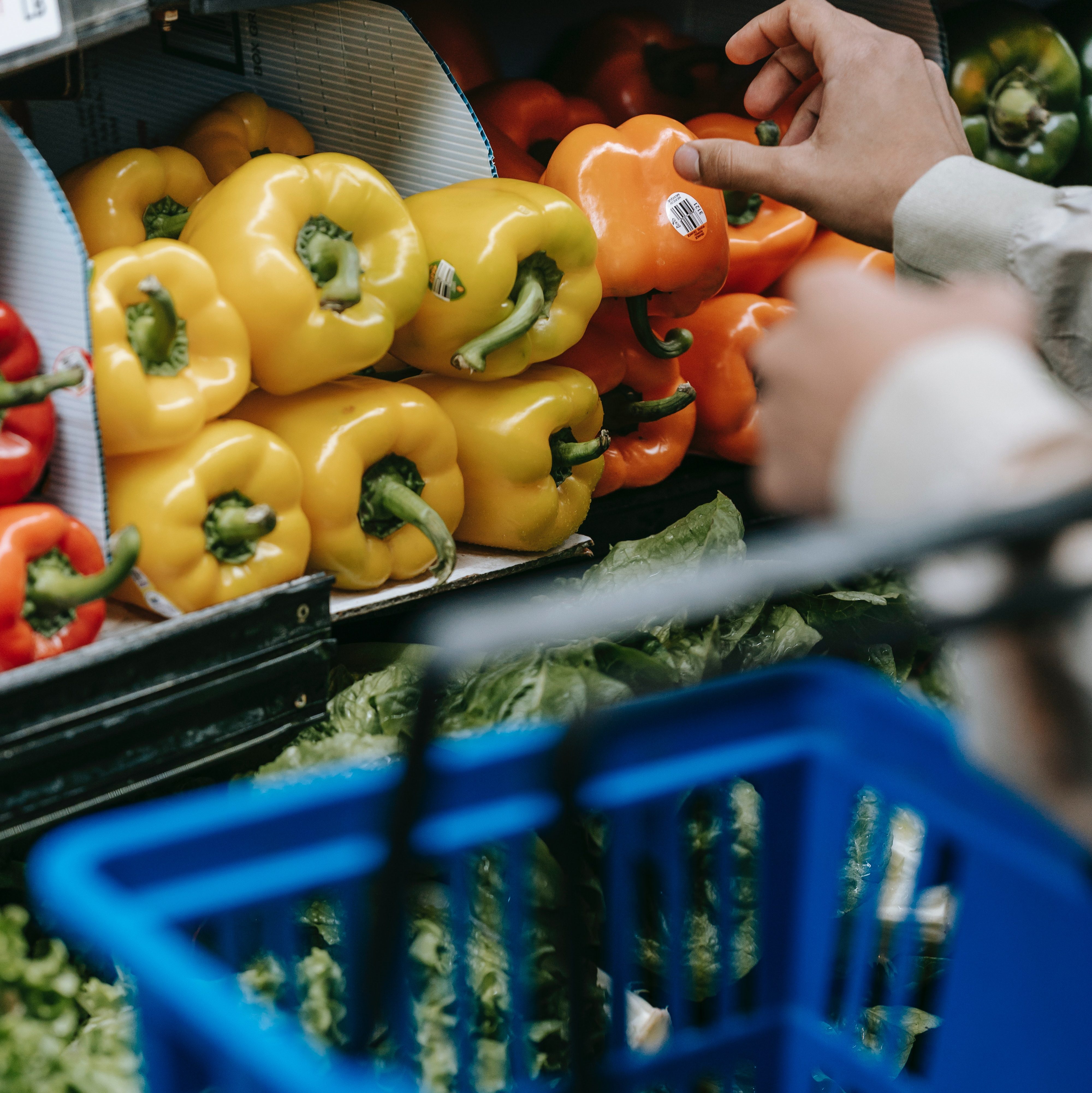
  1. Fresh produce is prominently displayed in the center of the pantry lobby, but we also offer potato chips and sweets as they are available through the donation stream. We have them mostly displayed at checkout (much like at a grocery store,) where they are grabbed last minute as people exit the building. For families anxious about their food supply, their carts are often already full and topping them off with some bonus treats feels welcoming, appropriate, and responsible.
  2. We are vocal about letting our clients know that we want them to take what they need and offer no judgement. Whether they leave with a shopping cart brimming with collard greens or bags stuffed with flaming hot Cheetos, we work hard to educate our volunteers not to comment or judge the food choices of others. No one should be ever be shamed by their food choices, but especially not in a food pantry where there is already so much trauma and emotion present in the experience.
  3. We celebrate when our clients find the food that they need. Volunteers know that we are here to help our community, and someone leaving with a shopping cart full with food (that they themselves chose) is exactly why we do this work. Ultimately, we want our neighbors to have the foods they need to thrive, and we recognize that they are the sole best judge of those needs. By offering as many healthy options as we can alongside foods that provide emotional comfort and joy, we have options that ensure everyone who visits us feels welcome and nourished.

The opinions expressed here are solely my own and do not express the views or opinions of my employer.

Want to learn more about food justice? Subscribe so you never miss a post!

Do People Work Less When They’re Food Secure?

“I might not see you again,” one client solemnly informed me the other day at our food pantry.

This sounds foreboding, but it’s a statement I hear somewhat regularly, and is cause for celebration. This shopper was telling me about his new job and how he hoped once he got his first paycheck, he might not need our food pantry services any longer.

One of the main concerns that people often voice about food pantries and emergency food assistance is that providing aid disincentivizes hard work. There’s an assumption that receiving any help facilitates laziness and exploitation (based on the faulty belief that poverty is a personal choice rather than systemic failure).

In my experience, this couldn’t be further from the truth.  My clients proudly tell me how long they managed to go without visiting a food pantry, whether it was weeks or months. They share with excitement when a household member gets a raise or a new job that empowers them to visit less or stop coming altogether. I hear gratitude for our services, but real enthusiasm in their voices at the prospect of no longer utilizing our help.

Food assistance has never been, and will never be, a disincentive to work.

Although the cost of food is ridiculously high, the other costs of living like healthcare and housing mandate that people have a source of income even when food is easily available. Providing food assistance does not encourage anyone to be lazy.

Why does this idea persist?

One of my regular clients works nights in the warehouse for a certain online global retailer, and they often come to the pantry after their shift and take a nap while waiting in line before we open. Sleeping at 9am in front of the food pantry may look lazy to some, which is why it’s so important we check all our biases at the door.

Food pantries tend to have awkward hours, based on the availability of volunteers rather than the times people experiencing hunger need access to food. Because volunteers are predominantly retirees, this may mean pantry hours are better suited to serving people who are un- or underemployed than full-time workers. My own pantry is open weekdays from 10am-2pm, which are legitimately difficult hours for someone working a full-time job, especially when you consider the long line that sometimes has clients waiting for up to an hour. Because of this scheduling challenge, pantries may self-select a clientele that is not working full time or a traditional work schedule, which can reinforce community biases that our services enable laziness.

Why Food Assistance Doesn’t Disincentivize Work:

Our food pantry will never have all the essentials for someone to comfortably feed themselves without doing their own shopping.

Pantries rarely have things like spices to make a meal taste good, and we’re chronically low on staples such as cooking oil, salt, and coffee. There are very few opportunities for a food pantry to completely free its’ clients from buying any food. Almost all food pantry clients must spend some money on food to make their diet palatable and healthy.

Even if our food pantry had exceptionally good food options, the high cost of living in our area demands other sources of income.

The Portland-Metro area has astronomically high housing costs, which means even people with full-time jobs may not be able to afford food after they’ve paid their rent and utility bills.

After food, the number one request for resources we get is for housing assistance. And tragically, options are limited. There’s often little I can do for a worried family besides making sure that they have as much food as I can give them. There is no scenario where I give them so much food that they can reduce their hours or quit their job.

If you, my reader, make enough money to cover your basic needs, why do you keep trying to do better?

My guess is you have goals, both monetary and professional, that you hope to achieve, and you know they require hard work, time, and dedication. Why does society think people who use food assistance are any different from you?  


Many of the assumptions we carry about people experiencing hunger are based on the premise that people living in poverty are fundamentally different- in their goals, their version of success, and the pathways they take to get there. While it’s important to appreciate the diversity of visions within our community, this concept of fundamental differences is used to justify the idea that our own success stems from hard work rather than systemic advantages.

Understanding and eradicating hunger starts with recognizing that people experiencing hunger want all the same things anyone does- safe, comfortable housing, delicious, nutritious meals, a healthy work-life balance, and the opportunity to treat themselves every once in a while. Calling out the myth that food assistance facilitates laziness helps us advance the real work to ending hunger- ensuring everyone has access to the same advantages and wins.

The opinions expressed here are solely my own and do not express the views or opinions of my employer.

Want to learn more about food justice? Subscribe so you never miss a post!

Don’t Let Your Heart Write Anti-Hunger Policy

Hunger is an emotional subject. Any human who feels compassion and empathy should feel discomfort at the idea of another person going hungry. Unfortunately, the passion it carries also results in the development of policies fueled by this emotion rather than data and evidence.

American society has internalized assumptions about who is hungry and who deserves assistance, and too often these biases result in weak or ineffective policies that respond to feelings rather than reality. We see this prioritization of emotion over data at all levels, from local to federal policy.

Food pantries implement limits on food items so that no one can take too much, based on the assumption that people are greedy, selfish, and don’t know their own needs best. SNAP benefits have work requirements, reflecting the idea that people living in poverty are lazy and won’t work unless forced to. Anti-hunger resources for seniors and children far outweigh those for working adults, based on the idea that some populations have the power to extricate themselves from hunger while others are helpless against it.

These policies tell us far more about our own assumptions than they address the reality of the problem.

Although food banks and anti-hunger organizations are growing increasingly sophisticated in their advocacy efforts and focus on the root causes of hunger, and can utilize data to back it up, not all organizations have the capacity or access to the same level of expertise.

Food pantries often lack staff or volunteers with experience working with data, which means even if they collect relevant information, they may not fully understand what it means or how to use it to advance their efforts.

This is a huge opportunity lost, because as the implementers of on-the-ground anti-hunger efforts, food pantries have some of the greatest opportunities to influence how well their community eats.

As recipients of both federal and state funding and other donated resources, food pantries are obligated to collect a certain amount of information from the people they serve, including age, declarations that they meet income eligibility requirements, as well as recording how much food they distribute. Additional information collected varies based on country or state, coalition membership, and the pantry’s own interest in data.

Here are three things food pantries can prove immediately with the data they already collect:

Hunger rates are predictable.

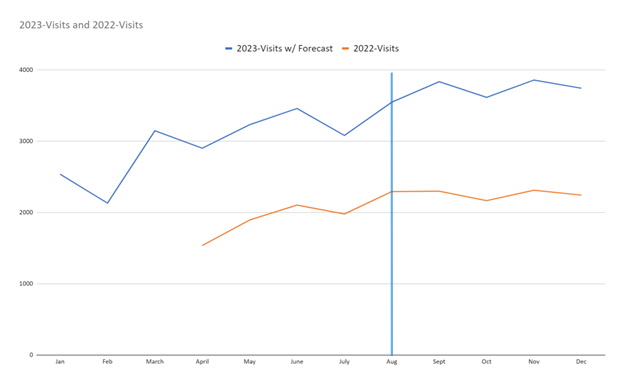
Every year, our pantry sees a significant increase in clients from September through December. Without fail, the summer slump ends the moment school starts, peaks in November before Thanksgiving, and finally begins to slow down mid-January. Anti-hunger organizations should not be surprised to see these fluctuations throughout the year, and should plan accordingly. Rising inflation clearly correlates this year with increasing food insecurity. We have no excuse to be surprised by the increasing need, yet too many organizations are shocked and overwhelmed at the demand every holiday season.

This graph shows my pantry’s total client visits since April, 2022 (when we reopened as a grocery-style model). The jump in March, 2023, is due to the expiration of pandemic-era SNAP benefits. Using past trends, this graph makes predictions for the numbers we’ll receive this winter. (I’ll keep you updated on how accurately this plays out!)

Food pantry clients work.

Most food pantry households have at least one member who is employed. Although our society is eager to assume that people utilizing welfare seek to exploit the system, the employment status of pantry clients proves otherwise. Food pantry clients are eager for work, but they regularly struggle to access well-paying jobs (as non-food pantry clients also must recognize). Surveys and anecdotal evidence can quickly disprove the myth that people use food pantries to avoid employment.

People don’t take food they don’t need.

Everyone knows what foods they need to thrive. Recognizing this, there is increasing popularity in the grocery-style food pantry model, which allows clients to select the items they want rather than receive a prepacked selection. The implementation of this system has demonstrated that shoppers know what foods they will and will not use. Clients rarely take everything that is offered because they don’t want to take what they won’t use, contrary to popular assumptions. Assessing what foods people take and in what amounts provides ample evidence that clients know their own needs best and are not taking food they won’t eat.


This is only a short list of the assumptions that food pantries can dispel through data. With a commitment to evidence and interest in continuing education on the part of leadership, food pantries can use the information they already have to create effective, powerful policies that empower their shoppers rather than play out their biases.

The only way that we can effectively reduce hunger in our communities is through the development of policies that are based on reality rather than the assumptions in our gut.

The opinions expressed here are solely my own and do not express the views or opinions of my employer.

Want to learn more about food justice? Subscribe so you never miss a post!

How Food Pantries Can Support Those Without a Kitchen

I once lived in an apartment on a quiet street where my dog woke up annoyingly early for the first walk of the day. One summer, I noticed a young man regularly sleeping in his car on our street.

My morning dog walk often coincided with passing him as he brushed his teeth and put on his dress shirt and blazer. Then he’d drive away, presumably to work, where I would guess that no one knew he was living in his car.

Our society has a very narrow idea of what it looks like to be houseless, typified by mental illness and substance use, which massively fails to understand the nuances and complexity of the experience. These assumptions can also cause us to misinterpret the food needs of people who are not securely housed.  

Houseless vs. Homeless

The words we use carry power, which is why it’s important to be thoughtful and reflective of our choices.

In my food pantry, we are intentional about using the term “houseless” rather than “homeless.” Because the term “home” encompasses a structure as well as our surrounding relationships and support system, “homeless” implies that someone doesn’t belong, both physically and socially. Although some of our clients lack a physical house, many have strong roots and relationships in the community that should not be dismissed or erased. This is their home, no matter where they live.

Our society tends to assume that people who are houseless only live on the street. The reality is there are many ways someone may be without a consistent place to stay.

  • People who lack a physical house may jump from couch to couch in friends’ homes.
  • They may live in a long-term hotel or a shelter.
  • We serve an increasing number of people who are staying in their cars.
  • Some individuals have a car which allows them to travel to a camp in the woods for greater privacy and safety.
  • I’ve met individuals who rented a self-storage locker and lived there for months at a time.

Particularly in the Portland Metro area where housing costs are incredibly high, it’s entirely feasible that someone can have a steady income and a car but still not be able to meet the demands of a rental deposit and consistent bills. Without the capacity to prep or store food, it can be hard to access the food they need to thrive and be secure.

We often don’t know if people are houseless when they enter our pantry. When they don’t meet our visual expectations of an unhoused person, we often assume they are securely housed, which can influence the foods that are offered to them.

Accommodating Diverse Needs

The foods that food banks and pantries offer are generally not well-suited to those experiencing houselessness. Especially with the growing push for healthier, from-scratch options, food pantry resources increasingly require access to a kitchen and cooking implements.

Without consistent housing, our clients may not have a refrigerator to store food, a saucepan for cooking it, or even a fork to eat with which limits what these shoppers can eat.

Our food pantry is located downtown in a major metropolitan area with a significant houseless population. Years ago, the organization realized that there was a need for more options than fruits and vegetables and canned goods to meet the needs of the people who couldn’t use our average pantry offerings.

We now operate a Snack Window, which is open to everyone but particularly targeted at people without cooking capabilities. Here we serve donated sandwiches and salads from Safeway and 7-11, chips, granola bars, juices, protein shakes, and pastries from Starbucks. (Because it is all donated, we never know what we will get, which is why it is a “snack window” as opposed to a “meal” or “lunch” site).

This window currently serves over one hundred individuals per day, including people living outside, in their cars, couch surfing, shelters, or in apartments that lack kitchens, cooking equipment, or utilities.

We also offer what we call a Traveler’s Box. I once received an impassioned note from a houseless client who was frustrated that when he had shopped at our pantry in preparation for a holiday closure, there were few options he was able to stock up on without access to a kitchen. This note inspired the Traveler’s Box for anyone who is looking for more than a snack but unable to cook.

These boxes include canned soups, fruit, meats (such as tuna and chicken) and meals like Chef Boyardee or Spaghetti-O’s, which are all pop-top and don’t require a can opener. We also pack shelf-stable milk and cereal, peanut butter, crackers, and snacks like chips and granola bars. Traveler’s Boxes provide more food than the daily snack window option but likely less than what people might take if they did a full shop, which is often ideal for those who may be on foot or have limited storage capacity.

The demand for these types of foods varies based on the population served. Food pantries in less accessible locations to individuals on foot may not have such a need for instant and easy-to-prepare options. But all anti-hunger organizations should assume that a portion of their clientele is under-housed, and ensure they offer options and services to support them.

How can pantries support people experiencing houselessness?

-Encourage donations of can openers, pop-top cans, and foods that don’t require preparation or refrigeration and make them easily accessible to clients.

-Seek out donations of prepared foods like sandwiches, cut fruit, and single-serve drinks.

-Educate volunteers, donors, and staff on the complexity of houselessness and discuss our assumptions and stereotypes.

-Engage or partner with local shelters who may offer or know of additional resources.


The opinions expressed here are solely my own and do not express the views or opinions of my employer.

Want to learn more about food justice? Subscribe so you never miss a post!

Should Food Justice Be Fair?

As I pushed a cart piled high with fresh fruit into the food pantry lobby, a child of about 8 years old yelled out “FRUIT!” in a hilariously loud and deep voice. He eagerly selected apples, nectarines, blueberries, and several bags of grapes while his mom assured me that he’d eat them all in no time. 

I love it when our shoppers are excited about the options we have, and I always encourage my clients to help themselves when they see items that will bring them joy and nourishment. But it’s also important to note that because this client took so much fruit, other clients had less available to them.

I am a passionate advocate for allowing clients to take as much as they want of whatever they like. For those who believe that individuals living in poverty can’t be trusted to make sound choices, this is a daring and uncomfortable strategy. The opposite approach is to manage client choices by dictating what and how much food they can take, which is often justified in the name of fairness.

If we are working to end hunger, is fairness an appropriate goal?

In food pantries, food supplies are often closely managed to ensure that everyone has access to all the same food and no one is given an advantage over another (like taking all the red onions so that someone else doesn’t get any).

As anti-hunger advocates increase our understanding of social justice, we’re starting to recognize that equitable food access acknowledges everyone has different needs and challenges that bring them to the food pantry, and there’s no “one size fits all.”

Initially, it sounds reasonable that everyone visiting a food pantry be given the exact same options. No one wants to see that the person in line in front of them get a box of strawberries while they get none. Is that fair?

Why should food pantries focus on equity instead of fairness?

Everyone has different needs.

Some families are thrilled to fill their shopping cart with fresh fruit. Others eagerly stuff their bags with frozen breakfast sandwiches. Occasionally, someone is enthused about cream of mushroom soup. It does all these households a disservice to give them all the exact same thing, even if the fresh fruit family won’t eat the breakfast sandwiches, and only one person wants the cream of mushroom soup. By limiting their options, all these families will probably leave the pantry with less food than they need because they don’t take the food they won’t use.

It’s easy for people of privilege to rationalize that if someone is truly hungry, they’ll take whatever is offered (the idea “beggars can’t be choosers”), but that attitude is ignorant of reality. We shouldn’t expect people to give up their cultural, religious, or nutritional needs to accommodate our judgements about what is fair.

Many food pantry clients have different cooking capabilities.

Some people have full kitchens, but many are working with nothing but a microwave or a hot plate. Some people have refrigerators, and some have campfires. Mandating that everyone has equal access to all the same types of foods simply reduces the amount of available food that they can utilize (one of the pillars of food security.) A senior may have no interest in chopping up a heavy squash, while a immigrant family may be passionately opposed to eating microwave meals. Allowing each of these households one squash and one prepared meal does them both a disservice.

Many food pantry clients also have disabilities or chronic illness, and dictating that they have access to the same foods as everyone else can also impact their health. A diabetic may prefer taking extra vegetables over canned fruit. A gluten-free individual may want to snack on apples rather than the box of crackers granted to them.

Food pantries will never have a food supply that enables them to treat everyone fairly.

We are chronically short of popular items like fresh berries, cooking oil, eggs, and pasta sauce. There will always be clients who get some while others don’t. The only option for creating a totally fair system is to store these items until we’ve collected enough for everyone (but how much is everyone? All the clients who attend in a day, a week, a month?)

My definition of what is fair is probably different from yours.

Particularly when it comes to deciding what and how much food someone experiencing hunger should get, what is considered fair varies based on cultural background, country of origin, level of affluence, and many other factors. As the leadership of nonprofits and charities are predominantly composed of white, affluent seniors without lived experience of poverty, their concept of what is fair is probably different from that of the people they serve.

When we institute systems that are one-size-fits-all (even when we adjust for household size, as pantries regularly do), we dismiss the unique needs of our community.

Every single one of my clients will emphatically argue that their needs are different from anyone else’s, and they don’t want the same foods. Increasingly, food justice organizations are working to acknowledge these differences (which is why grocery-style/client choice food pantries are growing in popularity as organizations move away from the pre-boxed model.)

Although I won’t deny that an equitable model allowing clients to take what they need requires more oversight, deliberate management, and thoughtful reflection, accommodating the diversity of needs in our food pantry will always provide more effective support for those seeking assistance. If we are truly committed to ending hunger, we need to demonstrate it by prioritizing the needs of our community over our own comfort and ideas of fairness.

The opinions expressed here are solely my own and do not express the views or opinions of my employer.

Want to learn more about food justice? Subscribe so you never miss a post!

People Experiencing Hunger Deserve Nice Things Too

Occasionally, someone pulls up to our food pantry in a shiny, pristine car. There are no Mercedes or Tesla in our parking lot, but a well-maintained car with a bit of chrome stands out. This is something that our volunteers tend to notice immediately, and begin grumbling.

“They don’t need our food.”

“If they can afford that car, then they can afford their own groceries.”

In the U.S., we have a very rigid perspective of what poverty should look like, heavily influenced by suspicions that poverty stems from bad choices rather than systemic problems. A nice car pulling into a food pantry is seen as confirmation of these suspicions that people either are looking to take advantage of the system or made a foolish purchase that forces them to seek food assistance.

I am confident that neither assumption is true.

Poverty and hunger are not chronic conditions. They ebb and flow. Most people who struggle financially also experience periods of relative stability.

On average, Americans live in poverty poverty for about three years before at least temporarily regaining stability, and only a minority experience it for extended periods of time. This doesn’t mean that people are comfortable, but it does mean they are not constantly on the verge of a financial crisis.

When individuals are feeling financially secure, they can treat themselves to a reliable car that makes their life easier.

We all have different ways of treating ourselves, and poverty shouldn’t disqualify someone from practicing self-care. It doesn’t make sense to get rid of that reliable car when we hit hard times just because it doesn’t conform with society’s vision of what poverty looks like.

 Most Americans do not have an emergency fund. That means that all it takes is one major car repair, medical bill, or job loss to upset a comfortable lifestyle. If we believe that everyone deserves to eat, then we need to serve everyone without judgement knowing that the situations which bring them to a food pantry are valid and complex (and also none of our business).

Food pantries and anti-hunger activists should actively engage their community in fighting assumptions which reinforce the stigma and shame of hunger.

Here are three talking points for educating your community on why poverty may not match their vision:

  • Although it may be more expensive initially, a well-maintained, quality car will often run better than a dented vehicle with 300,000 miles on it. Why should anyone turn down the opportunity to drive something reliable that will last longer if they have the capability?

We have a food pantry client whose car doesn’t work in reverse, which means every time she visits, we must physically push her car out of the parking lot. If she had the option, should she choose to keep it because it is cheaper than something more functional?

And someone driving a nice car may have borrowed it, it may have been a gift, or the driver may be shopping for someone else who was unable to come to the pantry in person.

  • Everyone deserves nice things. Obviously, what is accessible to an individual changes based on financial situation, but in the same way I will argue that all our clients deserve organic produce, expensive meats, or a cookie that makes them smile, they are equally entitled to own things that bring them joy.

If we aspire to end hunger, it’s essential that we take the time to examine our assumptions about poverty. Do you grumble if you see a houseless individual using a cell phone? Would you feel uncomfortable witnessing SNAP benefits being used to buy a fancy steak? 

What is your objection to someone driving a car they can count on to get them where they need to go?

The opinions expressed here are solely my own and do not express the views or opinions of my employer.

Want to learn more about food justice? Subscribe so you never miss a post!

Does Everyone Need to Eat Fresh Vegetables?

I began my career in food justice by teaching healthy eating in low-income, rural communities. The goal was to teach elementary school students the basics of nutrition and the value of fresh produce to improve their future diets. What I learned, however, was that these kids were already excited to eat healthy.

Some children had never eaten a fresh vegetable before, and they were absolutely enthralled with the magic of harvesting a radish and crunching into it with dirt still clinging to the sides.

It became clear that improving their diet was a problem of access rather than education. The local grocery store carried an incredibly limited supply of wilted and spoiled produce, and none of their families could afford the fuel to drive to the next nearest store, thirty miles north. No matter what I did with their enthusiasm, there wasn’t much I could do to access more healthy foods.

One of the most solidly cemented assumptions in our society is that people living in poverty don’t care about what they eat. The fact that many individuals depend on convenience stores and cheap snacks is taken as an indicator that they don’t know any better. Higher rates of diet-related disease are seen as confirmation of this assumption.

What I see in our food pantry is that shoppers are passionate about fresh and healthy foods

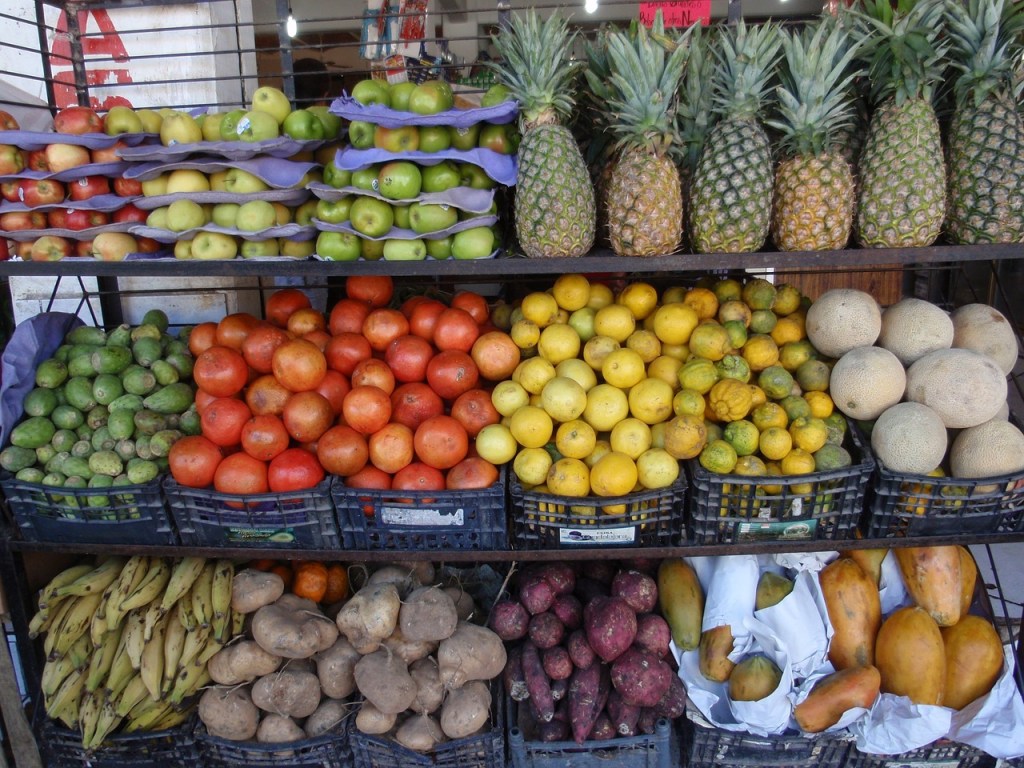
Our produce cooler is the most difficult to keep full, and we can always find a home for its contents whether they be banana leaves, acorn squash, or jalapenos. We know green cabbage days are the ones we have to work the hardest and fastest because demand is so high. Salad greens are one of the most requested items we have, even though we rarely have dressing. Shoppers are often excited to cook with a vegetable they’ve never tried before.

Our food pantry clients all know the basics of a healthy diet but share with us every day how fresh and healthy options are inaccessible to them. Many don’t have easy access to a grocery store, so they depend on convenience stores or gas stations for their meals.

Others are in living situations without the capacity for food preparation or storage. Using only a hot plate or sharing a communal fridge severely limits what foods they can use. And a high number of our shoppers are overwhelmed with caregiving responsibilities (paid and unpaid) that limit their time and capacity for cooking.

Although food pantries can supply our community with healthy, fresh options, we can’t improve their cooking capacity or give them the time to cook for their families. No matter what delicious produce we have, some of our visitors still can’t utilize it.

I worry to see a pantry client walk out our door with only a partially full grocery bag. It is important that everyone feels a sense of abundance and leave confident that they have the food they need to survive. That’s why our pantry strives to offer a variety of different foods, including things like instant meals, frozen dishes, and lots of snacks alongside our fresh produce. We aspire to provide options for everyone, and always assume that our shoppers know their own needs best.

We also recognize the hardship that our clients experience daily. One client recently lost yet another job (the third since I’ve known them). Another client was desperately seeking Narcan for a household member at risk of opioid abuse. Someone just found out they are unexpectedly pregnant with twins.

Everyone comes to our pantry with a complex story, and we believe it’s important to ensure they have foods that bring them comfort as well as nourishment. Food plays a huge role in mental as well as physical health.

It’s not unusual to see a frazzled individual eating a pastry or candy in their car after shopping our pantry, so that their family never knows they got to enjoy a sweet treat in solitude.

Although emergency food assistance programs need to continue seeking pathways to improve the diet and nutrition of people experiencing hunger, it’s extremely important that we view this challenge holistically. While prioritizing fresh fruits and vegetables is an important step, we need to fight the stigma that people don’t know how to eat healthy and instead make sure they have the tools to really do so.

 Frozen fruit is only functional if you have a freezer. Cooking butternut squash requires a hefty knife and the physical capacity to cut it. Dry beans need the time and space to appropriately soak and prepare.

Over the last decade, food banks and pantries have made incredible progress in improving the quality of foods distributed. More fresh items are available than ever before. But the stigma remains that people experiencing hunger don’t know any better than to eat junk food, which ignores the significance of the many other burdens that keep a nutritious diet inaccessible.


The opinions expressed here are solely my own and do not express the views or opinions of my employer.

Want to learn more about food justice? Subscribe so you never miss a post!

The Best Volunteers are Taught, Not Found

Several years ago, I was working with a group of volunteers who were sorting donations of fresh and perishable foods. I remember emphasizing that if they were unsure of the quality, they should throw it out because making sure that no one got sick from this food was of the utmost importance. One volunteer nodded and said, “That’s true, because if they get sick then they’ll want us to pay for their medical bills too!”

I was shocked to hear this comment from someone who was volunteering to fight hunger.

It was hard to believe that an individual motivated to do this work could also be so cynical and unkind to the people they were there to help.

One of the major challenges that all food banks and pantries face is working with volunteers. Because nonprofits tend to depend on donated labor to keep staffing costs low, volunteers are essential for accomplishing our social justice goals. However, volunteers come with an incredibly wide range of motivations which can present unique obstacles for the organizations with which they serve.

Volunteering is widely recognized to be good for our physical and mental health, provides important social opportunities, and gives everyone a way to make a meaningful contribution to the world around them. However, this also means that nonprofits are faced wrangling a diverse and eclectic population to meet their goals.

The most effective food pantries have volunteers with a comprehensive understanding of the root causes of hunger, respect for the realities of living in poverty, and trust the mission of their chosen organization to make an impact. (A future post will explore the importance of volunteers with lived experience of hunger.) Here are some of the strategies I use to ensure my volunteers have the skills, confidence, and knowledge they need to be powerful food justice advocates.

Building a Powerful, Anti-Hunger Volunteer Force

1. Present a Unified Message

Every anti-hunger organization needs to be articulate about their mission and goals, which should clearly align with the assignments of volunteers. Are you trying to end hunger? Give your clients all the food they need to thrive? Ensure all the children in your neighborhood have a healthy dinner tonight? This message needs to come from the organization’s leadership, have buy-in from staff, and be regularly explained and reviewed with volunteers.

2. Repetition

Many of your volunteers might not agree with your message. They may believe that people experience hunger because they’re lazy. They may volunteer because they want to spend time with their friends. They may be committed to reducing food waste to be more environmentally friendly. Whatever reason brings them to your food pantry, you will have to explain and model your mission a thousand times every day. Although tedious and emotionally fatiguing, this repetition will help your team understand and eventually internalize your message.

3. Address Power Dynamics

It is essential to be aware that even in the most respectful food pantry, there is an imbalance of power. People seeking assistance are expected to adhere to rules, and volunteers are generally there to enforce them. They have the authority to supply or deny an individual the food they’re looking for, and this authority must not be abused.

As this famous 1973 Stanford experiment taught us, people adopt attitudes that reflect the position they’re in. As the prison guards became more abusive of their authority, it’s easy for volunteers to also inappropriately focus on enforcing rules.

I have two solutions to this problem:

 A. Implement as few rules as possible, so that there are fewer opportunities for violation or enforcement. For example, our clients have no predetermined path that they must travel through our pantry, and they can take as much as they like of many items.

B. Explicitly discuss the power imbalance and the specific language we expect from volunteers to minimize it. For example, if a volunteer sees a client taking more of something than the posted limit, their script is, “we ask that everyone only take (#) of this item. I know it’s not enough, but we’re trying to ensure that everyone gets some. We’re sorry about that.” We always interrupt the use of phrases like a client trying to “take too much” or “steal food,” and instead discuss the potential challenges of accessing the food they need. (We also tell our volunteers that if they find themselves getting too caught up in monitoring our clients, they are to excuse themselves to the breakroom for some candy.)  

4. Model Respect

Like any organization, we occasionally serve individuals who are annoying, frustrating, or aggravating. But no matter how challenging I find them to be, it is essential that volunteers only hear staff speak of and treat these clients with respect and dignity. We also discuss the factors that may influence the behavior of our clients such as stress, embarrassment, mental health, or trauma.  

When I first started working with my food pantry, there were two clients in particular who were known to be difficult. Every visit was an event that took an enormous amount of maintenance to be successful. Eventually, it became clear that previous volunteers had been rude and disrespectful to these individuals so they anticipated conflict every time they came to use our services. By establishing an environment that prioritized respect where they knew they would be treated with kindness, the challenges with these clients largely vanished. Your community will respond to the attitudes of your volunteers, who look to pantry leadership for guidance. When respect is expected at every level, everyone has a better experience.


No matter what your specific mission is, every organization has the capacity to harness their volunteers to be food justice advocates. This is a slow process that depends on the environment you create and the organizational culture you celebrate. Eventually, these attitudes and tools will produce volunteers who find greater fulfillment from their service, higher client satisfaction, and an organization less prone to conflict or abuse.

The opinions expressed here are solely my own and do not express the views or opinions of my employer.

Want to learn more about food justice? Subscribe so you never miss a post!

The Power of Our Words to Fight Hunger

“Just think positive!”

Who hasn’t had someone tell them that thinking a certain way will influence the outcome of a situation? Although it is rarely welcome advice and easier said than done, there is validity to the idea that how we think about problems influences our understanding and capacity to solve them.

There is nowhere this is more true than in the effort to end hunger. The more I learn, the more convinced I am that successfully ending hunger must start with changing how we think about and discuss it.

There is so much baggage and emotion tied up with our society’s existing understanding of hunger that building a new framework will be easier and more effective than trying to rework the old one.

Changing the language we use is a small step that should be followed by more tangible action, but is an incredibly powerful way to bring more food justice to the world around you.

Here are three examples of how word choice impacts hunger:

Food Stamps vs. SNAP Benefits

From 1939-2008, people using government food assistance relied on Food Stamps. Highly visible pieces of paper made it hard to use discreetly, and cultural biases and assumptions led to stigma against the people utilizing this essential resource. Because of this, Food Stamps were deliberately renamed the Supplemental Nutrition Assistance Program, or SNAP, in 2008. Although SNAP is a term slow to be adopted by the general public, the change was a intentional effort to reduce the stigma of food assistance. Given that embarrassment for needing help is one of the primary barriers to utilization, this is a small but important effort towards making food assistance feel more accessible to everyone.

Food Bank vs. Food Pantry

When I worked at a large urban food bank, people regularly came to us for food. These visitors were given a small box of nonperishable foods, and a resource list of local food pantries that would be able to provide them with more help. The formal distinction between a food pantry and food bank isn’t widely known, which often left these individuals feeling embarrassed and or even angry when told we didn’t offer the assistance they were looking for.  

Food banks are food hubs that collect and store food, which is then distributed to partner agencies such as food pantries or soup kitchens. Although the terms are often used interchangeably, people looking for free groceries are looking for a food pantry. Before the pandemic, few food banks distributed food directly to people experiencing hunger (although since 2020 the number who manage some type of distribution has grown significantly).

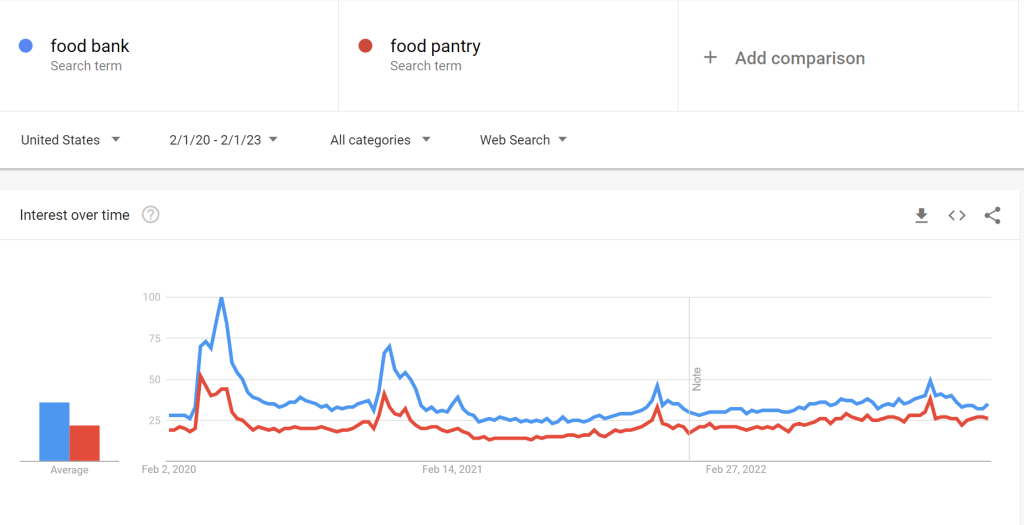
Data clearly shows that people seeking food assistance are more likely to use the search term “food bank” rather than “food pantry” as they research options. Although I am generally an obedient rule-follower, food pantries adopting the title of food bank would help ensure that people in need find them more easily and avoid awkward encounters at food banks.

It may be time to think of a new term for food banks that more adequately encompasses the work they do, especially as many expand their missions to include advocacy, education, and services beyond that of a food hub.

Free School Lunch vs. Universal School Meals

Framing has a huge impact on how our ideas are perceived. Particularly in America, there’s a staunch expectation that people need to earn their success, and strong opposition to the concept that anyone should be given anything for free.

One way this idea manifests is in the current discourse around school meals. There is a growing movement to offer free meals to all students in low-income public schools and not just those who qualify. Requiring an application and examination of a family’s income stops many families from applying, which leaves their children without access to school lunch.

(I once worked reviewing these applications for CACFP, the school lunch equivalent for daycare centers, to ensure that students qualified for a free or reduced-price meal program. It was clear that language barriers, education level, and understanding of the program were major factors influencing who applied, and that the number of applications didn’t reflect the true needs of the community.)

Advocates are working to ensure that high-poverty schools offer meals to all students to eliminate the bureaucratic barriers that leave kids hungry. While much of the political pushback focuses on the costs, there certainly remains an aura of reluctance to provide anything for free.

If we choose to advocate for universal school meals rather than free lunches, it reduces the fear that anyone receives anything for free (that we think they might not deserve). It’s hard to argue that children don’t need lunch at school, so simply renaming this policy helps make it palatable to people with more diverse perspectives.


The words we choose to talk about hunger have a powerful impact on how we, and the people around us, think about the issue. Anti-hunger advocacy doesn’t have to be phone banking, or volunteering, or lobbying for policy change. Carefully considering the words we use offers an opportunity to implement subtle shifts in how our community thinks about hunger, which will help us foster buy-in when we do choose to be more active participants.  

The opinions expressed here are solely my own and do not express the views or opinions of my employer.

Want to learn more about food justice? Subscribe so you never miss a post!

Do You Believe Everyone Deserves To Eat?

This week, I overheard a comment as a client entered our food pantry, an iced drink in hand. One of my volunteers muttered, “if they can afford Starbucks, then they probably don’t need to be here.”

I was disappointed by the judgement and the lack of empathy and understanding that I heard in their voice. Unfortunately, this is an attitude I encounter regularly as a food justice advocate.

Many people, whether consciously or unconsciously, believe that hunger is primarily the fault of an individual making bad choices.

When someone believes that anyone can simply work themselves out of poverty, spending five dollars on a delicious frosty drink on a 90-degree Friday is merely confirmation that their poor choices led them to needing to use a food pantry. This assumption is the primary motivation for anti-hunger institutions to control what types and how much food a client may receive- because of the belief that they can’t be trusted to do it themselves.

These attitudes are heavily engrained in our society, particularly among demographics who still advocate that hard work is the primary component of financial success.

 Too many anti-hunger organizations and supporters espouse providing minimal resources to avoid anyone in need from becoming “too dependent.” (We’ll dig into the absurdity of fearing people will become too dependent on food another time.)

This assumption persists even though there’s abundant data refuting it and proving that nearly all factors of poverty are beyond an individual’s control (cost of living, available jobs, or adequate hours, not to mention the many forms of discrimination. And of course, your zip code).

What is Food Justice?

Food justice is a framework that holds food as a human right and seeks to address the structural barriers that perpetuate hunger and poverty. It is closely aligned with the environmental justice movement and advocates for building access to healthy, culturally appropriate food for everyone in a way that also supports the environmental health of our world.

Alongside recognizing that poverty is a systemic rather than individual condition, a food justice perspective analyzes the impacts of the entire food system- including land ownership, labor conditions, environmental impacts, nutritional quality, and economic and physical access, and the factors that perpetuate injustice like exploitation, racism, colonialism, and discrimination.

Historically, food banking does not easily fit into a food justice framework.

Until very recently, traditional food pantries rarely examined their role in perpetuating injustice or their neglect of the root causes of hunger by treating it as purely an individual problem.

As an individual rather than systemic solution, food pantries regularly dictate what and how much food is available to people and communities who need it, and actively perpetuate harmful assumptions about hunger and poverty (like the volunteer I mentioned in my opening paragraph).

How Can Food Pantries Take an Active Role in Implementing Food Justice?

  1. Offer client autonomy. Trust that your clients know their own needs best and give them the freedom to choose what and how much their families need.
  2. Actively engage your volunteers, staff, and leadership by learning about food justice to help them move beyond any assumptions they may carry about people living in poverty. It’s important to remember this will never be a one-time lesson, but rather the long-term establishment of a community culture that recognizes the historic injustices that perpetuate hunger, the evolving economic realities of our world, and embracing the idea that everyone deserves to eat, unconditionally.
  3. Partner with food justice programs who actively work to undermine our current food system in favor of more equitable and alternative options. The fact that food justice is a recently adopted idea for the food banking industry means there are ample opportunities for food pantries to offer leadership and innovation in this field. (Here are some programs doing great work in the Pacific Northwest).

The opinions expressed here are solely my own and do not express the views or opinions of my employer.

Want to learn more about food justice? Subscribe so you never miss a post!

Why Don’t We Trust Food Pantry Clients?

“Do you see how much food that woman took? That’s so much food. What do you think she’s going to do with it all?”

I recently had a volunteer quietly ask this in my ear as we watched a woman and her daughter walk out of our food pantry with a shopping cart brimming with heads of lettuce, an assortment of fresh fruit, bell peppers, bags of dry beans, potato chips, and a variety of other foods.

“I think she’s going to eat it,” is my dry reply. “Hopefully that’s enough to support her family for the week.”

Unfortunately, this isn’t a rare question. It’s practically engrained in our culture that anyone who uses welfare is viewed with skepticism.

The idea that hard work always begets success is so engrained into our national psyche that people who aren’t successful are assumed to be so because they make bad choices. And if they make bad choices, can they really be trusted to choose their own food?

Whenever I participate in discussions on the realities of hunger, I hear people invent stories vilifying food pantry shoppers based on the amount of food they take (or the car they drive, the language they speak, or their level of gratitude, but those are topics for another post). Perhaps the clients are just hoarders, but maybe they’re selling it?

Even though abuse of the emergency food system is incredibly rare, a pervasive suspicion of individuals who use welfare means that people simply trying to feed their families are regularly labeled as greedy, exploitive, or lazy.

How did we get here?

The 1970s saw the first food pantries emerge alongside the attitude that short-term catastrophic events, rather than poverty, pushed people into food insecurity. It was assumed that the impacts of a job loss, illness, or natural disaster were only temporary, so immediate food resources rather than reliability or volume were the appropriate solution. The offering of several days’ worth of food was considered adequate until individuals were able to “pull themselves up by their bootstraps” and regain self-sufficiency.

Economic prosperity also fostered the idea that it was always possible to work your way out of poverty. Food pantries were created to support people through these temporary crises and were never intended as a solution for chronic hunger.

The 1980-90s and the mythical “welfare queen” fostered a tightening of food assistance programs out of fear that they bred dependency rather than independence. Reagan’s emphasis on welfare abuse and Clinton’s policies tightening access to Food Stamps cemented in America’s mind the idea that welfare recipients are always suspect.

Increasingly in the past decades, more and more Americans require regular support accessing food. Particularly since the Great Recession in 2008, families are dependent on food pantries as a regular resource rather than a temporary boost. Low wages and high costs of living mean that people can rarely work themselves out of poverty and are always short of the resources they need to survive.

Hunger is increasingly a chronic experience in the U.S., and millions of people regularly find themselves in situations where they never have enough money to buy food, even when they participate in other food access programs.

Despite this barrier, there’s remains widespread fear that if food pantries provide someone with all they need, this security will push them to quit working, buy lots of drugs, and eat lobster every day.

Through this lens of suspicion, food pantries justify limiting clients to enough food for only several days at a time.

What is our goal?

We know food pantries can’t solve hunger- a systemic problem of this size requires a systemic solution of equal scale. But what food pantries can do is alleviate some of the immediate burdens of living in poverty.

Nearly all food pantry clients have some kind of income- but they must choose whether to spend it on food, rent, healthcare, or other essential needs.

 Institutions committed to building food security should aspire to reduce the amount of money that their clients spend on food. Limiting the amount of food that clients can get at the pantry to a 2–3-day supply (generally considered the industry standard) ensures that shoppers still must make hard choices about where to spend their money. Their only other option is to visit multiple food pantries until they have enough food that they’re able to eat and pay the rent or purchase their medications.

While recognizing that even the most abundant, generous food pantries are only a band-aid to a much bigger problem, they are an essential resource for ensuring all our neighbors eat every day.

When we allow these services to be dominated by bias and assumption, they create a less dignified and less effective experience, and perpetuate the struggles of people living in poverty.

If the end goal is to ensure that everyone in our community has the food they need to thrive, then we need to start by ensuring that resources like food pantries offer their services with respect and understanding of the realities of food insecurity. And that begins by trusting the people who seek our help. If we believe that everyone deserves to eat, then we need to make sure we practice that ideal to the fullest.

The opinions expressed here are solely my own and do not express the views or opinions of my employer.

Want to learn more about food justice? Subscribe so you never miss a post!
When Hunger Can’t Be Solved with Food

Rosebud County in Eastern Montana

I began my career in eastern Montana strategizing on how to improve food access in several remote towns, particularly for children participating in the National School Lunch Program. This included four months living in the town of Lame Deer on the Northern Cheyenne Indian Reservation where I gained a first-hand perspective of the challenges to food access.

Unlike many other communities in the region, Lame Deer was lucky enough to have its own grocery store. However, because the town was so far off all major highways, it was always last on the stop for deliveries.

Fresh foods had practically expired by the time they even arrived in town, and I would see produce literally rotting on the grocery store shelves.

Lame Deer, Montana

Because of the high travel costs, this food was also more expensive. I bought milk at this store if I had to but did most of my grocery shopping in Colstrip, a town twenty miles north.

I was privileged in that I was one of the few people in town who could afford the fuel to make the trip, since buying gasoline on the reservation was astronomically expensive. As a result, many Lame Deer residents had no other option but to buy food at the grocery store, which forced them to depend on the processed and shelf-stable options which survived the trip to their local shelves.

This community was extremely food insecure. (It is important to note that my experience took place a decade ago, and I’m sure that many things have changed. I cannot speak to the current conditions in Lame Deer.) Although I was embraced by a compassionate, enthusiastic community and worked with many dedicated activists, the barriers to building food security were huge.

The Pillars of Food Security

As empathetic creatures, we tend to have a profoundly emotional reaction to the idea of hunger. While we should all ache at the idea of anyone going hungry, it is equally important that we use quantitative tools and frameworks to assess and analyze food insecurity.

The Food and Agriculture Organization (FAO) is a specialized agency within the United Nations that specifically fights hunger, and in 1996 the World Food Summit and FAO produced a framework for evaluating food security. This framework identifies four determinants of food security:

  1. Availability- The supply side of food determined by production, trade, etc.
  2. Access- Do people have physical and economic access? Can they get to it, and can they afford it?
  3. Utilization- Are the available foods functional? Do people know how to prepare them? Do they meet nutritional and cultural needs?
  4. Stability- Are these dimensions consistent over time?

Using these pillars allows us to make objective assessments and develop targeted solutions for ending hunger under a variety of conditions. Using this lens to examine conditions in Lame Deer helps us better assess what solutions might be plausible.

Availability

Although communities like Lame Deer, MT lack availability, as a nation we are rich with food. The United States has enough food available to feed every member of the population and the capacity to trade for what it doesn’t produce itself. Eastern Montana may have weaker availability than other regions, but that is through neglect rather than an actual shortage of supplies.

Access

Lame Deer residents did not have physical or economic access to food. Even if they could afford the high costs for that region, driving forty miles round trip to the Colstrip grocery store was prohibitive. Access was a primary barrier for this community to be food secure.

Utilization

Lame Deer’s food supply neglected their cultural needs. The Northern Cheyenne tribe traditionally lived on wild game and foraged foods that are not available on the small plot of land allocated to them by the federal government. Residents could not get to or afford the food they needed to be healthy.

The foods available also did not meet anyone’s nutritional needs since most of it was heavily packaged, processed, and high in fats and sugars. There were few options for fresh produce.

Stability

Unfortunately, these conditions were consistent in all the wrong ways. At the time, there were few options available for changing food access for the better. The impacts of colonization and the harsh, isolated territory made it unlikely that access or utilization would improve for residents.

Hunger Solutions Aren’t Always About Food

Although this exercise certainly highlights the challenges of living in this community, it allows us to focus on the most effective solutions. Simply bringing more food to the community may not be plausible or effective. Instead, this helps us consider how:

-Building a highway bypass from the nearest big city might enable food to arrive more quickly at the grocery store.

-Subsidizing a regular shuttle between Lame Deer and the Colstrip grocery store would allow people to access better food.

-Are there policy solutions for lowering the cost of gasoline on the Reservation?

-You may be dying for me to add community garden to this list- it is a potential option, but eastern Montana is a tough environment for growing produce, and the reason the Northern Cheyenne were allocated this land by the U.S. government is because it is neither fertile nor friendly, so it’s not a practical solution to food insecurity.


The pillars of food security are an important tool for examining the barriers for hungry communities. It’s easy to get caught up in the idea that ending hunger just calls for growing, harvesting, and processing more food (which is why the focus tends to fall on improving agricultural yields), but our country’s food supply is rarely the problem. While ending hunger certainly depends on ensuring everyone eats today, effective solutions will come through eliminating barriers rather than producing more food.

The opinions expressed here are solely my own and do not express the views or opinions of my employer.

Want to learn more about food justice? Subscribe so you never miss a post!

How to Convince Yourself There’s Enough Food For Everyone

“Do we have enough food?” is the question currently echoing throughout the emergency food assistance network. The demand for food assistance is growing rapidly, and food pantries across the nation are straining to accommodate the number of people reaching out for help every day.

One year ago, my own food pantry was learning how to serve 100 households in four hours. Just two weeks ago, we set a new record for the number of households served- 181 in that same amount of time. With SNAP cuts in March and rising inflation, hunger needs are growing like we haven’t seen since the beginning of the pandemic and show no signs of slowing.

With the dramatically increasing need and demand for our resources, it is incredibly easy to become fixated on scarcity. How do we feed all these people with our limited food supply?

I consider myself a student of anti-hunger advocacy, but lately I realize more and more how much this work depends on psychology.

Although my focus is on the logistics of supplying hungry people with the food they need, I learn every day that doing this job well depends just as much on how I think about food access and hunger.

How people living with food insecurity feel about the resources available to them impacts how they use them.

How anti-hunger advocates think about hunger and the services they provide equally influences the systems they implement and how resources are distributed.

I spend a great deal of time advocating for presenting a sense of abundance and food security for our food pantry visitors. (Read more here). But with the growing need and strained capacity of the anti-hunger system, I have also been reflecting on the importance of advocates prioritizing our own abundance mindset.

Why should we as anti-hunger advocates develop our own attitude of abundance? How does that help us serve our community better?

Most anti-hunger organizations ensure they always have a stash of food available to support the next client, or the next distribution. But an emphasis on holding food back for later also focuses efforts on maintaining the food supply instead of the needs of our shoppers.

 When our brains focus on this scarcity, we shrink our capacity to think about other things, which reduces our effectiveness at the work we do. (Right now I’m reading Scarcity: The New Science of Having Less and How it Defines Our Lives by Sendhil Mullainathan and Eldar Shafir.)

An abundance mindset helps us broaden our vision and find opportunities for doing better.

When we assume that we’re maxed out, we shut down any possibility of innovation. By adopting the paradigm that we have the tools we need to succeed, it enables us to strategize for success. An abundance mindset allows us to experiment with new ways to do better once we’ve internalized the idea that we have the capacity.

How can hunger fighters prioritize an abundance mindset?

1. Prioritize growth and experimentation.

In many ways, food pantries have evolved little since their modern inception of the 1970s. Most food pantries offer similar systems of food distribution that change little once they are established. But these systems may not be able to support an increase of clients or fluid food supplies, so it can be easy for a food pantry to decide they simply don’t have the capacity to grow.

Instead, food pantry staff should constantly experiment with ways to change and update their systems. By ensuring that no operation is set in stone, it empowers opportunities for innovation that very well might be able to support changing community needs.

Even small changes can be incredibly worthwhile. For the past year, our food pantry has taped client tickets to the handle of our clients’ shopping cart. This past month, we experimented with taping them to the front of the cart instead, which has expedited check-out and helped eliminate traffic jams for faster client service. This tiny adjustment has had significant ramifications on our operations.

A willingness to experiment under stress is hard; it requires a certain level of comfort with risk (and requires trust and enthusiasm from volunteers). But a refusal to take those risks ensures that your organization will not evolve to meet your community’s needs.

2. Emphasize the resources you have.

My pantry often runs low on popular food items. We rarely see canned fruit anymore and are experiencing a major shortage of pasta and sauce. These empty sections on our pantry shelves stand out like a beacon, but rather than staring at those gaps, we constantly rearrange.

Canned pumpkin is not a popular food item (especially in the summertime!) but our local food bank has an abundance, and it allows us to fill up our shelves. Even though we know most of our clients aren’t interested, filling the space on the shelves draws attention away from our lack of essentials and helps everyone feel a greater abundance.

I appreciate having some food items that are not popular. Because they move slowly, our volunteers don’t need to dedicate time and effort restocking, but they do help everyone feel like our pantry has the resources to support anyone experiencing hunger.

3. Don’t hoard your food.

My perspective comes partially from the privilege of having a significant warehouse and storage capacity, but our food has little impact when it is sitting on our shelves. There is a pervasive attitude in food banking that we must always save some for the shoppers coming tomorrow (which is true), but we give out sequentially less and less food if the goal is to always have leftovers. If you give away the food you have with faith that more will arrive tomorrow, everyone will be better served.

Projecting an attitude of abundance for food pantry clients is essential for helping them feel like their needs are being met, they are respected, and they can have confidence in their food security.


Adopting an attitude of abundance for anti-hunger advocates is harder- we are constantly faced with the challenging reality of a limited food supply while being overworked and underpaid. But by focusing on the opportunities that are open to us to do better, experiment, and practice innovation, we will access new avenues for success that otherwise would remain unexplored.

Previous Post: Why You Should Run Your Food Pantry Like a Restaurant

The opinions expressed here are solely my own and do not express the views or opinions of my employer.

Want to learn more about food justice? Subscribe so you never miss a post!

Out Sick This Week

I’m sorry readers- no new blog post this week.

I’ve tested positive for Covid, and it takes all I’ve got just to sit upright on the couch long enough to finish a warm beverage (I lost my sense of taste today so I can’t tell if it’s tea or coffee.) My fiancé has been working hard to prepare tasty meals to keep me nourished, which has me reflecting on the unique requirements our bodies have to stay healthy. Respecting everyone’s individual needs inform much of my practices at the food pantry, so today I’m revisiting this post about how my personal challenges with food inform my own effort to fight hunger.

Check in next week for a new post!

The opinions expressed here are solely my own and do not express the views or opinions of my employer.

Want to learn more about food justice? Subscribe so you never miss a post!

Why You Should Run Your Food Pantry Like a Restaurant

Imagine walking into your favorite restaurant. You know the staff is going to be kind and friendly. You are anticipating what foods you’re likely to enjoy, and you’re confident that it will be served safe and clean. You leave feeling nourished, pampered, and fulfilled.

Although they differ in many ways from a restaurant, food pantries should aspire to imbue their visitors with the same feelings. How your guests are welcomed impacts how they feel about their entire experience. A clean environment with reliably high-quality options will help clients feel respected and empowered. High standards of food handling and safety contribute to an air of professionalism. Quality foods help avoid the feeling that shoppers are receiving society’s discarded and unwanted options.

Maintaining such high standards is hard for organizations that primarily depend on the labor of volunteers. When there are a million responsibilities to manage, it can be hard to repeat food safety training every day for your team to ensure consistency. Volunteers may be uninterested, not adhere to your standards, or not even understand the value of dedicating this extra level of dignity to your clients.

But by continually pushing for the highest quality of dignity, food safety, and facility maintenance, you ensure that guests feel more comfortable, that your food stays safe, and that you have an operation you can be proud of and where your clients leave feeling taken care of.

Here are my four top tips for adding that extra level of professionalism your food pantry deserves to provide a high-quality food service experience for your community.

1. Keep bad or spoiled food out of sight

No matter what, food pantries regularly receive food that is not appropriate to distribute. Grocery stores may donate items that they can’t bear to throw away even though they are clearly inedible. Produce from the food bank may not last as long as we’d hoped. A donor may throw a whole mess of items together in a box that may be crushed, damaged, or contaminated. Every food pantry must dedicate significant effort to sorting the good options from the bad.

Keeping this process out of sight of clients helps reduce or eliminate the impression that food pantries only receive and distribute cast-off, undesirable foods.

No one wants to feel like they are eating garbage, and clients don’t need to know if your food supply was salvaged from a motley collection of questionable donations. Just like making sausage, witnessing the process may negatively impact how clients feel about the good food they do receive.

2. Keep the pantry clean

One of the most common complaints I hear from clients who visit food pantries is that they’re concerned about the cleanliness of the facility. As organizations that primarily depend on volunteer labor, sometimes it can be hard to maintain the building.

Coordinators may be reluctant to add cleaning responsibilities to the volunteer role when the team is focused on supporting clients. Volunteers may not know how to prioritize these responsibilities or may not have adequate training on how to do it well. Staff may not have the capacity to do it all themselves.

Consider establishing a daily check list for volunteers and specific, mandatory cleaning procedures.

For example, my food pantry displays produce in gray plastic bins that are washed and sanitized once emptied. Even if there is only one dirty bin at the end of the day, we still require completing the wash/rinse/sanitize process to ensure everything is kept appropriately clean and food safe. Establish which procedures may have short-cuts and which ones are nonnegotiable.

3. Apologize for spoiled food

Occasionally, no matter how good your team is, food that really shouldn’t be given away makes it up to the pantry shelves. Particularly in the summer heat, food that was already near the end of its viability may go bad for clients to see. When a client points out that something has spoiled, we immediately grab it and apologize, commenting on how embarrassing it is that it happened.

By ensuring our clients know that we recognize that they deserve better, we help them feel respected and dignified. In the same way a restaurant would apologize for serving a faulty meal, we apologize for presenting our clients with poor food options.

4. Thank the people you serve

Food pantry clients need food pantries. We offer an essential resource for people who are struggling to access the food they need to get by. But with the stigma and shame around utilizing food assistance, clients don’t want to be reminded of their dependence on this service. That’s why we always thank our clients for visiting us, and let them know that we’re grateful they came in.

In the same way our clients need us, we need our shoppers- increasing food security makes our entire community stronger and healthier. This simple gesture imbues dignity to the experience and helps avoid any impression of pity or condescension.

Next Post: How to Convince Yourself There’s Enough Food For Everyone.

The opinions expressed here are solely my own and do not express the views or opinions of my employer.

Want to learn more about food justice? Subscribe so you never miss a post!

When Do People Deserve Help Getting Food?

“Can I still get food even though I am working?”

“I lost my job- am I eligible to get food?”

These are two questions that we regularly hear at our food pantry. First-time clients who are brought to our pantry due to inadequate wages or unemployment worry that their situation might make them ineligible to receive food assistance. It is tragic that people in these opposing circumstances both worry that they don’t deserve help feeding themselves and their families.

Why is our idea of who deserves to eat so focused on employment?

The United States first began to view hunger as a domestic issue rather than a problem experienced by impoverished nations facing famine and conflict in the 1960s. As understanding and data around food insecurity grew, the 1970s produced the significant expansion of the Food Stamps program as we know it (now known as the Supplemental Nutrition Assistance Program, or SNAP). Providing low-income families with money specifically dedicated to purchasing food, the program had a significant impact on fighting hunger.

In the 1980s, President Reagan began fueling fears of welfare abuse with his rhetoric regarding a mythical “welfare queen,” a caricature of a low-income woman living large on tax-payer dollars. This concept stoked conservative fears of enablement and welfare abuse and has become an integral piece of the American concept of poverty. Fears of abuse by both unemployed individuals unmotivated to work as well as people who don’t really need the assistance have cultivated this complicated relationship between hunger and employment.

A key part of SNAP participation has long been work requirements, which require participating individuals to work a minimum amount of hours every month in order to receive benefits. This policy has recently risen to prominence as it was reevaluated and updated as part of the debt ceiling negotiations. Making sure that people are working or pursuing employment may seem like a simple expectation to set, but making survival conditional on productivity simply brings more shame and humiliation to the experience of being food insecure.

Most households who have the capacity to work are already doing so- this policy does not effectively increase employment.

Work requirements demonstrate more about our cultural reluctance to help people living in poverty than an actual commitment to ending hunger.  

The new policies include work exemptions for houseless individuals and veterans which are actually predicted to increase the number of program participants, but overall continue to reinforce the idea that individuals don’t deserve assistance unless they are working (but if they need help then they’re probably not working hard enough).

Imbuing ideas about who deserves to eat into anti-hunger policies does not do much to change behaviors, but it does ensure that more people don’t have access to resources or don’t believe that they are entitled to the food they need to survive.

When people aren’t allowed to use SNAP, they must turn to other resources like food pantries. Everyone must eat, so these policies simply offload the burden from government to nonprofit programs. There is no option for people to just not eat if they are not deemed deserving enough.

If we’re truly committed to the idea that everyone deserves to eat, then these policies need to be called out for perpetuating the idea that anyone doesn’t deserve access to healthy, nourishing food. Food security should not depend upon your employment status.

The opinions expressed here are solely my own and do not express the views or opinions of my employer.

Want to learn more about food justice? Subscribe so you never miss a post!

Tips for Building a Shame-Free Food Pantry

“I’ve never done this before.” The client walking in the door was visibly shaking, and she repeatedly dropped her reusable grocery bags as she tried to prop them up in her shopping cart. “I’m really nervous. I never thought I’d need to do this.”

“Well,’ I told her, ‘we’re really glad you made it in today. We’ve got some fun options and I hope you’re able to find some foods that work for your family.” I explained our pantry processes before ushering her to Cannery Row where we keep our nonperishable options, and left her hesitantly browsing the shelves.


Visiting a food pantry is highly stigmatized. For many shoppers, just having to use this service is embarrassing, humbling, and shameful. While we have a long way to go to overcome cultural biases against receiving food assistance, here is how you can make sure that they do not dominate your food pantry.

1. Let clients shop how they like.

We don’t have a prescribed path by which clients must traverse the food pantry. It’s a small space so the lack of a traffic pattern does cause some serious traffic jams, but we noticed that clients were unnecessarily worried about doing things the “right” way.

I like to tell them, “We’re lawless rebels here so there’s no right or wrong way to shop.” Our clients usually laugh, and the traffic jams slowly work themselves out. People have the option to revisit their food choices, browse as new options are restocked, or even take a break if they get overwhelmed. Freedom from the fear of making a mistake substantially relaxes the atmosphere within our pantry.

2. Allow your visitors to take what they need, rather than telling them what they can have.

Beyond the few items that we do have set limits for because we run chronically low (frozen meat, eggs, cooking oil), the pantry is filled with signs asking clients to take what they need and leave what they do not. We still regularly get questions about how much they can take, and my team takes delight in responding, “as much as you need!” More than once, this answer evokes tears in shoppers who had expected or previously experienced different attitudes.

Clients with big families can load up their shopping carts, or people excited by a food familiar to their culture can take an abundance. Although we usually do not have enough of one item for everyone to take a large amount, the beauty of this system is that because everyone’s needs vary, it all evens out in the end. One client may finish the bell peppers, but the next client will get access to a new bin of potatoes or onions instead. We have never had any client conflict over our unlimited food choices.

3. Celebrate building food security!

We celebrate when people take lots of food. Clients often worry about taking “too much,” so our volunteers gently encourage them to take more and help our visitors enjoy the abundance that we have.

We have also learned that unlimited abundance often results in people taking less food, because they are confident that we have what they need so there’s no urgency in their shopping. We’re here to end hunger, and we know that a full shopping cart means a family knows they have what they need for a few more days.

By having as few rules as possible, we’ve made it so that our shoppers can’t make a mistake which contributes to a relaxed, comfortable environment. Few people who need to use a food pantry are visiting us on their best day, so ensuring that they come to a place where they know they will not be judged, shamed or scrutinized goes a long way to making the food pantry experience more comfortable.

The opinions expressed here are solely my own and do not express the views or opinions of my employer.

Want to learn more about food justice? Subscribe so you never miss a post!

Why Food Waste Doesn’t Solve Hunger

I once had a gentleman who stopped by our food pantry every week with a bag of food to donate. Unfortunately, every time the items he gave us were grubby, damaged beyond use or exceptionally expired. It got to the point where we would barely glance at them after he left before throwing the bag away because it was never of a quality that we’d be comfortable sharing with clients.

One day, when he handed me a gallon of milk that was over a month past its expiration date, I finally asked him where he was getting this food.

“I’m dumpster diving. I know you guys need food and I thought this would help. Someone can use this.”

My jaw dropped. I gently explained to him that while we appreciated the thought, we needed to ensure that all the food we gave away was safe to eat, which we could not do it if was salvaged from a dumpster. We haven’t seen him since.

It’s true that the US wastes extraordinary amounts of food. It’s also true that donations of discarded and unwanted food are the primary food source for most anti-hunger organizations like food banks. The demand for food far outweighs the capacity for anti-hunger organizations to purchase it. However, as my experience with the above-mentioned donor illustrates, it also perpetuates the idea that it’s okay for people experiencing poverty to eat food we would deem as garbage.

There is enough food in the US that food pantry clients don’t have to eat damaged, discarded, or expired options. There is not a food shortage in this country- simply a lack of access.

Food waste has been adopted as the primary tool of food banks thanks to the benefits of donation (tax write-offs and public relations), and our cultural preference that people in poverty eat lower-quality food. It was largely a result of the impacts of the pandemic that food banks began dedicating more money to food purchasing rather than depending solely upon donations, and hopefully this trend continues.

Food pantries and banks need food. This system would not currently function without donations of discarded, unwanted, and damaged items. Most of the time, this food is perfectly fine to eat. Expiration dates are simply a date of maximum nutritional value and not a food safety concern. Canned and dry goods are completely fine up to ten years past their expiration date if the packaging and container are all intact.

Donations often include food that can’t be sold for many reasons besides being old; the store over-ordered and doesn’t have storage capacity; the boxes fell over in transit and are damaged but unopened; one container in a pack of many was damaged but the rest are intact. Perishable foods are more complicated to evaluate- but my pantry has a standard by which we assess every item and a timeline of how long past the expiration date it is appropriate and safe to distribute an item.

Perpetually running on a scarcity mindset, food pantries are often encouraged to distribute as much food as possible, which encourages the distribution of foods long past their viability date.

When the food bank receives a donation of onions, they are pressured to get those onions to food pantries who will salvage the best ones for distribution to clients. This doesn’t mean that clients are getting good quality onions- it only means that they’re not getting the worst ones.

New Ways of Thinking

The goal of an anti-hunger organization should not be to give out as much food as humanly possible, but to make sure that what we do give out is safe, nutritious, and respectful. This attitude can be difficult for many food pantries to adopt as they are conditioned to a scarcity mindset where food is in such short supply it feels wrong to throw anything out. Ensuring that all the food on the shelves is dignified and useful will help cultivate client trust. Client satisfaction increases enormously when clients don’t feel like they need to inspect every single item of food for safety and viability.

Our food pantry asks two questions when we’re evaluating if food is appropriate to give to clients.

  1. Would someone be able to wait until tomorrow to eat this (or is it going to go bad immediately)?
  2. Will this food bring someone joy? Will a shopper pick this up and be excited to show it to their family when they get home? Although you can certainly salvage the inner layers of a moldy onion, no one feels joy receiving such an item in a time of need. It does mean we toss out some foods that some people might consider usable, but we ensure that our clients feel respected and cared for.

Rather than emphasizing how much food is saved from the landfill, food banks and pantries should emphasize the quality of foods donated and how they lend dignity to the experience of visiting a food pantry. Rhetoric like this will help us move away from the idea that its appropriate for food pantry clients to eat whatever we salvage from the landfill.

Food donations are essential to the food banking industry. No organization has the budget to purchase all the food they need to support their neighbors experiencing hunger. But it is also time that we rethink the food we give with an emphasis on quality to move away from the idea that anyone deserves any less than the freshest, healthiest food out there.

The opinions expressed here are solely my own and do not express the views or opinions of my employer.

The People Experiencing Hunger We Don’t Talk About

What demographics experience some of the highest rates of hunger?

It’s not who you think it is, precisely because you thought it.

You probably guessed seniors and children. Anti-hunger efforts tend to focus on these two vulnerable demographics because of the concern that they are helpless to fight it themselves. Seniors are living on a fixed income, while children are at the mercy of their parents’ financial situation. Anti-hunger advocacy has long prioritized those whose poverty we see as out of their control (the “deserving poor”).

Because of greater concerns regarding senior and childhood hunger, there are more programs available to support them. Just over 10% of American households are food insecure, while 12.5% of households with children do so. Although having children in the household does increase the hunger risk, programs like the National School Lunch Program (NSLP) and Women, Infants and Children (WIC) are powerful and effective tools against childhood hunger.

Households that include a senior experience hunger rates of 7.1%, and 9.5% for seniors living alone. Seniors are one of the least-hungry demographics in the U.S. (Keep in mind that no identity exists independently, and people have many different experiences and identities that impact their hunger risk. This data only indicates that advancing age is not a primary indicator of hunger risk and does not mean there are no hungry seniors or that we shouldn’t be figuring out how to lower these numbers further.) The low rate of senior hunger is thanks to programs such as Meals on Wheels, the Commodity Supplemental Food Program (CSFP), and other projects specifically because this is a demographic that is prioritized when fighting hunger.

While these communities certainly deserve our attention and continued efforts to end hunger, it’s important for anti-hunger advocates to examine where the greatest need lies. Identifying the barriers to food security for our most vulnerable community members helps us increase access for everyone.

Who’s hungry?

College Students

41% of college students are food insecure. Our vision of a college student as a carefree young person with their parents footing the bill is long outdated. A college degree is now almost essential for accessing a living wage, so higher numbers of first generation, older and other “nontraditional” students are pursuing college and graduate degrees.

Many of these students are attending community college, over 25, supporting their own families, paying their own housing and other living expenses, and usually end up in significant debt with the high cost of tuition. It should be no surprise that nearly half of college students don’t have enough food to eat.

LGBTQ+ Individuals

22% of LGBTQ+ individuals are food insecure.

These high hunger rates are largely due to discrimination thanks to a lack of protective federal policies (particularly employment), which leaves this community more vulnerable to poverty, houselessness, and hunger. Charitable resources may also be less available due to intolerant and homophobic organizations that don’t welcome everyone.

People with Disabilities

55% of disabled Medicare recipients are food insecure. Despite protective policies like the ADA, people with disabilities still experience discrimination that limits housing and employment opportunities, which have a profound impact on hunger rates. Disabilities may also make it harder to physically access food, as people may not have the ability to shop at the grocery store or travel long distances for affordable food.


While policy changes on both the local and federal level are necessary for eliminating the root causes of hunger for these groups, there are certainly steps that food pantries can take to become more available to these communities and thus a little more accessible to everyone.

How Can Food Pantries Support Our Hungriest Neighbors?

College Students

Do students know about food resource options? The stigma against using emergency food assistance programs for students is high, so making pantries easily accessible and welcoming for young people is essential. SNAP benefits are often unavailable to students, and these restrictions may mean that students don’t know that there are other resources available to them. Because of this, more and more colleges are developing their own pantries right on campus. Pantries should do direct outreach at schools with clear explanations of eligibility. Volunteer recruitment may also be a gentle way to introduce students to the idea of food assistance, as many schools require volunteer hours as part of their curriculum.

LBGTQ+ Individuals

Many food pantries are located in or have their origins within religious institutions which historically have not welcomed the LGBTQ+ community. My own food pantry started in a church basement, and our name and logo reflect that. As a result, I often get phone calls inquiring about our religious affiliation (there is none) because people are unsure if it is a safe space.

 One small but significant step we’ve taken is to ask for our client’s pronouns upon check-in, so that we can ensure we identify them correctly (after training volunteers on the importance of pronouns). Also, because we do not require any identification or documentation, our shoppers can choose what name we enter them in our database even if it does not match their identification. I’ve been delighted with the few opportunities I’ve had to delete someone’s deadname in our database (the name they had before their transition). Small details like gender neutral bathrooms are also more inclusive.

There is no reason that inclusive food pantries shouldn’t do deliberate outreach towards the LGBTQ+ community. With Pride Month approaching, pantries committed to fighting LGBTQ+ hunger should absolutely deck themselves in rainbows and undertake outreach so everyone knows there is a safe and welcoming place to get food assistance.

People with Disabilities

Can the pantry space accommodate wheelchairs? Are there places to sit, or must clients stand in a long line to enter? Is there a quiet space where someone who is overstimulated may take a break? Because many pantries exist in whatever space is available, they may not be physically accessible to everyone. Pantries often find workarounds by distributing food boxes to individuals who can’t enter the pantry themselves, but this deprives them of the respect and autonomy that is so important to establishing a dignified experience. Although we have only one disabled parking spot at our pantry, we are mostly accessible and have volunteers on hand to help clients shop however they may need it, such pushing a shopping cart for a wheelchair user or explaining our food options to those with limited vision to ensure they can have the same shopping experience as everyone else.


Hunger doesn’t exist in a silo. It is important to remember that identities overlap and that hunger rates are also heavily influenced by race, gender, and a multitude of other factors. We can never know all the obstacles to food security that someone may face, which is why breaking down the greatest barriers for our most vulnerable populations helps us improve food security for the entire community.

There are many, many other ways that food pantries can ensure these demographics feel more welcome and food secure. What are some of the steps that your organization has taken?

*(Data is from 2021-22 resources.)

The opinions expressed here are solely my own and do not express the views or opinions of my employer.

Top Tips for Prioritizing Clients at Your Food Pantry

Food and hunger are deeply complex issues, and ones which carry a lot of emotional weight. Especially in America, there are strong cultural ideas about hunger that heavily influence how we view it and impact the policies we make to address it. Solutions crafted to end hunger are often ineffective because they address our assumptions rather than the reality.

Luckily, many food pantries have significant autonomy, which means they have the authority to make organization-level policies that address hunger as it is rather than how we feel about it. However, as small nonprofits that may not have a strong social justice foundation that depend upon volunteers to survive, there are just as many opportunities for food pantries to prioritize things other than hunger and the people we serve.

Every food pantry should aspire to be client centered. Client-centered food pantries focus on the needs and experience of the people seeking their services.

Although this may require a significant change in mindset, client-centered food pantries do better helping meet their shoppers’ needs, provide volunteers with more meaningful opportunities for service, and offer a more comfortable environment for everyone.

What are the characteristics of a client-centered food pantry?

  • Services are designed to fit the needs of the clients rather than clients fitting into service model. That means that every pantry should be individualized. What works for one community may not work for another.
  • Assume that the client knows their own needs best. If we are not living in their house with them, then it is impossible for us to judge what foods will best help them celebrate their culture, be healthy, and feel secure.
  • Generosity. Food pantries should not just give clients enough food to fill their bellies- they should give enough to provide emotional security. A full kitchen provides a sense of security as well as many days’ worth of meals. No one walks away with too much food from a food pantry.
  • Be open to criticism. Given the quality of food pantries generally receive, it is inevitable that a loaf of moldy bread occasionally makes its way to a client. A client-centered food pantry recognizes that no one likes being given food that’s gone bad and vows to do better. Even though mistakes are unavoidable, getting defensive only increases animosity and demeans the client.
  • Who is the intended audience of the pantry’s public outreach efforts? Looking at websites and social media, do they target clients, volunteers, or donors? What information will these other demographics be deprived of if outreach efforts focus on clients, helping them access information about your services and resources? Probably very little.
  • Close attention to the use of language. A volunteer once observed that she had never heard me say “no” to a client. If we do not have an item they need, I always try to offer an alternative, even if it isn’t very similar. This prioritizes a sense of abundance that helps our visitors feel like we have enough for everyone.
  • Prioritize client needs. Although food pantries would not function without the community members who donate their time, it’s important to remember that our mission is to serve clients with the help of volunteers rather than using clients to provide volunteers with a meaningful experience. Ideally this is a mutually beneficial relationship, but it is easy for food pantries to emphasize volunteer needs over those of clients.

There has been a transition in the food banking world in the last decade. Food justice advocates are learning that the most effective way to end hunger is to engage with and empower those with lived experience.

Adopting a client-centered pantry model is more dignified for the user, allows the organization to build stronger relationships, and disseminates the idea that everyone deserves to eat good quality food, no matter what.

The opinions expressed here are solely my own and do not express the views or opinions of my employer.

Want to learn more about food justice? Subscribe so you never miss a post!