In 2006, the USDA switched from talking about ‘hunger’ to using the term ‘food security,’ to much discord. The change in language was accused of being impersonal and trying to take the emotion and humanity out of a serious issue. That’s a reasonable accusation, but I have also been thinking a lot about how important security is in the fight against hunger.
Because hunger can be such an immediate need, we tend to focus on the availability of food in this moment, as a necessary condition for survival. While true, it’s important to remember that food is both an immediate and a long-term need. Security of access in the future is as important; we just have a system that tends to deemphasize this reality.
We also require security in a lot of different ways to succeed in today’s world; housing security, healthcare security, childcare security, etc. When these resources are suddenly lost, they can multiply from a single loss into a catastrophic event. When trying to effectively fight hunger, we have to consider security.
Knowing whether an individual is going to eat tonight shapes their day in many ways. If they have the security of knowing the food pantry has resources, they might spend a little more money on getting the medical care they need, or doing routine maintenance on their car. The uncertainty of not knowing where they can get these resources forces people into a state of limbo, without the confidence of knowing what resources should go where. Basically, the more information we have, the better decisions we can make. Food access is no different.
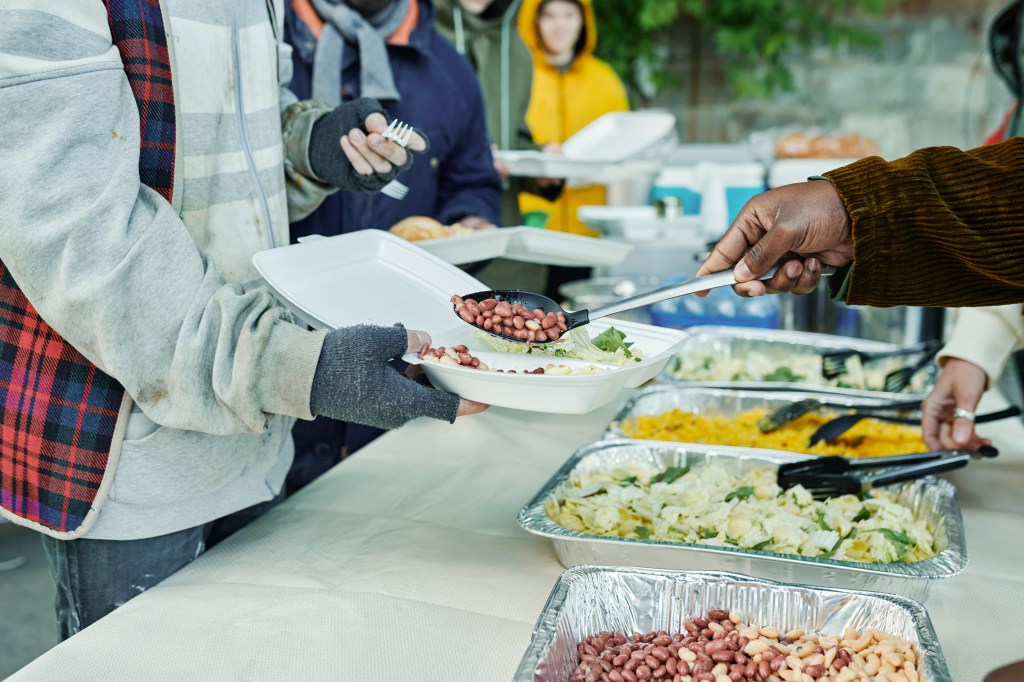
While we can’t solve many of these problems for food pantry clients, there are a couple active steps that pantries can do to help their shoppers feel more secure.
How food pantries can build security:
- Offer reliable distribution times, and clear guidelines on the services offered. Try to be as consistent as possible, so people know if they can count on you or not. Even if you don’t have all the foods they need, the security of knowing what they can count on is huge.
- Find ways to let people know what type of resources you have. Maybe you have enough dry beans that you never have to set limits, or one of your distributions always has extra produce. While the need is high and it can create a competitive atmosphere, try not to keep your shoppers in the dark about their options. Guessing in this scenario is no fun.
- Celebrate abundance whenever possible. Security is what allows people to take risks, even if it’s as small a risk as trying a new vegetable or experimenting with a new recipe. People facing food insecurity are less likely to experiment because they don’t have the security of knowing they have something to fall back on if their risk fails. Give away as much as you can. Food that sits on your pantry shelves doesn’t address food insecurity.
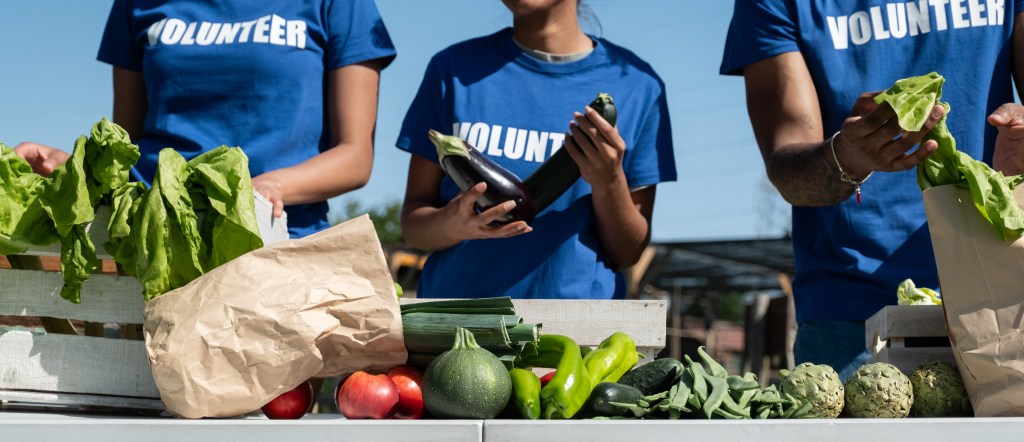
- Fight for food justice. Be vocal in your advocacy, so that your community knows you’re committed to ending hunger and not just supplying food. I’ve witnessed too many food pantries who leave their shoppers feeling insecure because they’re not convinced the organization’s primary goal is to help them. Make sure your volunteers are clear on the organization’s mission, and that it’s bigger than providing food today.
The opinions expressed here are solely my own and do not express the views or opinions of my employer.
Want to learn more about food justice? Subscribe so you never miss a post!