
“Clean your plate- don’t you know there are children starving in Africa?”
Even if your parents didn’t say it, I’m sure you’re familiar with this prompt to finish your meal instead of throwing it away. It’s meant to guilt us into appreciating what we have through an awkward celebration of abundance in comparison to the scarcity experienced by others.
This phrase also feels like it could be the potential origins of the theory that reducing food waste is an effective strategy for fighting food insecurity. In addition, it is one of the most common misconceptions I encounter about hunger.
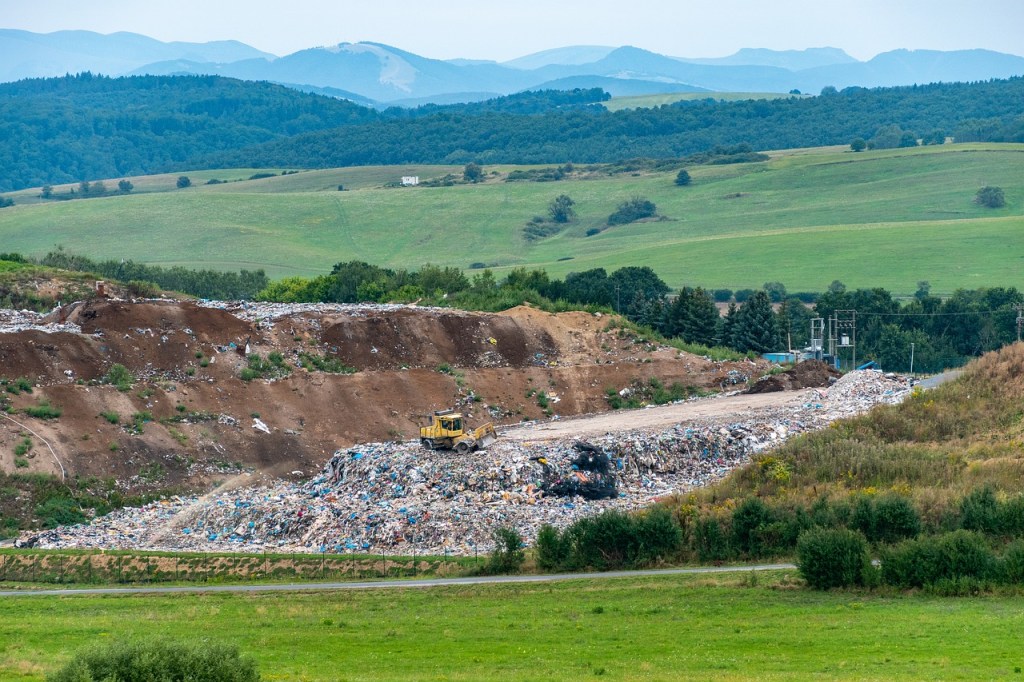
A growing global population and fears about the impacts of climate change on agriculture have prompted a movement focused on the reduction of food waste. By keeping food out of the garbage, we reduce our own consumption and theoretically add to the supply available for others while minimizing our contribution to climate change. Salvaged food is distributed for free to people who can’t afford to buy their own.
If there weren’t enough food for everyone, reducing waste and redistributing the excess would be a logical solution. This idea has facilitated the growth and development of food banks, who have an essential and positive impact on their communities. But wanting food shortages to be a root cause of hunger doesn’t make it a reality.

While we absolutely should worry about climate change’s impacts on agriculture and reducing our contributions to the landfill, we do not have a food shortage. Reducing food waste is an essential component of a sustainable food system but not a magical solution to hunger.
I am a passionate advocate for sustainable agriculture and responsible consumption, as well as food banking, but this framing fails to capture the complexity of food insecurity.
Hunger is primarily caused by a lack of access to food. People experiencing hunger can’t afford it, can’t physically access it, or don’t have the ability to use it.
Reducing food waste in itself does not improve physical access, doesn’t make it more affordable (for people in need, although there are significant financial advantages for corporations to donate), and rarely increases an individual’s capacity to use it. Redirecting it to food pantries does improve financial access but doesn’t guarantee that the physical location is available to who need it most or ensure that it is nutritionally or culturally appropriate for the community.

Food pantries also face a constant struggle of determining whether their food selection promotes respect or disdain for their clients. Too often, the push to reduce food waste leads organizations to distribute produce that is wilted and mushy, dented cans with illegible labels, or dairy products long past their expiration with questionable edibility.
Whether or not the food is perfectly good or rotting in its package, using food waste as an anti-hunger tool also perpetuates harmful stigmas about food insecurity and food assistance.
Our cultural conviction that it’s possible to “pull yourself up by your bootstraps” if you just work hard enough means that we often view poverty as an indicator of laziness or personal failure. Framing people who are food insecure in this way justifies providing them with food otherwise destined for the garbage, and subtly reinforces the idea that they deserve less because of their inadequacies.
In an ideal world, everyone would have the resources they need to access their own food. But recognizing we still depend upon the essential services of food banks and pantries, here’s how we can make sure we’re still uplifting, rather than oppressing, our clientele while using salvaged resources.
- Does your food demonstrate respect for your shoppers? Are you giving it away because it’s functional, or because your volunteers didn’t want to toss it? The fact that clients take it does not mean they’re excited about- it just implies they have no other option. You may need to start throwing out more food than you want to to elevate the quality of what’s offered. Respecting your shoppers needs to be the number one priority of every anti-hunger organization.
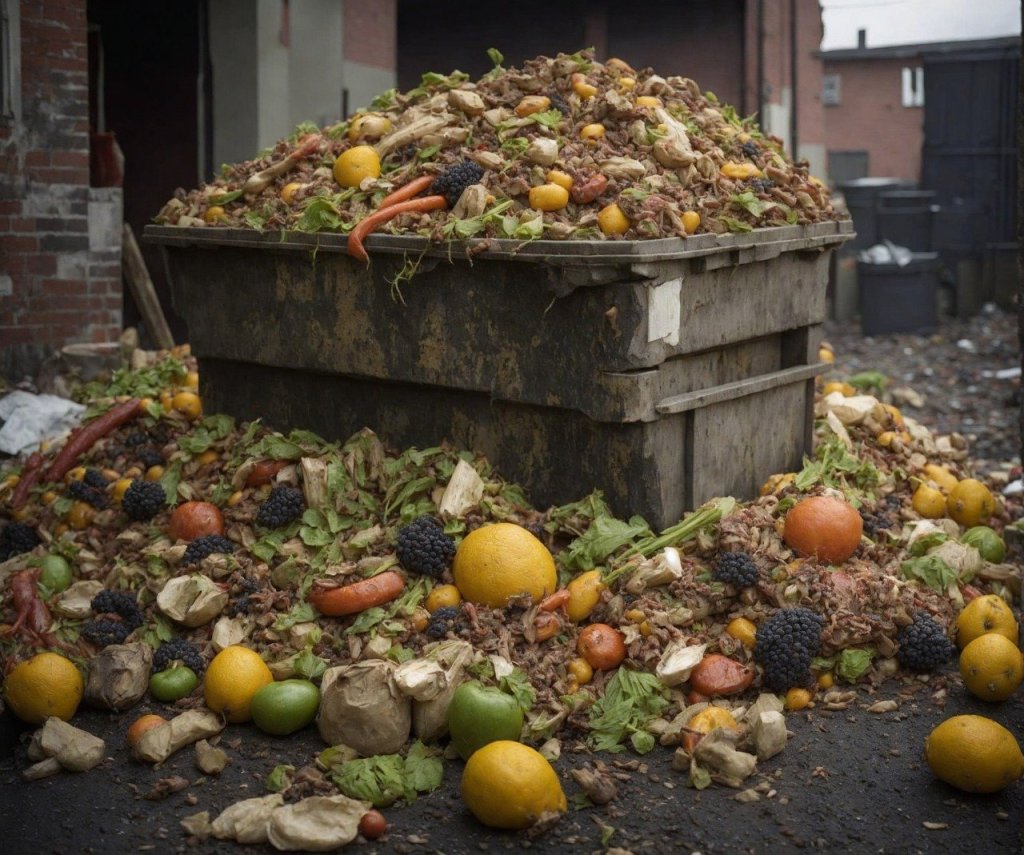
- Are your donors using you as their waste disposal? Are you receiving food that should have already been discarded, and they’ve just offloaded it from their garbage to yours? It is uncomfortable to correct donors, but what a waste of your time, energy and resources! By distributing poor quality food, you’re likely offloading the garbage onto your shoppers just as your donors did to you. Make sure donors know and follow your standards, with an emphasis on human dignity.
- How do you talk about your use of food waste? Without careful navigation, emphasizing how much food is salvaged can reinforce the public perception that it’s ok for people experiencing hunger to eat garbage. Consider focusing on “food rescue” or “food surplus” rather than “food waste.” Food pantries usually have a significant cadre of volunteers whose mission is environmental rather than social, and it is important that you educate them on the nuances of this distinction. There is room for them to support the environment while still emphasizing that everyone deserves good quality food no matter their capacity to purchase it.
The opinions expressed here are solely my own and do not express the views or opinions of my employer.
Want to learn more about food justice? Subscribe so you never miss a post!

 Reintroducing justice and dignity to the fight to end hunger
Being one of those who do work in food waste reduction feel you might be looking as food rescue as taking and distributing garbage . However our world of food perfection is the only food worth eating generates a substantial amount of food discard by food retailers . Product that is delivered to wrong locations , packaging that marketing has changed also generated food to be thrown away .
Having the. Ability to redirect otherwise good food to pantries is a huge asset to pantries. Certainly retailers know what product is recalled , or unsafe for distribution. And the wrath of food redirection needs to be shouldered part by those donating as well as those redistributing .
Those answers to hunger , food insecurity , poverty are not this simple.
LikeLike
Absolutely, most of that food salvaged is in fact totally functional. However, our focus on rescuing food waste reinforces the idea that it’s ok for people living in poverty to eat food that is lower quality, which builds on preexisting assumptions that people living in poverty are inferior. While food pantries wouldn’t be able to run without donated food, I think it’s important we think really, really hard about how we do this work and talk about it to make sure we aren’t contributing to harmful ideas that ultimately impede our efforts to build food justice.
LikeLike
I absolutely understand . After the 20 years I have been doing this work the idea th
LikeLike