
In conversation with several food pantries this fall, I’ve noticed a common theme. As they serve a rising number of clients with high anxiety and urgent needs, organizations are starting to hire staff whose sole responsibility is pantry security and rule enforcement. While recognizing the need for safety, it’s worth examining this trend and the potential impact.
It’s important that everyone feels safe at a food pantry. Building an inclusive community depends on establishing a physically safe space. Because food pantries serve such a wide diversity of people, this can sometimes be a challenge.
Conflict is not uncommon. People experiencing food insecurity often endure trauma, high stress, and sometimes mental health and substance abuse issues. Hunger is a traumatic experience both mentally and physically, and it’s essential that we respond with compassion and empathy rather than force. All my previous food pantries had occasional visitors we had to navigate carefully because of the potential for unsafe or violent behavior. It is important that food pantry staff have an established protocol for how to manage these interactions while ensuring that everyone feels safe and welcome.
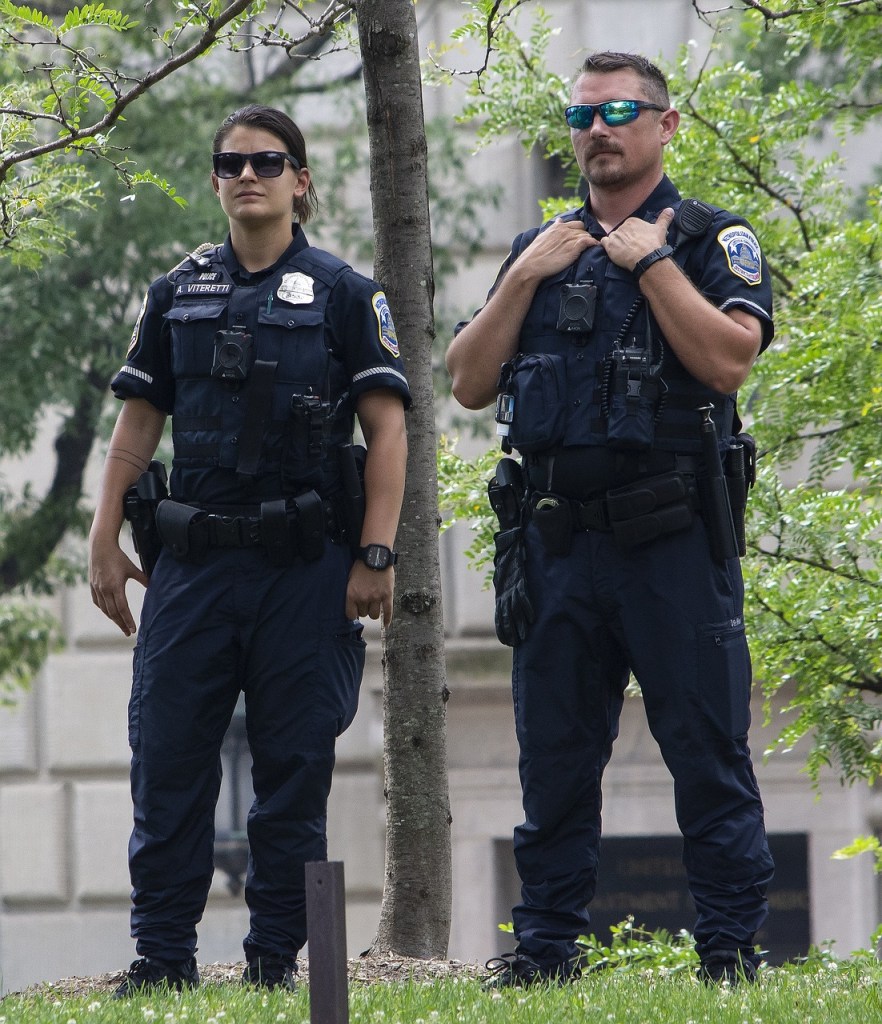
Pantries need to carefully consider how they build a safe space. Most food pantries are run by people of priviledge with no lived experience of poverty, which means they are more likely to trust law enforcement personnel. Many other communities feel less safe with an official in uniform present, which means bringing a security officer into the pantry does not necessarily build a more welcoming environment. Whatever you believe about the police, it’s important to remember that everyone does not agree with you, which influences the conditions you facilitate.
Depending on your location and demographics, fears about immigration enforcement can also impact who feels safe around a security officer. Many food pantry advocates remember the decrease in Latine clients we saw during the height of President Trump’s anti-immigrant deportations. We should expect similar situations to arise again.
In many scenarios, dedicated security officers exacerbate conflict by responding with combative rather than de-escalatory tactics. While having a staff member trained and skilled in building a safe space should be every pantry’s goal, a security officer is unlikely to be the most productive response for building a safe and welcoming environment.
Here are some strategies for de-escalating conflicts and maintaining a safe space:
- The biggest mistake that food pantries make is treating poor behavior like a deliberate effort to be difficult rather than a symptom of trauma, fear, or mental illness. Responding to these issues as transgressions that need to be punished fuels confrontation rather than alleviates it. People respond with the same level of energy we direct at them, which means aggressive responses evoke aggressive answers.

Instead, train your team to prioritize above all else that your visitors are food insecure individuals who need help and support. Trauma-informed care recognizes that hunger isn’t the only challenge they’re bringing in the door. Start by checking in with the shopper to see if they have specific needs that help can resolve the issue- it often is as simple as a snack or bottle of water. I can’t emphasize enough how many times getting someone a snack resolved any issues.
- Remember the power imbalance inherent to food pantries. Staff and volunteers literally control whether our clients will get to eat today or not. I’ve met teams who’ve grown casual about this authority, which fosters a lack of empathy for the needs of shoppers. Everyone deserves to eat.
- Have as few rules as possible for clients to violate. Some of the pantries with the highest levels of conflict also have the most rules about eligibility, shopping style, or food choices and amounts. When we set up situations where we prioritize discipline and obedience, we build opportunities for conflict. What policies are nonnegotiable and which are flexible based on the situation?

- Anytime you need to escalate a concern with a client, take it outside of the pantry space even if that means waiting until they are done shopping. If they get angry or threatening, this helps keep everyone else safe.
Volunteers should never participate in confrontation with clients. This should be a trained staff responsibility only, which helps maintain a positive experience for volunteers and avoids fueling negative attitudes towards shoppers who are struggling.
- Invest in de-escalation training. The best advice I ever got for working with people who are having a hard day is to speak quieter and slower. As conflict escalates, we talk faster and louder as energy builds. As difficult as it can be in the heat of the moment, making the effort to drop your energy level can induce people around you to slow down as well. Your body language also can either feed or diminish the issue.
The opinions expressed here are solely my own and do not express the views or opinions of my employer.
Want to learn more about food justice? Subscribe so you never miss a post!
 Reintroducing justice and dignity to the fight to end hunger