September is Hunger Action Month, which means there are great discussions happening everywhere about all the work that goes into fighting hunger. Lately I’ve been involved in some particularly engaging conversations around reducing food waste, increasing donations, building access to fresh produce, and more.
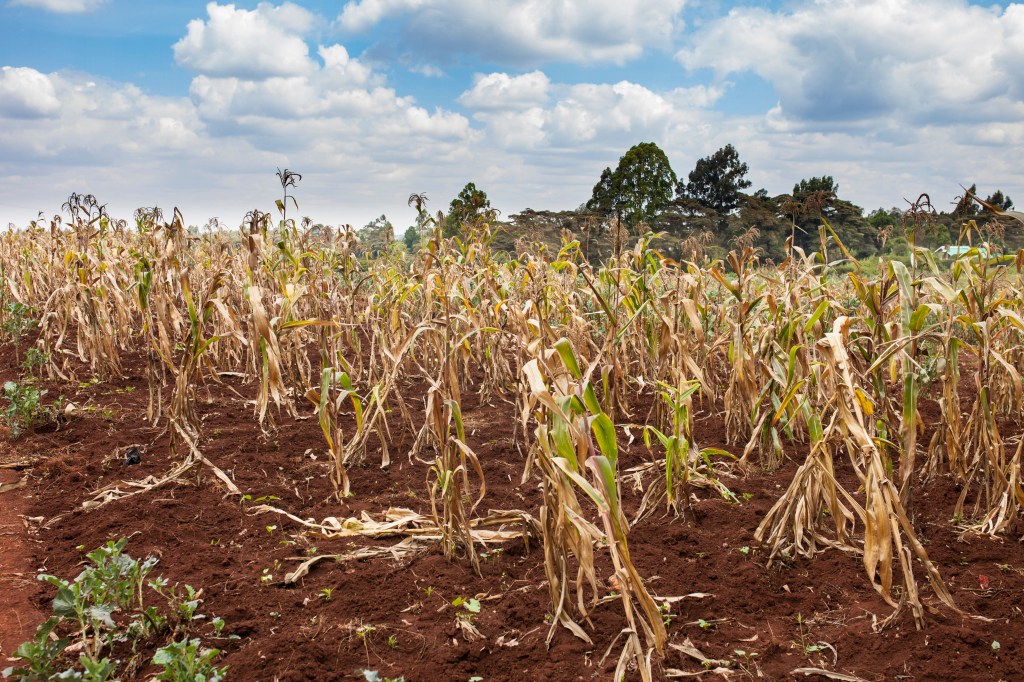
What sometimes gets lost, however, when talking about Hunger Action Month, is that effectively fighting hunger has very little to do with food. We only temporarily solve food insecurity by increasing food access, whereas we can eliminate it by providing livable wages and access to resources. Hunger is a money problem. Any efforts that we make to increase access to money build food access. Even in communities ravaged by famine, hunger strikes people living in poverty while those with more wealth still eat.
We depend heavily on SNAP in the U.S. because it’s the best tool we currently have; not because it’s the most effective policy for ensuring our neighbors have food to eat.
Culturally we’ve determined that food security is closely tied to morality, which allows us to make food access conditional. Only those deemed deserving are granted the privilege of food support. Those deemed undeserving are on their own. SNAP is effective at empowering the system to make these judgements on people experiencing hunger.
While you should absolutely educate yourself and embrace all the information you see about hunger during the month of September, we need to continue lifting up the reality that policies like living wages, paid maternity leave, and affordable and accessible health insurance are major hunger issues.

Many households are a single job loss or medical crisis away from food insecurity, which could be more easily prevented by raising the minimum wage or offering universal healthcare than managed with SNAP.
It may seem counter-intuitive for a food justice advocate to push you to think less about hunger during Hunger Action Month, but it’s essential if we’re ever going to transition to policies intended to effectively fight hunger rather then just manage it.
The opinions expressed here are solely my own and do not express the views or opinions of my employer.
Want to learn more about food justice? Subscribe so you never miss a post!

