
When I worked at a food pantry, I regularly heard two different narratives that brought people through our doors. The first was that using food assistance was a familiar or constant part of their survival, and the second was that they never believed in a million years that they would need food assistance.

The number of people coming from each of these backgrounds would ebb and flow based on the economy, reflecting the overall struggle to reconcile rising the cost of living with stagnant incomes. And of course, there were plenty of people who identified somewhere between these two narratives, yet their stories tended to receive less attention.
Right now, food pantries are seeing a significant increase in the number of people needing help who have never before set foot in a food pantry.
While we shouldn’t be surprised that people who previously identified as food secure are seeking out food assistance, it’s unfortunate that our anti-hunger programs are often ill-equipped to serve them.
Americans like to assume that people are poor or not- that there’s no middle ground. But the reality is that most people lie in that middle ground- surviving, but easily challenged by an unexpected expense or rising inflation.

There’s enormous stigma against food assistance in the U.S. which means that making a visit to a food pantry for the first time can feel intimidating, embarrassing, and shameful. How pantries operate and treat their shoppers can help alleviate these feelings or emphasize them.
Food pantries who assume they only serve people who have only known poverty fail their mission and their community. They create spaces that are much less welcoming, often less accessible, and perpetuate harmful stereotypes about hunger that work contrary to the mission of ending hunger.
It is essential that organizations start discussing what changing economic conditions do to their clientele and ensure they are well-prepared to serve everyone with abundance and grace.
How food pantries should prepare for shifting demographics:

- Volunteer training. Volunteers often have assumptions about what people should look like if they visit a food pantry- they shouldn’t drive a nice or clean car, wear cute clothes, buy Starbucks, or have a new phone (this is also where racism often becomes glaringly apparent). I’ve seen volunteer assumptions about a shopper’s appearance directly impact the services they offer, even though none of these are actual indicators that someone doesn’t deserve food assistance (while also raising the fundamental question, who deserves to eat?)
- Remember that poverty is not a yes/no concept. Poverty for one person looks very different than for another, and there’s no clear defining line between being poor and financially secure. Someone may not feel food insecure until they’ve emptied their bank account, while another may feel driven to stock up long before the cupboards are empty. We do our community a disservice when we try to define or limit food insecurity to a single experience.

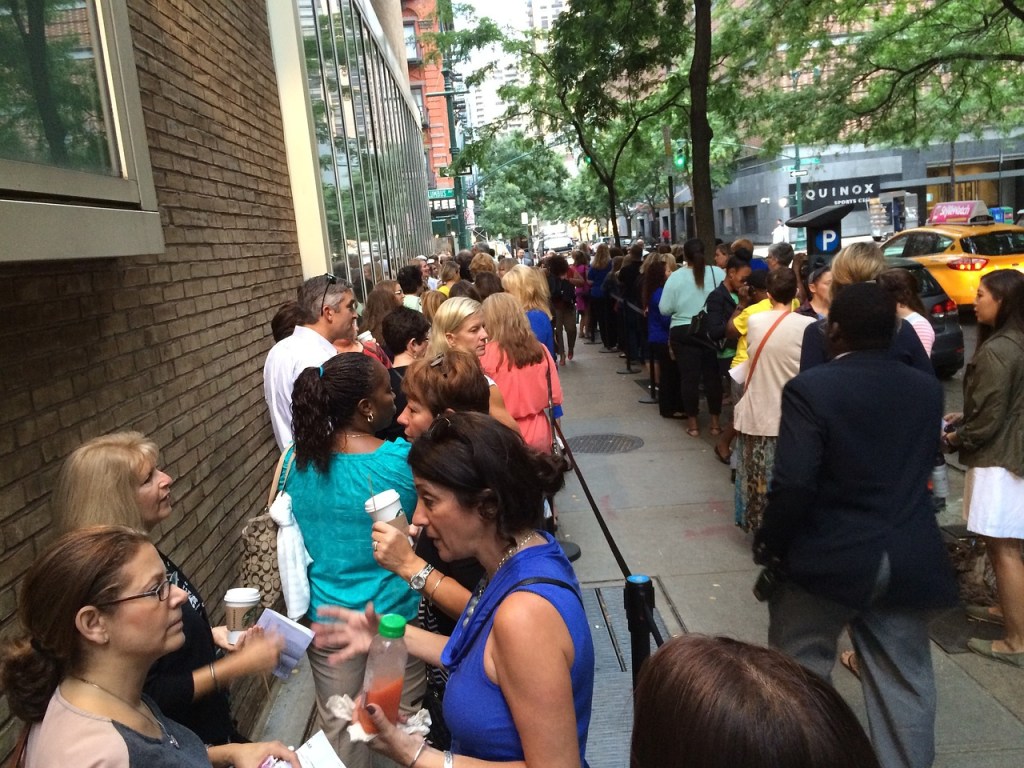
- Ensure systems are simple and accessible for everyone. Especially if your pantry depends on word of mouth, it’s easy to assume that people will be told by friends and families the tricks to shopping, like when to line up or what paperwork to bring or what foods to expect. Make sure that someone who knows nothing about your pantry can also access this information.
- Guard against judgements that might make different communities feel less welcome. For example, using language like “helping the needy” may be uncomfortable for someone who only needs a little temporary assistance (and it’s outdated anyways). The myth of welfare fraud and abuse has specifically been weaponized to make people feel less safe or welcome seeking assistance, and it’s important that organizations committed to ending hunger not perpetuate such harmful attitudes (that lead to tragedies like massive cuts to essential resources.)
The opinions expressed here are solely my own and do not express the views or opinions of my employer.
Want to learn more about food justice? Subscribe so you never miss a post!
































































 Reintroducing justice and dignity to the fight to end hunger