
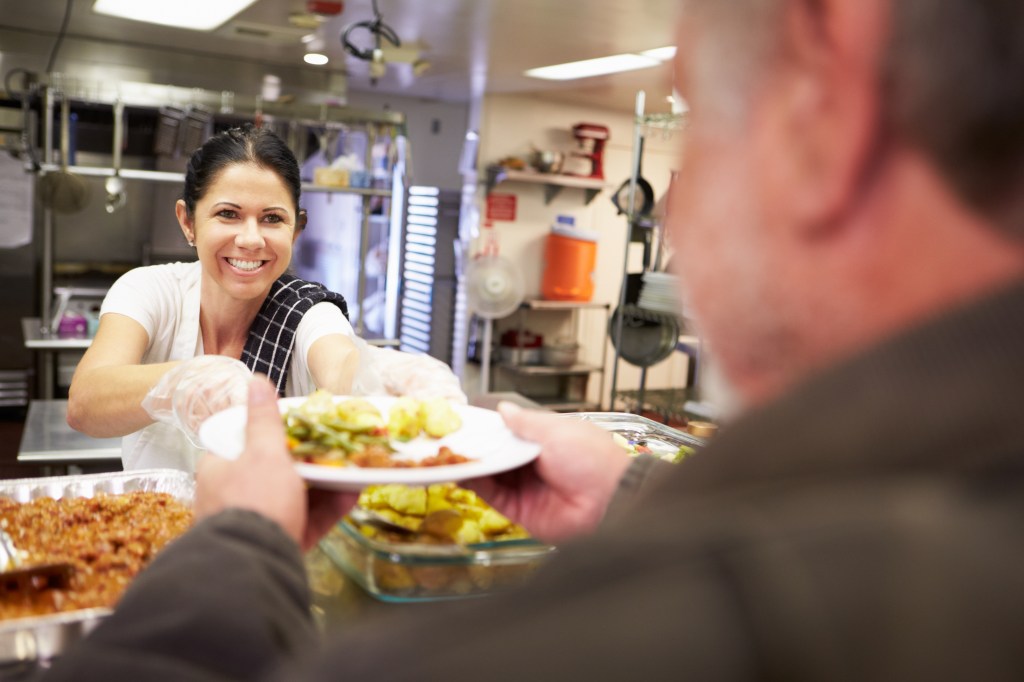
Like any other public space, my food pantry regularly encountered people who were challenging to work with. After spending significant effort helping an individual get through their food pantry visit, volunteers regularly asked me why I didn’t just refuse them service.
They questioned whether it was appropriate for me to spend that much time helping someone who was rude, unruly, or struggling with their mental health get through the pantry. Inevitably, the volunteer would point out, “they can always just go somewhere else.”
That’s the assumption that gets us into trouble.
There is no guarantee that someone can find food elsewhere.
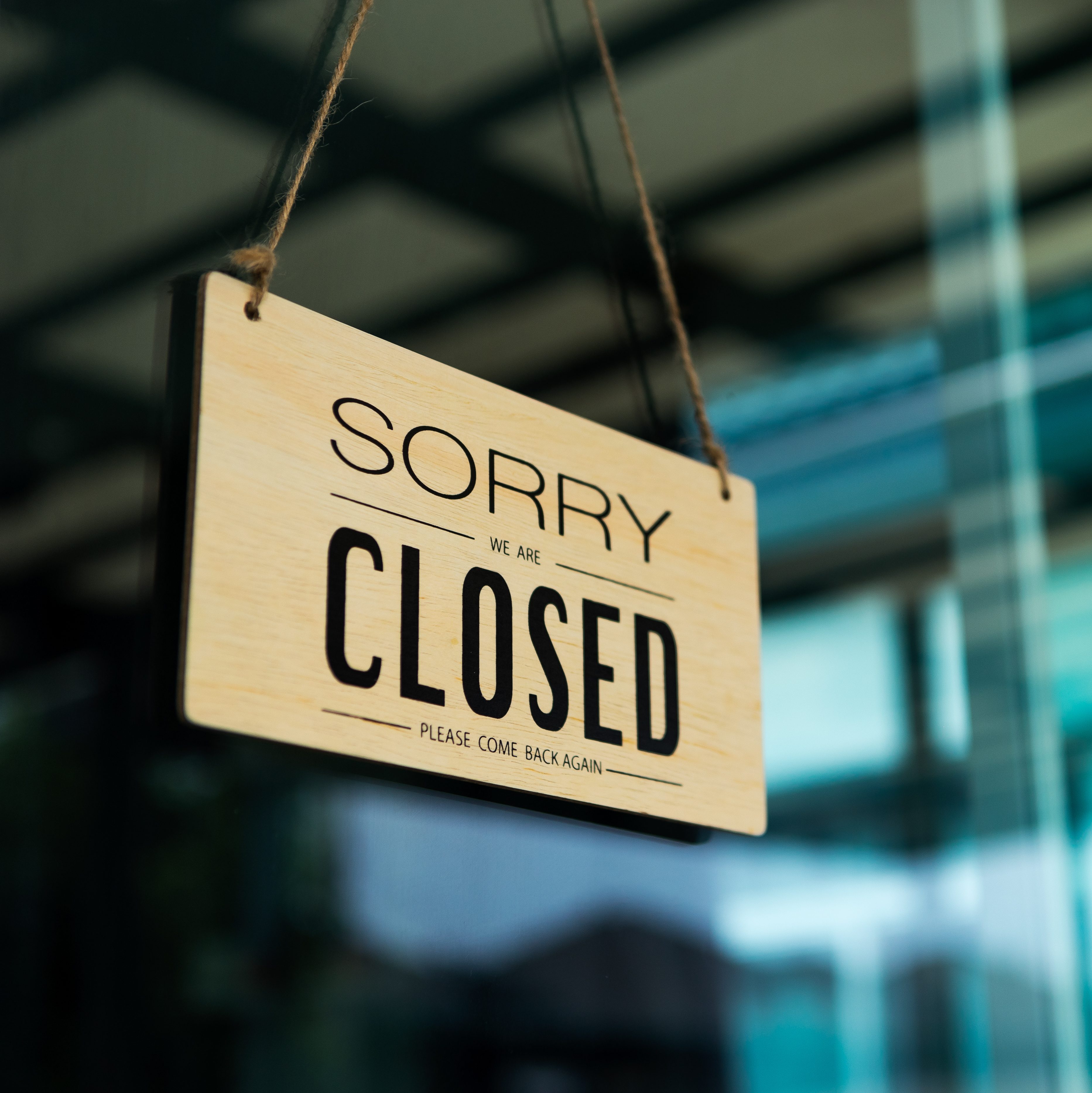
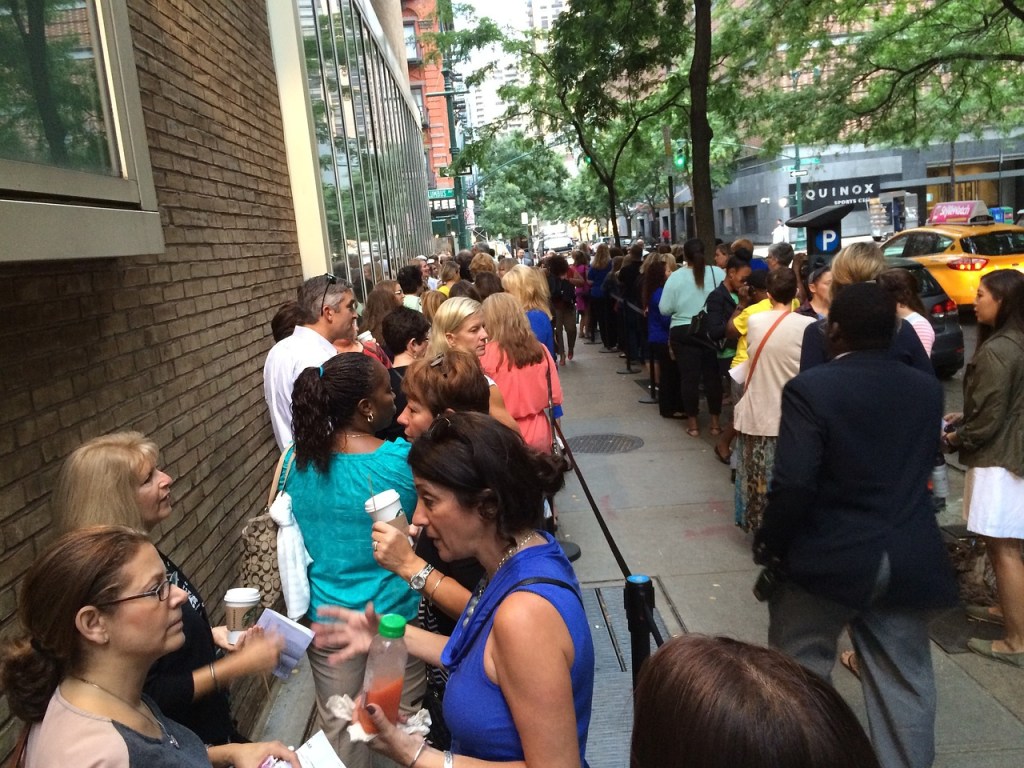
Food pantries are often located in inaccessible locations, far from city centers and public transportation. For people without a car or with disabilities, it may not be possible to travel to another pantry. Food pantry hours are also notoriously inconvenient- designed to accommodate the schedules of volunteers rather than the needs of shoppers.
It’s never safe to assume that someone will be able to find food somewhere else.
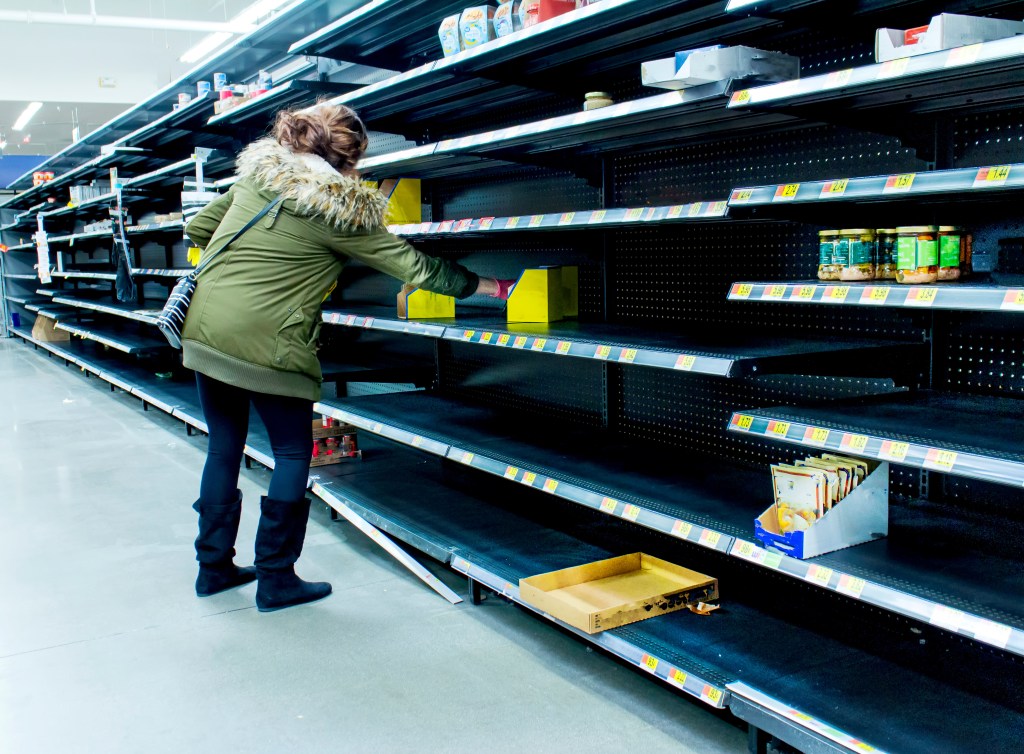
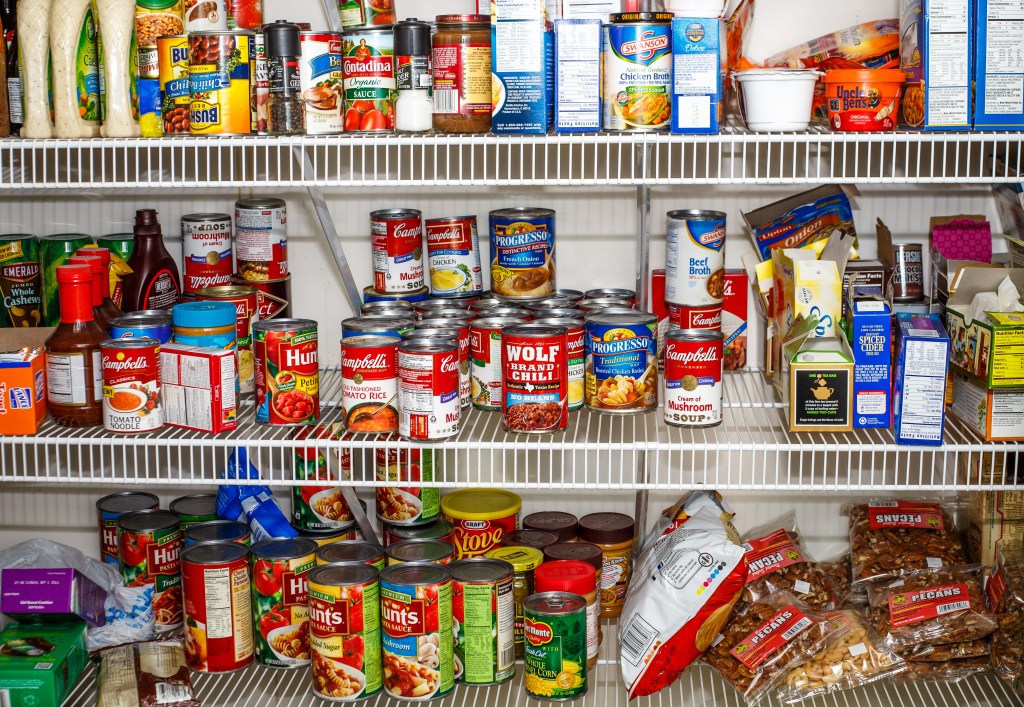
It’s especially important to consider this as our government debates drastic cuts to SNAP which will cut off this essential resource for people who may have no other options for food access. Food pantries are already facing cuts to their food supply, which means the two main tools we use for fighting hunger are significantly weakened and inadequate for the growing need.
What happens when people can’t access food?

- Nutritional quality declines. Lower quality foods are cheaper, and people must buy what they can to fill their belly without regard for nutrition. Poor diet leads to poor health, which increases healthcare costs and adds barriers to survival. Without enough money, there are no workarounds. We sometimes joke about this- like how it’s a rite of passage for college students to survive on nothing but ramen, but this hurts everyone.
- People eat less. In households with children, it’s common for parents to reduce or skip meals so that their children can eat. In combination with lower quality food, this contributes to poor health, stress, fatigue, and emotional dysregulation.
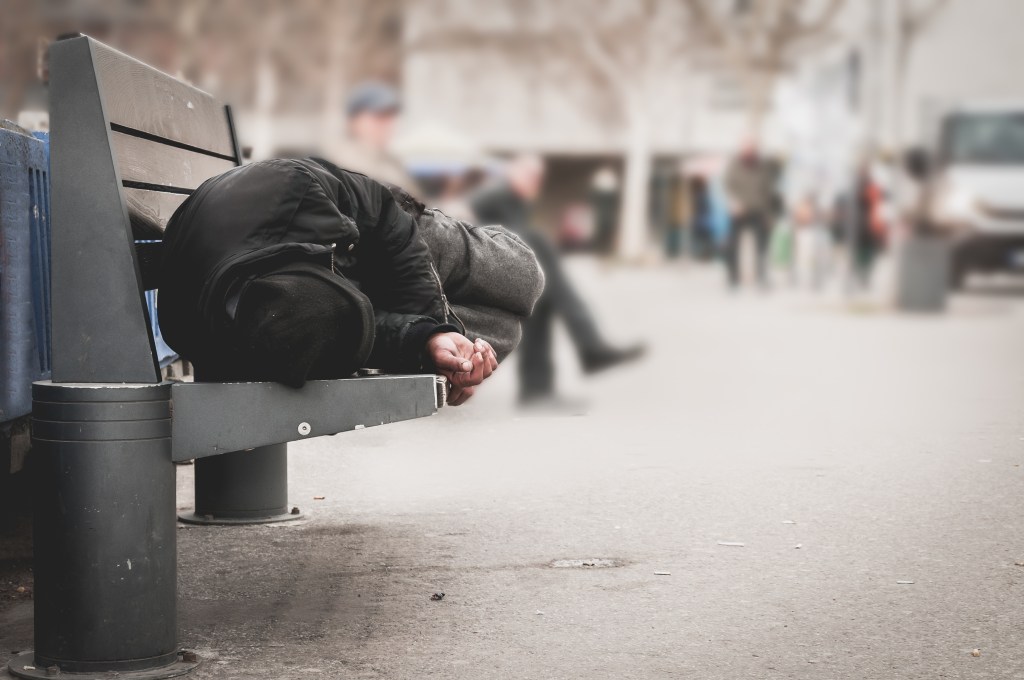
- Housing security drops. Without enough money for food and housing, households must juggle between the two, which makes it more likely that they fall behind. Investments in affordable housing are also one of the most effective ways to fight hunger.
- Theft. When people have no other way to access food, they may resort to shoplifting. Getting caught risks a criminal record which increases their barriers to food security. Our society is often eager to demonize people for these types of crimes even though these individuals have few other options. Telling someone to get a job does nothing to help them endure their empty stomach tonight.
Because our society consistently treats hunger as a result of poor decision making, it’s easy to frame the solution as making different choices- maybe people just need to look harder or somewhere else to find food. But what this paradigm fails to consider is that there are not unlimited options for finding food.
It’s very real and very true that people run out of people and places to turn to for help. Especially with recent and impending cuts to emergency food assistance, we can no longer assume that someone will be able to find food when their SNAP is cut and their food pantry emptied.
The opinions expressed here are solely my own and do not express the views or opinions of my employer.
Want to learn more about food justice? Subscribe so you never miss a post!































































 Reintroducing justice and dignity to the fight to end hunger