
Americans have an idealized vision of agriculture that celebrates individuals developing an intimate relationship with their land through hard work to provide for their families.
Framed by a backdrop of diverse crops and not quite enough money to make ends meet, the myth of American agriculture recognizes the hardship but also celebrates the purifying effects of physical labor and food production. Farmers are celebrated as the “salt of the earth,” which is a biblical reference for being honest, hardworking, and reliable.
People working in agriculture are regularly lauded as the epitome of rugged individualism and American heroes. But individuals working in agriculture are also one of the most food insecure demographics.
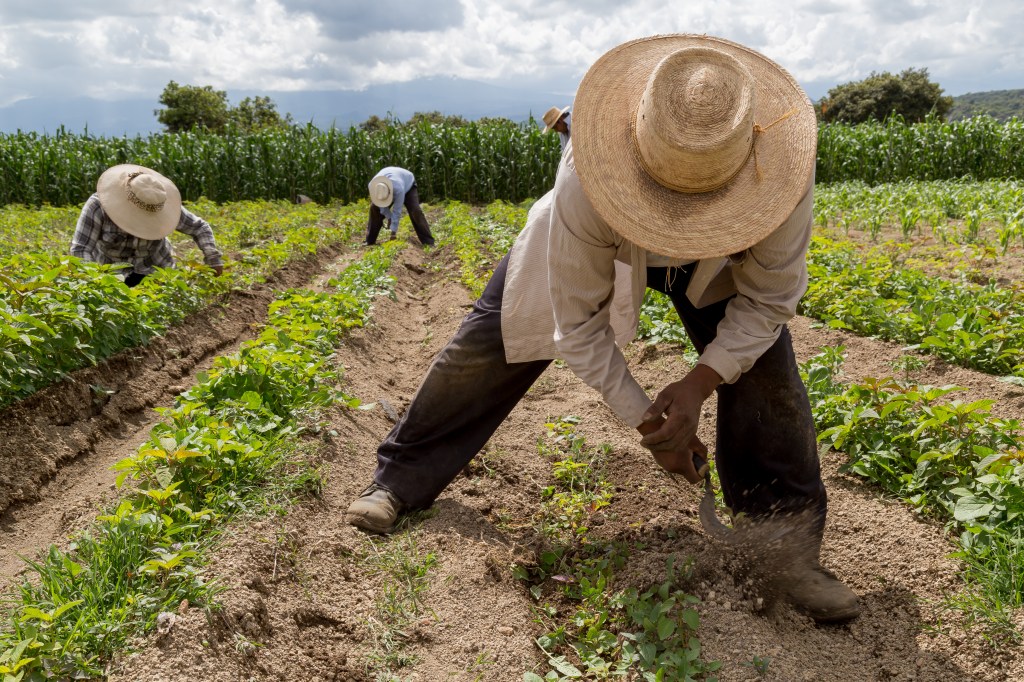
Thanks to a lack of labor protections that results in appallingly low wages, the agricultural sector is highly vulnerable to food insecurity. Many of the people who harvested your food for your recent holiday weekend barbeque likely couldn’t afford it for themselves.
While farm jobs generally do not require an advanced education, this does not justify starvation wages. First, it’s important to remember that this is essential work. If you like to eat, then you need someone to harvest your food.
It’s also important to consider that while it may not require formal education, agricultural labor is hard. It’s physically demanding, often in uncomfortable or dangerous weather conditions, and is time-sensitive (before the crops go bad.)

In addition to inadequate wages and physically stressful work, agricultural jobs by their nature are in less centralized or accessible areas, which means people have to travel further distances to visit grocery stores. Very, very few farms can offer their laborers more than the scraps of their harvest, and even fewer have a diversity of products that might be the origins of a healthy diet.
A discussion of food insecurity amongst farm workers also demands that we talk about immigration policy. Our current agricultural system depends on migrant workers and those who have entered the country without authorization. This is the primary way that businesses can continue paying such inadequate wages– by exploiting a vulnerable workforce who has few other options than acquiescence. The main argument against labor protections is that farms can’t afford to pay better wages- damning evidence of a broken system.

As ICE increasingly harasses and threatens anyone they arbitrarily deem suspect, it becomes less and less safe for anyone to do this work, which is already starting to manifest as labor shortages.
As it becomes less safe for people to go to work, their risk of hunger increases exponentially.
What can anti-hunger organizations do to fight hunger among farm workers?
- Find common ground with the labor movement. Low wages are a primary cause of food insecurity. We know we can’t end hunger by handing out food, but we can through achieving for fair wages for everyone. Hunger is a class struggle.
- Increase services in rural and agricultural areas. These are often neglected because organizations prioritize the number of clients served over the need for service, and rural sites likely serve fewer clients even though they have higher rates of hunger. Mobile pantries and markets are hugely valuable resources.
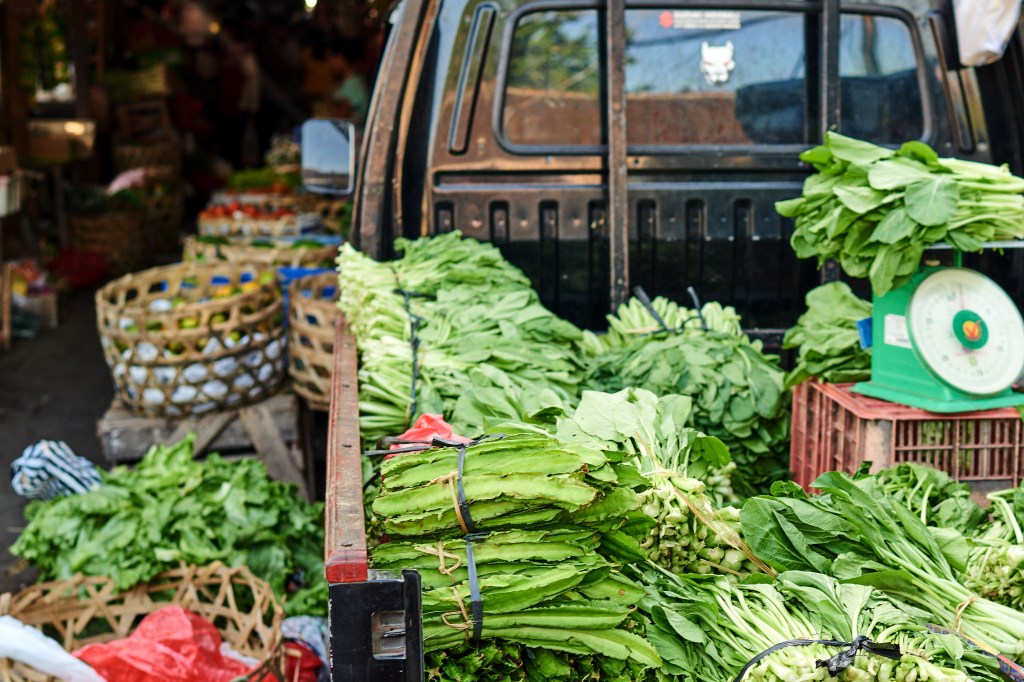
- Reduce reporting requirements that might scare shoppers away, such as asking for documentation. Even if your organization already serves undocumented individuals, it’s important to recognize that in the current state of fear they may not come unless you are explicit about being a safe space.
- Research the labor practices of the food coming through your organization. While I fully recognize that few food banks have the capacity to pay more for the produce they buy, we still need to work towards a system that pays people appropriately and that begins with information.
The opinions expressed here are solely my own and do not express the views or opinions of my employer.
Want to learn more about food justice? Subscribe so you never miss a post!
 Reintroducing justice and dignity to the fight to end hunger