Why Kindness Doesn’t Fight Hunger

A media source once visited one of my food pantries and requested interviews with some of our shoppers. My favorite moment was when a client told the interviewer with great enthusiasm, “They’re not just nice to me- they’re nice to EVERYONE!”

This resonated because I regularly heard stories about the experience our clients had at other food pantries- and kindness seemed in short supply. In most cases it was not that volunteers or staff at other organizations were explicitly rude- it was that those seeking emergency food assistance are sensitive to judgement, disingenuity, and prejudice. There is already such stigma against using emergency food assistance internalized by both recipients and distributors, that without conscious effort, it’s easy to commit microaggressions even while acting kind and welcoming.

No one wants to go to the food pantry.

I have never met someone who preferred to be handed discarded, cast-off, or expired food at a food pantry over having autonomy over their own grocery shopping.

Of course, many people are grateful for the much-needed help in feeding their families, but even the most dignified food pantry experience isn’t better than the power to choose what and how much your family wants to eat without restriction. (And of course, no one needs to be grateful for food.)

This reality influences every food pantry visit. Recognizing that no one wants to be there, it’s essential for organizations to ensure that they’re sensitive to the baggage that accompanies such a task.

While institutional policies impact the food pantry experience, volunteer attitudes and actions carry the greatest weight when it comes to building a safe space for people experiencing hunger. Having volunteers truly committed to compassion, kindness, and empathy is the most effective way to establish a dignified food pantry environment but is no simple achievement.

Even when volunteers are kind and welcoming, it can be easy to unconsciously reflect problematic attitudes through their actions. By building respectful foundational attitudes, you can help your volunteers practice empathy at every shift.

Assume good intentions.

Remind volunteers that we never know the whole story of why someone is at the food pantry- and it’s none of our business. If your community embraces the idea that people only come who are in need, then it’s easy to make everyone feel welcome without judgement. If volunteers (or staff) think people are there to exploit the system, this reflects in conversations, actions, and policy. Any concerns voiced should be an opportunity for discussing barriers to food security and building respect.

A client arriving in a fancy car may have recently experienced a catastrophic job loss or medical bill that leaves them broke, even though their car screams wealth. Expensive belongings may have been donated, or speak to previous stability, or maybe were all that was grabbed while fleeing domestic violence.

Remembering to be open-minded about the circumstances that bring someone to the food pantry creates a space free of judgement, which will help visitors feel more welcome. Volunteers who can’t adopt this mindset may need to find a different opportunity.

Food is a gift.

Just like any other gift given, the giver has no authority over how it is used. With all the work that goes in to sourcing and distributing food for emergency services, it’s easy to feel possessive over how it’s used. But if we maintain the assumption that everyone who visits a food pantry does so out of need, we need to relinquish the compulsion to control how the food is used.

We’re still building food security if the food is shared with a neighbor, or served at a church luncheon, or stashed in the back of a cupboard untouched for a future emergency. For pantries that are without limits, this attitude can also help check judgements about how much people take. Once it’s in someone’s cart, we can appreciate the hard work we put in to get it there and celebrate that someone will eat well tonight. It doesn’t matter who, or what, or how much.

Services are for shoppers.

I once had a week-long argument with a coworker who was adamant that our food pantry was a volunteer-centered organization. They argued that clients were the vehicle we used to provide an experience for our volunteers, which justified turning away any client who negatively influenced this experience.

The fact that services should focus on fighting hunger seems obvious, but all direct-service anti-hunger organizations wrestle with this conundrum every day. An explicit commitment to serving the community needs to be regularly revisited to ensure that policies focus on the needs of shoppers. This doesn’t mean that volunteers or staff are neglected, but their needs should be considered in a different light.


Everyone knows the importance of being kind at a food pantry, but establishing an atmosphere that truly welcomes people without judgement or stigma requires a much stronger foundation. While established a clear mission and supporting policies can help, this is also the kind of foundation that can be built guerilla-style by a single individual ready to make a change. Conversations uplifting each of these tenets can slowly permeate the organizational culture and build an environment that is more genuine and welcoming, and therefore more effective at fighting hunger.

The opinions expressed here are solely my own and do not express the views or opinions of my employer.

Want to learn more about food justice? Subscribe so you never miss a post!

Want Food Assistance? Go Broke First

If someone is experiencing hunger, they must be completely broke, right?

The idea that people seeking emergency food assistance have no money is a perspective I regularly encounter in the world of food banking and social services and amongst the public. If you have any money at all, society deems you undeserving of food assistance.  

Fueled by a collective conviction that people experiencing hunger aspire to exploit the system, anti-hunger policies reinforce assumptions with restrictions that prevent us from effectively fighting hunger.

Emergency food assistance resources such as the Supplemental Nutrition Assistance Program (SNAP) and The Emergency Food Assistance Program (TEFAP) require participants to declare income and financial assets below a certain threshold determined by federal and state policies.

Benefits are reduced or halted when recipients exceed these limitations, intending to prevent people from taking advantage of resources they don’t need, assuming they should deplete their own resources first. These policies perpetuate the idea that people must be completely broke to deserve food assistance. (Most states have implemented a policy workaround to these limitations called Broad-Based Categorical Eligibility, but the paradigm in favor of restrictions remains.)

A serious consequence of setting limits is that it prevents individuals living in poverty from preparing for financial emergencies. As studies repeatedly demonstrate, most Americans do not have the resources to weather an unexpected $1,000 expense without hardship.

All it takes is one unforeseen medical bill, car accident, or housing transition to deplete one’s savings. Limitations on assets ensure that families who have the capacity to save a little every month are disincentivized from doing so, because it’s unlikely that savings can sustain them as effectively as SNAP or TEFAP.

For those who have the capacity to save, the federal asset limit for SNAP is $2,750, beyond which a household may lose their food assistance. It is usually far safer in the short term for a household struggling with food security to stop building savings than to relinquish SNAP benefits.

Some of my readers may react with disgust at the idea that an individual can have nearly $3,000 and still receive food assistance. That seems like far too much money to need help. Most Americans have far less.

Our society believes that people must be utterly broke, without a penny to their name, to deserve social assistance. We demand that they deplete their own resources before utilizing any others. But this is an incredibly destructive attitude that perpetuates hunger.

Fears of abuse are internalized by the people receiving assistance as well as those implementing it.

At my food pantry, I used to regularly encounter first-time clients who confessed that their cupboards were empty, or that they hadn’t eaten that day, or had been subsisting on a single daily meal. “I didn’t want to take resources away from someone who needed it more” was a constant rationalization for postponing seeking help.

When we require that people are empty before we fill them up, we deliberately increase their barriers to achieving stability and security.

It also breeds a perverse sense of competition. If there is always someone hungrier than you out there, do you ever really deserve help?

Demanding that people living in poverty burn through their savings before receiving SNAP or shopping at a food pantry leaves them in a vulnerable position, while providing our neighbors with abundant and dignified food resources before they spend their last dollar is far more likely to ensure that they remain food secure, housed, and healthy.

The opinions expressed here are solely my own and do not express the views or opinions of my employer.

Want to learn more about food justice? Subscribe so you never miss a post!

Why is College Hunger a Joke?

Eating nothing but ramen is often considered a rite of passage for college students.

Young adults heading off to school are gifted care packages stuffed with ramen in various flavors, and are taught to expect that these cheap, nutritionally bereft meals are the responsible way to survive a tight budget. Poor nutrition and limited meals are deemed just part of the experience.

The idea of young adults living on ramen is so normalized that it is often treated as a joke.

How did we get here?

If you imagine the stereotypical demographic of someone experiencing hunger in the US, what do they look like?

My guess is you envisioned a senior or a single mother with children. Those are the two demographics consistently portrayed as the most “deserving” of food assistance.

Because seniors and children are more vulnerable to conditions around them, anti-hunger programs have long prioritized uplifting these populations. As a result of this focus, 7% of American seniors were food insecure in 2021 (the most recent data I found.) Approximately 8% of households with children experience food insecurity.

In comparison, on average, 12.8% of the American population is food insecure.

Hunger rates for children and seniors, although still unacceptably high, are low relative to other demographics. That is specifically because targeted efforts are successful. Programs like Meals on Wheels and the National School Lunch Program effectively reduce hunger for these populations.

In contrast to seniors and children, in 2020 approximately 34% of college students were food insecure (although other reports regularly place that number closer to 50%.) This high hunger rate is often a surprise- we tend to stereotype college student as comfortably supported and funded by their parents. But this is no longer the reality.

The demographics of college student have changed. Since the Great Recession in particular, attendance at community college has grown, the age of the average student has increased, their responsibilities outside of school are greater, and they have less external support.

Considering the exorbitant cost of tuition and books on top of paying rent, childcare and utilities, it should be no surprise that college students are left with few resources to buy food. But because our culture has normalized and even romanticized student hunger, organized efforts and policies to combat it are lacking.

Recognizing that targeted approaches reduce hunger, we need to improve food access for college students. Generalized tactics only support the populations already most empowered with the strongest access, while addressing demographics with the greatest barriers offers the most opportunity for impact.

Because of stereotypes and dismissive attitudes, college students may be disinclined to seek help but also face limited access to transportation, cooking facilities, or juggle inconsistent schedules that make it hard to visit a food pantry. A solution that works for a working parent or a resident of a shelter may not work for a student. To end student hunger, we need more and stronger policies specifically recognizing the needs of this demographic. Anti-hunger programs of all types need to consider how accessible they are for college students.

We are failing students by fostering a culture that permits, and even jokes about, student food insecurity. No one learns well without a nourishing, healthy diet, no matter their age.

The opinions expressed here are solely my own and do not express the views or opinions of my employer.

Want to learn more about food justice? Subscribe so you never miss a post!
Why You Oppose Giving People Too Much Free Food

I once worked with a food pantry leader who liked to prowl their pantry taking photos of the full shopping carts of clients. They used these photos to advocate for limiting how much food their visitors were allowed to take, adamant that no one really needed that much.

Why did they believe people were taking too much food?

Our client’s shopping carts were full.

The assumption about the needs of our visitors had nothing to do with the reality of their situation- whether they had a big family or only shopped once every three months or had a specific nutritional requirement. It was entirely based on the discomfort of seeing an individual living with hunger experience an abundance of food unconditionally.

While I wish this was a unique scenario, in my decade of food justice advocacy I’ve found that people are much more likely to have concerns about giving food pantry clients too much food than too little. Inevitably, someone voices fears that, left unrestricted, clients take more than they need, make inappropriate selections or don’t make the most efficient or cost-effective choices. 

Food pantries intend to prevent hunger by distributing free food. Why is there such a strong conviction that we have to control and limit these resources to end hunger?

As a student of American history, a quote from the author Horatio Alger (known for his rags-to-riches novels) comes to mind.

“The difference between the rich merchant and the ragged fellow who solicits his charity as he is stepping into his carriage, consists, frequently, not in natural ability, but in the fact that the one has used his ability as a stepping-stone to success, and the other has suffered his to become stagnant, through indolence, or dissipation.”

Horatio Alger, Ragged Dick

Horatio Alger’s 19th century stories about young men escaping poverty through sheer grit and determination are foundational to our nation’s conviction that hard work inevitably fosters success.

The ability to “pull yourself up by your bootstraps” is a primary tenet of the American dream and weighs heavily on efforts to end hunger. We’re taught to believe that the failure to be food secure is a personal one, typified by someone too weak-willed, corrupt, or lazy to put in the effort.

If you fundamentally believe that food pantry clients experience hunger because of a personal failing, it’s logical to endorse the idea that they need guidance from more successful individuals to direct them down a better path.

This justifies controlling how much food shoppers take and basing these limits on our comfort level rather than the reality of the need.

What do people mean when they are concerned about food pantry clients taking “too much food?” Often, I hear that “too much” means any more than the bare minimum for survival. It means having a couple cans left over by the time of the next pantry visit. It’s a whole family eating a heaping, unrestricted serving at meals. It means having leftovers. Referencing the Horatio Alger myth, it is enjoying abundance without earning it through the perseverance we think escaping poverty demands.

Food pantries may occasionally implement limits because of a constrained food supply. However, it’s important to examine the instinct to restrict food based on our comfort level and the judgements we make about poverty when implementing programs to eradicate it.  

The fear of someone experiencing hunger taking “too much food” ultimately hobbles how effectively we combat the problem. Food justice organizations need to actively encourage abundance and provide the needed resources without imposing assumptions about hunger upon those living the reality.

The opinions expressed here are solely my own and do not express the views or opinions of my employer.

Want to learn more about food justice? Subscribe so you never miss a post!

Why Food Banks Can’t End Hunger

When people don’t have enough to eat, giving them food can seem like a good solution. However, hunger isn’t that simple. Food isn’t enough.

Providing people with emergency food is an essential responsibility. People need food to live and to thrive, so the importance of services provided by food banks cannot be overstated.

However, giving away free food does little to end hunger in the long-term.

While we can hope that providing food at a food pantry frees up a couple dollars for buying other necessities, it is unlikely. People only visit a food pantry when they are short of money for food in the first place, so while the food may keep families fed in the moment, it rarely empowers them to change their spending. Shopping at a food pantry is more likely to free up funds to pay rent or a utilities bill, or buy medication, or new shoes for their kids, than to build savings. It can allow people to better meet their immediate needs, but is unlikely to change outcomes. The idea that a couple dollars savings can change our financial outcomes just won’t die, which is why people continue to argue that minimal aid is enough to pull someone out of poverty (and why poverty is an indicator of a lack of effort).

But giving away free food is easier than digging into the root causes of hunger. When we recognize that food isn’t the answer, we must examine the conditions that make people food insecure in the first place.

While hunger is largely typified as an individual problem and a personal failing, data shows that systemic barriers are the root causes of poverty and hunger.

Giving food away to single mothers does little to empower them if they make less money than their male peers. Offering food assistance to LGBTQ+ individuals is only a small help when they face increased risks of employment and housing discrimination due to their identity. Free food for BIPOC individuals is inadequate insulation against daily racial discrimination, harassment, and violence.

Discrimination ensures that vulnerable populations make less money and have less stability, which increases their capacity to access food and risk of food insecurity.

In America, we love to believe that working hard begets success, and that a lack of success is a symptom of laziness, poor judgement, or a personal failure. This attitude excuses us from addressing the inequalities that perpetuate hunger.

While it’s certainly discouraging to recognize that we can’t end hunger through our local food pantry or food rescue program, when we don’t call this out we perpetuate the blame and shaming of hunger on the individual. Systemic problems require systemic solutions, and that starts with evolving our understanding of the root causes of hunger and poverty.

Food banking is an essential tool for keeping our neighbors fed, but it is not the vehicle through which we can end hunger.

The opinions expressed here are solely my own and do not express the views or opinions of my employer.

Want to learn more about food justice? Subscribe so you never miss a post!

You Can’t Build Food Justice Through Efficiency

I recently had a conversation with a volunteer at a food pantry who voiced frustration that the organization didn’t seem to be thinking about the client experience. They observed that volunteers were being discouraged from restocking empty shelves even when there was ample food, and that clients were told they should “come earlier” to get high-demand items rather than asking volunteers to help meet their needs.

Due to a shortage of help, leadership was seeking to increase efficiency and reduce the demands on volunteers. As a result, clients were exasperated and volunteers fearful that the shopping experience was increasingly humiliating and disrespectful.

I understand these decisions and why they happen. Managing a pantry’s food supply in all its complexity is exhausting and takes careful juggling, rapid assessment, and confidence in your instincts. (Overseeing food flow is one of my favorite parts of pantry operations- it’s an art form!)

The nonprofit sector is intimately aware that volunteer rates are decreasing. While many organizations experienced a surge in volunteering during the pandemic when unemployment was high, most have now returned to work and cut back on their service.

As a result, food pantries are rethinking their operations to run with less help, and the primary way to do that is by increasing efficiency. While it is an essential component of any institution, this volunteer’s concerns demonstrate how it can also subtract focus from the true mission of fighting hunger.

Why not efficiency?

Efficiency is all about achieving a goal with as little energy, waste, or effort as possible. In many businesses, this is important and logical. But when it comes to anti-hunger efforts, it’s vital to remember what your organization is really hoping to achieve. If our mission is to end hunger, then efficiency may not be the best path forward.

There is an intensely emotional component of using food assistance. It can feel incredibly vulnerable to ask for help.

I’ve heard hundreds of stories from people who had a negative experience at a food pantry and chose to go without food rather than risk such treatment again.  Even worse, individuals may internalize the idea that they must undergo disrespect to deserve this help (“I need to be grateful for whatever I can get”).

Both experiences are unacceptable.

How can food pantries ensure that they are not sacrificing the client experience in favor of efficiency?

The most important component is to develop an organizational culture that prioritizes dignity and intentionality. Food pantries with cultures that concentrate on the client experience empower their volunteers to go the extra mile for individuals walking through their doors.

Whatever your goal is, here’s how to examine the balance of efficiency and dignity within your organization:

Unlike a for-profit business, the end goal does not justify the means. We’re not building food justice if clients leave feeling disrespected, neglected, or without the food their family needs to feel nourished and safe. We’re failing in our services if the volunteer experience sacrifices that of individuals seeking food assistance.

Negative volunteering experiences reduce the number of volunteers, which further pushes organizations to lean on efficiency over dignity. Without intervention, this produces an endless cycle that leaves neither clients nor volunteers feeling fulfilled or satisfied.

While we should always be brainstorming ways to improve food assistance, it’s important that we do so in ways that lift up food justice first, even at the expense of efficiency.

The opinions expressed here are solely my own and do not express the views or opinions of my employer.

Want to learn more about food justice? Subscribe so you never miss a post!

Why Don’t Food Pantries Have Enough Food?

Discussions about hunger are everywhere right now. Most major foodbanks have increased their outreach efforts encouraging people facing hunger to seek out assistance now that their SNAP benefits have decreased. Across the street from my gym, a massive billboard from a national nonprofit encourages people experiencing hunger to visit their food pantries. Anti-hunger organizations everywhere are seeing enormous increases in need and anticipate that these numbers will continue to rise.

As we face potentially historic hunger rates, the anti-hunger community is bracing itself. There’s no question in any advocate’s mind that we’ll face this challenge head-on with all the ingenuity and stamina we’ve got as long as there are still hungry families. But even with all the dedication and enthusiasm in the world, there are major barrier to impede our efforts.

Is there enough food for everyone?

Technically yes, but also no. The United States has abundant agricultural resources that allows the nation to produce enough calories to feed everyone. There is enough food out there. But getting this food to the people who need it most in a timely and efficient manner is often impossible with the systems we currently have in place.

Time Limits

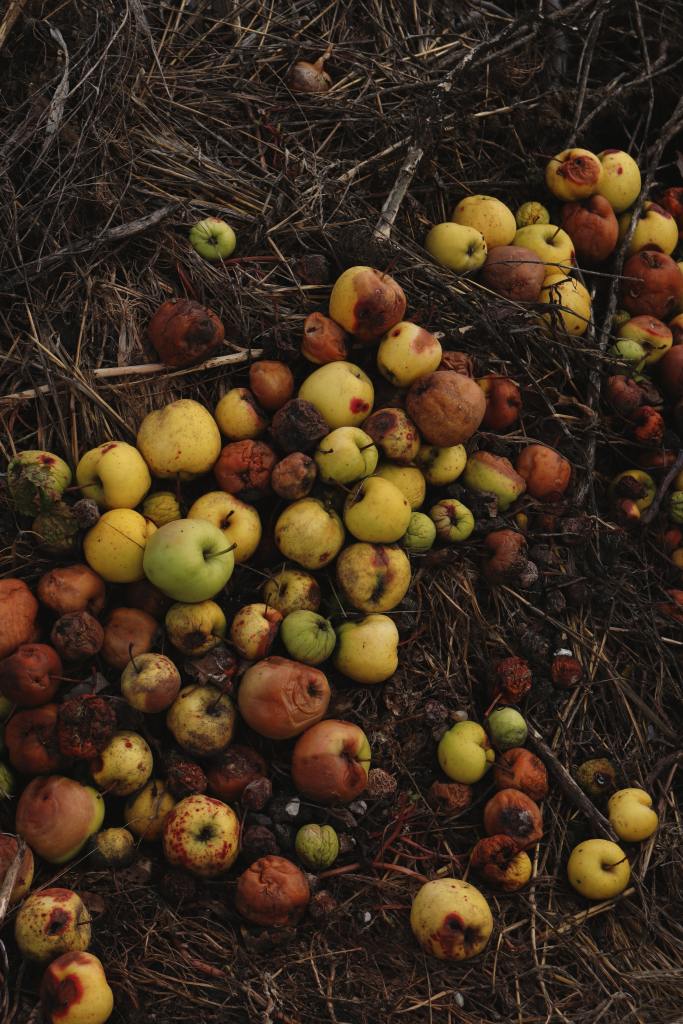
Unlike other products that a business might be able to store until they need it, food has a time limit. If it isn’t consumed by a specific moment, it’s garbage. (Food pantries have resources indicating how long past expirations dates foods are deemed to be edible and safe for distribution. Date checks and physical inspections are how quality is maintained.)

Much of the fresh food donated to the emergency food assistance program has already started to fade, which means it needs to be given away immediately. But it may not be donated when food pantries need it. Many pantries are open only a few hours at a time- rarely do organizations operate five days a week. If a donation comes available after a weekly distribution, chances are it will not last until the next week. Timing is a key factor in whether a donation can be accepted or not.

The other challenge food pantries face in distributing is how fast they can give food away. For organizations who set limits to ensure everyone gets equal amounts, that means always saving a little food. In some cases, that will include saving food until it is no longer edible.

Bulk donations may also not be able to be given away fast enough. Donations are often conditional to taking the entire amount, which can mean pantries end up with more than they want or can distribute. A pallet of arugula is better than no arugula, even knowing that half of it will end up in the garbage.

Dignity

Businesses are often very eager to donate food that is about to go bad. It provides a tax write-off and keeps it out of their dumpster. While it is important to incentivize donations, food pantries must find a balance between having food to fill the shelves, and giving away items that may make clients feel disrespected or worthless. 

My food pantry uses two questions to evaluate if fresh foods are appropriate to give away:

  1. Will someone be able to eat this tomorrow (is it imminently inedible)?
  2. Will it bring someone joy?

In the case of a moldy onion, it’s quite likely that although the outer layers are bad, there is functional onion inside. However, if you were experiencing hunger and came to a food pantry for help, how would being given a moldy onion make you feel? Probably not good.

We must make sure that our foods demonstrate the respect, dignity, and compassion that our clients deserve. If food pantries are committed to feeding everyone who needs it, it’s important that our clients feel positive or hopeful about their experience. We must consider how they feel as they unpack their groceries at home, which has just as much impact on whether they return as their actual shopping experience.

Transportation

One of the biggest challenges emergency food programs face is transportation. Food often comes available for donation unexpectedly and requires someone to pick it up. Few food pantries have extra capacity for their drivers, and they also tend to work with small vehicles while donations often come in bulk or on pallets. Food pantries may not have the capacity to take as much food as they want, even when they desperately need it. As client numbers grow, many organizations may be faced with demand that far outpaces their food supply.

Storage

Storage capacity is another overwhelming obstacle for food pantries. As small, underfunded nonprofits, food pantries work with the spaces accessible to them which can severely inhibit their capacity to store food. Many pantries are housed in awkward spaces like the basement of a church or unused classroom of a school which may offer only very limited storage. Cold storage may be a collection of home refrigerators and freezers that don’t come close to meeting the needs of the community. Another common model of food distribution is to set up tables full of food in a gym or parking lot, which means all the food being given away is moved from somewhere else and can’t be saved for next time. Not being able to store or stockpile means that once clients have emptied their shelves, there’s no way to refill it until their next food delivery comes in.

Because the type of food available to food pantries in unpredictable, the lack of storage also makes it harder to distribute food in useful combinations. Ideally, everyone would have pasta sauce to distribute alongside spaghetti, but if those foods don’t come on the same day, it can’t be done. Or days when not enough food comes in, pantries can’t pull out a stash of desirable foods to improve the options.


Food pantries are doing incredible and essential work to help fight hunger. Thousands of people are seeking food assistance for the first time in their lives, and are going to find the resources they need to get through another month. But food pantries are facing a real crunch as they have to strategize how to scale up their operations to ensure everyone needs are met while facing these obstacles. These barriers are not easily addressed, and significantly limit the capacity of pantries to fight hunger even as demand rises.

What Do You Think People Experiencing Hunger Should Eat?

On March 1st, 2023, anyone who received SNAP benefits (formerly known as Food Stamps) lost nearly one-hundred dollars per person per month thanks to the expiration of Covid-era bonus benefits. This cut has already had a terrifying impact on people experiencing food insecurity, and anti-hunger advocates expect that it will quickly grow much worse.

The rapidly rising number of people shopping at food pantries has demonstrated just how effective the SNAP program is. It provides dignity to users by allowing them to make their own choices and choose foods that work for their own families and lifestyles. The number of people returning to emergency food assistance services with the loss of these benefits shows us just how many didn’t need it while receiving these benefits.

 Despite the proven effectiveness of SNAP, doubts about the need for and value of welfare are pervasive throughout American society. They are largely fueled by the concept of the “welfare queen,” an imaginary 1980s character who used her welfare benefits to facilitate a life of leisure and excess at the expense of hard-working taxpayers. Concerns about the misuse of benefits and social services permeate how we think about hunger, and they’ve created a conundrum.

Thanks to fears of welfare abuse, society is ready to condemn anyone experiencing food insecurity who eats expensive or quality food.

High-end steak, organic produce, fancy olive oil, and other expensive foods are considered an inappropriate and unnecessary food choice for anyone struggling to meet their food needs. It is deemed irresponsible to spend money on these kinds of items when you could buy greater quantities of lower-quality ingredients.

Conversely, people experiencing poverty are regularly reprimanded for their unhealthy eating habits. Even though chips, soda, and salty snacks are the cheapest and most accessible foods, we see a constant stream of policy proposals eliminating the ability to purchase them with SNAP, increasing taxes to make them more expensive, or other mechanisms intended to make it harder for people living in poverty to access.

These biases have manufactured a very narrow window of food that is considered appropriate for people experiencing hunger to eat; they simply can’t win. They are expected to eat from-scratch meals from bulk ingredients, that are healthy but not too healthy (certainly not organic), but must not eat cheap, accessible soda, chips or instant meals either.

The desire to dictate what food should be available to people experiencing hunger comes from the deeply engrained assumption that people are poor because of personal failure.

American society assumes that people need food assistance because of poor decision-making, which leads us to believe that they make similarly bad choices when it comes to food and need to be told how to eat appropriately.

As anti-hunger activists, it is essential that we examine the biases that we carry through our work. This vision of what we think people should eat is unconscious and pervasive, but it requires a deliberate effort to recognize and change it.

We can start by fighting for people experiencing hunger to be able to make all their own food decisions. We should be advocating for higher and more accessible SNAP benefits, transitioning food pantries to client-choice models, and catching ourselves when we make judgements about what types of foods our neighbors choose to eat.