Preparing for the Next Hunger Crisis

With the end of the year comes planning for the one to come, and this year most anti-hunger organizations are preparing for a much more difficult next twelve months.

With cuts to SNAP, purchasing restrictions, implementation of new eligibility requirements, and the expiration of ACA subsidies leading to higher healthcare costs, many, many more people are going to face hunger in 2026.

Frustratingly, the chronic nature of hunger and perishability of foods means that it’s incredibly difficult to preempt it in the food banking system.

In a perfect world, we’d take the policy steps necessary to prevent it by ensuring people have money to buy what they need and that healthy food is accessible to everyone.

The next best option would be to ensure that food pantries and food banks have an abundant support so that they don’t ever have to send someone away hungry.

Tragically, most anti-hunger advocates have access to none of these options. But that doesn’t mean that we must just sit back and wait for the coming crisis. There are still steps that we can take to preemptively fight hunger and make our communities stronger. Effective action demands that we recognize the complexity of hunger and acknowledge that it does not exist in a silo.

Food insecurity is not really about the cost of food or the absence of the resources to pay for it.

It’s about the health of individuals and communities, both physical, economic, and social, and what resources are made available to them. Hunger is no accident.  

Most importantly, hunger is not something that we can manage individually. The only way we can successfully fight it is through coalition building with traditional and unconventional partners.

What can anti-hunger organizations do to fight hunger without food:

  • Connect with organizations who can provide support on health insurance. Health insurance is a confusing monster. I can’t pretend to understand how it all works, and I also don’t have the time (or patience!) That’s why it’s so important to seek out people and organizations who understand the details and can offer resources and empathy to individuals who face astronomically rising costs or having to go without it altogether.

Instead of waiting for the deluge of phone calls, start researching today who can be on your support team. Find shareable links or the phone numbers of real human beings. With costs doubling or more, it means people will have to choose between eating or having health insurance, which leaves them less healthy overall and vulnerable to emergencies.

  • Make friends with your local housing advocates. Housing security is closely tied to many other factors, and keeping people safely housed can help them weather significant other challenges. Housing resources are highly localized and almost as confusing as health insurance, but most big cities will have several organizations specializing in housing support. They are likely also overwhelmed but can hopefully still offer opportunities for information sharing and collaboration that can benefit you and the people you serve.
  • Connect with local schools. While they’re just as strapped for funding as any food pantry, they offer enormous access to children and local families, compelling opportunities for storytelling, and motivated advocates. Maybe they’ve already got teams engaged around school lunches or a backpack program, and there may be opportunities for collaboration or expansion. Anti-hunger issues are too often managed alone, but now is the time to eliminate those barriers.


I confess that I don’t have good feelings about 2026 overall. However, I find solace in the knowledge that there are so many people doing anti-hunger work right now driven by passion, empathy, and fierce determination. Every day, I see incredible innovation, experimentation, and a willingness to think outside the box that we haven’t previously harnessed in this field.

This is exhausting work, but I’m excited and honored to be among peers committed to ensuring all our neighbors are nourished with compassion and dignity.

The opinions expressed here are solely my own and do not express the views or opinions of my employer.

Want to learn more about food justice? Subscribe so you never miss a post!

Uplifting Dignity Amidst a Hunger Crisis

Being an anti-hunger advocate is exhausting right now. The scale of the need we face as people experiencing hunger go without essential SNAP benefits is astronomical. I’m frightened by the growing needs of my neighbors and the overwhelming but vastly insufficient amount of work demanded of my peers. Even though benefits are in the process of restored, it is hardly the end of rising hunger.

A common theme I’ve recently noticed in the public sphere is the tendency to minimize the severity of hunger. I understand it- the suffering and the ramifications are too great to imagine, so it’s easier to pretend it doesn’t exist.

Even empathetic analyses are failing to recognize how the loss of SNAP- even temporarily- may be a harbinger of houselessness, dropping out of school, job loss, serious medical consequences, and more.

Hunger has much bigger consequences than just empty bellies.

Hunger is never the only challenge people face, and cutting food resources also cuts away at other essential lifelines.

Although our primary goal is to ensure people can access the food they need with dignity and compassion, it’s important that we remember there is so much more that we aren’t helping with.

To succeed in our mission, we need to actively avoid minimizing the experience of hunger.

Food insecurity is trauma.

It’s true that one or two days of hunger won’t kill you. But the cumulative impact of reoccurring food insecurity has profound, lasting impacts, and we impede our own efforts when we dismiss the hardship of this reality.

How to avoid dismissing the impacts of hunger:

  • Acknowledge when your food supply is inadequate or inappropriate. There are a million valid reasons why you don’t have the food your shoppers want or need, but they don’t need to hear those details. If they can’t get the food they need, at least they can see that anti-hunger advocates understand what they’re facing.

My previous pantry saw a noticeable decrease in conflict when we started listening to the concerns of our shoppers without intent to respond. It’s hard, but it will help your shoppers feel seen, and you’ll hopefully learn something!

  • Actively fight judgements based on appearance. Especially now, as the government shutdown weigh heavily on our economy, people who may have never previously visited a food pantry before are seeking help. They may drive nice cars, live in upscale neighborhoods, and wear new clothes, but none of this influences their need for food and support.
  • As food pantry attendance goes up alongside staff stress and fatigue, fight the tendency to treat shoppers as a number rather than an individual. While the total number of clients served and pounds distributed are important, it’s essential to remember the stories that people bring and the experience they’re having. It’s real. Consider developing a practice of pursuing at least one involved conversation per distribution with a pantry guest and setting aside time to reflect on what you learned.

The opinions expressed here are solely my own and do not express the views or opinions of my employer.

Want to learn more about food justice? Subscribe so you never miss a post!

What Hunger Looks Like this November

If you don’t work in social services or the anti-hunger sector, it might be easy to underestimate the gravity of the current situation.

It’s hard to articulate the scale of the catastrophe we face.

The government appears to be stalling to avoid using USDA contingency funds that would allow SNAP funding to continue despite the shutdown. It’s unclear if or when those funds will be distributed.

As a result on November 1st, 42 million Americans who depend on SNAP did not receive any money for food.

I’ve heard from several colleagues in the anti-hunger field that it feels a lot like the beginning of the pandemic- that moment when we confronted the reality that our emergency hunger system has nowhere near the capacity to meet the demands we face.

The difference is, in 2020 the federal government mobilized funds to ensure that food banks and pantries could scale up to support their communities. This time, there is no federal sympathy.

It’s clear that while we individually cannot solve hunger, it will be the individual efforts of our communities that help our neighbors get through this.

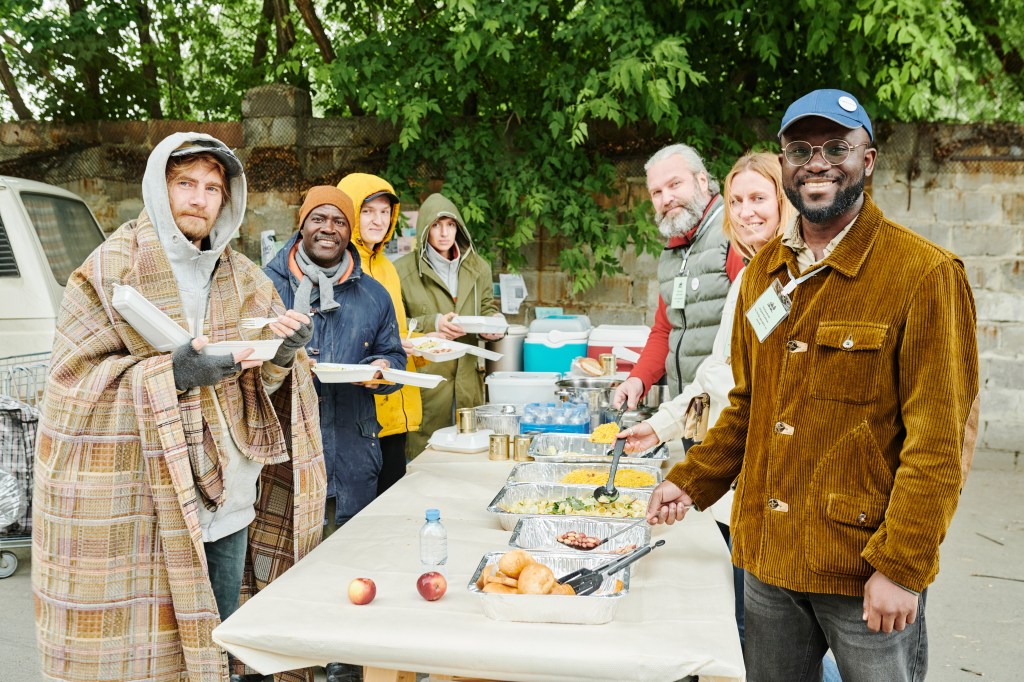
I find myself regularly dissolving into despair from the amount of suffering I see in the news, but I am buoyed by stories like the successful fundraising of this coffee shop to offer free breakfasts, and by farmers markets around the country changing their policies to maintain access to Double Up Food Bucks without requiring a SNAP match.

One of my favorites stories is from the small town in Eastern Oregon where I briefly lived, where farmers are donating truckloads of potatoes and telling people to “bring a box or plastic laundry basket” to take as much as they can carry. The notices don’t even mention hunger or SNAP- they just instruct the community to show up.  

Efforts like this both impact the lives of people experiencing hunger, but they also offer a concrete way for us to feel powerful, engaged, and connected at a time when it’s too easy to feel helpless and isolated.

Fighting hunger is good for you and your neighbors.

Here’s how you can support your community:

  • Donate. Both funds and food are important. Food banks can often make cheaper purchases in bulk, so funds help them buy more food. For food pantries, it varies. Some may not do much of their own purchasing, in which case donating food is more useful. Check with the organization to see what their specific needs are.

Regarding food donations, consider what other ingredients are necessary to serve it. For example, donating macaroni and cheese requires milk or butter, which consumers may not have. Absolutely donate it- but please just add in other ingredients like canned soups and ready-to-eat meals.

  • Host a food-specific food drive. By choosing a specific item, it’s easier for your community to focus and saves your food bank from having to do intensive sorting. Consider hosting a drive to collect soups, fruit, condiments, cereal, diapers, or other goods.

I’m personally passionate about encouraging donations of seasonings and spices- imagine eating canned beans or veggies without them!

  • Volunteer. Anti-hunger organizations are slammed and need all the help they can get. Conversely, most are not set up to serve thousands of people or support hundreds of volunteers. While volunteers are an essential part of the process, good volunteer management is also intensive and exhausting. Please be kind and empathetic to the staff- there’s a very good chance that they are also SNAP recipients facing food insecurity.
  • Support community efforts. Anti-hunger work doesn’t just have to happen in food banks and pantries. Maybe your neighborhood has a free little pantry you can fill. Perhaps the community garden is organizing donations of produce. Hopefully the school is facilitating a backpack program. If you can’t find something, start something!
  • If you are in a position of financial power, use it! Forgive your tenants’ rent (don’t just defer- you can do better than that.) Give your employees bonuses or raises. How else can you use your resources to ensure your neighbors remain healthy and housed? If you’ve ever complained about crime or houselessness, now is your opportunity to actively prevent it. Hunger-free communities benefit us all.

The opinions expressed here are solely my own and do not express the views or opinions of my employer.

Want to learn more about food justice? Subscribe so you never miss a post!

Building Safe Spaces to Fight Hunger

This upcoming November, recipients of SNAP will not get their benefits because of the ongoing government shutdown. A growing number of Americans are missing their car payments, a key indicator that all is not well with the economy. The threat of the military being deployed to American cities continues to loom.

In addition, growing fears of ICE using increasingly aggressive and brutal tactics makes public spaces less safe.

Despite the obvious and inevitable incoming growth in hunger rates, these conditions create a very real conundrum of rising food insecurity but fewer safe opportunities for people to access food.

Whether or not any of these factors make you personally feel unsafe, it’s important to recognize that they contribute to hunger rates. As anti-hunger advocates, we have an obligation to address it.

It’s easy to feel helpless in this situation, but there are still some very real steps that we can take to combat hunger with dignity and compassion.

Here’s how food pantries can help:

  • Minimize the amount of information you ask of shoppers. Visiting a food pantry is already a vulnerable experience, and many people associate pantries with the government, whether it’s true or not. Asking for no more information than you absolutely need can help shoppers feel more comfortable- and it should be a given that you never share any client information without a warrant.
  • Increase your distribution hours to decrease wait times. Building a system that allows shoppers to get in and out quickly helps people feel more in control of their environment and makes it easier to visit despite busy schedules. Allowing easy flow also makes it more difficult for any enforcement agencies to target your clientele.
  • Mobile markets. While difficult to organize and implement, thoughtful identification of locations for distribution empowers individuals to access food while feeling relatively anonymous. While these events still need to advertise their location, variable times and locations both improve accessibility and help people feel safer from surveillance.
  • Drive-through distribution. During the heart of the pandemic, we learned these are an effective way to get food to lots of people fast. While they don’t regularly allow freedom of choice, enabling people to remain in their cars may be a strong incentive for those who may not feel safe in public spaces.

One of the most important lessons that I’ve learned about fighting hunger is that addressing the biggest, most difficult barriers impacts the greatest amount of people. None of these suggestions are easy or simple to implement. But while they specifically intend to help people feel safe accessing food, they also increase access for individuals with disabilities, a lack of transportation, or schedules that don’t allow for regular pantry visits. Building safe spaces benefits everyone.

By putting in the extra effort to help our most vulnerable community members, we can have the biggest impact on hunger rates, and uplifting the dignity of everyone we serve.

The opinions expressed here are solely my own and do not express the views or opinions of my employer.

Want to learn more about food justice? Subscribe so you never miss a post!

Keeping Compassion in Anti-Hunger Spaces

I receive an increasing number of messages from people eager to convince me of the prevalence of fraud in emergency food assistance programs (usually in response to this post).

Writers share how a neighbor or relative was excited about receiving help to fill up their refrigerator, and this joy was evidence that they must not really need the food and had committed fraud.

Despite not having any personal knowledge of the recipients’ finances, life situation, or food security, the writers are universally confident that their acquaintance doesn’t need the food and are simply exploiting the system.  

They’re sure the system is broken because people experiencing hunger are happy about having enough to eat.

I don’t bother to even acknowledge these messages anymore. They teach me far more about cultural attitudes about hunger than about any disfunction in food assistance programs, but I continue to be shocked by the cruelty of this attitude. These writers believe their entire community should have less access to food because one person they don’t know anything about had more food than they were comfortable with.

Unfortunately, this isn’t an attitude exclusive to internet lurkers. It’s also an attitude regularly reflected in food pantry volunteers and organizational policies themselves, particularly in how they maintain power dynamics and expect clients to act with humility. This is why recipients of food assistance responding with joy and excitement to a few days of food security is so triggering.

We live in a society that is actively working to disregard the humanity of the people around us by reinforcing systemic oppression. This directly reflects in how we think about, talk about, and fight hunger. Our anti-hunger systems have long sought to control the behavior and the attitudes of people experiencing hunger in a way that demeans rather than uplifts these individuals.

How can food justice advocates bring empathy back into the fight against hunger?

  • Advocate for the humanity of the people you serve. Have conversations about how you don’t want to live in a world where it’s okay to ignore hunger, or to deliberately deprive people of the resources they need to survive. Make people say who they think should starve to death. It’s true this is an aggressive position, and you may lose volunteers or donors. But it’s important to recognize that if individuals believe there are people who don’t deserve to eat, they are not doing your anti-hunger organization any good anyways.
  • Practice self-care. There’s nothing more exhausting than the emotional labor of trying to convince people that they should care about others. I’ve discussed before the work that goes into welcoming nervous clients using stigmatized services, but it’s equally important to recognize that fighting hunger requires engaging with people who advocate for cruelty over compassion.

While arguing with them is rarely productive, anti-hunger advocates are often forced into positions where they must connect professionally. Do what you must do to shake off this ugliness- a primal scream in the walk-in freezer, cuddle your pet, aggressively weed your garden, or eat a bar of fancy chocolate.

There is nothing more important right now than our front-line advocates maintaining their ability to practice compassion and ask it of others.

Previous Post: Don’t Offload Food Waste onto Pantries

The opinions expressed here are solely my own and do not express the views or opinions of my employer.

Want to learn more about food justice? Subscribe so you never miss a post!

No August Posts

Hi readers,

While I think it’s important to maintain a consistent blog schedule (and I have a lot of fun doing it,) I have decided to take August off from any new posts.

I’m ready for a break, but I’m also going to be acting as a grant reviewer for the USDA’s Local Foods Promotion Program and I know from past experience that it demands a lot of brainpower in a short amount of time.

Check back here September 1 for the next new post!

Happy Summer!

Anina

Don’t Offload Food Waste onto Pantries

The smell of overripe bananas will forever make me nauseous. Our food pantry once had a pallet of bananas donated that the person on the phone promised were completely edible, with “only a little bit of brown.” While that was technically true, the fruit was also so soft I couldn’t pick it up without it disintegrating, and there was no way that I would offer this to my clients.

(If you’re like 99% of my volunteers, I know what you’re thinking and I’m going to stop you right there. Baking banana bread requires flour, sugar, and oil, all of which are incredibly rare at food pantries. It’s also a recipe primarily familiar to Western Europeans, unlike many of our shoppers. It’s not a practical suggestion, and it drives your food pantry staff bonkers.)

I spent the next two days unpacking the bananas from their boxes and tossing them into our compost bin. The smell permeated my hair and clothes, and I regularly had to step outside for fresh air. I wanted to call the donor and yell at them to take this donation back. It was a waste of my time and a test of my patience, as well as a burden to our compost system. But of course, I couldn’t risk jeopardizing the relationship.

As massive federal cuts leave nonprofits scrambling to access resources, anti-hunger organizations are sending out pleas for community food donations. Although vastly inadequate, for many underfunded nonprofits this is their only option for continuing services.

As part of this campaign, organizations are seeking to establish or boost relationships with corporate partners like groceries stores who have the potential to supply larger quantities than individual donors.

When these relationships work, they are a boon for everyone. Businesses get public appreciation for making a donation (and the tax benefits), and food pantries get the food they need to serve their neighbors.

But just as often, these transactions act as a way for businesses to offload their waste disposal.

Too many people still hold the pervasive idea that it’s okay for people living in poverty to eat lower quality food, which justifies them donating foods that no one else wants to eat. I’m sure this banana donor genuinely believed they were helping us since they knew that food pantries were desperate for food, thanks to constant messaging they hear about donations.

Unfortunately, this attitude places recipients in the uncomfortable position of having to either silently accept the donation or risk offending the donor.

Our current nonprofit culture lives in such a scarcity mindset that it has become the norm to accept these donations, even when it brings additional costs for the recipient such as waste disposal and labor.

How can pantries advocate for quality donations?

  • Make expectations clear from the outset. My pantry developed an internal system for evaluating food that we would have done well to share externally. We only distributed food that must last until tomorrow and bring joy to recipients. While soft ripe bananas might still technically be edible, they brought no one joy. Telling donors this at the outset would help them understand what we could and couldn’t accept.
  • Engage in a dialogue with donors about the challenges of receiving food that doesn’t meet your needs. (This has the added benefit of introducing the idea that you don’t just want any foods, but have specific needs for your community.)Before a donation is even made, I like to mention the hardship of receiving food that has to be immediately tossed. Whenever possible, look at the donation before you make a commitment.
  • This demands confident leadership, but don’t be afraid to refuse donations that don’t meet your standards or align with what you were told you were receiving. While you may risk offending or losing a donor, you also set yourself up for a far more productive relationship in the future. They weren’t helping you by donating garbage, so you don’t actually lose anything.
  • Asserting donation expectations also teaches your volunteers and community the standards of your organization. Volunteers often assume that food brought into the pantry has already been determined acceptable, which means it’s okay to distribute to clients. When you don’t allow low-quality food in the door, you teach your team that your clients deserve only the best.

The opinions expressed here are solely my own and do not express the views or opinions of my employer.

Want to learn more about food justice? Subscribe so you never miss a post!

What’s Important about the Location of Your Food Pantry?

I live in a major city which has a significant houseless population living downtown. Far too often, I hear people complain about the concentration of services for houseless individuals that are also downtown. They advocate for moving these services farther away from the city center to intentionally displace these individuals so that they are less visible.

However, the reality they seek to ignore is that the reason that services are located downtown is because they are easily accessible. People with limited resources can visit shelters, meal sites, and health clinics while using buses and public transportation, libraries, educational opportunities, and engaging with family and friends in a way that isn’t possible by moving services to the suburbs.

This is a very deliberate policy decision on the part of housing advocates that has not been equally applied to anti-hunger efforts. Because food pantries tend to originate in churches and underfunded nonprofits, they often find themselves in whatever physical spaces are available rather than in what would be the most appropriate.

While I’ve previously discussed the importance of the physical accessibility of the building, today I’m reflecting on the considerations that should go into geographic location.

While few anti-hunger organizations have the resources to make deliberate decisions about this, it’s still important to assess how the physical location of your program may influence who does (and doesn’t) use your pantry.

People experiencing hunger come with a wide range of backgrounds, and it’s important that the physical location be widely accessible. That means people can travel there via private car, public transportation, and on foot.

Evaluating your pantry’s location:

Travel by foot

An important consideration regarding walkability is how often people are allowed to visit the pantry. Pantries who only allow shoppers once or twice a month inherently encourage people to take more food, but individuals on foot only take what they can carry, which may leave them hungry before their next visit. Pantries who allow shoppers to visit more often are better suited for foot traffic.

Travel by bus

  • Is the pantry on a bus line? How many transfers might pantry clients make to get home, and how long is the wait for a bus? Traveling on a bus with full bags of groceries is awkward and uncomfortable, so frequent bus service on clean, safe buses is important. It’s also important to consider pantry distribution hours, and whether they align with the bus schedule. While I’ve believe every pantry should offer an weekday evening distribution, it might not make any sense if the buses leave shoppers waiting in the dark for extended periods of time.

Travel by car

  • Does the pantry have dedicated parking? Is there any handicapped parking? While we should all aspire for a world that demands less driving, food pantry clients are not the population to start with. Having easy access for personal vehicles may make it easier for shoppers to take more food which hopefully empowers them to come less often. People with disabilities disproportionately face food insecurity, so it’s important that pantries make parking as easy as possible with room for wheelchair ramps, large vehicles to turn around, and proximity to the pantry.

Proximity

  • Is your pantry located near any other resources? I once worked for a pantry which was located across the street from DHS, who could help individuals sign up for SNAP benefits and then send them over to us, or vice versa. I have also worked in food pantries in schools, which made it simple for families to shop when picking their kids up at the end of the day.

Partnering with other programs your clients utilize can reduce the number of trips they need to make, shrink the time commitment of these errands, and just make it easier to get food when they need it.

While hunger in America is treated as something to be ashamed of and hidden, it’s important that we make it visible. Hunger should make everyone uncomfortable, and we’ll never find a solution by keeping it a secret.

Placing anti-hunger resources in as visible and as accessible locations as possible is a simple place to start.

The opinions expressed here are solely my own and do not express the views or opinions of my employer.

Want to learn more about food justice? Subscribe so you never miss a post!
Why Food Pantries Need Reliable Hours

It’s always a treat to leave work early. Who doesn’t love it when your manager decides that you should head home to enjoy some extra hours for yourself?

Everyone I know needs a vacation right now, but there are many workplaces that absolutely cannot change their hours or accommodate extra closures. Social Security offices, the ER, and food pantries are all examples of institutions that need to be reliably open. If they close early or unexpectedly, people lose out on essential or life-saving services.

The challenge is that Social Security and ER are staffed by paid professionals, whereas food pantries are predominantly run by volunteers donating their time. It’s much harder for a manager to stop them from leaving early when they want.

What are the consequences of a food pantry closing early?

In my experience, the shame and stigma of food assistance means that many people postpone visiting a food pantry until the last minute, when their shelves are literally empty and their stomachs grumbling. Our food pantry often saw a high number of first-time clients at the end of the day, possibly for this reason.

When a food pantry closes early, people who were counting on it for dinner that night are deprived of that meal and more. If you showed up for your first ever visit to a closed food pantry, it might also influence your enthusiasm for trying again.

Food pantry hours are often inaccessible. I’ve mentioned this many times before, but food pantry distribution hours usually cater to the schedules of volunteers rather than the needs of their community. Retirees often have very different availability than families facing food insecurity (who are usually working multiple jobs and acting as caregivers) which makes it extra difficult for people to access pantries.

If we want to fight hunger, it’s essential that food pantries offer reliable hours.

To be a useful service for shoppers, they need to know when the food pantry will be open. People will quickly stop coming if they find that it is ever closed when they thought it would be open.

Many people drive significant distances to pantries, and few have the resources to deplete their fuel for an unreliable resource. People experiencing hunger will seek out other pantries, if they have that option, or go hungry if there is nowhere else to access food.

Respecting the time of shoppers should also include minimizing the amount of time spent at the food pantry. An hour-long line indicates that the pantry either has inadequate shopping hours or a weak system of distribution (inducing clients to feel competitive). Examine your food flow policies and expand your hours to reduce the wait time. Long waits in line make food less accessible for seniors, parents, and people with disabilities while increasing tension and stress.

Action points for pantry leadership:

  • Maintain consistent and reliable hours. Posting schedule changes on social media is useful, but many food pantry clients may not use it, and these updates are only functional for the people who read the language that they are written in. Advertise where you will share unexpected closures ahead of time (website? voicemail? a sign on the door?) so that clients know how they can find out about schedule changes due to events like extreme weather.
  • Teach volunteers how important their role is. There is an urgency to this work that may not accompany other volunteer opportunities, and your organization needs to clearly articulate that. Although pantries should be tolerant of unexpected events, set a precedent that volunteers complete their entire shifts and NEVER close the pantry early. Consider implementing repercussions for volunteers who repeatedly no-show or leave early- the rest of your volunteers will thank you!
  • Hire enough staff so that operations and hours can continue normally if someone is sick or on vacation. If your food pantry operations depend on the presence of a specific individual, you are setting yourself up to fail when they inevitably get sick or leave (or get burnt out). Bonus points for paying your staff living wages to increase morale and retention!

The opinions expressed here are solely my own and do not express the views or opinions of my employer.

Want to learn more about food justice? Subscribe so you never miss a post!
Type your email…

The Best Part of Using a Food Pantry

I recently was chatting with a farmer who sells their produce at a nearby farmers market, and I mentioned that my professional experience lies primarily in food pantries, and they had so much to say. This farmer shared that when they first moved to Oregon, they depended upon a food pantry and clothing closet. I wasn’t sure what they were going to say next, because it is a negative experience for many.

However, this person absolutely gushed about what a positive experience they had. They visited a grocery style pantry, which gave them the autonomy to make their own food choices, and they said their regular visits were the most respectful, dignified, and compassionate experiences they could have imagined. Years later, their farm still makes regular donations of fresh produce to that pantry.

I don’t hear a lot of these stories. While there are plenty of wonderful food pantries doing incredible work, there are also lots of food pantries reinforcing the narrative that people experiencing hunger are there because of personal failures, bad judgment, or a lack of responsibility. Even pantries with friendly volunteers and a healthy food supply can foster systems and attitudes that still leave their shoppers feeling humiliated or ashamed.

Unfortunately, eliminating these judgements in food pantries depends upon establishing new foundational attitudes rather than just increasing the budget or building capacity.

It’s not something that we can fix with a grant, a handbook, or a webinar training series. This is a reflection of much deeper assumptions that our society holds about poverty, hunger, and responsibility to one another, and it’s much harder to change.

This farmer I spoke to didn’t mention anything about the quality or the quantity of food they received. They didn’t even talk about the line or limits on food supply. Instead, they talked about how the food pantry made them feel. They felt respected, seen, and dignified.

While food is obviously an important component of the pantry experience, this reminds me that even pantries without enough food or those who are unable to access culturally or nutritionally specific options can still make a lasting, positive impact on the individuals they serve.

What are the foundational attitudes for fostering a positive food pantry experience?

  • Everyone deserves to eat without qualifiers, conditions, or exception. It’s important to recognize that if someone doesn’t get food at your food pantry, they might not eat at all. That is not okay. People who have a new iPhone deserve to eat. Immigrants and refugees deserve to eat. People with strict preferences and nutritional limitations deserve to eat. People with visible and invisible disabilities deserve to eat. The community can tell whether your team believes this or not, in how policies are implemented, clients are treated, and services are advertised.

Even if food pantries don’t have everything someone needs, they can still practice compassion by respecting their humanity and need for nourishment. If you’ve ever heard a volunteer question whether someone deserves to visit your food pantry, then you have work to do.

You are the best expert on the food your body needs to thrive. Why would a food pantry client be any different?

  • Treat pantry clients as equals. It’s far too easy when dispensing charity for organizations to demand submission from program recipients, which can manifest as strict rules about waiting in line, nitpicking about paperwork, or checking shopping bags to ensure limits were followed. There are ways to enforce pantry policies without aggressively asserting the power imbalance of using a food pantry. Start by discussing the power disparities, with clients if you can; they probably have a very different perspective than staff and volunteers. Welcome clients to the volunteer team, and take seriously what they share about their own experience.
  • Dignity. Food pantry clients don’t want pity, or condescension, or judgement at all (just like anyone else!) As the need goes up and pantries serve increasing numbers of clients, it can be hard to hold onto the reality that every one of those clients is a human over whom the pantry has significant power. However, focusing on scaling up and efficiency adds very little to a positive food pantry experience.

Even though these are foundational attitudes, they aren’t impossible to introduce to a pantry. Success depends on consistency and exposure, and leadership that is eager to embrace food justice and human dignity.  Building these ideas into your mission, values, and strategic plan is the best way to demonstrate your commitment to the community.

Nonprofits are overwhelmed by need and rightly panicked about funding. But we need to focus on the reality that the most important part of using a food pantry; the piece which clients will remember and share with their neighbors, has little to do with the food they got and everything to do with how their visit made them feel.

The opinions expressed here are solely my own and do not express the views or opinions of my employer.

Want to learn more about food justice? Subscribe so you never miss a post!

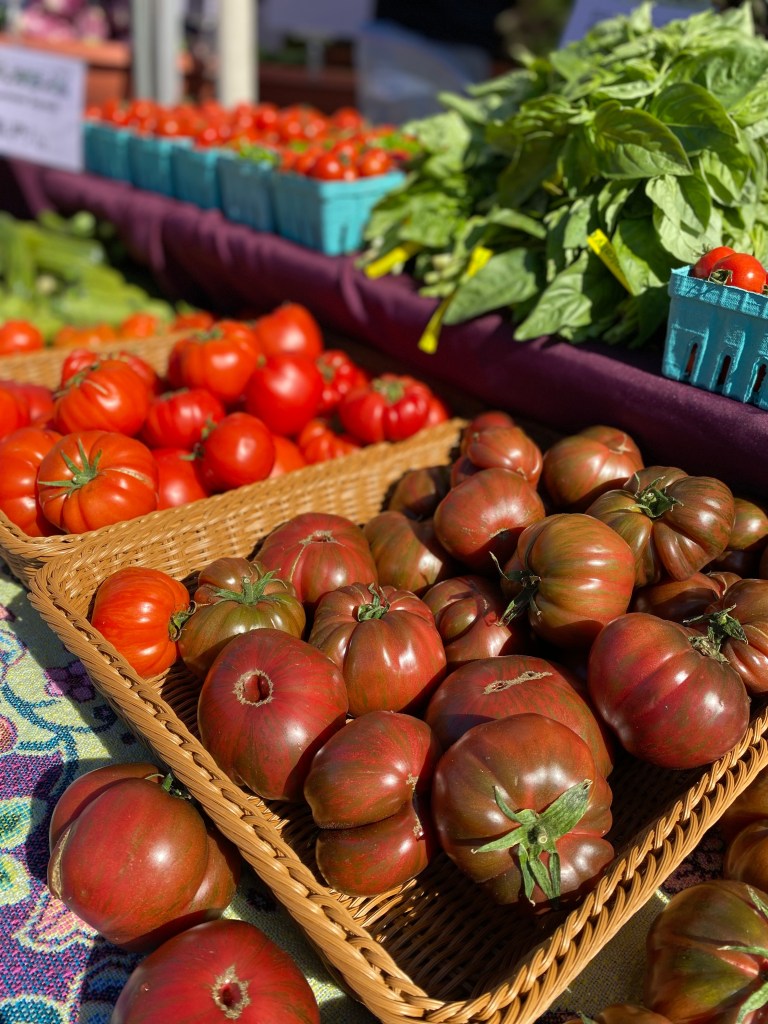
Using Farmers’ Markets to Fight Hunger

Food banks and pantries are running out of food. Rising prices, combined with shortages of foods like eggs, a likely scarcity of agricultural workers, and the complications of potential tariffs mean that there’s less food available to anti-hunger organizations despite the rising need.

The stress of this situation means that anti-hunger advocates are getting creative by trying to access new resources or uplift underutilized connections.

As part of this movement, I’ve been fielding calls from several food pantries about the best ways to connect with farmers’ markets as a potential food source. It’s true that markets don’t tend to have large gleaning or donor relationships with anti-hunger organizations. There are a lot of reasons why this is not a simple partnership, so today I’m going to dig into the challenges your pantry needs to consider if pursuing this option.

What are the challenges of establishing partnerships between food pantries and farmers’ markets?

  • Farmers’ markets, unlike food pantries, have hours targeting maximum community participation, which is why they are often operate on weekends or in the late afternoon.

Food pantries are usually open at the convenience of their volunteers, which means pantries and farmers’ markets do not consistently have overlapping open hours. This can make it hard to connect and harder to collect donations.

While volunteers may be willing, few people have the capacity to store fresh donations safely in their own refrigerator until they can get it to the pantry the next day.

I have turned down numerous pantry donations that were kept in someone’s garage, coolers, car, or other inadequate space because they didn’t want it to go to waste, but they couldn’t store it properly. Don’t compromise on food safety!

  • There is no guarantee that there will be any food to donate. In a perfect world, farmers’ market vendors sell out every time. Small-scale farmers do not usually have sale opportunities every day, so they work hard to guestimate the right amount of food to harvest with minimal waste. Food pantries may not be eager or able to commit to a regular pickup when the amount is uncertain or minimal.
  • Food pantries are used to collaborating with grocery stores for whom donations rarely impact their bottom line. I’ve worked with many stores who can be flexible, generous, and casual about their donations to pantries.

Small farmers, however, don’t necessarily have that luxury. It’s hard to profit as a farmer, which means they don’t have the wiggle room to donate as much as your pantry would like, and aggressive solicitation can be counterproductive.

  • Farmers’ market vendors never know what will be leftover, and it may or may not be a familiar product for food pantry clients.

The joy of shopping at a farmers’ market is that you’ll discover beautiful local produce in varieties you’ve never seen before. However, those same options can be a challenge at a food pantry, where shoppers may have limited access to cooking utensils, recipes, or energy to learn about an unfamiliar food.

One of the greatest barriers I’ve encountered is that volunteers often don’t prioritize giving away foods they aren’t familiar with, which means some of the most fun and delicious donations don’t make it into the hands of people who may want it before it spoils.


None of these barriers are insurmountable, and I don’t intend to discourage any pantry from working with a farmers’ market. It’s simply important to recognize that working directly with farmers’ markets demands a different relationship and attitude than with a large grocery chain.

Despite the unique challenges, farmers’ markets offer an incredible opportunity to build relationships that can maximize your food purchasing budget. Buying a CSA share from a local farm is an incredible way to access local, fresh food while supporting a neighboring business. And making reliable purchases might enable a farmer to offer deals or discounts to pantries to maximize their dollars.

Targeting a farmers’ market can be a challenging avenue for food pantries, but if you have the capacity and drive to build a relationship with local farmers, then there is enormous potential for everyone to benefit.  

The opinions expressed here are solely my own and do not express the views or opinions of my employer.

Want to learn more about food justice? Subscribe so you never miss a post!
Does Your Food Pantry Serve Your Clients… or Your Volunteers?

I once became embroiled in a week-long argument with a colleague who was adamant that our food pantry’s primary mission was to serve our volunteers. They argued that our goal was to give community members positive and meaningful ways to support their neighbors, and that giving away food to people in need was the vehicle we used. My perspective that our food pantry should center people experiencing hunger as our primary beneficiaries was not welcome or accepted.  

As frustrating as this discussion was, it also wasn’t surprising.

Because many people believe food assistance is a privilege that must be earned rather than a right, it prioritizes giving food away rather than ending hunger.

This framework excuses subjugating the needs of people experiencing hunger to those of the volunteers supporting the effort. This is how organizations unintentionally transition into a volunteer-focused organization rather than a client centered pantry.

It’s more comfortable to focus on the givers than on the receivers. Our society carries lots of problematic assumptions about hunger and people living in poverty, and by focusing our efforts on volunteers (who generally have less lived experience), we don’t have to challenge these ideas or our biases.

Food pantries are chronically short of volunteers, and it is essential that we ensure our teams feel appreciated and valued. But too often, this attitude strays into favoritism.

This manifests in many ways, like pantries letting volunteers take food outside of distributions. This is against the rules everywhere from the national level down, but it’s still a common practice for pantries to turn a blind eye to a volunteer taking a dozen eggs to save themselves from going to the grocery store after their shift.

This attitude is further demonstrated in systems intended to minimize volunteers’ effort, like restocking shelves when volunteers want to, rather than when the shelves are empty (a frustration I recently heard from a volunteer/client about their local pantry.) While it’s less work for volunteers, it also means fewer options and less food for shoppers.

It’s also important to recognize a volunteer focus in the increasing prevalence of pantries hiring a security officer, who often costs significantly more and is more intimidating than giving staff and volunteers regular training in de-escalation and trauma-informed care. In most cases, the security officer is intended to increase the comfort of volunteers, rather than ensure all clients feel safe and welcome.

Efforts of a client-centered food pantry:

  • Seek out people with lived experience of hunger to add to the leadership team, staff, and volunteers. If it’s hard to do, then you’ve found a great opportunity to examine and rectify barriers to participation in your organization.
  • Make sure that you’re not demanding these individuals bear the sole burden of identifying and solving your pantry’s weaknesses. Make sure everyone does their homework in learning and studying the root causes of hunger and inequality, and exploring how to improve services. Don’t tokenize.
  • Examine your pantry hours. This is one of my pet peeves- food pantries are almost exclusively open at the convenience of volunteers, who tend to be wealthy retirees looking for something to occupy their weekday. This often means that food pantry distribution hours are inaccessible to people working full time jobs, acting as caregivers, or managing a household. Ask your clientele to take a survey if you can about what pantry times they can use, or experiment with adding weekend or evening hours.
  • Enforce at every possible moment the idea that everyone deserves to eat, and evaluate policies based on this concept. Do your rules align with increasing dignity, respect, and abundant access to food for everyone in need, or do they focus on the comfort and convenience of volunteers?

While I fully recognize that most pantries have a chronic shortage of volunteers, compromising your priorities for volunteer recruitment makes it harder to stay committed to your goal of ending hunger.

Organizations attract volunteers who agree with their values.

Focus on allowing your volunteers to do only what they want the way they want to, you’ll end up with a pantry that meets no one’s needs.

Prioritize serving clients the best that you can and you may have fewer volunteers, but at least you can be confident that they are empowering your organization to fight hunger with dignity, respect, and abundance.

The opinions expressed here are solely my own and do not express the views or opinions of my employer.

Want to learn more about food justice? Subscribe so you never miss a post!

Healthy Foods Aren’t Always Fresh: Improving Access

I recently found myself wrestling with the use of the words “healthy” versus “fresh.” In the food access (and wellness) fields, we often use these terms interchangeably when talking about diet, but my ruminations made me consider how it might not always be the best practice in the context of food justice.

Fresh foods are those that have undergone minimal processing, and usually need to be consumed shortly after harvest or collection. Fresh foods are generally considered healthy because they are generally whole foods without any of the additives that define our industrial food supply. They offer the simplest opportunity to consume our daily nutrients.

While most fresh foods are healthy, not all healthy foods are fresh. When it comes to fighting hunger and building food access, this is an important distinction.

Fresh foods can be hard to access. The weather in my hometown of Portland, Oregon, has quickly transitioned to fall, which means my garden is rapidly declining in productivity and many farmers’ markets are soon closing for the winter. Fresh foods will become harder to access as the season progresses, and the options at the grocery store will have to travel greater distances with variable quality.

When we place an emphasis on healthy foods being exclusively fresh, we add extra barriers for individuals who may not be able to access this option. At every food pantry I’ve ever worked at, I’ve encountered shoppers who were apologetic about their “bad diet” because they didn’t have a refrigerator or cooking capacity to choose fresh foods, regardless of what else they were eating.

Consistently accessing fresh foods requires easy access because it has a limited shelf-life. Food pantry clients often limit their shopping excursions to once or twice per month to minimize time and transportation costs, which means they only eat fresh food for a couple days after each trip.

Fresh foods also often require refrigeration and extra preparation to use, which can be beyond the capacity for someone with limited storage, inadequate tools, no time, or physical limitations. When we insist that eating fresh food is the only way to eat healthy, we mislead too many of our neighbors into believing that they are eating wrong.

When we teach people that their only options are inadequate, we foster discouragement and defeat. Food shaming never improves outcomes.

It is entirely possible to eat healthy without fresh foods. In many scenarios, preserved options are more nutrient dense because they were harvested and preserved at the peak of ripeness.

How can we foster access to healthy foods without focusing on fresh?

  • Many pantries have started to implement systems for helping clients recognize healthier options, like the Supporting Wellness At Pantries (SWAP) system. It’s a simple and efficient way to uplift the nutritional qualities of shelf-stable goods common to pantries. This helps highlight the value of preserved options without comparing them to fresh foods.
  • Start these conversations with staff and volunteers to ensure they’re familiar with barriers to fresh food and the value of preserved options. Our world is very eager to find a magic bullet for health, and it’s important that volunteers don’t reinforce this idea in the pantry. Presenting a challenge to develop healthy choices from the shelf-stable section can be a great learning experience for volunteers, and help them think about the nuances of food insecurity a little more.
  • Embrace frozen foods. It was revolutionary when one of my previous pantries recognized the potential of frozen options. Our supply constantly changed, but having a spot to consistently offer frozen vegetables and a mix of other options was an efficient option for clients to load up. While this does demand an extra piece of equipment, there are many organizations (and even food banks) that offer funding and grants for the purchase of freezers and other tools to facilitate frozen distribution.
  • Focus less on individual healthy or unhealthy foods, and more on the meals they can create. Healthy food is more than the sum of its nutrients, and we do our communities a disserve when we adopt a black/white perspective. Health comes from the security of knowing where your next meal is coming from, from the joy of connecting with your community, and the confidence of nourishing your body with what it needs.
  • It is important to recognize we should continue increasing access to fresh foods. One option is for pantries to remove their limits on how often clients can visit (whether they be monthly, bi-weekly, or weekly). Food pantry produce rarely lasts very long, so increasing pantry access would significantly improve fresh options, as long as the pantry has the systems, inventory, and paradigm to support such a move.

The opinions expressed here are solely my own and do not express the views or opinions of my employer.

Want to learn more about food justice? Subscribe so you never miss a post!
Hunger is Political

September is Hunger Action Month, a time to raise awareness about the prevalence and reality of hunger in America. I firmly believe that the way we think about hunger is the primary obstacle to solving it, so this month I am focusing on challenging the assumptions we’ve been conditioned to accept, and offer new tools for taking those ideas out into the world.

Several years ago, I worked as a volunteer coordinator at a major food bank. I was lucky enough to start there just as we rolled out a new advocacy strategy, which meant my colleagues and I were responsible for introducing it to the community. As part of the volunteer repack shifts, we began to develop discussion points for engaging volunteers in anti-hunger advocacy.

While respecting the lobbying limitations of a nonprofit, we initiated conversations about the relationship between hunger and housing, healthcare, racial justice, and other issues. While some volunteers were receptive, many others were deeply irritated or even offended that we mentioned such problems.

“Stay in your lane! Hunger isn’t supposed to be political.”

I regularly received feedback that people volunteer with the food bank specifically because hunger “wasn’t political.” The second we started talking about how increasing affordable housing or accessible healthcare would fight hunger, we crossed a line.

The reality is, hunger is intensely political. The food insecurity rates of our neighbors and communities are directly related to the choices that we, from individuals to nations, make every day.

Hunger does not exist in a silo. No one experiencing hunger faces that as their only challenge. Hunger is intimately related to housing, healthcare, wages, racism, discrimination, gender, childcare, and a million other issues. If we really want to end hunger, then we need an organized plan to address poverty and all that encompasses.

If you are angry with your food bank for talking politics, then you aren’t really fighting hunger.

You’re fighting for the status quo.  

Every public policy related to hunger. But while hunger is political, it doesn’t have to be partisan.

For example, libraries offer a space for people to use computers and the internet for free, which can be essential for applying to jobs or accessing resources. Losing this option can heavily impact the food security of an individual. The library bond on your ballot is a hunger issue.

Many, many people rely on public transportation to get to work, buy groceries, and carry out their daily life. Without a reliable way to get around, people go hungry, work can’t get done, and the economy suffers. The loud city bus your neighbor complains about is a hunger issue.

Many our food pantry clients have jobs, but are still forced to live in their cars, shelters, or couch surf. Without housing options within their budgets, they struggle to maintain a job, stay safe, and eat healthy food. Food pantries and SNAP are designed for people with kitchens, which meant we have fewer options to offer these people who go hungry as a result. Affordable housing is a hunger issue.

Voting is one of the most important ways we provide feedback and guidance to our government. Increasing barriers to vote (like we’re currently seeing) means we silence valuable opinions and lived experience that help shape stronger communities. Voting rights are a hunger issue.

It takes bravery for anti-hunger organizations to publicly discuss these relationships. And the legalities of nonprofits and politics make many organizations wary of crossing a line. But if we really want to solve hunger, we can’t limit our advocacy efforts to just food access.  

Here’s how anti-hunger organizations can begin engaging with the bipartisan politics of hunger in their communities:

  • Host voter registration drives. This is a great entry point because it doesn’t explicitly connect hunger with politics, but it still opens the door for action from clients and volunteers alike. There is also an enormous amount of misinformation and voter suppression this year, so providing reliable resources and support is an incredibly valuable option.
  • Incorporate clients referrals to partner organizations that can help them with other issues like housing, healthcare, childcare, education, and other challenges. Make sure your volunteers know about these relationships, and why they are important. Every opportunity that our community sees a connection between hunger and other symptoms of poverty helps strengthen our understanding of the challenge we face.
  • Develop systems where your public-facing employees can have these conversations. Does volunteer orientation discuss how hunger relates to other challenges in your region? Start small, in one-on-one or small group discussions for practice, before bringing it to bigger volunteer shifts. Don’t try this unless leadership at every level believes and is ready to support the intersectionality of hunger. You’re likely to irritate or lose those volunteers who maintain that these discussions are too political- make sure to support your staff when this happens, but also remember that it also builds a stronger team who is better prepared to take decisive actions towards ending hunger.

The opinions expressed here are solely my own and do not express the views or opinions of my employer.

Want to learn more about food justice? Subscribe so you never miss a post!

Do Food Pantry Clients Have the Time to Cook From Scratch?

After a long day of work, there is nothing worse than having to decide what to cook for dinner. If I don’t already have a plan, figuring out how to quickly assemble a meal that is nutritious and appealing based on what’s in the fridge is a challenge. As a perpetually hungry (and often hangry) individual, I hate scrambling to put a meal together last minute.

While I’ve previously discussed the emotional labor of fighting hunger, it’s also important to acknowledge the emotional labor it takes to nourish a household.

Preparing meals for your family requires an enormous amount of thinking and planning, no matter how simple the actual process of cooking may be.

Preparing food isn’t limited to the physical labor of cooking.

Meal planning requires considering personal preferences, nutritional requirements, cooking skills and capacity, and the availability and accessibility of ingredients. The household cook must align household expectations with their budget and resources.

This work is largely invisible, and sharply divided by gender. For people who aren’t the primary cooks of their household (like the men who predominantly manage anti-hunger programs and determine policy), it’s easy to believe that meal prep only encompasses the tasks necessary to safely cook, prepare, and serve dinner.

The challenges of putting together a tasty meal are amplified if you’re a food pantry client, as you likely have little choice or autonomy over the foods and quantities available to you.

One of the primary challenges is that more than half of people facing food insecurity are employed full time. Those who aren’t working full time face significant barriers to doing so, such as disabilities, caregiving responsibilities, or a lack of employment opportunities. To make ends meet, many people work multiple jobs, which means available time for food preparation is extremely limited.

The next challenge is to figure out how to turn eight cans of beans, two cans of tuna, a butternut squash, and a jumbo bag of potato chips into something your household is excited to eat. While I’m sure it can be done, it takes creativity, research, and time to transform food pantry donations into a functional meal. This is a big ask from someone already overextended by the trials of poverty.

Despite the challenges of living with food insecurity, we still haven’t moved away from the unrealistic expectation that people who care about their families cook wholesome, time-intensive meals from scratch, and project that assumption on our emergency food assistance programs.

While we don’t have the option of increasing wages or reducing work hours for our clients, there are steps food pantries can take to ease the burden on our shoppers.

  • Provide foods that accommodate a variety of lifestyles and living situations. Too many of our food pantry clients had little time or capacity for intensive cooking sessions. While I applaud the movement to emphasize fresh, whole foods, this level of food prep may not be accessible for working households. Microwave meals, canned goods, and instant options are essential to accommodate all lifestyles. It’s important to remember that our opinions of what people “should eat” has no impact on what they are able to eat.
  • Bundle. The food that pantries provide is only useful if clients can use it. That means providing food in quantities and partnerships that make it useful. No one eats tomato sauce on its own- partnering it with pasta, chili ingredients, or other pairings ensures that it supports a functional meal. While providing a household with a small can of chicken noodle soup may prevent starvation, it doesn’t relieve the burden of trying to figure out what else the meal requires to make sure everyone’s belly is full. Offer useful quantities and partner with appropriate items when possible.
  • Offer culturally appropriate foods that are familiar to clients. This saves people from having to learn how to prep new foods and convince their family to eat it. (While I’m a fan of encouraging people to try new foods, it’s important to offer it as an option rather than expectation.) Offering cooking classes or taste tests alongside sensitivity training for volunteers may be necessary to ensure they are able to appropriately support clients when shopping.

The opinions expressed here are solely my own and do not express the views or opinions of my employer.

Want to learn more about food justice? Subscribe so you never miss a post!

What Data Should We Ask of Food Pantry Clients?

I once got a phone call at my food pantry from a woman who had recently tried to get help from another pantry in the region. Crying into the phone, she wanted to make a complaint about the volunteer she had worked with, mistaking our pantry as the parent organization.

This woman was trying to get food for the first time from this site but was told because she didn’t have proof of identification for every member of her household, she wasn’t eligible. She became understandably upset, and in the ensuing argument was told she was banned from visiting for a year. She was panicked that her family would go hungry, and frustrated by the excessive demands to qualify for food assistance.

Requiring proof of identification from every member of her household was an excessive and inappropriate expectation. Who carries that kind of information with them? How do they manage that with children in the household? I was frustrated that this happened, but requiring documentation or proof of need is a longstanding tradition in emergency food assistance. Our desire to make sure that people really “deserve” the help motivates demands for proof of income, address, or other evidence that proves a household struggles with hunger.

The more information organizations require of their clients, the more people they deter from participating.

If our goal is to reduce hunger, then this is antithetical to our mission. In many cases, merely the fear or stigma of having to prove one’s need is enough to stop many people from seeking help.

Most food pantries require their clients’ names, birthdays, address, and the names and birthdays of all household members. Sometimes this information is required to determine eligibility (like address for programs who only serve certain zip codes), while others simply need it for their records. Federal programs like TEFAP may also require an income declaration for proof of need.

 When I first started working at one of my food pantries, they required gender as well, for a completely unknown reason (as soon as possible I changed it to asking our shoppers’ pronouns instead.)

Requiring documentation represents an burden for many different reasons. Immigrants, regardless of their immigration status, may be fearful of authority and avoid situations that leave them vulnerable and subject to scrutiny. In addition, too many organizations do not or are unable to translate their documents and signage explaining their requirements, which makes them largely inaccessible to people who don’t read or write in English. Not knowing expectations can be immensely intimidating.

I have also worked with multiple survivors of domestic violence who refused to share even their names out of fear that their abuser might find them. The administrative requirements of food assistance should never outweigh the safety of the people we are trying to serve, but in many cases, this demands making exceptions to existing policy.

Documentation can also be a barrier for people who are houseless, or who don’t have easy access to the necessary paperwork. They may or may not have an ID, and might not carry any other information with them. I’ve also worked with many young adults who were covertly trying to improve their family’s food supply and were therefore unable to access the information they need to get food.

Requiring documentation also increases the responsibilities of staff and volunteers to appropriately manage the information. TEFAP forms must be stored for years, while other intake documents must also be processed and stored while respecting the confidential nature of their contents.

But shortcuts can be equally problematic.

I recently connected with a food pantry that based eligibility on preexisting participation with federal programs like SNAP, WIC, and Social Security. Although it saved them from having to evaluate any other data, it also meant that a) their pantry was deliberately unavailable to populations that couldn’t access federal services and b) implies a greater government connection than often exists, which can be problematic for people fearful of authority or concerned with confidentiality.

How food pantries can be thoughtful about data expectations:

  • Minimize your eligibility requirements and ask for as little information as possible. What information do you really need and why do you need it (for partner reports, grants? Do these partners really need it, or are there alternatives you can offer?)
  • It can be tempting to make your client paperwork look as official and legitimate as possible. But this can increase client fears that their information is being collected by the government or other agencies outside of your organization. Developing less formal-looking paperwork can help.
  • Reassuring clients that we recognize the burden and annoyance of completing any paperwork helps minimize its importance and made it less intimidating. My previous food pantry participated in TEFAP, which meant there was one form that clients had to complete annually (or provide a signature at each visit). The speech my team gave was, “I know this looks super official and scary, but we promise that no one will ever look at this form and it will disappear in a dusty office drawer until we shred it.” This introduction opened up an opportunity to have a comfortable conversation about what we did with the information we collected, and how it was kept confidential.

Eligibility requirements persist in response to the fear that welfare abuse can be prevented through strict oversight and evaluation.

Adding documentation requirements limits service to shoppers who adhere to YOUR version of need. Who is excluded?

After a decade of working in food pantries, I can say with confidence that no one is trying to exploit food assistance. Every step we take to make services more accessible is progress towards ending hunger.

The opinions expressed here are solely my own and do not express the views or opinions of my employer.

Want to learn more about food justice? Subscribe so you never miss a post!

What Can Food Pantries Offer Besides Food?

Do you remember the toilet paper shortage of 2020? I remember cruising the largely empty aisles of my grocery store under signs announcing, “1 package per person,” with strict enforcement at checkout and rampant fears among my community that it wouldn’t be enough.  

It’s an essential supply that we previously took for granted, without which life is significantly more uncomfortable. Toilet paper is also one of the most requested non-food items at many food pantries.

Because food is essential for survival, it makes sense that services prioritize it.

However, that focus can make it easy to forget that there are other nonfood requirements for modern life that many people struggle to access.

Americans tend to have a very narrow view of what poverty looks like. I can’t count the number of times I’ve shared that I work with food pantries, and people assume that my clients are exclusively unemployed and houseless.

Thanks to the myth of the American dream, we are eager to assume that someone who has the capacity to work has the resources to support themselves.

The reality is that having a full-time job is not a guarantee that an individual can afford housing, healthcare, food, and other necessities. While keeping our neighbors nourished is an essential goal, food pantries are also well-positioned to offer support on other household products.

Here are the most important nonfood essentials that food pantries can offer:

Pet Food

Publicize to the community if you can take open bags of pet food.

One of the hardest yet most impactful responsibilities I once had was accepting donations of leftover dog or cat food after a beloved pet passed away. Donors regularly reduced me to tears in the parking lot with stories about their pet, and shared the reassurance they felt knowing the food went to animals in need. We bagged pet food into gallon-sized Ziplock’s, which was not enough to fully support larger animals but was adequate for smaller critters. This interaction offered a unique opportunity for connection and empathy.

Menstrual Hygiene Products

Partner with a local period advocacy group who might have access to menstrual hygiene products for distribution. PLEASE allow your clients to choose the supplies they want rather than just handing them a package or a mixed bag.

Laundry Detergent and Dish Soap

Host a laundry detergent or dish soap-specific drive. Encourage donors to donate these items or funds to purchase these in bulk.

These are essential for dignity, hygiene, and simple practicality, and there aren’t many options for working around their absence. I’m thrilled to have just learned there are entire organizations dedicated to this effort like Each Stitch Counts based in New Jersey.

Diapers

Is there a diaper bank in your community? There are often programs specifically dedicated to diapers, and connecting clients with diapers and wipes is a much-needed resource. Additionally, holding diaper drives for your pantry can be fun and successful.

People often like to donate supplies for newborns, but babies grow fast and there’s not much someone can do with a too-small diaper, so I often encourage donations of larger sizes. I encourage offering diaper exchanges, so people can drop off diapers that are too small or brands that didn’t work for them. Opened packages are often totally fine!

Toilet Paper

It’s cheaper if you buy it in bulk, but too many people can’t meet that upfront cost no matter what the long-term savings are. Although offering a single roll at every visit is inadequate, it can still be an incredibly helpful addition to pantry options.

The opinions expressed here are solely my own and do not express the views or opinions of my employer.

Want to learn more about food justice? Subscribe so you never miss a post!

When Are Clients Too Entitled to Food?

This week, I heard someone who works in the anti-hunger field ask a speaker how to handle (and prevent) food pantry shoppers feeling “entitled” to food, and I can’t stop thinking about all the ways to unpack this concern.

Anti-hunger and food banking staff do this work to have a positive impact on the world, with the bold aspiration of eliminating hunger entirely. With a fundamental ambition to do good, it can be hard to tolerate situations and people that don’t leave us with a warm glow.

When these interactions don’t feel good, it’s easy to justify a defensive response to preserve our feelings of appreciation and impact. Staff and volunteers should feel this way- but not at the expense of the people we serve.

Every food pantry client IS entitled to food.

The power differential that exists between food pantry staff and clients unfortunately offers an opportunity to demand behaviors from people experiencing hunger– commonly humility, gratitude, and submission. Giving free food to an individual who behaves in this manner is much easier and more gratifying than someone complaining about the selection, quantity, or model of distribution.

While some attitudes and behaviors are harder to deal with than others, everyone deserves to eat, no matter what. While it’s easy to say, “they can just go somewhere else” to avoid challenges or confrontation, this is false.

Finding transportation to another location may be impossible, distribution hours might not work with their schedule, previous incidents of harassment at other pantries may make them uncomfortable returning, or other organizations might not have resources that meet client nutritional or cultural needs.

I’ve heard tearful stories of food pantry clients being turned away because they didn’t have proof of address, citing fears of exploitation, or because an intake form was completed incorrectly, and they were accused of fraud. I’ve listened to panicked tales of waiting in line for an hour only to see the pantry doors close the moment the distribution ends, leaving clients still waiting without food.

These experiences elicit anger and frustration from people experiencing hunger, but this very justified emotional reaction too often leads to accusations of entitlement.

Believing that people aren’t entitled to food is synonymous with the idea that everyone doesn’t deserve to eat.

How do anti-hunger organizations perpetuate the idea that people aren’t entitled to food?

Are you open to criticism?

Defensiveness is often the first reaction to a complaint, especially when it’s something we’ve poured our heart and soul into making perfect. It’s entirely human to want to react to any attitude besides humility with deflection. As we’ve been conditioned to believe that hunger is an individual failure, it’s a logical next step to treat criticism as an attitude problem rather than a genuine concern. But dismissive attitudes towards shoppers can foster environments which consistently disregard the needs, and even the humanity, of the people we intend to help.

Catch your malicious compliance.

Are you holding your shoppers to the letter of the law, or the spirit? If someone was in line before you closed, were they really too late or can you still serve them? If a mistake is found in their paperwork, can you help them fix it rather than accusing them of ill-intentions? If someone is struggling to self-regulate, can you give them a granola bar and a bottle of water before accusing them of disrespect? Setting your guests up to fail is an active way to increase conflict, resentment, and hostility on all sides of the relationship between organization and community. Maybe your policies are inflexible for a reason, but I’ve too often witnessed their enforcement as a tool to demand submission from shoppers, which further models the acceptability of this attitude to volunteers.

If someone doesn’t get food from you, they might not eat at all.

Imagine the panic and fear of having your food security depend on someone else’s interpretation of your attitude. Consider the humiliation that accompanies the demand to humble yourself to deserve food to feed your family tonight. If we want to build anti-hunger systems that actually fight hunger, we need practices and models that support, rather than subjugate, people experiencing hunger. It is entirely possible, while uplifting the dignity and respect of every person experiencing hunger, to ensure everyone is served well. De-escalation techniques are a vital resources, and every direct service organization should host regular trainings so that everyone has the tools they need for their community to thrive.


Of course, this work is more fun when everyone is kind, humble, and deferential. But demanding this behavior implies that people experiencing hunger are only deserving of what we decide they’ve earned. Everyone is entitled to food, and it’s up to us as anti-hunger advocates to figure out systems that honor this reality.

The opinions expressed here are solely my own and do not express the views or opinions of my employer.

Want to learn more about food justice? Subscribe so you never miss a post!
Why Kindness Doesn’t Fight Hunger

A media source once visited one of my food pantries and requested interviews with some of our shoppers. My favorite moment was when a client told the interviewer with great enthusiasm, “They’re not just nice to me- they’re nice to EVERYONE!”

This resonated because I regularly heard stories about the experience our clients had at other food pantries- and kindness seemed in short supply. In most cases it was not that volunteers or staff at other organizations were explicitly rude- it was that those seeking emergency food assistance are sensitive to judgement, disingenuity, and prejudice. There is already such stigma against using emergency food assistance internalized by both recipients and distributors, that without conscious effort, it’s easy to commit microaggressions even while acting kind and welcoming.

No one wants to go to the food pantry.

I have never met someone who preferred to be handed discarded, cast-off, or expired food at a food pantry over having autonomy over their own grocery shopping.

Of course, many people are grateful for the much-needed help in feeding their families, but even the most dignified food pantry experience isn’t better than the power to choose what and how much your family wants to eat without restriction. (And of course, no one needs to be grateful for food.)

This reality influences every food pantry visit. Recognizing that no one wants to be there, it’s essential for organizations to ensure that they’re sensitive to the baggage that accompanies such a task.

While institutional policies impact the food pantry experience, volunteer attitudes and actions carry the greatest weight when it comes to building a safe space for people experiencing hunger. Having volunteers truly committed to compassion, kindness, and empathy is the most effective way to establish a dignified food pantry environment but is no simple achievement.

Even when volunteers are kind and welcoming, it can be easy to unconsciously reflect problematic attitudes through their actions. By building respectful foundational attitudes, you can help your volunteers practice empathy at every shift.

Assume good intentions.

Remind volunteers that we never know the whole story of why someone is at the food pantry- and it’s none of our business. If your community embraces the idea that people only come who are in need, then it’s easy to make everyone feel welcome without judgement. If volunteers (or staff) think people are there to exploit the system, this reflects in conversations, actions, and policy. Any concerns voiced should be an opportunity for discussing barriers to food security and building respect.

A client arriving in a fancy car may have recently experienced a catastrophic job loss or medical bill that leaves them broke, even though their car screams wealth. Expensive belongings may have been donated, or speak to previous stability, or maybe were all that was grabbed while fleeing domestic violence.

Remembering to be open-minded about the circumstances that bring someone to the food pantry creates a space free of judgement, which will help visitors feel more welcome. Volunteers who can’t adopt this mindset may need to find a different opportunity.

Food is a gift.

Just like any other gift given, the giver has no authority over how it is used. With all the work that goes in to sourcing and distributing food for emergency services, it’s easy to feel possessive over how it’s used. But if we maintain the assumption that everyone who visits a food pantry does so out of need, we need to relinquish the compulsion to control how the food is used.

We’re still building food security if the food is shared with a neighbor, or served at a church luncheon, or stashed in the back of a cupboard untouched for a future emergency. For pantries that are without limits, this attitude can also help check judgements about how much people take. Once it’s in someone’s cart, we can appreciate the hard work we put in to get it there and celebrate that someone will eat well tonight. It doesn’t matter who, or what, or how much.

Services are for shoppers.

I once had a week-long argument with a coworker who was adamant that our food pantry was a volunteer-centered organization. They argued that clients were the vehicle we used to provide an experience for our volunteers, which justified turning away any client who negatively influenced this experience.

The fact that services should focus on fighting hunger seems obvious, but all direct-service anti-hunger organizations wrestle with this conundrum every day. An explicit commitment to serving the community needs to be regularly revisited to ensure that policies focus on the needs of shoppers. This doesn’t mean that volunteers or staff are neglected, but their needs should be considered in a different light.


Everyone knows the importance of being kind at a food pantry, but establishing an atmosphere that truly welcomes people without judgement or stigma requires a much stronger foundation. While established a clear mission and supporting policies can help, this is also the kind of foundation that can be built guerilla-style by a single individual ready to make a change. Conversations uplifting each of these tenets can slowly permeate the organizational culture and build an environment that is more genuine and welcoming, and therefore more effective at fighting hunger.

The opinions expressed here are solely my own and do not express the views or opinions of my employer.

Want to learn more about food justice? Subscribe so you never miss a post!

Want Food Assistance? Go Broke First

If someone is experiencing hunger, they must be completely broke, right?

The idea that people seeking emergency food assistance have no money is a perspective I regularly encounter in the world of food banking and social services and amongst the public. If you have any money at all, society deems you undeserving of food assistance.  

Fueled by a collective conviction that people experiencing hunger aspire to exploit the system, anti-hunger policies reinforce assumptions with restrictions that prevent us from effectively fighting hunger.

Emergency food assistance resources such as the Supplemental Nutrition Assistance Program (SNAP) and The Emergency Food Assistance Program (TEFAP) require participants to declare income and financial assets below a certain threshold determined by federal and state policies.

Benefits are reduced or halted when recipients exceed these limitations, intending to prevent people from taking advantage of resources they don’t need, assuming they should deplete their own resources first. These policies perpetuate the idea that people must be completely broke to deserve food assistance. (Most states have implemented a policy workaround to these limitations called Broad-Based Categorical Eligibility, but the paradigm in favor of restrictions remains.)

A serious consequence of setting limits is that it prevents individuals living in poverty from preparing for financial emergencies. As studies repeatedly demonstrate, most Americans do not have the resources to weather an unexpected $1,000 expense without hardship.

All it takes is one unforeseen medical bill, car accident, or housing transition to deplete one’s savings. Limitations on assets ensure that families who have the capacity to save a little every month are disincentivized from doing so, because it’s unlikely that savings can sustain them as effectively as SNAP or TEFAP.

For those who have the capacity to save, the federal asset limit for SNAP is $2,750, beyond which a household may lose their food assistance. It is usually far safer in the short term for a household struggling with food security to stop building savings than to relinquish SNAP benefits.

Some of my readers may react with disgust at the idea that an individual can have nearly $3,000 and still receive food assistance. That seems like far too much money to need help. Most Americans have far less.

Our society believes that people must be utterly broke, without a penny to their name, to deserve social assistance. We demand that they deplete their own resources before utilizing any others. But this is an incredibly destructive attitude that perpetuates hunger.

Fears of abuse are internalized by the people receiving assistance as well as those implementing it.

At my food pantry, I used to regularly encounter first-time clients who confessed that their cupboards were empty, or that they hadn’t eaten that day, or had been subsisting on a single daily meal. “I didn’t want to take resources away from someone who needed it more” was a constant rationalization for postponing seeking help.

When we require that people are empty before we fill them up, we deliberately increase their barriers to achieving stability and security.

It also breeds a perverse sense of competition. If there is always someone hungrier than you out there, do you ever really deserve help?

Demanding that people living in poverty burn through their savings before receiving SNAP or shopping at a food pantry leaves them in a vulnerable position, while providing our neighbors with abundant and dignified food resources before they spend their last dollar is far more likely to ensure that they remain food secure, housed, and healthy.

The opinions expressed here are solely my own and do not express the views or opinions of my employer.

Want to learn more about food justice? Subscribe so you never miss a post!