
I receive an increasing number of messages from people eager to convince me of the prevalence of fraud in emergency food assistance programs (usually in response to this post).
Writers share how a neighbor or relative was excited about receiving help to fill up their refrigerator, and this joy was evidence that they must not really need the food and had committed fraud.

Despite not having any personal knowledge of the recipients’ finances, life situation, or food security, the writers are universally confident that their acquaintance doesn’t need the food and are simply exploiting the system.
They’re sure the system is broken because people experiencing hunger are happy about having enough to eat.
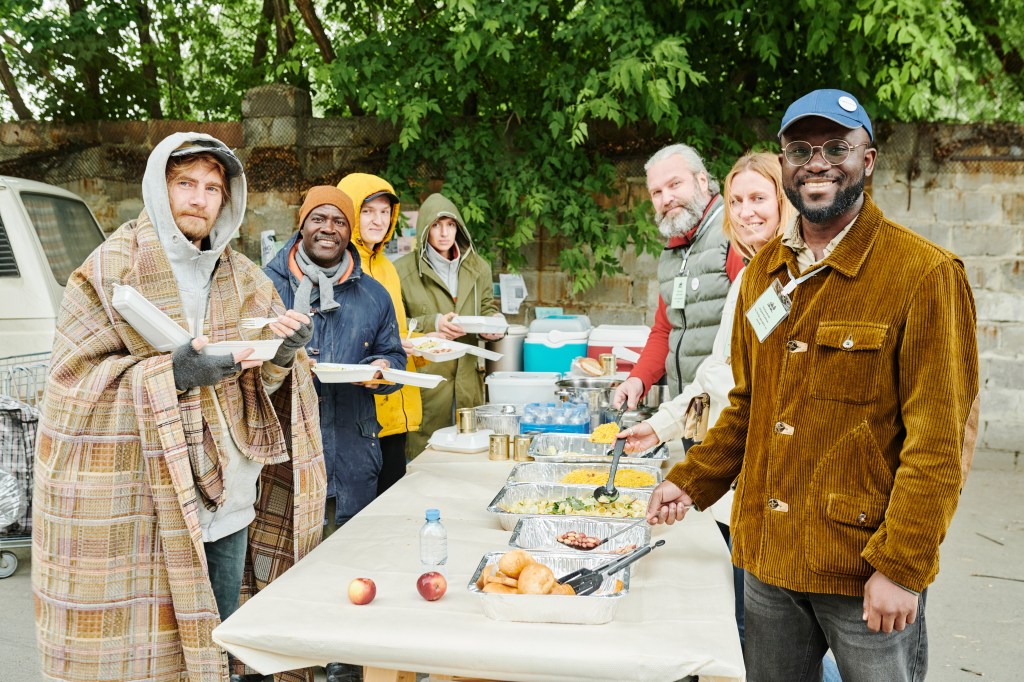
I don’t bother to even acknowledge these messages anymore. They teach me far more about cultural attitudes about hunger than about any disfunction in food assistance programs, but I continue to be shocked by the cruelty of this attitude. These writers believe their entire community should have less access to food because one person they don’t know anything about had more food than they were comfortable with.
Unfortunately, this isn’t an attitude exclusive to internet lurkers. It’s also an attitude regularly reflected in food pantry volunteers and organizational policies themselves, particularly in how they maintain power dynamics and expect clients to act with humility. This is why recipients of food assistance responding with joy and excitement to a few days of food security is so triggering.

We live in a society that is actively working to disregard the humanity of the people around us by reinforcing systemic oppression. This directly reflects in how we think about, talk about, and fight hunger. Our anti-hunger systems have long sought to control the behavior and the attitudes of people experiencing hunger in a way that demeans rather than uplifts these individuals.
How can food justice advocates bring empathy back into the fight against hunger?
- Advocate for the humanity of the people you serve. Have conversations about how you don’t want to live in a world where it’s okay to ignore hunger, or to deliberately deprive people of the resources they need to survive. Make people say who they think should starve to death. It’s true this is an aggressive position, and you may lose volunteers or donors. But it’s important to recognize that if individuals believe there are people who don’t deserve to eat, they are not doing your anti-hunger organization any good anyways.
- Remind people that hunger-free communities benefit us all. In a world that prioritizes our own self interest, it’s not wrong to discuss how supporting our neighbors also improves our own lives.

- Practice self-care. There’s nothing more exhausting than the emotional labor of trying to convince people that they should care about others. I’ve discussed before the work that goes into welcoming nervous clients using stigmatized services, but it’s equally important to recognize that fighting hunger requires engaging with people who advocate for cruelty over compassion.
While arguing with them is rarely productive, anti-hunger advocates are often forced into positions where they must connect professionally. Do what you must do to shake off this ugliness- a primal scream in the walk-in freezer, cuddle your pet, aggressively weed your garden, or eat a bar of fancy chocolate.
There is nothing more important right now than our front-line advocates maintaining their ability to practice compassion and ask it of others.
Previous Post: Don’t Offload Food Waste onto Pantries
The opinions expressed here are solely my own and do not express the views or opinions of my employer.
Want to learn more about food justice? Subscribe so you never miss a post!
 Reintroducing justice and dignity to the fight to end hunger