How My Body Taught Me That Food Choices Matter

To honor my holiday vacation, I’m reposting this blog from April, 2023.

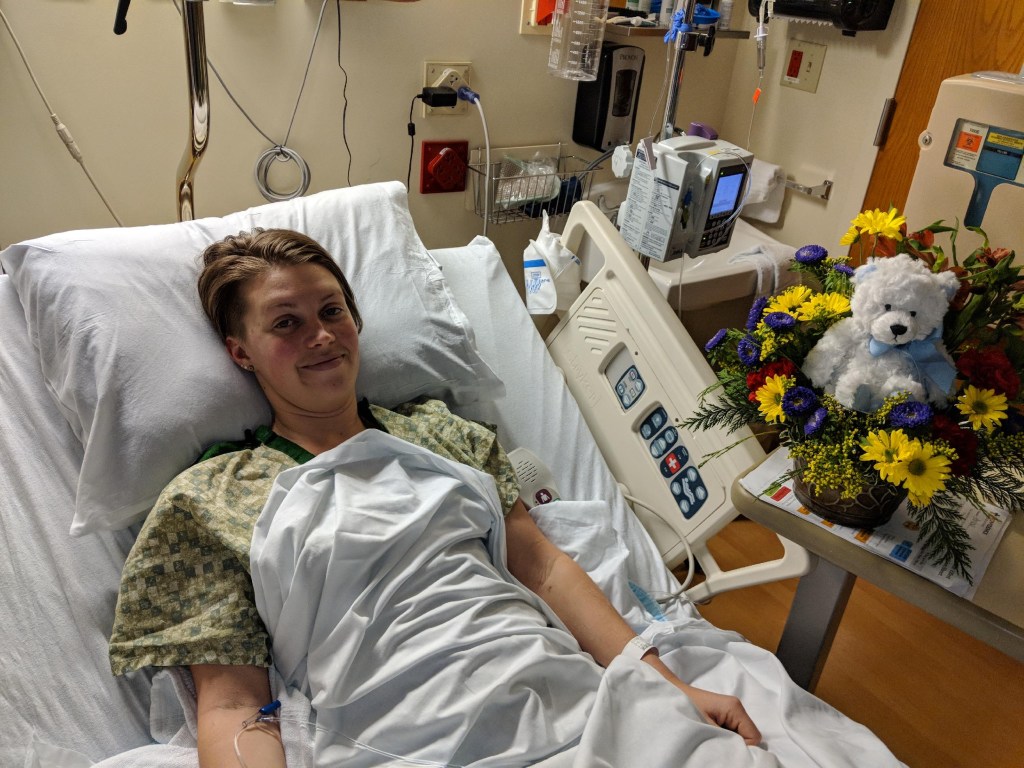
Eight years ago in mid-December, I checked myself into the ER. It turned out that my appendix had burst approximately three months prior, with all the complications that accompany a life-threatening infection. I spent 12 days in the hospital and had two surgeries before moving in with my mom for an additional month because I was too weak to take care of myself on my own.

I endured a year of slow recovery before something triggered my system that suddenly gave me near-debilitating arthritis and an increased sensitivity to foods. Over the next six months I slowly just stopped eating because being hungry was preferable to the pain, depression and fatigue that accompanied digestion.

Some foods hurt me worse than others, and I eventually reached the point where I ate little besides cabbage and avocados. I felt like I was dragging my body through the heaviest mud imaginable, and nothing could lighten the weight.  

I tried every diet I could find, was dismissed and mistreated by numerous doctors, penalized at work for talking to HR about taking medical leave, and was starting to panic that the future I envisioned might never materialize as my body continued to fail.

Through random chance, someone recommended a diet plan that excluded foods containing the lectin protein in seeds that are hard on sensitive digestive systems. It proposed eliminating all grains, fruits, and grain-fed animal products along with any preservatives. Within four days of starting this new plan, I began to feel better. I’ve now been following this diet for five years and in many ways have been able to return to the life I hoped for.

I became an anti-hunger advocate and food justice champion long before I got sick. I was already committed to making food a fun and communal experience rather than just a vehicle for nutrition.

But over the last five years of learning how sensitive my body is to my food choices, my understanding of food insecurity has changed dramatically.

My quality of life is entirely determined by my diet- how well I sleep, how much energy I have, my focus at work, and my capacity to manage emotional burdens. And my understanding of my nutritional needs is constantly changing and evolving.

I’m lucky to have always been able to afford and prepare the food I need. I could buy artichokes, sardines, and radicchio, all foods which at one time held an important role in my recovery.

But I know that if I was dependent on a food pantry or SNAP benefits for my nutrition, I would still be miserably sick. My diet would be determined by the options available, rather than by what my body needed.

I know that if I allowed someone else to determine what foods I eat- even someone well-educated in nutrition- they would not get it right. Everyone knows their own needs best, and my role working in food pantries is to facilitate that as best as I can.

Many people experiencing food insecurity have never had the opportunity to make intuitive food choices before. The food they eat is determined by what they can afford or what the food pantry is able to give them. I don’t want anyone else to ever be as sick as I was, so I am committed to ensuring that people facing food insecurity can choose what and how much they want to eat.

There are still times where I rage about the things my illness has taken from me- the freedom to eat out at a restaurant without scrutinizing the menu, the enjoyment of a good whiskey, or eating pizza with my partner.

But upon reflection, I also see that it has given me invaluable experience and the tools I need for being a better anti-hunger advocate and helping my food pantry always do better for the people we serve.

The opinions expressed here are solely my own and do not express the views or opinions of my employer.

Want to learn more about food justice? Subscribe so you never miss a post!

Building Safe Spaces to Fight Hunger

This upcoming November, recipients of SNAP will not get their benefits because of the ongoing government shutdown. A growing number of Americans are missing their car payments, a key indicator that all is not well with the economy. The threat of the military being deployed to American cities continues to loom.

In addition, growing fears of ICE using increasingly aggressive and brutal tactics makes public spaces less safe.

Despite the obvious and inevitable incoming growth in hunger rates, these conditions create a very real conundrum of rising food insecurity but fewer safe opportunities for people to access food.

Whether or not any of these factors make you personally feel unsafe, it’s important to recognize that they contribute to hunger rates. As anti-hunger advocates, we have an obligation to address it.

It’s easy to feel helpless in this situation, but there are still some very real steps that we can take to combat hunger with dignity and compassion.

Here’s how food pantries can help:

  • Minimize the amount of information you ask of shoppers. Visiting a food pantry is already a vulnerable experience, and many people associate pantries with the government, whether it’s true or not. Asking for no more information than you absolutely need can help shoppers feel more comfortable- and it should be a given that you never share any client information without a warrant.
  • Increase your distribution hours to decrease wait times. Building a system that allows shoppers to get in and out quickly helps people feel more in control of their environment and makes it easier to visit despite busy schedules. Allowing easy flow also makes it more difficult for any enforcement agencies to target your clientele.
  • Mobile markets. While difficult to organize and implement, thoughtful identification of locations for distribution empowers individuals to access food while feeling relatively anonymous. While these events still need to advertise their location, variable times and locations both improve accessibility and help people feel safer from surveillance.
  • Drive-through distribution. During the heart of the pandemic, we learned these are an effective way to get food to lots of people fast. While they don’t regularly allow freedom of choice, enabling people to remain in their cars may be a strong incentive for those who may not feel safe in public spaces.

One of the most important lessons that I’ve learned about fighting hunger is that addressing the biggest, most difficult barriers impacts the greatest amount of people. None of these suggestions are easy or simple to implement. But while they specifically intend to help people feel safe accessing food, they also increase access for individuals with disabilities, a lack of transportation, or schedules that don’t allow for regular pantry visits. Building safe spaces benefits everyone.

By putting in the extra effort to help our most vulnerable community members, we can have the biggest impact on hunger rates, and uplifting the dignity of everyone we serve.

The opinions expressed here are solely my own and do not express the views or opinions of my employer.

Want to learn more about food justice? Subscribe so you never miss a post!
Don’t Rebuild: Let’s Reimagine Fighting Hunger

Right now, my social media feed is nearly exclusively discussions on the reductions being made to anti-hunger resources. With cuts to Farm to School, SNAP, LFPA, TEFAP and more, the industry is shocked, panicked, and legitimately frightened about the future.

For impacts as tangible as cuts to the food supply, it’s incredibly hard not to focus on what we’re losing. Anyone who works in the food justice field knows that we simply can’t support the growing numbers of people facing food insecurity. Food banks and pantries just can’t meet the need as resources and food supplies are decimated.

While it remains essential that we strategize based on our remaining resources, I have been reflecting on how these cuts mean we’re no longer tied to these antihunger programs.

Their effectiveness has been deliberately whittled away, and they’re not doing what we need them to do.

This offers us a moment to fantasize about how we move forward. We have always known that our anti-hunger systems were inadequate, politically motivated, and rarely effective at addressing the root causes of poverty.

Rather than recreating what we had, we face an opportunity to imagine new possibilities.  

Untether yourself for a moment from the constraints of the current political environment, and brainstorm what we can change, rather than what we keep the same, to fight hunger.

My fantasy for achieving a hunger-free future:

What if, instead of restoring all the cut funding relating to food insecurity, we implemented universal healthcare? The average American in 2023 spent over $14,000 on healthcare (although the average in this case is somewhat misleading- some people spent astronomical amounts while others didn’t survive because they had nothing to spend.) In contrast, in 2023 Americans spent on average a little less than $10,000 on food.

Increasing access to healthcare (and hopefully its effectiveness too) and saving Americans this cost would more than cover the cost of food. While this wouldn’t address all the gaps in food access we currently have, it would make a significant impact alongside the added benefit of fostering a healthier population.

What would happen if instead of instead of maintaining WIC, we aggressively implemented programs ensuring that all women, LGBTQ+, and BIPOC individuals earned equal wages to white men and had mandated paid sick and maternity leave? Bonus points if we throw in universal free childcare, which has wide-reaching social and economic ramifications.

There’s ample evidence that rectifying the gender pay gap effectively fights poverty, stimulates the economy, and improves retention rates for businesses.

What if we reallocated ALL of the funding our nation is currently putting toward militarizing the police, and established accessible housing for every single American? The U.S. Congress has allocated a little less than $20 billion to fund ICE this year, while in contrast, estimates to end houselessness range from $10-30 billion.

Are these realistic or simple tradeoffs? Absolutely not. Policy is never simple, and we live in difficult times. Making these changes won’t solve anything overnight- we will still need programs actively offering food to people facing insecurity.

But despite this, right now is exactly when anti-hunger and food justice advocates should brainstorm new ways to fight hunger, without restraint. Most advocates will agree that the tools we’ve been using are ineffective and clunky. If they’re being actively dismantled and we’re starting from scratch, we shouldn’t build systems that recreate the inadequacies of the past. We should build new tools that move us towards an anti-poverty future and not just a less food insecure one.

The opinions expressed here are solely my own and do not express the views or opinions of my employer.

Want to learn more about food justice? Subscribe so you never miss a post!
No August Posts

Hi readers,

While I think it’s important to maintain a consistent blog schedule (and I have a lot of fun doing it,) I have decided to take August off from any new posts.

I’m ready for a break, but I’m also going to be acting as a grant reviewer for the USDA’s Local Foods Promotion Program and I know from past experience that it demands a lot of brainpower in a short amount of time.

Check back here September 1 for the next new post!

Happy Summer!

Anina

The Distinct Challenges of Rural Hunger

I started my food justice career increasing access to healthy foods in several rural communities in eastern Montana and then in eastern Oregon. These towns were small enough that there was little industry, and no local grocery store. Residents had to drive at least twenty miles to buy groceries, and the high cost of fuel meant that this was a trip that few people could afford more than twice a month. The consequences were that food insecurity rates were high.

Both of my communities had small food pantries, one which depended primarily on donated game and beef from local farmers, and another which was stocked with canned goods. While these little organizations might have prevented starvation, they lacked the resources and capacity to really serve the needs of neighbors with dignity and abundance. One of them was well-known for the handsy coordinator who would grope any woman who visited. Many people chose not to seek food assistance rather than endure his harassment, while others had no other option.

While hunger is a problem everywhere, the challenges that my neighbors faced in these isolated, rural communities were different than the obstacles I see for my urban clients. While the root causes are universally barriers to accessing wealth, effective strategies for addressing them are very different.

What are the barriers to rural food security?

  • Poverty rates are higher in rural America with less access to wealth. Wealth, resources, and industry tend to be concentrated in urban centers.
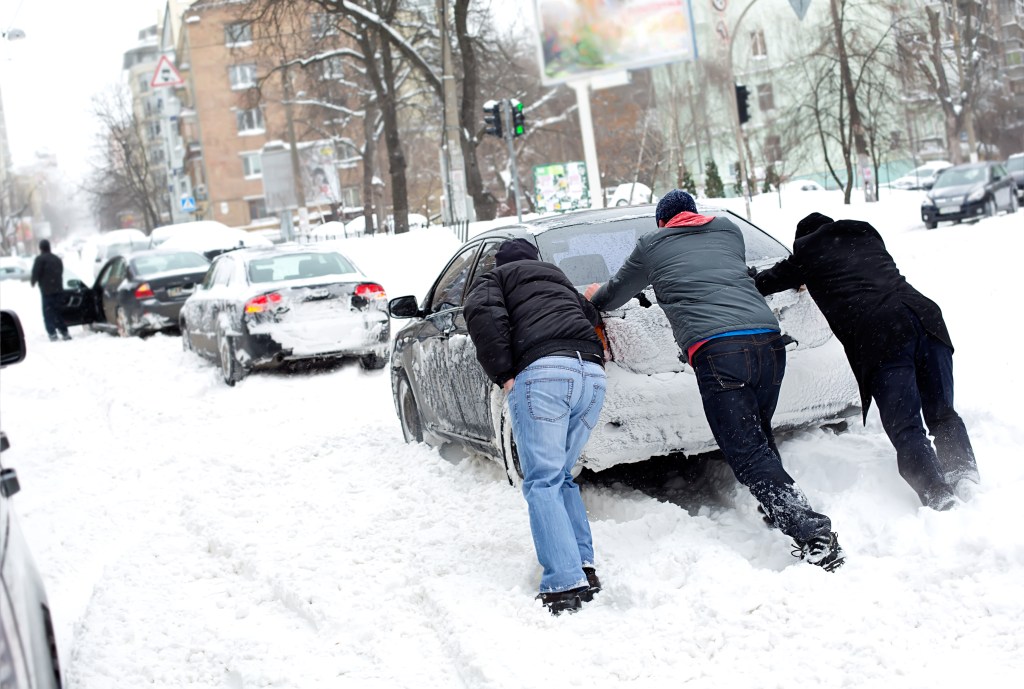
  • Transportation needs are higher, and more limited in rural regions. Without easy public transportation, rural living demands use of a car. For people who don’t have one or can’t drive, this means they must entirely depend on other people or delivery services for food access. Obstacles increase with weather disruptions, like snowstorms or extreme heat, which makes communities even more vulnerable to hunger.
  • Fewer support services. Food banks, pantries, health clinics, and other services generally concentrate in urban centers. While some isolated communities have food pantries, like the ones I worked with, a lack of education, oversight, and increased racism and discrimination often makes them less accessible or useful.

How can we fight rural hunger?

SNAP empowers people to make their own food choices, and is efficient because once a family is signed up, they are able to receive and use benefits without additional costs or demands (beyond the state expectations for maintaining eligibility.)

One of the biggest barriers to using SNAP is that the application process can be invasive, and many people may be deterred by the fear that they aren’t eligible for enough funds to justify the effort. Leaning into tools like SNAP Screener that can help people see how much they are eligible for and connect with support on their application are effective ways to encourage participation.

  • Mobile pantries. This is a solution that I both love, but also recognize as vastly inadequate and inefficient. A mobile pantry offers a temporary solution for bringing quality food to areas that otherwise might not be able to reach it. (There are increasing models of mobile grocery stores which bring affordable produce to areas that otherwise can’t access it, which is another great option for people who have the capacity to buy it.) This solution is vulnerable to disruption and may not offer appropriate options for the specific needs of the community, but can also be a powerful way to start a conversation about access, and get people the food they need to eat today.

The opinions expressed here are solely my own and do not express the views or opinions of my employer.

Want to learn more about food justice? Subscribe so you never miss a post!
It’s Time to Empower Leaders Who Know Hunger

I recently had the opportunity to consider a position as a leader in an anti-hunger organization, but it quickly became apparent that the priority skillset for this position was financial management rather than food security. I am incredibly confident that when the position is filled, it will be by a man with a background in banking or investing rather than nonprofits.

While I recognize the significant financial responsibilities of running an organization, I argue that it’s hard to solve a problem you don’t know much about.

This is one of the reasons why hunger policy so easily goes astray- it’s mostly written by people with no lived experience.

(To be clear, I don’t have lived experience of hunger either. This incident simply highlights for me the reality that this industry is one which rarely prioritizes leadership from subject matter experts.)

Modern day society generally accepts that people are wealthy and successful because of hard work and good choices, and that poverty results from laziness and failure. The result of this thinking is that we deliberately seek leadership from people we view as successful, which excludes anyone intimately familiar with poverty.

More than half of our Congress are millionaires– are we really surprised when they are ignorant of the burden of the cost of groceries or childcare?

This practice facilitates policy decisions based on how these wealthy individuals feel about hunger rather than the reality of the experience. It perpetuates solutions that are often inadequate, ineffective, and sometimes harmful to the people they intend to serve.

Luckily, we are in a time of transition in the movement to end hunger. In the last couple years, the field has made significant progress in uplifting the voices of people with lived experience. When we recognize that poverty is a societal, rather than individual problem, we can appreciate the incredible skills, strategies, and strength of people who live it.

Nonetheless, nonprofit leadership roles in the US continue to be dominated by wealthy, white individuals without lived experience of poverty or hunger.

The transition to elevate those with lived experience into leadership has been slow. This requires a redistribution of power, and few people or organizations relinquish their advantages willingly.

While running a nonprofit requires strong leadership and administrative experience, it’s time we broadened our definition of what a strong leader looks like to ensure we are uplifting the people most capable of addressing society’s biggest problems.

Instead of prioritizing financial success in our leaders and hiring anti-hunger experts, why don’t we prioritize anti-hunger experts and hire the staff who can help achieve their ambitious agendas?

What are the qualities necessary for leading an effective anti-hunger organization, if we’re not focusing on business acumen?

  • A clear vision. Anti-hunger organizations choose from a variety of goals, including ending hunger, preventing starvation, offering temporary aid, or ensuring everyone has equal access to an emergency supply.

Clarity of vision starts with executive leadership undertaking thoughtful reflection, study, and goal setting with the explicit recognition of the privilege and experience on their team. When leadership doesn’t have a reality-based vision, staff and volunteers must create their own which may or may not align with that of the organization.

  • An overflowing well of empathy. Serving people living with poverty, trauma, and hardship every day is incredibly taxing. It can be easy for leaders who aren’t doing the on-the-ground implementation to grow complacent or blasé about the impacts of this experience on clients and staff. Anti-hunger leaders should endeavor to learn about and understand the challenges of this work from both sides if they don’t have lived experience. A leader lacking empathy for the challenges of living with hunger or the emotional fatigue of fighting it does their community a disservice.
  • Trust. It is essential that leaders trust the experience and insight of staff and clients who fight hunger daily. Leaders may have great ideas about how to manage clients or food flow that are utterly impractical, so they need to trust their staff’s expertise. All employees also need to trust the people they serve, which starts with letting go of the assumptions our society clings to about poverty.

When we assume that we know what’s best for someone else, we stop serving our community effectively.

The opinions expressed here are solely my own and do not express the views or opinions of my employer.

Want to learn more about food justice? Subscribe so you never miss a post!

The Seasonal Cycle of Fighting Hunger

September is Hunger Action Month, a time to raise awareness about the prevalence and reality of hunger in America. I firmly believe that the way we think about hunger is the primary obstacle to solving it, so this month I am focusing on challenging the assumptions we’ve been conditioned to accept, and offer new tools for taking those ideas out into the world.

We have just started getting real autumnal weather here in Portland, Oregon. Heavy dark clouds unleashed a torrential downpour the other evening, and it’s starting to stay cool enough to keep my socks and sweatshirt on all day- a sure sign that summer is ending (I’m so ready!) Along with the weather, kids are in school again and it feels like my neighborhood is settling back down into a standard work routine.

In alignment with the season, anti-hunger organizations are also gearing up for the next phase of their work. For many nonprofits, September through December are the busiest months of the year thanks to holiday drives, donation campaigns, and increased need for services.

In my food pantries, it always very much felt like the transition from August to September went from 0 to 100 mph overnight as the needs of clients, donors, and volunteers all skyrocket simultaneously. This year is likely to be no different as our nation continues to face inflation, inaccessible housing costs, and a host of other challenges that leaves too many people food insecure.

While hunger is an increasingly chronic problem in the United States, there remains a certain seasonality to our efforts to fight it.

The needs of our neighbors and our ability to offer emergency food services fluctuate based on the time of year in a way that may not be immediately apparent to an onlooker.

Fall

With summer over and routines reestablished, it often seems like a regular food pantry visit returns to the schedule for many families. Food pantries often experience significant increases in clients from September through December.

In addition, the arrival of cold and harsh weather increases the cost of utilities which quickly depletes household budgets. Pantries and anti-hunger organizations see the greatest number of requests for nonfood items like rental assistance, bus passes, and warm clothing during this time. Few pantries have adequate resources to offer meaningful support on these, which increases the need and desire to give out as much food as possible.

Luckily, the onset of soup weather often increases shoppers’ interest in canned goods that they can store away for an emergency or supplement with the odds and ends they find at the pantry.

This season also includes numerous holidays that specifically celebrate certain foods. For many households who are just getting by, accessing something like a turkey or ham may be beyond their reach. Food pantries will often see clients who only visit once a year for these specialty items.

How to support your local pantry:

Sign up to volunteer! You’ve got time to become an operations expert before the chaos of the holidays really hits.

Donate food. Many pantries are already making plans for their holiday distributions, so consider reaching out to find out what communities are served and what foods help them celebrate their culture and connections.

Winter

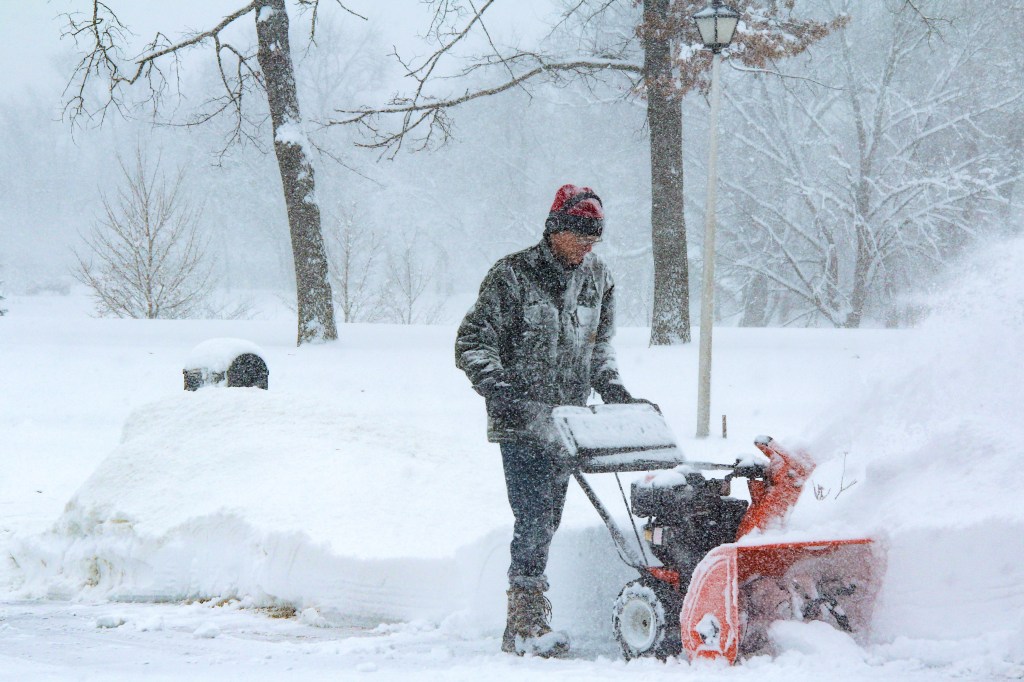
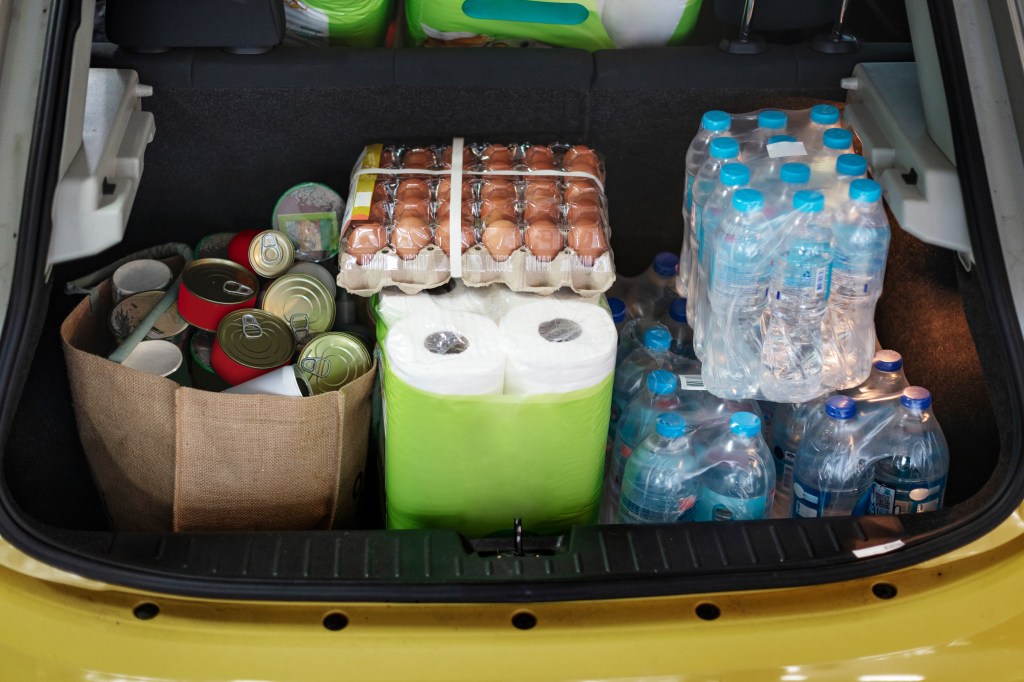
Increasingly bad weather makes waiting in line and shopping at a food pantry more difficult, which means pantries often see more unpredictable attendance. Additionally, in the same way that shoppers clean out a grocery store in the face of a winter storm, pantries experience the same. The weather continues to demand increased spending on utilities, clothing, and holiday gifts which amplifies the challenges that food pantry clients face.

This is the time of year when people are most interested in volunteering, which places huge demands on employees to facilitate volunteer orientation, training, and ongoing support. Be sympathetic if staff are slow to get back to your inquiries about volunteering and remember that a thousand other people have just done the same thing too!

How to support your local pantry:

Donate nonperishable funds or foods, including holiday specific foods.

Set a reminder in your phone to sign up to volunteer in January or later in the year, when the onslaught of volunteers evaporates but food insecurity continues.

Spring

In my experience, spring is the most routine and predictable season for fighting hunger. Many people are struggling to financially recover from the winter holidays, which means pantries have more consistent visits from clients.

Improving weather makes interruptions in food supply less likely and makes it more pleasant for clients to wait in line and access the pantry.

How to support your local pantry:

Host a food drive. The holidays often clean pantries out of their staples and specialty items, and it takes a while to recover.

Sign up to volunteer during spring break, when many volunteers go on vacation.

Summer

All the data indicates that food insecurity rates tend to increase during the summer when kids are out of school and lose access to free meals (although hopefully this is less likely with the implementation of SUN Bucks). Anecdotally, I’ve always found that my food pantries instead saw a drop in attendance, which I attribute to more erratic schedules with kids home from school and hot weather that makes it more uncomfortable to travel and wait in line.

How to support:

Volunteer! This is the time that volunteers go on vacation, which means more pantries are scrambling to meet their minimum staffing needs. Unfortunately, people generally only think about seasonal volunteering during the winter holidays, but if you really want to make a difference, summer is the time!

If your garden has excess produce, many food pantries will enthusiastically accept it. Just remember that if you don’t want to eat it (like wormy apples or nickel-sized green tomatoes), pantry clients don’t want to either!

The opinions expressed here are solely my own and do not express the views or opinions of my employer.

Want to learn more about food justice? Subscribe so you never miss a post!

Can You Be “Too Dependent” on Food?

“Our clients can only visit once per month,” a fellow food banker told me when comparing services offered by our respective organizations. “We don’t want anyone becoming too dependent.”

Most people know that food pantries lack the supply and capacity to provide shoppers with everything they’ll need to get through the month. Restricting visits and quantity is a common solution. But somehow, these limitations have become entwined with the idea that they also prevent people from growing “too dependent” on assistance. We justify providing inadequate resources in the name of fostering self-sufficiency.  

The belief that offering help reduces self-sufficiency shapes modern welfare. Ensuring that resources are never enough forces users to continue looking for other options to fill the gap; to work harder; to “better themselves.”

This idea assumes that there are other options.

Thanks to the myth of the American dream, we tend to believe there is always something one can do to escape poverty- work longer hours, continuing education, a higher-paying job, or smarter budgeting. At its core, this attitude embraces the idea that poverty results from a lack of effort, and that finding the right motivation is the key to success. Ensuring that welfare doesn’t provide security is supposedly that incentive.  

However, the reality is that economic mobility in the U.S. has never lived up to the hype.

The fear of dependency entirely neglects the reality of the environment around us- success is rarely achieved through individual effort. Most people who attain self-sufficiency enjoy inherited wealth, racial privilege, and social advantages not available to everyone. How hard we work has little impact on our economic mobility.

Preventing people from growing “too dependent” on things like food or other resources robs them of stability. Instead of enjoying the security of having their needs met, it forces individuals living in poverty to constantly scramble to make end meet. This instability makes it impossible to plan for the long term because the short-term is always a crisis of scarcity.

Hunger never happens in a silo. Denying a household adequate food, besides leaving them hungry, may force them to deplete their housing budget, fuel trauma, impede their health, reduce work performance, or have other harmful impacts.

Our disdain for providing adequate help is one of the very reasons keeping people in poverty.   

At its root, our preoccupation with the idea that someone might grow “too dependent” on food assistance boils down to the fear that they haven’t earned it. But the primary result of this policy is that it removes stability and security. We’ve institutionalized perpetual uncertainty for welfare recipients.

How can anti-hunger advocates fight the dependency narrative?

  • Be outspoken about why this is a ridiculous concern. We need food to live, so arguing against people becoming too dependent on a reliable food source is both absurd and dehumanizing.
  • Acknowledge the inadequacy of our system. Few organizations can offer enough food to fully support their clients. That’s ok, but make sure your community knows that it’s not enough. Don’t ignore or dismiss comments about the inadequacy of resources- empathize!
  • Advocate at every opportunity for increasing benefits, on the local, state, and federal level. We know that adequate support helps people succeed. Increased SNAP benefits during the height of Covid kept hunger at bay. Providing people experiencing poverty with a stable foundation is the best way to set them up for success.

The opinions expressed here are solely my own and do not express the views or opinions of my employer.

Want to learn more about food justice? Subscribe so you never miss a post!
Why Think of Food as Medicine?

At one of my food pantries, I once welcomed a couple looking tired and stressed. They were from across the state, and they explained that they were camping in their car while a friend was in the local hospital. They didn’t have money for a hotel or groceries, so the internet had directed them to us for help.

Food pantries are often poorly equipped to serve people without access to a kitchen, but we did our best to supply them with healthy options that didn’t require preparation or storage. They discussed the possibility of coming back once their friend was released from the hospital, to make sure this individual had a fully stocked pantry for their recovery. I never saw them again, so I never learned how things turned out. I can only hope that they all found the foods they needed to stay healthy.

There is no time where inadequate food access is more destructive than when someone gets sick. When the body is at its weakest is the time where we need nourishment for healing the most. My own experience with serious illness and the relationship with food allows me to vouch for the importance of what we eat for health and quality of life.

 Emergency food assistance programs are designed to prioritize processed and nonperishable foods, which means we’re working against the current to uplift fresh and whole options. SNAP is wholly inadequate for supplying a healthy diet.

With skyrocketing increases in diet-related illness like diabetes and heart disease, it should be abundantly clear that improving healthy food access is essential to keeping people healthy and out of the hospital and free from medical debt.

While traditional food pantries will continue to play a role, there are new models increasing access to healthy food through healthcare that deserve recognition for their effectiveness and innovation.

Food pantries in hospitals

While the logistics of starting any new food pantry are huge, and grow exponentially in relation to their commitment to healthy foods, incorporating food pantries into hospitals is an incredibly valuable strategy. I started my anti-hunger career running three school-based food pantries, with the theory that being located in schools makes them more accessible and less intimidating to families. The same concept applies here, only amplified. Either for visiting families or for outgoing patients themselves, having a food pantry onsite removes the burden of having to seek out this additional resource after the stress and exhaustion that come with a hospital visit.

Healthcare providers can have increased confidence that their patients will be able to stick with their nutrition plan, because they have been supplied with the specific foods necessary for their recovery. While this doesn’t remove barriers for people without access to kitchens, the physical ability to cook, or access to healthcare itself, this is still a valuable progression for increasing food access to our most vulnerable populations.

Prescription programs

Diet-related diseases are one of the most common, and most preventable illnesses in the U.S. Despite popular rhetoric, my decade in food access work has also taught me that the unhealthy foods that lead to poor health are often unavoidable for those living in poverty. People experiencing food insecurity know what they should be eating- but the barriers to healthy meals are simply too high.

The healthcare costs for managing diet-related diseases are astronomical- both for individuals as well as their health insurance. While the more cynical among us may observe that profits offer little incentive for change, it does highlight the opportunity for potential savings when healthcare providers invest in food. Ensuring people have access to healthy, fresh options has a substantial impact on their short- and long-term health.

Luckily, the medical community is beginning to recognize the potential value of programs connecting clients with fresh food. A new strategy allow doctors and healthcare workers to prescribe fresh foods through coupons or other tools that connect patients with fresh and healthy options.

There is a wide range of structures for how these programs can be implemented, but this model generally offers far more dignity than a food pantry. This system also has greater capacity to supply quality fresh produce, since it is being purchased rather than donated.


There are alarms sounding everywhere as food insecurity rises. Frustration at the inability of government to take effective action may prompt communities to push for opening more food pantries- but now is an opportunity to consider alternate models. We’ve been fighting hunger with roughly the same approach for the last fifty years- and now is the time to try something different.

The opinions expressed here are solely my own and do not express the views or opinions of my employer.

Want to learn more about food justice? Subscribe so you never miss a post!

When Are Clients Too Entitled to Food?

This week, I heard someone who works in the anti-hunger field ask a speaker how to handle (and prevent) food pantry shoppers feeling “entitled” to food, and I can’t stop thinking about all the ways to unpack this concern.

Anti-hunger and food banking staff do this work to have a positive impact on the world, with the bold aspiration of eliminating hunger entirely. With a fundamental ambition to do good, it can be hard to tolerate situations and people that don’t leave us with a warm glow.

When these interactions don’t feel good, it’s easy to justify a defensive response to preserve our feelings of appreciation and impact. Staff and volunteers should feel this way- but not at the expense of the people we serve.

Every food pantry client IS entitled to food.

The power differential that exists between food pantry staff and clients unfortunately offers an opportunity to demand behaviors from people experiencing hunger– commonly humility, gratitude, and submission. Giving free food to an individual who behaves in this manner is much easier and more gratifying than someone complaining about the selection, quantity, or model of distribution.

While some attitudes and behaviors are harder to deal with than others, everyone deserves to eat, no matter what. While it’s easy to say, “they can just go somewhere else” to avoid challenges or confrontation, this is false.

Finding transportation to another location may be impossible, distribution hours might not work with their schedule, previous incidents of harassment at other pantries may make them uncomfortable returning, or other organizations might not have resources that meet client nutritional or cultural needs.

I’ve heard tearful stories of food pantry clients being turned away because they didn’t have proof of address, citing fears of exploitation, or because an intake form was completed incorrectly, and they were accused of fraud. I’ve listened to panicked tales of waiting in line for an hour only to see the pantry doors close the moment the distribution ends, leaving clients still waiting without food.

These experiences elicit anger and frustration from people experiencing hunger, but this very justified emotional reaction too often leads to accusations of entitlement.

Believing that people aren’t entitled to food is synonymous with the idea that everyone doesn’t deserve to eat.

How do anti-hunger organizations perpetuate the idea that people aren’t entitled to food?

Are you open to criticism?

Defensiveness is often the first reaction to a complaint, especially when it’s something we’ve poured our heart and soul into making perfect. It’s entirely human to want to react to any attitude besides humility with deflection. As we’ve been conditioned to believe that hunger is an individual failure, it’s a logical next step to treat criticism as an attitude problem rather than a genuine concern. But dismissive attitudes towards shoppers can foster environments which consistently disregard the needs, and even the humanity, of the people we intend to help.

Catch your malicious compliance.

Are you holding your shoppers to the letter of the law, or the spirit? If someone was in line before you closed, were they really too late or can you still serve them? If a mistake is found in their paperwork, can you help them fix it rather than accusing them of ill-intentions? If someone is struggling to self-regulate, can you give them a granola bar and a bottle of water before accusing them of disrespect? Setting your guests up to fail is an active way to increase conflict, resentment, and hostility on all sides of the relationship between organization and community. Maybe your policies are inflexible for a reason, but I’ve too often witnessed their enforcement as a tool to demand submission from shoppers, which further models the acceptability of this attitude to volunteers.

If someone doesn’t get food from you, they might not eat at all.

Imagine the panic and fear of having your food security depend on someone else’s interpretation of your attitude. Consider the humiliation that accompanies the demand to humble yourself to deserve food to feed your family tonight. If we want to build anti-hunger systems that actually fight hunger, we need practices and models that support, rather than subjugate, people experiencing hunger. It is entirely possible, while uplifting the dignity and respect of every person experiencing hunger, to ensure everyone is served well. De-escalation techniques are a vital resources, and every direct service organization should host regular trainings so that everyone has the tools they need for their community to thrive.


Of course, this work is more fun when everyone is kind, humble, and deferential. But demanding this behavior implies that people experiencing hunger are only deserving of what we decide they’ve earned. Everyone is entitled to food, and it’s up to us as anti-hunger advocates to figure out systems that honor this reality.

The opinions expressed here are solely my own and do not express the views or opinions of my employer.

Want to learn more about food justice? Subscribe so you never miss a post!

Do Food Pantry Clients Deserve to Make Their Own Choices?

“Is it okay if I take two cans of beans today?” a food pantry shopper asked me recently as I was volunteering at one of my favorite local food pantries.

“You can actually take as many as you like- this whole room is unlimited,” I was happy to respond. The shopper’s eyes grew big, and they grabbed two more cans- totaling four of the kidney beans, and excitedly moved down the line. Other shoppers who were clearly regulars moved more confidently, some bypassing the canned goods entirely while others took several flats of the beans in my section. I estimate we averaged about three cans of each item per household for the day, although amounts ranged wildly among individuals.

Allowing this freedom of choice for shoppers is a radically controversial practice in the food banking community. There is an archaic, unsubstantiated fear that food pantry shoppers (and welfare recipients in general), are always seeking to exploit the system.

Setting limits on foods is often considered essential to protect from abuse. This attitude is based on the fundamental belief that food insecurity is a personal failing- that America is the land of opportunity where anyone can succeed with enough determination- and that poverty results from poor judgement, moral weakness, or a lack of effort.

This attitude justifies the strict policies that structure American anti-hunger programs.

Despite the rarity of welfare abuse, every conversation I initiate on the subject inevitably produces someone arguing with conviction that any misuse of welfare is intolerable, and we need stricter controls to prevent it. They’ve internalized the notion that welfare recipients have poor judgement which led them to poverty and need careful supervision to keep them on the right track.

This argument reinforces my belief that the fundamental problem with America’s anti-hunger culture is not that we’re short of resources, but that we have developed a system that focuses on punitive action and mistrust instead of solving the problem.

The focus on welfare abuse is the impetus for policies like time limits and work requirements for SNAP, and quantity and attendance limits at food pantries.

Rather than focusing on meeting the need or ending hunger, anti-hunger policies limit access to resources and deliberately ensure that they’re inadequate.

Arguments in favor of strengthening these limitations are justified by concerns about money wasted- that misused funds are lost opportunities to support those who “truly need it.” However, this argument doesn’t hold up. It’s not really about the money.

If we’re worried about everyone meeting their responsibilities when it comes to government funding, why does the discussion focus on welfare? There are hundreds of other examples of “wasted” federal funds with much higher price tags.

For example, wealthy Americans may deprive the US of up to $175 billion dollars a year in tax evasion. I have yet to hear someone concerned about welfare fraud express any frustration about rich people abusing the system, even though the impact is significantly higher than a few misspent SNAP dollars.

Why do we treat the person with an EBT card with more suspicion than we do the person driving a Lamborghini?

Fundamentally, our national consciousness views poverty as an indicator of immorality, and by institutionalizing this conviction, we’ve hobbled ourselves in the fight against hunger.

Limiting anti-hunger resources both perpetuates and reinforces the idea that people experiencing hunger are corrupt and looking to exploit the system. This is why we see discomfort with the idea that people in poverty have access to all the food they need. We still believe they haven’t “earned” it.

Anti-hunger organizations at every level need to examine their policies to see where they have internalized and institutionalized the attitude that people facing food insecurity can’t be trusted. Until our focus is on ending hunger instead of enforcing our narrow idea of morality, we’ll never be able to solve this problem.

The opinions expressed here are solely my own and do not express the views or opinions of my employer.

Want to learn more about food justice? Subscribe so you never miss a post!

Why You Oppose Giving People Too Much Free Food

I once worked with a food pantry leader who liked to prowl their pantry taking photos of the full shopping carts of clients. They used these photos to advocate for limiting how much food their visitors were allowed to take, adamant that no one really needed that much.

Why did they believe people were taking too much food?

Our client’s shopping carts were full.

The assumption about the needs of our visitors had nothing to do with the reality of their situation- whether they had a big family or only shopped once every three months or had a specific nutritional requirement. It was entirely based on the discomfort of seeing an individual living with hunger experience an abundance of food unconditionally.

While I wish this was a unique scenario, in my decade of food justice advocacy I’ve found that people are much more likely to have concerns about giving food pantry clients too much food than too little. Inevitably, someone voices fears that, left unrestricted, clients take more than they need, make inappropriate selections or don’t make the most efficient or cost-effective choices. 

Food pantries intend to prevent hunger by distributing free food. Why is there such a strong conviction that we have to control and limit these resources to end hunger?

As a student of American history, a quote from the author Horatio Alger (known for his rags-to-riches novels) comes to mind.

“The difference between the rich merchant and the ragged fellow who solicits his charity as he is stepping into his carriage, consists, frequently, not in natural ability, but in the fact that the one has used his ability as a stepping-stone to success, and the other has suffered his to become stagnant, through indolence, or dissipation.”

Horatio Alger, Ragged Dick

Horatio Alger’s 19th century stories about young men escaping poverty through sheer grit and determination are foundational to our nation’s conviction that hard work inevitably fosters success.

The ability to “pull yourself up by your bootstraps” is a primary tenet of the American dream and weighs heavily on efforts to end hunger. We’re taught to believe that the failure to be food secure is a personal one, typified by someone too weak-willed, corrupt, or lazy to put in the effort.

If you fundamentally believe that food pantry clients experience hunger because of a personal failing, it’s logical to endorse the idea that they need guidance from more successful individuals to direct them down a better path.

This justifies controlling how much food shoppers take and basing these limits on our comfort level rather than the reality of the need.

What do people mean when they are concerned about food pantry clients taking “too much food?” Often, I hear that “too much” means any more than the bare minimum for survival. It means having a couple cans left over by the time of the next pantry visit. It’s a whole family eating a heaping, unrestricted serving at meals. It means having leftovers. Referencing the Horatio Alger myth, it is enjoying abundance without earning it through the perseverance we think escaping poverty demands.

Food pantries may occasionally implement limits because of a constrained food supply. However, it’s important to examine the instinct to restrict food based on our comfort level and the judgements we make about poverty when implementing programs to eradicate it.  

The fear of someone experiencing hunger taking “too much food” ultimately hobbles how effectively we combat the problem. Food justice organizations need to actively encourage abundance and provide the needed resources without imposing assumptions about hunger upon those living the reality.

The opinions expressed here are solely my own and do not express the views or opinions of my employer.

Want to learn more about food justice? Subscribe so you never miss a post!

Why Food Banks Can’t End Hunger

When people don’t have enough to eat, giving them food can seem like a good solution. However, hunger isn’t that simple. Food isn’t enough.

Providing people with emergency food is an essential responsibility. People need food to live and to thrive, so the importance of services provided by food banks cannot be overstated.

However, giving away free food does little to end hunger in the long-term.

While we can hope that providing food at a food pantry frees up a couple dollars for buying other necessities, it is unlikely. People only visit a food pantry when they are short of money for food in the first place, so while the food may keep families fed in the moment, it rarely empowers them to change their spending. Shopping at a food pantry is more likely to free up funds to pay rent or a utilities bill, or buy medication, or new shoes for their kids, than to build savings. It can allow people to better meet their immediate needs, but is unlikely to change outcomes. The idea that a couple dollars savings can change our financial outcomes just won’t die, which is why people continue to argue that minimal aid is enough to pull someone out of poverty (and why poverty is an indicator of a lack of effort).

But giving away free food is easier than digging into the root causes of hunger. When we recognize that food isn’t the answer, we must examine the conditions that make people food insecure in the first place.

While hunger is largely typified as an individual problem and a personal failing, data shows that systemic barriers are the root causes of poverty and hunger.

Giving food away to single mothers does little to empower them if they make less money than their male peers. Offering food assistance to LGBTQ+ individuals is only a small help when they face increased risks of employment and housing discrimination due to their identity. Free food for BIPOC individuals is inadequate insulation against daily racial discrimination, harassment, and violence.

Discrimination ensures that vulnerable populations make less money and have less stability, which increases their capacity to access food and risk of food insecurity.

In America, we love to believe that working hard begets success, and that a lack of success is a symptom of laziness, poor judgement, or a personal failure. This attitude excuses us from addressing the inequalities that perpetuate hunger.

While it’s certainly discouraging to recognize that we can’t end hunger through our local food pantry or food rescue program, when we don’t call this out we perpetuate the blame and shaming of hunger on the individual. Systemic problems require systemic solutions, and that starts with evolving our understanding of the root causes of hunger and poverty.

Food banking is an essential tool for keeping our neighbors fed, but it is not the vehicle through which we can end hunger.

The opinions expressed here are solely my own and do not express the views or opinions of my employer.

Want to learn more about food justice? Subscribe so you never miss a post!

You Can’t Build Food Justice Through Efficiency

I recently had a conversation with a volunteer at a food pantry who voiced frustration that the organization didn’t seem to be thinking about the client experience. They observed that volunteers were being discouraged from restocking empty shelves even when there was ample food, and that clients were told they should “come earlier” to get high-demand items rather than asking volunteers to help meet their needs.

Due to a shortage of help, leadership was seeking to increase efficiency and reduce the demands on volunteers. As a result, clients were exasperated and volunteers fearful that the shopping experience was increasingly humiliating and disrespectful.

I understand these decisions and why they happen. Managing a pantry’s food supply in all its complexity is exhausting and takes careful juggling, rapid assessment, and confidence in your instincts. (Overseeing food flow is one of my favorite parts of pantry operations- it’s an art form!)

The nonprofit sector is intimately aware that volunteer rates are decreasing. While many organizations experienced a surge in volunteering during the pandemic when unemployment was high, most have now returned to work and cut back on their service.

As a result, food pantries are rethinking their operations to run with less help, and the primary way to do that is by increasing efficiency. While it is an essential component of any institution, this volunteer’s concerns demonstrate how it can also subtract focus from the true mission of fighting hunger.

Why not efficiency?

Efficiency is all about achieving a goal with as little energy, waste, or effort as possible. In many businesses, this is important and logical. But when it comes to anti-hunger efforts, it’s vital to remember what your organization is really hoping to achieve. If our mission is to end hunger, then efficiency may not be the best path forward.

There is an intensely emotional component of using food assistance. It can feel incredibly vulnerable to ask for help.

I’ve heard hundreds of stories from people who had a negative experience at a food pantry and chose to go without food rather than risk such treatment again.  Even worse, individuals may internalize the idea that they must undergo disrespect to deserve this help (“I need to be grateful for whatever I can get”).

Both experiences are unacceptable.

How can food pantries ensure that they are not sacrificing the client experience in favor of efficiency?

The most important component is to develop an organizational culture that prioritizes dignity and intentionality. Food pantries with cultures that concentrate on the client experience empower their volunteers to go the extra mile for individuals walking through their doors.

Whatever your goal is, here’s how to examine the balance of efficiency and dignity within your organization:

Unlike a for-profit business, the end goal does not justify the means. We’re not building food justice if clients leave feeling disrespected, neglected, or without the food their family needs to feel nourished and safe. We’re failing in our services if the volunteer experience sacrifices that of individuals seeking food assistance.

Negative volunteering experiences reduce the number of volunteers, which further pushes organizations to lean on efficiency over dignity. Without intervention, this produces an endless cycle that leaves neither clients nor volunteers feeling fulfilled or satisfied.

While we should always be brainstorming ways to improve food assistance, it’s important that we do so in ways that lift up food justice first, even at the expense of efficiency.

The opinions expressed here are solely my own and do not express the views or opinions of my employer.

Want to learn more about food justice? Subscribe so you never miss a post!

You Can’t Solve Hunger with an “Us” vs. “Them” Attitude

At one of my previous food pantries, we had a volunteer who was perpetually cheerful, eternally welcoming to clients, and one of the most compassionate individuals I could have chosen for our team. This individual was also a client who regularly used our services.

They always made a special effort to greet the clients waiting in line two full hours before we opened. When I expressed my appreciation, this volunteer explained that as a shopper they loved our team’s welcoming habit of checking on those waiting in line.  They wanted all our visitors to feel the same way: like an equal, appreciated, and respected.  This client-volunteer’s efforts transformed our shoppers’ food pantry visits from a degrading and shameful experience into a moment of feeling dignified and respected.

Unfortunately, even in 2024, judgement, bias and “otherization” still permeate the policies and practices of many anti-hunger and community support organizations in the United States. 


 As an example, some anti-hunger leaders and organizations still discourage volunteering by their own clients.  Allowing clients to be insiders, they argue, increases the risk of conflict of interest, abuse of power, and manipulation of the food supply. 

In my years managing food pantries, I’ve seen all these unfortunate behaviors.  However, I’ve never once witnessed this type of behavior from client volunteers. I have regularly witnessed it from advantaged and entitled volunteers or non-profit supporters with no lived experience.  And too often, I’ve been instructed by leadership to ignore these negative behaviors, especially if confronting them risked alienating donors or friends of the “inner circle,” while also being responsible for ensuring my clients don’t violate the same rules. Despite all evidence to the contrary, these policies reinforce the attitude that people facing food insecurity can’t be trusted, and should depend on the wisdom and leadership of others.

This baseless concern about client volunteers is just one way that we project our biases and assumptions about hunger onto clients without any real basis in reality.  We are long overdue to abandon these assumptions about food insecurity.

As Americans, we’ve been conditioned to assume that people who use welfare or need food assistance are untrustworthy, unreliable, and make poor choices.

As a result, most elements of food pantry and emergency food assistance policy are based on this assumption- that we must protect these programs from abuse and corruption, instead of ensuring families have the food they need to thrive.  Turning away volunteers with lived experience deprives organizations of essential insights and perpetuates the stigma and discrimination that accompany hunger.


Having clients serve as volunteers can be uncomfortable because their presence and input requires us to check our biases and pay closer attention to the experience of being a food pantry client. Clients serving as volunteers gives food pantries an opportunity to learn their weaknesses and strive to do better, if we can foster the humility for this lesson.

But it’s also essential to make sure that we are not using these clients as our primary sounding board for educating on dignity. In the same misguided way that too many people called on their friends of color to educate them in racial justice issues in 2020, it’s important we do the work to research and learn the reality of hunger without exploiting our community.

As someone without lived experience of hunger, I try to provide services that I have never myself depended on.

As a result, it’s easy for me and my colleagues to fall victim to the assumptions and biases that abound surrounding food insecurity and food assistance.

This is why building spaces for those with lived experience to safely speak up is essential, and why it’s important to evaluate whether your organization is a safe space for that vulnerability.

If we can transform our anti-hunger institutions into centers of humility and compassion for continual growth, we can amplify our impact by moving beyond assumption to ensure we’re addressing the problems our neighbors face, and not the ones we think they do.

Major appreciation to Kern Herron for his input on the writing of this post.

The opinions expressed here are solely my own and do not express the views or opinions of my employer.

Want to learn more about food justice? Subscribe so you never miss a post!

Building a Food Justice Career

My Mom wanted me to be a lawyer. I like to write, and she says I’m good at developing arguments… However, I always knew I was looking for something else. Following college, I was interested in sustainability, but wasn’t sure what a career might look like. Then I attended a sustainability networking event and upon hearing my story, a fellow attendee pointed out, “You grew up on a farm. You should do sustainable agriculture.” From there, it was a quick journey from nutrition and gardening education to building food access and alternative food systems.

Over the past several months, multiple people have reached out to me seeking wisdom and advice about entering the field of food justice. Working in nonprofits is hard, and anti-hunger opportunities can be few and far between as well as competitive. However, there is also lots of opportunity and energy in this area right now, and we certainly need all the most skilled, ambitious, and creative minds on the job.

This week I’m sharing my recommendations on embarking on a career in anti-hunger and food justice. In reality, though, this is all applicable to any field.  

  • Informational interviews. Asking someone to share career advice is daunting and intimidating, but this is my favorite method for learning what the work really looks like! At the start of my career, I did most of my networking via personal recommendation and word of mouth, but social media makes things significantly easier now. Identify professionals that you admire and reach out to see if they’re available for a quick conversation.

I like to ask how they ended up in their current role and the skills they think are necessary for success there. My favorite question to end on after explaining my own career trajectory is, “what would you do next if you were me?” I also ask for recommendations of other people to speak to, and if they can offer an introduction.

Informational interviews have helped me land several jobs because when opportunities arose, I was fresh on the mind of my acquaintance. Although scheduling in today’s hectic world can be exhausting, many people like giving interviews. It’s flattering and fun to offer guidance that leads someone towards success!

  • Volunteering. Although I recognize that having the time and capacity to volunteer is a significant privilege, you should lean into it if it’s an option. Sign up for a shift at your favorite nonprofit to learn how they operate, get to know their community, and maybe even anticipate their future needs. I’ve seen many nonprofits hire their best volunteers when they need more staff.
  • Education. I experience my best learning from reading physical books, but there is an abundance of online articles, webinars, podcasts, or documentaries to suit your learning style. Familiarize yourself with the discussions that are currently taking place in the field and who is hosting them. After a while, you’ll start to recognize trends and opportunities for further engagement. You might also discover new areas of interest for yourself!

The books I consider foundational for my own anti-hunger education (that I regularly revisit when I need inspiration) are: The Stop by Nick Saul, Big Hunger by Andrew Fisher, and Reinventing Food Banks and Pantries by Katie Martin. But there are many incredible options on hunger, food justice and sustainability that are worth exploring.

It is important to remember that you don’t have to be a food security expert to thrive in this field. We need people with strong writing skills, creative marketing expertise, thoughtful fundraising strategies, in-depth data analysis, and many others. Many organizations are excited to hire people with these hard skills and teach them their application in food justice. No one starts out as an expert, and we all know that it takes a large and diverse community to solve hunger and build food justice.

Finally, I have to call out the importance of seeking out a workplace that honors and supports you. Although we’re making great progress, there are still plenty of nonprofits out there who do not support their staff the way they deserve to be treated. It’s important to recognize this reality, and assess your tolerance level for this treatment (in a perfect world it should be zero, but I know plenty of people don’t have the luxury of picking and choosing their ideal employer). Pressuring anti-hunger organizations to treat their staff with dignity and respect is an essential step for achieving the same toward treatment towards clients.

The opinions expressed here are solely my own and do not express the views or opinions of my employer.

Want to learn more about food justice? Subscribe so you never miss a post!

Are You Gatekeeping While You Fight for Food Justice?

As a resident of Portland, Oregon, my city is famously mocked for once buying up all the kale in the face of an approaching snowstorm.

Kale is a popular superfood. It’s a power-packed leafy green that is versatile in salads, smoothies, soups, and more. I confess I’m a fan and regular consumer.

But at a food pantry just outside of Portland, we used to receive regular donations of kale while almost always struggling to give it away. Our clients just didn’t seem interested.

This week I finished reading How the Other Half Eats by Dr. Priya Fielding-Singh, who at one point examines kale’s cultural context. She observes that “…kale is generally marketed toward and endorsed by upper middle class, primarily white people. Because of that, while kale may be healthy, it is seen as a wealthy white person’s food, making its appeal culturally limited and its glorification culturally alienating” (123).

America aggressively condemns SNAP recipients for buying expensive food like organic produce. Theoretical examples of welfare fraud almost always reference lobster. Promotions for building food security depend heavily on learning to cook dry beans. It’s been made very clear that people living in poverty aren’t supposed to eat the same foods as rich people.

In a food pantry, where every food choice is often judged and scrutinized, it makes complete sense that clients shy away from a food we have all been taught to see as part of a rich person’s diet.

Because every food has a cultural context, it’s essential that we explore intangible barriers like this to see how our attitudes influence the landscape around us.

Kale Versus Collard Greens

Kale and collard greens are closely related, with almost identical nutritional profiles. Yet their place in foodie culture heavily impacts which one people eat, depending on their background.

Despite their similarities, kale is lauded as a powerhouse superfood while collard greens are judged for their place in soul food, southern-influenced cooking identified with Black America which is stereotyped as much less healthy.

The stereotypes and assumptions we carry about foods like kale and collards build barriers just as significant as any challenge of cost or access.

There is no “right” way to eat. Every culture has a culinary tradition on which people have thrived for hundreds, if not thousands, of years.

Our cultural obsession with identifying “right” and “wrong” foods fails us and the communities we come from.

Building food justice means ensuring that everyone has access to the foods that they want to eat and are not constrained by the ideas of what society has established their identity should eat.

How Do We Practice Embracing All Food Choices?

  • Find out what food pantry clients want to eat. What are the dominant cultures shopping at your pantry, and what are their essential foods? It’s also important to examine why your organization does not offer them already (if that’s the case). Were they evaluated in comparison to other foods in making this decision? While these foods may be more expensive or harder to find, their absence likely reinforces existing biases about what foods are good or appropriate for shoppers.
  • Recognize and call out bias. I often witness volunteers celebrating certain kinds of donations, like cheese or expensive options which are familiar to them, while donations of lemongrass and lamb are ignored. Evaluating foods as we see them makes it very clear which foods are valued and celebrated, and what are not. Finding ways to celebrate all foods can help stop reinforcing attitudes within the organization, and grow your teams’ understanding of food justice.

The opinions expressed here are solely my own and do not express the views or opinions of my employer.

Want to learn more about food justice? Subscribe so you never miss a post!

Are You Really Fighting Hunger if Your Staff Can’t Afford Food?

At the very first food pantry I ever worked at, our parent organization (one of the biggest nonprofits in the region) was enthusiastic and vocal about prioritizing the client experience. I was excited to partner on this mission, until I learned that this focus on client services was achieved at the expense of staff. Our leaders were adamant that the organization could only afford the most minimal wages and benefits to ensure maximum support for our clients. Because I could not afford groceries on this wage, I became a client at my own food pantry.

Although this happened over a decade ago, it is a pattern I have seen repeated at every food pantry I’ve worked with since. Full-time staff members unable to support themselves or their family on their wages become clients of their own services, which the organization provides without a second thought.

Can you really be an anti-hunger advocate if you’re not willing to make sacrifices for the mission? This attitude is pervasive, and perpetuates a culture that actively inhibits people from thriving while doing this work.

Why is food insecurity accepted within anti-hunger organizations?

American society has narrow attitudes about nonprofits. The belief persists that nonprofit employees should do the work out of the goodness of their hearts rather than for the money.

I once had a Board member brag that our organization paid staff in “heart” to make up for low wages, as if that was an achievement to be celebrated that employees would appreciate.

Paying individuals less than a living wage is a primary cause of food insecurity.

Whether or not money is a motivating factor for nonprofit professionals, it does not mean that we are somehow exempt from paying rent, buying gasoline, or the rising cost of groceries.

When organizations advocating for food justice perpetuate food insecurity, it should throw serious doubt on their commitment. Denying employees the resources to buy their own food while employed at an anti-hunger institution demonstrates a perversely performative interest in fighting hunger.

While every organization benefits from leadership who knows what it’s like to be food insecure, we should not tolerate those that force lived experience upon their employees.

Food banks and pantries who recognize hunger as a systemic problem rather than an individual responsibility are slowly beginning to demonstrate it by working towards institutionalizing living wages.

This is not a simple or easy change. Nonprofit culture uplifts and celebrates low overhead costs and strong client services, an attitude deeply internalized by funders. My previous food pantry regularly received donations specifically allocated for food to ensure that it was spent on clients rather than staff. But this is short-sighted. Who do donors anticipate will do the work if no one should be paid?

Most nonprofits already lean heavily on volunteers, and have paid staff for the jobs that require additional expertise, reliability, or confidentiality. The nonprofit field is one place where these professional individuals are regularly degraded for seeking a comfortable wage that appreciates their skills.

Developing effective solutions to social ills requires that we have the most creative, passionate, and enthusiastic people working on the problem. But the nonprofit field as it currently exists offers weak incentives for attracting or retaining these individuals.

Ending hunger is a complicated and multi-faceted challenge. Amidst the complexity, it’s easy to ignore how we treat the people doing the work. Paying anti-hunger advocates a living wage requires changing priorities, educating funders, and adjusting budgets. But the long-term implications are higher retention rates, improved productivity, stronger competition, and one less client waiting in line at the food pantry.

Next steps:

Check out some resources for starting these conversations from the Next Shift, a campaign encouraging anti-hunger organizations to examine internal processes and attitudes about social justice parallel to their external goals.

The opinions expressed here are solely my own and do not express the views or opinions of my employer.

Want to learn more about food justice? Subscribe so you never miss a post!

Food Justice IS Social Justice

I spent the last three years working at a food pantry committed to fighting hunger. My efforts centered on ensuring as many people as possible left our facility with as much food as they wanted while prioritizing access to culturally specific and healthy options. I firmly believe this pantry could have served as a national model of excellence, but I also recognize that even the best food pantry in the country can’t solve hunger through food distribution.

The public generally assumes that we need more food to fight hunger. People experiencing hunger don’t have enough, so we must develop solutions that offer more. Too often, anti-hunger advocates focus on how to access and distribute more food through uplifting programs that reduce food waste and increase agricultural production.

Although this is logical (and an effective piece of a much larger strategy), it oversimplifies the problem and neglects to consider the conditions that produce hunger in the first place.

Food insecurity is a result of systems of oppression.

Racism, sexism, ableism, ageism, and other forms of discrimination stop people from accessing the resources they need to thrive and the food they need to live.

Racial discrimination keeps people of color from amassing wealth at the rates available to white Americans. The gender pay gap ensures that women have less buying power than men. LGBTQ+ individuals face employment and housing discrimination that makes them more vulnerable to job loss and houselessness.

While all these individuals absolutely need food to survive today, they will also need food tomorrow. Rather than maintaining a system that perpetually provides emergency food assistance, why aren’t we addressing the problems that leave them food insecure in the first place?

Undeniably, this is the more complex solution.

It is much easier to contact grocery stores for donations than to overcome systems of oppression. And it demands a focus on equity that we’ve repeatedly seen many of our neighbors are not comfortable with.

Food banks and pantries provide a convenient and accessible way for people to give back to their community and support their neighbors. These programs impose limits on services to ensure users don’t have access to everything they need under the mistaken assumption that offering stable food access will foster “welfare queens” and abuse of benefits.

This is why so many food access organizations prefer to offer food as the only solution to hunger. It doesn’t challenge the biases of volunteers, won’t upset the politics of donors, and still allows them to “do good” for their community. It also doesn’t end hunger.

Food justice, on the other hand, recognizes that we don’t have the capacity to perpetually fight hunger this way, and that a much smarter, more equitable, more just, and more effective solution is to eliminate it altogether.

Food justice forces us to recognize and address injustice around us.

This requires fostering an organizational environment that encourages learning, growth, and humility; the confidence to turn away from donors who don’t share these values; and a profound respect for the dignity of the people utilizing these services.

This is no small task, and I don’t mean to minimize the difficulty of transforming from an anti-hunger to a food justice mindset. But the one thing that anti-hunger organizations can do every day to facilitate this transition is to recognize the human right to healthy, delicious food without judgement or conditions.

Today is MLK Day, which means every organization with a social media presence is sharing a feel-good message about nonviolence, social justice, and hope. The challenge for food justice advocates is to find the organizations that actively practice those values every other day of the year.

The opinions expressed here are solely my own and do not express the views or opinions of my employer.

Want to learn more about food justice? Subscribe so you never miss a post!

2023 Recap

In the spirit of the New Year, this week I’m reflecting on my accomplishments of 2023. Having spent years looking for and thinking about the resources that I wanted to see as an anti-hunger advocate, I’m proud to have started filling the gaps with my own ideas.

There is enormous opportunity for the anti-hunger community to advance how we talk about and share our services.

I’ve been excited to learn that there is interest in my content, and I’m motivated to continue sharing my strategies on advancing anti-hunger action in the coming year.

In 2024, I am enthusiastic about dedicating more time to food justice philosophies and exploring how they can change our implementation. You can still expect weekly posts about this work, but I am also looking for insights from readers. I’d love to hear if you have an anti-hunger question that you’re like to start a discussion on. Please reach out and share your ideas!

To recap 2023, here are the three posts that resonated with my readership the most. Be sure to check them out if you missed them the first time!

Learning to Cook Won’t Solve Hunger

November 27, 2023.

The Problem is Never Just Hunger

December 4, 2023. 187 views

How to Make Your Food Donations Count This Winter

October 16, 2023.

The opinions expressed here are solely my own and do not express the views or opinions of my employer.

Want to learn more about food justice? Subscribe so you never miss a post!