How My Body Taught Me That Food Choices Matter

To honor my holiday vacation, I’m reposting this blog from April, 2023.

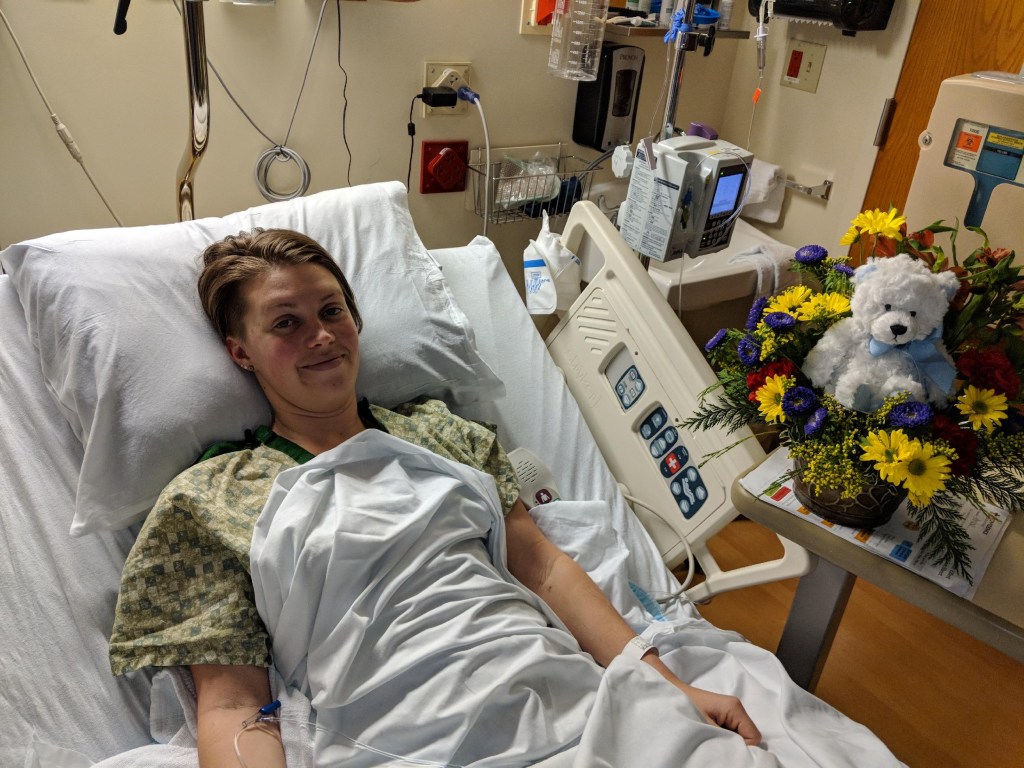
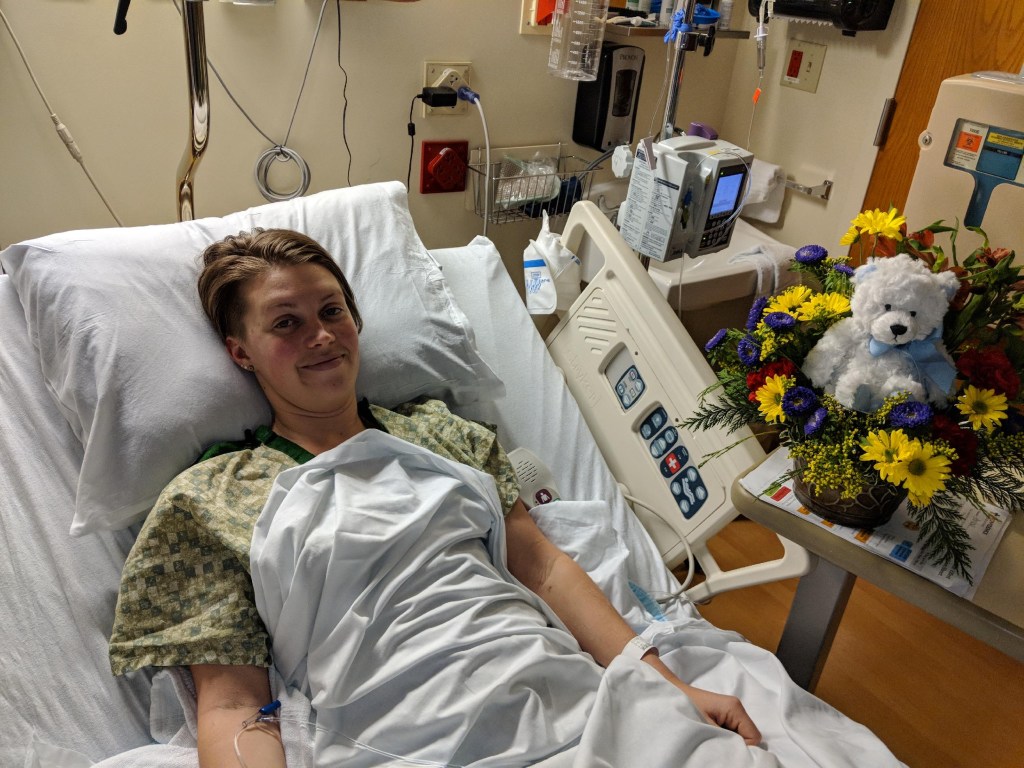
Eight years ago in mid-December, I checked myself into the ER. It turned out that my appendix had burst approximately three months prior, with all the complications that accompany a life-threatening infection. I spent 12 days in the hospital and had two surgeries before moving in with my mom for an additional month because I was too weak to take care of myself on my own.

I endured a year of slow recovery before something triggered my system that suddenly gave me near-debilitating arthritis and an increased sensitivity to foods. Over the next six months I slowly just stopped eating because being hungry was preferable to the pain, depression and fatigue that accompanied digestion.

Some foods hurt me worse than others, and I eventually reached the point where I ate little besides cabbage and avocados. I felt like I was dragging my body through the heaviest mud imaginable, and nothing could lighten the weight.  

I tried every diet I could find, was dismissed and mistreated by numerous doctors, penalized at work for talking to HR about taking medical leave, and was starting to panic that the future I envisioned might never materialize as my body continued to fail.

Through random chance, someone recommended a diet plan that excluded foods containing the lectin protein in seeds that are hard on sensitive digestive systems. It proposed eliminating all grains, fruits, and grain-fed animal products along with any preservatives. Within four days of starting this new plan, I began to feel better. I’ve now been following this diet for five years and in many ways have been able to return to the life I hoped for.

I became an anti-hunger advocate and food justice champion long before I got sick. I was already committed to making food a fun and communal experience rather than just a vehicle for nutrition.

But over the last five years of learning how sensitive my body is to my food choices, my understanding of food insecurity has changed dramatically.

My quality of life is entirely determined by my diet- how well I sleep, how much energy I have, my focus at work, and my capacity to manage emotional burdens. And my understanding of my nutritional needs is constantly changing and evolving.

I’m lucky to have always been able to afford and prepare the food I need. I could buy artichokes, sardines, and radicchio, all foods which at one time held an important role in my recovery.

But I know that if I was dependent on a food pantry or SNAP benefits for my nutrition, I would still be miserably sick. My diet would be determined by the options available, rather than by what my body needed.

I know that if I allowed someone else to determine what foods I eat- even someone well-educated in nutrition- they would not get it right. Everyone knows their own needs best, and my role working in food pantries is to facilitate that as best as I can.

Many people experiencing food insecurity have never had the opportunity to make intuitive food choices before. The food they eat is determined by what they can afford or what the food pantry is able to give them. I don’t want anyone else to ever be as sick as I was, so I am committed to ensuring that people facing food insecurity can choose what and how much they want to eat.

There are still times where I rage about the things my illness has taken from me- the freedom to eat out at a restaurant without scrutinizing the menu, the enjoyment of a good whiskey, or eating pizza with my partner.

But upon reflection, I also see that it has given me invaluable experience and the tools I need for being a better anti-hunger advocate and helping my food pantry always do better for the people we serve.

The opinions expressed here are solely my own and do not express the views or opinions of my employer.

Want to learn more about food justice? Subscribe so you never miss a post!

Fighting Hunger and Making Food Fun

I have something a little different to share this week. Please enjoy this guest post I wrote for FoodCorps about the transformation my food pantry saw when we eliminated limits on most of our food supply.

As the anti-hunger world faces increasing budget cuts, restrictions, and fears about scarcity, it’s more important than ever that we focus on how we can still uplift abundance to ensure everyone can have fun with what they eat.

Previous Post: Can We Force People to Eat Healthy?

The opinions expressed here are solely my own and do not express the views or opinions of my employer.

Want to learn more about food justice? Subscribe so you never miss a post!

Changing Our Diet Won’t End Hunger

Content warning: discussion of slaughtering animals for meat consumption

I increasingly receive emails from people excited to share the secret to solving hunger- usually advocating for a miracle crop, agricultural practice, or a specific diet. While these conversations are a great opportunity to learn about their passion, ranging from hydroponics to yucca farming, these solutions don’t usually address food insecurity. They may help with sustainability, conservation, or health, but fail to consider the root causes of hunger.

The solution to hunger has very little to do with food.

Here is a recent must-read on the root causes of hunger recently written by the International Panel of Experts on Sustainable Food Systems.

Hunger is a political rather than agricultural problem. Food access, rather than quantity, is the barrier to a nourished world.

Nevertheless, one of the most common proposals I hear for ending hunger is vegetarianism. Many people argue that the resources it takes to raise livestock would be much more effectively dedicated to other food products. They’re not wrong, but the issue is so much more complicated than that.

I grew up on a small farm that raised sheep and poultry for meat, with the occasional goats as well. My parents dedicated significant effort to enriching our pastures to ensure it made the animals and the land healthier. Most years, we hired a mobile butcher to slaughter our animals on-site to reduce the stress and trauma of traveling. Meat has always been a part of my diet, and I was never sheltered from the realities of raising livestock.

As a result of my background, I believe that it is possible to sustainably and ethically eat animals. Our society would definitely benefit from changing the way we treat animals, but I’ve witnessed how livestock and conservation do not have to be mutually exclusive.

There is no one “best” way to eat.

Food is how we celebrate culture, traditions, show affection, and care for our bodies and I have the greatest respect for people who make the choice to limit or eliminate their consumption of animal products, whatever their reasons.

While there are many compelling reasons for our society to eat less meat, an essential component of food justice is ensuring that people choose what they eat rather than having the decision forced upon them.

Our world would absolutely be healthier, more humane, and more sustainable if we consumed fewer animal products.

But promoting a vegetarian diet as the solution to hunger does not increase access to food- it simply eliminates a source of nutrition that is essential for many people.

Chastising food insecure families for eating meat is no more dignified nor respectful than placing restrictions on what SNAP recipients can spend their benefits on.

Beans and other plant proteins are not a significant food for many cultures (and it’s a personal pet peeve of mine that many food pantries and banks tout offering dry beans as a miracle solution to hunger.)

As SNAP data shows us, we can empower people to eat healthier by increasing their buying power and is more effective than reducing their options.

Food systems are rapidly evolving, and there are many conditions right now that may significantly impact the foods we can regularly access. But it’s essential that in our effort to ensure our neighbors are nourished we not sacrifice their autonomy and power of choice.

The opinions expressed here are solely my own and do not express the views or opinions of my employer.

Want to learn more about food justice? Subscribe so you never miss a post!
You Can’t Solve Hunger With Grocery Stores

In 2011, I moved from Oregon to a rural, isolated region in eastern Montana. My AmeriCorps position was tasked with helping build a school garden in a neighboring town and to explore the possibility of developing a cooperatively run grocery store in the community next door. Both these tiny towns had high poverty and hunger rates, but the one lacking a grocery store faced some serious challenges. With less than three hundred aging residents, this community was approximately thirty miles from the nearest small grocery store, and eighty miles from a department store. My workplan proposed assessing the feasibility of bringing a grocery store to this “food desert.”

At the time, eliminating food deserts was a trending solution for fighting hunger. Spurred on by Michelle Obama’s healthy food initiatives, the movement assumed that distance was a primary barrier to healthy foods for these communities. Her campaign advocated for bringing grocery stores and retailers of fresh produce to communities experiencing hunger to facilitate access and consumption of healthy foods, to the benefit of children and communities alike.

Over the past decade, we’ve learned that hunger in low access communities is far more complex than simply being able to get to a grocery store. Although physical access is an important barrier to consider, it is not necessarily the one most significantly influencing hunger rates.

Although still in occasional use, the phrase “food desert” has fallen out of favor, and for good reason.

The term itself is misleading. The official definition of a food desert is a region that is more than one mile from a grocery store in an urban setting or more than ten miles in a rural area. Rather than recognizing the assets available, the phrase defines a community based on what it lacks. A desert conjures up an image of a desolate wasteland, bereft of resources. This paradigm disempowers communities by ignoring the power and resources they do have, and glossing over the fact that what they lack is determined by external influences.

Another reason the term is no longer regularly used is because it recognizes that a desert is a naturally occurring ecosystem, whereas a food desert is a deliberately manufactured setting.

Choices are made at every level of administration and government to determine whether a region gets a grocery store, or a farmers’ market, or nothing but fast-food restaurants. The creation of a food desert is anything but passive, and it’s rarely a decision that residents have influence over.   

In the 1980s, activist Karen Washington introduced the term “food apartheid” to describe communities lacking adequate food access more accurately. It references the racial disparities of hunger highlighted by redlining, segregation, and discrimination.

Over the last ten years, the food justice community has improved our appreciation of terminology which explicitly recognizes that hunger and poverty is never an accident. Too much of our society’s understanding of food access focuses on individual responsibility, but adopting language that uplifts the systemic nature of hunger is an essential step to helping evolve our cultural paradigm. Calling out apartheid is a powerful and impactful way to engage with the systemic nature of hunger.

In the Montana community where I worked, surveys revealed that most residents wouldn’t shop at a store in town unless its prices were cheaper than those of the major retail chain eighty miles away. Residents recognized that the prices for a local grocery store, no matter how well managed, would never be as low as the supercenter even considering the price of fuel to get there, and they simply couldn’t afford it.

Introducing a local store would have had minimal to no impact on residents.

This explicitly demonstrated that income and cost were the greatest barriers to food security for this small town. Calling it a food desert oversimplified these challenges, and ignores the fact that poverty prevented people from shopping or eating how they like. Montana’s high population of Indigenous People, and economic forces that produce the ultra-cheap, exploitive, centralized supercenter grocery model, absence of living wages or healthy retirement accounts, ensured that this town remained food insecure.

Calling it a food desert prompts solutions that bring resources to the area that don’t empower residents, while confronting food apartheid makes us address the reality that hunger can’t be solved without systemic change.

The opinions expressed here are solely my own and do not express the views or opinions of my employer.

Want to learn more about food justice? Subscribe so you never miss a post!

When Hunger Can’t Be Solved with Food

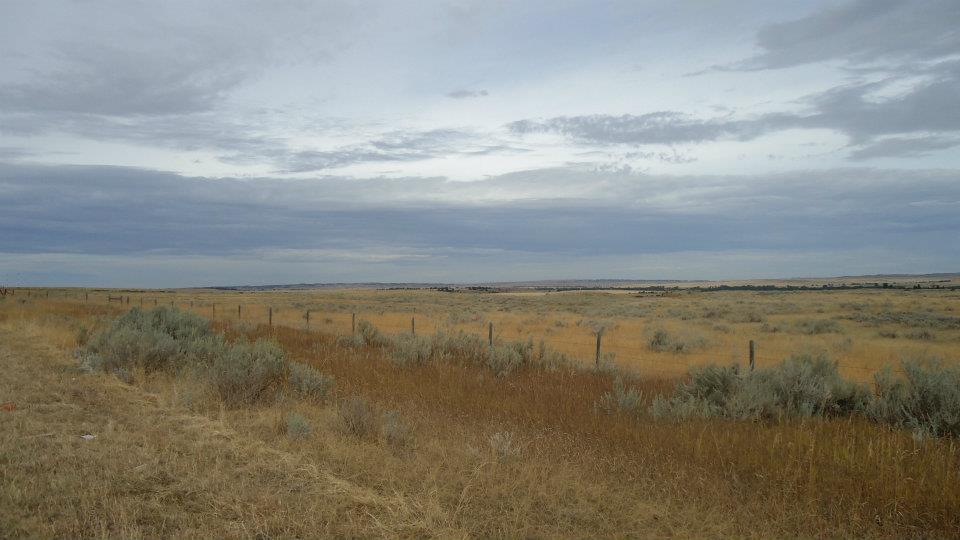
Rosebud County in Eastern Montana

I began my career in eastern Montana strategizing on how to improve food access in several remote towns, particularly for children participating in the National School Lunch Program. This included four months living in the town of Lame Deer on the Northern Cheyenne Indian Reservation where I gained a first-hand perspective of the challenges to food access.

Unlike many other communities in the region, Lame Deer was lucky enough to have its own grocery store. However, because the town was so far off all major highways, it was always last on the stop for deliveries.

Fresh foods had practically expired by the time they even arrived in town, and I would see produce literally rotting on the grocery store shelves.

Lame Deer, Montana

Because of the high travel costs, this food was also more expensive. I bought milk at this store if I had to but did most of my grocery shopping in Colstrip, a town twenty miles north.

I was privileged in that I was one of the few people in town who could afford the fuel to make the trip, since buying gasoline on the reservation was astronomically expensive. As a result, many Lame Deer residents had no other option but to buy food at the grocery store, which forced them to depend on the processed and shelf-stable options which survived the trip to their local shelves.

This community was extremely food insecure. (It is important to note that my experience took place a decade ago, and I’m sure that many things have changed. I cannot speak to the current conditions in Lame Deer.) Although I was embraced by a compassionate, enthusiastic community and worked with many dedicated activists, the barriers to building food security were huge.

The Pillars of Food Security

As empathetic creatures, we tend to have a profoundly emotional reaction to the idea of hunger. While we should all ache at the idea of anyone going hungry, it is equally important that we use quantitative tools and frameworks to assess and analyze food insecurity.

The Food and Agriculture Organization (FAO) is a specialized agency within the United Nations that specifically fights hunger, and in 1996 the World Food Summit and FAO produced a framework for evaluating food security. This framework identifies four determinants of food security:

  1. Availability- The supply side of food determined by production, trade, etc.
  2. Access- Do people have physical and economic access? Can they get to it, and can they afford it?
  3. Utilization- Are the available foods functional? Do people know how to prepare them? Do they meet nutritional and cultural needs?
  4. Stability- Are these dimensions consistent over time?

Using these pillars allows us to make objective assessments and develop targeted solutions for ending hunger under a variety of conditions. Using this lens to examine conditions in Lame Deer helps us better assess what solutions might be plausible.

Availability

Although communities like Lame Deer, MT lack availability, as a nation we are rich with food. The United States has enough food available to feed every member of the population and the capacity to trade for what it doesn’t produce itself. Eastern Montana may have weaker availability than other regions, but that is through neglect rather than an actual shortage of supplies.

Access

Lame Deer residents did not have physical or economic access to food. Even if they could afford the high costs for that region, driving forty miles round trip to the Colstrip grocery store was prohibitive. Access was a primary barrier for this community to be food secure.

Utilization

Lame Deer’s food supply neglected their cultural needs. The Northern Cheyenne tribe traditionally lived on wild game and foraged foods that are not available on the small plot of land allocated to them by the federal government. Residents could not get to or afford the food they needed to be healthy.

The foods available also did not meet anyone’s nutritional needs since most of it was heavily packaged, processed, and high in fats and sugars. There were few options for fresh produce.

Stability

Unfortunately, these conditions were consistent in all the wrong ways. At the time, there were few options available for changing food access for the better. The impacts of colonization and the harsh, isolated territory made it unlikely that access or utilization would improve for residents.

Hunger Solutions Aren’t Always About Food

Although this exercise certainly highlights the challenges of living in this community, it allows us to focus on the most effective solutions. Simply bringing more food to the community may not be plausible or effective. Instead, this helps us consider how:

-Building a highway bypass from the nearest big city might enable food to arrive more quickly at the grocery store.

-Subsidizing a regular shuttle between Lame Deer and the Colstrip grocery store would allow people to access better food.

-Are there policy solutions for lowering the cost of gasoline on the Reservation?

-You may be dying for me to add community garden to this list- it is a potential option, but eastern Montana is a tough environment for growing produce, and the reason the Northern Cheyenne were allocated this land by the U.S. government is because it is neither fertile nor friendly, so it’s not a practical solution to food insecurity.


The pillars of food security are an important tool for examining the barriers for hungry communities. It’s easy to get caught up in the idea that ending hunger just calls for growing, harvesting, and processing more food (which is why the focus tends to fall on improving agricultural yields), but our country’s food supply is rarely the problem. While ending hunger certainly depends on ensuring everyone eats today, effective solutions will come through eliminating barriers rather than producing more food.

The opinions expressed here are solely my own and do not express the views or opinions of my employer.

Want to learn more about food justice? Subscribe so you never miss a post!
How My Body Taught Me That Food Choices Matter

To honor my holiday vacation, I’m reposting this blog from April, 2023.

Eight years ago in mid-December, I checked myself into the ER. It turned out that my appendix had burst approximately three months prior, with all the complications that accompany a life-threatening infection. I spent 12 days in the hospital and had two surgeries before moving in with my mom for an additional month because I was too weak to take care of myself on my own.

I endured a year of slow recovery before something triggered my system that suddenly gave me near-debilitating arthritis and an increased sensitivity to foods. Over the next six months I slowly just stopped eating because being hungry was preferable to the pain, depression and fatigue that accompanied digestion.

Some foods hurt me worse than others, and I eventually reached the point where I ate little besides cabbage and avocados. I felt like I was dragging my body through the heaviest mud imaginable, and nothing could lighten the weight.  

I tried every diet I could find, was dismissed and mistreated by numerous doctors, penalized at work for talking to HR about taking medical leave, and was starting to panic that the future I envisioned might never materialize as my body continued to fail.

Through random chance, someone recommended a diet plan that excluded foods containing the lectin protein in seeds that are hard on sensitive digestive systems. It proposed eliminating all grains, fruits, and grain-fed animal products along with any preservatives. Within four days of starting this new plan, I began to feel better. I’ve now been following this diet for five years and in many ways have been able to return to the life I hoped for.

I became an anti-hunger advocate and food justice champion long before I got sick. I was already committed to making food a fun and communal experience rather than just a vehicle for nutrition.

But over the last five years of learning how sensitive my body is to my food choices, my understanding of food insecurity has changed dramatically.

My quality of life is entirely determined by my diet- how well I sleep, how much energy I have, my focus at work, and my capacity to manage emotional burdens. And my understanding of my nutritional needs is constantly changing and evolving.

I’m lucky to have always been able to afford and prepare the food I need. I could buy artichokes, sardines, and radicchio, all foods which at one time held an important role in my recovery.

But I know that if I was dependent on a food pantry or SNAP benefits for my nutrition, I would still be miserably sick. My diet would be determined by the options available, rather than by what my body needed.

I know that if I allowed someone else to determine what foods I eat- even someone well-educated in nutrition- they would not get it right. Everyone knows their own needs best, and my role working in food pantries is to facilitate that as best as I can.

Many people experiencing food insecurity have never had the opportunity to make intuitive food choices before. The food they eat is determined by what they can afford or what the food pantry is able to give them. I don’t want anyone else to ever be as sick as I was, so I am committed to ensuring that people facing food insecurity can choose what and how much they want to eat.

There are still times where I rage about the things my illness has taken from me- the freedom to eat out at a restaurant without scrutinizing the menu, the enjoyment of a good whiskey, or eating pizza with my partner.

But upon reflection, I also see that it has given me invaluable experience and the tools I need for being a better anti-hunger advocate and helping my food pantry always do better for the people we serve.

The opinions expressed here are solely my own and do not express the views or opinions of my employer.

Want to learn more about food justice? Subscribe so you never miss a post!