Uplifting Dignity Amidst a Hunger Crisis

Being an anti-hunger advocate is exhausting right now. The scale of the need we face as people experiencing hunger go without essential SNAP benefits is astronomical. I’m frightened by the growing needs of my neighbors and the overwhelming but vastly insufficient amount of work demanded of my peers. Even though benefits are in the process of restored, it is hardly the end of rising hunger.

A common theme I’ve recently noticed in the public sphere is the tendency to minimize the severity of hunger. I understand it- the suffering and the ramifications are too great to imagine, so it’s easier to pretend it doesn’t exist.

Even empathetic analyses are failing to recognize how the loss of SNAP- even temporarily- may be a harbinger of houselessness, dropping out of school, job loss, serious medical consequences, and more.

Hunger has much bigger consequences than just empty bellies.

Hunger is never the only challenge people face, and cutting food resources also cuts away at other essential lifelines.

Although our primary goal is to ensure people can access the food they need with dignity and compassion, it’s important that we remember there is so much more that we aren’t helping with.

To succeed in our mission, we need to actively avoid minimizing the experience of hunger.

Food insecurity is trauma.

It’s true that one or two days of hunger won’t kill you. But the cumulative impact of reoccurring food insecurity has profound, lasting impacts, and we impede our own efforts when we dismiss the hardship of this reality.

How to avoid dismissing the impacts of hunger:

  • Acknowledge when your food supply is inadequate or inappropriate. There are a million valid reasons why you don’t have the food your shoppers want or need, but they don’t need to hear those details. If they can’t get the food they need, at least they can see that anti-hunger advocates understand what they’re facing.

My previous pantry saw a noticeable decrease in conflict when we started listening to the concerns of our shoppers without intent to respond. It’s hard, but it will help your shoppers feel seen, and you’ll hopefully learn something!

  • Actively fight judgements based on appearance. Especially now, as the government shutdown weigh heavily on our economy, people who may have never previously visited a food pantry before are seeking help. They may drive nice cars, live in upscale neighborhoods, and wear new clothes, but none of this influences their need for food and support.
  • As food pantry attendance goes up alongside staff stress and fatigue, fight the tendency to treat shoppers as a number rather than an individual. While the total number of clients served and pounds distributed are important, it’s essential to remember the stories that people bring and the experience they’re having. It’s real. Consider developing a practice of pursuing at least one involved conversation per distribution with a pantry guest and setting aside time to reflect on what you learned.

The opinions expressed here are solely my own and do not express the views or opinions of my employer.

Want to learn more about food justice? Subscribe so you never miss a post!

Ignoring Hunger Doesn’t Make it Go Away

The prosperity following World War II helped pull the U.S. from the wreckage of the Great Depression. Mobilization for the war effort produced jobs and industry that countered the unemployment of the previous decade, while years of rationing and disposable incomes prompted an eagerness to indulge.

Thanks to the general increase in prosperity, worries about food insecurity were not a significant part of the 1950s.

While children were admonished to finish what was on their plates while thinking of starving children in other countries, there was little public awareness of hunger in America. There was no data or research being done on the issue which left it mostly invisible.

Policy makers and the average American largely assumed that food insecurity was an occasional event, prompted by a crisis like a job loss or a hurricane. There was little discussion regarding chronic or ongoing food insecurity.

In 1967, Senators Robert Kennedy (NY) and Joseph Clark (PA) made an eye-opening visit to the Mississippi Delta where they witnessed families living in extreme poverty. This prompted a (long overdue) realization about the existence of chronic hunger in the United States.

Fueled by this new interest, in 1968 CBS released the documentary “Hunger in America” which painted a truly gruesome picture of hunger in the U.S. for the general public. It brought chronic food insecurity into the public awareness in a way that it hadn’t been examined previously.

This mobilized the U.S. to action, and over the next several decades prompted an expansion of the Food Stamp Program, the formalization of the National School Lunch Program, the introduction of school breakfasts, and other programs specifically intended to fight hunger.

The U.S made significant progress on fighting hunger thanks to this increased visibility. The public and policy makers demanded an increase in data and the need for effective solutions. Until food insecurity in America received this extra publicity, it was easily ignored and overlooked.

In 1995, the U.S. implemented the American Household Food Insecurity Survey to track hunger rates and provide essential data for helping policy makers evaluate what policies were most effective. This became an essential tool for helping anti-poverty and anti-hunger advocates understand the root causes of hunger and evolve our development of solutions.

Last week, the USDA announced that it was eliminating this survey, stating that it did not provide any useful data.

Without relevant data on food insecurity, it becomes harder to measure the effectiveness of policy. A lack of facts facilitates a transition towards policies built on assumptions and attitudes rather than data. And history has clearly shown us that anti-poverty policies built on assumption tend to be punitive and ineffective, with a goal of punishing rather than uplifting people who need support.

Although food banks and other advocacy organizations will do their best to continue collecting data, they have neither the funds or the capacity to maintain the same scale as the federal government.

Eliminating this survey indicates that the federal government wants hunger to disappear.

This decision should be a signal to all anti-poverty and food justice advocates that cuts to programs are likely only just beginning.

Without accurate hunger rates, it’s easier to make false claims about the economy, quality of life, and satisfaction with leadership. Without data, it grows harder to justify the need for SNAP benefits, food bank funding, school meals, and any other program that supports people experiencing food insecurity. Food banks and pantries can’t replace this essential resource.

The opinions expressed here are solely my own and do not express the views or opinions of my employer.

Want to learn more about food justice? Subscribe so you never miss a post!

Keeping Compassion in Anti-Hunger Spaces

I receive an increasing number of messages from people eager to convince me of the prevalence of fraud in emergency food assistance programs (usually in response to this post).

Writers share how a neighbor or relative was excited about receiving help to fill up their refrigerator, and this joy was evidence that they must not really need the food and had committed fraud.

Despite not having any personal knowledge of the recipients’ finances, life situation, or food security, the writers are universally confident that their acquaintance doesn’t need the food and are simply exploiting the system.  

They’re sure the system is broken because people experiencing hunger are happy about having enough to eat.

I don’t bother to even acknowledge these messages anymore. They teach me far more about cultural attitudes about hunger than about any disfunction in food assistance programs, but I continue to be shocked by the cruelty of this attitude. These writers believe their entire community should have less access to food because one person they don’t know anything about had more food than they were comfortable with.

Unfortunately, this isn’t an attitude exclusive to internet lurkers. It’s also an attitude regularly reflected in food pantry volunteers and organizational policies themselves, particularly in how they maintain power dynamics and expect clients to act with humility. This is why recipients of food assistance responding with joy and excitement to a few days of food security is so triggering.

We live in a society that is actively working to disregard the humanity of the people around us by reinforcing systemic oppression. This directly reflects in how we think about, talk about, and fight hunger. Our anti-hunger systems have long sought to control the behavior and the attitudes of people experiencing hunger in a way that demeans rather than uplifts these individuals.

How can food justice advocates bring empathy back into the fight against hunger?

  • Advocate for the humanity of the people you serve. Have conversations about how you don’t want to live in a world where it’s okay to ignore hunger, or to deliberately deprive people of the resources they need to survive. Make people say who they think should starve to death. It’s true this is an aggressive position, and you may lose volunteers or donors. But it’s important to recognize that if individuals believe there are people who don’t deserve to eat, they are not doing your anti-hunger organization any good anyways.
  • Practice self-care. There’s nothing more exhausting than the emotional labor of trying to convince people that they should care about others. I’ve discussed before the work that goes into welcoming nervous clients using stigmatized services, but it’s equally important to recognize that fighting hunger requires engaging with people who advocate for cruelty over compassion.

While arguing with them is rarely productive, anti-hunger advocates are often forced into positions where they must connect professionally. Do what you must do to shake off this ugliness- a primal scream in the walk-in freezer, cuddle your pet, aggressively weed your garden, or eat a bar of fancy chocolate.

There is nothing more important right now than our front-line advocates maintaining their ability to practice compassion and ask it of others.

Previous Post: Don’t Offload Food Waste onto Pantries

The opinions expressed here are solely my own and do not express the views or opinions of my employer.

Want to learn more about food justice? Subscribe so you never miss a post!

Why Growing Food Doesn’t Protect From Hunger

Americans have an idealized vision of agriculture that celebrates individuals developing an intimate relationship with their land through hard work to provide for their families.

Framed by a backdrop of diverse crops and not quite enough money to make ends meet, the myth of American agriculture recognizes the hardship but also celebrates the purifying effects of physical labor and food production. Farmers are celebrated as the “salt of the earth,” which is a biblical reference for being honest, hardworking, and reliable.

People working in agriculture are regularly lauded as the epitome of rugged individualism and American heroes. But individuals working in agriculture are also one of the most food insecure demographics.

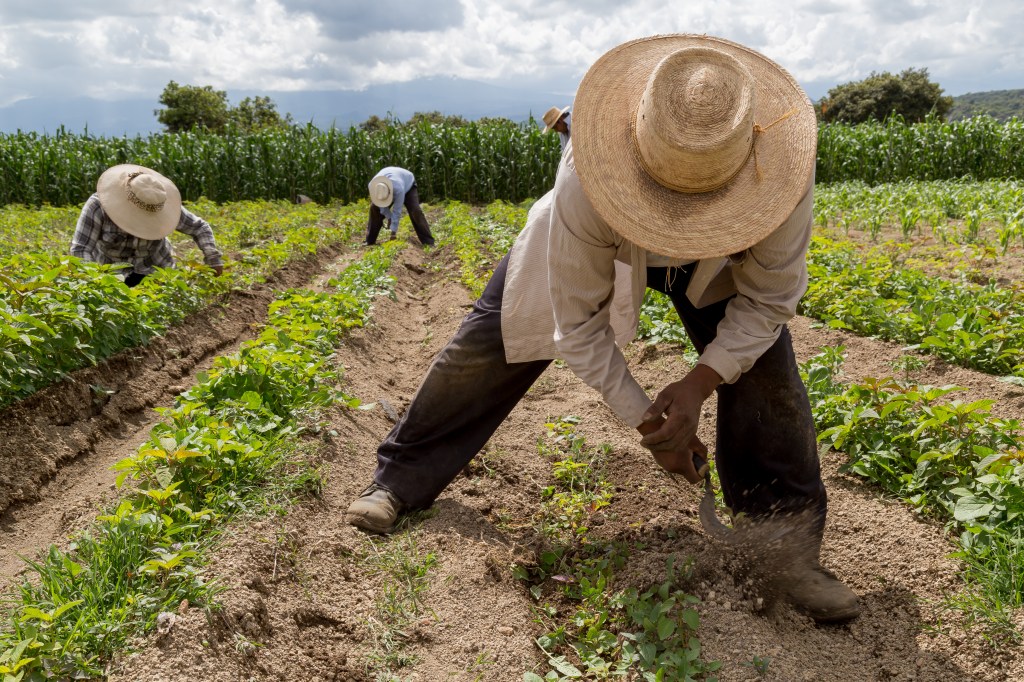
Thanks to a lack of labor protections that results in appallingly low wages, the agricultural sector is highly vulnerable to food insecurity. Many of the people who harvested your food for your recent holiday weekend barbeque likely couldn’t afford it for themselves.

While farm jobs generally do not require an advanced education, this does not justify starvation wages. First, it’s important to remember that this is essential work. If you like to eat, then you need someone to harvest your food.

It’s also important to consider that while it may not require formal education, agricultural labor is hard. It’s physically demanding, often in uncomfortable or dangerous weather conditions, and is time-sensitive (before the crops go bad.)

In addition to inadequate wages and physically stressful work, agricultural jobs by their nature are in less centralized or accessible areas, which means people have to travel further distances to visit grocery stores. Very, very few farms can offer their laborers more than the scraps of their harvest, and even fewer have a diversity of products that might be the origins of a healthy diet.

A discussion of food insecurity amongst farm workers also demands that we talk about immigration policy. Our current agricultural system depends on migrant workers and those who have entered the country without authorization. This is the primary way that businesses can continue paying such inadequate wages– by exploiting a vulnerable workforce who has few other options than acquiescence. The main argument against labor protections is that farms can’t afford to pay better wages- damning evidence of a broken system.

As ICE increasingly harasses and threatens anyone they arbitrarily deem suspect, it becomes less and less safe for anyone to do this work, which is already starting to manifest as labor shortages.  

As it becomes less safe for people to go to work, their risk of hunger increases exponentially.

What can anti-hunger organizations do to fight hunger among farm workers?

  • Increase services in rural and agricultural areas. These are often neglected because organizations prioritize the number of clients served over the need for service, and rural sites likely serve fewer clients even though they have higher rates of hunger. Mobile pantries and markets are hugely valuable resources.
  • Reduce reporting requirements that might scare shoppers away, such as asking for documentation. Even if your organization already serves undocumented individuals, it’s important to recognize that in the current state of fear they may not come unless you are explicit about being a safe space.
  • Research the labor practices of the food coming through your organization. While I fully recognize that few food banks have the capacity to pay more for the produce they buy, we still need to work towards a system that pays people appropriately and that begins with information.

The opinions expressed here are solely my own and do not express the views or opinions of my employer.

Want to learn more about food justice? Subscribe so you never miss a post!

What Happens When Emergency Food Runs Out?

Like any other public space, my food pantry regularly encountered people who were challenging to work with. After spending significant effort helping an individual get through their food pantry visit, volunteers regularly asked me why I didn’t just refuse them service.

They questioned whether it was appropriate for me to spend that much time helping someone who was rude, unruly, or struggling with their mental health get through the pantry. Inevitably, the volunteer would point out, “they can always just go somewhere else.”

That’s the assumption that gets us into trouble.

There is no guarantee that someone can find food elsewhere.

Food pantries are often located in inaccessible locations, far from city centers and public transportation. For people without a car or with disabilities, it may not be possible to travel to another pantry. Food pantry hours are also notoriously inconvenient- designed to accommodate the schedules of volunteers rather than the needs of shoppers.

It’s never safe to assume that someone will be able to find food somewhere else.

It’s especially important to consider this as our government debates drastic cuts to SNAP which will cut off this essential resource for people who may have no other options for food access. Food pantries are already facing cuts to their food supply, which means the two main tools we use for fighting hunger are significantly weakened and inadequate for the growing need.

What happens when people can’t access food?

  • Nutritional quality declines. Lower quality foods are cheaper, and people must buy what they can to fill their belly without regard for nutrition. Poor diet leads to poor health, which increases healthcare costs and adds barriers to survival. Without enough money, there are no workarounds. We sometimes joke about this- like how it’s a rite of passage for college students to survive on nothing but ramen, but this hurts everyone.
  • Theft. When people have no other way to access food, they may resort to shoplifting. Getting caught risks a criminal record which increases their barriers to food security. Our society is often eager to demonize people for these types of crimes even though these individuals have few other options. Telling someone to get a job does nothing to help them endure their empty stomach tonight.

Because our society consistently treats hunger as a result of poor decision making, it’s easy to frame the solution as making different choices- maybe people just need to look harder or somewhere else to find food. But what this paradigm fails to consider is that there are not unlimited options for finding food.

It’s very real and very true that people run out of people and places to turn to for help. Especially with recent and impending cuts to emergency food assistance, we can no longer assume that someone will be able to find food when their SNAP is cut and their food pantry emptied.

The opinions expressed here are solely my own and do not express the views or opinions of my employer.

Want to learn more about food justice? Subscribe so you never miss a post!

The Importance of Understanding Hunger as a Spectrum

When I worked at a food pantry, I regularly heard two different narratives that brought people through our doors. The first was that using food assistance was a familiar or constant part of their survival, and the second was that they never believed in a million years that they would need food assistance.

The number of people coming from each of these backgrounds would ebb and flow based on the economy, reflecting the overall struggle to reconcile rising the cost of living with stagnant incomes. And of course, there were plenty of people who identified somewhere between these two narratives, yet their stories tended to receive less attention.

Right now, food pantries are seeing a significant increase in the number of people needing help who have never before set foot in a food pantry.

While we shouldn’t be surprised that people who previously identified as food secure are seeking out food assistance, it’s unfortunate that our anti-hunger programs are often ill-equipped to serve them.

Americans like to assume that people are poor or not- that there’s no middle ground. But the reality is that most people lie in that middle ground- surviving, but easily challenged by an unexpected expense or rising inflation.

There’s enormous stigma against food assistance in the U.S. which means that making a visit to a food pantry for the first time can feel intimidating, embarrassing, and shameful. How pantries operate and treat their shoppers can help alleviate these feelings or emphasize them.

Food pantries who assume they only serve people who have only known poverty fail their mission and their community. They create spaces that are much less welcoming, often less accessible, and perpetuate harmful stereotypes about hunger that work contrary to the mission of ending hunger.

It is essential that organizations start discussing what changing economic conditions do to their clientele and ensure they are well-prepared to serve everyone with abundance and grace.

How food pantries should prepare for shifting demographics:

  • Volunteer training. Volunteers often have assumptions about what people should look like if they visit a food pantry- they shouldn’t drive a nice or clean car, wear cute clothes, buy Starbucks, or have a new phone (this is also where racism often becomes glaringly apparent). I’ve seen volunteer assumptions about a shopper’s appearance directly impact the services they offer, even though none of these are actual indicators that someone doesn’t deserve food assistance (while also raising the fundamental question, who deserves to eat?)
  • Remember that poverty is not a yes/no concept. Poverty for one person looks very different than for another, and there’s no clear defining line between being poor and financially secure. Someone may not feel food insecure until they’ve emptied their bank account, while another may feel driven to stock up long before the cupboards are empty. We do our community a disservice when we try to define or limit food insecurity to a single experience.
  • Ensure systems are simple and accessible for everyone. Especially if your pantry depends on word of mouth, it’s easy to assume that people will be told by friends and families the tricks to shopping, like when to line up or what paperwork to bring or what foods to expect. Make sure that someone who knows nothing about your pantry can also access this information.

The opinions expressed here are solely my own and do not express the views or opinions of my employer.

Want to learn more about food justice? Subscribe so you never miss a post!

Can We Force People to Eat Healthy?

For years, there’s been debate in anti-hunger circles about the need to improve the diet and health of people experiencing hunger. Most recently, discussion has revived around adding purchasing restrictions to SNAP to make soda, candy, ice cream, and prepared desserts ineligible for purchase with benefits.

On the surface, it sounds like a great idea. Assuming that people just need to be directed towards healthier options, this would be an efficient policy. Because Americans generally believe that poverty results from making poor choices, it’s easy to accept that people experiencing hunger need help making better choices. We’ve also all been conditioned to believe that people using SNAP are trying to manipulate the system, which makes it easier to accept that they need extra restrictions.

However, this policy proposal does not improve health, recognize current barriers to food security, or respect the dignity of people experiencing hunger. Empowering people to eat healthier benefits everyone, but this policy proposal fails to do so.

There’s no evidence that people who use SNAP have a worse diet than people who don’t.

This should immediately call into question why SNAP has been chosen to be the policy tool for this crusade.

If this policy seeks to reduce junk food consumption, why does it only restrict people receiving benefits? Specifically targeting vulnerable, low-income demographics for a society-wide issue is disingenuous and inequitable.

After working in anti-hunger spaces for nearly fifteen years, I’ve learned from thousands of people seeking food assistance. Overwhelmingly, these individuals demonstrate that they know how to eat healthy.

Ask at any food pantry, and staff will tell you that quality fresh produce is always in highest demand and shortest supply. We see too many food pantry photos of shopping carts loaded with potato chips because that’s all they have- it’s not that shoppers are choosing them over healthier options.

People experiencing hunger know as well as any other demographic what healthy eating looks like.

The barrier isn’t knowledge or choice; it’s access. Fresh foods are more expensive than processed. Critics like to point out that an apple is cheaper than a bag of frozen chicken nuggets, but they ignore the reality that an apple is not a meal. An apple, peanut butter, and fixings for a sandwich on whole wheat bread is significantly more expensive than a bag of frozen chicken nuggets. By calorie, healthy foods are more expensive.

What do these SNAP restrictions achieve?

Since adding restrictions to SNAP do not increase the budget of beneficiaries, eliminating the purchase of certain foods reduces choice. By making unhealthy options inaccessible, it does not make healthy foods more accessible.

SNAP funds are so inadequate that they have always forced people to prioritize the cheapest foods. The choice has never been between a bag of chips or a vegetable stir fry.

This policy intends to assert the idea that people experiencing poverty need the leadership of people who have never been food insecure, which is condescending, paternalistic, and completely ignorant.

It also takes away the chance for recipients to practice self-care through food. Facing the incredible challenges of today’s world, everyone deserves the freedom to buy the foods that make us feel comforted, safe, and nourished, even if they’re not always the healthiest.

If policy makers really cared about the health and diet of SNAP recipients, they would be fighting to increase SNAP benefits. If they really feared the risks that junk food poses to Americans, they’d be working to reduce access for the entire population.

This policy just intends to be cruel towards and already vulnerable population.

The opinions expressed here are solely my own and do not express the views or opinions of my employer.

Want to learn more about food justice? Subscribe so you never miss a post!

Why Food Pantries Need Reliable Hours

It’s always a treat to leave work early. Who doesn’t love it when your manager decides that you should head home to enjoy some extra hours for yourself?

Everyone I know needs a vacation right now, but there are many workplaces that absolutely cannot change their hours or accommodate extra closures. Social Security offices, the ER, and food pantries are all examples of institutions that need to be reliably open. If they close early or unexpectedly, people lose out on essential or life-saving services.

The challenge is that Social Security and ER are staffed by paid professionals, whereas food pantries are predominantly run by volunteers donating their time. It’s much harder for a manager to stop them from leaving early when they want.

What are the consequences of a food pantry closing early?

In my experience, the shame and stigma of food assistance means that many people postpone visiting a food pantry until the last minute, when their shelves are literally empty and their stomachs grumbling. Our food pantry often saw a high number of first-time clients at the end of the day, possibly for this reason.

When a food pantry closes early, people who were counting on it for dinner that night are deprived of that meal and more. If you showed up for your first ever visit to a closed food pantry, it might also influence your enthusiasm for trying again.

Food pantry hours are often inaccessible. I’ve mentioned this many times before, but food pantry distribution hours usually cater to the schedules of volunteers rather than the needs of their community. Retirees often have very different availability than families facing food insecurity (who are usually working multiple jobs and acting as caregivers) which makes it extra difficult for people to access pantries.

If we want to fight hunger, it’s essential that food pantries offer reliable hours.

To be a useful service for shoppers, they need to know when the food pantry will be open. People will quickly stop coming if they find that it is ever closed when they thought it would be open.

Many people drive significant distances to pantries, and few have the resources to deplete their fuel for an unreliable resource. People experiencing hunger will seek out other pantries, if they have that option, or go hungry if there is nowhere else to access food.

Respecting the time of shoppers should also include minimizing the amount of time spent at the food pantry. An hour-long line indicates that the pantry either has inadequate shopping hours or a weak system of distribution (inducing clients to feel competitive). Examine your food flow policies and expand your hours to reduce the wait time. Long waits in line make food less accessible for seniors, parents, and people with disabilities while increasing tension and stress.

Action points for pantry leadership:

  • Maintain consistent and reliable hours. Posting schedule changes on social media is useful, but many food pantry clients may not use it, and these updates are only functional for the people who read the language that they are written in. Advertise where you will share unexpected closures ahead of time (website? voicemail? a sign on the door?) so that clients know how they can find out about schedule changes due to events like extreme weather.
  • Teach volunteers how important their role is. There is an urgency to this work that may not accompany other volunteer opportunities, and your organization needs to clearly articulate that. Although pantries should be tolerant of unexpected events, set a precedent that volunteers complete their entire shifts and NEVER close the pantry early. Consider implementing repercussions for volunteers who repeatedly no-show or leave early- the rest of your volunteers will thank you!
  • Hire enough staff so that operations and hours can continue normally if someone is sick or on vacation. If your food pantry operations depend on the presence of a specific individual, you are setting yourself up to fail when they inevitably get sick or leave (or get burnt out). Bonus points for paying your staff living wages to increase morale and retention!

The opinions expressed here are solely my own and do not express the views or opinions of my employer.

Want to learn more about food justice? Subscribe so you never miss a post!
Type your email…

Changing Our Diet Won’t End Hunger

Content warning: discussion of slaughtering animals for meat consumption

I increasingly receive emails from people excited to share the secret to solving hunger- usually advocating for a miracle crop, agricultural practice, or a specific diet. While these conversations are a great opportunity to learn about their passion, ranging from hydroponics to yucca farming, these solutions don’t usually address food insecurity. They may help with sustainability, conservation, or health, but fail to consider the root causes of hunger.

The solution to hunger has very little to do with food.

Here is a recent must-read on the root causes of hunger recently written by the International Panel of Experts on Sustainable Food Systems.

Hunger is a political rather than agricultural problem. Food access, rather than quantity, is the barrier to a nourished world.

Nevertheless, one of the most common proposals I hear for ending hunger is vegetarianism. Many people argue that the resources it takes to raise livestock would be much more effectively dedicated to other food products. They’re not wrong, but the issue is so much more complicated than that.

I grew up on a small farm that raised sheep and poultry for meat, with the occasional goats as well. My parents dedicated significant effort to enriching our pastures to ensure it made the animals and the land healthier. Most years, we hired a mobile butcher to slaughter our animals on-site to reduce the stress and trauma of traveling. Meat has always been a part of my diet, and I was never sheltered from the realities of raising livestock.

As a result of my background, I believe that it is possible to sustainably and ethically eat animals. Our society would definitely benefit from changing the way we treat animals, but I’ve witnessed how livestock and conservation do not have to be mutually exclusive.

There is no one “best” way to eat.

Food is how we celebrate culture, traditions, show affection, and care for our bodies and I have the greatest respect for people who make the choice to limit or eliminate their consumption of animal products, whatever their reasons.

While there are many compelling reasons for our society to eat less meat, an essential component of food justice is ensuring that people choose what they eat rather than having the decision forced upon them.

Our world would absolutely be healthier, more humane, and more sustainable if we consumed fewer animal products.

But promoting a vegetarian diet as the solution to hunger does not increase access to food- it simply eliminates a source of nutrition that is essential for many people.

Chastising food insecure families for eating meat is no more dignified nor respectful than placing restrictions on what SNAP recipients can spend their benefits on.

Beans and other plant proteins are not a significant food for many cultures (and it’s a personal pet peeve of mine that many food pantries and banks tout offering dry beans as a miracle solution to hunger.)

As SNAP data shows us, we can empower people to eat healthier by increasing their buying power and is more effective than reducing their options.

Food systems are rapidly evolving, and there are many conditions right now that may significantly impact the foods we can regularly access. But it’s essential that in our effort to ensure our neighbors are nourished we not sacrifice their autonomy and power of choice.

The opinions expressed here are solely my own and do not express the views or opinions of my employer.

Want to learn more about food justice? Subscribe so you never miss a post!

The Best Part of Using a Food Pantry

I recently was chatting with a farmer who sells their produce at a nearby farmers market, and I mentioned that my professional experience lies primarily in food pantries, and they had so much to say. This farmer shared that when they first moved to Oregon, they depended upon a food pantry and clothing closet. I wasn’t sure what they were going to say next, because it is a negative experience for many.

However, this person absolutely gushed about what a positive experience they had. They visited a grocery style pantry, which gave them the autonomy to make their own food choices, and they said their regular visits were the most respectful, dignified, and compassionate experiences they could have imagined. Years later, their farm still makes regular donations of fresh produce to that pantry.

I don’t hear a lot of these stories. While there are plenty of wonderful food pantries doing incredible work, there are also lots of food pantries reinforcing the narrative that people experiencing hunger are there because of personal failures, bad judgment, or a lack of responsibility. Even pantries with friendly volunteers and a healthy food supply can foster systems and attitudes that still leave their shoppers feeling humiliated or ashamed.

Unfortunately, eliminating these judgements in food pantries depends upon establishing new foundational attitudes rather than just increasing the budget or building capacity.

It’s not something that we can fix with a grant, a handbook, or a webinar training series. This is a reflection of much deeper assumptions that our society holds about poverty, hunger, and responsibility to one another, and it’s much harder to change.

This farmer I spoke to didn’t mention anything about the quality or the quantity of food they received. They didn’t even talk about the line or limits on food supply. Instead, they talked about how the food pantry made them feel. They felt respected, seen, and dignified.

While food is obviously an important component of the pantry experience, this reminds me that even pantries without enough food or those who are unable to access culturally or nutritionally specific options can still make a lasting, positive impact on the individuals they serve.

What are the foundational attitudes for fostering a positive food pantry experience?

  • Everyone deserves to eat without qualifiers, conditions, or exception. It’s important to recognize that if someone doesn’t get food at your food pantry, they might not eat at all. That is not okay. People who have a new iPhone deserve to eat. Immigrants and refugees deserve to eat. People with strict preferences and nutritional limitations deserve to eat. People with visible and invisible disabilities deserve to eat. The community can tell whether your team believes this or not, in how policies are implemented, clients are treated, and services are advertised.

Even if food pantries don’t have everything someone needs, they can still practice compassion by respecting their humanity and need for nourishment. If you’ve ever heard a volunteer question whether someone deserves to visit your food pantry, then you have work to do.

You are the best expert on the food your body needs to thrive. Why would a food pantry client be any different?

  • Treat pantry clients as equals. It’s far too easy when dispensing charity for organizations to demand submission from program recipients, which can manifest as strict rules about waiting in line, nitpicking about paperwork, or checking shopping bags to ensure limits were followed. There are ways to enforce pantry policies without aggressively asserting the power imbalance of using a food pantry. Start by discussing the power disparities, with clients if you can; they probably have a very different perspective than staff and volunteers. Welcome clients to the volunteer team, and take seriously what they share about their own experience.
  • Dignity. Food pantry clients don’t want pity, or condescension, or judgement at all (just like anyone else!) As the need goes up and pantries serve increasing numbers of clients, it can be hard to hold onto the reality that every one of those clients is a human over whom the pantry has significant power. However, focusing on scaling up and efficiency adds very little to a positive food pantry experience.

Even though these are foundational attitudes, they aren’t impossible to introduce to a pantry. Success depends on consistency and exposure, and leadership that is eager to embrace food justice and human dignity.  Building these ideas into your mission, values, and strategic plan is the best way to demonstrate your commitment to the community.

Nonprofits are overwhelmed by need and rightly panicked about funding. But we need to focus on the reality that the most important part of using a food pantry; the piece which clients will remember and share with their neighbors, has little to do with the food they got and everything to do with how their visit made them feel.

The opinions expressed here are solely my own and do not express the views or opinions of my employer.

Want to learn more about food justice? Subscribe so you never miss a post!

Food is a Right, Not a Gift

Because gift-giving is voluntary, our society expects us to express gratitude for that honor. We appreciate the intentions of the gift-giver even when the gift itself is not something that is useful or wanted. In general, this is not a bad expectation. It emphasizes the value of relationships over the value of the gifts themselves.

However, when this attitude carries over into food banking, it can quickly grow toxic and counterproductive.  

Everyone deserves to eat.

Food is necessary to live, which means if we treat it as a gift, we construct a framework that makes the survival of our neighbors’ dependent upon gifts bestowed by others. While we can certainly argue that American capitalism grants a few powerful individuals the authority to determine who lives or dies, an ethical society shouldn’t accept this attitude.

When fighting hunger, providing food is more urgent than manipulating the relationship of the pantry and shopper.

Historically, this relationship in emergency food assistance has been defined by reinforcing existing inequalities and outdated assumptions about poverty. Food banks and pantries often emphasize their services as a gift to recipients, which undermines the right of our community to be nourished and healthy with no strings attached.

Food banks and pantries provide a vital service for our neighbors who are prevented from accessing food elsewhere. In nearly all circumstances, organizations depend upon volunteers “gifting” their time, labor, and funds to fulfill their mission. It can be quite easy for nonprofits to embrace language around gift-giving to echo the holiday spirit and evoke compassion from their communities.

But when we frame the giving of food as a gift when fighting hunger, we perpetuate harmful assumptions that ultimately inhibit our efforts. It unintentionally constructs a scenario where staff and volunteers expect their efforts to be treated as a gift- which means believing that recipients should express gratitude, and that they aren’t entitled to what they are given. But no one should ever be expected to be grateful for food.

This language reinforces the power imbalance of giver versus receiver and entirely disregards the individual needs of people experiencing hunger. Because our society expects the recipients of gifts to be grateful, it often means any comments or concerns about how the gift doesn’t serve them are unwelcome or ignored.

I can’t count the number of times I’ve heard food pantry staff or volunteers complain about how a client asked for different options because they wouldn’t or couldn’t eat what they were offered, and were annoyed that their gift was not accepted with humility.

The food that food banks, pantries, and meal sites provide is not a gift. It is a human right, attempting to fill a very big hole created by the inequalities built into our society. While anti-hunger organizations do not have the capacity to meet the full scope of the need, they are still vital for helping millions of people make it through yet another hungry day.

We fail ourselves, and each other, as empathetic creatures by maintaining a paradigm that denies everyone the right to be nourished by healthy, culturally sensitive foods.

There will be no new blog post next Monday, December 29. Who Deserves to Eat will return on January 6, 2025.

The opinions expressed here are solely my own and do not express the views or opinions of my employer.

Want to learn more about food justice? Subscribe so you never miss a post!

The Distinct Challenges of Rural Hunger

I started my food justice career increasing access to healthy foods in several rural communities in eastern Montana and then in eastern Oregon. These towns were small enough that there was little industry, and no local grocery store. Residents had to drive at least twenty miles to buy groceries, and the high cost of fuel meant that this was a trip that few people could afford more than twice a month. The consequences were that food insecurity rates were high.

Both of my communities had small food pantries, one which depended primarily on donated game and beef from local farmers, and another which was stocked with canned goods. While these little organizations might have prevented starvation, they lacked the resources and capacity to really serve the needs of neighbors with dignity and abundance. One of them was well-known for the handsy coordinator who would grope any woman who visited. Many people chose not to seek food assistance rather than endure his harassment, while others had no other option.

While hunger is a problem everywhere, the challenges that my neighbors faced in these isolated, rural communities were different than the obstacles I see for my urban clients. While the root causes are universally barriers to accessing wealth, effective strategies for addressing them are very different.

What are the barriers to rural food security?

  • Poverty rates are higher in rural America with less access to wealth. Wealth, resources, and industry tend to be concentrated in urban centers.
  • Transportation needs are higher, and more limited in rural regions. Without easy public transportation, rural living demands use of a car. For people who don’t have one or can’t drive, this means they must entirely depend on other people or delivery services for food access. Obstacles increase with weather disruptions, like snowstorms or extreme heat, which makes communities even more vulnerable to hunger.
  • Fewer support services. Food banks, pantries, health clinics, and other services generally concentrate in urban centers. While some isolated communities have food pantries, like the ones I worked with, a lack of education, oversight, and increased racism and discrimination often makes them less accessible or useful.

How can we fight rural hunger?

SNAP empowers people to make their own food choices, and is efficient because once a family is signed up, they are able to receive and use benefits without additional costs or demands (beyond the state expectations for maintaining eligibility.)

One of the biggest barriers to using SNAP is that the application process can be invasive, and many people may be deterred by the fear that they aren’t eligible for enough funds to justify the effort. Leaning into tools like SNAP Screener that can help people see how much they are eligible for and connect with support on their application are effective ways to encourage participation.

  • Mobile pantries. This is a solution that I both love, but also recognize as vastly inadequate and inefficient. A mobile pantry offers a temporary solution for bringing quality food to areas that otherwise might not be able to reach it. (There are increasing models of mobile grocery stores which bring affordable produce to areas that otherwise can’t access it, which is another great option for people who have the capacity to buy it.) This solution is vulnerable to disruption and may not offer appropriate options for the specific needs of the community, but can also be a powerful way to start a conversation about access, and get people the food they need to eat today.

The opinions expressed here are solely my own and do not express the views or opinions of my employer.

Want to learn more about food justice? Subscribe so you never miss a post!
Keeping Food Pantries Safe Spaces for Everyone

In conversation with several food pantries this fall, I’ve noticed a common theme. As they serve a rising number of clients with high anxiety and urgent needs, organizations are starting to hire staff whose sole responsibility is pantry security and rule enforcement. While recognizing the need for safety, it’s worth examining this trend and the potential impact.

It’s important that everyone feels safe at a food pantry. Building an inclusive community depends on establishing a physically safe space. Because food pantries serve such a wide diversity of people, this can sometimes be a challenge.

Conflict is not uncommon. People experiencing food insecurity often endure trauma, high stress, and sometimes mental health and substance abuse issues. Hunger is a traumatic experience both mentally and physically, and it’s essential that we respond with compassion and empathy rather than force. All my previous food pantries had occasional visitors we had to navigate carefully because of the potential for unsafe or violent behavior. It is important that food pantry staff have an established protocol for how to manage these interactions while ensuring that everyone feels safe and welcome.

Pantries need to carefully consider how they build a safe space. Most food pantries are run by people of priviledge with no lived experience of poverty, which means they are more likely to trust law enforcement personnel. Many other communities feel less safe with an official in uniform present, which means bringing a security officer into the pantry does not necessarily build a more welcoming environment. Whatever you believe about the police, it’s important to remember that everyone does not agree with you, which influences the conditions you facilitate.

Depending on your location and demographics, fears about immigration enforcement can also impact who feels safe around a security officer. Many food pantry advocates remember the decrease in Latine clients we saw during the height of President Trump’s anti-immigrant deportations. We should expect similar situations to arise again.

In many scenarios, dedicated security officers exacerbate conflict by responding with combative rather than de-escalatory tactics. While having a staff member trained and skilled in building a safe space should be every pantry’s goal, a security officer is unlikely to be the most productive response for building a safe and welcoming environment.

Here are some strategies for de-escalating conflicts and maintaining a safe space:

  • The biggest mistake that food pantries make is treating poor behavior like a deliberate effort to be difficult rather than a symptom of trauma, fear, or mental illness. Responding to these issues as transgressions that need to be punished fuels confrontation rather than alleviates it. People respond with the same level of energy we direct at them, which means aggressive responses evoke aggressive answers.

Instead, train your team to prioritize above all else that your visitors are food insecure individuals who need help and support. Trauma-informed care recognizes that hunger isn’t the only challenge they’re bringing in the door. Start by checking in with the shopper to see if they have specific needs that help can resolve the issue- it often is as simple as a snack or bottle of water. I can’t emphasize enough how many times getting someone a snack resolved any issues.

  • Remember the power imbalance inherent to food pantries. Staff and volunteers literally control whether our clients will get to eat today or not. I’ve met teams who’ve grown casual about this authority, which fosters a lack of empathy for the needs of shoppers. Everyone deserves to eat.
  • Have as few rules as possible for clients to violate. Some of the pantries with the highest levels of conflict also have the most rules about eligibility, shopping style, or food choices and amounts. When we set up situations where we prioritize discipline and obedience, we build opportunities for conflict. What policies are nonnegotiable and which are flexible based on the situation?
  • Anytime you need to escalate a concern with a client, take it outside of the pantry space even if that means waiting until they are done shopping. If they get angry or threatening, this helps keep everyone else safe.

Volunteers should never participate in confrontation with clients. This should be a trained staff responsibility only, which helps maintain a positive experience for volunteers and avoids fueling negative attitudes towards shoppers who are struggling.

The opinions expressed here are solely my own and do not express the views or opinions of my employer.

Want to learn more about food justice? Subscribe so you never miss a post!

Why You Shouldn’t Host Your Own Holiday Food Event

As the holiday decorations have arrived in force at all commercial retailers, I’ve been pleased to see many of them them partnered with barrels and posters collecting for food drives. I’m excited to donate cans at my local rock climbing gym and funds at the grocery store.

However, it often seems like every business not supporting a food drive is now hosting their own holiday meal, food box distribution, or toy drive. It’s a great way to connect with neighbors, market services, and build a positive reputation. But it’s not always the best thing to fight hunger. 

While hosting a your own food program sounds great on paper, it’s not as simple as one might believe. 

We all enjoy the warm feelings of helping people in need, but if your organization hasn’t hosted before, you may not be well set-up to safely manage and serve hot foods, store and distribute food boxes, or ensure that your services prioritize the dignity of your recipients.

Too often, these kinds of distributions focus more on generating goodwill towards the host than providing meaningful support and empathy for community members.

Even more frequently, these distributions are designed with one particular community in mind rather than the broader population (commonly seniors, children, or veterans). While wanting to support your friends and your neighbors is noble and good, communities thrive when services prioritize those with the greatest need and barriers rather than the people the American business community relates to the most.

Consistency is important to food access. Offering a one-time event can be hard to ensure neighbors know about it, and one-off events can leave people confused without options the following year. Anti-hunger organizations are well-suited for hosting these events because that is what they do. They have established relationships with their neighbors and clients and are trained to safely distribute food in a way that elevates the dignity of all involved. Your local athleticwear store or graphic design studio doesn’t have the same tools and skills.

If you’re suddenly inspired to use your business to make a difference this year, consider why. Are you motivated to ensure your neighbors have access to the food they need to celebrate their community? If so, you are better off partnering with an existing organization that has the capacity, framework, and resources to make the event a success. 

If you are interested in hosting it yourself for the marketing potential, then it’s important to recognize that your primary goal is self-promotion rather than food access. When you ask your food bank for support on this project, know that the staff are intimately aware of your motives, and frustrated by your requests. 

If you want to host a food distribution because you want to nourish and uplift your people – your church, your apartment complex, your community group, or your clients, think about who in your area is already offering assistance. With very rare exceptions, most food banks require that any distribution be open to any and all who need it, not just specific people.

Encourage your clients, church, or community to explore the services that already exist. Using existing services helps food banks more than setting up new distributions. Established programs have a better understanding of the needs in a region and can better allocate resources without needing to train, certify, and coordinate an inexperienced partner.

Additionally, food banks, who are likely to provide most, if not all, of the food distributed, are already swamped during the holidays. They have limited capacity to onboard and support new and one-time partner agencies. They also may plan most of their holiday food orders around the number of agencies they anticipated serving, so sourcing additional foods may not be easy. 

How to have the most impact this holiday season:

  • Evaluate your focus. Why do you want to host your own event? Do you think you can do it better than anyone else who’s already doing it? If so, why aren’t you doing this work full-time? Using charity as a marketing tool is a long-established tradition, but that doesn’t mean that it’s ethical or effective at addressing hunger. Partnering with an established organization makes everything easier by allowing everyone to lean into their strengths.
  • Volunteer at an established organization. They absolutely need your help, which saves you from dealing with complicated logistics like unloading pallets, finding places for people to park, or scheduling your own volunteers, and lets you enjoy all of the fun aspects of the work. Established organizations have mechanisms for reaching and advertising to clients, so they can be confident that the community is aware of the events or resources they offer. Existing programs are also likely to have more capacity than first-time, one-off events, which means they are prepared for the demand. As a new resource, you wouldn’t have that confidence, and nothing would be worse than turning people away at the door. 
  • Donate funds to these established organizations. Food banks NEVER have enough turkeys for Thanksgiving (although they occasionally see an increase after the holiday as stores donate the ones that didn’t sell). Having the funds to buy the specific foods for people to celebrate their holiday is hugely empowering. And if you want to keep you money and support more local, donating directly to pantries or meal sites enables them to do more of what they are already doing well, instead of offering a cheap imitation.

The opinions expressed here are solely my own and do not express the views or opinions of my employer.

Want to learn more about food justice? Subscribe so you never miss a post!

Fighting Hunger Vs. Food Justice

For most of America’s history, anti-hunger efforts have focused on getting food into the hands of people who need it. An essential component of survival, we prioritize efforts to sustain people needing nourishment today. This is why this work predominantly manifests through services like food pantries and meal sites. As important as it is, this strategy does nothing to help people access food tomorrow.

The emergency food access industry often argues that by freeing people from spending money on food, we’re helping them save up to escape poverty. Realistically, this is unlikely.

If food was the only thing that was unaffordable, maybe it would make a difference. Unfortunately, poverty also makes appropriate housing, healthcare, transportation, and childcare inaccessible. While providing food aid might allow individuals to reallocate the dollars they would have spent on food, it’s unlikely that families have enough to save rather than spend it on other essentials.

While I enthusiastically believe in the need for the services provided by food pantries and meal sites, it’s important to recognize their inadequacy. Without deliberate efforts to address the root causes of hunger, they simply maintain a system that leaves too many people without the food they need to thrive.

This is why we need food justice.

While I find myself occasionally using anti-hunger and food justice terms interchangeably, it’s important to recognize that they have distinct meanings.

Fighting hunger means getting food into the hands of people who need it. Food justice seeks to change the systems preventing people from accessing food in the first place.

Anti-hunger organizations focus on food access for individuals. By their very nature, these efforts treat hunger as a personal, rather than systemic, failure.

In contrast, food justice explicitly calls out the systemic barriers that perpetuate hunger like racism, sexism, unaffordable housing, and inaccessible healthcare. For organizations such as food banks who have long staunchly maintained their “apolitical” status, going anywhere near these controversial issues can be terrifying.

This is an area that increasingly causes discomfort in anti-hunger organizations unwilling to step away from the narrative of hunger as an individual problem precisely because it means examining systems of oppression.

We can’t effectively fight hunger without pairing the fight against hunger with food justice. Without examining root causes, food banks will never meaningfully influence the problems that bring food insecure individuals through their doors. But without providing immediate food assistance, food justice efforts may induce change too slowly to help people facing hunger today.

How can food access organizations introduce food justice to their communities?

  • Educate your team on how hunger is a systemic rather than individual problem. If your organization is gun-shy about discussing controversial issues, you can start by focusing on how some people can’t afford food because of a lack of jobs, affordable housing, or accessible healthcare, which allows you to stay clear of more controversial topics. (You should be prepared to dig into these challenges, but I understand that for many organizations this transition will be slow. I encourage you to take a slow approach rather than avoiding it completely).
  • Start an advocacy program, whatever that looks like for you. Provide resources to help people register to vote, or advocate for SNAP, WIC, and Summer EBT. Start a conversation about what systemic problems perpetuate food insecurity in your community.
  • Examine the language you use when you talk about clients to donors, volunteers, and other community members. If it’s not the same language you would use in front of your shoppers, then you need to revisit your standards of dignity and respect. I emphatically believe that how we talk about hunger is the most influence thing shaping how we treat it. Take an active role by choosing your words.

The opinions expressed here are solely my own and do not express the views or opinions of my employer.

Want to learn more about food justice? Subscribe so you never miss a post!
How We Talk About Hunger Matters

At one of my past food pantries, I worked with a collection of predominantly older, wealthy, white volunteers without lived experience of hunger. They were interested in addressing hunger, as demonstrated by serving at the pantry, but many entered our organization centering fault and responsibility for hunger on the individuals experiencing it.

Working in this job gave me valuable experience learning how to teach these volunteers to reevaluate their assumptions, but also showed me the importance of developing a framework to facilitate this growth. Few people change their mind after a few conversations, but can slowly internalize and adopt ideas they are consistently exposed to.

By repeatedly emphasizing important concepts of fighting hunger, I found I can incrementally change their interpretation of food insecurity.

The more I do this work, the more I recognize the value of being thoughtful in how we frame hunger. How we think about it directly impacts the decisions we make when choosing how to address it, and if we are tactical, we can amplify our impacts through the words we use to discuss it.

Concepts to embrace:

  • We never know the whole story, and it’s never our business. It’s important to start having these conversations before a situation occurs where volunteers need to be redirected. I want my volunteers to react with empathy rather than judgement for every person who walked up to our door, and that means spending a lot of time brainstorming all the possibilities and challenges that can force someone into food insecurity. (Situations such as someone driving up in a nice car or carrying expensive belongings often prompt the need for this conversation.) It’s also a good opportunity to discuss the situations that force people into food insecurity, rather than their choices.
  • The resources offered by food pantries/ banks/ emergency assistance programs are ALWAYS inadequate. I regularly remind our volunteers of all the essentials we don’t have, which encourages them to treat our shoppers more empathetically. This helps our volunteers respond with greater compassion when working with someone dealing with panic, trauma, or fear whose needs can’t be met by the organization. It also produces an extra sense of accomplishment and pride when we are able to provide more of the support that someone needs.
  • Everyone deserves to eat. It’s a simple concept, but one that needs to be continuously reinforced by fighting cultural assumptions that food must be earned. People without jobs deserve to eat. People dealing with addiction deserve to eat. People with criminal records deserve to eat. My volunteers and I, and indeed, any food pantry or food bank staff, have no right to make judgements otherwise. Exploring the qualifiers we carry in our own minds can help volunteers reassess this value.

Fundamentally, we need food to live, and basing our work in this idea makes it harder to oppose.

Concepts to avoid:

  • Anything relating hunger to food shortages. Hunger is not a food shortage problem. Even in famine-stricken areas, the wealthy still eat. In my food pantries, I make sure to regularly have conversations about the barriers to getting food to the people who need it, including the inefficiencies and indignities of food banking itself. This helps center the conversation around poverty and oppression rather than bad luck or personal responsibility.
  • Treating hunger as an individual choice. No one makes bad decisions that leads them to food insecurity. People often make decisions different from how I would make them, but that is based on our different backgrounds, circumstances, and understanding of the world around us.

We all have to make tradeoffs, and it’s important we not penalize people for making the best choice they can.

Everyone is looking for a way to make enough money to thrive, and everyone has different tools helping or hindering them from doing so. Consistently talking about hunger as a systemic problem helps redirect our societal tendencies to treat hunger as a personal failure.

  • Relating poverty and work ethic or effort. Our society embraces the idea that hard work begets success, which allows us to pat ourselves on the back while ignoring the struggles of people we don’t think are working hard enough. This attitude justifies choosing not to support others with the idea that they need to “earn” their basic needs. The reality is, most people experiencing hunger and poverty have very few opportunities to work harder or earn more money. As long as wages fail to match up with costs of living, discrimination continues, and inequality persists, all the hard work in the world will have little opportunity to lift people up.

The opinions expressed here are solely my own and do not express the views or opinions of my employer.

Want to learn more about food justice? Subscribe so you never miss a post!

Making the Most of Your Food Drive

As we head into the holiday seasons, heralded by the arrival of twenty-foot-tall skeletons and inflatable black cats, most anti-hunger organizations are finalizing plans for their winter food drive. Food drives have long been a staple of food access work- they are a great mechanism for collecting food while increasing community engagement and awareness of their mission. Nearly all food access organizations utilize this tool.

But there are significant shortcomings and challenges that accompany food drives. In this post, I’ll share what some of those are, and ways that organizations and community members can navigate them.

Food drives are fantastic for many reasons. They bring much-wanted variety to a food supply that can often grow monotonous when depending on bulk food bank donations. They offer a tangible way for community members to connect with your organization. Personalizing donations are a beautiful entry point for neighbors to have discussions about the reality of food insecurity. Sorting donations is a great task for the huge influx of volunteers that nonprofits often see during the holiday season.

But these same benefits also present challenges.

Most food banks have specific food needs, based on what items they’ve been able to source elsewhere, and these needs can vary month to month. Unless it’s an incredibly targeted food drive (I’ve seen breakfast cereal or peanut butter specific events), food drives may not meet the food pantry’s highest food needs. While all donations are impactful, targeted aid is the most effective for fighting hunger.

The foods most in demand are often the most expensive, which means they are also the least likely to be donated. My personal mission is always to increase donations of spices and seasonings, but their high cost makes them some of the least donated ingredients. While I enthusiastically encourage people to donate foods that make them happy (because it helps remind them that people experiencing hunger are just like them), this builds community engagement more than an appropriate food supply.

Food drives are also a LOT of work.

My previous pantries supplied donors with donation barrels that we would try to both deliver and pick up. This required a volunteer or staff member to make extra trips during our busiest time of year, generally in less-than-ideal weather conditions. It felt worth it when we picked up hundreds of pounds of food, but often one or two hours of driving and days of coordination yielded little more than twenty or thirty pounds. While the donor absolutely deserved our praise and gratitude, this is not an ideal use of time. Many organizations hosting food drives also like to provide personalized signage and food requests, the development of which often falls on to food pantries. The amount of labor that goes into facilitating a food drive may not produce a similar payoff.

Once the food has been received, it needs to be organized. Delivered in overflowing boxes, bags, and barrels, food banks or pantries must sort it into categories that allow them to efficiently manage their distribution, be it in prepacked boxes or on grocery-style shelves. This responsibility usually falls to volunteer groups, who often sign up for one-time shifts during the holidays.

Under the supervision of a staff member, volunteers evaluate the food to ensure it’s safe for distribution (inevitably someone donates homemade preserves, goods without a label, or a bottle of alcohol- all unallowable options that must be discarded). These types of shifts are often fun but highly chaotic and have varying degrees of efficiency for the amount of work that actually gets done. While they are a perfect way to get volunteers into the door of their local food pantry, they are less successful at helping these organizations meet their day-to-day responsibilities of serving clients.

Additionally, this labor- and time-intensive task can mean that donations sit taking up space until they can be addressed. Sometimes this means organizations cannot accept other donations until food drive is sorted and distributed. This can be a significant problem for pantries with limited storage capacity.

How can we make food drives more functional?

Food banks (and some pantries) have significantly more buying power than the average individual, which means donated funds can buy much more food than an individual in their local grocery store.

One of the most efficient ways to maximize capacity is through virtual food drives– where neighbors donate funds, or even choose to buy specific items which ensure the food bank gets the best rates as well as the foods they most need.

Transitioning food drives to virtual, while still leaving room and opportunity for the donation of physical goods, is ultimately more accessible and efficient for everyone.

The one challenge this leaves is it reduces opportunities for large groups to volunteer together with food pantries, who often cannot accommodate their size or offer responsibilities to work together during day-to-day operations. In this scenario, food banks who do still have the capacity and need for larger shifts should step up to ensure these volunteers have a place to channel their energy while also connecting them with impact on the local level.

The opinions expressed here are solely my own and do not express the views or opinions of my employer.

Want to learn more about food justice? Subscribe so you never miss a post!
It’s Time to Empower Leaders Who Know Hunger

I recently had the opportunity to consider a position as a leader in an anti-hunger organization, but it quickly became apparent that the priority skillset for this position was financial management rather than food security. I am incredibly confident that when the position is filled, it will be by a man with a background in banking or investing rather than nonprofits.

While I recognize the significant financial responsibilities of running an organization, I argue that it’s hard to solve a problem you don’t know much about.

This is one of the reasons why hunger policy so easily goes astray- it’s mostly written by people with no lived experience.

(To be clear, I don’t have lived experience of hunger either. This incident simply highlights for me the reality that this industry is one which rarely prioritizes leadership from subject matter experts.)

Modern day society generally accepts that people are wealthy and successful because of hard work and good choices, and that poverty results from laziness and failure. The result of this thinking is that we deliberately seek leadership from people we view as successful, which excludes anyone intimately familiar with poverty.

More than half of our Congress are millionaires– are we really surprised when they are ignorant of the burden of the cost of groceries or childcare?

This practice facilitates policy decisions based on how these wealthy individuals feel about hunger rather than the reality of the experience. It perpetuates solutions that are often inadequate, ineffective, and sometimes harmful to the people they intend to serve.

Luckily, we are in a time of transition in the movement to end hunger. In the last couple years, the field has made significant progress in uplifting the voices of people with lived experience. When we recognize that poverty is a societal, rather than individual problem, we can appreciate the incredible skills, strategies, and strength of people who live it.

Nonetheless, nonprofit leadership roles in the US continue to be dominated by wealthy, white individuals without lived experience of poverty or hunger.

The transition to elevate those with lived experience into leadership has been slow. This requires a redistribution of power, and few people or organizations relinquish their advantages willingly.

While running a nonprofit requires strong leadership and administrative experience, it’s time we broadened our definition of what a strong leader looks like to ensure we are uplifting the people most capable of addressing society’s biggest problems.

Instead of prioritizing financial success in our leaders and hiring anti-hunger experts, why don’t we prioritize anti-hunger experts and hire the staff who can help achieve their ambitious agendas?

What are the qualities necessary for leading an effective anti-hunger organization, if we’re not focusing on business acumen?

  • A clear vision. Anti-hunger organizations choose from a variety of goals, including ending hunger, preventing starvation, offering temporary aid, or ensuring everyone has equal access to an emergency supply.

Clarity of vision starts with executive leadership undertaking thoughtful reflection, study, and goal setting with the explicit recognition of the privilege and experience on their team. When leadership doesn’t have a reality-based vision, staff and volunteers must create their own which may or may not align with that of the organization.

  • An overflowing well of empathy. Serving people living with poverty, trauma, and hardship every day is incredibly taxing. It can be easy for leaders who aren’t doing the on-the-ground implementation to grow complacent or blasé about the impacts of this experience on clients and staff. Anti-hunger leaders should endeavor to learn about and understand the challenges of this work from both sides if they don’t have lived experience. A leader lacking empathy for the challenges of living with hunger or the emotional fatigue of fighting it does their community a disservice.
  • Trust. It is essential that leaders trust the experience and insight of staff and clients who fight hunger daily. Leaders may have great ideas about how to manage clients or food flow that are utterly impractical, so they need to trust their staff’s expertise. All employees also need to trust the people they serve, which starts with letting go of the assumptions our society clings to about poverty.

When we assume that we know what’s best for someone else, we stop serving our community effectively.

The opinions expressed here are solely my own and do not express the views or opinions of my employer.

Want to learn more about food justice? Subscribe so you never miss a post!
How Hunger-Free Communities Benefit Us All

Today is the last day of Hunger Action Month, a time to raise awareness about the prevalence and reality of hunger in America. I firmly believe that the way we think about hunger is the primary obstacle to solving it, so this month I have focused on challenging the assumptions we’ve been conditioned to accept, and offering new tools for taking those ideas out into the world.

In today’s political climate, it’s easy to fall into the trap of assuming that someone who doesn’t agree with you has completely different goals and interests. Election season is the prime time for the media and political campaigns to capitalize on fears that someone else’s interests diverge too far from our own to ever find compromise.

Despite the division that permeates much of the public sphere, the reality is that we have more goals in common than we have differences. We all want crime to drop, and to enjoy clean air and safe water. We want our neighborhood schools to be recognized for their excellence, and to find jobs that align with our values and appreciate our skills. We want a world where we can celebrate that hard work and dedication got us to where we are today, without a hint of unearned advantages. No matter which side of the political spectrum you land on, these are common aspirations for people all over the world.

We run into conflict when we decide that other people don’t have these shared goals. This “othering” helps us justify targeted or unfair treatment.

I regularly hear people worry about individuals using food pantries who don’t really need the food, a fear commonly used to justify harsh restrictions and limitations on access. I like to ask the worried person if they have ever used a food pantry when they didn’t need to, and they always recoil in offense. “Absolutely not!”

When asked what makes them different from someone regularly shopping at a food pantry, there’s no answer.

Our society is quick to sort people into winners vs. losers, with little consideration for how naïve and destructive this tendency really is. Our world is better when our neighbors are food secure, which means when we treat people experiencing hunger poorly, we have a negative impact upon our own lives.

Whatever we believe about what an individual has earned or deserves, a well-fed, healthy neighborhood is safer, more stable, and has a stronger community.

We all benefit from ensuring the people around us have the food they need to thrive, no matter what conditions lead to that security.

It is short-sighted to sacrifice our own well-being just because we believe others don’t deserve the help. Fighting hunger benefits everyone

Food secure communities experience less crime and violence.

Well-nourished students learn better and are less disruptive to their peers, which benefits the entire classroom.

Food insecurity and diet related diseases increase strain on our already not-awesome healthcare system, and the high costs push our neighbors into financial crises that taxpayers must help cover. Nourished families improve healthcare for everyone.

Food insecurity often precedes houselessness, so active efforts to fight hunger can reduce the number of people in our cities and communities who are unhoused.  

It’s ridiculous that we live in a world where too many people would rather deal with the negative implications of hunger rather than solve the problem, just so that someone doesn’t get help we don’t think they’ve earned.

As we wrap up Hunger Action Month and head into the height of election fever, I implore you to remind your communities that hunger hurts everyone, including ourselves, and that fighting and preventing hunger is one of the most effective ways we can enhance the quality, stability, and dignity of our own lives.

The opinions expressed here are solely my own and do not express the views or opinions of my employer.

Want to learn more about food justice? Subscribe so you never miss a post!

Hunger is Political

September is Hunger Action Month, a time to raise awareness about the prevalence and reality of hunger in America. I firmly believe that the way we think about hunger is the primary obstacle to solving it, so this month I am focusing on challenging the assumptions we’ve been conditioned to accept, and offer new tools for taking those ideas out into the world.

Several years ago, I worked as a volunteer coordinator at a major food bank. I was lucky enough to start there just as we rolled out a new advocacy strategy, which meant my colleagues and I were responsible for introducing it to the community. As part of the volunteer repack shifts, we began to develop discussion points for engaging volunteers in anti-hunger advocacy.

While respecting the lobbying limitations of a nonprofit, we initiated conversations about the relationship between hunger and housing, healthcare, racial justice, and other issues. While some volunteers were receptive, many others were deeply irritated or even offended that we mentioned such problems.

“Stay in your lane! Hunger isn’t supposed to be political.”
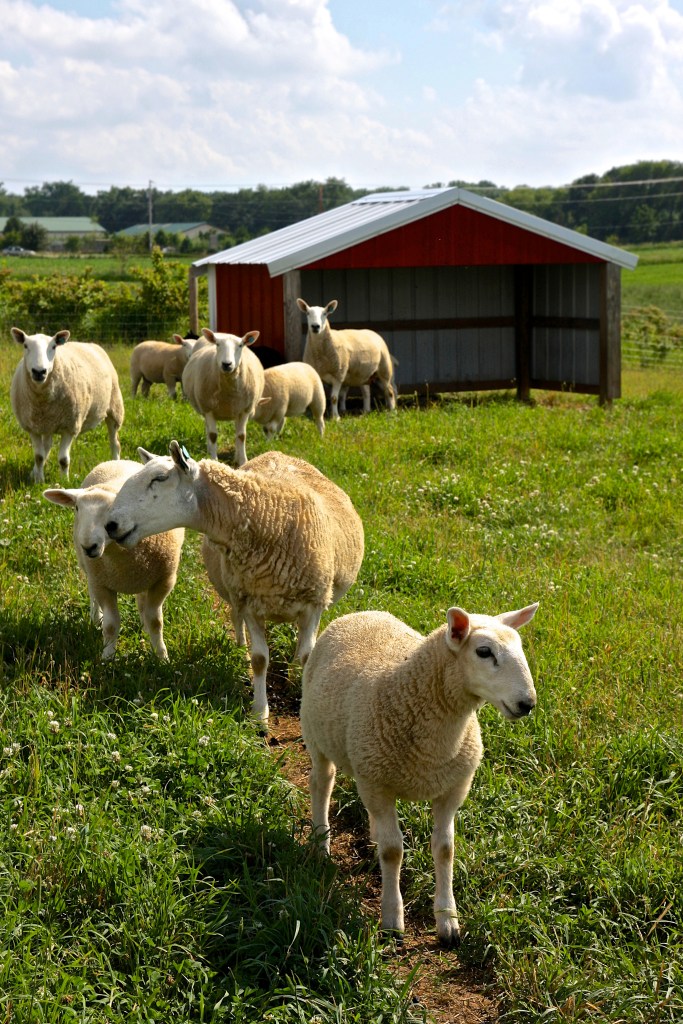
I regularly received feedback that people volunteer with the food bank specifically because hunger “wasn’t political.” The second we started talking about how increasing affordable housing or accessible healthcare would fight hunger, we crossed a line.

The reality is, hunger is intensely political. The food insecurity rates of our neighbors and communities are directly related to the choices that we, from individuals to nations, make every day.

Hunger does not exist in a silo. No one experiencing hunger faces that as their only challenge. Hunger is intimately related to housing, healthcare, wages, racism, discrimination, gender, childcare, and a million other issues. If we really want to end hunger, then we need an organized plan to address poverty and all that encompasses.

If you are angry with your food bank for talking politics, then you aren’t really fighting hunger.

You’re fighting for the status quo.  

Every public policy related to hunger. But while hunger is political, it doesn’t have to be partisan.

For example, libraries offer a space for people to use computers and the internet for free, which can be essential for applying to jobs or accessing resources. Losing this option can heavily impact the food security of an individual. The library bond on your ballot is a hunger issue.

Many, many people rely on public transportation to get to work, buy groceries, and carry out their daily life. Without a reliable way to get around, people go hungry, work can’t get done, and the economy suffers. The loud city bus your neighbor complains about is a hunger issue.

Many our food pantry clients have jobs, but are still forced to live in their cars, shelters, or couch surf. Without housing options within their budgets, they struggle to maintain a job, stay safe, and eat healthy food. Food pantries and SNAP are designed for people with kitchens, which meant we have fewer options to offer these people who go hungry as a result. Affordable housing is a hunger issue.

Voting is one of the most important ways we provide feedback and guidance to our government. Increasing barriers to vote (like we’re currently seeing) means we silence valuable opinions and lived experience that help shape stronger communities. Voting rights are a hunger issue.

It takes bravery for anti-hunger organizations to publicly discuss these relationships. And the legalities of nonprofits and politics make many organizations wary of crossing a line. But if we really want to solve hunger, we can’t limit our advocacy efforts to just food access.  

Here’s how anti-hunger organizations can begin engaging with the bipartisan politics of hunger in their communities:

  • Host voter registration drives. This is a great entry point because it doesn’t explicitly connect hunger with politics, but it still opens the door for action from clients and volunteers alike. There is also an enormous amount of misinformation and voter suppression this year, so providing reliable resources and support is an incredibly valuable option.
  • Incorporate clients referrals to partner organizations that can help them with other issues like housing, healthcare, childcare, education, and other challenges. Make sure your volunteers know about these relationships, and why they are important. Every opportunity that our community sees a connection between hunger and other symptoms of poverty helps strengthen our understanding of the challenge we face.
  • Develop systems where your public-facing employees can have these conversations. Does volunteer orientation discuss how hunger relates to other challenges in your region? Start small, in one-on-one or small group discussions for practice, before bringing it to bigger volunteer shifts. Don’t try this unless leadership at every level believes and is ready to support the intersectionality of hunger. You’re likely to irritate or lose those volunteers who maintain that these discussions are too political- make sure to support your staff when this happens, but also remember that it also builds a stronger team who is better prepared to take decisive actions towards ending hunger.

The opinions expressed here are solely my own and do not express the views or opinions of my employer.

Want to learn more about food justice? Subscribe so you never miss a post!