What’s a Free Little Food Pantry?

Recently, one of the largest food pantries in my hometown reported that they’ve seen a significant drop in the number of LatinX and immigrant visitors they serve due to the threat of deportation. In the dystopian reality we’re facing of secret police and public kidnappings, it’s easy to overlook that this doesn’t mean these people are no longer experiencing hunger- it’s that they no longer have safe avenues for access.

It is harder and harder to support people facing food insecurity as our public spaces become less safe.

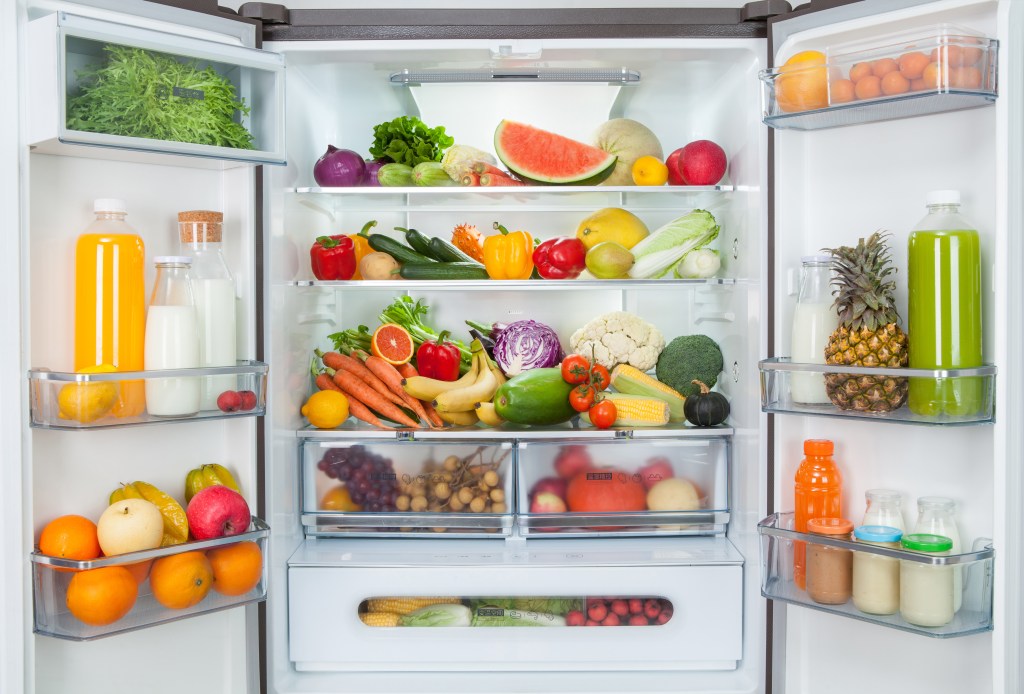
Early in the pandemic, when food banks and pantries were overwhelmed with more people experiencing hunger than they could ever support, my neighborhood started to see “Free Little Pantries” sprout up. They were small cupboards, or occasionally refrigerators, stocked by community members offering an anonymous way for their neighbors to get free food.

I’ve had a couple conversations recently about the value of these resources, and with public spaces being less safe, it seems like a relevant moment to explore their challenges and benefits.

In theory, free little pantries are amazing. They offer a discreet way for people experiencing hunger to freely take the food they need. Enthusiastic neighbors can fill the pantry with the food they have available, and people can take what they want without supervision or judgement. During the height of the pandemic, they offered a low-contact way to get food, and now they discreetly provide food with less risk of encountering ICE. However, they’re not a simple or easy undertaking.

If you’re thinking about starting or supporting a free little pantry, here are some things to keep in mind:

  • Who will be using this pantry? What are the demographics of your neighborhood? Is it a working-class neighborhood, where there may be residents who just need a little boost now and then? Is it a higher-traffic area, where there may be more people who are unhoused passing through? How will people find out about it? There are various websites where you can list your location, but how many people do you want to know about it?

Free little pantries can be a valuable resource for those who are houseless, but they can also be a source of frustration when they don’t offer anything someone can use without a kitchen.

I’ve heard tragic stories of people experiencing houselessness spending Christmas munching on dry pasta, because that was the only food they could access. It’s important to know the demographics who need the most support.

  • How are you going to stock it? Some people are excited to cook and prep ready-to-eat foods for their fridges, while others are ready to do regular shopping. Some pantries depend on donations, which means they never know what or how much they’ll have. What kinds of food are you hoping to offer? The free little pantry near me usually has egg noodles and off-brand tomato sauce, and the fridge is currently full of local garden excess.

While I respect enthusiasm for cooking meals for free little pantries, I also caution against it. It’s hard to guarantee the safety of these meals unless you’re very carefully supervising your fridge, labeling ingredients, documenting dates, and monitoring temperatures.

  • Are your neighbors supportive of this project? It’s important to think about the level of traffic you’re comfortable with. Do you have a neighbor who will call the police anytime they see a stranger walk by? Are they going to complain about unknown cars passing through, or potential garbage on the ground? A free little pantry can never really be a solo endeavor, and you’re going to need community buy-in.
  • How much time do you want to spend on this project? How often are you able to check it, organize, and clean the space? Depending on the level of traffic, it may need more or less attention to keep it acceptable for users and neighbors.


If you have the energy and enthusiasm, go for it! Free little pantries are a great option for offering food to people experiencing hunger with low barriers and anonymity.

They are a great resource for those who may just need a little boost to make it to the next payday, but it’s important to recognize that they don’t have the capacity to fight ongoing food insecurity. They’re an individual solution to a systemic problem.

If you’re looking for other ways to stay engaged, consider food or fund drives for your local food or pantry (and of course engage in their advocacy efforts). Check with them on what their eligibility requirements are and seek out the organizations who are working hardest to support immigrant and marginalized communities. Consider seeking out backpack programs that send kids home from school with food or volunteer with other community food justice efforts like Portland’s Fruit Tree Project or the Green Bag Food Project.

The opinions expressed here are solely my own and do not express the views or opinions of my employer.

Want to learn more about food justice? Subscribe so you never miss a post!
Don’t Offload Food Waste onto Pantries

The smell of overripe bananas will forever make me nauseous. Our food pantry once had a pallet of bananas donated that the person on the phone promised were completely edible, with “only a little bit of brown.” While that was technically true, the fruit was also so soft I couldn’t pick it up without it disintegrating, and there was no way that I would offer this to my clients.

(If you’re like 99% of my volunteers, I know what you’re thinking and I’m going to stop you right there. Baking banana bread requires flour, sugar, and oil, all of which are incredibly rare at food pantries. It’s also a recipe primarily familiar to Western Europeans, unlike many of our shoppers. It’s not a practical suggestion, and it drives your food pantry staff bonkers.)

I spent the next two days unpacking the bananas from their boxes and tossing them into our compost bin. The smell permeated my hair and clothes, and I regularly had to step outside for fresh air. I wanted to call the donor and yell at them to take this donation back. It was a waste of my time and a test of my patience, as well as a burden to our compost system. But of course, I couldn’t risk jeopardizing the relationship.

As massive federal cuts leave nonprofits scrambling to access resources, anti-hunger organizations are sending out pleas for community food donations. Although vastly inadequate, for many underfunded nonprofits this is their only option for continuing services.

As part of this campaign, organizations are seeking to establish or boost relationships with corporate partners like groceries stores who have the potential to supply larger quantities than individual donors.

When these relationships work, they are a boon for everyone. Businesses get public appreciation for making a donation (and the tax benefits), and food pantries get the food they need to serve their neighbors.

But just as often, these transactions act as a way for businesses to offload their waste disposal.

Too many people still hold the pervasive idea that it’s okay for people living in poverty to eat lower quality food, which justifies them donating foods that no one else wants to eat. I’m sure this banana donor genuinely believed they were helping us since they knew that food pantries were desperate for food, thanks to constant messaging they hear about donations.

Unfortunately, this attitude places recipients in the uncomfortable position of having to either silently accept the donation or risk offending the donor.

Our current nonprofit culture lives in such a scarcity mindset that it has become the norm to accept these donations, even when it brings additional costs for the recipient such as waste disposal and labor.

How can pantries advocate for quality donations?

  • Make expectations clear from the outset. My pantry developed an internal system for evaluating food that we would have done well to share externally. We only distributed food that must last until tomorrow and bring joy to recipients. While soft ripe bananas might still technically be edible, they brought no one joy. Telling donors this at the outset would help them understand what we could and couldn’t accept.
  • Engage in a dialogue with donors about the challenges of receiving food that doesn’t meet your needs. (This has the added benefit of introducing the idea that you don’t just want any foods, but have specific needs for your community.)Before a donation is even made, I like to mention the hardship of receiving food that has to be immediately tossed. Whenever possible, look at the donation before you make a commitment.
  • This demands confident leadership, but don’t be afraid to refuse donations that don’t meet your standards or align with what you were told you were receiving. While you may risk offending or losing a donor, you also set yourself up for a far more productive relationship in the future. They weren’t helping you by donating garbage, so you don’t actually lose anything.
  • Asserting donation expectations also teaches your volunteers and community the standards of your organization. Volunteers often assume that food brought into the pantry has already been determined acceptable, which means it’s okay to distribute to clients. When you don’t allow low-quality food in the door, you teach your team that your clients deserve only the best.

The opinions expressed here are solely my own and do not express the views or opinions of my employer.

Want to learn more about food justice? Subscribe so you never miss a post!
Changing Our Diet Won’t End Hunger

Content warning: discussion of slaughtering animals for meat consumption

I increasingly receive emails from people excited to share the secret to solving hunger- usually advocating for a miracle crop, agricultural practice, or a specific diet. While these conversations are a great opportunity to learn about their passion, ranging from hydroponics to yucca farming, these solutions don’t usually address food insecurity. They may help with sustainability, conservation, or health, but fail to consider the root causes of hunger.

The solution to hunger has very little to do with food.

Here is a recent must-read on the root causes of hunger recently written by the International Panel of Experts on Sustainable Food Systems.

Hunger is a political rather than agricultural problem. Food access, rather than quantity, is the barrier to a nourished world.

Nevertheless, one of the most common proposals I hear for ending hunger is vegetarianism. Many people argue that the resources it takes to raise livestock would be much more effectively dedicated to other food products. They’re not wrong, but the issue is so much more complicated than that.

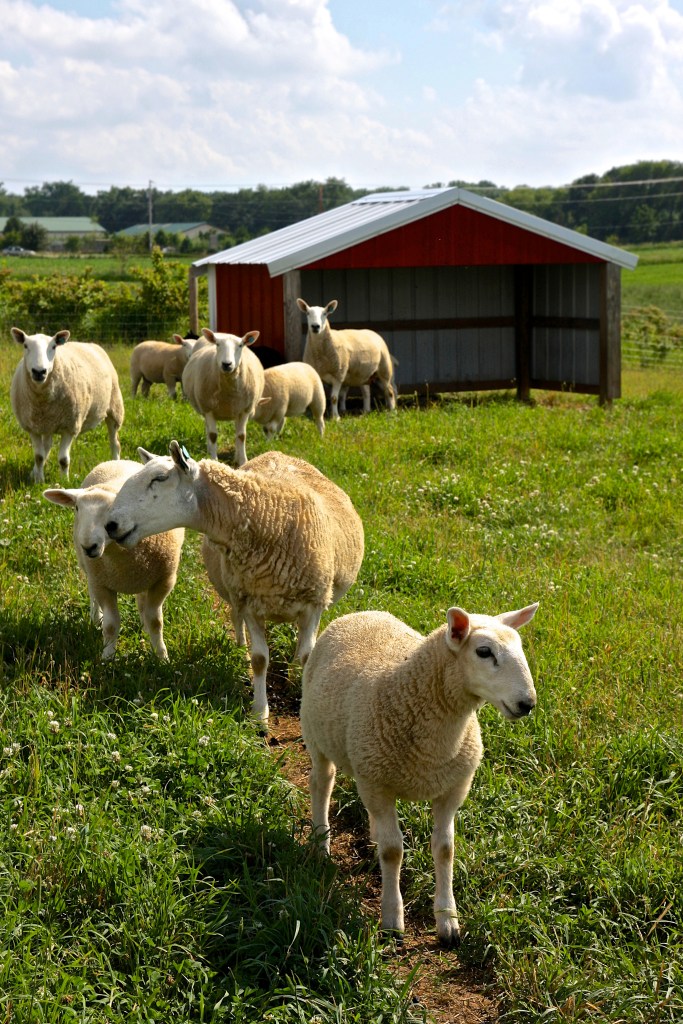
I grew up on a small farm that raised sheep and poultry for meat, with the occasional goats as well. My parents dedicated significant effort to enriching our pastures to ensure it made the animals and the land healthier. Most years, we hired a mobile butcher to slaughter our animals on-site to reduce the stress and trauma of traveling. Meat has always been a part of my diet, and I was never sheltered from the realities of raising livestock.

As a result of my background, I believe that it is possible to sustainably and ethically eat animals. Our society would definitely benefit from changing the way we treat animals, but I’ve witnessed how livestock and conservation do not have to be mutually exclusive.

There is no one “best” way to eat.

Food is how we celebrate culture, traditions, show affection, and care for our bodies and I have the greatest respect for people who make the choice to limit or eliminate their consumption of animal products, whatever their reasons.

While there are many compelling reasons for our society to eat less meat, an essential component of food justice is ensuring that people choose what they eat rather than having the decision forced upon them.

Our world would absolutely be healthier, more humane, and more sustainable if we consumed fewer animal products.

But promoting a vegetarian diet as the solution to hunger does not increase access to food- it simply eliminates a source of nutrition that is essential for many people.

Chastising food insecure families for eating meat is no more dignified nor respectful than placing restrictions on what SNAP recipients can spend their benefits on.

Beans and other plant proteins are not a significant food for many cultures (and it’s a personal pet peeve of mine that many food pantries and banks tout offering dry beans as a miracle solution to hunger.)

As SNAP data shows us, we can empower people to eat healthier by increasing their buying power and is more effective than reducing their options.

Food systems are rapidly evolving, and there are many conditions right now that may significantly impact the foods we can regularly access. But it’s essential that in our effort to ensure our neighbors are nourished we not sacrifice their autonomy and power of choice.

The opinions expressed here are solely my own and do not express the views or opinions of my employer.

Want to learn more about food justice? Subscribe so you never miss a post!

Using Farmers’ Markets to Fight Hunger

Food banks and pantries are running out of food. Rising prices, combined with shortages of foods like eggs, a likely scarcity of agricultural workers, and the complications of potential tariffs mean that there’s less food available to anti-hunger organizations despite the rising need.

The stress of this situation means that anti-hunger advocates are getting creative by trying to access new resources or uplift underutilized connections.

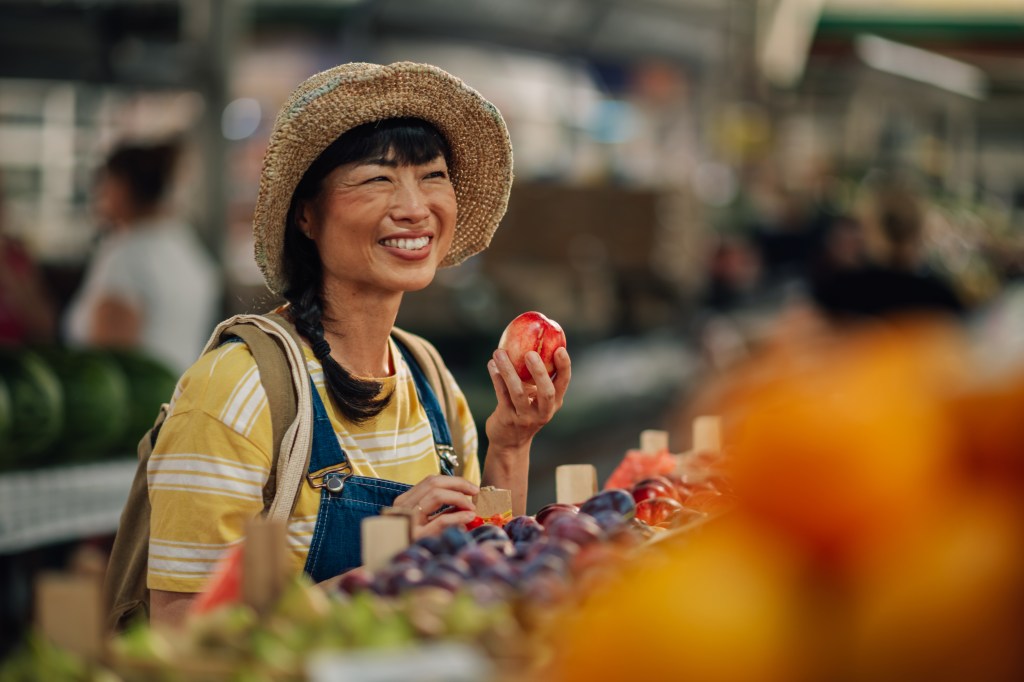
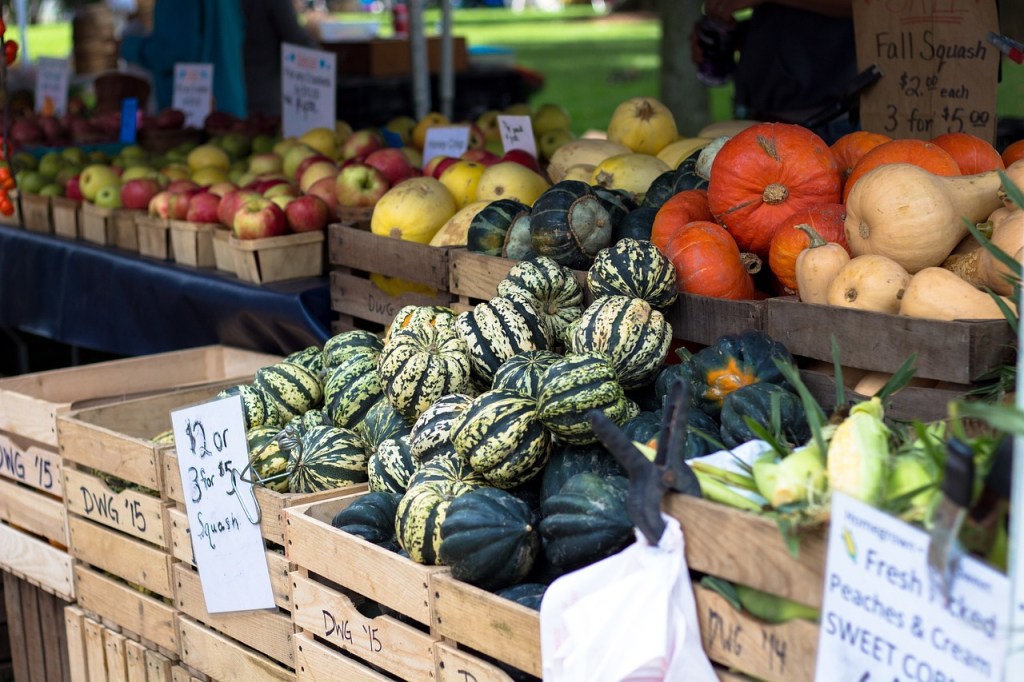
As part of this movement, I’ve been fielding calls from several food pantries about the best ways to connect with farmers’ markets as a potential food source. It’s true that markets don’t tend to have large gleaning or donor relationships with anti-hunger organizations. There are a lot of reasons why this is not a simple partnership, so today I’m going to dig into the challenges your pantry needs to consider if pursuing this option.

What are the challenges of establishing partnerships between food pantries and farmers’ markets?

  • Farmers’ markets, unlike food pantries, have hours targeting maximum community participation, which is why they are often operate on weekends or in the late afternoon.

Food pantries are usually open at the convenience of their volunteers, which means pantries and farmers’ markets do not consistently have overlapping open hours. This can make it hard to connect and harder to collect donations.

While volunteers may be willing, few people have the capacity to store fresh donations safely in their own refrigerator until they can get it to the pantry the next day.

I have turned down numerous pantry donations that were kept in someone’s garage, coolers, car, or other inadequate space because they didn’t want it to go to waste, but they couldn’t store it properly. Don’t compromise on food safety!

  • There is no guarantee that there will be any food to donate. In a perfect world, farmers’ market vendors sell out every time. Small-scale farmers do not usually have sale opportunities every day, so they work hard to guestimate the right amount of food to harvest with minimal waste. Food pantries may not be eager or able to commit to a regular pickup when the amount is uncertain or minimal.
  • Food pantries are used to collaborating with grocery stores for whom donations rarely impact their bottom line. I’ve worked with many stores who can be flexible, generous, and casual about their donations to pantries.

Small farmers, however, don’t necessarily have that luxury. It’s hard to profit as a farmer, which means they don’t have the wiggle room to donate as much as your pantry would like, and aggressive solicitation can be counterproductive.

  • Farmers’ market vendors never know what will be leftover, and it may or may not be a familiar product for food pantry clients.

The joy of shopping at a farmers’ market is that you’ll discover beautiful local produce in varieties you’ve never seen before. However, those same options can be a challenge at a food pantry, where shoppers may have limited access to cooking utensils, recipes, or energy to learn about an unfamiliar food.

One of the greatest barriers I’ve encountered is that volunteers often don’t prioritize giving away foods they aren’t familiar with, which means some of the most fun and delicious donations don’t make it into the hands of people who may want it before it spoils.


None of these barriers are insurmountable, and I don’t intend to discourage any pantry from working with a farmers’ market. It’s simply important to recognize that working directly with farmers’ markets demands a different relationship and attitude than with a large grocery chain.

Despite the unique challenges, farmers’ markets offer an incredible opportunity to build relationships that can maximize your food purchasing budget. Buying a CSA share from a local farm is an incredible way to access local, fresh food while supporting a neighboring business. And making reliable purchases might enable a farmer to offer deals or discounts to pantries to maximize their dollars.

Targeting a farmers’ market can be a challenging avenue for food pantries, but if you have the capacity and drive to build a relationship with local farmers, then there is enormous potential for everyone to benefit.  

The opinions expressed here are solely my own and do not express the views or opinions of my employer.

Want to learn more about food justice? Subscribe so you never miss a post!
Why You Shouldn’t Host Your Own Holiday Food Event

As the holiday decorations have arrived in force at all commercial retailers, I’ve been pleased to see many of them them partnered with barrels and posters collecting for food drives. I’m excited to donate cans at my local rock climbing gym and funds at the grocery store.

However, it often seems like every business not supporting a food drive is now hosting their own holiday meal, food box distribution, or toy drive. It’s a great way to connect with neighbors, market services, and build a positive reputation. But it’s not always the best thing to fight hunger. 

While hosting a your own food program sounds great on paper, it’s not as simple as one might believe. 

We all enjoy the warm feelings of helping people in need, but if your organization hasn’t hosted before, you may not be well set-up to safely manage and serve hot foods, store and distribute food boxes, or ensure that your services prioritize the dignity of your recipients.

Too often, these kinds of distributions focus more on generating goodwill towards the host than providing meaningful support and empathy for community members.

Even more frequently, these distributions are designed with one particular community in mind rather than the broader population (commonly seniors, children, or veterans). While wanting to support your friends and your neighbors is noble and good, communities thrive when services prioritize those with the greatest need and barriers rather than the people the American business community relates to the most.

Consistency is important to food access. Offering a one-time event can be hard to ensure neighbors know about it, and one-off events can leave people confused without options the following year. Anti-hunger organizations are well-suited for hosting these events because that is what they do. They have established relationships with their neighbors and clients and are trained to safely distribute food in a way that elevates the dignity of all involved. Your local athleticwear store or graphic design studio doesn’t have the same tools and skills.

If you’re suddenly inspired to use your business to make a difference this year, consider why. Are you motivated to ensure your neighbors have access to the food they need to celebrate their community? If so, you are better off partnering with an existing organization that has the capacity, framework, and resources to make the event a success. 

If you are interested in hosting it yourself for the marketing potential, then it’s important to recognize that your primary goal is self-promotion rather than food access. When you ask your food bank for support on this project, know that the staff are intimately aware of your motives, and frustrated by your requests. 

If you want to host a food distribution because you want to nourish and uplift your people – your church, your apartment complex, your community group, or your clients, think about who in your area is already offering assistance. With very rare exceptions, most food banks require that any distribution be open to any and all who need it, not just specific people.

Encourage your clients, church, or community to explore the services that already exist. Using existing services helps food banks more than setting up new distributions. Established programs have a better understanding of the needs in a region and can better allocate resources without needing to train, certify, and coordinate an inexperienced partner.

Additionally, food banks, who are likely to provide most, if not all, of the food distributed, are already swamped during the holidays. They have limited capacity to onboard and support new and one-time partner agencies. They also may plan most of their holiday food orders around the number of agencies they anticipated serving, so sourcing additional foods may not be easy. 

How to have the most impact this holiday season:

  • Evaluate your focus. Why do you want to host your own event? Do you think you can do it better than anyone else who’s already doing it? If so, why aren’t you doing this work full-time? Using charity as a marketing tool is a long-established tradition, but that doesn’t mean that it’s ethical or effective at addressing hunger. Partnering with an established organization makes everything easier by allowing everyone to lean into their strengths.
  • Volunteer at an established organization. They absolutely need your help, which saves you from dealing with complicated logistics like unloading pallets, finding places for people to park, or scheduling your own volunteers, and lets you enjoy all of the fun aspects of the work. Established organizations have mechanisms for reaching and advertising to clients, so they can be confident that the community is aware of the events or resources they offer. Existing programs are also likely to have more capacity than first-time, one-off events, which means they are prepared for the demand. As a new resource, you wouldn’t have that confidence, and nothing would be worse than turning people away at the door. 
  • Donate funds to these established organizations. Food banks NEVER have enough turkeys for Thanksgiving (although they occasionally see an increase after the holiday as stores donate the ones that didn’t sell). Having the funds to buy the specific foods for people to celebrate their holiday is hugely empowering. And if you want to keep you money and support more local, donating directly to pantries or meal sites enables them to do more of what they are already doing well, instead of offering a cheap imitation.

The opinions expressed here are solely my own and do not express the views or opinions of my employer.

Want to learn more about food justice? Subscribe so you never miss a post!
Healthy Foods Aren’t Always Fresh: Improving Access

I recently found myself wrestling with the use of the words “healthy” versus “fresh.” In the food access (and wellness) fields, we often use these terms interchangeably when talking about diet, but my ruminations made me consider how it might not always be the best practice in the context of food justice.

Fresh foods are those that have undergone minimal processing, and usually need to be consumed shortly after harvest or collection. Fresh foods are generally considered healthy because they are generally whole foods without any of the additives that define our industrial food supply. They offer the simplest opportunity to consume our daily nutrients.

While most fresh foods are healthy, not all healthy foods are fresh. When it comes to fighting hunger and building food access, this is an important distinction.

Fresh foods can be hard to access. The weather in my hometown of Portland, Oregon, has quickly transitioned to fall, which means my garden is rapidly declining in productivity and many farmers’ markets are soon closing for the winter. Fresh foods will become harder to access as the season progresses, and the options at the grocery store will have to travel greater distances with variable quality.

When we place an emphasis on healthy foods being exclusively fresh, we add extra barriers for individuals who may not be able to access this option. At every food pantry I’ve ever worked at, I’ve encountered shoppers who were apologetic about their “bad diet” because they didn’t have a refrigerator or cooking capacity to choose fresh foods, regardless of what else they were eating.

Consistently accessing fresh foods requires easy access because it has a limited shelf-life. Food pantry clients often limit their shopping excursions to once or twice per month to minimize time and transportation costs, which means they only eat fresh food for a couple days after each trip.

Fresh foods also often require refrigeration and extra preparation to use, which can be beyond the capacity for someone with limited storage, inadequate tools, no time, or physical limitations. When we insist that eating fresh food is the only way to eat healthy, we mislead too many of our neighbors into believing that they are eating wrong.

When we teach people that their only options are inadequate, we foster discouragement and defeat. Food shaming never improves outcomes.

It is entirely possible to eat healthy without fresh foods. In many scenarios, preserved options are more nutrient dense because they were harvested and preserved at the peak of ripeness.

How can we foster access to healthy foods without focusing on fresh?

  • Many pantries have started to implement systems for helping clients recognize healthier options, like the Supporting Wellness At Pantries (SWAP) system. It’s a simple and efficient way to uplift the nutritional qualities of shelf-stable goods common to pantries. This helps highlight the value of preserved options without comparing them to fresh foods.
  • Start these conversations with staff and volunteers to ensure they’re familiar with barriers to fresh food and the value of preserved options. Our world is very eager to find a magic bullet for health, and it’s important that volunteers don’t reinforce this idea in the pantry. Presenting a challenge to develop healthy choices from the shelf-stable section can be a great learning experience for volunteers, and help them think about the nuances of food insecurity a little more.
  • Embrace frozen foods. It was revolutionary when one of my previous pantries recognized the potential of frozen options. Our supply constantly changed, but having a spot to consistently offer frozen vegetables and a mix of other options was an efficient option for clients to load up. While this does demand an extra piece of equipment, there are many organizations (and even food banks) that offer funding and grants for the purchase of freezers and other tools to facilitate frozen distribution.
  • Focus less on individual healthy or unhealthy foods, and more on the meals they can create. Healthy food is more than the sum of its nutrients, and we do our communities a disserve when we adopt a black/white perspective. Health comes from the security of knowing where your next meal is coming from, from the joy of connecting with your community, and the confidence of nourishing your body with what it needs.
  • It is important to recognize we should continue increasing access to fresh foods. One option is for pantries to remove their limits on how often clients can visit (whether they be monthly, bi-weekly, or weekly). Food pantry produce rarely lasts very long, so increasing pantry access would significantly improve fresh options, as long as the pantry has the systems, inventory, and paradigm to support such a move.

The opinions expressed here are solely my own and do not express the views or opinions of my employer.

Want to learn more about food justice? Subscribe so you never miss a post!
Making the Most of Your Food Drive

As we head into the holiday seasons, heralded by the arrival of twenty-foot-tall skeletons and inflatable black cats, most anti-hunger organizations are finalizing plans for their winter food drive. Food drives have long been a staple of food access work- they are a great mechanism for collecting food while increasing community engagement and awareness of their mission. Nearly all food access organizations utilize this tool.

But there are significant shortcomings and challenges that accompany food drives. In this post, I’ll share what some of those are, and ways that organizations and community members can navigate them.

Food drives are fantastic for many reasons. They bring much-wanted variety to a food supply that can often grow monotonous when depending on bulk food bank donations. They offer a tangible way for community members to connect with your organization. Personalizing donations are a beautiful entry point for neighbors to have discussions about the reality of food insecurity. Sorting donations is a great task for the huge influx of volunteers that nonprofits often see during the holiday season.

But these same benefits also present challenges.

Most food banks have specific food needs, based on what items they’ve been able to source elsewhere, and these needs can vary month to month. Unless it’s an incredibly targeted food drive (I’ve seen breakfast cereal or peanut butter specific events), food drives may not meet the food pantry’s highest food needs. While all donations are impactful, targeted aid is the most effective for fighting hunger.

The foods most in demand are often the most expensive, which means they are also the least likely to be donated. My personal mission is always to increase donations of spices and seasonings, but their high cost makes them some of the least donated ingredients. While I enthusiastically encourage people to donate foods that make them happy (because it helps remind them that people experiencing hunger are just like them), this builds community engagement more than an appropriate food supply.

Food drives are also a LOT of work.

My previous pantries supplied donors with donation barrels that we would try to both deliver and pick up. This required a volunteer or staff member to make extra trips during our busiest time of year, generally in less-than-ideal weather conditions. It felt worth it when we picked up hundreds of pounds of food, but often one or two hours of driving and days of coordination yielded little more than twenty or thirty pounds. While the donor absolutely deserved our praise and gratitude, this is not an ideal use of time. Many organizations hosting food drives also like to provide personalized signage and food requests, the development of which often falls on to food pantries. The amount of labor that goes into facilitating a food drive may not produce a similar payoff.

Once the food has been received, it needs to be organized. Delivered in overflowing boxes, bags, and barrels, food banks or pantries must sort it into categories that allow them to efficiently manage their distribution, be it in prepacked boxes or on grocery-style shelves. This responsibility usually falls to volunteer groups, who often sign up for one-time shifts during the holidays.

Under the supervision of a staff member, volunteers evaluate the food to ensure it’s safe for distribution (inevitably someone donates homemade preserves, goods without a label, or a bottle of alcohol- all unallowable options that must be discarded). These types of shifts are often fun but highly chaotic and have varying degrees of efficiency for the amount of work that actually gets done. While they are a perfect way to get volunteers into the door of their local food pantry, they are less successful at helping these organizations meet their day-to-day responsibilities of serving clients.

Additionally, this labor- and time-intensive task can mean that donations sit taking up space until they can be addressed. Sometimes this means organizations cannot accept other donations until food drive is sorted and distributed. This can be a significant problem for pantries with limited storage capacity.

How can we make food drives more functional?

Food banks (and some pantries) have significantly more buying power than the average individual, which means donated funds can buy much more food than an individual in their local grocery store.

One of the most efficient ways to maximize capacity is through virtual food drives– where neighbors donate funds, or even choose to buy specific items which ensure the food bank gets the best rates as well as the foods they most need.

Transitioning food drives to virtual, while still leaving room and opportunity for the donation of physical goods, is ultimately more accessible and efficient for everyone.

The one challenge this leaves is it reduces opportunities for large groups to volunteer together with food pantries, who often cannot accommodate their size or offer responsibilities to work together during day-to-day operations. In this scenario, food banks who do still have the capacity and need for larger shifts should step up to ensure these volunteers have a place to channel their energy while also connecting them with impact on the local level.

The opinions expressed here are solely my own and do not express the views or opinions of my employer.

Want to learn more about food justice? Subscribe so you never miss a post!
Fight Hunger with Local Food

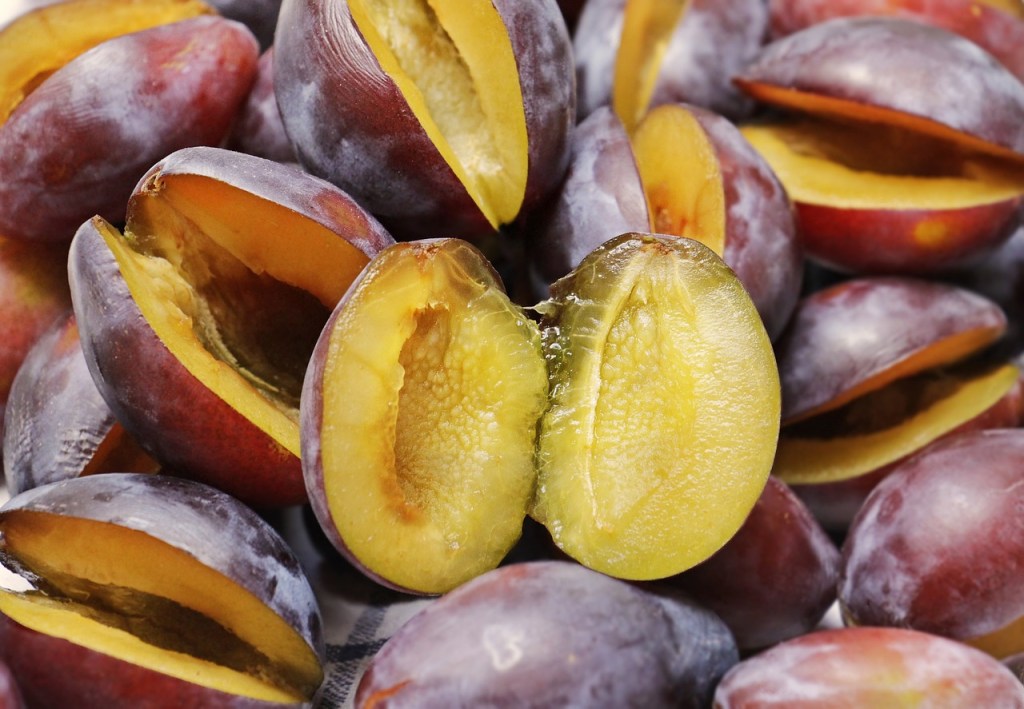
The last food pantry that I worked at was always buried in local plums during summertime. Community members, overwhelmed by the abundance of their fruit trees, knew that we had the capacity and the enthusiasm to take as much as they had to give away. Our walk-in refrigerator was piled high with cases of fruit and coated in the sticky juice that rapidly spread to all surfaces of the pantry.

The scale of the donations and the short shelf-life of ripe plums meant that we encouraged our visitors to take as much as they wanted, no holds barred. Alongside this fruit, we also received donations of excess zucchini, cucumbers, tomatoes, root vegetables and more from local gardeners.

These foods were fresher than what we got from the grocery stores, and the irregular sizes, shapes, and colors were popular among our clients precisely because they identified the foods as locally grown.

But as summer ended and the local gardens and fruit trees were depleted, our fresh options dwindled as well. Our produce selection shrank to whatever we received from grocery stores and our regional food bank, rarely in the same quantities as the plums, and never as fresh.

While the term “local food” is thrown around often enough to numb us to its meaning, there are real, tangible reasons why it is important and worth supporting.

Alongside tasting better, fresh foods are more nutritious, and small local operations are far more likely to grow varieties that haven’t been sapped of their nutritional value.

Making local purchases ensures that money stays in the community, rather than heading to a corporation halfway around the world. Foods grown in our community travel shorter distances, which means they have less of environmental impact when it comes to transportation and storage.

I have to note that it’s important to consider what our definition of “local food” is. While contracts and federal funding demand more clarity, my favorite framing of local is food that comes from as close as possible. Only eating locally grown foods is largely unrealistic- there are no cocoa farms in Oregon, so I’m not willing to even try. However, focusing on foods grown in our region when we can adds offers real benefits to our bodies and our communities.

But food banks and pantries were not designed to prioritize fresh options, and the systems we have rarely support local producers or growers.

Where do food pantries get their fresh produce?

  • Donations from grocery stores. These donations are often where pantries find a real diversity of foods, based on the store’s options. However, they may vary widely in quality because all stores (and their staff) have different standards for how donations are handled. Some donate foods when they’re just past their peak but still functional, but often times donations are well past their use-by date. It’s not malicious- this is simply a system that doesn’t really work for fresh produce.
  • Food banks. These options can come from grocery stores, but also producers and distributors who may have over-ordered or are unable to sell the food for a variety of reasons beyond expiration dates. Food banks are generally able to access and store higher quantities of produce, which in turn helps food pantries offer more consistent choices for their shoppers. An increasing number of food banks have started buying produce in bulk, but generally must prioritize price over place of origin.
  • Community and neighborhood gardens. Some community gardens dedicate specific growing space for their local pantry, while others simply donate their excess. This often helps pantries access foods that grow in abundance, like zucchini, cucumber, tomatoes, and of course plums and other fruits. Getting these foods to the food pantry can sometimes be challenging, because there may not be enough volume to justify the organization doing regular pickups.

The challenge with all of these options is that most of the time fresh produce is donated because no one else wants it. While occasionally mistakes like over-ordering lead to accessing perfectly ripe produce, most donations are made because the food is past its peak or is otherwise undesirable.

Even the community garden donations tend to skew towards ten-pound zucchinis and bruised apples. While these options are still functional, these are not foods that food pantry clients would select at the grocery store or their local farmer’s market.

Offering foods near the end of their lifespan also shortens the timeline of when someone can use it. Providing produce that needs to be eaten immediately means that recipients will not have any fresh produce after just two or three days, and makes it harder to assemble tasty, functional meals.

How can anti-hunger organizations access quality local produce?

  • Purchase produce. Since the pandemic, more and more food banks have been purchasing produce to pass on to pantries that is more desirable and lasts longer. With thoughtful purchasing, we can support local farmers, reduces shipping costs, and offers fresher food to clients. It does require a shift in priorities to secure additional funding, so it demands leadership that is clear and committed to the mission of uplifting the health of their community.
  • Connect with farmers markets. One of my food pantries regularly received a donation of excess produce from the farmers market, and it was always magnificent! This food was far fresher than anything we ever got from the grocery store and provided a wider range of culturally specific options. However, one of the main challenges of this partnership is that farmers markets are often weekly events whose schedule may or may not align with food pantry hours.
  • CSA (Community Supported Agriculture). This week I connected with a food pantry that buys shares from their local CSA to supplement their fresh produce options, and I’m absolutely enamored with the idea. This is a brilliant way to support local farmers, access fresh produce, and maintain a diversity of options in the pantry. The primary challenge for using this is that CSA shares generally need to be picked up on site, but food pantries who already have volunteers doing donation pickups may be able to add another site to the schedule.

I checked in with my food justice friends to name a few of their favorite CSAs. While the season is winding down, you can still save this list for next spring!

Turkey River Farm in Elkport, IA

Old Homeplace Farm in Oneida, KY

Land’s Sake Farm in Weston, MA

Wild Coyote Farm in Berrien Springs, MI

Three Goats Farm in Oregon City, OR

Zenger Farm in Portland, OR

Old Plank Farm in Plymouth, WI

*There are other ways for people experiencing hunger to access local produce outside of the pantry- such as Double Up Food Bucks and Veggie Rx. Today I’m specifically examining how to get those foods into pantries.

The opinions expressed here are solely my own and do not express the views or opinions of my employer.

Want to learn more about food justice? Subscribe so you never miss a post!