Why You Shouldn’t Host Your Own Holiday Food Event

As the holiday decorations have arrived in force at all commercial retailers, I’ve been pleased to see many of them them partnered with barrels and posters collecting for food drives. I’m excited to donate cans at my local rock climbing gym and funds at the grocery store.

However, it often seems like every business not supporting a food drive is now hosting their own holiday meal, food box distribution, or toy drive. It’s a great way to connect with neighbors, market services, and build a positive reputation. But it’s not always the best thing to fight hunger. 

While hosting a your own food program sounds great on paper, it’s not as simple as one might believe. 

We all enjoy the warm feelings of helping people in need, but if your organization hasn’t hosted before, you may not be well set-up to safely manage and serve hot foods, store and distribute food boxes, or ensure that your services prioritize the dignity of your recipients.

Too often, these kinds of distributions focus more on generating goodwill towards the host than providing meaningful support and empathy for community members.

Even more frequently, these distributions are designed with one particular community in mind rather than the broader population (commonly seniors, children, or veterans). While wanting to support your friends and your neighbors is noble and good, communities thrive when services prioritize those with the greatest need and barriers rather than the people the American business community relates to the most.

Consistency is important to food access. Offering a one-time event can be hard to ensure neighbors know about it, and one-off events can leave people confused without options the following year. Anti-hunger organizations are well-suited for hosting these events because that is what they do. They have established relationships with their neighbors and clients and are trained to safely distribute food in a way that elevates the dignity of all involved. Your local athleticwear store or graphic design studio doesn’t have the same tools and skills.

If you’re suddenly inspired to use your business to make a difference this year, consider why. Are you motivated to ensure your neighbors have access to the food they need to celebrate their community? If so, you are better off partnering with an existing organization that has the capacity, framework, and resources to make the event a success. 

If you are interested in hosting it yourself for the marketing potential, then it’s important to recognize that your primary goal is self-promotion rather than food access. When you ask your food bank for support on this project, know that the staff are intimately aware of your motives, and frustrated by your requests. 

If you want to host a food distribution because you want to nourish and uplift your people – your church, your apartment complex, your community group, or your clients, think about who in your area is already offering assistance. With very rare exceptions, most food banks require that any distribution be open to any and all who need it, not just specific people.

Encourage your clients, church, or community to explore the services that already exist. Using existing services helps food banks more than setting up new distributions. Established programs have a better understanding of the needs in a region and can better allocate resources without needing to train, certify, and coordinate an inexperienced partner.

Additionally, food banks, who are likely to provide most, if not all, of the food distributed, are already swamped during the holidays. They have limited capacity to onboard and support new and one-time partner agencies. They also may plan most of their holiday food orders around the number of agencies they anticipated serving, so sourcing additional foods may not be easy. 

How to have the most impact this holiday season:

  • Evaluate your focus. Why do you want to host your own event? Do you think you can do it better than anyone else who’s already doing it? If so, why aren’t you doing this work full-time? Using charity as a marketing tool is a long-established tradition, but that doesn’t mean that it’s ethical or effective at addressing hunger. Partnering with an established organization makes everything easier by allowing everyone to lean into their strengths.
  • Volunteer at an established organization. They absolutely need your help, which saves you from dealing with complicated logistics like unloading pallets, finding places for people to park, or scheduling your own volunteers, and lets you enjoy all of the fun aspects of the work. Established organizations have mechanisms for reaching and advertising to clients, so they can be confident that the community is aware of the events or resources they offer. Existing programs are also likely to have more capacity than first-time, one-off events, which means they are prepared for the demand. As a new resource, you wouldn’t have that confidence, and nothing would be worse than turning people away at the door. 
  • Donate funds to these established organizations. Food banks NEVER have enough turkeys for Thanksgiving (although they occasionally see an increase after the holiday as stores donate the ones that didn’t sell). Having the funds to buy the specific foods for people to celebrate their holiday is hugely empowering. And if you want to keep you money and support more local, donating directly to pantries or meal sites enables them to do more of what they are already doing well, instead of offering a cheap imitation.

The opinions expressed here are solely my own and do not express the views or opinions of my employer.

Want to learn more about food justice? Subscribe so you never miss a post!

The Future of Hunger in America

No matter how you feel about the outcome of this election, the reality is that if Trump implements the policies he has proposed, food insecurity is likely to significantly increase.

Mass deportation (or even just threats of) will decimate the agriculture community which depends on migrant labor. This will contribute to both food shortages and increased costs.

Separating nutrition programs from agriculture within the Farm Bill, as proposed by Project 2025 (Chapter 10), removes any incentive for compromise between parties and is a deliberate move towards slashing SNAP. (This one really frightens me.)

Further proposals within the document recommend reinstating SNAP work requirements, which are proven to increase hunger and have no positive impact on employment.

The administration also plans to target Universal School Meals, which over the last year have provided ample proof that nourished children have better outcomes. The list goes on.

It’s true we have no idea what will happen, but these are the policies that have been proposed.

What this means is that we can expect significant changes in America’s hunger landscape. The resources we have and the policies we uphold are likely to fluctuate alongside a volatile economy. We face uncertainty, fear, and an increasing disinterest in evidence-based policy. Anti-hunger work is going to get harder.

One of my biggest frustrations of working in the anti-hunger community is that we tend to be reactive rather than proactive. Food bank and pantry staff are overworked, underpaid, and under-resourced, which makes it incredibly hard to plan long-term. But long-term planning is the only way we will make a difference, because ending hunger depends on ending it tomorrow and not just today.

We can amplify our impact if we are prepared for the future, which is why I’m outlining steps that food pantries should take now to prepare for increasing need.

What your food pantry can start doing today to prepare for a changing landscape:

  • Conduct a SWOT analysis. Does your pantry have the capacity to grow if demand for your services increases? By how much? What are the obstacles to that growth?

I fully recognize and empathize that we are entering the busiest time of year for this industry, but doing this now is the only way we can prepare for future changes that could very well overwhelm our services.

  • Clarify your organizational values. While I’m sure you’ve got beautiful mission statements on the wall of your pantry, it is important for food pantries to be clear about whether they are a safe space and who they are dedicated to serving. The Trump administration has shown enthusiasm for attacking marginalized communities like BIPOC, LGBTQ+, migrants, and others. People within these communities are rightfully concerned about their safety in all public spaces, given the increase in hate crimes we saw during his last administration. Food pantries can be proactive by deciding if they are safe for these communities. If you want to keep serving these communities, you need to prove they are welcome.

I know that there are plenty of organizations and staff that aren’t interested in being these safe spaces. It’s important that everyone share this information- so advocates know where we can safely refer our clients and direct resources. If your pantry doesn’t want to serve LBGTQ+ shoppers, I certainly don’t want to send them to you.

  • Build safe spaces. This means establishing a staff and volunteer team committed to genuinely welcoming vulnerable communities. Teach your team about the importance of pronouns. Source culturally specific foods, and celebrate them. Do your shoppers see their communities represented among volunteers, staff, and leadership? A future blog will specifically examine building safe physical environments and the trend of food pantries hiring security staff. If our neighbors are fearful of law enforcement, a security agent can deter them from seeking food assistance.
  • Assess eligibility. Who do you serve, and who do you have capacity to serve? One of the major food access programs in my region uses federal welfare eligibility as their primary qualifier for services. What happens if the administration adds requirements that cause people to lose benefits? I will be looking for whether this organization changes their eligibility requirements, or if they allow the disqualification of thousands of their shoppers because of federal changes. Who do you serve, and/or who do you have capacity to serve? Who might need more help in the future?
  • Teach your volunteers and broader community about the value of a well-nourished world. When everyone is well-fed, we are all stronger. Policies that eliminate food access resources are intended to punish individuals for behaving differently than we think they should. But these efforts to deprive our neighbors of the food they need to survive do not help anyone. They hurt us all.

The opinions expressed here are solely my own and do not express the views or opinions of my employer.

Want to learn more about food justice? Subscribe so you never miss a post!

Healthy Foods Aren’t Always Fresh: Improving Access

I recently found myself wrestling with the use of the words “healthy” versus “fresh.” In the food access (and wellness) fields, we often use these terms interchangeably when talking about diet, but my ruminations made me consider how it might not always be the best practice in the context of food justice.

Fresh foods are those that have undergone minimal processing, and usually need to be consumed shortly after harvest or collection. Fresh foods are generally considered healthy because they are generally whole foods without any of the additives that define our industrial food supply. They offer the simplest opportunity to consume our daily nutrients.

While most fresh foods are healthy, not all healthy foods are fresh. When it comes to fighting hunger and building food access, this is an important distinction.

Fresh foods can be hard to access. The weather in my hometown of Portland, Oregon, has quickly transitioned to fall, which means my garden is rapidly declining in productivity and many farmers’ markets are soon closing for the winter. Fresh foods will become harder to access as the season progresses, and the options at the grocery store will have to travel greater distances with variable quality.

When we place an emphasis on healthy foods being exclusively fresh, we add extra barriers for individuals who may not be able to access this option. At every food pantry I’ve ever worked at, I’ve encountered shoppers who were apologetic about their “bad diet” because they didn’t have a refrigerator or cooking capacity to choose fresh foods, regardless of what else they were eating.

Consistently accessing fresh foods requires easy access because it has a limited shelf-life. Food pantry clients often limit their shopping excursions to once or twice per month to minimize time and transportation costs, which means they only eat fresh food for a couple days after each trip.

Fresh foods also often require refrigeration and extra preparation to use, which can be beyond the capacity for someone with limited storage, inadequate tools, no time, or physical limitations. When we insist that eating fresh food is the only way to eat healthy, we mislead too many of our neighbors into believing that they are eating wrong.

When we teach people that their only options are inadequate, we foster discouragement and defeat. Food shaming never improves outcomes.

It is entirely possible to eat healthy without fresh foods. In many scenarios, preserved options are more nutrient dense because they were harvested and preserved at the peak of ripeness.

How can we foster access to healthy foods without focusing on fresh?

  • Many pantries have started to implement systems for helping clients recognize healthier options, like the Supporting Wellness At Pantries (SWAP) system. It’s a simple and efficient way to uplift the nutritional qualities of shelf-stable goods common to pantries. This helps highlight the value of preserved options without comparing them to fresh foods.
  • Start these conversations with staff and volunteers to ensure they’re familiar with barriers to fresh food and the value of preserved options. Our world is very eager to find a magic bullet for health, and it’s important that volunteers don’t reinforce this idea in the pantry. Presenting a challenge to develop healthy choices from the shelf-stable section can be a great learning experience for volunteers, and help them think about the nuances of food insecurity a little more.
  • Embrace frozen foods. It was revolutionary when one of my previous pantries recognized the potential of frozen options. Our supply constantly changed, but having a spot to consistently offer frozen vegetables and a mix of other options was an efficient option for clients to load up. While this does demand an extra piece of equipment, there are many organizations (and even food banks) that offer funding and grants for the purchase of freezers and other tools to facilitate frozen distribution.
  • Focus less on individual healthy or unhealthy foods, and more on the meals they can create. Healthy food is more than the sum of its nutrients, and we do our communities a disserve when we adopt a black/white perspective. Health comes from the security of knowing where your next meal is coming from, from the joy of connecting with your community, and the confidence of nourishing your body with what it needs.
  • It is important to recognize we should continue increasing access to fresh foods. One option is for pantries to remove their limits on how often clients can visit (whether they be monthly, bi-weekly, or weekly). Food pantry produce rarely lasts very long, so increasing pantry access would significantly improve fresh options, as long as the pantry has the systems, inventory, and paradigm to support such a move.

The opinions expressed here are solely my own and do not express the views or opinions of my employer.

Want to learn more about food justice? Subscribe so you never miss a post!

It’s Time to Empower Leaders Who Know Hunger

I recently had the opportunity to consider a position as a leader in an anti-hunger organization, but it quickly became apparent that the priority skillset for this position was financial management rather than food security. I am incredibly confident that when the position is filled, it will be by a man with a background in banking or investing rather than nonprofits.

While I recognize the significant financial responsibilities of running an organization, I argue that it’s hard to solve a problem you don’t know much about.

This is one of the reasons why hunger policy so easily goes astray- it’s mostly written by people with no lived experience.

(To be clear, I don’t have lived experience of hunger either. This incident simply highlights for me the reality that this industry is one which rarely prioritizes leadership from subject matter experts.)

Modern day society generally accepts that people are wealthy and successful because of hard work and good choices, and that poverty results from laziness and failure. The result of this thinking is that we deliberately seek leadership from people we view as successful, which excludes anyone intimately familiar with poverty.

More than half of our Congress are millionaires– are we really surprised when they are ignorant of the burden of the cost of groceries or childcare?

This practice facilitates policy decisions based on how these wealthy individuals feel about hunger rather than the reality of the experience. It perpetuates solutions that are often inadequate, ineffective, and sometimes harmful to the people they intend to serve.

Luckily, we are in a time of transition in the movement to end hunger. In the last couple years, the field has made significant progress in uplifting the voices of people with lived experience. When we recognize that poverty is a societal, rather than individual problem, we can appreciate the incredible skills, strategies, and strength of people who live it.

Nonetheless, nonprofit leadership roles in the US continue to be dominated by wealthy, white individuals without lived experience of poverty or hunger.

The transition to elevate those with lived experience into leadership has been slow. This requires a redistribution of power, and few people or organizations relinquish their advantages willingly.

While running a nonprofit requires strong leadership and administrative experience, it’s time we broadened our definition of what a strong leader looks like to ensure we are uplifting the people most capable of addressing society’s biggest problems.

Instead of prioritizing financial success in our leaders and hiring anti-hunger experts, why don’t we prioritize anti-hunger experts and hire the staff who can help achieve their ambitious agendas?

What are the qualities necessary for leading an effective anti-hunger organization, if we’re not focusing on business acumen?

  • A clear vision. Anti-hunger organizations choose from a variety of goals, including ending hunger, preventing starvation, offering temporary aid, or ensuring everyone has equal access to an emergency supply.

Clarity of vision starts with executive leadership undertaking thoughtful reflection, study, and goal setting with the explicit recognition of the privilege and experience on their team. When leadership doesn’t have a reality-based vision, staff and volunteers must create their own which may or may not align with that of the organization.

  • An overflowing well of empathy. Serving people living with poverty, trauma, and hardship every day is incredibly taxing. It can be easy for leaders who aren’t doing the on-the-ground implementation to grow complacent or blasé about the impacts of this experience on clients and staff. Anti-hunger leaders should endeavor to learn about and understand the challenges of this work from both sides if they don’t have lived experience. A leader lacking empathy for the challenges of living with hunger or the emotional fatigue of fighting it does their community a disservice.
  • Trust. It is essential that leaders trust the experience and insight of staff and clients who fight hunger daily. Leaders may have great ideas about how to manage clients or food flow that are utterly impractical, so they need to trust their staff’s expertise. All employees also need to trust the people they serve, which starts with letting go of the assumptions our society clings to about poverty.

When we assume that we know what’s best for someone else, we stop serving our community effectively.

The opinions expressed here are solely my own and do not express the views or opinions of my employer.

Want to learn more about food justice? Subscribe so you never miss a post!

How Food Pantry Accessibility Fights Hunger

September is Hunger Action Month, a time to raise awareness about the prevalence and reality of hunger in America. I firmly believe that the way we think about hunger is the primary obstacle to solving it, so this month I am focusing on challenging the assumptions we’ve been conditioned to accept, and offer new tools for taking those ideas out into the world.

This photo shows a woman from the back walking down a wide flight of stairs

Recently, I had the opportunity to tour a food pantry I’d never been to before. Walking up to the building, I found myself worrying about how I would find it. I’d been given the building address, but no further directions. I assumed I’d have to make my way through a labyrinth of corridors and ask for help to get to my meeting on time. Stepping through the front door, I was pleasantly surprised to see pantry shelves directly ahead of me.

Photo looks down a stairwell in a musty old building

Upon reflection, I realized that I had imagined this pantry would be in the basement. My default assumption is that food pantries are in spaces that no one else wants. Accustomed to working with organizations looking to squeeze their services in wherever they can rather than where is easiest for shoppers, I struggle to envision a pantry anywhere else but a church basement.

Food pantries, as underfunded and underappreciated programs, have long been relegated to areas where they won’t get in anyone else’s way. Although I absolutely recognize that limited budgets demand the use of free space wherever available, this still presents real challenges for making food services accessible to everyone.

The physical placement and design of food pantries has a significant influence on how accessible they are for the people who need their services the most.  

When pantries are in spaces no one else wants, it’s often because those spaces are hard to access or navigate, like the basement I assumed I was looking for.

Shows a shelf of fresh produce displayed in plastic bins, including peppers, apples, oranges, peppers and carrots

People with disabilities already face extra barriers to food security, including discrimination in employment and healthcare, and finding safe and accessible housing. Many of my previous food pantry clients have shared with me the inadequacy of their disability benefits (when they were able to get them), which meant emergency food assistance programs were often their only food resource.  But this requires finding a pantry that can accommodate their individual needs.

Households with a member with a disability experience higher hunger rates than households without. Even with the protection of the Americans with Disabilities Act (ADA), many services and venues are not easily accessible to everyone, like food pantries in basements, which is why too many people continue to experience hunger.

Food pantries often require clients to wait in long lines, walk long winding hallways and staircases or ride in rickety elevators, and then carry a heavy selection of food home. These are all barriers for many people, and not just individuals with disabilities.

The systems that food pantries use to accommodate their awkward locations in many cases have made it harder for everyone to access. By focusing on how we can increase accessibility for people with the greatest barriers, we reduce obstacles to food security for everyone.

How we can make food pantries more physically accessible:

Manage the wait in line. As well as being physically demanding, waiting in a long pantry line often contributes to tension and stress as people worry about time and whether there’s enough food. Long lines are a significant challenge for many pantries, but there are several options for changing the system.

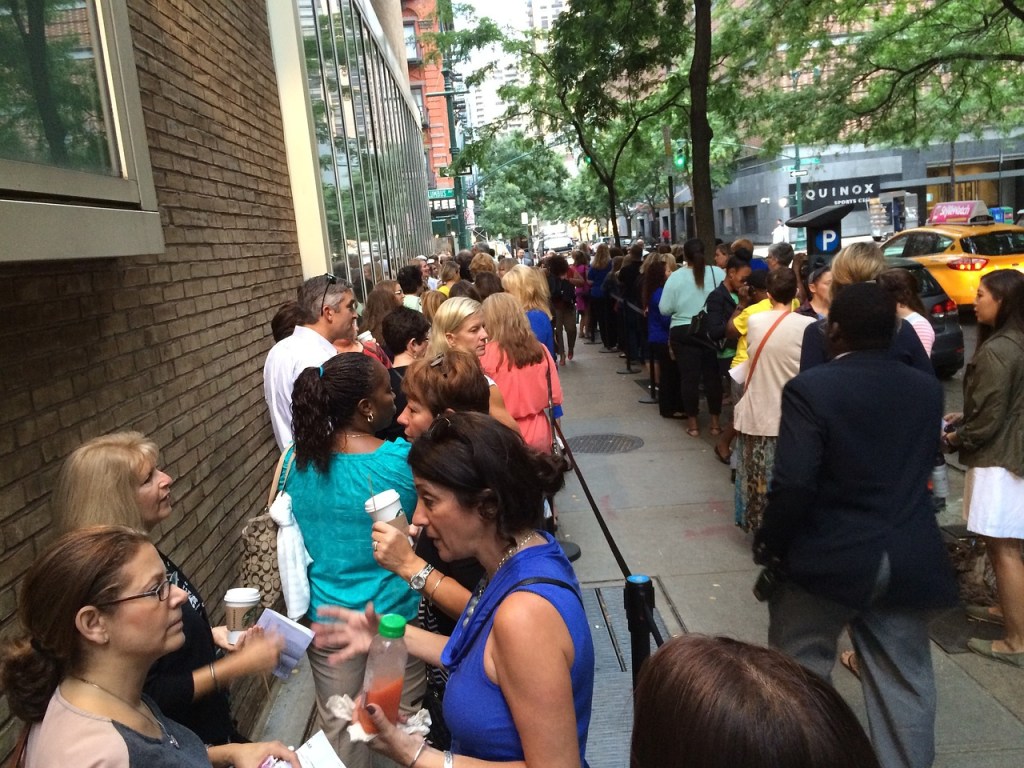
Shows the feet of people waiting in a long long outside on the pavement in summertime

I’ve seen some pantries switch to handing out numbers to clients at an assigned time before opening so that people don’t have to physically wait in line. This model does require a staff member or volunteer to support and supervise before the pantry opens, which can be hard.

Also consider where people line up. Standing in line for extended periods of time can be hard on anyone, and act as a deterrent for those with physical limitations. Is the space covered to protect against sun and rain? Is there anywhere for people to sit? Can shoppers save their spot with a bag or box while they sit in their car? This practice risks accusations of cutting, but can be the most practical, especially on bad weather days where no one should be standing outside.

Shows a woman in a heavy coat helping load groceries into the car for a man in a wheelchair

Shopping the pantry. How easy is it to get to and move around in the space? Pantries don’t need to be big, but they do need to be able to accommodate wheelchairs and other mobility devices, and several people at once for those who need support. One of my first food pantries was up on a high school auditorium stage, which required shoppers to walk up a long winding corridor, weave their way across the stage, and then walk down a short flight of stairs with their full box of food. Retrospectively, this was a terribly inaccessible setup.

Wheelchair accessibility often receives the most attention because it is a highly visible aid, but it’s important to remember the diversity of needs for people experiencing hunger. Is there room for shoppers to be accompanied by a caregiver or support person? Do volunteers know how to behave around a service animal? Is the space well-lit, ventilated, and calm and quiet? Are there volunteers who know American Sign Language (ASL)? I am regularly surprised at how many volunteers know ASL, and how often we needed them.

Shows an African American woman smiling and using sign language with another woman with her back to the camera

How do shoppers collect their food? If an individual can’t carry a basket or push a shopping cart, is there help available? Are volunteers trained to offer appropriate and respectful support in these circumstances? Are there people to help get their food to the car, or to bring the shopping cart back in?

I’ve seen many pantries offer prepacked boxes or menus for people who cannot access the full pantry, (like my model on the auditorium stage) and while offering alternative systems is important, we need to be careful in how they are administered. How do shoppers find out about these options? Too often, these kinds of options are only offered to people with visible disabilities. Does everyone still have access to the full range of foods? I recommend advertising and making alternative access options available to everyone, no questions asked. Boxes can potentially be packed at the beginning of distribution to simplify the process.

Is the food accessible? Accessible pantries offer a diversity of selections. While we should absolutely continue to increase the supply of fresh produce and whole foods, not everyone can use these. Prepared and instant foods are valuable for people who are busy or have physical limitations that influence their ability to prepare food. Can shoppers make their own food choices, and is there flexibility? Rigid limits may mean people have to visit more often to stay nourished. If making the trip to the food pantry is already difficult, this only adds to the obstacles they face.

Do food options accommodate for special diets or allergens? There’s increasing energy in the industry for signage identifying these foods, but it does require training teams on the specifics, and conversations with clientele to learn the specific needs of your community.

The opinions expressed here are solely my own and do not express the views or opinions of my employer.

Want to learn more about food justice? Subscribe so you never miss a post!

We Can’t Fight Hunger With Food Shaming

September is Hunger Action Month, a time to raise awareness about the prevalence and reality of hunger in America. I firmly believe that the way we think about hunger is the primary obstacle to solving it, so this month I am focusing on challenging the assumptions we’ve been conditioned to accept, and offer new tools for taking those ideas out into the world.

As a woman, I often receive unwanted public attention towards my food choices. If I order a salad, critiques range from how I must be watching my weight to compliments for making the healthy choice. When I order a steak, someone may congratulate me for not caring what other people think or they may offer some gross innuendo about the carnality of eating meat. My food choices are judged and discussed as if they are appropriate for public discussion.

While women generally receive the bulk of commentary about what they eat, it doesn’t mean that men don’t experience this. Overall, America’s obsession with diet culture means that our food choices are regularly evaluated by others, no matter who we are. People buying junk food are criticized for their ignorance of healthy eating, but people sticking to an organic, local diet are similarly castigated for being elitist and bougie.

No matter how we choose to eat, someone somewhere is comfortable announcing why we’re wrong.

Our society tends to treat foods as either good or bad with no middle ground, and we categorize people who eat those foods the same way. This fosters stigmatization and discrimination against people whose choices we disagree with.

This problem quickly becomes apparent in food pantries. It’s essential to remember that the foods most available to food pantries (even the ones doing their best to be healthy!) are the cheapest and least healthy- the “bad” foods. Even when pantry clients have few other options, it’s easy for volunteers and staff to make negative assumptions about individuals based on their selection of food. Fostering negative attitudes about shoppers inevitably manifests a less positive environment, and can unintentionally facilitate other discriminatory attitudes.

Alongside a desire to offer our opinions, there is a parallel desire to control what people experiencing poverty eat.

Nowhere is this more apparent than in the efforts to add restrictions to SNAP limiting the purchase of unhealthy junk foods (which completely ignore the reality that healthy food costs more- we need to raise SNAP benefits if we want people to make different choices.)

Alongside the shame of visiting a food pantry, people experiencing hunger often undergo the secondary trauma of having their food choices supervised, monitored, and judged. This is a significant barrier to getting people the food they need to thrive. A welcoming pantry where shoppers feel free to pick the foods that work for them, rather than being pressured or humiliated into certain choices, is the pantry most effectively fighting hunger.

How we can reduce food shaming in pantries:

  • Do not monitor food choices. Too often, knowing a volunteer is watching their every move is enough to influence what a food pantry client is comfortable taking. While your pantry may have volunteers enforcing limits, do so as respectfully and as noninvasively as possible. If your pantry has staff or volunteers check or repack food selections before a client checks out, see if there is any way to change your system so that shoppers don’t feel like their choices have to be “approved.”
  • Offer a wide variety of foods. The more available your fresh produce is, the more people are likely to take it, but you cannot shame anyone into eating healthier. And too many people don’t have the capacity to use fresh options– many clients may depend on a microwave as their only cooking tool, or only have minutes available between work and caregiving responsibilities. Shaming them for the food choices does not make any healthier foods easier to eat. Offering a wide range of foods ensures that there is something that will work for everyone. Don’t turn your back on instant options.
  • Train volunteers to recognize their implicit biases and understand how it influences how they support shoppers. Unfortunately, food shaming is closely linked to weight shaming and fatphobia, and can manifest through poor treatment and services. This is a sensitive subject worthy of its own blog post, but it’s important to explicitly recognize that our judgements about size and food choice heavily influence how we interact with people. If we want to build inclusive, respectful, and effective food pantries, we need to acknowledge and work on these biases.

Major appreciation to Elie Jacobsen for helping source photos this week!

The opinions expressed here are solely my own and do not express the views or opinions of my employer.

Want to learn more about food justice? Subscribe so you never miss a post!

Fight Hunger with Local Food

The last food pantry that I worked at was always buried in local plums during summertime. Community members, overwhelmed by the abundance of their fruit trees, knew that we had the capacity and the enthusiasm to take as much as they had to give away. Our walk-in refrigerator was piled high with cases of fruit and coated in the sticky juice that rapidly spread to all surfaces of the pantry.

The scale of the donations and the short shelf-life of ripe plums meant that we encouraged our visitors to take as much as they wanted, no holds barred. Alongside this fruit, we also received donations of excess zucchini, cucumbers, tomatoes, root vegetables and more from local gardeners.

These foods were fresher than what we got from the grocery stores, and the irregular sizes, shapes, and colors were popular among our clients precisely because they identified the foods as locally grown.

But as summer ended and the local gardens and fruit trees were depleted, our fresh options dwindled as well. Our produce selection shrank to whatever we received from grocery stores and our regional food bank, rarely in the same quantities as the plums, and never as fresh.

While the term “local food” is thrown around often enough to numb us to its meaning, there are real, tangible reasons why it is important and worth supporting.

Alongside tasting better, fresh foods are more nutritious, and small local operations are far more likely to grow varieties that haven’t been sapped of their nutritional value.

Making local purchases ensures that money stays in the community, rather than heading to a corporation halfway around the world. Foods grown in our community travel shorter distances, which means they have less of environmental impact when it comes to transportation and storage.

I have to note that it’s important to consider what our definition of “local food” is. While contracts and federal funding demand more clarity, my favorite framing of local is food that comes from as close as possible. Only eating locally grown foods is largely unrealistic- there are no cocoa farms in Oregon, so I’m not willing to even try. However, focusing on foods grown in our region when we can adds offers real benefits to our bodies and our communities.

But food banks and pantries were not designed to prioritize fresh options, and the systems we have rarely support local producers or growers.

Where do food pantries get their fresh produce?

  • Donations from grocery stores. These donations are often where pantries find a real diversity of foods, based on the store’s options. However, they may vary widely in quality because all stores (and their staff) have different standards for how donations are handled. Some donate foods when they’re just past their peak but still functional, but often times donations are well past their use-by date. It’s not malicious- this is simply a system that doesn’t really work for fresh produce.
  • Food banks. These options can come from grocery stores, but also producers and distributors who may have over-ordered or are unable to sell the food for a variety of reasons beyond expiration dates. Food banks are generally able to access and store higher quantities of produce, which in turn helps food pantries offer more consistent choices for their shoppers. An increasing number of food banks have started buying produce in bulk, but generally must prioritize price over place of origin.
  • Community and neighborhood gardens. Some community gardens dedicate specific growing space for their local pantry, while others simply donate their excess. This often helps pantries access foods that grow in abundance, like zucchini, cucumber, tomatoes, and of course plums and other fruits. Getting these foods to the food pantry can sometimes be challenging, because there may not be enough volume to justify the organization doing regular pickups.

The challenge with all of these options is that most of the time fresh produce is donated because no one else wants it. While occasionally mistakes like over-ordering lead to accessing perfectly ripe produce, most donations are made because the food is past its peak or is otherwise undesirable.

Even the community garden donations tend to skew towards ten-pound zucchinis and bruised apples. While these options are still functional, these are not foods that food pantry clients would select at the grocery store or their local farmer’s market.

Offering foods near the end of their lifespan also shortens the timeline of when someone can use it. Providing produce that needs to be eaten immediately means that recipients will not have any fresh produce after just two or three days, and makes it harder to assemble tasty, functional meals.

How can anti-hunger organizations access quality local produce?

  • Purchase produce. Since the pandemic, more and more food banks have been purchasing produce to pass on to pantries that is more desirable and lasts longer. With thoughtful purchasing, we can support local farmers, reduces shipping costs, and offers fresher food to clients. It does require a shift in priorities to secure additional funding, so it demands leadership that is clear and committed to the mission of uplifting the health of their community.
  • Connect with farmers markets. One of my food pantries regularly received a donation of excess produce from the farmers market, and it was always magnificent! This food was far fresher than anything we ever got from the grocery store and provided a wider range of culturally specific options. However, one of the main challenges of this partnership is that farmers markets are often weekly events whose schedule may or may not align with food pantry hours.
  • CSA (Community Supported Agriculture). This week I connected with a food pantry that buys shares from their local CSA to supplement their fresh produce options, and I’m absolutely enamored with the idea. This is a brilliant way to support local farmers, access fresh produce, and maintain a diversity of options in the pantry. The primary challenge for using this is that CSA shares generally need to be picked up on site, but food pantries who already have volunteers doing donation pickups may be able to add another site to the schedule.

I checked in with my food justice friends to name a few of their favorite CSAs. While the season is winding down, you can still save this list for next spring!

Turkey River Farm in Elkport, IA

Old Homeplace Farm in Oneida, KY

Land’s Sake Farm in Weston, MA

Wild Coyote Farm in Berrien Springs, MI

Three Goats Farm in Oregon City, OR

Zenger Farm in Portland, OR

Old Plank Farm in Plymouth, WI

*There are other ways for people experiencing hunger to access local produce outside of the pantry- such as Double Up Food Bucks and Veggie Rx. Today I’m specifically examining how to get those foods into pantries.

The opinions expressed here are solely my own and do not express the views or opinions of my employer.

Want to learn more about food justice? Subscribe so you never miss a post!

Do Food Pantry Clients Have the Time to Cook From Scratch?

After a long day of work, there is nothing worse than having to decide what to cook for dinner. If I don’t already have a plan, figuring out how to quickly assemble a meal that is nutritious and appealing based on what’s in the fridge is a challenge. As a perpetually hungry (and often hangry) individual, I hate scrambling to put a meal together last minute.

While I’ve previously discussed the emotional labor of fighting hunger, it’s also important to acknowledge the emotional labor it takes to nourish a household.

Preparing meals for your family requires an enormous amount of thinking and planning, no matter how simple the actual process of cooking may be.

Preparing food isn’t limited to the physical labor of cooking.

Meal planning requires considering personal preferences, nutritional requirements, cooking skills and capacity, and the availability and accessibility of ingredients. The household cook must align household expectations with their budget and resources.

This work is largely invisible, and sharply divided by gender. For people who aren’t the primary cooks of their household (like the men who predominantly manage anti-hunger programs and determine policy), it’s easy to believe that meal prep only encompasses the tasks necessary to safely cook, prepare, and serve dinner.

The challenges of putting together a tasty meal are amplified if you’re a food pantry client, as you likely have little choice or autonomy over the foods and quantities available to you.

One of the primary challenges is that more than half of people facing food insecurity are employed full time. Those who aren’t working full time face significant barriers to doing so, such as disabilities, caregiving responsibilities, or a lack of employment opportunities. To make ends meet, many people work multiple jobs, which means available time for food preparation is extremely limited.

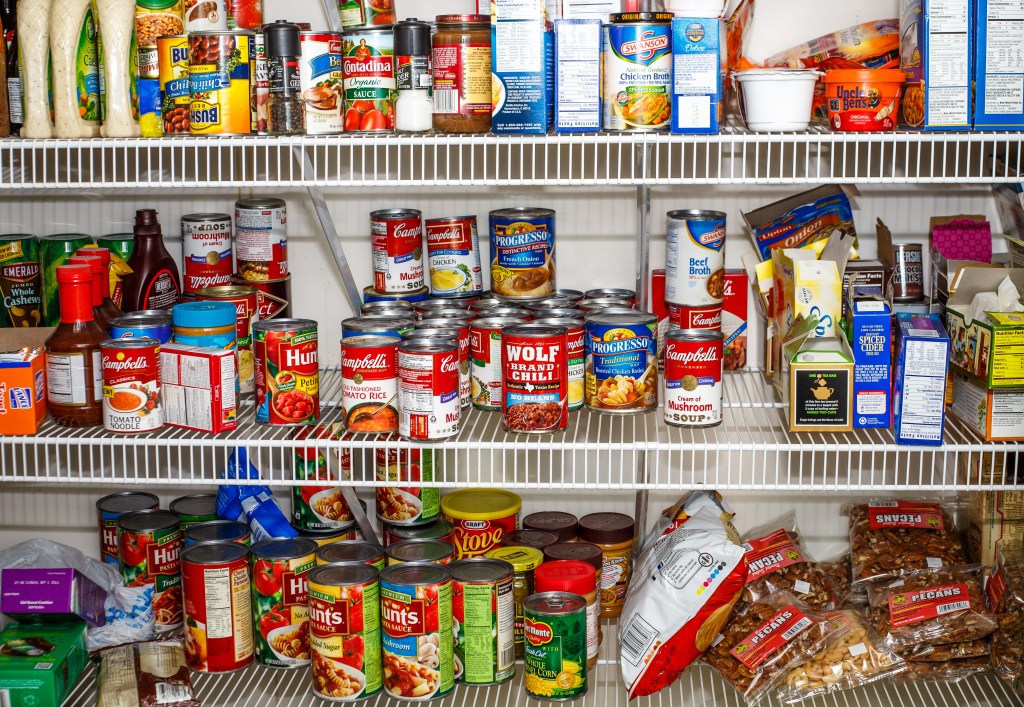
The next challenge is to figure out how to turn eight cans of beans, two cans of tuna, a butternut squash, and a jumbo bag of potato chips into something your household is excited to eat. While I’m sure it can be done, it takes creativity, research, and time to transform food pantry donations into a functional meal. This is a big ask from someone already overextended by the trials of poverty.

Despite the challenges of living with food insecurity, we still haven’t moved away from the unrealistic expectation that people who care about their families cook wholesome, time-intensive meals from scratch, and project that assumption on our emergency food assistance programs.

While we don’t have the option of increasing wages or reducing work hours for our clients, there are steps food pantries can take to ease the burden on our shoppers.

  • Provide foods that accommodate a variety of lifestyles and living situations. Too many of our food pantry clients had little time or capacity for intensive cooking sessions. While I applaud the movement to emphasize fresh, whole foods, this level of food prep may not be accessible for working households. Microwave meals, canned goods, and instant options are essential to accommodate all lifestyles. It’s important to remember that our opinions of what people “should eat” has no impact on what they are able to eat.
  • Bundle. The food that pantries provide is only useful if clients can use it. That means providing food in quantities and partnerships that make it useful. No one eats tomato sauce on its own- partnering it with pasta, chili ingredients, or other pairings ensures that it supports a functional meal. While providing a household with a small can of chicken noodle soup may prevent starvation, it doesn’t relieve the burden of trying to figure out what else the meal requires to make sure everyone’s belly is full. Offer useful quantities and partner with appropriate items when possible.
  • Offer culturally appropriate foods that are familiar to clients. This saves people from having to learn how to prep new foods and convince their family to eat it. (While I’m a fan of encouraging people to try new foods, it’s important to offer it as an option rather than expectation.) Offering cooking classes or taste tests alongside sensitivity training for volunteers may be necessary to ensure they are able to appropriately support clients when shopping.

The opinions expressed here are solely my own and do not express the views or opinions of my employer.

Want to learn more about food justice? Subscribe so you never miss a post!
What Data Should We Ask of Food Pantry Clients?

I once got a phone call at my food pantry from a woman who had recently tried to get help from another pantry in the region. Crying into the phone, she wanted to make a complaint about the volunteer she had worked with, mistaking our pantry as the parent organization.

This woman was trying to get food for the first time from this site but was told because she didn’t have proof of identification for every member of her household, she wasn’t eligible. She became understandably upset, and in the ensuing argument was told she was banned from visiting for a year. She was panicked that her family would go hungry, and frustrated by the excessive demands to qualify for food assistance.

Requiring proof of identification from every member of her household was an excessive and inappropriate expectation. Who carries that kind of information with them? How do they manage that with children in the household? I was frustrated that this happened, but requiring documentation or proof of need is a longstanding tradition in emergency food assistance. Our desire to make sure that people really “deserve” the help motivates demands for proof of income, address, or other evidence that proves a household struggles with hunger.

The more information organizations require of their clients, the more people they deter from participating.

If our goal is to reduce hunger, then this is antithetical to our mission. In many cases, merely the fear or stigma of having to prove one’s need is enough to stop many people from seeking help.

Most food pantries require their clients’ names, birthdays, address, and the names and birthdays of all household members. Sometimes this information is required to determine eligibility (like address for programs who only serve certain zip codes), while others simply need it for their records. Federal programs like TEFAP may also require an income declaration for proof of need.

 When I first started working at one of my food pantries, they required gender as well, for a completely unknown reason (as soon as possible I changed it to asking our shoppers’ pronouns instead.)

Requiring documentation represents an burden for many different reasons. Immigrants, regardless of their immigration status, may be fearful of authority and avoid situations that leave them vulnerable and subject to scrutiny. In addition, too many organizations do not or are unable to translate their documents and signage explaining their requirements, which makes them largely inaccessible to people who don’t read or write in English. Not knowing expectations can be immensely intimidating.

I have also worked with multiple survivors of domestic violence who refused to share even their names out of fear that their abuser might find them. The administrative requirements of food assistance should never outweigh the safety of the people we are trying to serve, but in many cases, this demands making exceptions to existing policy.

Documentation can also be a barrier for people who are houseless, or who don’t have easy access to the necessary paperwork. They may or may not have an ID, and might not carry any other information with them. I’ve also worked with many young adults who were covertly trying to improve their family’s food supply and were therefore unable to access the information they need to get food.

Requiring documentation also increases the responsibilities of staff and volunteers to appropriately manage the information. TEFAP forms must be stored for years, while other intake documents must also be processed and stored while respecting the confidential nature of their contents.

But shortcuts can be equally problematic.

I recently connected with a food pantry that based eligibility on preexisting participation with federal programs like SNAP, WIC, and Social Security. Although it saved them from having to evaluate any other data, it also meant that a) their pantry was deliberately unavailable to populations that couldn’t access federal services and b) implies a greater government connection than often exists, which can be problematic for people fearful of authority or concerned with confidentiality.

How food pantries can be thoughtful about data expectations:

  • Minimize your eligibility requirements and ask for as little information as possible. What information do you really need and why do you need it (for partner reports, grants? Do these partners really need it, or are there alternatives you can offer?)
  • It can be tempting to make your client paperwork look as official and legitimate as possible. But this can increase client fears that their information is being collected by the government or other agencies outside of your organization. Developing less formal-looking paperwork can help.
  • Reassuring clients that we recognize the burden and annoyance of completing any paperwork helps minimize its importance and made it less intimidating. My previous food pantry participated in TEFAP, which meant there was one form that clients had to complete annually (or provide a signature at each visit). The speech my team gave was, “I know this looks super official and scary, but we promise that no one will ever look at this form and it will disappear in a dusty office drawer until we shred it.” This introduction opened up an opportunity to have a comfortable conversation about what we did with the information we collected, and how it was kept confidential.

Eligibility requirements persist in response to the fear that welfare abuse can be prevented through strict oversight and evaluation.

Adding documentation requirements limits service to shoppers who adhere to YOUR version of need. Who is excluded?

After a decade of working in food pantries, I can say with confidence that no one is trying to exploit food assistance. Every step we take to make services more accessible is progress towards ending hunger.

The opinions expressed here are solely my own and do not express the views or opinions of my employer.

Want to learn more about food justice? Subscribe so you never miss a post!

How SNAP Solves Hunger Better Than Food Pantries

Ending hunger is a big goal. I believe it can be done, but it’s important to acknowledge that it can’t be done through food pantries. As much as I love this model, food pantries have very little capacity to influence the systemic roots of hunger. They are merely a band-aid for a much bigger wound.

For the general public, the inadequacy of food banks and pantries to solve hunger may not be obvious.

Hunger is a symptom of oppression. People experience hunger because they have less access to money than others.

Even in the most isolated, famine-stricken deserts, there are people who have money to buy food and those who don’t. Fundamentally, hunger is a money shortage problem- not a food problem.

People who struggle to afford food have jobs that don’t pay living wages, can’t find safe and accessible housing within that low budget, can’t afford the medical care they need to stay healthy, face discrimination in employment or housing, or a host of other barriers that prevents them from being able to afford basic necessities.

The scope of need is far beyond what our food banking system can support. Over forty-four million Americans, or one in eight households, are food insecure.

It’s far more efficient to supply families with the money they need to buy their own food than to give them food.

A 2022 Feeding America study identified approximately 60,000 partner organizations including pantries and meals sights fighting hunger across the country serving more than fifty-three million households. This is a higher number than the one listed above because estimating food insecurity rates is complicated and often undercounts the reality.

If the work was evenly distributed between these organizations, each partner agency would serve 883 households, which is far beyond the capacity of most organizations. With few food banks or pantries able to meet the full nutritional needs of their clients, it’s obvious that meeting the needs of nearly nine hundred households is an impossible and utterly unrealistic goal.  

Beyond this, emergency food assistance programs are not equally accessible. Pantries are rarely open more than one or two times a week, with many only offering a few hours once per month to serve a couple dozen clients.

Food pantries are often open during the hours most convenient for volunteers and staff, which are likely the opposite of accessible hours for working individuals or those juggling caregiving responsibilities.

Food banks and pantries also tend to prioritize urban areas, which makes them much less accessible to rural residents who are more vulnerable to hunger. Organizations congregate near their food sources rather than their clients, which leaves them as inaccessible as the grocery stores that households experiencing hunger can’t get to.

Food pantries are predominantly run by people of Western European backgrounds, which means they may not have the interest, knowledge, or capacity to serve culturally appropriate foods for their clients.

In comparison, as an entitlement program, anyone who qualifies for SNAP (formerly known as Food Stamps) can use it, which means there is no limit on the number of households served, unlike food pantries. This program can support the level of need (if politicians are willing to fund it).

SNAP provides money specifically allocated for food via Electronic Balance Transfer (EBT) which allows people to shop discreetly by paying with a card.

Although SNAP can only be spent at participating retailers, the number of stores accepting SNAP far outweighs the number of food pantries. Additionally, grocery stores have wider hours that can accommodate families working long or flexible shifts.

The most valuable aspect of SNAP is that it allows autonomy of food choice.

Although still limited by the funds available, users get to make their food purchases based on what their family wants or needs, rather than the much more limited and restrictive options that food pantries provide.

While SNAP users still experience harassment for being food insecure, there is less humiliation and judgement in shopping at a grocery store than in using a food pantry.

SNAP is one of the best anti-hunger tools we have. It’s important to recognize the urgency to shift the burden of fighting hunger from food pantries to SNAP and other federal programs if we’re actually committed to solving this problem.

How can food pantries uplift SNAP?

  • Help sign clients up for SNAP! As a government program, the application process can be intimidating, confusing, and wrought with complications. Making sure everyone has the support to participate is huge- too many people who are eligible don’t even apply.
  • Educate our communities on the complex relationship between housing, healthcare, wages, and hunger. Money is more effective than donated and expired food, and increasing SNAP benefits is our best tool against hunger.
  • Help clients sign up for SNAP! This is so important it deserves to be said twice. Food banks and pantries can’t end hunger, and SNAP is our strongest opportunity for relieving the burden on this industry.

The opinions expressed here are solely my own and do not express the views or opinions of my employer.

Want to learn more about food justice? Subscribe so you never miss a post!

Thriving vs. Surviving in Food Pantries

I once worked with a food bank whose mission stated that the root cause of hunger was nutrition education (they’ve since changed it). By teaching people to cook, they proposed we could solve food insecurity. However, this perspective naively ignores the systemic causes of hunger in favor of teaching people how to cook dry beans.

Unfortunately, this perspective is far too common, which is why I strongly advocate against using cooking classes and nutrition education as anti-hunger tools. However, it’s important to recognize that these opportunities still have incredible value- they just aren’t a solution to hunger.

Cooking classes shouldn’t be our answer to helping people survive- they don’t influence the conditions that prevent the purchase of food that households need. They are, however, a powerful component of enabling people to thrive.

Increasing confidence and comfort working with diverse foods allows people to eat a wider variety of options, often increases interest in healthy eating, and has many other benefits for participants.

Teaching people how to garden is not an effective strategy for saving them money on food, but it is a powerful opportunity to engage with their food, be more active, eat healthier, and connect with their neighbors. These kinds of events build relationships and help bring fun and health to the process of preparing and eating- a fundamental career goal of mine.

Delicious, pleasurable food is an essential component of maintaining a healthy quality of life.

Anti-hunger organizations with a holistic approach absolutely should offer these classes. We just need to be thoughtful about how we present them. They don’t solve the problem, but they still enormously benefit people facing food insecurity.

Food banks were invented primarily to provide a short-term response to acute problems rather than addressing chronic poverty, as they now do. Intended to keep people from starvation, these programs often maintain a distinction between the resources necessary to survive and the resources to thrive. This attitude has become engrained in anti-hunger attitudes.

My food pantry never gave away a filet mignon without a volunteer commenting about how this food was too good for the food pantry or our clients. The subtext was that our options weren’t supposed to be ones that our shoppers enjoyed, relished, or were proud of. Food pantry food was supposed to help people survive, nothing more.

How can food pantries use food to help our clients thrive?

  • Prioritize delicious food. While there is an urgency to get people enough food to eat, we need to increase our commitment to good food. Offer essential ingredients like oils and sauces. Commit to spices and seasonings. Focus on whole food ingredients and remember that food pantry clients still enjoy a box of cookies or the occasional ice cream. Remind your team there’s no food that’s too good for your neighbors, or items that they don’t deserve.
  • Celebrate abundance. Even with an emphasis on quality, that doesn’t mean that we’re excused for maintaining a scarcity mindset. Food insecurity is an emotional challenge just as much as a physical one. The knowledge of looming hunger increases stress, anxiety, and forces people to think differently than they would if they were food secure. Ensuring people have enough food that they feel confident and secure is an essential component of thriving.
  • Emphasize culturally specific foods. Food justice includes providing people with foods that are relevant and familiar. Many volunteers who are predominantly white retirees of western European descent, may forget that every culture has specific foods associated with different holidays, events, and traditions. Emphasizing the importance of these, as well as offering education on specifics, can help volunteers and the broader community recognize the value of trying to do better than prevent starvation.  

The opinions expressed here are solely my own and do not express the views or opinions of my employer.

Want to learn more about food justice? Subscribe so you never miss a post!

Why Don’t Single Moms Deserve More Support?

At one of my previous food pantries, we served a woman nearly every week who came to shop with three boys under eight in tow. Cheerful and rambunctious, they behaved expectedly- walking alongside mom quickly devolved into a fast-paced game of tag around the produce table that made us all a little bit nervous. We did our best to keep everyone safe and comfortable but recognized the challenges of running errands with three small children. After waiting in line outside for an hour, it was no surprise they had energy to burn off.

Nearly every time she visited, a volunteer would sidle up to me and comment on how this mom needed to do a better job managing her kids. Not only was she not able to provide them with the food they needed, but she was letting them behave disrespectfully in the pantry!

In the context of a food pantry, rollicking happy children were an indicator of their mother’s inadequacies as a caregiver.

It absolutely would have been easier for everyone- Mom, my pantry staff and volunteers, and other clients if she hadn’t brought her children, but parents rarely have that flexibility. Single parents even less so.

(Today I’m considering the stigma against single moms specifically, but single parents everywhere deal with many of the same barriers.)

Single mothers are a controversial demographic when it comes to welfare and anti-poverty efforts. While society is generally enthusiastic about fighting childhood hunger, we hold much more complex attitudes about their mothers.

Our society has a specific vision of who deserves food assistance and welfare recognized as “the deserving poor.” These are the individuals we believe deserve assistance because they are unable to change their own situation- namely, children and seniors. Unable to participate in the labor market, these two groups are deemed helpless to conditions around them and are therefore deserving of additional aid.

The problem with creating the deserving poor is that it automatically fosters the idea that there is an undeserving poor- people who do have the capacity to escape poverty, if only they try hard enough. This perspective assumes that economic mobility is possible with enough effort (despite ample evidence to the contrary), largely blaming poverty on the individuals living it.

Single mothers fall somewhere in between the deserving and undeserving poor: no one believes that children should go hungry, but our society also is reluctant to support people for choices we disapprove of, and single motherhood is one of those.

Childcare is still primarily viewed as the domain of women, and societal expectations are that mothers meet all their children’s needs. When women aren’t the perfect parent, they’re seen as a failure.

 (Read How the Other Half Eats by Priya Fielding-Singh, PhD for a great analysis of this.)

Distrust of single mothers is also amplified by the concept of the welfare queen. The pervasive myth that women have additional children simply to maximize public benefits colors the support our society is willing to provide. Culturally, we tend to want to punish women for their choice to become a parent rather than lift them up with the support they need.

How can your anti-hunger efforts support single parents?

Design kid friendly pantries. Single parents often have no other option than to take their children shopping. In my wildest dreams, pantries would have a free childcare option or at least a designated play space, but I recognize our world’s not ready for this yet. Baring that, there are child-friendly steps pantries can take:

  • Practice flexibility if you have long lines. Do clients have to stay in their spot in line, or can you switch to a number or lottery system? Any parent of a toddler knows that waiting quietly in a long line (full of anxious, worried, and stressed individuals) can be hard, and some parents may prefer to go hungry than face that challenge with their child.
  • Offer shopping carts with a child seat, not just baskets, to help parents contain small or active children.
  • Maintain a safe space for kids to play. One of my pantries had a bookshelf for donated books that we allowed children to take, and it was not unusual for a parent to have to drag their older child away from a book at the end of their visit. I loved it!
  • Flexible hours– including accessibility during school hours, evenings, and weekends. This makes pantries more available for parents who may need to come when their kids are in school, when another person is able to watch them, or when they have the time and flexibility.

The opinions expressed here are solely my own and do not express the views or opinions of my employer.

Want to learn more about food justice? Subscribe so you never miss a post!

Can We Solve Hunger and Food Waste with the Same Solution?

“Clean your plate- don’t you know there are children starving in Africa?”

Even if your parents didn’t say it, I’m sure you’re familiar with this prompt to finish your meal instead of throwing it away. It’s meant to guilt us into appreciating what we have through an awkward celebration of abundance in comparison to the scarcity experienced by others.

This phrase also feels like it could be the potential origins of the theory that reducing food waste is an effective strategy for fighting food insecurity. In addition, it is one of the most common misconceptions I encounter about hunger.

A growing global population and fears about the impacts of climate change on agriculture have prompted a movement focused on the reduction of food waste. By keeping food out of the garbage, we reduce our own consumption and theoretically add to the supply available for others while minimizing our contribution to climate change. Salvaged food is distributed for free to people who can’t afford to buy their own.

If there weren’t enough food for everyone, reducing waste and redistributing the excess would be a logical solution. This idea has facilitated the growth and development of food banks, who have an essential and positive impact on their communities. But wanting food shortages to be a root cause of hunger doesn’t make it a reality.

 While we absolutely should worry about climate change’s impacts on agriculture and reducing our contributions to the landfill, we do not have a food shortage. Reducing food waste is an essential component of a sustainable food system but not a magical solution to hunger.

I am a passionate advocate for sustainable agriculture and responsible consumption, as well as food banking, but this framing fails to capture the complexity of food insecurity.

Hunger is primarily caused by a lack of access to food. People experiencing hunger can’t afford it, can’t physically access it, or don’t have the ability to use it.

Reducing food waste in itself does not improve physical access, doesn’t make it more affordable (for people in need, although there are significant financial advantages for corporations to donate), and rarely increases an individual’s capacity to use it. Redirecting it to food pantries does improve financial access but doesn’t guarantee that the physical location is available to who need it most or ensure that it is nutritionally or culturally appropriate for the community.

Food pantries also face a constant struggle of determining whether their food selection promotes respect or disdain for their clients. Too often, the push to reduce food waste leads organizations to distribute produce that is wilted and mushy, dented cans with illegible labels, or dairy products long past their expiration with questionable edibility.

Whether or not the food is perfectly good or rotting in its package, using food waste as an anti-hunger tool also perpetuates harmful stigmas about food insecurity and food assistance.

Our cultural conviction that it’s possible to “pull yourself up by your bootstraps” if you just work hard enough means that we often view poverty as an indicator of laziness or personal failure. Framing people who are food insecure in this way justifies providing them with food otherwise destined for the garbage, and subtly reinforces the idea that they deserve less because of their inadequacies.

In an ideal world, everyone would have the resources they need to access their own food. But recognizing we still depend upon the essential services of food banks and pantries, here’s how we can make sure we’re still uplifting, rather than oppressing, our clientele while using salvaged resources.

  • Does your food demonstrate respect for your shoppers? Are you giving it away because it’s functional, or because your volunteers didn’t want to toss it? The fact that clients take it does not mean they’re excited about- it just implies they have no other option. You may need to start throwing out more food than you want to to elevate the quality of what’s offered. Respecting your shoppers needs to be the number one priority of every anti-hunger organization.  
  • Are your donors using you as their waste disposal? Are you receiving food that should have already been discarded, and they’ve just offloaded it from their garbage to yours? It is uncomfortable to correct donors, but what a waste of your time, energy and resources! By distributing poor quality food, you’re likely offloading the garbage onto your shoppers just as your donors did to you. Make sure donors know and follow your standards, with an emphasis on human dignity.
  • How do you talk about your use of food waste? Without careful navigation, emphasizing how much food is salvaged can reinforce the public perception that it’s ok for people experiencing hunger to eat garbage. Consider focusing on “food rescue” or “food surplus” rather than “food waste.” Food pantries usually have a significant cadre of volunteers whose mission is environmental rather than social, and it is important that you educate them on the nuances of this distinction. There is room for them to support the environment while still emphasizing that everyone deserves good quality food no matter their capacity to purchase it.

The opinions expressed here are solely my own and do not express the views or opinions of my employer.

Want to learn more about food justice? Subscribe so you never miss a post!

When Are Clients Too Entitled to Food?

This week, I heard someone who works in the anti-hunger field ask a speaker how to handle (and prevent) food pantry shoppers feeling “entitled” to food, and I can’t stop thinking about all the ways to unpack this concern.

Anti-hunger and food banking staff do this work to have a positive impact on the world, with the bold aspiration of eliminating hunger entirely. With a fundamental ambition to do good, it can be hard to tolerate situations and people that don’t leave us with a warm glow.

When these interactions don’t feel good, it’s easy to justify a defensive response to preserve our feelings of appreciation and impact. Staff and volunteers should feel this way- but not at the expense of the people we serve.

Every food pantry client IS entitled to food.

The power differential that exists between food pantry staff and clients unfortunately offers an opportunity to demand behaviors from people experiencing hunger– commonly humility, gratitude, and submission. Giving free food to an individual who behaves in this manner is much easier and more gratifying than someone complaining about the selection, quantity, or model of distribution.

While some attitudes and behaviors are harder to deal with than others, everyone deserves to eat, no matter what. While it’s easy to say, “they can just go somewhere else” to avoid challenges or confrontation, this is false.

Finding transportation to another location may be impossible, distribution hours might not work with their schedule, previous incidents of harassment at other pantries may make them uncomfortable returning, or other organizations might not have resources that meet client nutritional or cultural needs.

I’ve heard tearful stories of food pantry clients being turned away because they didn’t have proof of address, citing fears of exploitation, or because an intake form was completed incorrectly, and they were accused of fraud. I’ve listened to panicked tales of waiting in line for an hour only to see the pantry doors close the moment the distribution ends, leaving clients still waiting without food.

These experiences elicit anger and frustration from people experiencing hunger, but this very justified emotional reaction too often leads to accusations of entitlement.

Believing that people aren’t entitled to food is synonymous with the idea that everyone doesn’t deserve to eat.

How do anti-hunger organizations perpetuate the idea that people aren’t entitled to food?

Are you open to criticism?

Defensiveness is often the first reaction to a complaint, especially when it’s something we’ve poured our heart and soul into making perfect. It’s entirely human to want to react to any attitude besides humility with deflection. As we’ve been conditioned to believe that hunger is an individual failure, it’s a logical next step to treat criticism as an attitude problem rather than a genuine concern. But dismissive attitudes towards shoppers can foster environments which consistently disregard the needs, and even the humanity, of the people we intend to help.

Catch your malicious compliance.

Are you holding your shoppers to the letter of the law, or the spirit? If someone was in line before you closed, were they really too late or can you still serve them? If a mistake is found in their paperwork, can you help them fix it rather than accusing them of ill-intentions? If someone is struggling to self-regulate, can you give them a granola bar and a bottle of water before accusing them of disrespect? Setting your guests up to fail is an active way to increase conflict, resentment, and hostility on all sides of the relationship between organization and community. Maybe your policies are inflexible for a reason, but I’ve too often witnessed their enforcement as a tool to demand submission from shoppers, which further models the acceptability of this attitude to volunteers.

If someone doesn’t get food from you, they might not eat at all.

Imagine the panic and fear of having your food security depend on someone else’s interpretation of your attitude. Consider the humiliation that accompanies the demand to humble yourself to deserve food to feed your family tonight. If we want to build anti-hunger systems that actually fight hunger, we need practices and models that support, rather than subjugate, people experiencing hunger. It is entirely possible, while uplifting the dignity and respect of every person experiencing hunger, to ensure everyone is served well. De-escalation techniques are a vital resources, and every direct service organization should host regular trainings so that everyone has the tools they need for their community to thrive.


Of course, this work is more fun when everyone is kind, humble, and deferential. But demanding this behavior implies that people experiencing hunger are only deserving of what we decide they’ve earned. Everyone is entitled to food, and it’s up to us as anti-hunger advocates to figure out systems that honor this reality.

The opinions expressed here are solely my own and do not express the views or opinions of my employer.

Want to learn more about food justice? Subscribe so you never miss a post!
Why Kindness Doesn’t Fight Hunger

A media source once visited one of my food pantries and requested interviews with some of our shoppers. My favorite moment was when a client told the interviewer with great enthusiasm, “They’re not just nice to me- they’re nice to EVERYONE!”

This resonated because I regularly heard stories about the experience our clients had at other food pantries- and kindness seemed in short supply. In most cases it was not that volunteers or staff at other organizations were explicitly rude- it was that those seeking emergency food assistance are sensitive to judgement, disingenuity, and prejudice. There is already such stigma against using emergency food assistance internalized by both recipients and distributors, that without conscious effort, it’s easy to commit microaggressions even while acting kind and welcoming.

No one wants to go to the food pantry.

I have never met someone who preferred to be handed discarded, cast-off, or expired food at a food pantry over having autonomy over their own grocery shopping.

Of course, many people are grateful for the much-needed help in feeding their families, but even the most dignified food pantry experience isn’t better than the power to choose what and how much your family wants to eat without restriction. (And of course, no one needs to be grateful for food.)

This reality influences every food pantry visit. Recognizing that no one wants to be there, it’s essential for organizations to ensure that they’re sensitive to the baggage that accompanies such a task.

While institutional policies impact the food pantry experience, volunteer attitudes and actions carry the greatest weight when it comes to building a safe space for people experiencing hunger. Having volunteers truly committed to compassion, kindness, and empathy is the most effective way to establish a dignified food pantry environment but is no simple achievement.

Even when volunteers are kind and welcoming, it can be easy to unconsciously reflect problematic attitudes through their actions. By building respectful foundational attitudes, you can help your volunteers practice empathy at every shift.

Assume good intentions.

Remind volunteers that we never know the whole story of why someone is at the food pantry- and it’s none of our business. If your community embraces the idea that people only come who are in need, then it’s easy to make everyone feel welcome without judgement. If volunteers (or staff) think people are there to exploit the system, this reflects in conversations, actions, and policy. Any concerns voiced should be an opportunity for discussing barriers to food security and building respect.

A client arriving in a fancy car may have recently experienced a catastrophic job loss or medical bill that leaves them broke, even though their car screams wealth. Expensive belongings may have been donated, or speak to previous stability, or maybe were all that was grabbed while fleeing domestic violence.

Remembering to be open-minded about the circumstances that bring someone to the food pantry creates a space free of judgement, which will help visitors feel more welcome. Volunteers who can’t adopt this mindset may need to find a different opportunity.

Food is a gift.

Just like any other gift given, the giver has no authority over how it is used. With all the work that goes in to sourcing and distributing food for emergency services, it’s easy to feel possessive over how it’s used. But if we maintain the assumption that everyone who visits a food pantry does so out of need, we need to relinquish the compulsion to control how the food is used.

We’re still building food security if the food is shared with a neighbor, or served at a church luncheon, or stashed in the back of a cupboard untouched for a future emergency. For pantries that are without limits, this attitude can also help check judgements about how much people take. Once it’s in someone’s cart, we can appreciate the hard work we put in to get it there and celebrate that someone will eat well tonight. It doesn’t matter who, or what, or how much.

Services are for shoppers.

I once had a week-long argument with a coworker who was adamant that our food pantry was a volunteer-centered organization. They argued that clients were the vehicle we used to provide an experience for our volunteers, which justified turning away any client who negatively influenced this experience.

The fact that services should focus on fighting hunger seems obvious, but all direct-service anti-hunger organizations wrestle with this conundrum every day. An explicit commitment to serving the community needs to be regularly revisited to ensure that policies focus on the needs of shoppers. This doesn’t mean that volunteers or staff are neglected, but their needs should be considered in a different light.


Everyone knows the importance of being kind at a food pantry, but establishing an atmosphere that truly welcomes people without judgement or stigma requires a much stronger foundation. While established a clear mission and supporting policies can help, this is also the kind of foundation that can be built guerilla-style by a single individual ready to make a change. Conversations uplifting each of these tenets can slowly permeate the organizational culture and build an environment that is more genuine and welcoming, and therefore more effective at fighting hunger.

The opinions expressed here are solely my own and do not express the views or opinions of my employer.

Want to learn more about food justice? Subscribe so you never miss a post!

Want Food Assistance? Go Broke First

If someone is experiencing hunger, they must be completely broke, right?

The idea that people seeking emergency food assistance have no money is a perspective I regularly encounter in the world of food banking and social services and amongst the public. If you have any money at all, society deems you undeserving of food assistance.  

Fueled by a collective conviction that people experiencing hunger aspire to exploit the system, anti-hunger policies reinforce assumptions with restrictions that prevent us from effectively fighting hunger.

Emergency food assistance resources such as the Supplemental Nutrition Assistance Program (SNAP) and The Emergency Food Assistance Program (TEFAP) require participants to declare income and financial assets below a certain threshold determined by federal and state policies.

Benefits are reduced or halted when recipients exceed these limitations, intending to prevent people from taking advantage of resources they don’t need, assuming they should deplete their own resources first. These policies perpetuate the idea that people must be completely broke to deserve food assistance. (Most states have implemented a policy workaround to these limitations called Broad-Based Categorical Eligibility, but the paradigm in favor of restrictions remains.)

A serious consequence of setting limits is that it prevents individuals living in poverty from preparing for financial emergencies. As studies repeatedly demonstrate, most Americans do not have the resources to weather an unexpected $1,000 expense without hardship.

All it takes is one unforeseen medical bill, car accident, or housing transition to deplete one’s savings. Limitations on assets ensure that families who have the capacity to save a little every month are disincentivized from doing so, because it’s unlikely that savings can sustain them as effectively as SNAP or TEFAP.

For those who have the capacity to save, the federal asset limit for SNAP is $2,750, beyond which a household may lose their food assistance. It is usually far safer in the short term for a household struggling with food security to stop building savings than to relinquish SNAP benefits.

Some of my readers may react with disgust at the idea that an individual can have nearly $3,000 and still receive food assistance. That seems like far too much money to need help. Most Americans have far less.

Our society believes that people must be utterly broke, without a penny to their name, to deserve social assistance. We demand that they deplete their own resources before utilizing any others. But this is an incredibly destructive attitude that perpetuates hunger.

Fears of abuse are internalized by the people receiving assistance as well as those implementing it.

At my food pantry, I used to regularly encounter first-time clients who confessed that their cupboards were empty, or that they hadn’t eaten that day, or had been subsisting on a single daily meal. “I didn’t want to take resources away from someone who needed it more” was a constant rationalization for postponing seeking help.

When we require that people are empty before we fill them up, we deliberately increase their barriers to achieving stability and security.

It also breeds a perverse sense of competition. If there is always someone hungrier than you out there, do you ever really deserve help?

Demanding that people living in poverty burn through their savings before receiving SNAP or shopping at a food pantry leaves them in a vulnerable position, while providing our neighbors with abundant and dignified food resources before they spend their last dollar is far more likely to ensure that they remain food secure, housed, and healthy.

The opinions expressed here are solely my own and do not express the views or opinions of my employer.

Want to learn more about food justice? Subscribe so you never miss a post!

Do Food Pantry Clients Deserve to Make Their Own Choices?

“Is it okay if I take two cans of beans today?” a food pantry shopper asked me recently as I was volunteering at one of my favorite local food pantries.

“You can actually take as many as you like- this whole room is unlimited,” I was happy to respond. The shopper’s eyes grew big, and they grabbed two more cans- totaling four of the kidney beans, and excitedly moved down the line. Other shoppers who were clearly regulars moved more confidently, some bypassing the canned goods entirely while others took several flats of the beans in my section. I estimate we averaged about three cans of each item per household for the day, although amounts ranged wildly among individuals.

Allowing this freedom of choice for shoppers is a radically controversial practice in the food banking community. There is an archaic, unsubstantiated fear that food pantry shoppers (and welfare recipients in general), are always seeking to exploit the system.

Setting limits on foods is often considered essential to protect from abuse. This attitude is based on the fundamental belief that food insecurity is a personal failing- that America is the land of opportunity where anyone can succeed with enough determination- and that poverty results from poor judgement, moral weakness, or a lack of effort.

This attitude justifies the strict policies that structure American anti-hunger programs.

Despite the rarity of welfare abuse, every conversation I initiate on the subject inevitably produces someone arguing with conviction that any misuse of welfare is intolerable, and we need stricter controls to prevent it. They’ve internalized the notion that welfare recipients have poor judgement which led them to poverty and need careful supervision to keep them on the right track.

This argument reinforces my belief that the fundamental problem with America’s anti-hunger culture is not that we’re short of resources, but that we have developed a system that focuses on punitive action and mistrust instead of solving the problem.

The focus on welfare abuse is the impetus for policies like time limits and work requirements for SNAP, and quantity and attendance limits at food pantries.

Rather than focusing on meeting the need or ending hunger, anti-hunger policies limit access to resources and deliberately ensure that they’re inadequate.

Arguments in favor of strengthening these limitations are justified by concerns about money wasted- that misused funds are lost opportunities to support those who “truly need it.” However, this argument doesn’t hold up. It’s not really about the money.

If we’re worried about everyone meeting their responsibilities when it comes to government funding, why does the discussion focus on welfare? There are hundreds of other examples of “wasted” federal funds with much higher price tags.

For example, wealthy Americans may deprive the US of up to $175 billion dollars a year in tax evasion. I have yet to hear someone concerned about welfare fraud express any frustration about rich people abusing the system, even though the impact is significantly higher than a few misspent SNAP dollars.

Why do we treat the person with an EBT card with more suspicion than we do the person driving a Lamborghini?

Fundamentally, our national consciousness views poverty as an indicator of immorality, and by institutionalizing this conviction, we’ve hobbled ourselves in the fight against hunger.

Limiting anti-hunger resources both perpetuates and reinforces the idea that people experiencing hunger are corrupt and looking to exploit the system. This is why we see discomfort with the idea that people in poverty have access to all the food they need. We still believe they haven’t “earned” it.

Anti-hunger organizations at every level need to examine their policies to see where they have internalized and institutionalized the attitude that people facing food insecurity can’t be trusted. Until our focus is on ending hunger instead of enforcing our narrow idea of morality, we’ll never be able to solve this problem.

The opinions expressed here are solely my own and do not express the views or opinions of my employer.

Want to learn more about food justice? Subscribe so you never miss a post!
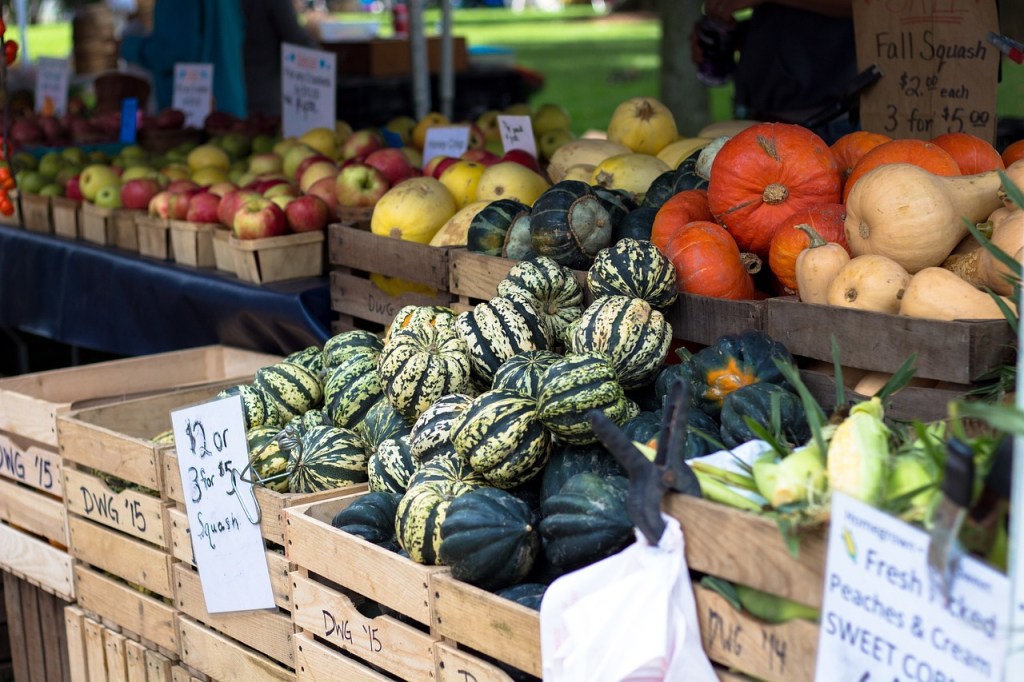
Can You Find Fun in the Kitchen When You’re Food Insecure?

One of my regular food pantry clients once came up to me the moment she walked in the door and shouted, “I LOVE BRUSSELS SPROUTS!”

She told me that she had never had them before but we had an abundance the last time she came to the pantry, so she decided to give them a try. It turned out she was a big fan; she had just never had the opportunity to taste them. Every time since, she would load up on these oft-maligned veggies.  

Our society is eager to condemn people experiencing hunger for eating unhealthy foods. With the prevalent assumption that people experience hunger because of poor judgement, it’s easy to assume that this applies to their food choices as well. This motivates many anti-hunger programs to focus on making decisions for people experiencing food insecurity, like what foods they should and shouldn’t have access to.

We see this attitude perpetuated in regular proposals to increase restrictions on foods purchased with SNAP dollars, in a misguided attempt to force people to eat healthier. SNAP is already inadequate, so this restriction reduces available options without addressing any of the limitations that already exist, like high costs of healthy foods.

The reality is, the only way we can empower people to eat better quality food and to try new things is to give them the capacity to experiment and take risks. (On another day we will also examine the need for time to cook, which means not having to work three jobs; and having a functional kitchen, which means safe and affordable housing.)

We can fight hunger by giving everyone room in their food budget for failure.

Even the most accomplished cooks occasionally make meals that aren’t winners, and every parent knows that their kids will sometimes refuse even the most perfectly prepared meal.

There is security in buying the foods that you know your family enjoys. With a too-tight food budget, it is an unnecessary risk to buy something that your family might not eat. When money is short, it can’t be wasted.

The client who loved Brussels sprouts had four hungry teenagers at home, so she had to maximize her food budget to ensure everyone had enough to eat. Why would she risk spending money on Brussels sprouts that those kids might refuse, or that she might not like, when she already was struggling to keep everyone fed?

But offering Brussels sprouts at the food pantry gave her room to take risks. There were no trade-offs if her family didn’t want to eat them- only a lesson learned.

If we really want to empower people experiencing food insecurity to eat healthier and try new foods, then we need to facilitate the conditions that allow risk-taking.

Children, and people of all ages, often need several exposures to a new food before they start to like it. That requires the capacity to serve it, and have it rejected multiple times before it is accepted. For someone who struggles to afford every bite, this is a nearly impossible risk.

Although food pantries are an inadequate response to hunger, this is one area where they offer opportunity. When clients are empowered to shop for themselves with as few restrictions as possible, there’s room to try something new. There’s no risk if their child refuses to eat the new vegetable, or it turns out the whole family hates that flavor of sauce. They can experiment with tofu just to say they tried it and see for themselves whether Brussels sprouts really deserve their reputation.

While health should absolutely be a priority in anti-hunger work, it’s important that we not lose sight of all the nuances that go into creating an environment where people can eat what’s right for their bodies, and not just what fits within their budget.

The opinions expressed here are solely my own and do not express the views or opinions of my employer.

Want to learn more about food justice? Subscribe so you never miss a post!

Why Shouldn’t All Students Eat Lunch?

I am a 2023-24 FoodCorps Alumni Advocacy Lead, and am working to increase engagement on school food policies at the local and national level.

As the Oregon representative, I am writing a short blog series on local opportunities for supporting stronger, healthier food policies in schools. Oregon’s short legislative session this February revolves around the budget, and legislators have an opportunity to positively impact students’ food access by moving us closer to implementing full Universal School Meals. This second post of the series explains the value and importance of this program. Read the first post on Summer EBT here.

Look up any photo or illustration intended to convey hunger in the U.S., and the chances are high that it includes a child or a senior. This is due to our societal conviction that people need to earn the right to food.  Because they are considered helpless to change their situation, children who are at their parents’ mercy and seniors who live on a fixed income are consistently determined deserving of food assistance.

Despite the pervasiveness of this idea, it should be surprising and disturbing that childhood anti-hunger efforts are often met with nearly as much scorn as any other demographic. In 2024, many states hope to move forward on policies implementing universal school meals, and already politicians and opponents are gearing up for battle.    

When the pandemic hit in 2020 and hunger needs skyrocketed, lawmakers made the dramatic move to implement universal school meals, empowering all public-school children to eat lunch, whether they had the capacity to pay for it or not.

This move was hugely effective in ensuring that millions of children ate even when their families’ lost jobs, saw reduced wages, faced illness, and experienced the grief and chaos that accompanied the first years of the pandemic. This was a policy decision that significantly influenced hunger rates across the US, made even more visible now with their expiration.

For those of us working in the arena of childhood hunger, this is baffling.

Abundant evidence demonstrates that school meals are a powerful tool for childhood health, and education. The conditions to qualify for free or reduced-price meals, including the simple administrative requirements, along with the stigma of food assistance, are often powerful deterrents from participation. Universal school meals solve both problems.

If the American attitude around hunger is that only those who deserve it should receive help, and that children are deserving of that support, then why is there an active push against this policy?

Certainly, budgets and cost of the program are major sticking points, but one of the biggest concerns regularly cited is that universal school meals are universal, which risks some children receiving a free meal even if they don’t need it. And that is enough for opponents to decide the whole policy should be scuttled.

There are few instances that provide such a clear illustration of the attitude that someone needs to earn or deserve food. Objections are couched in the idea that assistance needs to be “fair,” because otherwise it will be exploited. Opponents prefer that hungry children have reduced access to a free lunch rather than risk children who don’t need it benefiting from this program.

Progress will come from changing the ways we think and speak about hunger.

Advocates have made headway by simply changing the language we use. “Free” meals have transitioned to “universal.” Opponents were slightly more strongly opposed to the idea that the undeserving might receive something for free than everyone getting to participate.

The logistics of implementing Universal School Meals are complex and vary state by state. Currently, nine states have a policy in place with several more seeking to implement or improve access, including Oregon.

If you are an Oregon resident and haven’t already, please send a note to your representative letting them know it’s important to you that Oregon children have the food they need to succeed in school!

If you live elsewhere, it’s worthwhile researching where your state is in the process and looking for opportunities to change how we think, and how we publicly talk about hunger and who deserves to eat.

The opinions expressed here are solely my own and do not express the views or opinions of my employer.

Want to learn more about food justice? Subscribe so you never miss a post!

It’s Time to Modernize Food Banking

When I worked as a coordinator at my very first food pantry over a decade ago, I prepared for distribution by heading down to my local food bank to “shop the dock.” I picked up our order, and also got to browse through their unrestricted options that were up for grabs. One of my favorite things to dig into was the bread- they usually had an abundance of beautiful, fresh loaves from one of my favorite local bakery chains. I always enthusiastically loaded up our cargo van.

At the end of my pantry distribution, we always had too many of these loaves left over. Clients didn’t want it. Our shoppers were looking for softer, sliced bread, to make their children’s lunches or for toast with breakfast. This bread was too heavy, went stale a little faster in its paper bag, and it was likely that many of our households lacked bread knives suitable for slicing.

Ten years later, recollecting some of the food choices I made for this pantry makes me cringe. I loaded up on the bread that excited me, rather than recognizing the bread that my clients wanted.

Unfortunately, this rookie mistake is common in the emergency food assistance world.

Food banking was primarily designed to focus on the giver- to create the most convenient system based on our assumptions of the needs of those experiencing hunger.

Until recent years, little attention was given to the other side of this transaction (by mainstream anti-hunger institutions. Alternative food systems have been doing this work for ages.) Finally, we’re starting to have discussions about how we can develop effective ways for people experiencing hunger to access the food they need in a way that works for them.

If we started over from scratch on designing a model to end hunger, few individuals would likely choose a system where participants are scrutinized and deemed worthy before someone else allows them access to a selection of the foods the giver decides are appropriate.

Although it’s absolutely time that we start finding and developing new ways to respond to hunger, we can also reassess how we do food banking. There is tremendous opportunity for progress and empowerment by adapting our thinking and operations.

How can we transform this charity-focused system into something that truly empowers our community to thrive?

We must work with the resources we’ve got, which means we must turn our existing emergency food assistance program into something that focuses on the people we serve, rather than facilitating our own efforts.

It’s popular to throw around the term, “client centered.” Here’s what that can mean in practice:

  • Offering informational and outreach literature in the language spoken by shoppers and having someone available to speak their language in person.
  • Scheduling hours that are convenient and accessible for clients, which are almost always not the most convenient or accessible for volunteers. (This may demonstrate a need to depend more heavily on paid employees than volunteers).
  • Offering culturally appropriate foods that shoppers want and are excited about- which are quite possibly not the same thing that pantry staff wants to eat.
  • Having people with lived experience of hunger in leadership roles, on staff, and among volunteers, and systems that ensure their perspectives are celebrated and integrated into practice.

No matter how well educated we are, or how long we’ve worked in the field, we all carry prejudices about hunger that impact how we provide services. The only way to overcome this barrier is by designing structures and systems under the leadership of individuals with lived experience so that we don’t implement models based on our assumptions.

The opinions expressed here are solely my own and do not express the views or opinions of my employer.

Want to learn more about food justice? Subscribe so you never miss a post!