Building an Abundance Mindset in Your Anti-Hunger Team

When we are depleted, it is harder to take care of those around us. It’s difficult to convince our community we have the resources we need to support them when we ourselves don’t believe it.

There is no time or place where this reality is more relevant than right now in our food pantries and banks. Rising numbers of visitors alongside interruptions and cuts to the food supply mean that anti-hunger fighters face increasing burdens with fewer resources.
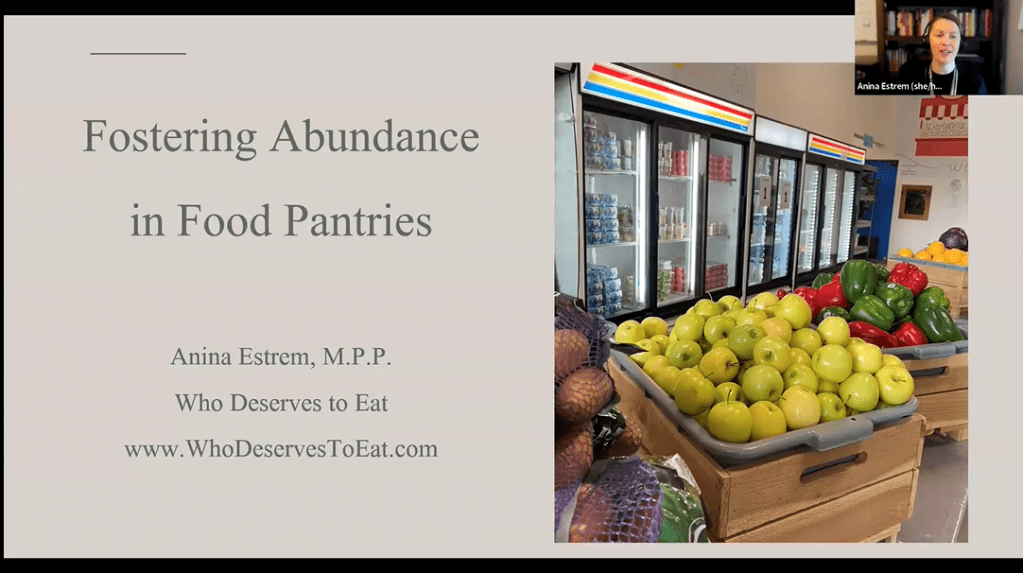
Last week, I had the ultimate privilege of being part of a webinar panel on building abundance hosted by Katie Martin, the author of Reinventing Food Banks and Pantries, alongside food banking expert and consultant Seana Weaver.

We spoke about why the idea of abundance is so important to food pantries, and dug into some of the ways that we can foster that attitude among anti-hunger advocates. Here is the video if you’re interested.

It’s important to remember that abundance means having a lot of something, and that it’s possible to have a lot without having enough. This is an essential duality that food pantries experience every day.

How we think about hunger is one of the most powerful influences on how we fight it. When we focus on what we don’t have, the emphasis falls on maintaining limited resources, often to the detriment of the people we intend to serve. When we adopt an abundant mindset, it empowers us to celebrate what we do have and use it more effectively.

While a future post will discuss what we can do to help food pantry guests feel this sense of abundance, it’s important that we start with staff and volunteers. Convincing this demographic that your food pantry has the resources to thrive means they can more successfully convey it to your community.  

Introducing abundance to staff:

  • Adequate wages and benefits. Too often the nonprofit world expects employees to be martyrs, dedicated to the work regardless of the reward. No matter how we feel about the work, the reality is that we also must pay rent, afford medical bills, buy food, and maintain our vehicles. You’re likely to breed resentment if your focus on abundance is limited to the people you serve.
  • Support: Are there enough staff to do the work? Is it possible for staff to comfortably take a break or lunch? Is there an expectation (spoken or not) that staff should sacrifice to support each other, like not taking days off? While I recognize that few pantries have the resources to add staff, keep in mind that retention is cheaper than regularly hiring and training new individuals.
  • Recognition: Fighting hunger demands an enormous amount of emotional labor. Every day, staff work with people who are struggling with enormous challenges; not just hunger but also housing insecurity, medical debt, caregiving, and all kinds of discrimination. Offering daily support to 40 or 50 different people experiencing some kind of trauma is enormously exhausting. Too often, workplaces don’t recognize that the conversations that go into these interactions are just as difficult and draining as moving thousands of pounds of canned goods.

Demonstrating abundance to volunteers:

  • Celebrate abundance. When a guest leaves the pantry with an abundant amount of food, I’ve often heard volunteers mutter comments about how it’s “too much.” I like to counter this attitude by regularly telling volunteers how excited I am when someone leaves with lots of food, and to envision the excitement and security that the individual must feel when accessing this support. This can gradually help your volunteers transition from the idea that your pantry should give out as little food as possible to maintain supply, and instead to give out as much as is necessary to ensure your community feels supported and nourished.
  • Pick a food item to treat abundantly. Ask your volunteers to act as if they have an unlimited supply to encourage guests to take. It doesn’t have to be a popular food, and it doesn’t have to be consistent (I’ve done this with everything from cranberry sauce to cabbage to veggie chips.) Demonstrating an excess will help volunteers gradually process that their role is to be givers of abundance rather than gatekeepers, while also sharing this attitude with your pantry guests.

  • Don’t put volunteers in enforcement roles. When volunteers are responsible for supervising shoppers, such as telling them where they are allowed to go or how much food they may take, it forces them into a confrontational position focused on scarcity. It’s incredibly difficult to feel positive about the impact they’re making when the focus is on telling people what not to do and what they can’t have. I encourage pantries to have volunteers in monitoring positions, but to get staff when enforcement is needed so that volunteers remain immersed in abundance. This is an increased responsibility for staff- highlighting the need for support and recognition!

Building an abundance mindset is not something that can be achieved overnight. It requires repeated exposure over a long period of time until it is gradually adopted as part of the food pantry culture.

The most important thing to remember about implementing an abundance mindset is that you can make a significant impact simply by adjusting the way you think and talk about hunger. Even if you’re not able to make any changes to systems or structures, considering the attitudes we approach hunger with can have a powerful impact on the experience of everyone within the food pantry community.

The opinions expressed here are solely my own and do not express the views or opinions of my employer.

Want to learn more about food justice? Subscribe so you never miss a post!

Don’t Offload Food Waste onto Pantries

The smell of overripe bananas will forever make me nauseous. Our food pantry once had a pallet of bananas donated that the person on the phone promised were completely edible, with “only a little bit of brown.” While that was technically true, the fruit was also so soft I couldn’t pick it up without it disintegrating, and there was no way that I would offer this to my clients.

(If you’re like 99% of my volunteers, I know what you’re thinking and I’m going to stop you right there. Baking banana bread requires flour, sugar, and oil, all of which are incredibly rare at food pantries. It’s also a recipe primarily familiar to Western Europeans, unlike many of our shoppers. It’s not a practical suggestion, and it drives your food pantry staff bonkers.)

I spent the next two days unpacking the bananas from their boxes and tossing them into our compost bin. The smell permeated my hair and clothes, and I regularly had to step outside for fresh air. I wanted to call the donor and yell at them to take this donation back. It was a waste of my time and a test of my patience, as well as a burden to our compost system. But of course, I couldn’t risk jeopardizing the relationship.

As massive federal cuts leave nonprofits scrambling to access resources, anti-hunger organizations are sending out pleas for community food donations. Although vastly inadequate, for many underfunded nonprofits this is their only option for continuing services.

As part of this campaign, organizations are seeking to establish or boost relationships with corporate partners like groceries stores who have the potential to supply larger quantities than individual donors.

When these relationships work, they are a boon for everyone. Businesses get public appreciation for making a donation (and the tax benefits), and food pantries get the food they need to serve their neighbors.

But just as often, these transactions act as a way for businesses to offload their waste disposal.

Too many people still hold the pervasive idea that it’s okay for people living in poverty to eat lower quality food, which justifies them donating foods that no one else wants to eat. I’m sure this banana donor genuinely believed they were helping us since they knew that food pantries were desperate for food, thanks to constant messaging they hear about donations.

Unfortunately, this attitude places recipients in the uncomfortable position of having to either silently accept the donation or risk offending the donor.

Our current nonprofit culture lives in such a scarcity mindset that it has become the norm to accept these donations, even when it brings additional costs for the recipient such as waste disposal and labor.

How can pantries advocate for quality donations?

  • Make expectations clear from the outset. My pantry developed an internal system for evaluating food that we would have done well to share externally. We only distributed food that must last until tomorrow and bring joy to recipients. While soft ripe bananas might still technically be edible, they brought no one joy. Telling donors this at the outset would help them understand what we could and couldn’t accept.
  • Engage in a dialogue with donors about the challenges of receiving food that doesn’t meet your needs. (This has the added benefit of introducing the idea that you don’t just want any foods, but have specific needs for your community.)Before a donation is even made, I like to mention the hardship of receiving food that has to be immediately tossed. Whenever possible, look at the donation before you make a commitment.
  • This demands confident leadership, but don’t be afraid to refuse donations that don’t meet your standards or align with what you were told you were receiving. While you may risk offending or losing a donor, you also set yourself up for a far more productive relationship in the future. They weren’t helping you by donating garbage, so you don’t actually lose anything.
  • Asserting donation expectations also teaches your volunteers and community the standards of your organization. Volunteers often assume that food brought into the pantry has already been determined acceptable, which means it’s okay to distribute to clients. When you don’t allow low-quality food in the door, you teach your team that your clients deserve only the best.

The opinions expressed here are solely my own and do not express the views or opinions of my employer.

Want to learn more about food justice? Subscribe so you never miss a post!

The Importance of Understanding Hunger as a Spectrum

When I worked at a food pantry, I regularly heard two different narratives that brought people through our doors. The first was that using food assistance was a familiar or constant part of their survival, and the second was that they never believed in a million years that they would need food assistance.

The number of people coming from each of these backgrounds would ebb and flow based on the economy, reflecting the overall struggle to reconcile rising the cost of living with stagnant incomes. And of course, there were plenty of people who identified somewhere between these two narratives, yet their stories tended to receive less attention.

Right now, food pantries are seeing a significant increase in the number of people needing help who have never before set foot in a food pantry.

While we shouldn’t be surprised that people who previously identified as food secure are seeking out food assistance, it’s unfortunate that our anti-hunger programs are often ill-equipped to serve them.

Americans like to assume that people are poor or not- that there’s no middle ground. But the reality is that most people lie in that middle ground- surviving, but easily challenged by an unexpected expense or rising inflation.

There’s enormous stigma against food assistance in the U.S. which means that making a visit to a food pantry for the first time can feel intimidating, embarrassing, and shameful. How pantries operate and treat their shoppers can help alleviate these feelings or emphasize them.

Food pantries who assume they only serve people who have only known poverty fail their mission and their community. They create spaces that are much less welcoming, often less accessible, and perpetuate harmful stereotypes about hunger that work contrary to the mission of ending hunger.

It is essential that organizations start discussing what changing economic conditions do to their clientele and ensure they are well-prepared to serve everyone with abundance and grace.

How food pantries should prepare for shifting demographics:

  • Volunteer training. Volunteers often have assumptions about what people should look like if they visit a food pantry- they shouldn’t drive a nice or clean car, wear cute clothes, buy Starbucks, or have a new phone (this is also where racism often becomes glaringly apparent). I’ve seen volunteer assumptions about a shopper’s appearance directly impact the services they offer, even though none of these are actual indicators that someone doesn’t deserve food assistance (while also raising the fundamental question, who deserves to eat?)
  • Remember that poverty is not a yes/no concept. Poverty for one person looks very different than for another, and there’s no clear defining line between being poor and financially secure. Someone may not feel food insecure until they’ve emptied their bank account, while another may feel driven to stock up long before the cupboards are empty. We do our community a disservice when we try to define or limit food insecurity to a single experience.
  • Ensure systems are simple and accessible for everyone. Especially if your pantry depends on word of mouth, it’s easy to assume that people will be told by friends and families the tricks to shopping, like when to line up or what paperwork to bring or what foods to expect. Make sure that someone who knows nothing about your pantry can also access this information.

The opinions expressed here are solely my own and do not express the views or opinions of my employer.

Want to learn more about food justice? Subscribe so you never miss a post!

Fighting Hunger and Making Food Fun

I have something a little different to share this week. Please enjoy this guest post I wrote for FoodCorps about the transformation my food pantry saw when we eliminated limits on most of our food supply.

As the anti-hunger world faces increasing budget cuts, restrictions, and fears about scarcity, it’s more important than ever that we focus on how we can still uplift abundance to ensure everyone can have fun with what they eat.

Previous Post: Can We Force People to Eat Healthy?

The opinions expressed here are solely my own and do not express the views or opinions of my employer.

Want to learn more about food justice? Subscribe so you never miss a post!

The Indignity of Waiting in Line

In 2025, Who Deserves to Eat will publish on the 1st and 3rd Monday of every month to allow me to better balance my time with other food justice projects. Follow me on LinkedIn if this isn’t enough conversation on food access for you!

This time of year, it’s not at all unusual to see food pantries with a line of clients stretching out the door and around the block. Demand for food increases with cold weather, costlier utilities, and the price of the holiday season, but few pantries have the capacity to increase the number of people they can provide food to at the same time.

This results in longer and longer lines of people experiencing hunger waiting to get the food they need to survive, and more challenges and stress for everyone.

Most food pantries occupy small physical spaces while offering limited hours, which contributes to larger crowds of clients seeking help simultaneously.

There are very few situations in which waiting in a long line is relaxing.  

Harsh winter weather can make waiting for your turn in the pantry immensely unpleasant and be a barrier to access for those who can’t withstand the weather or stand for the required time.

Few pantries have a setup where shoppers wait indoors or even in a covered space. Those that do allow waiting inside often lead to a tightly packed crowd where people may be uncomfortable or anxious, which can escalate tensions.

No food pantry has all the food it needs for its clients to thrive. Very few organizations can provide their neighbors with what they need to celebrate their health, culture, or community. Many organizations embrace a scarcity mindset by emphasizing what they lack, including encouraging clients to come earlier during distribution to get better quality food, “to beat the crowds.”

This attitude often fosters competition, prompting more defensive attitudes while in line and while shopping. And longer lines increase anxiety as the people closer to the back worry that they won’t get the food they need.

Besides being physically taxing, the demand on time can be a barrier to waiting in line. Food pantries often have distribution hours that cater to the availability of volunteers rather than the needs of their community. That is why many, if not most, food pantries are open during the workday.

Unfortunately, this may mean that people simply don’t have the time to wait in line.

I’ve met many clients running by a pantry on their lunch break, only to see the long line and realize that they won’t be able to get food without risking their job.

The long line can also be a significant barrier for people with children. Even when the weather is pleasant, standing still in a crowd with young kids is not easy. Now imagine doing it surrounded by individuals who are stressed, cold, and hungry.

Managing the pantry line:

  • Extend your distribution hours. Longer open hours means people won’t have to rush to get there during a concentrated period of time.
  • Manage your food flow. Every pantry has a different system, but consider finding a way to ensure that people coming at the end of distribution get some food that is just as desirable as what was given away first. I used to set aside a specific section of popular foods so that I had something fun to offer even when the rest of our supply was low. If you’re able to do this consistently enough, you can usually find a community of shoppers happy to come near the end of distribution, which can ease the pressures of the opening line.
  • Assess physical exposure. Is there a way to move the line indoors? If not, can you cover it, and potentially add heaters? Offer hot tea?
  • Even if none of these options are available to you, let clients know that you recognize how miserable it can be. Empathy is powerful. I used to have a basket of candy we’d pull out if the line got long (warming cinnamon in the winter, and mint in the summer) and a staff member would distribute it and chat with our shoppers. We apologized for the line and assured them we had plenty of food, and that we recognized the failures of the system.
  • Remember that for many of your shoppers, if they can’t get food from you, they may not eat at all. Imagine being hungry, and worried about feeding your family, and standing in a freezing cold line surrounded by strangers. It is scary, intimidating, embarrassing, and exhausting. While it’s important that pantries not tolerate aggressive or violent behavior, we need to recognize that we are using a system that deliberately stresses and antagonizes the people we serve.

The opinions expressed here are solely my own and do not express the views or opinions of my employer.

Want to learn more about food justice? Subscribe so you never miss a post!

Food is a Right, Not a Gift

Because gift-giving is voluntary, our society expects us to express gratitude for that honor. We appreciate the intentions of the gift-giver even when the gift itself is not something that is useful or wanted. In general, this is not a bad expectation. It emphasizes the value of relationships over the value of the gifts themselves.

However, when this attitude carries over into food banking, it can quickly grow toxic and counterproductive.  

Everyone deserves to eat.

Food is necessary to live, which means if we treat it as a gift, we construct a framework that makes the survival of our neighbors’ dependent upon gifts bestowed by others. While we can certainly argue that American capitalism grants a few powerful individuals the authority to determine who lives or dies, an ethical society shouldn’t accept this attitude.

When fighting hunger, providing food is more urgent than manipulating the relationship of the pantry and shopper.

Historically, this relationship in emergency food assistance has been defined by reinforcing existing inequalities and outdated assumptions about poverty. Food banks and pantries often emphasize their services as a gift to recipients, which undermines the right of our community to be nourished and healthy with no strings attached.

Food banks and pantries provide a vital service for our neighbors who are prevented from accessing food elsewhere. In nearly all circumstances, organizations depend upon volunteers “gifting” their time, labor, and funds to fulfill their mission. It can be quite easy for nonprofits to embrace language around gift-giving to echo the holiday spirit and evoke compassion from their communities.

But when we frame the giving of food as a gift when fighting hunger, we perpetuate harmful assumptions that ultimately inhibit our efforts. It unintentionally constructs a scenario where staff and volunteers expect their efforts to be treated as a gift- which means believing that recipients should express gratitude, and that they aren’t entitled to what they are given. But no one should ever be expected to be grateful for food.

This language reinforces the power imbalance of giver versus receiver and entirely disregards the individual needs of people experiencing hunger. Because our society expects the recipients of gifts to be grateful, it often means any comments or concerns about how the gift doesn’t serve them are unwelcome or ignored.

I can’t count the number of times I’ve heard food pantry staff or volunteers complain about how a client asked for different options because they wouldn’t or couldn’t eat what they were offered, and were annoyed that their gift was not accepted with humility.

The food that food banks, pantries, and meal sites provide is not a gift. It is a human right, attempting to fill a very big hole created by the inequalities built into our society. While anti-hunger organizations do not have the capacity to meet the full scope of the need, they are still vital for helping millions of people make it through yet another hungry day.

We fail ourselves, and each other, as empathetic creatures by maintaining a paradigm that denies everyone the right to be nourished by healthy, culturally sensitive foods.

There will be no new blog post next Monday, December 29. Who Deserves to Eat will return on January 6, 2025.

The opinions expressed here are solely my own and do not express the views or opinions of my employer.

Want to learn more about food justice? Subscribe so you never miss a post!

Food Pantries Fighting Hanger: Bring Snacks!

Have you ever been hangry?

A combination of hungry and angry, hangry is the perfect term for the short temper and dysregulation that accompanies the stress of hunger. I am the ultimate hangry person. When I get too hungry, my tolerance level for everything drops, and I essentially check out until I get some food. My friends and family know that once I’ve hit hangry, we’re not going to get anything done until the situation is rectified.

I know I’m not alone. Hangry is an increasingly popular term because it captures the peevishness that grows alongside hunger. We all know that no one is their best self when they are hangry.

This especially goes for food pantry clients and people facing food insecurity. Hunger amplifies stress, which can be further sparked when facing the indignities that can accompany seeking out food assistance.

Every food pantry I’ve worked at regularly served people who hadn’t eaten in too long. Whether they didn’t have an easy way to travel to the pantry or postponed their visit for as long as possible, it was not unusual to serve clients who hadn’t eaten in twelve hours or more. (I’ll never forget serving a young man at one of my first food pantries who hadn’t eaten in two days. That level of hunger and stress brings enormous urgency to everyone at the pantry.)

Asking someone feeling hangry to wait in a slow-moving line, fill out a tedious intake form, and pay attention to a boring orientation on pantry rules is a big and unfair ask.

Interactions between clients and volunteers can be tense. Volunteers are trying to adhere to the policies they’ve been taught as efficiently as possible, potentially without awareness of the other issues clients might be experiencing.

Clients are often trying to get in and out quickly with as much dignity as possible, which can run contrary to the systems volunteers seek to enforce.

Imposing strict rules on people dealing with hunger, stress, and other challenges can make these interactions harder.

Food pantries and meal sites all experience their fair share of challenging interactions. Our shoppers come with complex stories and high stress that can amplify triggers. But there are few scenarios where getting someone the food they need doesn’t make it better.

How can pantries do better at meeting clients’ immediate needs?

  • Provide snacks or small bites, like granola bars or an apple, at check in. It doesn’t have to be elaborate, but the opportunity for someone to eat before heading into what is regularly a stressful situation can alleviate some of the anxiety. It also helps build a more welcoming atmosphere.
  • Allow people to eat in the pantry. This doesn’t mean you have to let people assemble a meal right then and there, but snacking while shopping should be welcomed! Snacking at one of my previous pantries made a big difference in keeping children calm and quiet, which enabled their guardians to enjoy a more relaxed shopping experience and alleviate everyone’s stress.

It’s not too much to ask people to clean up after themselves, and your pantry should already have several waste bins distributed throughout the room. While you may still have to clean up an occasional mess, it should be preferable to escalating unnecessary conflict.

  • Teach volunteers to check for clients who might need extra support. Even if you don’t have enough snacks for everyone, having something available when necessary can make an enormous impact. I can’t count the number of times where my pantry saw an escalating situation, but getting our shopper a granola bar and a juice box immediately relieved the tension. Also, recognize the emotional labor that goes into diffusing these difficult situations.
  • Food pantries often serve high numbers of people with specific nutritional requirements. Being equipped to support someone with low blood sugar with emergency snacks should be an expectation rather than an aspiration of all anti-hunger organizations.
  • Model healthy self-care by ensuring that staff and volunteers also get breaks for snacks and lunch. I once worked at a pantry where I rarely got a lunch break, and it was often my volunteers who pointed out that I needed to eat when my mood started to go south. Modeling self-care helps ensure that everyone is better-prepared and more thoughtful about supporting our neighbors through the next challenge that arises.

I often see pantries seeking to develop a more efficient, professional atmosphere through increasingly strict rules and official looking paperwork. It’s these same pantries who experience increased conflict by placing unreasonable and inflexible expectations on their community.

Food pantries strongly benefit from a friendly, casual attitude over formality. It is entirely possible to develop a professional, respectful food pantry that has best practices for supporting their clients rather than asserting their authority. Offering snacks is a great first step.

The opinions expressed here are solely my own and do not express the views or opinions of my employer.

Want to learn more about food justice? Subscribe so you never miss a post!

How We Talk About Hunger Matters

At one of my past food pantries, I worked with a collection of predominantly older, wealthy, white volunteers without lived experience of hunger. They were interested in addressing hunger, as demonstrated by serving at the pantry, but many entered our organization centering fault and responsibility for hunger on the individuals experiencing it.

Working in this job gave me valuable experience learning how to teach these volunteers to reevaluate their assumptions, but also showed me the importance of developing a framework to facilitate this growth. Few people change their mind after a few conversations, but can slowly internalize and adopt ideas they are consistently exposed to.

By repeatedly emphasizing important concepts of fighting hunger, I found I can incrementally change their interpretation of food insecurity.

The more I do this work, the more I recognize the value of being thoughtful in how we frame hunger. How we think about it directly impacts the decisions we make when choosing how to address it, and if we are tactical, we can amplify our impacts through the words we use to discuss it.

Concepts to embrace:

  • We never know the whole story, and it’s never our business. It’s important to start having these conversations before a situation occurs where volunteers need to be redirected. I want my volunteers to react with empathy rather than judgement for every person who walked up to our door, and that means spending a lot of time brainstorming all the possibilities and challenges that can force someone into food insecurity. (Situations such as someone driving up in a nice car or carrying expensive belongings often prompt the need for this conversation.) It’s also a good opportunity to discuss the situations that force people into food insecurity, rather than their choices.
  • The resources offered by food pantries/ banks/ emergency assistance programs are ALWAYS inadequate. I regularly remind our volunteers of all the essentials we don’t have, which encourages them to treat our shoppers more empathetically. This helps our volunteers respond with greater compassion when working with someone dealing with panic, trauma, or fear whose needs can’t be met by the organization. It also produces an extra sense of accomplishment and pride when we are able to provide more of the support that someone needs.
  • Everyone deserves to eat. It’s a simple concept, but one that needs to be continuously reinforced by fighting cultural assumptions that food must be earned. People without jobs deserve to eat. People dealing with addiction deserve to eat. People with criminal records deserve to eat. My volunteers and I, and indeed, any food pantry or food bank staff, have no right to make judgements otherwise. Exploring the qualifiers we carry in our own minds can help volunteers reassess this value.

Fundamentally, we need food to live, and basing our work in this idea makes it harder to oppose.

Concepts to avoid:

  • Anything relating hunger to food shortages. Hunger is not a food shortage problem. Even in famine-stricken areas, the wealthy still eat. In my food pantries, I make sure to regularly have conversations about the barriers to getting food to the people who need it, including the inefficiencies and indignities of food banking itself. This helps center the conversation around poverty and oppression rather than bad luck or personal responsibility.
  • Treating hunger as an individual choice. No one makes bad decisions that leads them to food insecurity. People often make decisions different from how I would make them, but that is based on our different backgrounds, circumstances, and understanding of the world around us.

We all have to make tradeoffs, and it’s important we not penalize people for making the best choice they can.

Everyone is looking for a way to make enough money to thrive, and everyone has different tools helping or hindering them from doing so. Consistently talking about hunger as a systemic problem helps redirect our societal tendencies to treat hunger as a personal failure.

  • Relating poverty and work ethic or effort. Our society embraces the idea that hard work begets success, which allows us to pat ourselves on the back while ignoring the struggles of people we don’t think are working hard enough. This attitude justifies choosing not to support others with the idea that they need to “earn” their basic needs. The reality is, most people experiencing hunger and poverty have very few opportunities to work harder or earn more money. As long as wages fail to match up with costs of living, discrimination continues, and inequality persists, all the hard work in the world will have little opportunity to lift people up.

The opinions expressed here are solely my own and do not express the views or opinions of my employer.

Want to learn more about food justice? Subscribe so you never miss a post!

Do Food Pantry Clients Have the Time to Cook From Scratch?

After a long day of work, there is nothing worse than having to decide what to cook for dinner. If I don’t already have a plan, figuring out how to quickly assemble a meal that is nutritious and appealing based on what’s in the fridge is a challenge. As a perpetually hungry (and often hangry) individual, I hate scrambling to put a meal together last minute.

While I’ve previously discussed the emotional labor of fighting hunger, it’s also important to acknowledge the emotional labor it takes to nourish a household.

Preparing meals for your family requires an enormous amount of thinking and planning, no matter how simple the actual process of cooking may be.

Preparing food isn’t limited to the physical labor of cooking.

Meal planning requires considering personal preferences, nutritional requirements, cooking skills and capacity, and the availability and accessibility of ingredients. The household cook must align household expectations with their budget and resources.

This work is largely invisible, and sharply divided by gender. For people who aren’t the primary cooks of their household (like the men who predominantly manage anti-hunger programs and determine policy), it’s easy to believe that meal prep only encompasses the tasks necessary to safely cook, prepare, and serve dinner.

The challenges of putting together a tasty meal are amplified if you’re a food pantry client, as you likely have little choice or autonomy over the foods and quantities available to you.

One of the primary challenges is that more than half of people facing food insecurity are employed full time. Those who aren’t working full time face significant barriers to doing so, such as disabilities, caregiving responsibilities, or a lack of employment opportunities. To make ends meet, many people work multiple jobs, which means available time for food preparation is extremely limited.

The next challenge is to figure out how to turn eight cans of beans, two cans of tuna, a butternut squash, and a jumbo bag of potato chips into something your household is excited to eat. While I’m sure it can be done, it takes creativity, research, and time to transform food pantry donations into a functional meal. This is a big ask from someone already overextended by the trials of poverty.

Despite the challenges of living with food insecurity, we still haven’t moved away from the unrealistic expectation that people who care about their families cook wholesome, time-intensive meals from scratch, and project that assumption on our emergency food assistance programs.

While we don’t have the option of increasing wages or reducing work hours for our clients, there are steps food pantries can take to ease the burden on our shoppers.

  • Provide foods that accommodate a variety of lifestyles and living situations. Too many of our food pantry clients had little time or capacity for intensive cooking sessions. While I applaud the movement to emphasize fresh, whole foods, this level of food prep may not be accessible for working households. Microwave meals, canned goods, and instant options are essential to accommodate all lifestyles. It’s important to remember that our opinions of what people “should eat” has no impact on what they are able to eat.
  • Bundle. The food that pantries provide is only useful if clients can use it. That means providing food in quantities and partnerships that make it useful. No one eats tomato sauce on its own- partnering it with pasta, chili ingredients, or other pairings ensures that it supports a functional meal. While providing a household with a small can of chicken noodle soup may prevent starvation, it doesn’t relieve the burden of trying to figure out what else the meal requires to make sure everyone’s belly is full. Offer useful quantities and partner with appropriate items when possible.
  • Offer culturally appropriate foods that are familiar to clients. This saves people from having to learn how to prep new foods and convince their family to eat it. (While I’m a fan of encouraging people to try new foods, it’s important to offer it as an option rather than expectation.) Offering cooking classes or taste tests alongside sensitivity training for volunteers may be necessary to ensure they are able to appropriately support clients when shopping.

The opinions expressed here are solely my own and do not express the views or opinions of my employer.

Want to learn more about food justice? Subscribe so you never miss a post!

What Can Food Pantries Offer Besides Food?

Do you remember the toilet paper shortage of 2020? I remember cruising the largely empty aisles of my grocery store under signs announcing, “1 package per person,” with strict enforcement at checkout and rampant fears among my community that it wouldn’t be enough.  

It’s an essential supply that we previously took for granted, without which life is significantly more uncomfortable. Toilet paper is also one of the most requested non-food items at many food pantries.

Because food is essential for survival, it makes sense that services prioritize it.

However, that focus can make it easy to forget that there are other nonfood requirements for modern life that many people struggle to access.

Americans tend to have a very narrow view of what poverty looks like. I can’t count the number of times I’ve shared that I work with food pantries, and people assume that my clients are exclusively unemployed and houseless.

Thanks to the myth of the American dream, we are eager to assume that someone who has the capacity to work has the resources to support themselves.

The reality is that having a full-time job is not a guarantee that an individual can afford housing, healthcare, food, and other necessities. While keeping our neighbors nourished is an essential goal, food pantries are also well-positioned to offer support on other household products.

Here are the most important nonfood essentials that food pantries can offer:

Pet Food

Publicize to the community if you can take open bags of pet food.

One of the hardest yet most impactful responsibilities I once had was accepting donations of leftover dog or cat food after a beloved pet passed away. Donors regularly reduced me to tears in the parking lot with stories about their pet, and shared the reassurance they felt knowing the food went to animals in need. We bagged pet food into gallon-sized Ziplock’s, which was not enough to fully support larger animals but was adequate for smaller critters. This interaction offered a unique opportunity for connection and empathy.

Menstrual Hygiene Products

Partner with a local period advocacy group who might have access to menstrual hygiene products for distribution. PLEASE allow your clients to choose the supplies they want rather than just handing them a package or a mixed bag.

Laundry Detergent and Dish Soap

Host a laundry detergent or dish soap-specific drive. Encourage donors to donate these items or funds to purchase these in bulk.

These are essential for dignity, hygiene, and simple practicality, and there aren’t many options for working around their absence. I’m thrilled to have just learned there are entire organizations dedicated to this effort like Each Stitch Counts based in New Jersey.

Diapers

Is there a diaper bank in your community? There are often programs specifically dedicated to diapers, and connecting clients with diapers and wipes is a much-needed resource. Additionally, holding diaper drives for your pantry can be fun and successful.

People often like to donate supplies for newborns, but babies grow fast and there’s not much someone can do with a too-small diaper, so I often encourage donations of larger sizes. I encourage offering diaper exchanges, so people can drop off diapers that are too small or brands that didn’t work for them. Opened packages are often totally fine!

Toilet Paper

It’s cheaper if you buy it in bulk, but too many people can’t meet that upfront cost no matter what the long-term savings are. Although offering a single roll at every visit is inadequate, it can still be an incredibly helpful addition to pantry options.

The opinions expressed here are solely my own and do not express the views or opinions of my employer.

Want to learn more about food justice? Subscribe so you never miss a post!

Thriving vs. Surviving in Food Pantries

I once worked with a food bank whose mission stated that the root cause of hunger was nutrition education (they’ve since changed it). By teaching people to cook, they proposed we could solve food insecurity. However, this perspective naively ignores the systemic causes of hunger in favor of teaching people how to cook dry beans.

Unfortunately, this perspective is far too common, which is why I strongly advocate against using cooking classes and nutrition education as anti-hunger tools. However, it’s important to recognize that these opportunities still have incredible value- they just aren’t a solution to hunger.

Cooking classes shouldn’t be our answer to helping people survive- they don’t influence the conditions that prevent the purchase of food that households need. They are, however, a powerful component of enabling people to thrive.

Increasing confidence and comfort working with diverse foods allows people to eat a wider variety of options, often increases interest in healthy eating, and has many other benefits for participants.

Teaching people how to garden is not an effective strategy for saving them money on food, but it is a powerful opportunity to engage with their food, be more active, eat healthier, and connect with their neighbors. These kinds of events build relationships and help bring fun and health to the process of preparing and eating- a fundamental career goal of mine.

Delicious, pleasurable food is an essential component of maintaining a healthy quality of life.

Anti-hunger organizations with a holistic approach absolutely should offer these classes. We just need to be thoughtful about how we present them. They don’t solve the problem, but they still enormously benefit people facing food insecurity.

Food banks were invented primarily to provide a short-term response to acute problems rather than addressing chronic poverty, as they now do. Intended to keep people from starvation, these programs often maintain a distinction between the resources necessary to survive and the resources to thrive. This attitude has become engrained in anti-hunger attitudes.

My food pantry never gave away a filet mignon without a volunteer commenting about how this food was too good for the food pantry or our clients. The subtext was that our options weren’t supposed to be ones that our shoppers enjoyed, relished, or were proud of. Food pantry food was supposed to help people survive, nothing more.

How can food pantries use food to help our clients thrive?

  • Prioritize delicious food. While there is an urgency to get people enough food to eat, we need to increase our commitment to good food. Offer essential ingredients like oils and sauces. Commit to spices and seasonings. Focus on whole food ingredients and remember that food pantry clients still enjoy a box of cookies or the occasional ice cream. Remind your team there’s no food that’s too good for your neighbors, or items that they don’t deserve.
  • Celebrate abundance. Even with an emphasis on quality, that doesn’t mean that we’re excused for maintaining a scarcity mindset. Food insecurity is an emotional challenge just as much as a physical one. The knowledge of looming hunger increases stress, anxiety, and forces people to think differently than they would if they were food secure. Ensuring people have enough food that they feel confident and secure is an essential component of thriving.
  • Emphasize culturally specific foods. Food justice includes providing people with foods that are relevant and familiar. Many volunteers who are predominantly white retirees of western European descent, may forget that every culture has specific foods associated with different holidays, events, and traditions. Emphasizing the importance of these, as well as offering education on specifics, can help volunteers and the broader community recognize the value of trying to do better than prevent starvation.  

The opinions expressed here are solely my own and do not express the views or opinions of my employer.

Want to learn more about food justice? Subscribe so you never miss a post!

Can We Make Food Pantry Food Delicious?

Several years ago, one of my food pantries received a large donation of spices. We were excited as seasonings are always in short supply, and it was a rarity to offer our neighbors cinnamon, thyme, and turmeric.

Although some of the spices went quickly, most of our clients, who had backgrounds in South America, Eastern Europe, and Asia, were not interested in turmeric.  Cases of it sat in the warehouse as just a few adventurous shoppers chose to give it a taste.

By complete coincidence, this donation occurred just when our pantry was gearing up for an influx of immigrant families arriving from Afghanistan after the fall of their government. We were struggling to assemble a food selection that adhered to Halal requirements and cultural traditions.

Our Afghani shoppers were thrilled with the turmeric. These families were looking to recreate familiar meals made with whole food ingredients after being thrust into a foreign country, and turmeric was an essential component reminding them of home. Even though we didn’t have all the foods they were used to, an abundance of this spice allowed them to recreate familiar flavors anyways. In no time at all, we gave away all our turmeric.

If you’ve ever donated to a food drive before, you’ve likely contemplated what types of foods you think food pantry shoppers might like. Canned fruits and vegetables, boxed potatoes, and dry beans are all likely selections. Nutritional quality is often a primary factor for choosing what foods to donate, recognizing that access to healthy options can be limited for people experiencing food insecurity. High levels of salt, sugar, and fat are popular concerns.

However, those healthy foods don’t always taste very good on their own. When cooking in your own kitchen, you likely cook in olive oil or butter, add a little salt and pepper, and incorporate other seasonings. No matter how healthy you are eating, you (hopefully) add flavor to your meals.

Taste and the value of delicious food are often neglected components of food security.

Too often, the effort to fight hunger stops with acquiring the basic ingredients without a thought given to the final step of transforming food into a meal.

If we want to encourage families to learn to cook and eat together, we need to ensure they have the tools to do so. Spices are essential for making our food enjoyable, practicing cultural traditions, and evoking memories.

After working with thousands of food pantry clients, I have learned that most people know what they need to do to eat healthy; they simply lack the resources to do so. Although we’ve made progress increasing access to fresh fruits and veggies, it’s still hard to cook collard greens without oil, or to assemble a curry without turmeric or cumin. Even the healthiest eater is unlikely to eat a dry sweet potato unless they have no other options.

Data shows that adding spices and seasoning to meals enhances flavor while increasing nutrient accessibility. But spices are some of the most expensive components of a meal, which means many people experiencing food insecurity can’t afford to buy them.

Why are people living in poverty condemned for not eating healthily when they are denied access to the ingredients that make a meal palatable?

It’s practically a cliché to condemn people experiencing poverty for eating luxurious foods like steak or lobster. But in doing so, we’ve unintentionally reinforced the idea that this population doesn’t deserve to eat things that are delicious. Certainly, steak and lobster are regularly treated as inappropriate because of their cost, but also because they are delicious. People experiencing hunger aren’t considered deserving of delicious food.

I emphatically believe that it’s possible to eat healthy food that also tastes wonderful, but only when we have the tools necessary to succeed. We can build a world where we all have access to healthy food, and meals that leaves us content to sit at the table for just one more pleasurable bite.

How do we build anti-hunger spaces celebrating delicious food?

  • Spice drives. Let your donor community know the importance of making food taste good by encouraging everyone to donate spices and seasonings. The more variety, the better!
  • Taste tests. Prepare meals using only the options available at your organization. This is a great opportunity for staff and volunteers to experience the reality of working with limited options. Celebrate when you have the ingredients you need to make something truly delicious, but don’t shy away from discussing why it doesn’t taste delicious, and the challenges this raises for your shoppers.
  • Purchase seasonings. Food banks and pantries are increasingly making their own food purchases. Find out the spices in highest demand at your organization and consider adding them to your purchased foods. A little can go a long way and can help other staple ingredients taste better and be more versatile.  

The opinions expressed here are solely my own and do not express the views or opinions of my employer.

Want to learn more about food justice? Subscribe so you never miss a post!
How to Build a Friendly Environment in Any Food Pantry

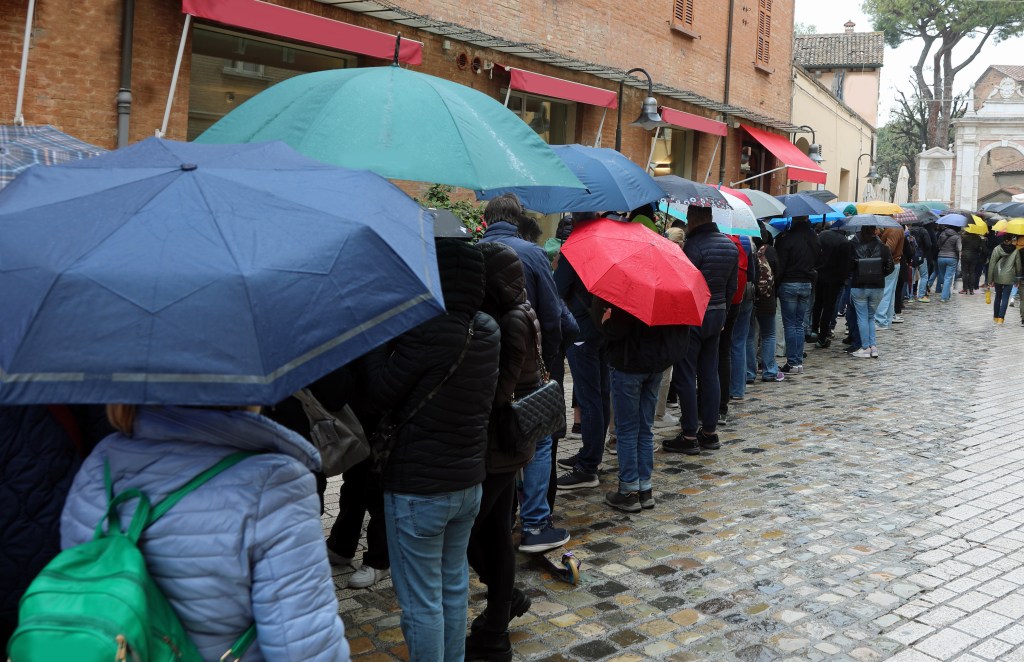
Last week I was privileged to take a tour of a local food pantry that is part of a relatively new and rapidly growing program. As a result, the food pantry has bounced around in several different physical spaces as office needs have evolved and rooms became available. The current space was the smallest grocery-style food pantry I’ve ever seen.

Approximately 12 x 12 feet, this pantry had room for three standing fridge/freezers, a wall of shelves for canned goods, and counter space for displaying fresh produce. Pantry policy is to check in clients at the door and allow up to three shoppers to browse the space at once. To facilitate this, the organization has prioritized establishing a play area with volunteer supervision for the children of clients. Parents are thus able to shop at their leisure, and the pantry doesn’t have to navigate extra bodies in the room. It is an efficient and elegant system, despite all the disadvantages that come with a room barely bigger than a closet.

There are very few food pantries who occupy their ideal facility. Instead, they live in basement rooms, neglected offices, and vacant closets. Having to depend on unwanted and undesirable spaces can be challenging and discouraging, but there are still ample opportunities for organizations to make their services as respectful, desirable, and functional as in a purpose-built facility.

Here are three essential qualities for turning any food pantry space into one that is dignified and functional for everyone:

  • Abundance. Whether the pantry is a tiny closet or a cavernous warehouse, keeping the shelves piled high with food fosters an abundance mindset that provides a sense of security and comfort to people seeking assistance.

When people are confident that they have access to essential resources, they are more likely to just take what they need. When they are fearful that there isn’t enough (and especially if there’s any sense of competition among shoppers), they are more likely to fall into a scarcity mindset which often motivates them to take more food.  A smaller room facilitates the presentation of abundance, but attention to how food is displayed can simulate a sense of plenty in any space.

No one wants to be at a food pantry in the first place, so developing systems that empower shoppers to make their own choices can help address the inherent power imbalance in using emergency food resources.

Grocery-style pantries that allow their visitors to browse as one would do at any store are an effective way to add dignity to the experience. Many food pantries continue to depend on systems where clients must proceed in a line past their food options. While this system is primarily successful at increasing the speed at which people shop, it also can evoke a sense of powerlessness. Letting shoppers get out of line or step ahead of a slow shopper may be a simple option for restoring a little bit of autonomy.

While every food pantry deserves a big, beautiful room with airy windows, a play area, and ease of access for everyone, we must work with the options available. By considering these factors, we can still transform any space into an experience that helps our community feel welcome, nourished, and dignified.

The opinions expressed here are solely my own and do not express the views or opinions of my employer.

Want to learn more about food justice? Subscribe so you never miss a post! Look for one email in your inbox every Monday morning.

The Problem is Never Just Hunger

“I just need food- I didn’t know I had to fill out any paperwork!” This woman’s vehement opposition to completing our food pantry’s new client intake form took me by surprise, which increased as she abruptly strode off with tears running down her face. I’d never had this happen before.

I followed her into the parking lot, and after some hesitant discussion, it became clear that she was a survivor of domestic violence. This woman was terrified at the prospect of any documentation that might enable her ex to find her. Respecting that fear, we did not record her visit, and ensured that she and her two children got the food they needed to survive a couple more days.

Nearly three years ago, this incident remains lodged in my memory as an early catalyst for my food pantry’s transition to practicing trauma-informed care, with the recognition that no one comes to our organization facing hunger as their only challenge.

Hunger was only one obstacle among many for this woman as she struggled to access the resources she needed while keeping her family safe.  Even though our mission is to meet the nutritional needs of our community, it is essential that anti-hunger organizations always recognize our visitors carry many other burdens when they walk through our doors, whether they share them with us or not.

This is why it is so important for every food justice advocate to deliberately plan, script, and implement strategies that focus on compassion and respect, and not just food access. This can help transform the process of seeking emergency food assistance from one of panic and humiliation to one of dignity and empowerment.

Every day, our food pantry welcomes people who are houseless, who have recently arrived from nations ripped apart by war, are facing imminent financial emergencies, or are experiencing a mental health crisis. Food pantry clients are never just facing food insecurity, but there is ample opportunity for us to provide support beyond just food.

Here’s how food pantries can build environments that support all their shoppers and the backgrounds they bring:

  • Trauma-informed training for staff, leadership, and volunteers. Recognizing and respecting the trauma that people carry helps us develop systems to support them. Foster systems that accommodate those needs, such as ignoring the administrative responsibilities for the woman escaping a violent ex or packing a personalized food box for an individual who is overstimulated by the crowd and long line.
  • De-escalation training. We serve clients who arrive stressed and emotionally charged every day, and it requires tact and sensitivity to help them find stability. For example, we occasionally encounter clients who haven’t eaten for several days. Finding them a snack and a bottle of water before they shop is often the most effective way to set them up for success shopping in the pantry.
  • Focus on an attitude of abundance. Even if food supplies are running low, a sense of abundance helps shoppers feel more food secure and supported. When our food pantry line grows especially long, people worry that we won’t have enough food for everyone. Reassuring them helps quell anxieties before they even get inside.
  • Wrap-around services. Although we don’t provide additional programming, we network with health clinics, organizations that deliver food, free clothing, and housing assistance so we can direct clients in the right direction. We partner with several nursing-student programs who have provided us with meal planning projects, recipe development, and other resources. This semester our students have developed information on wound care to share with our clients who are living outside. Although we rarely have exactly the resources our shoppers need, being able to point them in the right direction can save them from the overwhelming fear of solving these challenges alone.

The opinions expressed here are solely my own and do not express the views or opinions of my employer.

Want to learn more about food justice? Subscribe so you never miss a post! Look for one email in your inbox every Monday morning.

Do You Believe Everyone Deserves To Eat?

This week, I overheard a comment as a client entered our food pantry, an iced drink in hand. One of my volunteers muttered, “if they can afford Starbucks, then they probably don’t need to be here.”

I was disappointed by the judgement and the lack of empathy and understanding that I heard in their voice. Unfortunately, this is an attitude I encounter regularly as a food justice advocate.

Many people, whether consciously or unconsciously, believe that hunger is primarily the fault of an individual making bad choices.

When someone believes that anyone can simply work themselves out of poverty, spending five dollars on a delicious frosty drink on a 90-degree Friday is merely confirmation that their poor choices led them to needing to use a food pantry. This assumption is the primary motivation for anti-hunger institutions to control what types and how much food a client may receive- because of the belief that they can’t be trusted to do it themselves.

These attitudes are heavily engrained in our society, particularly among demographics who still advocate that hard work is the primary component of financial success.

 Too many anti-hunger organizations and supporters espouse providing minimal resources to avoid anyone in need from becoming “too dependent.” (We’ll dig into the absurdity of fearing people will become too dependent on food another time.)

This assumption persists even though there’s abundant data refuting it and proving that nearly all factors of poverty are beyond an individual’s control (cost of living, available jobs, or adequate hours, not to mention the many forms of discrimination. And of course, your zip code).

What is Food Justice?

Food justice is a framework that holds food as a human right and seeks to address the structural barriers that perpetuate hunger and poverty. It is closely aligned with the environmental justice movement and advocates for building access to healthy, culturally appropriate food for everyone in a way that also supports the environmental health of our world.

Alongside recognizing that poverty is a systemic rather than individual condition, a food justice perspective analyzes the impacts of the entire food system- including land ownership, labor conditions, environmental impacts, nutritional quality, and economic and physical access, and the factors that perpetuate injustice like exploitation, racism, colonialism, and discrimination.

Historically, food banking does not easily fit into a food justice framework.

Until very recently, traditional food pantries rarely examined their role in perpetuating injustice or their neglect of the root causes of hunger by treating it as purely an individual problem.

As an individual rather than systemic solution, food pantries regularly dictate what and how much food is available to people and communities who need it, and actively perpetuate harmful assumptions about hunger and poverty (like the volunteer I mentioned in my opening paragraph).

How Can Food Pantries Take an Active Role in Implementing Food Justice?

  1. Offer client autonomy. Trust that your clients know their own needs best and give them the freedom to choose what and how much their families need.
  2. Actively engage your volunteers, staff, and leadership by learning about food justice to help them move beyond any assumptions they may carry about people living in poverty. It’s important to remember this will never be a one-time lesson, but rather the long-term establishment of a community culture that recognizes the historic injustices that perpetuate hunger, the evolving economic realities of our world, and embracing the idea that everyone deserves to eat, unconditionally.
  3. Partner with food justice programs who actively work to undermine our current food system in favor of more equitable and alternative options. The fact that food justice is a recently adopted idea for the food banking industry means there are ample opportunities for food pantries to offer leadership and innovation in this field. (Here are some programs doing great work in the Pacific Northwest).

The opinions expressed here are solely my own and do not express the views or opinions of my employer.

Want to learn more about food justice? Subscribe so you never miss a post!

How to Convince Yourself There’s Enough Food For Everyone

“Do we have enough food?” is the question currently echoing throughout the emergency food assistance network. The demand for food assistance is growing rapidly, and food pantries across the nation are straining to accommodate the number of people reaching out for help every day.

One year ago, my own food pantry was learning how to serve 100 households in four hours. Just two weeks ago, we set a new record for the number of households served- 181 in that same amount of time. With SNAP cuts in March and rising inflation, hunger needs are growing like we haven’t seen since the beginning of the pandemic and show no signs of slowing.

With the dramatically increasing need and demand for our resources, it is incredibly easy to become fixated on scarcity. How do we feed all these people with our limited food supply?

I consider myself a student of anti-hunger advocacy, but lately I realize more and more how much this work depends on psychology.

Although my focus is on the logistics of supplying hungry people with the food they need, I learn every day that doing this job well depends just as much on how I think about food access and hunger.

How people living with food insecurity feel about the resources available to them impacts how they use them.

How anti-hunger advocates think about hunger and the services they provide equally influences the systems they implement and how resources are distributed.

I spend a great deal of time advocating for presenting a sense of abundance and food security for our food pantry visitors. (Read more here). But with the growing need and strained capacity of the anti-hunger system, I have also been reflecting on the importance of advocates prioritizing our own abundance mindset.

Why should we as anti-hunger advocates develop our own attitude of abundance? How does that help us serve our community better?

Most anti-hunger organizations ensure they always have a stash of food available to support the next client, or the next distribution. But an emphasis on holding food back for later also focuses efforts on maintaining the food supply instead of the needs of our shoppers.

 When our brains focus on this scarcity, we shrink our capacity to think about other things, which reduces our effectiveness at the work we do. (Right now I’m reading Scarcity: The New Science of Having Less and How it Defines Our Lives by Sendhil Mullainathan and Eldar Shafir.)

An abundance mindset helps us broaden our vision and find opportunities for doing better.

When we assume that we’re maxed out, we shut down any possibility of innovation. By adopting the paradigm that we have the tools we need to succeed, it enables us to strategize for success. An abundance mindset allows us to experiment with new ways to do better once we’ve internalized the idea that we have the capacity.

How can hunger fighters prioritize an abundance mindset?

1. Prioritize growth and experimentation.

In many ways, food pantries have evolved little since their modern inception of the 1970s. Most food pantries offer similar systems of food distribution that change little once they are established. But these systems may not be able to support an increase of clients or fluid food supplies, so it can be easy for a food pantry to decide they simply don’t have the capacity to grow.

Instead, food pantry staff should constantly experiment with ways to change and update their systems. By ensuring that no operation is set in stone, it empowers opportunities for innovation that very well might be able to support changing community needs.

Even small changes can be incredibly worthwhile. For the past year, our food pantry has taped client tickets to the handle of our clients’ shopping cart. This past month, we experimented with taping them to the front of the cart instead, which has expedited check-out and helped eliminate traffic jams for faster client service. This tiny adjustment has had significant ramifications on our operations.

A willingness to experiment under stress is hard; it requires a certain level of comfort with risk (and requires trust and enthusiasm from volunteers). But a refusal to take those risks ensures that your organization will not evolve to meet your community’s needs.

2. Emphasize the resources you have.

My pantry often runs low on popular food items. We rarely see canned fruit anymore and are experiencing a major shortage of pasta and sauce. These empty sections on our pantry shelves stand out like a beacon, but rather than staring at those gaps, we constantly rearrange.

Canned pumpkin is not a popular food item (especially in the summertime!) but our local food bank has an abundance, and it allows us to fill up our shelves. Even though we know most of our clients aren’t interested, filling the space on the shelves draws attention away from our lack of essentials and helps everyone feel a greater abundance.

I appreciate having some food items that are not popular. Because they move slowly, our volunteers don’t need to dedicate time and effort restocking, but they do help everyone feel like our pantry has the resources to support anyone experiencing hunger.

3. Don’t hoard your food.

My perspective comes partially from the privilege of having a significant warehouse and storage capacity, but our food has little impact when it is sitting on our shelves. There is a pervasive attitude in food banking that we must always save some for the shoppers coming tomorrow (which is true), but we give out sequentially less and less food if the goal is to always have leftovers. If you give away the food you have with faith that more will arrive tomorrow, everyone will be better served.

Projecting an attitude of abundance for food pantry clients is essential for helping them feel like their needs are being met, they are respected, and they can have confidence in their food security.


Adopting an attitude of abundance for anti-hunger advocates is harder- we are constantly faced with the challenging reality of a limited food supply while being overworked and underpaid. But by focusing on the opportunities that are open to us to do better, experiment, and practice innovation, we will access new avenues for success that otherwise would remain unexplored.

Previous Post: Why You Should Run Your Food Pantry Like a Restaurant

The opinions expressed here are solely my own and do not express the views or opinions of my employer.

Want to learn more about food justice? Subscribe so you never miss a post!

One Clever Food Pantry Strategy for Success

Hunger rates are rising. With the expiration of Covid-era SNAP benefits alongside inflation, thousands of families who have never faced food insecurity before now worry about where their next meal will come from.

Food pantries are seeing dramatic increases in the number of clients seeking help. It’s only been seven weeks since this most recent increase began, and anti-hunger advocates are tired. Because of an industry-wide fear that there isn’t enough food for everyone, there is pressure to retract, hoard our food, and reduce the amount distributed so that it never outweighs the amount coming in. Fatigue and fears about the future reinforce this inclination. Historically, the food banking industry has been careful to never give away too much food at once lest they run out, even when hungry families clamor for more.

Contrary to every industry impulse, I propose that this is the moment when food pantries should push harder than ever to give our clients as much food as possible. Although meeting the growing demand is an infinitely complex struggle, this is an opportunity to revisit the reason we do this work while uplifting every client’s individual needs. One of the most powerful methods of empowering our clients is by letting clients choose how much of everything they want rather than limiting and rationing our food supply.

Why food pantries should remove as many limits as possible and increase the amount of food available to our clients right now:

1. Setting limits on the amount of food people take encourages them to take more than they otherwise might.

There is ample evidence in marketing research that introducing scarcity increases demand by making an item seem more rare and thus desirable. Clients are more likely to take the maximum amount allowed because limits promote a scarcity mindset, when otherwise they would only take what they need. Studies show that pantries who switch to a no-limits model see clients increase the amount of food they take at the initial transition, and gradually reduce as confidence in their food security increases. We have noticed in my pantry that the clients who are slowest to transition away from a scarcity mindset are refugees, as we serve several families recently arrived from Afghanistan and Ukraine. It makes complete sense that people escaping a warzone have a scarcity mindset and are slower to adopt a mindset of abundance. Limiting their access to food only perpetuates their fears of scarcity.

2. It’s impossible for someone to take too much food.

Every client requires a different amount of food to feel secure. Some people need a full fridge to feel safe, while others only require a couple cans. Preventing clients from taking what they need to feel secure may force them to visit the pantry more often, which overworked food pantry staff will tell you they would rather not encourage! And for many people, that is an unfair demand. One of our clients last week sold plasma to get gas for their car to visit our pantry. Food pantries should minimize the number of visits a client makes with the recognition that they face many other challenges besides hunger. Abuse of welfare is rare (by people in poverty,) although Regan’s “welfare queen” rhetoric continues to color how our society views people who use welfare.

3. We’re here to end hunger.

Although it’s always more comfortable to have the cushion of a full warehouse, the food we distribute is only useful when it is in the kitchens and bellies of the people who need it.

More complex food flow demands should not deter us from making sure every one of our neighbors has dinner every night this week.

It feels counter-intuitive but with the demand rising, it is more important than ever for food pantries to distribute as much food as possible. As organizations responsible for keeping our neighbors fed, we must overcome the innate human instinct to hoard and our own scarcity mindsets in favor of making sure our community has the food it needs to survive.


The goal of every emergency hunger assistance organization is not just to keep people fed for one more day. For organizations committed to ending hunger, we aspire to provide people with the food they need to thrive so that their resources can be allocated towards paying rent, or medical bills, and other essentials. This starts by respecting their individual needs and empowering clients to make their own choices.

The opinions expressed here are solely my own and do not express the views or opinions of my employer.

Want to learn more about food justice? Subscribe so you never miss a post!

Empower People Experiencing Hunger With Four Easy Strategies

One of the reasons that there remains such stigma against using food pantries is the sense of powerlessness that comes from someone else determining what you eat. Food choice is deeply personal, and it is invasive and uncomfortable for someone else to make those choices for you.

People seeking emergency food assistance are at the mercy of those providing the resources and are often deeply aware of the power imbalance that comes with it. Food pantry staff work hard to get food to clients, and it can feel uncomfortable or invalidating for shoppers to be choosy, which can lead to pantries adopting a “they should be grateful for what they get” attitude.

But it is equally important to recognize that the power of choice in this setting may be one of the few opportunities many people have in their day-to-day life to say “no.” Rather than create a conflicting dynamic where food pantry staff get the last word, it’s possible to build an environment where choice and dignity are integral to the shopping experience.

Here are four techniques that food pantries can use to give clients autonomy and choice while using food assistance programs.

1. Minimize how often you tell clients, “no.”

We sort all our food out of sight in the warehouse, so clients don’t see it until it’s ready for distribution. This way we avoid clients seeing an option that they can’t have, either because it doesn’t meet our quality standards or because we’re stockpiling it for a later distribution. We work hard to never even mention foods that we’re not actively giving away so that no client feels let down when they don’t see that food. Any food that a client sees is available for them to take.

2. Set limits on as few items as possible, and be realistic.

It is probably necessary to limit some high demand foods like eggs, coffee, and frozen meat or else your supply will be quickly depleted. It can be tempting to put a limit on other popular items, but it’s also important to consider if people are going to adhere to the limit. If it is essential, your shoppers may just take more anyways. Don’t set up a situation when clients are tempted to break the rules or where your volunteers must focus on enforcement. Focus on celebrating when clients find the foods they need, rather than bemoaning when they take more than you think they need. (Read this to help get you there: Food Pantry Transformation With an Attitude of Abundance)

3. Encourage shoppers to take food as you restock the shelves.

We restock constantly throughout the day, so it’s quite likely we will bring in a cart of food that our clients are excited to see. It can be inconvenient or even annoying to have people dig into the boxes as we’re unpacking, but telling clients that they need to wait until we’re done is an unnecessary power play (and breeds competition between shoppers). When people take food as we bring it out, it also saves us from having to put it all away!

4. Don’t let volunteers take food if they’re not shopping as clients!

If you’re part of the Feeding America network, this is policy, but it still happens far too often. It’s easy for a volunteer who put in a hard day of work to feel like they earned that bag of coffee beans, or that it will be easier to just grab a dozen eggs instead of running to the grocery store. Every pantry needs a strict volunteer shopping policy where no food, no matter how small, may be taken unless they are shopping as a client. It is important that clients never get the impression that shopping policies are applied inconsistently because it is hard to feel respected and dignified when you think others are being favored. It is very possible that you will lose volunteers over the strict implementation of this rule, but are those the volunteers you really want to keep?


How clients feel while getting their food from a food pantry is just as important as the quality of food that they receive. Visiting a food pantry feels inherently humiliating and embarrassing, so it’s important to focus on the ways we can help clients leave feeling a little more empowered, respected and dignified. There is no quick fix, but implementing these small techniques will go a long ways towards establishing that everyone has a positive experience at the food pantry.  

The opinions expressed here are solely my own and do not express the views or opinions of my employer.

Want to learn more about food justice? Subscribe so you never miss a post!

How to Adopt an Attitude of Abundance

I recently had a conversation with a first-time client as she hesitantly browsed the shelves of our food pantry. She told me how grateful she was to access our resources, and then vigorously promised me that she would only take the foods she needed to get by until she next got paid.

American culture is steeped in the idea that people experiencing hunger do so because of their own failures, and that food pantries are at risk of abuse by these individuals. This is so engrained in our brains that many of our clients feel like they must reassure me that they won’t abuse our program while taking as little food as possible.

At my food pantry we emphatically believe that no one deserves to be hungry. Hunger is a systemic rather than individual problem, and we know we’re only a tiny band aid for a gaping wound. I gently responded to this new client by telling her that I wanted her to take more food than she needed. I asked her to try foods she’d never eaten before, and to pick out some ingredients that just looked fun to cook with. I told her I hoped she could find some indulgences to treat herself, and that I didn’t want her to only visit us when her cupboards were empty.

Our goal is to keep everyone’s kitchen stocked so that there is never a moment when they are unsure of when their next meal will be. She did not expect this answer and began to cry.

Why is it so radical to tell her to take as much food as she wants? What paradigm taught us to operate under this idea of scarcity?

What is a Scarcity Mindset?

The idea that there isn’t enough food for everyone is engrained in the emergency food assistance program. There isn’t enough food in the donation system for individual pantries, and there isn’t enough food for all the clients who visit those pantries. Pantries then limit how much food people take to ensure there is enough for everyone. It is a simple, clear way to equally dispense food to hungry households. It also makes it likely that someone experiencing hunger will leave a food pantry with less food than they want, and feeling that their individual needs were not met.

I have worked hard over the last several years to turn this attitude on its head by adopting an attitude of abundance. Although there are major shortages throughout the food system, I also see opportunities for changing how we think about the food we give away and the clients we serve.

 It is possible for food pantries to foster a culture which celebrates providing everyone the food they need and the dignity they deserve even while facing food shortages.

How do you cultivate an attitude of abundance?

Physical display of abundance

When we display food in bins, on shelves and in coolers, we make a deliberate attempt to make it look like we have as much food as possible. For our fresh produce bins, that simply means keeping them as full as possible so when clients walk in they immediately see plenty of brightly colored, healthy options.

We also keep our shelves looking full by arranging items like canned goods to take up as much physical space as possible. This may mean not stacking them, bringing them to the front of the shelf, and neatly spacing them out. It is important when our clients first enter the food pantry that they immediately feel, “they’ve got lots of food for me,” rather than worrying about there being enough for everybody.

I also always tell our clients that there’s one specific food I want them to take lots of it. Regular clients now ask me as soon as they walk in, “what do you need me to take today?” This further emphasizes our abundance and implies that we need our clients’ help, making this a reciprocal relationship. (The excess food item has been sweet potatoes for months now due to a generous donor, so our clients will joke and tease me as I beg them to take yet another bag.)

Ensure the pantry culture embraces abundance (which means making sure your volunteers are on board!)

During the height of the pandemic, our pantry offered prepacked food boxes to minimize contact. It allowed us to strictly control how much food went out, but I still heard concerns from volunteers about someone getting too much or having too many specific requests to fill.

To change our attitudes while working with the prepacked boxes of food, I set challenges for my volunteers. I found items not packed in boxes because they were hard to find the perfect home for (frozen banana leaves, a fifty-pound bag of oatmeal, or jars of lutefisk), and challenged my volunteers to find someone who wanted them. It became a game to offer these items to every shopper, and a point of pride for the volunteers who successfully gave them away. Our team began to compete and then to brag about how well they did at meeting clients’ individual needs. As well as being fun, this emphasized to both volunteers and clients that we had an abundance to share, and helped my team appreciate the unique needs of everyone we served. We learned that having one specific item was often more meaningful to a client than giving them boxes and boxes of our regular options.

We also started offering first-time clients double the standard amount of food. Volunteers learned about the stigma of using food assistance, and how that may result in people postponing seeking help until their cupboards are literally bare. Giving double the food helped these families refill their cupboards and provided the emotional security of having what they need to be comfortable and not just survive.

This meant that new clients left with approximately 80 pounds of food. For individuals who had been anxious or reluctant to visit our pantry, this immediately changed their attitude. Many left in tears of gratitude, which also increased our volunteer satisfaction as they saw firsthand the impact that their service had for our neighbors experiencing hunger.

Although we now operate as a grocery-style pantry where clients make all their own food choices, the practice of focusing on individual needs and understanding the stigma of visiting a food pantry was transformational for our organizational culture.

Celebrate meeting your clients’ needs

Prioritizing individual needs and increasing the amount of food clients receive made our transition to a grocery-style pantry much easier since our team had already adopted an attitude of abundance. The most important thing we do now to maintain that culture is to celebrate when a client leaves with a full grocery cart. We know their cart is full of foods that work for them, and that making their own food choices brings dignity and autonomy to a process that can so easily be humiliating.

We have gradually seen the amount of food people take go down, as everyone transitions from a scarcity mindset to an attitude of abundance. Our clients know that we will have the food they need again next week, so there is no urgency in loading up today.


No matter what model a food pantry uses to distribute food, it is possible to foster an attitude of abundance. It is easy to focus on scarcity, but prioritizing abundance helps us change how we think about the needs of our community, how our clients feel when they use these services, and how to imbue dignity into the institutions that fight hunger.   

The opinions expressed here are solely my own and do not express the views or opinions of my employer.

Want to learn more about food justice? Subscribe so you never miss a post!