
On March 1st, 2023, anyone who received SNAP benefits (formerly known as Food Stamps) lost nearly one-hundred dollars per person per month thanks to the expiration of Covid-era bonus benefits. This cut has already had a terrifying impact on people experiencing food insecurity, and anti-hunger advocates expect that it will quickly grow much worse.
The rapidly rising number of people shopping at food pantries has demonstrated just how effective the SNAP program is. It provides dignity to users by allowing them to make their own choices and choose foods that work for their own families and lifestyles. The number of people returning to emergency food assistance services with the loss of these benefits shows us just how many didn’t need it while receiving these benefits.

Despite the proven effectiveness of SNAP, doubts about the need for and value of welfare are pervasive throughout American society. They are largely fueled by the concept of the “welfare queen,” an imaginary 1980s character who used her welfare benefits to facilitate a life of leisure and excess at the expense of hard-working taxpayers. Concerns about the misuse of benefits and social services permeate how we think about hunger, and they’ve created a conundrum.
Thanks to fears of welfare abuse, society is ready to condemn anyone experiencing food insecurity who eats expensive or quality food.
High-end steak, organic produce, fancy olive oil, and other expensive foods are considered an inappropriate and unnecessary food choice for anyone struggling to meet their food needs. It is deemed irresponsible to spend money on these kinds of items when you could buy greater quantities of lower-quality ingredients.
Conversely, people experiencing poverty are regularly reprimanded for their unhealthy eating habits. Even though chips, soda, and salty snacks are the cheapest and most accessible foods, we see a constant stream of policy proposals eliminating the ability to purchase them with SNAP, increasing taxes to make them more expensive, or other mechanisms intended to make it harder for people living in poverty to access.
These biases have manufactured a very narrow window of food that is considered appropriate for people experiencing hunger to eat; they simply can’t win. They are expected to eat from-scratch meals from bulk ingredients, that are healthy but not too healthy (certainly not organic), but must not eat cheap, accessible soda, chips or instant meals either.
The desire to dictate what food should be available to people experiencing hunger comes from the deeply engrained assumption that people are poor because of personal failure.
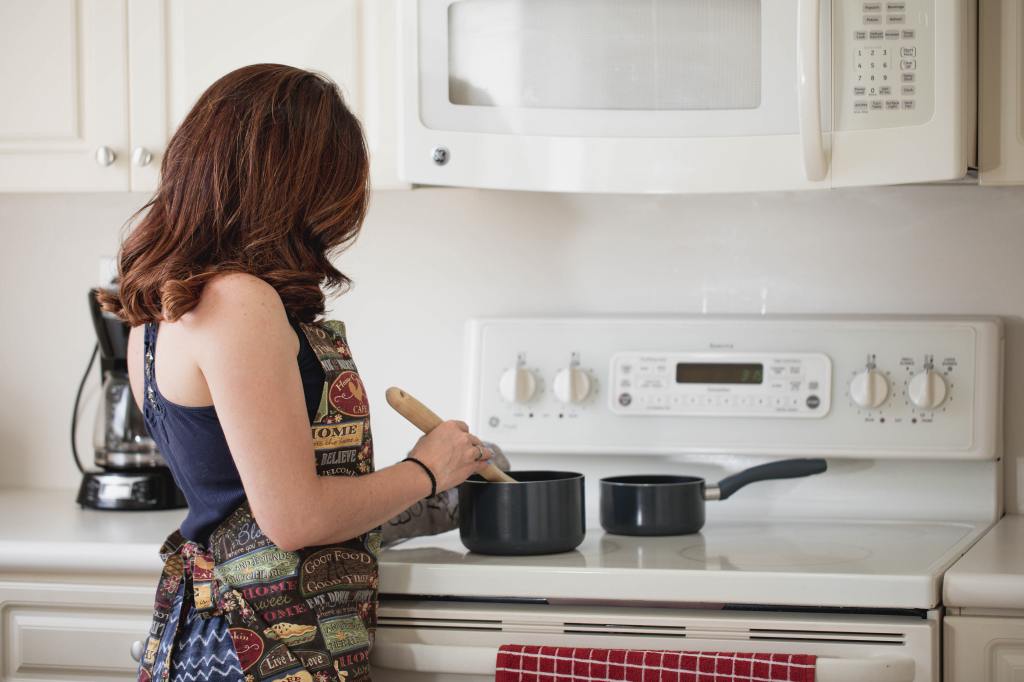
American society assumes that people need food assistance because of poor decision-making, which leads us to believe that they make similarly bad choices when it comes to food and need to be told how to eat appropriately.
As anti-hunger activists, it is essential that we examine the biases that we carry through our work. This vision of what we think people should eat is unconscious and pervasive, but it requires a deliberate effort to recognize and change it.
We can start by fighting for people experiencing hunger to be able to make all their own food decisions. We should be advocating for higher and more accessible SNAP benefits, transitioning food pantries to client-choice models, and catching ourselves when we make judgements about what types of foods our neighbors choose to eat.




 Reintroducing justice and dignity to the fight to end hunger