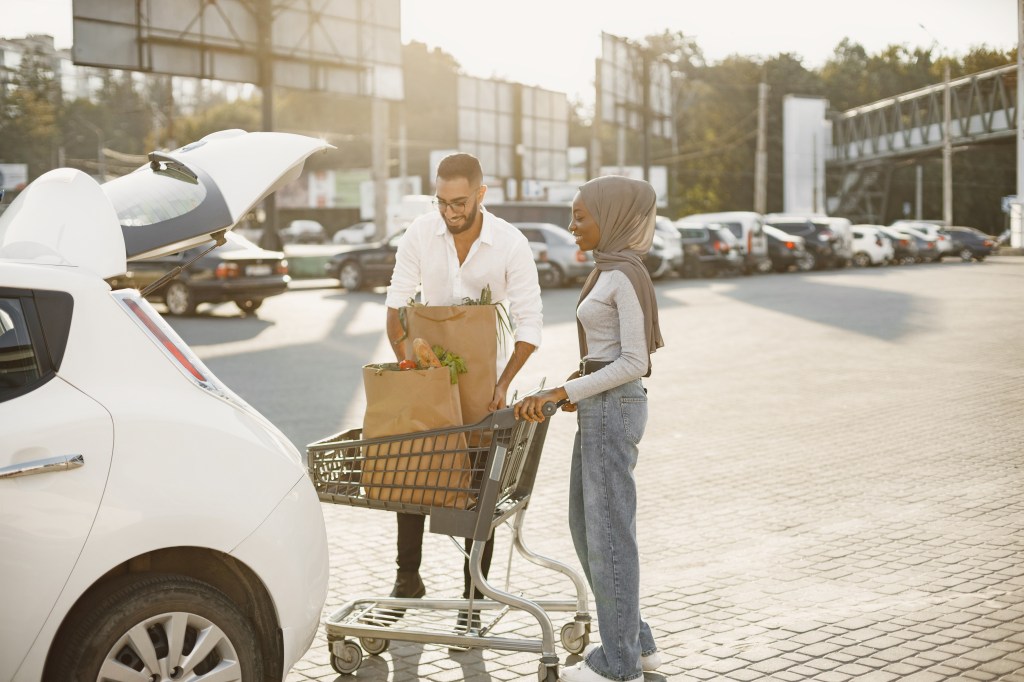
When we talk about designing respectful and effective food pantries, focus falls on the quantity and quality of food alongside the experience people have while shopping. Anyone who’s ever worked in a food pantry knows how difficult and how valuable it is to address these goals.
Because of the challenges of uplifting dignity within our current emergency food program, it’s easy to neglect smaller but still essential components of running a functional food pantry. One of these is considering how people carry their food, in the pantry and on the way home.
It’s difficult enough to maintain basic pantry operations without worrying about what happens next, but how people transport their food is an essential component of building access.
Shopping in the pantry
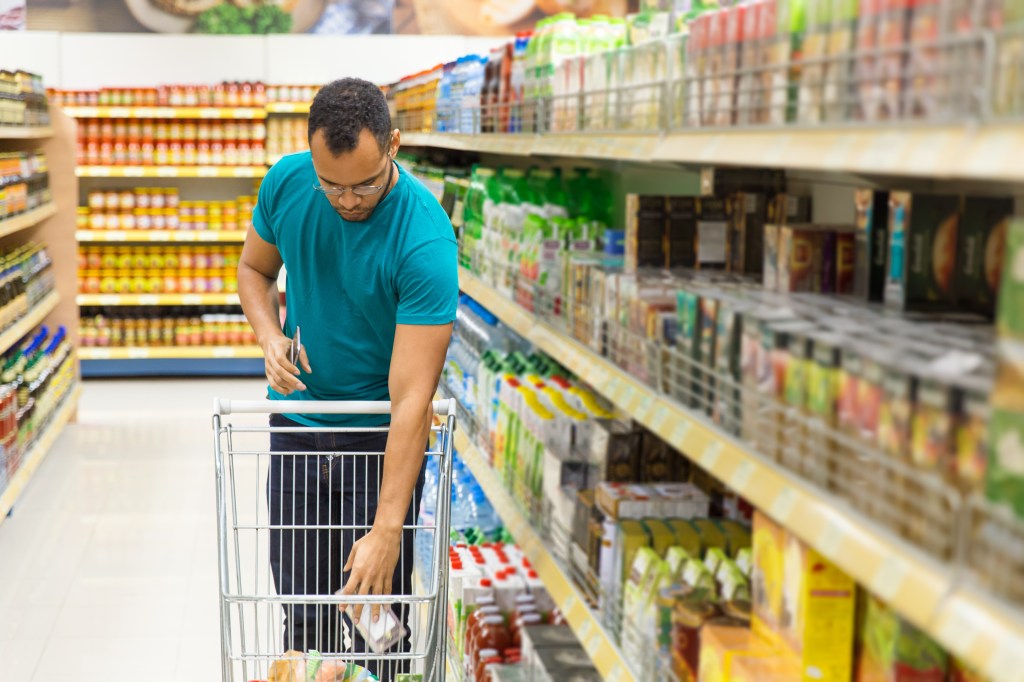
There’s no “one size fits all” for how to get around a food pantry, since there is so much diversity in the style and design of these organizations. But because the most dignified and respectful (and therefore effective) food pantries empower shoppers to choose their own food, it’s important for pantries to offer a way for guests to carry it as they go.
While pantries who prepack boxes have the ease of simply handing off a box or bag, choice pantries need to provide a shopping cart or basket for the ease of their guests. Shopping carts are the gold standard, since many people may not be able to carry the amount of food they would like to take home.
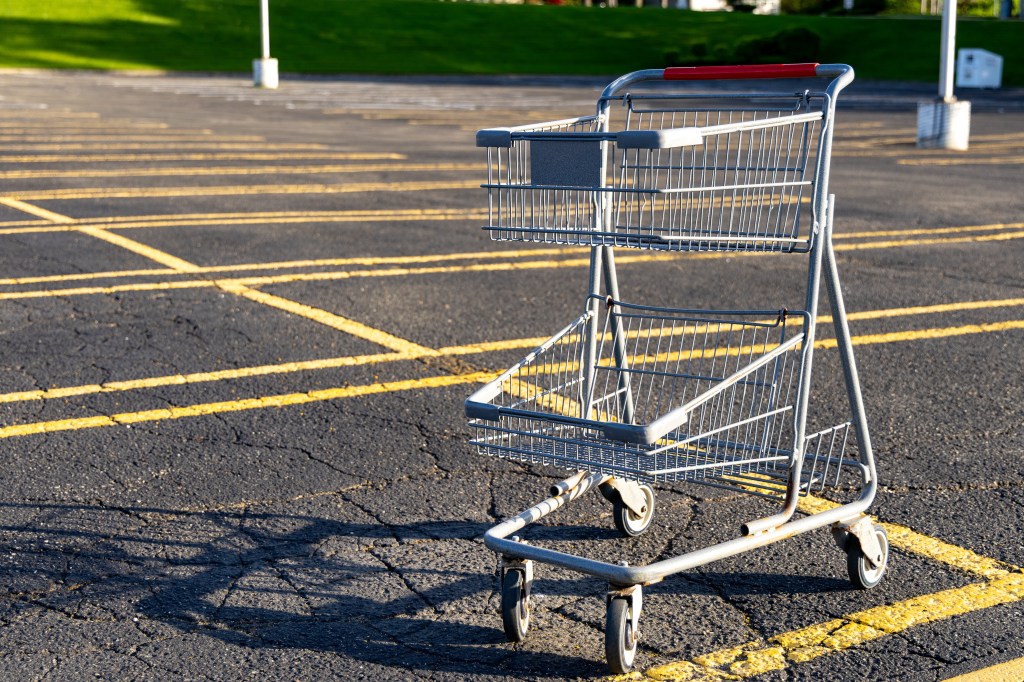
The size of the cart matters. Standard carts donated by grocery stores may be too big for small spaces and will naturally encourage people to take more food. Smaller carts are more maneuverable and potentially more suitable for your food supply, but may have to be purchased.
The headache that shopping carts cause for staff is due to their tendency to wander. Since shoppers may lack reliable transportation, a cart enables them to take more food than they can carry alone. Once it leaves the property, however, it’s unlikely that cart is ever coming back. If your pantry uses shopping carts, it’s important to have a system for tracking them.
One of my previous pantries numbered our carts and documented who used each one, and then volunteers escorted shoppers to their cars or to the edge of the property. Although it didn’t keep all carts from wandering, we knew who they disappeared with and could often follow up.
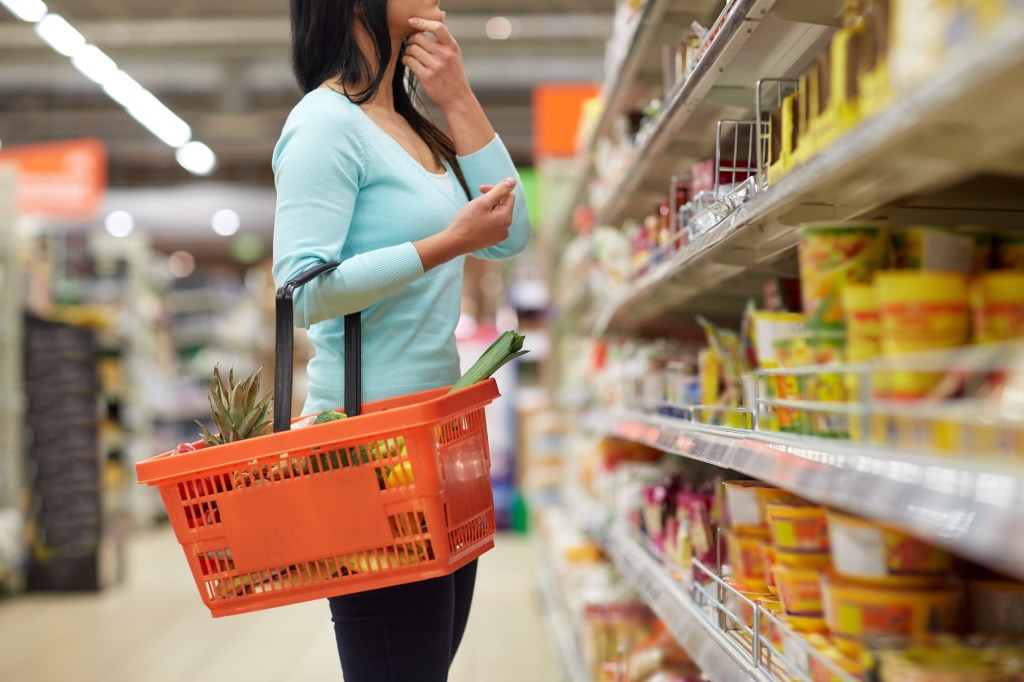
Shopping baskets in pantries may be unavoidable, but they are often an uncomfortable limitation. Especially for pantries who limit how often someone can shop, it may prevent them from taking the food they need and be an insurmountable barrier for people with disabilities.
Taking food home
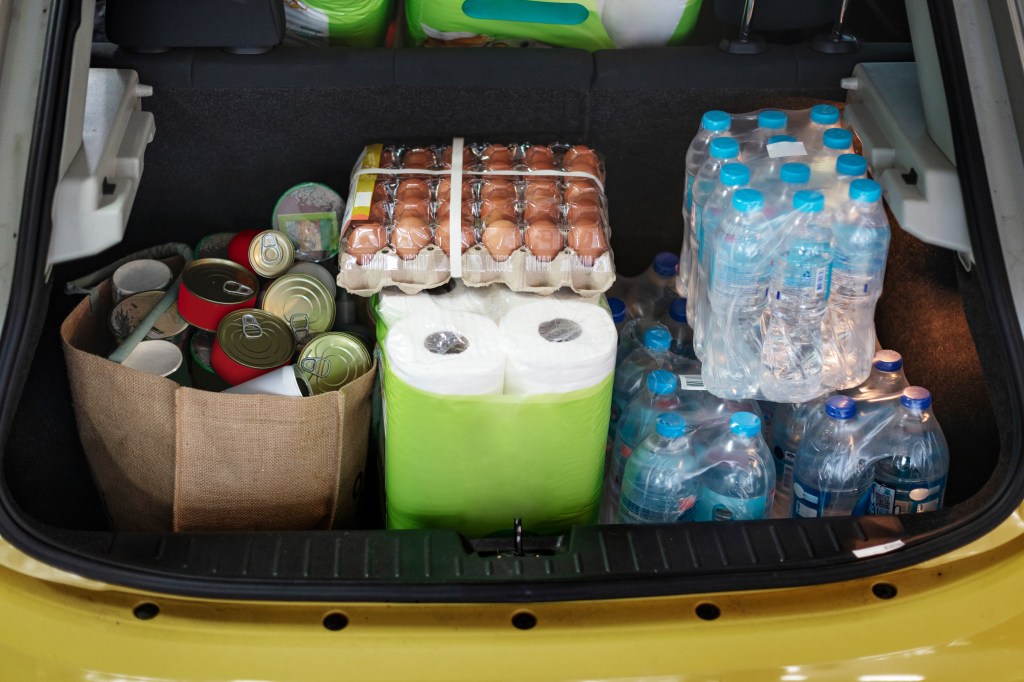
Food pantries also face the difficulty of finding ways for shoppers to carry their food home. Food pantries are rarely located in convenient locations, which means shoppers may have to carry food long distances. Many people forget their reusable bags, or may not even own them since having to purchase them is a significant barrier. This means food pantries either need to provide something to carry food in, or put their shoppers in the uncomfortable position of having to manage it for themselves.
If using shopping carts, it’s important for pantries to offer boxes or bags up front, or else suffer the traffic jam of pantry guests loading food into their cars can by can.
Our pantry used to save boxes for shoppers alongside accepting donations of paper and reusable bags. Donated plastic and paper bags are difficult and labor intensive, since they may be damaged or come in awkward sizes that demand sorting, with a fair amount of waste.
Options:
- Offer shopping carts to your guests. Develop a food delivery system for people who live too far or can’t transport the food themselves!
- Purchase or solicit donations of carts and/or baskets. Consider the appropriate size for your pantry space and a system for tracking them.
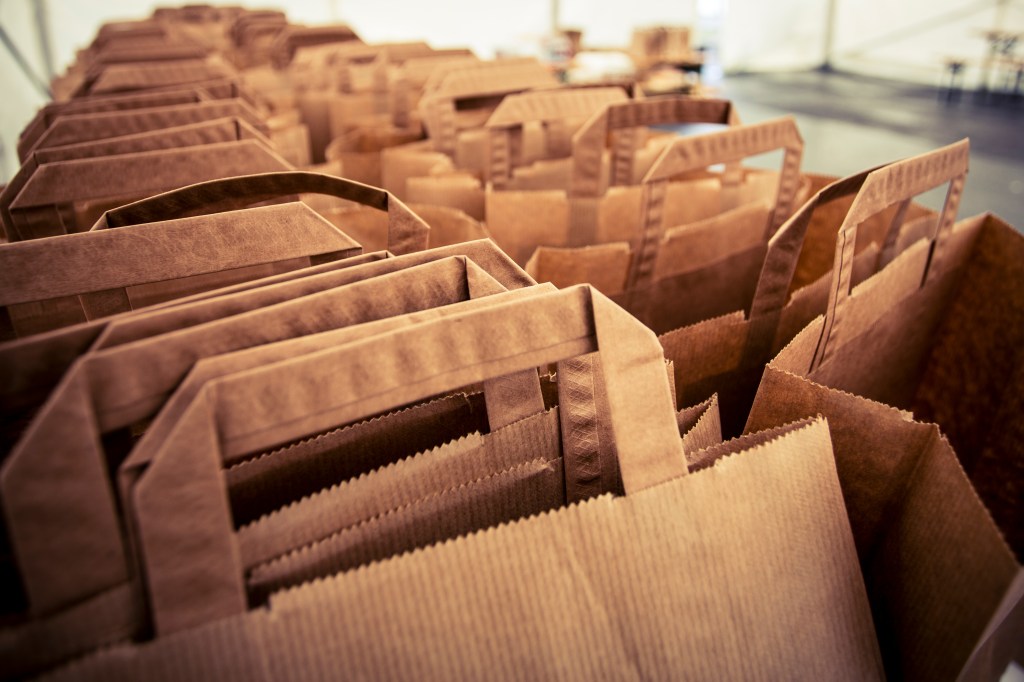
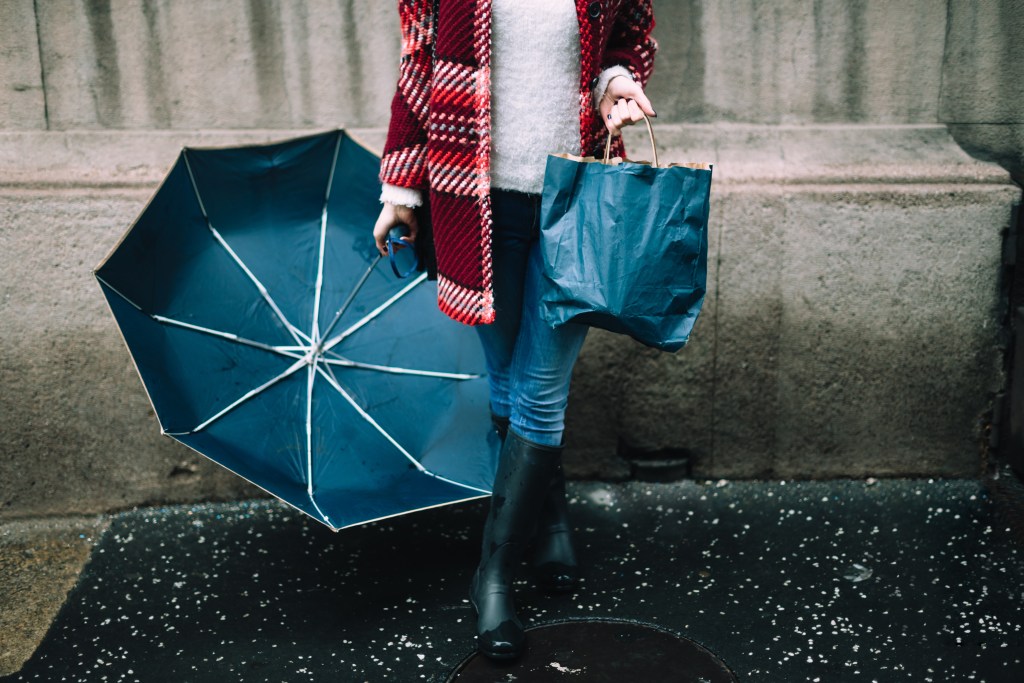
- Purchase or solicit donations of bags or boxes for shoppers to take home. Consider what shapes and strength are necessary based on your food supply and shopper needs. For example, paper bags are awful on rainy days, and large boxes of canned goods may be impossible for some shoppers to carry.
- Increase the frequency that people can shop to reduce the need to take a lot at once. Empowering guests to shop at least once a week will help decrease the amount of food needed for each visit.
- Implement a choice model so that people can take what they need and leave what they don’t. Pantry shoppers know what they need best, and it’s disrespectful to make that choice for them and then make them carry it home.
Remember that our goal is to end hunger, which depends on people getting the food they need to feel secure. Don’t let your biases about quantity, quality, or capacity influence your operations decisions. Every way you maximize the amount of food leaving your facility should be celebrated as a success.
The opinions expressed here are solely my own and do not express the views or opinions of my employer.
Want to learn more about food justice? Subscribe so you never miss a post!


 Reintroducing justice and dignity to the fight to end hunger