How My Body Taught Me That Food Choices Matter

To honor my holiday vacation, I’m reposting this blog from April, 2023.

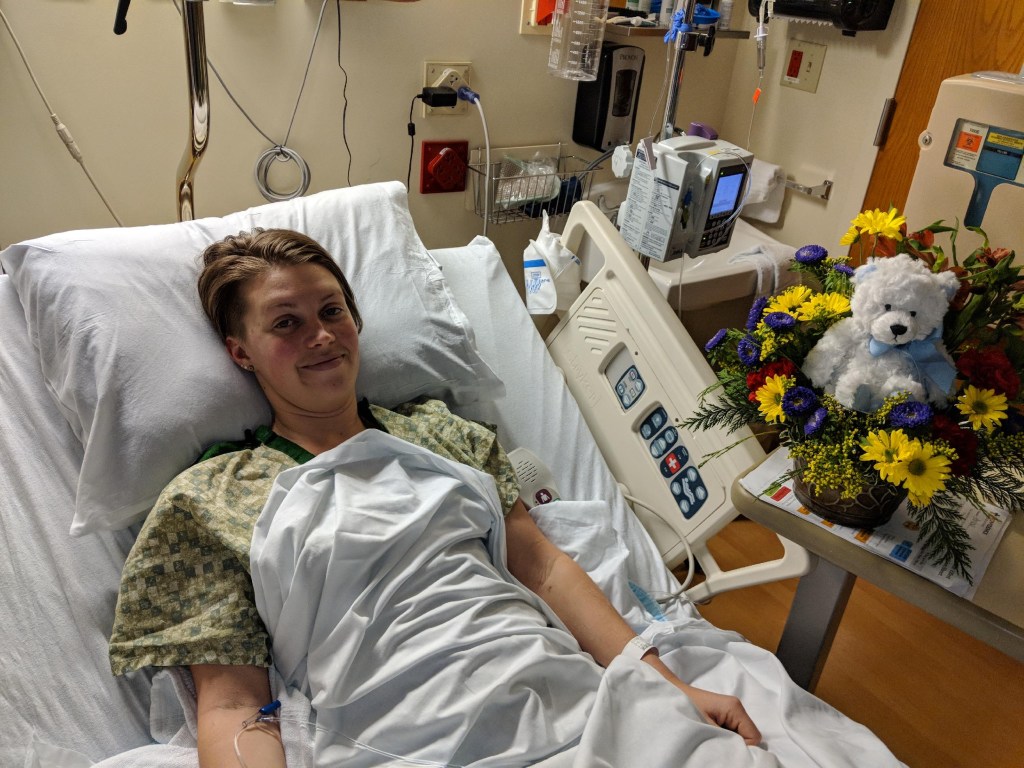
Eight years ago in mid-December, I checked myself into the ER. It turned out that my appendix had burst approximately three months prior, with all the complications that accompany a life-threatening infection. I spent 12 days in the hospital and had two surgeries before moving in with my mom for an additional month because I was too weak to take care of myself on my own.

I endured a year of slow recovery before something triggered my system that suddenly gave me near-debilitating arthritis and an increased sensitivity to foods. Over the next six months I slowly just stopped eating because being hungry was preferable to the pain, depression and fatigue that accompanied digestion.

Some foods hurt me worse than others, and I eventually reached the point where I ate little besides cabbage and avocados. I felt like I was dragging my body through the heaviest mud imaginable, and nothing could lighten the weight.  

I tried every diet I could find, was dismissed and mistreated by numerous doctors, penalized at work for talking to HR about taking medical leave, and was starting to panic that the future I envisioned might never materialize as my body continued to fail.

Through random chance, someone recommended a diet plan that excluded foods containing the lectin protein in seeds that are hard on sensitive digestive systems. It proposed eliminating all grains, fruits, and grain-fed animal products along with any preservatives. Within four days of starting this new plan, I began to feel better. I’ve now been following this diet for five years and in many ways have been able to return to the life I hoped for.

I became an anti-hunger advocate and food justice champion long before I got sick. I was already committed to making food a fun and communal experience rather than just a vehicle for nutrition.

But over the last five years of learning how sensitive my body is to my food choices, my understanding of food insecurity has changed dramatically.

My quality of life is entirely determined by my diet- how well I sleep, how much energy I have, my focus at work, and my capacity to manage emotional burdens. And my understanding of my nutritional needs is constantly changing and evolving.

I’m lucky to have always been able to afford and prepare the food I need. I could buy artichokes, sardines, and radicchio, all foods which at one time held an important role in my recovery.

But I know that if I was dependent on a food pantry or SNAP benefits for my nutrition, I would still be miserably sick. My diet would be determined by the options available, rather than by what my body needed.

I know that if I allowed someone else to determine what foods I eat- even someone well-educated in nutrition- they would not get it right. Everyone knows their own needs best, and my role working in food pantries is to facilitate that as best as I can.

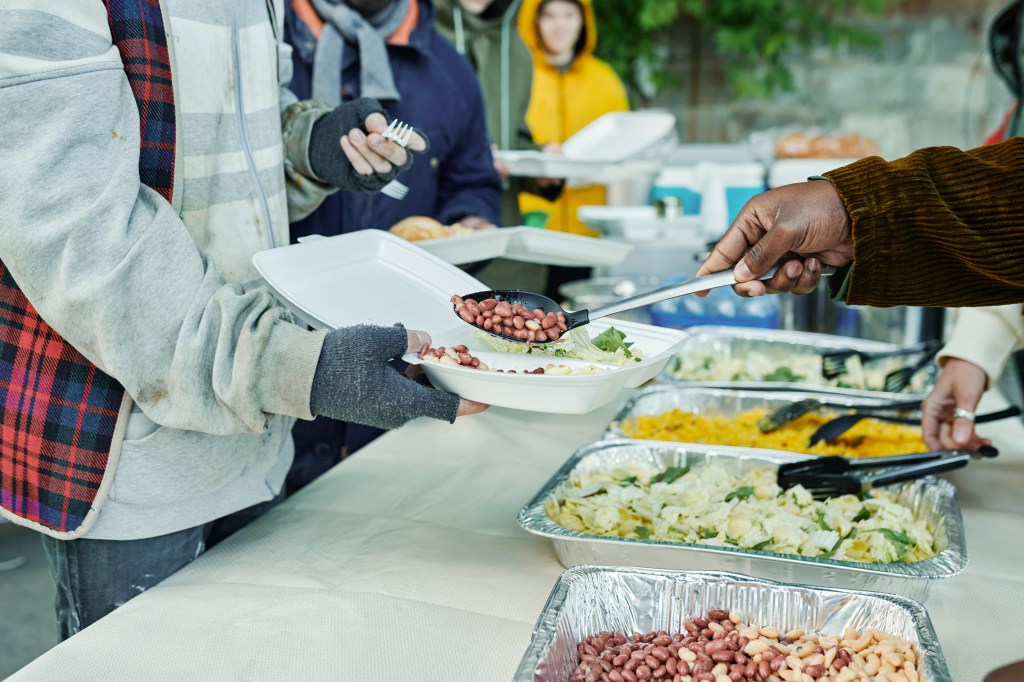
Many people experiencing food insecurity have never had the opportunity to make intuitive food choices before. The food they eat is determined by what they can afford or what the food pantry is able to give them. I don’t want anyone else to ever be as sick as I was, so I am committed to ensuring that people facing food insecurity can choose what and how much they want to eat.

There are still times where I rage about the things my illness has taken from me- the freedom to eat out at a restaurant without scrutinizing the menu, the enjoyment of a good whiskey, or eating pizza with my partner.

But upon reflection, I also see that it has given me invaluable experience and the tools I need for being a better anti-hunger advocate and helping my food pantry always do better for the people we serve.

The opinions expressed here are solely my own and do not express the views or opinions of my employer.

Want to learn more about food justice? Subscribe so you never miss a post!

What Food Pantry Should You Donate To?

A colleague recently reached out to me about hosting a food drive. Their organization is ready with a donation barrel, but they wanted a recommendation about whom they should donate to. In writing my response, I realized there were a lot of factors to consider when making this decision.

(This is also the time of the year where many organizations are inspired to host their own food distribution or meal, but that often doesn’t actually help local anti-hunger efforts.) Collecting resources for an experienced organization is much more effective, and easier for everyone.

While every anti-hunger organization needs food right now, it is important to recognize that there are many different types of pantries with different styles. Luckily, there are thousands of diverse organizations out there, and with a little research you can find one that aligns with your values.

How to pick an organization to donate to:

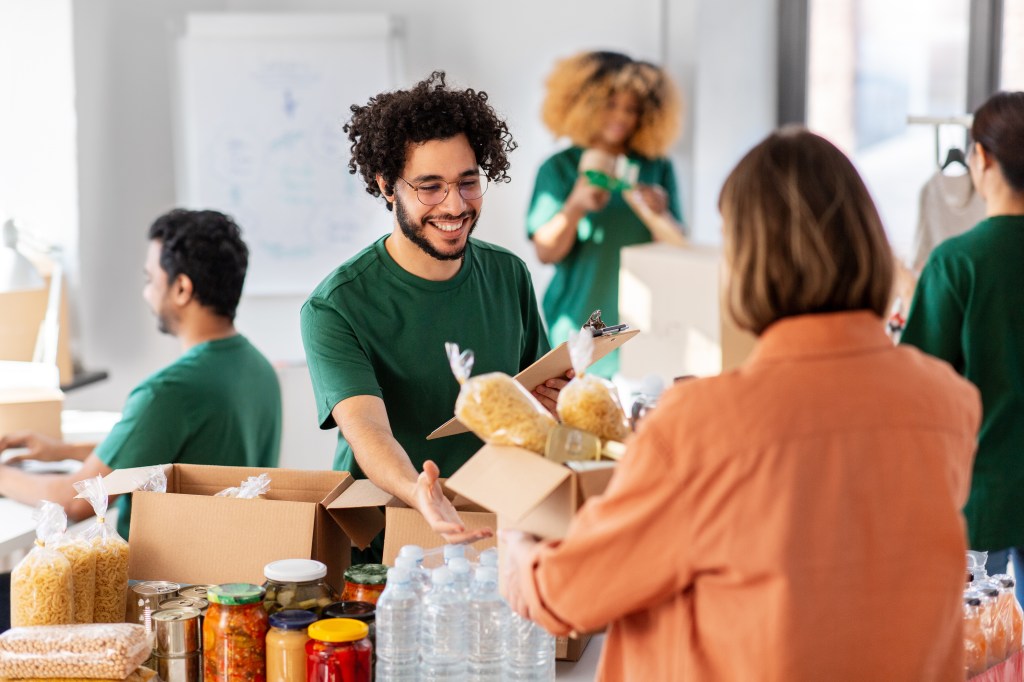
Volunteer: The gold standard for picking your donation recipient is to volunteer more than once, which will help you identify if they are a good fit with your belief system. I recommend more than once because the first time is mostly orientation. The second shift will be when you really start to understand how things work. Spending some time doing on-the-ground service will help you learn what resources are or are not available to inspire your donation drive.

Word of Mouth: If volunteering isn’t an option (many food pantries have full shifts right now because of the holidays, but they are often in great need of volunteers in January, too!) I recommend seeking out ways to connect with a volunteer, shopper, or someone else familiar with the organization. Staff are likely swamped, but other community members may have capacity to share their experience. What do they love about it? What makes it special?

Other factors to consider:

Proximity: There are a lot of different ways to choose a food pantry to support, and proximity is an incredibly valid one. Selecting the food pantry nearest to you is a great idea because you’ll support individuals within your immediate community. More of your neighbors than you realize likely utilize the resource.

Doing an internet search for your nearest food pantry might surprise you- I recently learned that two different churches in my neighborhood also have food pantries that I didn’t previously know about.

Client experience: This is the primary factor that determines the recommendations that I give out. While it’s impossible to really know without having been a client myself, I consider factors like being a grocery-style pantry, what communities they welcome, and how they determine eligibility.

I favor pantries with the fewest eligibility requirements, since it’s impossible (and completely irrelevant) for us for know why someone comes to a food pantry.

For instance, I won’t recommend donating to a pantry that only serves people who already receive benefits like SNAP or WIC, since that excludes a significant number of vulnerable individuals (and that number will soon grow from SNAP cuts.)

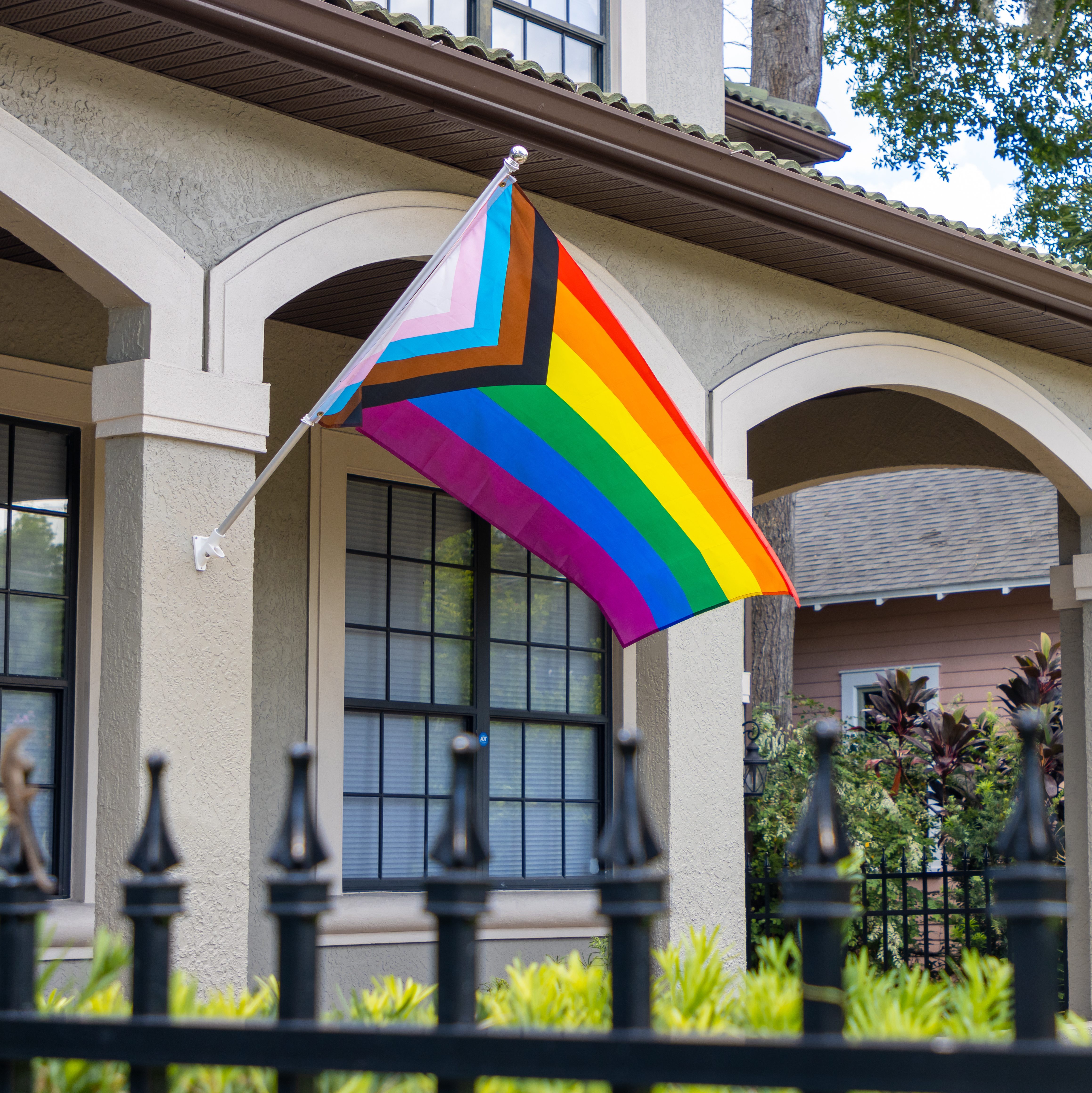
There are still many organizations, covertly or not, who remain unsafe spaces for marginalized communities like immigrants and LGBTQ+ individuals. I look for organizations who explicitly welcome these communities, because in an increasingly hostile world silence can easily be interpreted as taking the side of the oppressor.

There are many organizations out there serving specific demographics, from veterans, to foster children, to people living with HIV/AIDS, and many more. If there’s a community you feel passionate about supporting, there’s probably an anti-hunger resource or food pantry aligned with your beliefs who needs your help.

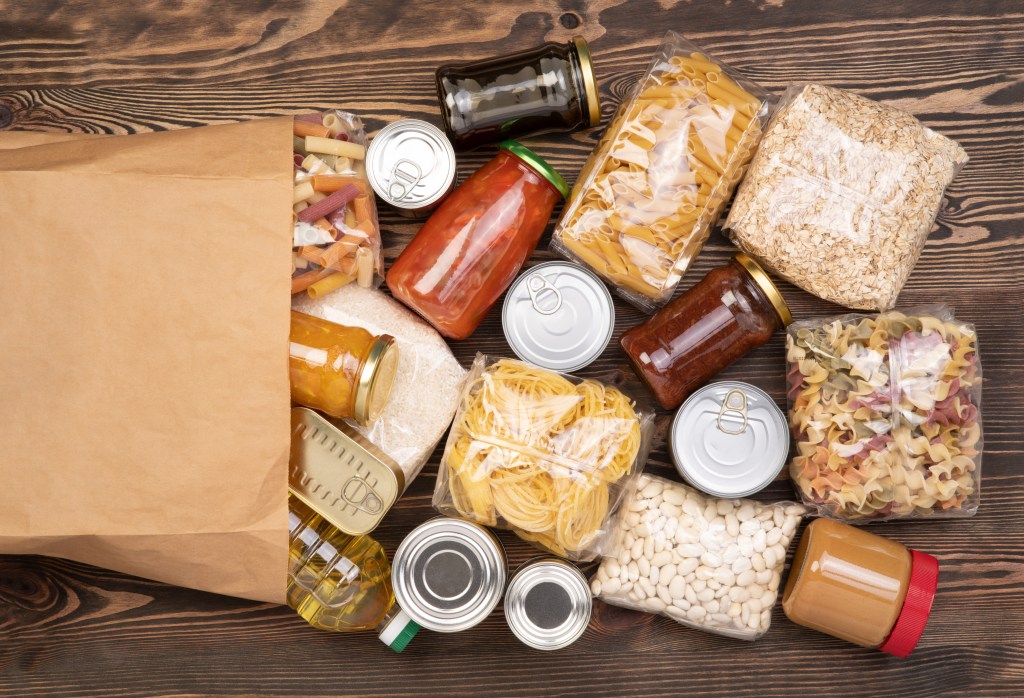
It’s also important to consider what type of support you want to offer. If you want to donate to a larger food bank, money is probably more desirable than food, since they have more buying power and less capacity to sort and distribute small-scale donations. However, a food pantry might prefer food donations (please ask!), and have specific requests based on their current inventory, such as canned fruit or soups.

I like to encourage themed food drives which guide donors’ choices and make sorting slightly easier for recipients. Things like baking supplies, soups, or spices and seasonings (my personal favorite) help ensure the recipient organization has enough to distribute to many shoppers, and saves them from the conflicts that can occur with limited high-demand items.

While every anti-hunger organization needs food right now, it’s important to carefully consider where your donation goes. It demonstrates who you think deserves to eat, and who you think doesn’t.

Ensuring your donations go to the pantries who give their guests the most positive, abundant, and dignified experience helps move our world a little closer to the place where everyone has access to those same privileges.

The opinions expressed here are solely my own and do not express the views or opinions of my employer.

Want to learn more about food justice? Subscribe so you never miss a post!