This upcoming November, recipients of SNAP will not get their benefits because of the ongoing government shutdown. A growing number of Americans are missing their car payments, a key indicator that all is not well with the economy. The threat of the military being deployed to American cities continues to loom.

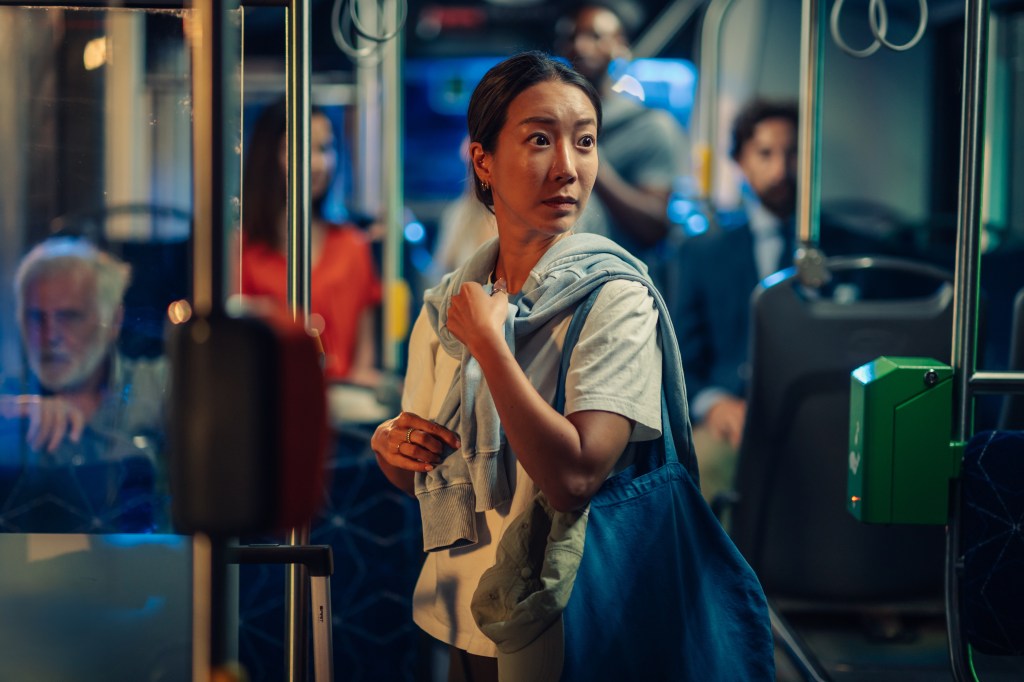
In addition, growing fears of ICE using increasingly aggressive and brutal tactics makes public spaces less safe.
Despite the obvious and inevitable incoming growth in hunger rates, these conditions create a very real conundrum of rising food insecurity but fewer safe opportunities for people to access food.
Whether or not any of these factors make you personally feel unsafe, it’s important to recognize that they contribute to hunger rates. As anti-hunger advocates, we have an obligation to address it.
It’s easy to feel helpless in this situation, but there are still some very real steps that we can take to combat hunger with dignity and compassion.
Here’s how food pantries can help:
- Minimize the amount of information you ask of shoppers. Visiting a food pantry is already a vulnerable experience, and many people associate pantries with the government, whether it’s true or not. Asking for no more information than you absolutely need can help shoppers feel more comfortable- and it should be a given that you never share any client information without a warrant.
- Increase your distribution hours to decrease wait times. Building a system that allows shoppers to get in and out quickly helps people feel more in control of their environment and makes it easier to visit despite busy schedules. Allowing easy flow also makes it more difficult for any enforcement agencies to target your clientele.
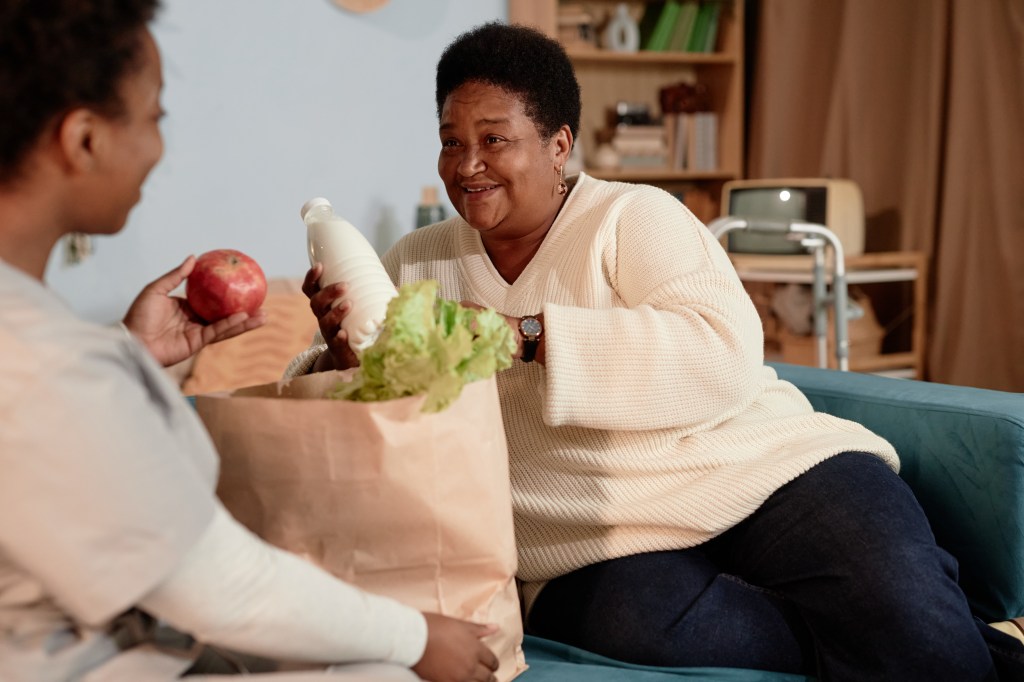
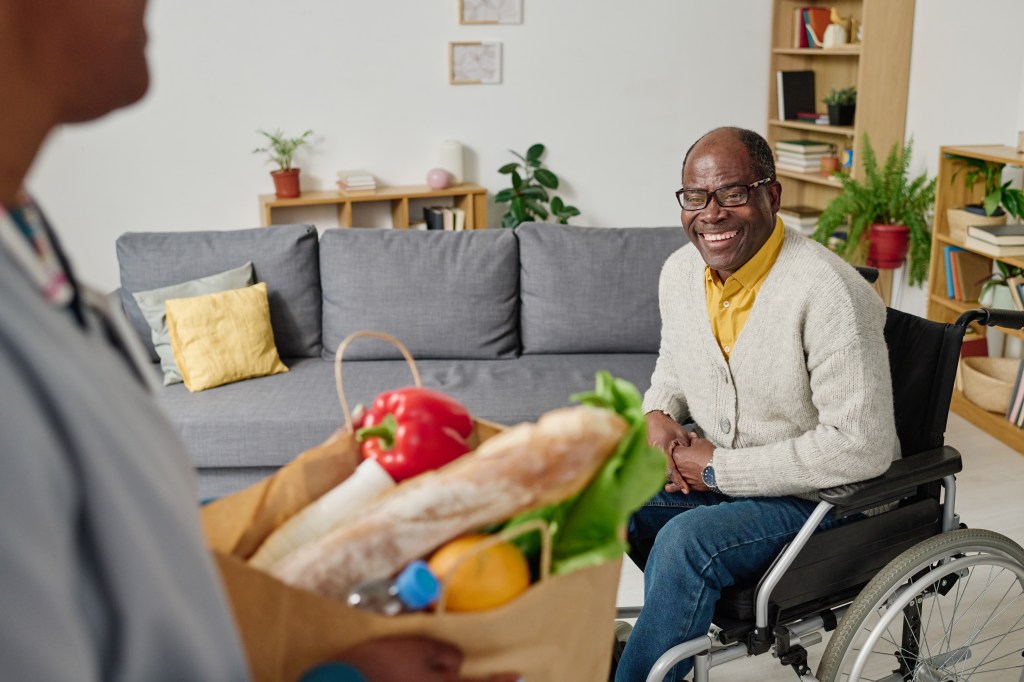
- Implement food deliveries. Making deliveries to people’s homes are an incredible and often genuinely lifesaving resource. Doing so is hard, time- and labor- intensive, and may still trigger fears of people who aren’t comfortable sharing their address. However, they provide access to food for people who may not feel safe in public spaces (as well as those who physically can’t get to the pantry).
- Mobile markets. While difficult to organize and implement, thoughtful identification of locations for distribution empowers individuals to access food while feeling relatively anonymous. While these events still need to advertise their location, variable times and locations both improve accessibility and help people feel safer from surveillance.
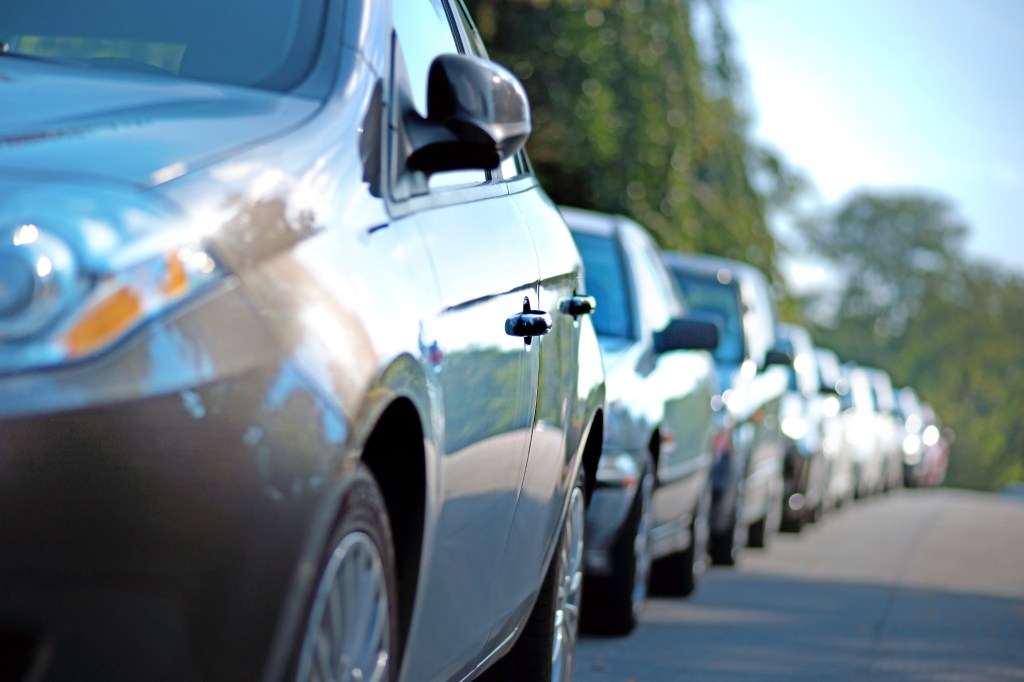
- Drive-through distribution. During the heart of the pandemic, we learned these are an effective way to get food to lots of people fast. While they don’t regularly allow freedom of choice, enabling people to remain in their cars may be a strong incentive for those who may not feel safe in public spaces.
- Locker pickups. While a relatively new innovation in the food banking world, it’s one we need to get behind! Some pantries are starting to offer secure refrigerated lockers that enable shoppers to pick-up food on their own time. While this requires more infrastructure, it also increases access by allowing pickups 24/7 with relative anonymity.
One of the most important lessons that I’ve learned about fighting hunger is that addressing the biggest, most difficult barriers impacts the greatest amount of people. None of these suggestions are easy or simple to implement. But while they specifically intend to help people feel safe accessing food, they also increase access for individuals with disabilities, a lack of transportation, or schedules that don’t allow for regular pantry visits. Building safe spaces benefits everyone.
By putting in the extra effort to help our most vulnerable community members, we can have the biggest impact on hunger rates, and uplifting the dignity of everyone we serve.
The opinions expressed here are solely my own and do not express the views or opinions of my employer.
Want to learn more about food justice? Subscribe so you never miss a post!





 Reintroducing justice and dignity to the fight to end hunger