Recently, one of the largest food pantries in my hometown reported that they’ve seen a significant drop in the number of LatinX and immigrant visitors they serve due to the threat of deportation. In the dystopian reality we’re facing of secret police and public kidnappings, it’s easy to overlook that this doesn’t mean these people are no longer experiencing hunger- it’s that they no longer have safe avenues for access.
It is harder and harder to support people facing food insecurity as our public spaces become less safe.

Early in the pandemic, when food banks and pantries were overwhelmed with more people experiencing hunger than they could ever support, my neighborhood started to see “Free Little Pantries” sprout up. They were small cupboards, or occasionally refrigerators, stocked by community members offering an anonymous way for their neighbors to get free food.
I’ve had a couple conversations recently about the value of these resources, and with public spaces being less safe, it seems like a relevant moment to explore their challenges and benefits.
In theory, free little pantries are amazing. They offer a discreet way for people experiencing hunger to freely take the food they need. Enthusiastic neighbors can fill the pantry with the food they have available, and people can take what they want without supervision or judgement. During the height of the pandemic, they offered a low-contact way to get food, and now they discreetly provide food with less risk of encountering ICE. However, they’re not a simple or easy undertaking.
If you’re thinking about starting or supporting a free little pantry, here are some things to keep in mind:

- Who will be using this pantry? What are the demographics of your neighborhood? Is it a working-class neighborhood, where there may be residents who just need a little boost now and then? Is it a higher-traffic area, where there may be more people who are unhoused passing through? How will people find out about it? There are various websites where you can list your location, but how many people do you want to know about it?
Free little pantries can be a valuable resource for those who are houseless, but they can also be a source of frustration when they don’t offer anything someone can use without a kitchen.
I’ve heard tragic stories of people experiencing houselessness spending Christmas munching on dry pasta, because that was the only food they could access. It’s important to know the demographics who need the most support.
- How are you going to stock it? Some people are excited to cook and prep ready-to-eat foods for their fridges, while others are ready to do regular shopping. Some pantries depend on donations, which means they never know what or how much they’ll have. What kinds of food are you hoping to offer? The free little pantry near me usually has egg noodles and off-brand tomato sauce, and the fridge is currently full of local garden excess.
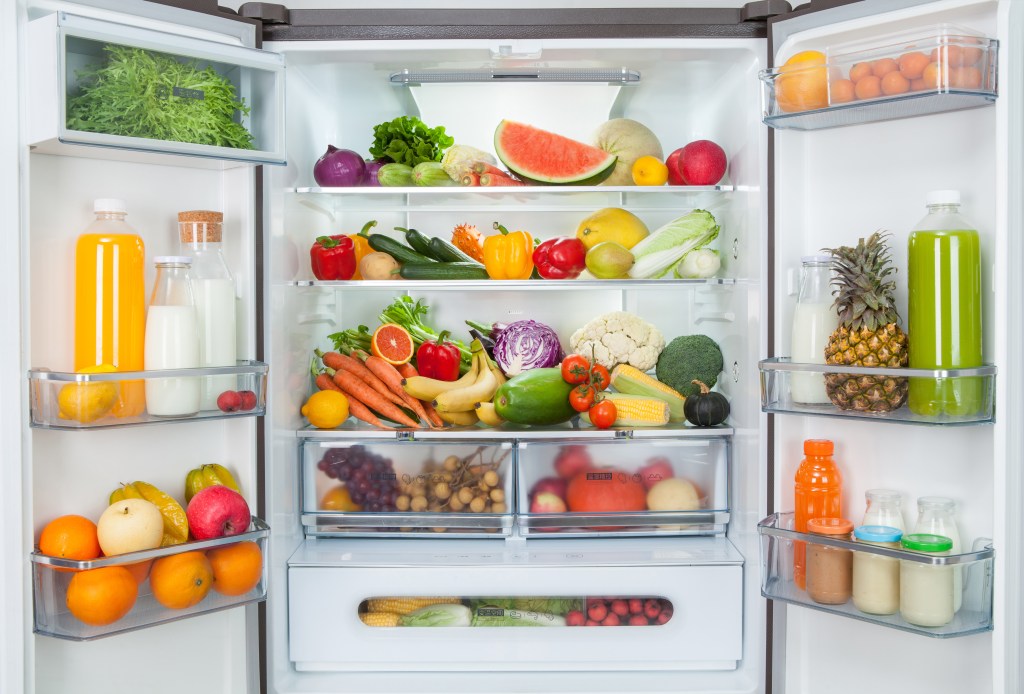
While I respect enthusiasm for cooking meals for free little pantries, I also caution against it. It’s hard to guarantee the safety of these meals unless you’re very carefully supervising your fridge, labeling ingredients, documenting dates, and monitoring temperatures.
- Are your neighbors supportive of this project? It’s important to think about the level of traffic you’re comfortable with. Do you have a neighbor who will call the police anytime they see a stranger walk by? Are they going to complain about unknown cars passing through, or potential garbage on the ground? A free little pantry can never really be a solo endeavor, and you’re going to need community buy-in.

- How much time do you want to spend on this project? How often are you able to check it, organize, and clean the space? Depending on the level of traffic, it may need more or less attention to keep it acceptable for users and neighbors.
If you have the energy and enthusiasm, go for it! Free little pantries are a great option for offering food to people experiencing hunger with low barriers and anonymity.
They are a great resource for those who may just need a little boost to make it to the next payday, but it’s important to recognize that they don’t have the capacity to fight ongoing food insecurity. They’re an individual solution to a systemic problem.
If you’re looking for other ways to stay engaged, consider food or fund drives for your local food or pantry (and of course engage in their advocacy efforts). Check with them on what their eligibility requirements are and seek out the organizations who are working hardest to support immigrant and marginalized communities. Consider seeking out backpack programs that send kids home from school with food or volunteer with other community food justice efforts like Portland’s Fruit Tree Project or the Green Bag Food Project.
The opinions expressed here are solely my own and do not express the views or opinions of my employer.
Want to learn more about food justice? Subscribe so you never miss a post!

 Reintroducing justice and dignity to the fight to end hunger