
The smell of overripe bananas will forever make me nauseous. Our food pantry once had a pallet of bananas donated that the person on the phone promised were completely edible, with “only a little bit of brown.” While that was technically true, the fruit was also so soft I couldn’t pick it up without it disintegrating, and there was no way that I would offer this to my clients.
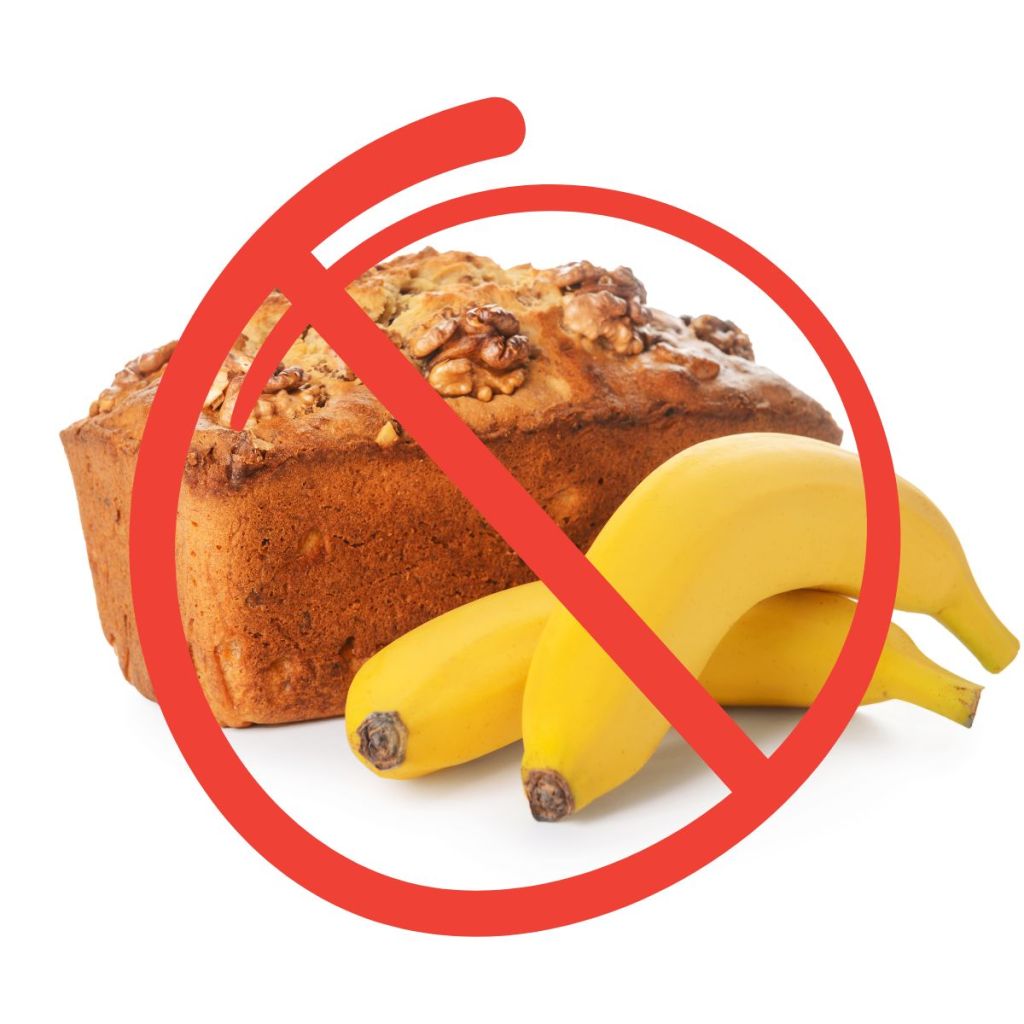
(If you’re like 99% of my volunteers, I know what you’re thinking and I’m going to stop you right there. Baking banana bread requires flour, sugar, and oil, all of which are incredibly rare at food pantries. It’s also a recipe primarily familiar to Western Europeans, unlike many of our shoppers. It’s not a practical suggestion, and it drives your food pantry staff bonkers.)
I spent the next two days unpacking the bananas from their boxes and tossing them into our compost bin. The smell permeated my hair and clothes, and I regularly had to step outside for fresh air. I wanted to call the donor and yell at them to take this donation back. It was a waste of my time and a test of my patience, as well as a burden to our compost system. But of course, I couldn’t risk jeopardizing the relationship.

As massive federal cuts leave nonprofits scrambling to access resources, anti-hunger organizations are sending out pleas for community food donations. Although vastly inadequate, for many underfunded nonprofits this is their only option for continuing services.
As part of this campaign, organizations are seeking to establish or boost relationships with corporate partners like groceries stores who have the potential to supply larger quantities than individual donors.
When these relationships work, they are a boon for everyone. Businesses get public appreciation for making a donation (and the tax benefits), and food pantries get the food they need to serve their neighbors.
But just as often, these transactions act as a way for businesses to offload their waste disposal.
Too many people still hold the pervasive idea that it’s okay for people living in poverty to eat lower quality food, which justifies them donating foods that no one else wants to eat. I’m sure this banana donor genuinely believed they were helping us since they knew that food pantries were desperate for food, thanks to constant messaging they hear about donations.

Unfortunately, this attitude places recipients in the uncomfortable position of having to either silently accept the donation or risk offending the donor.
Our current nonprofit culture lives in such a scarcity mindset that it has become the norm to accept these donations, even when it brings additional costs for the recipient such as waste disposal and labor.
How can pantries advocate for quality donations?
- Make expectations clear from the outset. My pantry developed an internal system for evaluating food that we would have done well to share externally. We only distributed food that must last until tomorrow and bring joy to recipients. While soft ripe bananas might still technically be edible, they brought no one joy. Telling donors this at the outset would help them understand what we could and couldn’t accept.
- Engage in a dialogue with donors about the challenges of receiving food that doesn’t meet your needs. (This has the added benefit of introducing the idea that you don’t just want any foods, but have specific needs for your community.)Before a donation is even made, I like to mention the hardship of receiving food that has to be immediately tossed. Whenever possible, look at the donation before you make a commitment.

- This demands confident leadership, but don’t be afraid to refuse donations that don’t meet your standards or align with what you were told you were receiving. While you may risk offending or losing a donor, you also set yourself up for a far more productive relationship in the future. They weren’t helping you by donating garbage, so you don’t actually lose anything.
- Asserting donation expectations also teaches your volunteers and community the standards of your organization. Volunteers often assume that food brought into the pantry has already been determined acceptable, which means it’s okay to distribute to clients. When you don’t allow low-quality food in the door, you teach your team that your clients deserve only the best.
The opinions expressed here are solely my own and do not express the views or opinions of my employer.
Want to learn more about food justice? Subscribe so you never miss a post!

 Reintroducing justice and dignity to the fight to end hunger
One thought on “Don’t Offload Food Waste onto Pantries”