
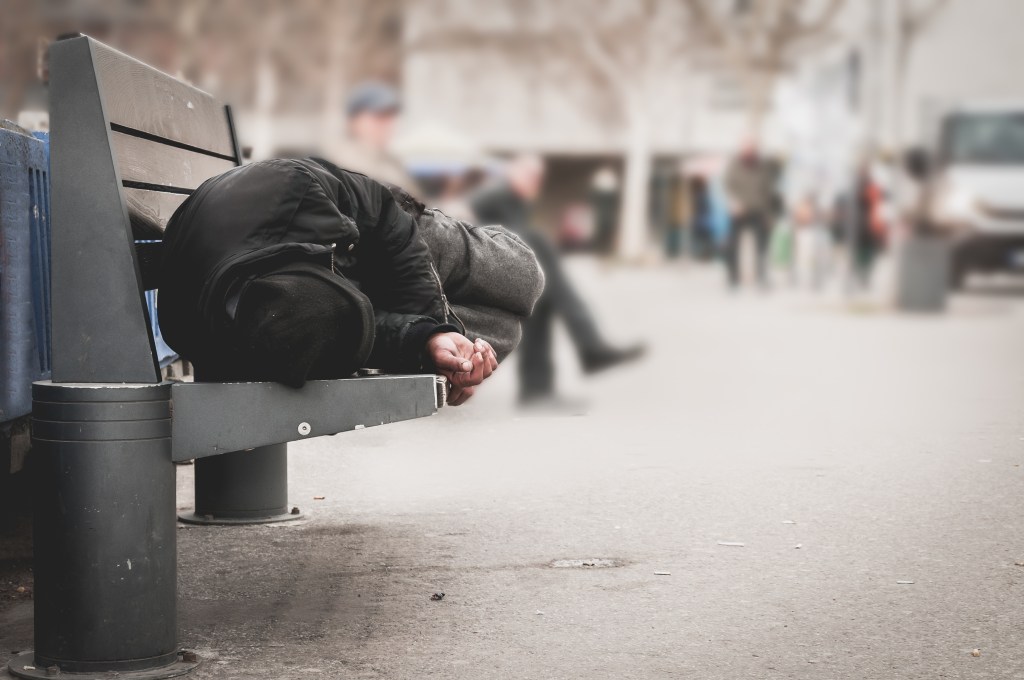
I live in a major city which has a significant houseless population living downtown. Far too often, I hear people complain about the concentration of services for houseless individuals that are also downtown. They advocate for moving these services farther away from the city center to intentionally displace these individuals so that they are less visible.
However, the reality they seek to ignore is that the reason that services are located downtown is because they are easily accessible. People with limited resources can visit shelters, meal sites, and health clinics while using buses and public transportation, libraries, educational opportunities, and engaging with family and friends in a way that isn’t possible by moving services to the suburbs.
This is a very deliberate policy decision on the part of housing advocates that has not been equally applied to anti-hunger efforts. Because food pantries tend to originate in churches and underfunded nonprofits, they often find themselves in whatever physical spaces are available rather than in what would be the most appropriate.
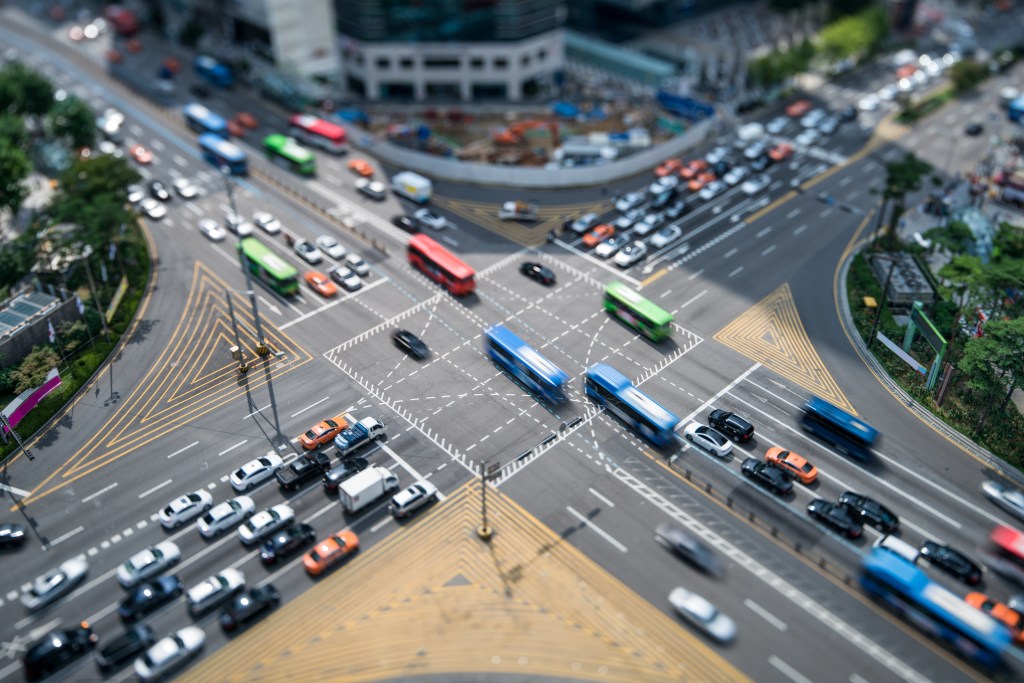
While I’ve previously discussed the importance of the physical accessibility of the building, today I’m reflecting on the considerations that should go into geographic location.
While few anti-hunger organizations have the resources to make deliberate decisions about this, it’s still important to assess how the physical location of your program may influence who does (and doesn’t) use your pantry.
People experiencing hunger come with a wide range of backgrounds, and it’s important that the physical location be widely accessible. That means people can travel there via private car, public transportation, and on foot.
Evaluating your pantry’s location:
Travel by foot
- Is the food pantry in a safe location? Depending on your hours, shoppers may visit when there isn’t much daylight. Is it well-lit with sidewalks? What is the makeup of the neighborhood, and is it friendly to the pantry clientele? For example, will a BIPOC individual on foot be safe from harassment or police surveillance? Is the distance physically walkable to other resources, residential areas, or other services while carrying several bags of groceries?

An important consideration regarding walkability is how often people are allowed to visit the pantry. Pantries who only allow shoppers once or twice a month inherently encourage people to take more food, but individuals on foot only take what they can carry, which may leave them hungry before their next visit. Pantries who allow shoppers to visit more often are better suited for foot traffic.
Travel by bus

- Is the pantry on a bus line? How many transfers might pantry clients make to get home, and how long is the wait for a bus? Traveling on a bus with full bags of groceries is awkward and uncomfortable, so frequent bus service on clean, safe buses is important. It’s also important to consider pantry distribution hours, and whether they align with the bus schedule. While I’ve believe every pantry should offer an weekday evening distribution, it might not make any sense if the buses leave shoppers waiting in the dark for extended periods of time.
Travel by car
- Does the pantry have dedicated parking? Is there any handicapped parking? While we should all aspire for a world that demands less driving, food pantry clients are not the population to start with. Having easy access for personal vehicles may make it easier for shoppers to take more food which hopefully empowers them to come less often. People with disabilities disproportionately face food insecurity, so it’s important that pantries make parking as easy as possible with room for wheelchair ramps, large vehicles to turn around, and proximity to the pantry.
Proximity
- Is your pantry located near any other resources? I once worked for a pantry which was located across the street from DHS, who could help individuals sign up for SNAP benefits and then send them over to us, or vice versa. I have also worked in food pantries in schools, which made it simple for families to shop when picking their kids up at the end of the day.
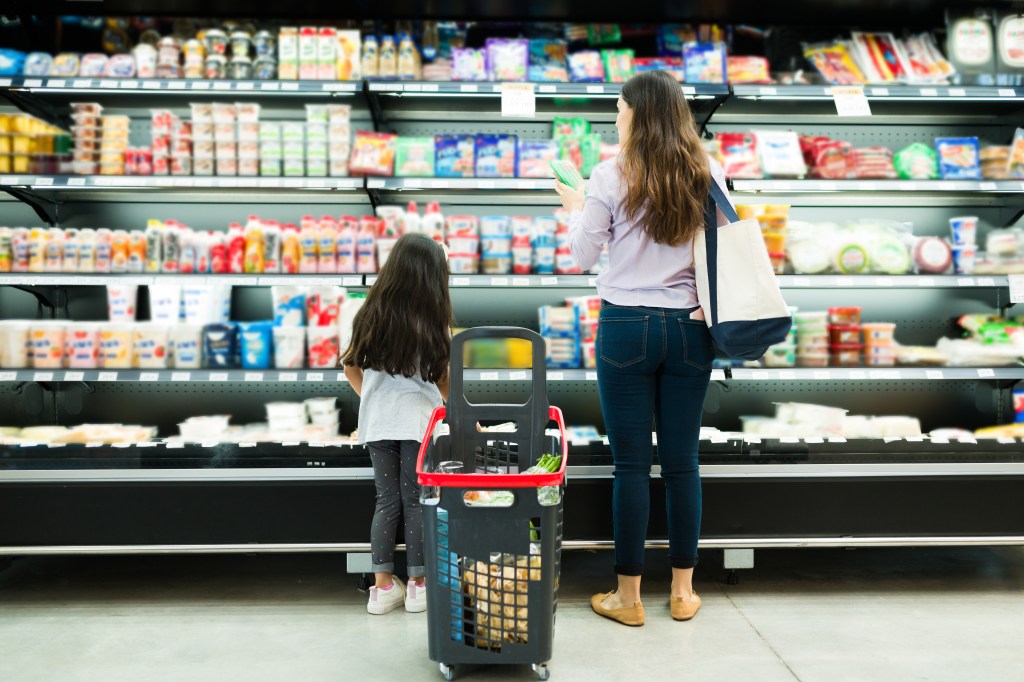
Partnering with other programs your clients utilize can reduce the number of trips they need to make, shrink the time commitment of these errands, and just make it easier to get food when they need it.
While hunger in America is treated as something to be ashamed of and hidden, it’s important that we make it visible. Hunger should make everyone uncomfortable, and we’ll never find a solution by keeping it a secret.
Placing anti-hunger resources in as visible and as accessible locations as possible is a simple place to start.
The opinions expressed here are solely my own and do not express the views or opinions of my employer.
Want to learn more about food justice? Subscribe so you never miss a post!



 Reintroducing justice and dignity to the fight to end hunger