
Content warning: discussion of slaughtering animals for meat consumption
I increasingly receive emails from people excited to share the secret to solving hunger- usually advocating for a miracle crop, agricultural practice, or a specific diet. While these conversations are a great opportunity to learn about their passion, ranging from hydroponics to yucca farming, these solutions don’t usually address food insecurity. They may help with sustainability, conservation, or health, but fail to consider the root causes of hunger.
The solution to hunger has very little to do with food.

Here is a recent must-read on the root causes of hunger recently written by the International Panel of Experts on Sustainable Food Systems.
Hunger is a political rather than agricultural problem. Food access, rather than quantity, is the barrier to a nourished world.
Nevertheless, one of the most common proposals I hear for ending hunger is vegetarianism. Many people argue that the resources it takes to raise livestock would be much more effectively dedicated to other food products. They’re not wrong, but the issue is so much more complicated than that.
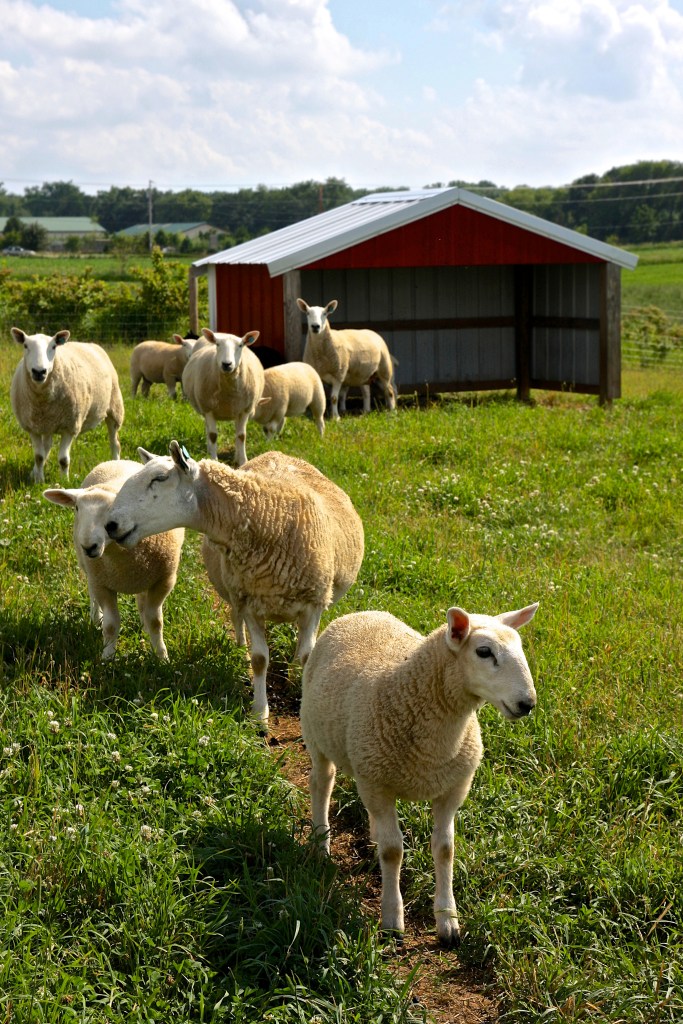
I grew up on a small farm that raised sheep and poultry for meat, with the occasional goats as well. My parents dedicated significant effort to enriching our pastures to ensure it made the animals and the land healthier. Most years, we hired a mobile butcher to slaughter our animals on-site to reduce the stress and trauma of traveling. Meat has always been a part of my diet, and I was never sheltered from the realities of raising livestock.
As a result of my background, I believe that it is possible to sustainably and ethically eat animals. Our society would definitely benefit from changing the way we treat animals, but I’ve witnessed how livestock and conservation do not have to be mutually exclusive.
There is no one “best” way to eat.
Food is how we celebrate culture, traditions, show affection, and care for our bodies and I have the greatest respect for people who make the choice to limit or eliminate their consumption of animal products, whatever their reasons.
While there are many compelling reasons for our society to eat less meat, an essential component of food justice is ensuring that people choose what they eat rather than having the decision forced upon them.

Our world would absolutely be healthier, more humane, and more sustainable if we consumed fewer animal products.
But promoting a vegetarian diet as the solution to hunger does not increase access to food- it simply eliminates a source of nutrition that is essential for many people.
Chastising food insecure families for eating meat is no more dignified nor respectful than placing restrictions on what SNAP recipients can spend their benefits on.
Beans and other plant proteins are not a significant food for many cultures (and it’s a personal pet peeve of mine that many food pantries and banks tout offering dry beans as a miracle solution to hunger.)

As SNAP data shows us, we can empower people to eat healthier by increasing their buying power and is more effective than reducing their options.
Food systems are rapidly evolving, and there are many conditions right now that may significantly impact the foods we can regularly access. But it’s essential that in our effort to ensure our neighbors are nourished we not sacrifice their autonomy and power of choice.
The opinions expressed here are solely my own and do not express the views or opinions of my employer.
Want to learn more about food justice? Subscribe so you never miss a post!

 Reintroducing justice and dignity to the fight to end hunger
Much appreciate your realistic assessment of solutions for food insecurity, used to be called hunger, at least at risk for hunger. Also appreciate the balance you bring to that assessment, with various options, respecting culture and values, rather than insisting on only one solution, vegetarianism, unrealistic for many. Thank you for continuing, and keep on keeping on!
LikeLike