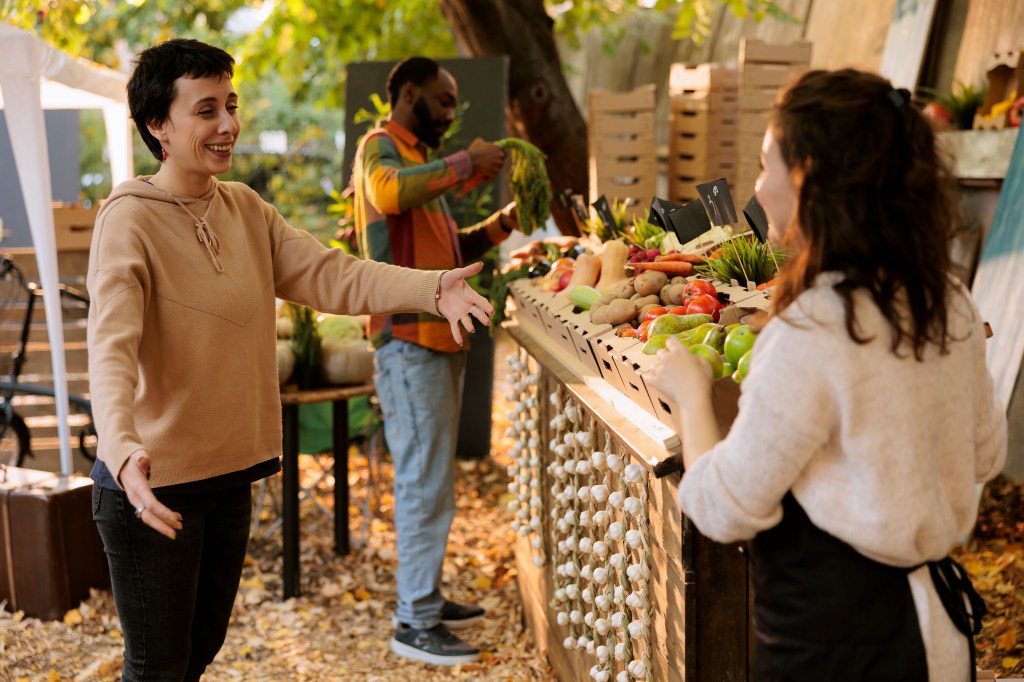
I often hear food pantry staff complain that there are neighbors and community members experiencing hunger who simply won’t use their food pantry. Although I hear this less often as food pantries see rising hunger rates, it’s still not unusual for staff and volunteers to recognize specific communities that they simply can’t entice to the pantry.

I regularly hear surprise and confusion at the thought that someone experiencing hunger might not seek out or want their help and resources. Although there are many underlying reasons why people may not attend the food pantry, it usually boils down to not feeling welcome.
Our society’s idea of creating a welcoming atmosphere often stops at colorful murals and smiling volunteers.
This is a great starting point but isn’t likely to attract someone who is already reluctant or uncomfortable about visiting (especially because of systemic/historic barriers).

Food pantry staff and volunteers are usually wealthy, white, English-speaking, cis women who are working high-income jobs or retirees. Few have experienced hunger and often have little exposure to the cultural norms or language of the communities they’re trying to approach. As a result, their efforts at outreach and a welcoming environment can feel awkward, artificial, or fake. No one wants to visit a food pantry just to make the volunteers feel good, but that’s often the expectation these efforts can invoke.
Building a welcoming environment starts with:

- Advertising pantry services in the language spoken by the community. This should include hiring a translator to read all your marketing materials rather than running it through Google translate. Ideally, it also means having a translator or service on site during distribution hours to explain the process to community members who attend. This makes the pantry infinitely more accessible and less intimidating for people who aren’t familiar with the concept, frightened by the process, or worried about the requirements. One of my favorite local pantries offers a weekly distribution entirely in Spanish.
- Building community.
Food pantries shouldn’t exist in a bubble.
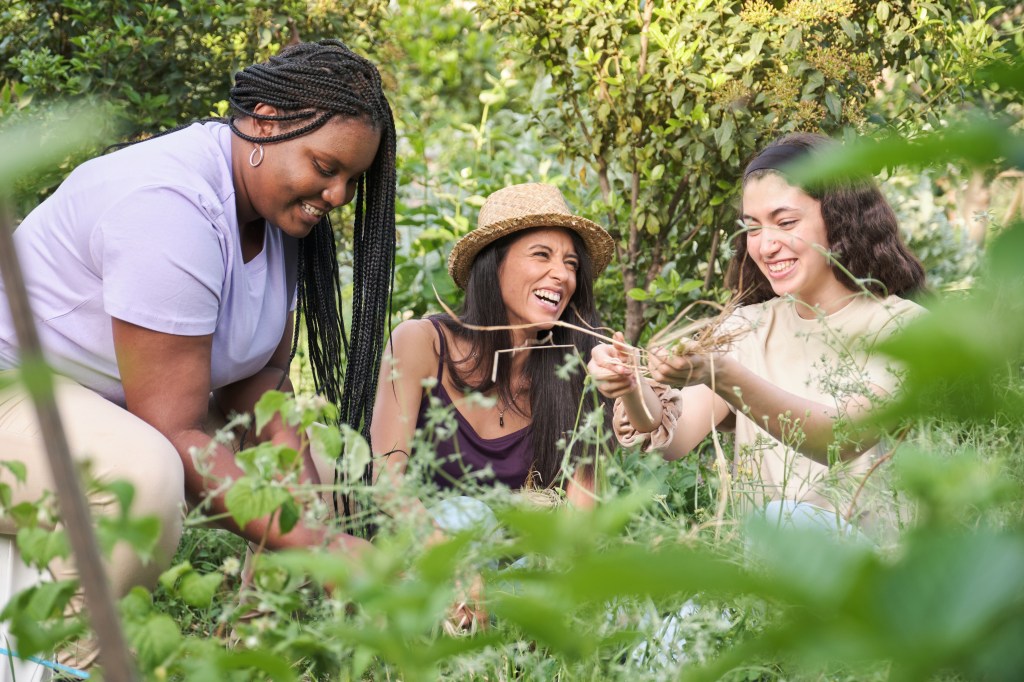
Send representation to community meetings, local government gatherings, potlucks at neighboring churches, and listen to your community’s needs. You’re far more likely to get honest feedback and build trust while weeding the community garden or picking garbage off the street than interrogating someone across a desk. This can help your organization learn what it can do to offer effective support for your neighbors, which may require changing your current operations.
- Sourcing culturally specific foods. Identifying what foods your shoppers might want should also come through conversations with neighbors rather than an internet search.
It’s quite likely that a pantry run by people of predominantly western European backgrounds may not be familiar with the foods that your clients want, and don’t even know what they don’t know about them.
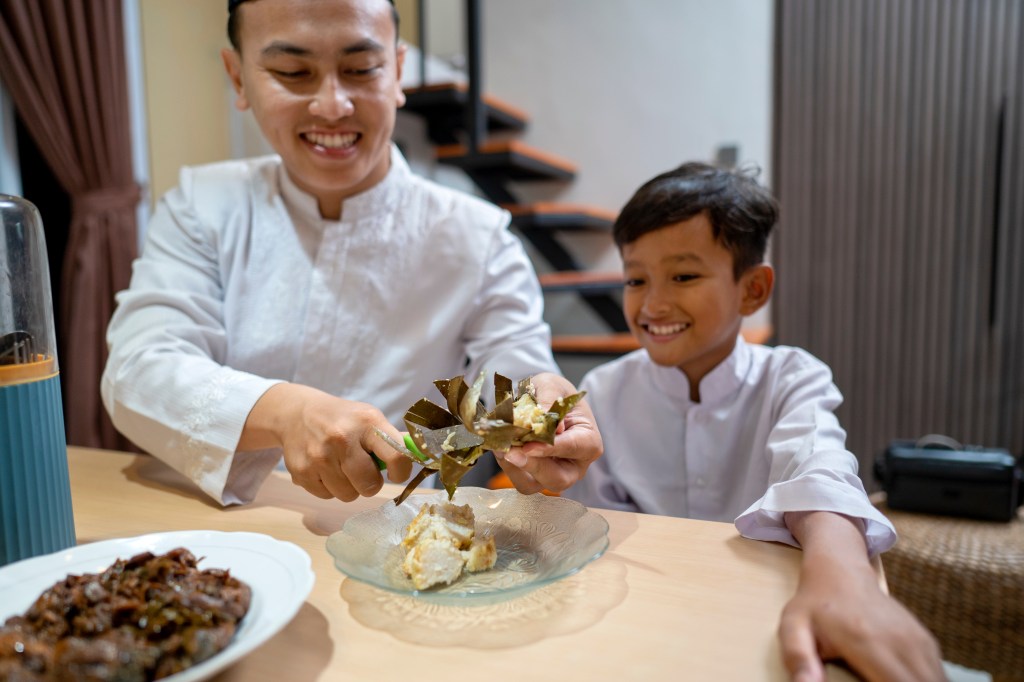
Consider hiring a community chef to do a cooking lesson or taste test for volunteers, staff, and neighbors to learn more. I’ve often seen volunteers throw out foods they aren’t familiar with, which is a direct deterrence to shoppers.
- Offering flexible systems. Some people are comfortable waiting in long lines, while others may naturally crowd up to the front. Some shoppers might seek extensive guidance and oversight from staff while others prefer to be completely independent. Develop systems that allow for these differences which can be cultural as much as personal preference.
The opinions expressed here are solely my own and do not express the views or opinions of my employer.
Want to learn more about food justice? Subscribe so you never miss a post!








 Reintroducing justice and dignity to the fight to end hunger