In 2025, Who Deserves to Eat will publish on the 1st and 3rd Monday of every month to allow me to better balance my time with other food justice projects. Follow me on LinkedIn if this isn’t enough conversation on food access for you!
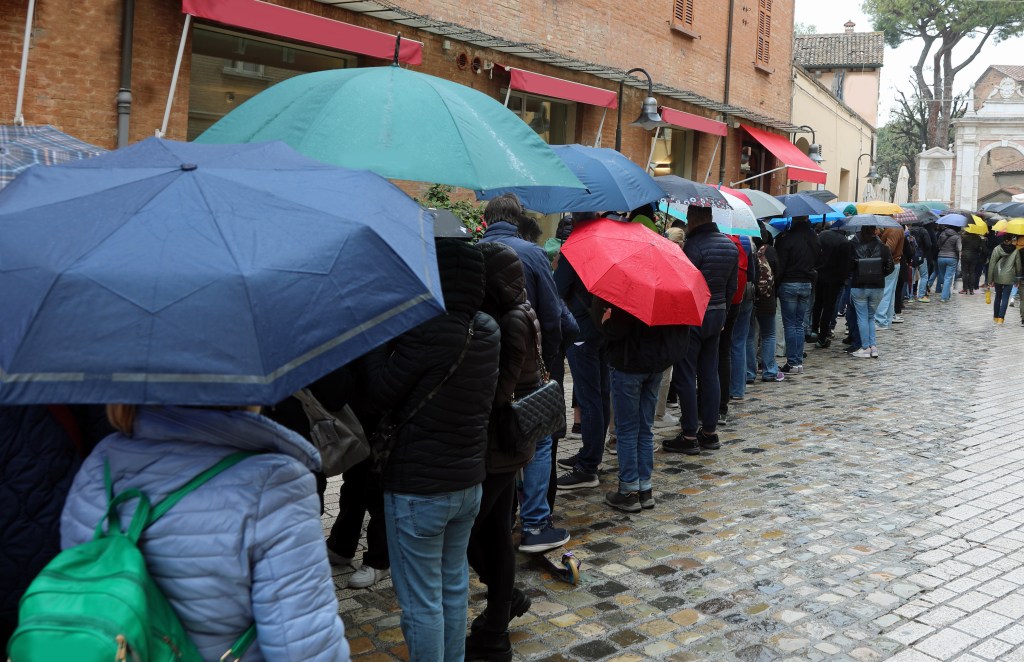
This time of year, it’s not at all unusual to see food pantries with a line of clients stretching out the door and around the block. Demand for food increases with cold weather, costlier utilities, and the price of the holiday season, but few pantries have the capacity to increase the number of people they can provide food to at the same time.
This results in longer and longer lines of people experiencing hunger waiting to get the food they need to survive, and more challenges and stress for everyone.
Most food pantries occupy small physical spaces while offering limited hours, which contributes to larger crowds of clients seeking help simultaneously.
There are very few situations in which waiting in a long line is relaxing.

Harsh winter weather can make waiting for your turn in the pantry immensely unpleasant and be a barrier to access for those who can’t withstand the weather or stand for the required time.
Few pantries have a setup where shoppers wait indoors or even in a covered space. Those that do allow waiting inside often lead to a tightly packed crowd where people may be uncomfortable or anxious, which can escalate tensions.
No food pantry has all the food it needs for its clients to thrive. Very few organizations can provide their neighbors with what they need to celebrate their health, culture, or community. Many organizations embrace a scarcity mindset by emphasizing what they lack, including encouraging clients to come earlier during distribution to get better quality food, “to beat the crowds.”
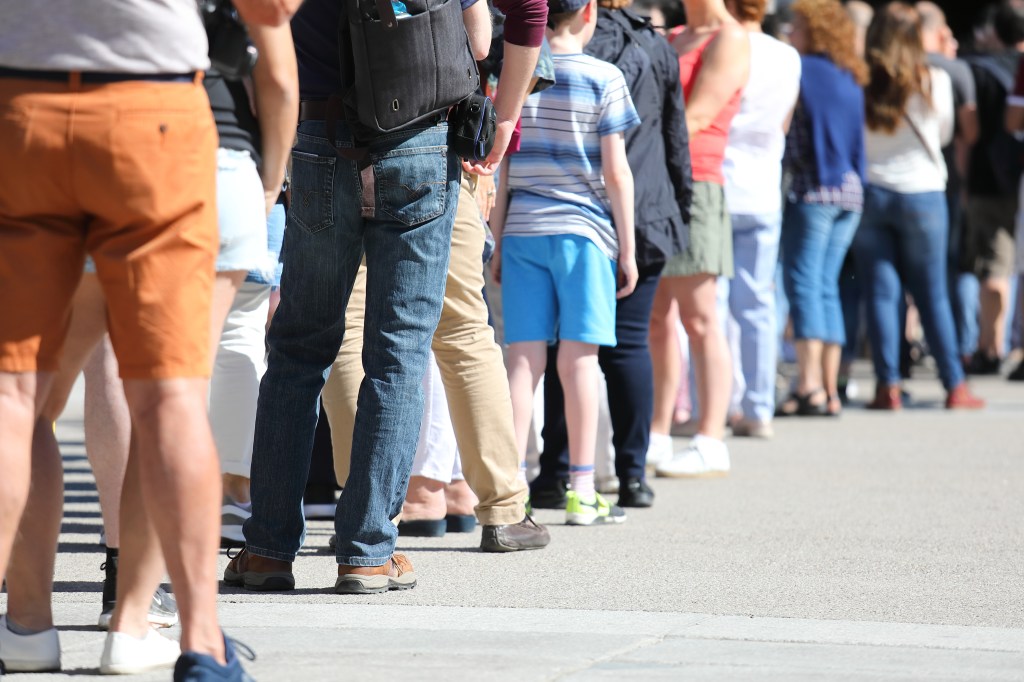
This attitude often fosters competition, prompting more defensive attitudes while in line and while shopping. And longer lines increase anxiety as the people closer to the back worry that they won’t get the food they need.
Besides being physically taxing, the demand on time can be a barrier to waiting in line. Food pantries often have distribution hours that cater to the availability of volunteers rather than the needs of their community. That is why many, if not most, food pantries are open during the workday.
Unfortunately, this may mean that people simply don’t have the time to wait in line.
I’ve met many clients running by a pantry on their lunch break, only to see the long line and realize that they won’t be able to get food without risking their job.

The long line can also be a significant barrier for people with children. Even when the weather is pleasant, standing still in a crowd with young kids is not easy. Now imagine doing it surrounded by individuals who are stressed, cold, and hungry.
Managing the pantry line:
- Extend your distribution hours. Longer open hours means people won’t have to rush to get there during a concentrated period of time.
- Manage your food flow. Every pantry has a different system, but consider finding a way to ensure that people coming at the end of distribution get some food that is just as desirable as what was given away first. I used to set aside a specific section of popular foods so that I had something fun to offer even when the rest of our supply was low. If you’re able to do this consistently enough, you can usually find a community of shoppers happy to come near the end of distribution, which can ease the pressures of the opening line.
- Assess physical exposure. Is there a way to move the line indoors? If not, can you cover it, and potentially add heaters? Offer hot tea?

- Even if none of these options are available to you, let clients know that you recognize how miserable it can be. Empathy is powerful. I used to have a basket of candy we’d pull out if the line got long (warming cinnamon in the winter, and mint in the summer) and a staff member would distribute it and chat with our shoppers. We apologized for the line and assured them we had plenty of food, and that we recognized the failures of the system.
- Remember that for many of your shoppers, if they can’t get food from you, they may not eat at all. Imagine being hungry, and worried about feeding your family, and standing in a freezing cold line surrounded by strangers. It is scary, intimidating, embarrassing, and exhausting. While it’s important that pantries not tolerate aggressive or violent behavior, we need to recognize that we are using a system that deliberately stresses and antagonizes the people we serve.
The opinions expressed here are solely my own and do not express the views or opinions of my employer.
Want to learn more about food justice? Subscribe so you never miss a post!

 Reintroducing justice and dignity to the fight to end hunger
One thought on “The Indignity of Waiting in Line”