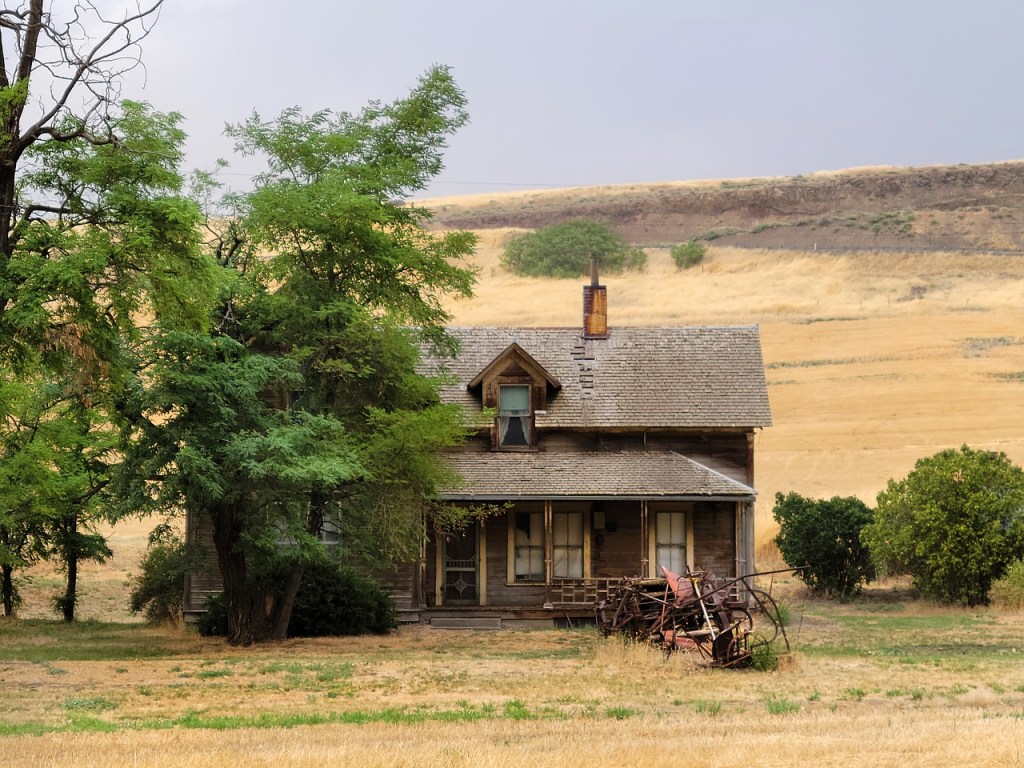
I started my food justice career increasing access to healthy foods in several rural communities in eastern Montana and then in eastern Oregon. These towns were small enough that there was little industry, and no local grocery store. Residents had to drive at least twenty miles to buy groceries, and the high cost of fuel meant that this was a trip that few people could afford more than twice a month. The consequences were that food insecurity rates were high.

Both of my communities had small food pantries, one which depended primarily on donated game and beef from local farmers, and another which was stocked with canned goods. While these little organizations might have prevented starvation, they lacked the resources and capacity to really serve the needs of neighbors with dignity and abundance. One of them was well-known for the handsy coordinator who would grope any woman who visited. Many people chose not to seek food assistance rather than endure his harassment, while others had no other option.
While hunger is a problem everywhere, the challenges that my neighbors faced in these isolated, rural communities were different than the obstacles I see for my urban clients. While the root causes are universally barriers to accessing wealth, effective strategies for addressing them are very different.
What are the barriers to rural food security?
- Poverty rates are higher in rural America with less access to wealth. Wealth, resources, and industry tend to be concentrated in urban centers.

- Transportation needs are higher, and more limited in rural regions. Without easy public transportation, rural living demands use of a car. For people who don’t have one or can’t drive, this means they must entirely depend on other people or delivery services for food access. Obstacles increase with weather disruptions, like snowstorms or extreme heat, which makes communities even more vulnerable to hunger.
- Limited wages and economy. Rural jobs are often lower paying, less secure, and depend on having transportation. They also skew towards the agricultural sector, which offers lower wages and less support.
- Fewer support services. Food banks, pantries, health clinics, and other services generally concentrate in urban centers. While some isolated communities have food pantries, like the ones I worked with, a lack of education, oversight, and increased racism and discrimination often makes them less accessible or useful.
How can we fight rural hunger?
- Support SNAP. The inclusion of additional SNAP benefits during the pandemic and their subsequent expiration in February 2023, provided us with incredibly convincing data demonstrating how effective SNAP is for fighting hunger. The increase in benefits prevented hunger rates from rising, and their expiration produced a significant increase in food insecurity.

SNAP empowers people to make their own food choices, and is efficient because once a family is signed up, they are able to receive and use benefits without additional costs or demands (beyond the state expectations for maintaining eligibility.)
One of the biggest barriers to using SNAP is that the application process can be invasive, and many people may be deterred by the fear that they aren’t eligible for enough funds to justify the effort. Leaning into tools like SNAP Screener that can help people see how much they are eligible for and connect with support on their application are effective ways to encourage participation.
- Community development. In many cases, bringing a grocery store to the neighborhood is an inadequate solution if residents don’t have the income or access to utilize it. This is why rural hunger initiatives need to use a holistic lens to empower the community instead of just sourcing food.

- Mobile pantries. This is a solution that I both love, but also recognize as vastly inadequate and inefficient. A mobile pantry offers a temporary solution for bringing quality food to areas that otherwise might not be able to reach it. (There are increasing models of mobile grocery stores which bring affordable produce to areas that otherwise can’t access it, which is another great option for people who have the capacity to buy it.) This solution is vulnerable to disruption and may not offer appropriate options for the specific needs of the community, but can also be a powerful way to start a conversation about access, and get people the food they need to eat today.
The opinions expressed here are solely my own and do not express the views or opinions of my employer.
Want to learn more about food justice? Subscribe so you never miss a post!

 Reintroducing justice and dignity to the fight to end hunger