
No matter how you feel about the outcome of this election, the reality is that if Trump implements the policies he has proposed, food insecurity is likely to significantly increase.

Mass deportation (or even just threats of) will decimate the agriculture community which depends on migrant labor. This will contribute to both food shortages and increased costs.
Separating nutrition programs from agriculture within the Farm Bill, as proposed by Project 2025 (Chapter 10), removes any incentive for compromise between parties and is a deliberate move towards slashing SNAP. (This one really frightens me.)

Further proposals within the document recommend reinstating SNAP work requirements, which are proven to increase hunger and have no positive impact on employment.
The administration also plans to target Universal School Meals, which over the last year have provided ample proof that nourished children have better outcomes. The list goes on.
It’s true we have no idea what will happen, but these are the policies that have been proposed.
What this means is that we can expect significant changes in America’s hunger landscape. The resources we have and the policies we uphold are likely to fluctuate alongside a volatile economy. We face uncertainty, fear, and an increasing disinterest in evidence-based policy. Anti-hunger work is going to get harder.
One of my biggest frustrations of working in the anti-hunger community is that we tend to be reactive rather than proactive. Food bank and pantry staff are overworked, underpaid, and under-resourced, which makes it incredibly hard to plan long-term. But long-term planning is the only way we will make a difference, because ending hunger depends on ending it tomorrow and not just today.
We can amplify our impact if we are prepared for the future, which is why I’m outlining steps that food pantries should take now to prepare for increasing need.
What your food pantry can start doing today to prepare for a changing landscape:
- Conduct a SWOT analysis. Does your pantry have the capacity to grow if demand for your services increases? By how much? What are the obstacles to that growth?
I fully recognize and empathize that we are entering the busiest time of year for this industry, but doing this now is the only way we can prepare for future changes that could very well overwhelm our services.

- Clarify your organizational values. While I’m sure you’ve got beautiful mission statements on the wall of your pantry, it is important for food pantries to be clear about whether they are a safe space and who they are dedicated to serving. The Trump administration has shown enthusiasm for attacking marginalized communities like BIPOC, LGBTQ+, migrants, and others. People within these communities are rightfully concerned about their safety in all public spaces, given the increase in hate crimes we saw during his last administration. Food pantries can be proactive by deciding if they are safe for these communities. If you want to keep serving these communities, you need to prove they are welcome.
I know that there are plenty of organizations and staff that aren’t interested in being these safe spaces. It’s important that everyone share this information- so advocates know where we can safely refer our clients and direct resources. If your pantry doesn’t want to serve LBGTQ+ shoppers, I certainly don’t want to send them to you.
- Build safe spaces. This means establishing a staff and volunteer team committed to genuinely welcoming vulnerable communities. Teach your team about the importance of pronouns. Source culturally specific foods, and celebrate them. Do your shoppers see their communities represented among volunteers, staff, and leadership? A future blog will specifically examine building safe physical environments and the trend of food pantries hiring security staff. If our neighbors are fearful of law enforcement, a security agent can deter them from seeking food assistance.
- Assess eligibility. Who do you serve, and who do you have capacity to serve? One of the major food access programs in my region uses federal welfare eligibility as their primary qualifier for services. What happens if the administration adds requirements that cause people to lose benefits? I will be looking for whether this organization changes their eligibility requirements, or if they allow the disqualification of thousands of their shoppers because of federal changes. Who do you serve, and/or who do you have capacity to serve? Who might need more help in the future?
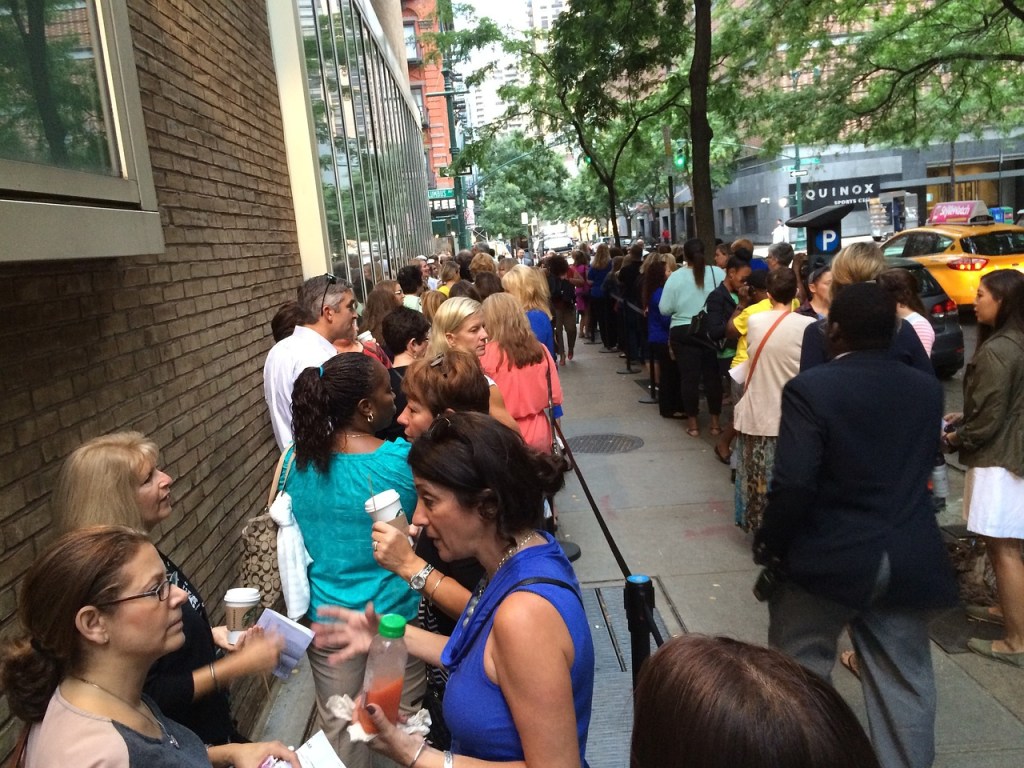
- Teach your volunteers and broader community about the value of a well-nourished world. When everyone is well-fed, we are all stronger. Policies that eliminate food access resources are intended to punish individuals for behaving differently than we think they should. But these efforts to deprive our neighbors of the food they need to survive do not help anyone. They hurt us all.
The opinions expressed here are solely my own and do not express the views or opinions of my employer.
Want to learn more about food justice? Subscribe so you never miss a post!

 Reintroducing justice and dignity to the fight to end hunger