
I recently found myself wrestling with the use of the words “healthy” versus “fresh.” In the food access (and wellness) fields, we often use these terms interchangeably when talking about diet, but my ruminations made me consider how it might not always be the best practice in the context of food justice.

Fresh foods are those that have undergone minimal processing, and usually need to be consumed shortly after harvest or collection. Fresh foods are generally considered healthy because they are generally whole foods without any of the additives that define our industrial food supply. They offer the simplest opportunity to consume our daily nutrients.
While most fresh foods are healthy, not all healthy foods are fresh. When it comes to fighting hunger and building food access, this is an important distinction.
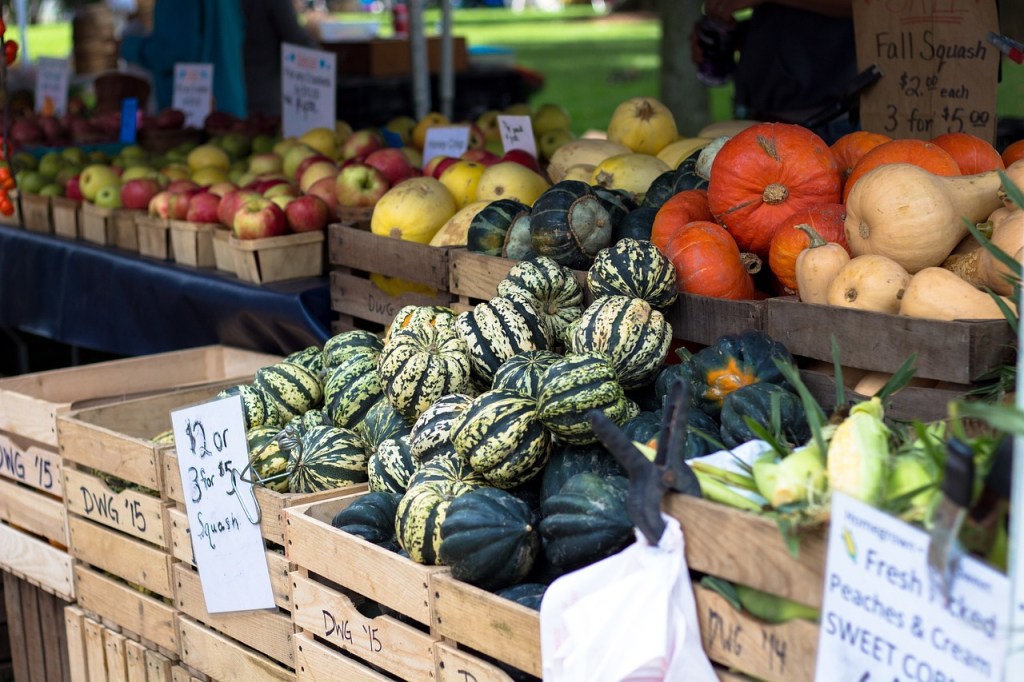
Fresh foods can be hard to access. The weather in my hometown of Portland, Oregon, has quickly transitioned to fall, which means my garden is rapidly declining in productivity and many farmers’ markets are soon closing for the winter. Fresh foods will become harder to access as the season progresses, and the options at the grocery store will have to travel greater distances with variable quality.
When we place an emphasis on healthy foods being exclusively fresh, we add extra barriers for individuals who may not be able to access this option. At every food pantry I’ve ever worked at, I’ve encountered shoppers who were apologetic about their “bad diet” because they didn’t have a refrigerator or cooking capacity to choose fresh foods, regardless of what else they were eating.

Consistently accessing fresh foods requires easy access because it has a limited shelf-life. Food pantry clients often limit their shopping excursions to once or twice per month to minimize time and transportation costs, which means they only eat fresh food for a couple days after each trip.
Fresh foods also often require refrigeration and extra preparation to use, which can be beyond the capacity for someone with limited storage, inadequate tools, no time, or physical limitations. When we insist that eating fresh food is the only way to eat healthy, we mislead too many of our neighbors into believing that they are eating wrong.
When we teach people that their only options are inadequate, we foster discouragement and defeat. Food shaming never improves outcomes.
It is entirely possible to eat healthy without fresh foods. In many scenarios, preserved options are more nutrient dense because they were harvested and preserved at the peak of ripeness.
How can we foster access to healthy foods without focusing on fresh?
- Many pantries have started to implement systems for helping clients recognize healthier options, like the Supporting Wellness At Pantries (SWAP) system. It’s a simple and efficient way to uplift the nutritional qualities of shelf-stable goods common to pantries. This helps highlight the value of preserved options without comparing them to fresh foods.

- Start these conversations with staff and volunteers to ensure they’re familiar with barriers to fresh food and the value of preserved options. Our world is very eager to find a magic bullet for health, and it’s important that volunteers don’t reinforce this idea in the pantry. Presenting a challenge to develop healthy choices from the shelf-stable section can be a great learning experience for volunteers, and help them think about the nuances of food insecurity a little more.
- Embrace frozen foods. It was revolutionary when one of my previous pantries recognized the potential of frozen options. Our supply constantly changed, but having a spot to consistently offer frozen vegetables and a mix of other options was an efficient option for clients to load up. While this does demand an extra piece of equipment, there are many organizations (and even food banks) that offer funding and grants for the purchase of freezers and other tools to facilitate frozen distribution.
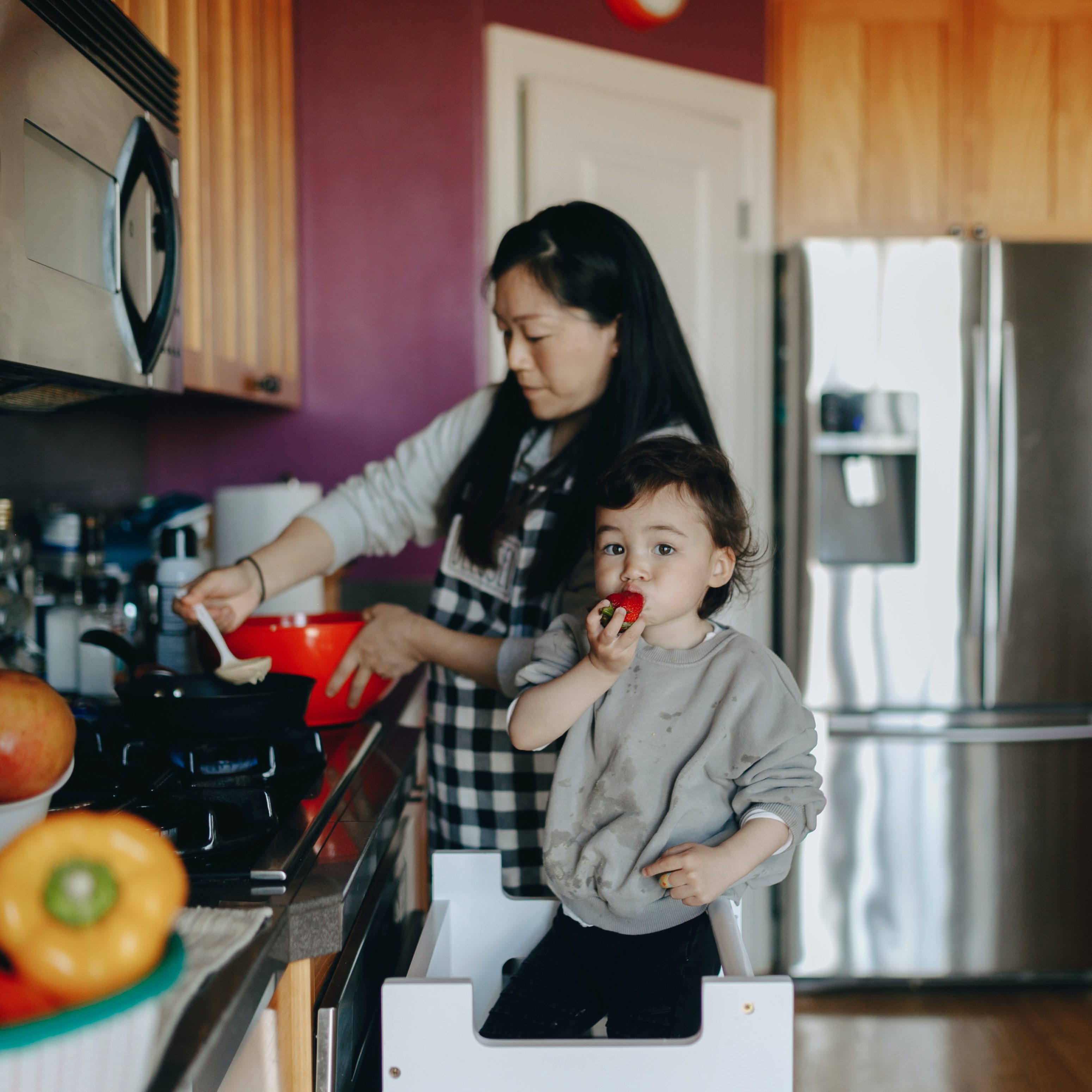
- Focus less on individual healthy or unhealthy foods, and more on the meals they can create. Healthy food is more than the sum of its nutrients, and we do our communities a disserve when we adopt a black/white perspective. Health comes from the security of knowing where your next meal is coming from, from the joy of connecting with your community, and the confidence of nourishing your body with what it needs.
- It is important to recognize we should continue increasing access to fresh foods. One option is for pantries to remove their limits on how often clients can visit (whether they be monthly, bi-weekly, or weekly). Food pantry produce rarely lasts very long, so increasing pantry access would significantly improve fresh options, as long as the pantry has the systems, inventory, and paradigm to support such a move.
The opinions expressed here are solely my own and do not express the views or opinions of my employer.
Want to learn more about food justice? Subscribe so you never miss a post!

 Reintroducing justice and dignity to the fight to end hunger