
As we head into the holiday seasons, heralded by the arrival of twenty-foot-tall skeletons and inflatable black cats, most anti-hunger organizations are finalizing plans for their winter food drive. Food drives have long been a staple of food access work- they are a great mechanism for collecting food while increasing community engagement and awareness of their mission. Nearly all food access organizations utilize this tool.
But there are significant shortcomings and challenges that accompany food drives. In this post, I’ll share what some of those are, and ways that organizations and community members can navigate them.
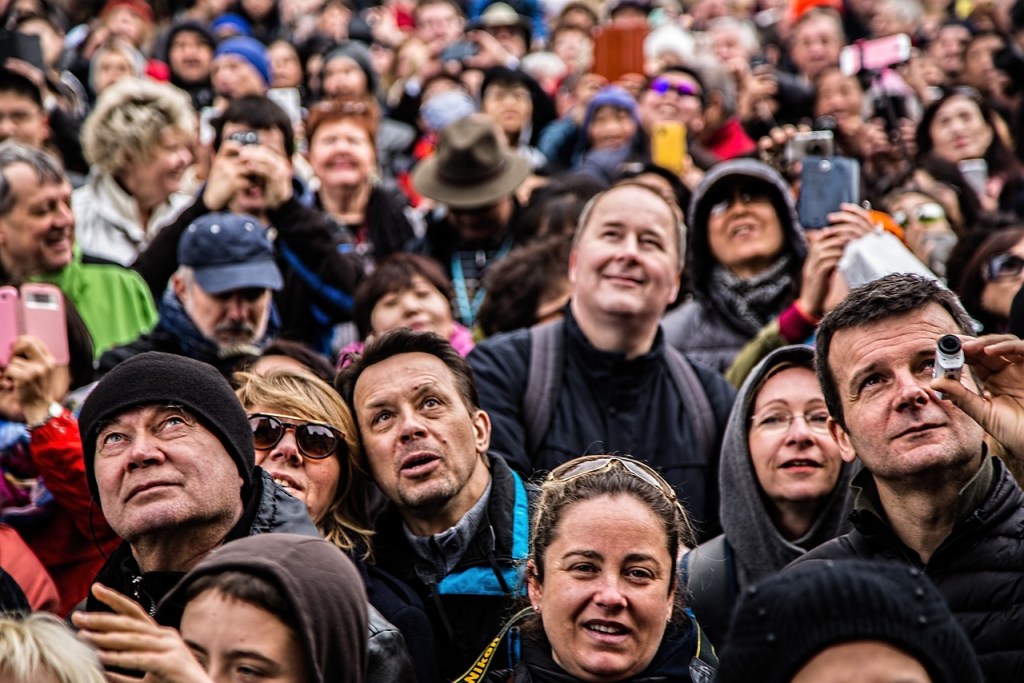
Food drives are fantastic for many reasons. They bring much-wanted variety to a food supply that can often grow monotonous when depending on bulk food bank donations. They offer a tangible way for community members to connect with your organization. Personalizing donations are a beautiful entry point for neighbors to have discussions about the reality of food insecurity. Sorting donations is a great task for the huge influx of volunteers that nonprofits often see during the holiday season.
But these same benefits also present challenges.
Most food banks have specific food needs, based on what items they’ve been able to source elsewhere, and these needs can vary month to month. Unless it’s an incredibly targeted food drive (I’ve seen breakfast cereal or peanut butter specific events), food drives may not meet the food pantry’s highest food needs. While all donations are impactful, targeted aid is the most effective for fighting hunger.

The foods most in demand are often the most expensive, which means they are also the least likely to be donated. My personal mission is always to increase donations of spices and seasonings, but their high cost makes them some of the least donated ingredients. While I enthusiastically encourage people to donate foods that make them happy (because it helps remind them that people experiencing hunger are just like them), this builds community engagement more than an appropriate food supply.
Food drives are also a LOT of work.
My previous pantries supplied donors with donation barrels that we would try to both deliver and pick up. This required a volunteer or staff member to make extra trips during our busiest time of year, generally in less-than-ideal weather conditions. It felt worth it when we picked up hundreds of pounds of food, but often one or two hours of driving and days of coordination yielded little more than twenty or thirty pounds. While the donor absolutely deserved our praise and gratitude, this is not an ideal use of time. Many organizations hosting food drives also like to provide personalized signage and food requests, the development of which often falls on to food pantries. The amount of labor that goes into facilitating a food drive may not produce a similar payoff.

Once the food has been received, it needs to be organized. Delivered in overflowing boxes, bags, and barrels, food banks or pantries must sort it into categories that allow them to efficiently manage their distribution, be it in prepacked boxes or on grocery-style shelves. This responsibility usually falls to volunteer groups, who often sign up for one-time shifts during the holidays.
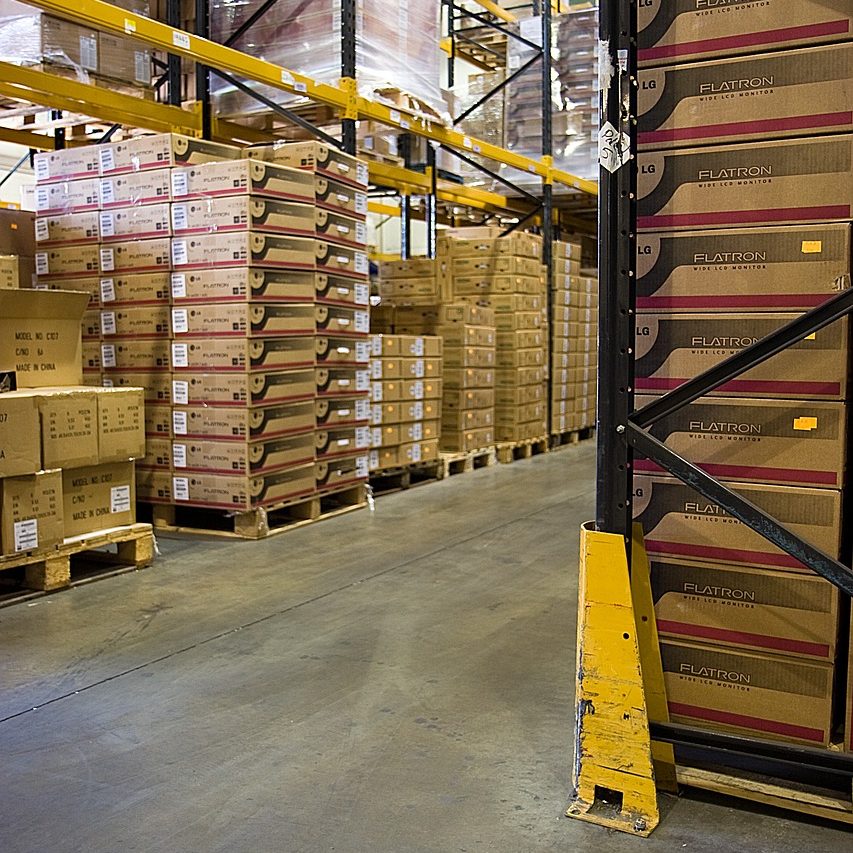
Under the supervision of a staff member, volunteers evaluate the food to ensure it’s safe for distribution (inevitably someone donates homemade preserves, goods without a label, or a bottle of alcohol- all unallowable options that must be discarded). These types of shifts are often fun but highly chaotic and have varying degrees of efficiency for the amount of work that actually gets done. While they are a perfect way to get volunteers into the door of their local food pantry, they are less successful at helping these organizations meet their day-to-day responsibilities of serving clients.
Additionally, this labor- and time-intensive task can mean that donations sit taking up space until they can be addressed. Sometimes this means organizations cannot accept other donations until food drive is sorted and distributed. This can be a significant problem for pantries with limited storage capacity.
How can we make food drives more functional?
Food banks (and some pantries) have significantly more buying power than the average individual, which means donated funds can buy much more food than an individual in their local grocery store.
One of the most efficient ways to maximize capacity is through virtual food drives– where neighbors donate funds, or even choose to buy specific items which ensure the food bank gets the best rates as well as the foods they most need.
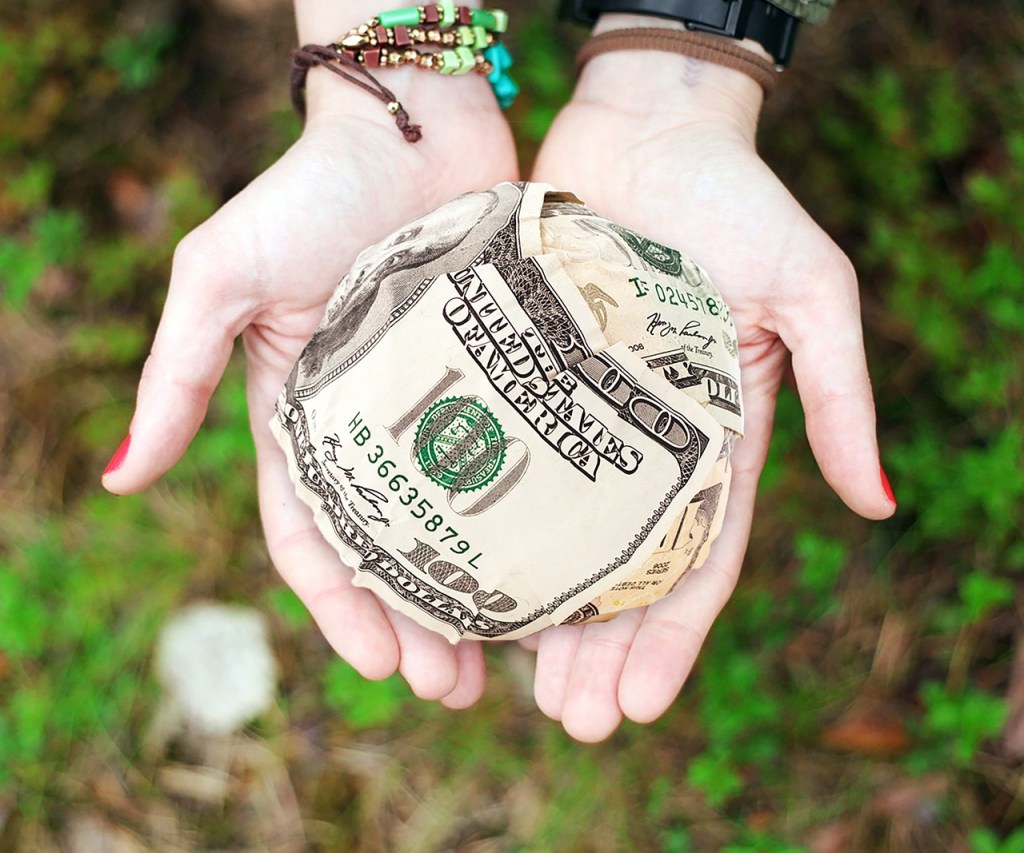
Transitioning food drives to virtual, while still leaving room and opportunity for the donation of physical goods, is ultimately more accessible and efficient for everyone.
The one challenge this leaves is it reduces opportunities for large groups to volunteer together with food pantries, who often cannot accommodate their size or offer responsibilities to work together during day-to-day operations. In this scenario, food banks who do still have the capacity and need for larger shifts should step up to ensure these volunteers have a place to channel their energy while also connecting them with impact on the local level.
The opinions expressed here are solely my own and do not express the views or opinions of my employer.
Want to learn more about food justice? Subscribe so you never miss a post!

 Reintroducing justice and dignity to the fight to end hunger
Wonderful article! The idea of Annadaan Mahadaan beautifully reflects the importance of food donation and helping those who are hungry.
LikeLike