
Ending hunger is a big goal. I believe it can be done, but it’s important to acknowledge that it can’t be done through food pantries. As much as I love this model, food pantries have very little capacity to influence the systemic roots of hunger. They are merely a band-aid for a much bigger wound.
For the general public, the inadequacy of food banks and pantries to solve hunger may not be obvious.
Hunger is a symptom of oppression. People experience hunger because they have less access to money than others.

Even in the most isolated, famine-stricken deserts, there are people who have money to buy food and those who don’t. Fundamentally, hunger is a money shortage problem- not a food problem.
People who struggle to afford food have jobs that don’t pay living wages, can’t find safe and accessible housing within that low budget, can’t afford the medical care they need to stay healthy, face discrimination in employment or housing, or a host of other barriers that prevents them from being able to afford basic necessities.
The scope of need is far beyond what our food banking system can support. Over forty-four million Americans, or one in eight households, are food insecure.
It’s far more efficient to supply families with the money they need to buy their own food than to give them food.
A 2022 Feeding America study identified approximately 60,000 partner organizations including pantries and meals sights fighting hunger across the country serving more than fifty-three million households. This is a higher number than the one listed above because estimating food insecurity rates is complicated and often undercounts the reality.

If the work was evenly distributed between these organizations, each partner agency would serve 883 households, which is far beyond the capacity of most organizations. With few food banks or pantries able to meet the full nutritional needs of their clients, it’s obvious that meeting the needs of nearly nine hundred households is an impossible and utterly unrealistic goal.
Beyond this, emergency food assistance programs are not equally accessible. Pantries are rarely open more than one or two times a week, with many only offering a few hours once per month to serve a couple dozen clients.
Food pantries are often open during the hours most convenient for volunteers and staff, which are likely the opposite of accessible hours for working individuals or those juggling caregiving responsibilities.

Food banks and pantries also tend to prioritize urban areas, which makes them much less accessible to rural residents who are more vulnerable to hunger. Organizations congregate near their food sources rather than their clients, which leaves them as inaccessible as the grocery stores that households experiencing hunger can’t get to.
Food pantries are predominantly run by people of Western European backgrounds, which means they may not have the interest, knowledge, or capacity to serve culturally appropriate foods for their clients.
In comparison, as an entitlement program, anyone who qualifies for SNAP (formerly known as Food Stamps) can use it, which means there is no limit on the number of households served, unlike food pantries. This program can support the level of need (if politicians are willing to fund it).

SNAP provides money specifically allocated for food via Electronic Balance Transfer (EBT) which allows people to shop discreetly by paying with a card.
Although SNAP can only be spent at participating retailers, the number of stores accepting SNAP far outweighs the number of food pantries. Additionally, grocery stores have wider hours that can accommodate families working long or flexible shifts.
The most valuable aspect of SNAP is that it allows autonomy of food choice.
Although still limited by the funds available, users get to make their food purchases based on what their family wants or needs, rather than the much more limited and restrictive options that food pantries provide.
While SNAP users still experience harassment for being food insecure, there is less humiliation and judgement in shopping at a grocery store than in using a food pantry.
SNAP is one of the best anti-hunger tools we have. It’s important to recognize the urgency to shift the burden of fighting hunger from food pantries to SNAP and other federal programs if we’re actually committed to solving this problem.
How can food pantries uplift SNAP?
- Help sign clients up for SNAP! As a government program, the application process can be intimidating, confusing, and wrought with complications. Making sure everyone has the support to participate is huge- too many people who are eligible don’t even apply.
- Educate our communities on the complex relationship between housing, healthcare, wages, and hunger. Money is more effective than donated and expired food, and increasing SNAP benefits is our best tool against hunger.
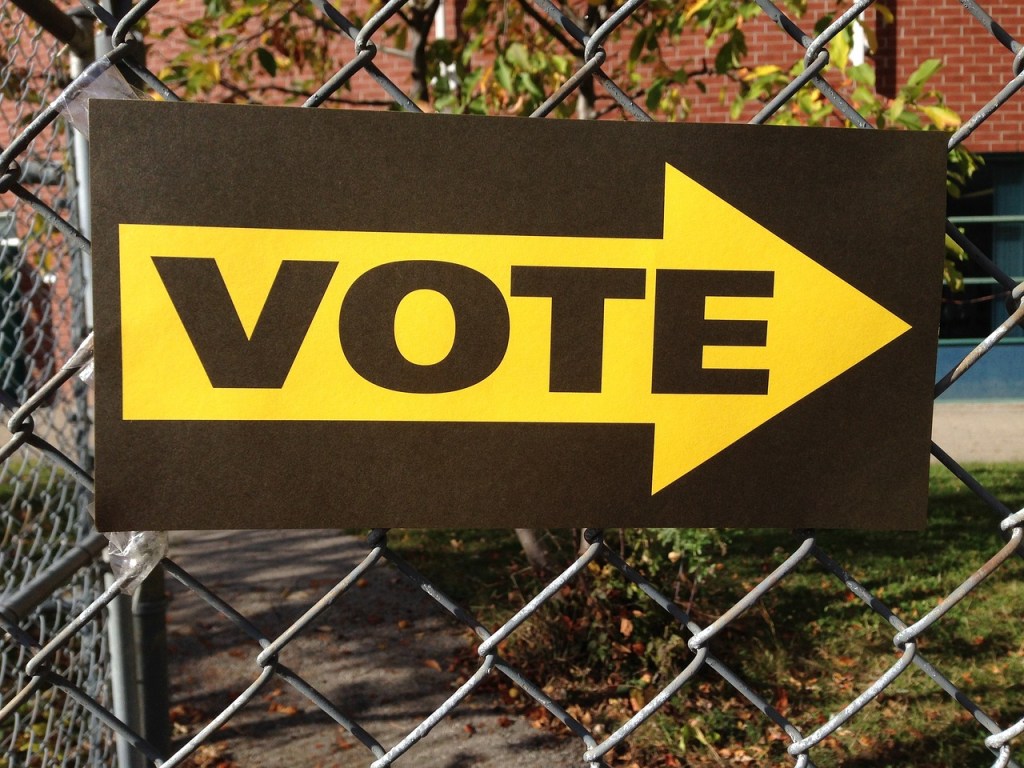
- Offer voter registration to empower your neighbors to vote for policies and candidates that support SNAP and other poverty alleviation efforts.
- Help clients sign up for SNAP! This is so important it deserves to be said twice. Food banks and pantries can’t end hunger, and SNAP is our strongest opportunity for relieving the burden on this industry.
The opinions expressed here are solely my own and do not express the views or opinions of my employer.
Want to learn more about food justice? Subscribe so you never miss a post!

 Reintroducing justice and dignity to the fight to end hunger
2 thoughts on “How SNAP Solves Hunger Better Than Food Pantries”