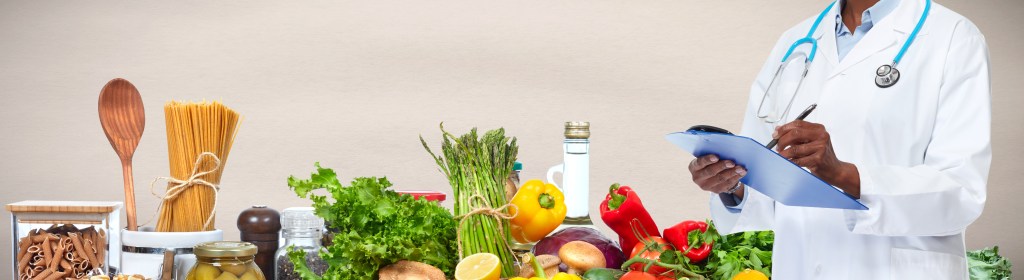
At one of my food pantries, I once welcomed a couple looking tired and stressed. They were from across the state, and they explained that they were camping in their car while a friend was in the local hospital. They didn’t have money for a hotel or groceries, so the internet had directed them to us for help.
Food pantries are often poorly equipped to serve people without access to a kitchen, but we did our best to supply them with healthy options that didn’t require preparation or storage. They discussed the possibility of coming back once their friend was released from the hospital, to make sure this individual had a fully stocked pantry for their recovery. I never saw them again, so I never learned how things turned out. I can only hope that they all found the foods they needed to stay healthy.
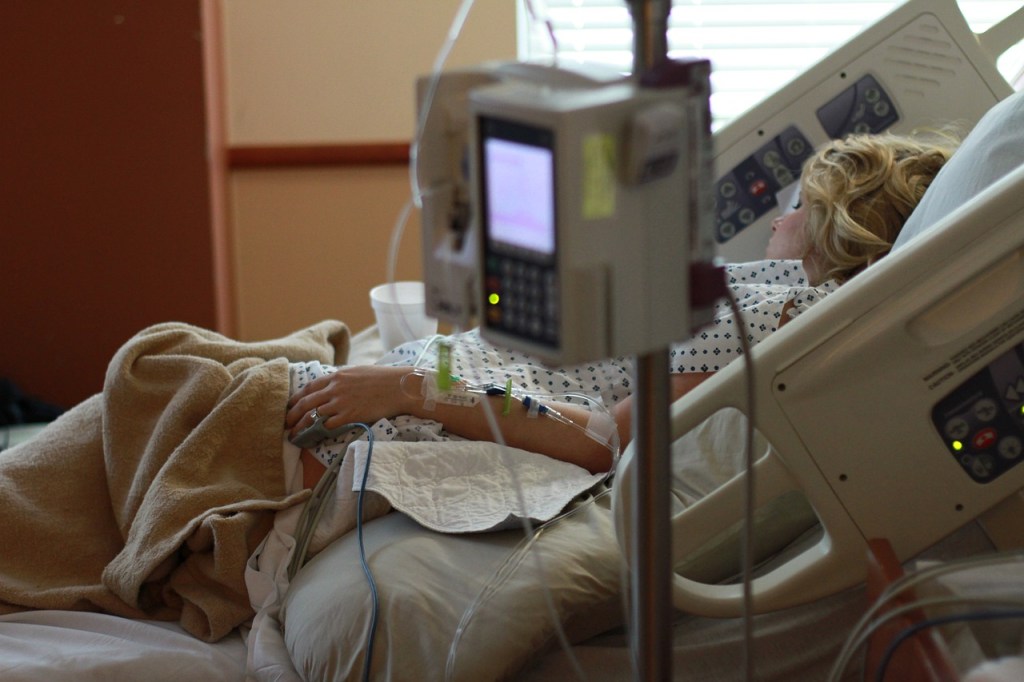
There is no time where inadequate food access is more destructive than when someone gets sick. When the body is at its weakest is the time where we need nourishment for healing the most. My own experience with serious illness and the relationship with food allows me to vouch for the importance of what we eat for health and quality of life.
Emergency food assistance programs are designed to prioritize processed and nonperishable foods, which means we’re working against the current to uplift fresh and whole options. SNAP is wholly inadequate for supplying a healthy diet.
With skyrocketing increases in diet-related illness like diabetes and heart disease, it should be abundantly clear that improving healthy food access is essential to keeping people healthy and out of the hospital and free from medical debt.
While traditional food pantries will continue to play a role, there are new models increasing access to healthy food through healthcare that deserve recognition for their effectiveness and innovation.
Food pantries in hospitals
While the logistics of starting any new food pantry are huge, and grow exponentially in relation to their commitment to healthy foods, incorporating food pantries into hospitals is an incredibly valuable strategy. I started my anti-hunger career running three school-based food pantries, with the theory that being located in schools makes them more accessible and less intimidating to families. The same concept applies here, only amplified. Either for visiting families or for outgoing patients themselves, having a food pantry onsite removes the burden of having to seek out this additional resource after the stress and exhaustion that come with a hospital visit.
Healthcare providers can have increased confidence that their patients will be able to stick with their nutrition plan, because they have been supplied with the specific foods necessary for their recovery. While this doesn’t remove barriers for people without access to kitchens, the physical ability to cook, or access to healthcare itself, this is still a valuable progression for increasing food access to our most vulnerable populations.
Prescription programs

Diet-related diseases are one of the most common, and most preventable illnesses in the U.S. Despite popular rhetoric, my decade in food access work has also taught me that the unhealthy foods that lead to poor health are often unavoidable for those living in poverty. People experiencing food insecurity know what they should be eating- but the barriers to healthy meals are simply too high.
The healthcare costs for managing diet-related diseases are astronomical- both for individuals as well as their health insurance. While the more cynical among us may observe that profits offer little incentive for change, it does highlight the opportunity for potential savings when healthcare providers invest in food. Ensuring people have access to healthy, fresh options has a substantial impact on their short- and long-term health.
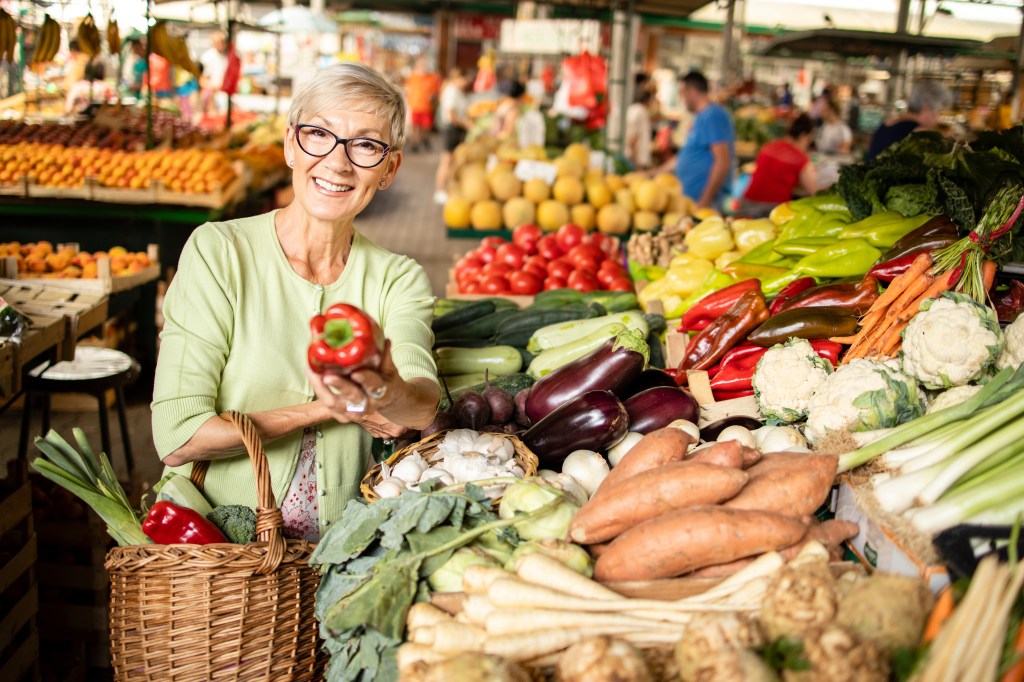
Luckily, the medical community is beginning to recognize the potential value of programs connecting clients with fresh food. A new strategy allow doctors and healthcare workers to prescribe fresh foods through coupons or other tools that connect patients with fresh and healthy options.
There is a wide range of structures for how these programs can be implemented, but this model generally offers far more dignity than a food pantry. This system also has greater capacity to supply quality fresh produce, since it is being purchased rather than donated.
There are alarms sounding everywhere as food insecurity rises. Frustration at the inability of government to take effective action may prompt communities to push for opening more food pantries- but now is an opportunity to consider alternate models. We’ve been fighting hunger with roughly the same approach for the last fifty years- and now is the time to try something different.
The opinions expressed here are solely my own and do not express the views or opinions of my employer.
Want to learn more about food justice? Subscribe so you never miss a post!

 Reintroducing justice and dignity to the fight to end hunger