In the summer of 2019, I made the mistake of eating a slice of pizza.
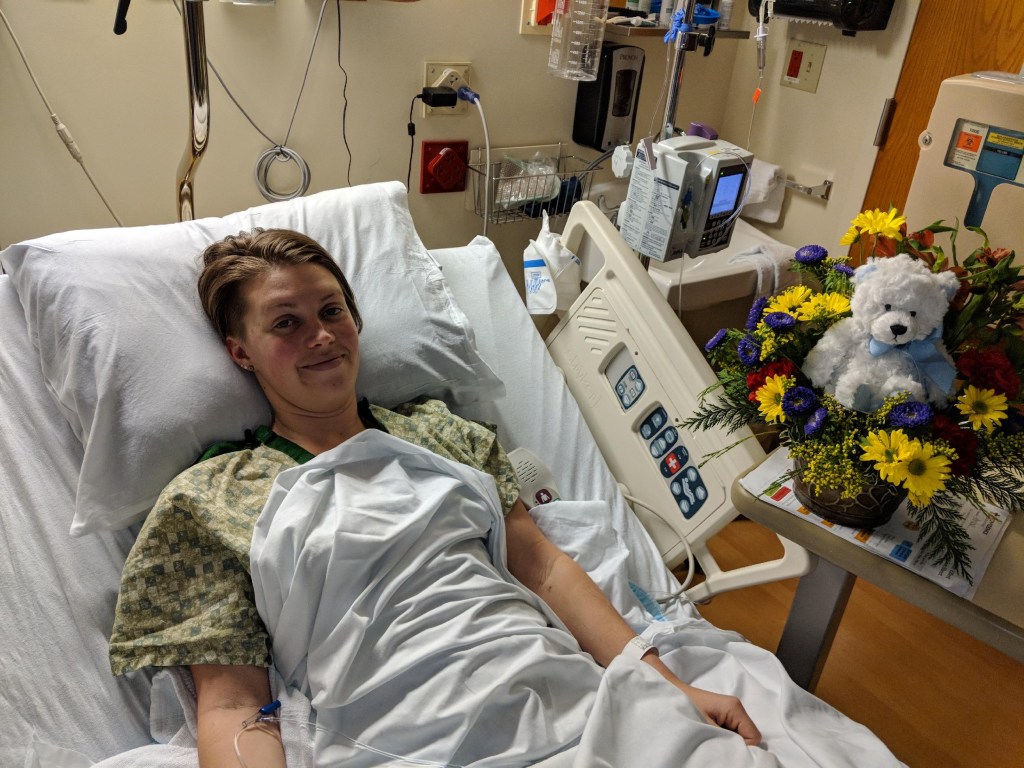
More than a year previous, I spent nearly two weeks in the hospital for a burst appendix and subsequent infection that did serious damage to my body. I had limped along in slow recovery for eighteen months, but for some reason that slice of pizza was a destructive catalyst.
The first symptom was nearly debilitating arthritis in my feet, and a day working at the food bank left me in absolute agony. Next, eating almost anything left my body increasingly uncomfortable. Even more than upsetting my digestion, it left me feeling depressed and fatigued for days. My energy levels plummeted.
Over the next six months, I ate every specialized diet that exists to determine what was triggering my symptoms. I tried AIP, FODMAP, SIBO, gluten-free, and even an elemental diet (three days of a foul-tasting formula delivering nutrition in its most digestible form) to try and pinpoint what foods were making me so sick. Nutritionists, naturopaths, doctors, and gastroenterologists had no insight.
It became easier to essentially stop eating rather than risk how food made me feel.
As a result, my weight dropped nearly a pound a week, for months. Medical professionals were dismissive, unconcerned, and at times blatantly disrespectful (which is why I lived with a burst appendix for three months before getting a diagnosis in the first place). A growing fear of food, comments about my weight, and gaslighting by medical professionals had me flirting with an eating disorder.

I was too weak to continue my hobbies of rock climbing and hiking. I struggled to socialize. I was penalized at work for talking to HR about disability. My family and I began discussing what life looks like with Chronic Fatigue Syndrome (CFS) and how that would impact my professional goals. Discovering Spoon Theory gave me better tools to talk about my experience but didn’t make it any easier to live with.
Luckily, a friend of a friend recommended a book about a diet that cuts out lectins- a protein contained in foods with seeds. Desperate for any solution, I eliminated all remaining grains, legumes, fruit, grain-fed animal products, and preservatives from my already-scarce diet, and began feeling better within three days. (It’s important to note that the creator of this diet, Dr. Gundry, practices weak science and makes dubious medical claims. I have found great value in eating this way, but I do NOT recommend it to anyone else.)

Over the next eight months, my strength began to return. But it requires almost fanatical attention to the foods I choose. Any little mistake, even eggs from my family’s happy and healthy free-range but grain-consuming chickens, pushed me back into a cloud of depression and fatigue that took days to shake off.
Four years later, I am doing much better. My sensitivity has dropped so I’ve been able to reintroduce white rice and can snack on the occasional blueberry. But despite this, food remains a constant struggle.
Every day, I navigate what my body is craving and how to access it. Sometimes I get it right and feel great, but often I get it wrong and pay with several days of fatigue. Anxiety is a primary symptom, and as fostered my understanding of the relationship between our guts and emotions. I constantly assess whether my stress levels are from diet or an external circumstance.
This experience heavily influences how I think about and discuss food access and justice. With every bite, I analyze how food makes my body feel and see how the wrong foods impact my quality of life. Although most people are not quite as sensitive as me, too many people depend on the options that are available rather than what their body needs, and daily suffer the consequences. I was a food justice advocate before I got sick, but this experience radically changed my understanding of why it’s important.
This week, December 19, is the anniversary of when I first checked myself into the ER, insisting that something was wrong. Over the past several years, I’ve celebrated my “Sickaversary” as a monumental turning point in my life. Although I don’t wish this experience on anyone, the lessons I have learned have made me a better advocate for food justice and are a constant guiding force in how I fight for food access in my community.

We are defined, and limited by, the foods we eat. Having experienced first-hand the damage that the wrong foods do, I’m motivated to ensure that everyone in my community has what they need to be their best. And that food may not be the ones everyone thinks they need. My diet is highly unconventional, but it keeps me healthy. I don’t know anyone who I would trust to manage my diet for me, and I know that food pantry clients deserve that same privilege.
Everyone deserves the privilege to make their own choices about what food their body needs. Politics and systems of oppression heavily influence how we eat and how we expect others to do so. Internalizing the concept that everyone deserves to eat demands that we start by recognizing the systems and assumptions that we have about diet, and toss them out the window in favor of autonomy and health, no matter what it looks like.
The opinions expressed here are solely my own and do not express the views or opinions of my employer.
Want to learn more about food justice? Subscribe so you never miss a post! Look for one email in your inbox every Monday morning.
 Reintroducing justice and dignity to the fight to end hunger