Find the Right Balance Between Healthy and Comfort Foods

Recently, while doing a quick walk around our food pantry perimeter after we closed, I saw one of our clients sitting in her car eating a box of four chocolate-covered strawberries. I imagine that she is a mom who was about to head home for an evening of family and responsibilities, and it makes me happy to see that she got a break, however brief, to enjoy a fancy treat all to herself. 

American society identifies hard work as the key to success, which means our culture is eager to vilify people living in poverty as lazy, entitled, and unmotivated. I’m sure there are some who would condemn this mom for taking a break, eating unhealthily, or not sharing her family.

In our food pantry, we recognize that food is just as important as a tool for self-care as it is a vehicle for nourishment. For some, cooking an elaborate healthy meal helps them feel nourished and competent, while other people find comfort in a bag of potato chips or cookies. We all have these habits and traditions, but it is primarily low-income individuals who are berated for careless eating or lack of cooking skills. This is one reason we see such aggressive advocacy for policies that limit access to unhealthy foods for low-income individuals.

Beyond the fact that we know ignorance is rarely the root cause of these choices, the focus on nutrition neglects the reality that food is a powerful tool for self-care. In the same way that I like to treat myself to a little bit of chocolate with my morning cup of coffee, or my partner finds joy in a bowl of fresh popcorn in the evening, food is a powerful way that humans take care of ourselves.

When I was at my sickest and unable to eat my normal diet, I learned just how much I use food to manage my mental and emotional health. It was agony to no longer be able to drink my normal cup of black tea, and abstain from the flaky fresh biscuits my coworker taught me how to make. 

While it is essential that we continue to emphasize and facilitate access to healthy, fresh fruits and vegetables for everyone, it’s also important that we not ignore the value of foods that we use for our mental and emotional sustenance.

In food pantries, shoppers are regularly limited in their access and choices. They are forced to make decisions about what foods they need the most, and what they can go without for another week.

More and more anti-hunger organizations are working to develop nutritional and donation policies that more closely manage the types of food that they accept and distribute. While fighting to increase client access to fresh fruits and vegetables should absolutely be a priority, it’s also important for these policies to appreciate the value of offering other options rather than eliminating them altogether.

For an individual who is stressed and worried, finding a bag of potato chips for their kids at the food pantry may help them relax, knowing they can both feed their family and also help their kids feel like kids, with all the same options their neighbors and friends have.

It is challenging to establish a balance between healthy and comfort foods, but this is exactly what food banks and pantries should aspire to do.

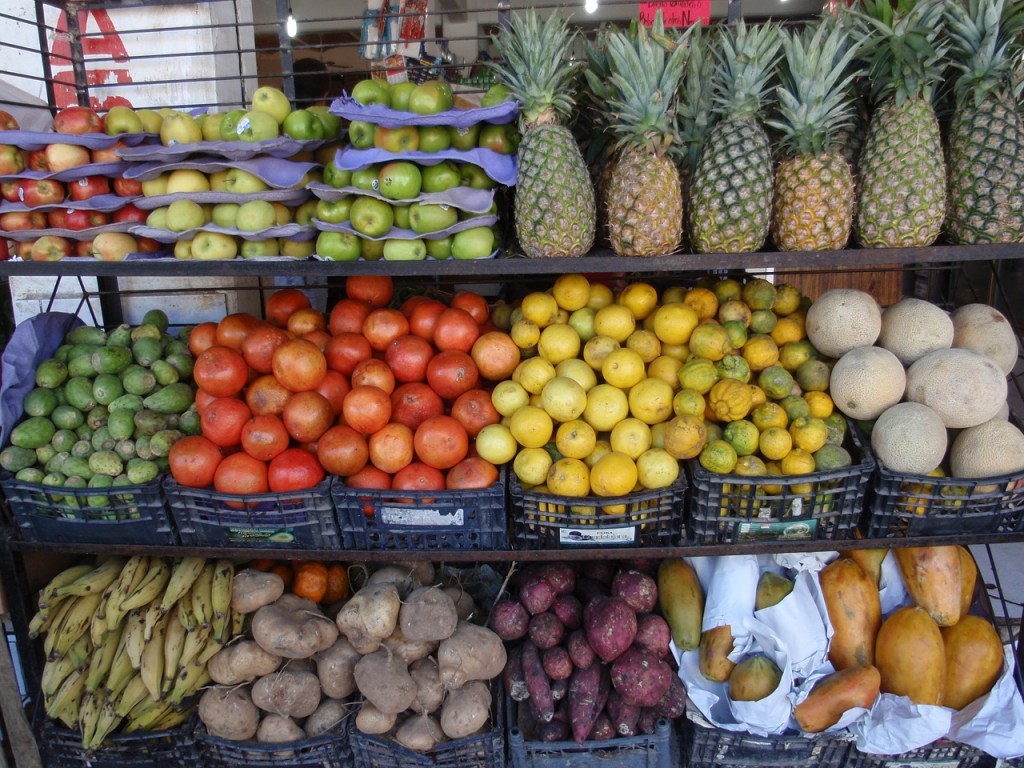
Our food pantry places fresh produce front and center and has been working hard to increase our supply so that clients can really celebrate in our abundance. But we also work hard to make sure that our shoppers feel good about all their options, and don’t feel like they are being limited or judged even if the fresh options don’t work for them.

How can we balance healthy and comfort foods in food pantries?

  1. Fresh produce is prominently displayed in the center of the pantry lobby, but we also offer potato chips and sweets as they are available through the donation stream. We have them mostly displayed at checkout (much like at a grocery store,) where they are grabbed last minute as people exit the building. For families anxious about their food supply, their carts are often already full and topping them off with some bonus treats feels welcoming, appropriate, and responsible.
  2. We are vocal about letting our clients know that we want them to take what they need and offer no judgement. Whether they leave with a shopping cart brimming with collard greens or bags stuffed with flaming hot Cheetos, we work hard to educate our volunteers not to comment or judge the food choices of others. No one should be ever be shamed by their food choices, but especially not in a food pantry where there is already so much trauma and emotion present in the experience.
  3. We celebrate when our clients find the food that they need. Volunteers know that we are here to help our community, and someone leaving with a shopping cart full with food (that they themselves chose) is exactly why we do this work. Ultimately, we want our neighbors to have the foods they need to thrive, and we recognize that they are the sole best judge of those needs. By offering as many healthy options as we can alongside foods that provide emotional comfort and joy, we have options that ensure everyone who visits us feels welcome and nourished.

The opinions expressed here are solely my own and do not express the views or opinions of my employer.

Want to learn more about food justice? Subscribe so you never miss a post!

Do People Work Less When They’re Food Secure?

“I might not see you again,” one client solemnly informed me the other day at our food pantry.

This sounds foreboding, but it’s a statement I hear somewhat regularly, and is cause for celebration. This shopper was telling me about his new job and how he hoped once he got his first paycheck, he might not need our food pantry services any longer.

One of the main concerns that people often voice about food pantries and emergency food assistance is that providing aid disincentivizes hard work. There’s an assumption that receiving any help facilitates laziness and exploitation (based on the faulty belief that poverty is a personal choice rather than systemic failure).

In my experience, this couldn’t be further from the truth.  My clients proudly tell me how long they managed to go without visiting a food pantry, whether it was weeks or months. They share with excitement when a household member gets a raise or a new job that empowers them to visit less or stop coming altogether. I hear gratitude for our services, but real enthusiasm in their voices at the prospect of no longer utilizing our help.

Food assistance has never been, and will never be, a disincentive to work.

Although the cost of food is ridiculously high, the other costs of living like healthcare and housing mandate that people have a source of income even when food is easily available. Providing food assistance does not encourage anyone to be lazy.

Why does this idea persist?

One of my regular clients works nights in the warehouse for a certain online global retailer, and they often come to the pantry after their shift and take a nap while waiting in line before we open. Sleeping at 9am in front of the food pantry may look lazy to some, which is why it’s so important we check all our biases at the door.

Food pantries tend to have awkward hours, based on the availability of volunteers rather than the times people experiencing hunger need access to food. Because volunteers are predominantly retirees, this may mean pantry hours are better suited to serving people who are un- or underemployed than full-time workers. My own pantry is open weekdays from 10am-2pm, which are legitimately difficult hours for someone working a full-time job, especially when you consider the long line that sometimes has clients waiting for up to an hour. Because of this scheduling challenge, pantries may self-select a clientele that is not working full time or a traditional work schedule, which can reinforce community biases that our services enable laziness.

Why Food Assistance Doesn’t Disincentivize Work:

Our food pantry will never have all the essentials for someone to comfortably feed themselves without doing their own shopping.

Pantries rarely have things like spices to make a meal taste good, and we’re chronically low on staples such as cooking oil, salt, and coffee. There are very few opportunities for a food pantry to completely free its’ clients from buying any food. Almost all food pantry clients must spend some money on food to make their diet palatable and healthy.

Even if our food pantry had exceptionally good food options, the high cost of living in our area demands other sources of income.

The Portland-Metro area has astronomically high housing costs, which means even people with full-time jobs may not be able to afford food after they’ve paid their rent and utility bills.

After food, the number one request for resources we get is for housing assistance. And tragically, options are limited. There’s often little I can do for a worried family besides making sure that they have as much food as I can give them. There is no scenario where I give them so much food that they can reduce their hours or quit their job.

If you, my reader, make enough money to cover your basic needs, why do you keep trying to do better?

My guess is you have goals, both monetary and professional, that you hope to achieve, and you know they require hard work, time, and dedication. Why does society think people who use food assistance are any different from you?  


Many of the assumptions we carry about people experiencing hunger are based on the premise that people living in poverty are fundamentally different- in their goals, their version of success, and the pathways they take to get there. While it’s important to appreciate the diversity of visions within our community, this concept of fundamental differences is used to justify the idea that our own success stems from hard work rather than systemic advantages.

Understanding and eradicating hunger starts with recognizing that people experiencing hunger want all the same things anyone does- safe, comfortable housing, delicious, nutritious meals, a healthy work-life balance, and the opportunity to treat themselves every once in a while. Calling out the myth that food assistance facilitates laziness helps us advance the real work to ending hunger- ensuring everyone has access to the same advantages and wins.

The opinions expressed here are solely my own and do not express the views or opinions of my employer.

Want to learn more about food justice? Subscribe so you never miss a post!

Don’t Let Your Heart Write Anti-Hunger Policy

Hunger is an emotional subject. Any human who feels compassion and empathy should feel discomfort at the idea of another person going hungry. Unfortunately, the passion it carries also results in the development of policies fueled by this emotion rather than data and evidence.

American society has internalized assumptions about who is hungry and who deserves assistance, and too often these biases result in weak or ineffective policies that respond to feelings rather than reality. We see this prioritization of emotion over data at all levels, from local to federal policy.

Food pantries implement limits on food items so that no one can take too much, based on the assumption that people are greedy, selfish, and don’t know their own needs best. SNAP benefits have work requirements, reflecting the idea that people living in poverty are lazy and won’t work unless forced to. Anti-hunger resources for seniors and children far outweigh those for working adults, based on the idea that some populations have the power to extricate themselves from hunger while others are helpless against it.

These policies tell us far more about our own assumptions than they address the reality of the problem.

Although food banks and anti-hunger organizations are growing increasingly sophisticated in their advocacy efforts and focus on the root causes of hunger, and can utilize data to back it up, not all organizations have the capacity or access to the same level of expertise.

Food pantries often lack staff or volunteers with experience working with data, which means even if they collect relevant information, they may not fully understand what it means or how to use it to advance their efforts.

This is a huge opportunity lost, because as the implementers of on-the-ground anti-hunger efforts, food pantries have some of the greatest opportunities to influence how well their community eats.

As recipients of both federal and state funding and other donated resources, food pantries are obligated to collect a certain amount of information from the people they serve, including age, declarations that they meet income eligibility requirements, as well as recording how much food they distribute. Additional information collected varies based on country or state, coalition membership, and the pantry’s own interest in data.

Here are three things food pantries can prove immediately with the data they already collect:

Hunger rates are predictable.

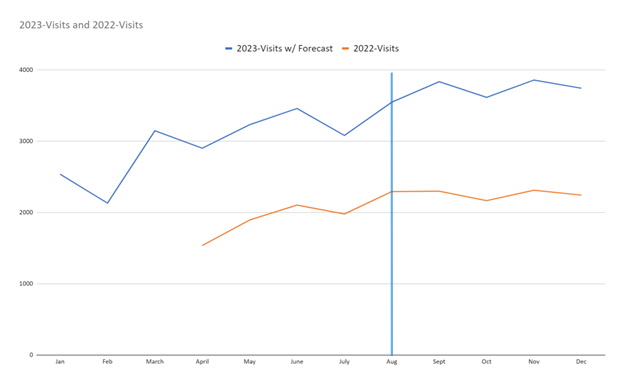
Every year, our pantry sees a significant increase in clients from September through December. Without fail, the summer slump ends the moment school starts, peaks in November before Thanksgiving, and finally begins to slow down mid-January. Anti-hunger organizations should not be surprised to see these fluctuations throughout the year, and should plan accordingly. Rising inflation clearly correlates this year with increasing food insecurity. We have no excuse to be surprised by the increasing need, yet too many organizations are shocked and overwhelmed at the demand every holiday season.

This graph shows my pantry’s total client visits since April, 2022 (when we reopened as a grocery-style model). The jump in March, 2023, is due to the expiration of pandemic-era SNAP benefits. Using past trends, this graph makes predictions for the numbers we’ll receive this winter. (I’ll keep you updated on how accurately this plays out!)

Food pantry clients work.

Most food pantry households have at least one member who is employed. Although our society is eager to assume that people utilizing welfare seek to exploit the system, the employment status of pantry clients proves otherwise. Food pantry clients are eager for work, but they regularly struggle to access well-paying jobs (as non-food pantry clients also must recognize). Surveys and anecdotal evidence can quickly disprove the myth that people use food pantries to avoid employment.

People don’t take food they don’t need.

Everyone knows what foods they need to thrive. Recognizing this, there is increasing popularity in the grocery-style food pantry model, which allows clients to select the items they want rather than receive a prepacked selection. The implementation of this system has demonstrated that shoppers know what foods they will and will not use. Clients rarely take everything that is offered because they don’t want to take what they won’t use, contrary to popular assumptions. Assessing what foods people take and in what amounts provides ample evidence that clients know their own needs best and are not taking food they won’t eat.


This is only a short list of the assumptions that food pantries can dispel through data. With a commitment to evidence and interest in continuing education on the part of leadership, food pantries can use the information they already have to create effective, powerful policies that empower their shoppers rather than play out their biases.

The only way that we can effectively reduce hunger in our communities is through the development of policies that are based on reality rather than the assumptions in our gut.

The opinions expressed here are solely my own and do not express the views or opinions of my employer.

Want to learn more about food justice? Subscribe so you never miss a post!

Does Everyone Need to Eat Fresh Vegetables?

I began my career in food justice by teaching healthy eating in low-income, rural communities. The goal was to teach elementary school students the basics of nutrition and the value of fresh produce to improve their future diets. What I learned, however, was that these kids were already excited to eat healthy.

Some children had never eaten a fresh vegetable before, and they were absolutely enthralled with the magic of harvesting a radish and crunching into it with dirt still clinging to the sides.

It became clear that improving their diet was a problem of access rather than education. The local grocery store carried an incredibly limited supply of wilted and spoiled produce, and none of their families could afford the fuel to drive to the next nearest store, thirty miles north. No matter what I did with their enthusiasm, there wasn’t much I could do to access more healthy foods.

One of the most solidly cemented assumptions in our society is that people living in poverty don’t care about what they eat. The fact that many individuals depend on convenience stores and cheap snacks is taken as an indicator that they don’t know any better. Higher rates of diet-related disease are seen as confirmation of this assumption.

What I see in our food pantry is that shoppers are passionate about fresh and healthy foods

Our produce cooler is the most difficult to keep full, and we can always find a home for its contents whether they be banana leaves, acorn squash, or jalapenos. We know green cabbage days are the ones we have to work the hardest and fastest because demand is so high. Salad greens are one of the most requested items we have, even though we rarely have dressing. Shoppers are often excited to cook with a vegetable they’ve never tried before.

Our food pantry clients all know the basics of a healthy diet but share with us every day how fresh and healthy options are inaccessible to them. Many don’t have easy access to a grocery store, so they depend on convenience stores or gas stations for their meals.

Others are in living situations without the capacity for food preparation or storage. Using only a hot plate or sharing a communal fridge severely limits what foods they can use. And a high number of our shoppers are overwhelmed with caregiving responsibilities (paid and unpaid) that limit their time and capacity for cooking.

Although food pantries can supply our community with healthy, fresh options, we can’t improve their cooking capacity or give them the time to cook for their families. No matter what delicious produce we have, some of our visitors still can’t utilize it.

I worry to see a pantry client walk out our door with only a partially full grocery bag. It is important that everyone feels a sense of abundance and leave confident that they have the food they need to survive. That’s why our pantry strives to offer a variety of different foods, including things like instant meals, frozen dishes, and lots of snacks alongside our fresh produce. We aspire to provide options for everyone, and always assume that our shoppers know their own needs best.

We also recognize the hardship that our clients experience daily. One client recently lost yet another job (the third since I’ve known them). Another client was desperately seeking Narcan for a household member at risk of opioid abuse. Someone just found out they are unexpectedly pregnant with twins.

Everyone comes to our pantry with a complex story, and we believe it’s important to ensure they have foods that bring them comfort as well as nourishment. Food plays a huge role in mental as well as physical health.

It’s not unusual to see a frazzled individual eating a pastry or candy in their car after shopping our pantry, so that their family never knows they got to enjoy a sweet treat in solitude.

Although emergency food assistance programs need to continue seeking pathways to improve the diet and nutrition of people experiencing hunger, it’s extremely important that we view this challenge holistically. While prioritizing fresh fruits and vegetables is an important step, we need to fight the stigma that people don’t know how to eat healthy and instead make sure they have the tools to really do so.

 Frozen fruit is only functional if you have a freezer. Cooking butternut squash requires a hefty knife and the physical capacity to cut it. Dry beans need the time and space to appropriately soak and prepare.

Over the last decade, food banks and pantries have made incredible progress in improving the quality of foods distributed. More fresh items are available than ever before. But the stigma remains that people experiencing hunger don’t know any better than to eat junk food, which ignores the significance of the many other burdens that keep a nutritious diet inaccessible.


The opinions expressed here are solely my own and do not express the views or opinions of my employer.

Want to learn more about food justice? Subscribe so you never miss a post!

Do You Believe Everyone Deserves To Eat?

This week, I overheard a comment as a client entered our food pantry, an iced drink in hand. One of my volunteers muttered, “if they can afford Starbucks, then they probably don’t need to be here.”

I was disappointed by the judgement and the lack of empathy and understanding that I heard in their voice. Unfortunately, this is an attitude I encounter regularly as a food justice advocate.

Many people, whether consciously or unconsciously, believe that hunger is primarily the fault of an individual making bad choices.

When someone believes that anyone can simply work themselves out of poverty, spending five dollars on a delicious frosty drink on a 90-degree Friday is merely confirmation that their poor choices led them to needing to use a food pantry. This assumption is the primary motivation for anti-hunger institutions to control what types and how much food a client may receive- because of the belief that they can’t be trusted to do it themselves.

These attitudes are heavily engrained in our society, particularly among demographics who still advocate that hard work is the primary component of financial success.

 Too many anti-hunger organizations and supporters espouse providing minimal resources to avoid anyone in need from becoming “too dependent.” (We’ll dig into the absurdity of fearing people will become too dependent on food another time.)

This assumption persists even though there’s abundant data refuting it and proving that nearly all factors of poverty are beyond an individual’s control (cost of living, available jobs, or adequate hours, not to mention the many forms of discrimination. And of course, your zip code).

What is Food Justice?

Food justice is a framework that holds food as a human right and seeks to address the structural barriers that perpetuate hunger and poverty. It is closely aligned with the environmental justice movement and advocates for building access to healthy, culturally appropriate food for everyone in a way that also supports the environmental health of our world.

Alongside recognizing that poverty is a systemic rather than individual condition, a food justice perspective analyzes the impacts of the entire food system- including land ownership, labor conditions, environmental impacts, nutritional quality, and economic and physical access, and the factors that perpetuate injustice like exploitation, racism, colonialism, and discrimination.

Historically, food banking does not easily fit into a food justice framework.

Until very recently, traditional food pantries rarely examined their role in perpetuating injustice or their neglect of the root causes of hunger by treating it as purely an individual problem.

As an individual rather than systemic solution, food pantries regularly dictate what and how much food is available to people and communities who need it, and actively perpetuate harmful assumptions about hunger and poverty (like the volunteer I mentioned in my opening paragraph).

How Can Food Pantries Take an Active Role in Implementing Food Justice?

  1. Offer client autonomy. Trust that your clients know their own needs best and give them the freedom to choose what and how much their families need.
  2. Actively engage your volunteers, staff, and leadership by learning about food justice to help them move beyond any assumptions they may carry about people living in poverty. It’s important to remember this will never be a one-time lesson, but rather the long-term establishment of a community culture that recognizes the historic injustices that perpetuate hunger, the evolving economic realities of our world, and embracing the idea that everyone deserves to eat, unconditionally.
  3. Partner with food justice programs who actively work to undermine our current food system in favor of more equitable and alternative options. The fact that food justice is a recently adopted idea for the food banking industry means there are ample opportunities for food pantries to offer leadership and innovation in this field. (Here are some programs doing great work in the Pacific Northwest).

The opinions expressed here are solely my own and do not express the views or opinions of my employer.

Want to learn more about food justice? Subscribe so you never miss a post!

Why Don’t We Trust Food Pantry Clients?

“Do you see how much food that woman took? That’s so much food. What do you think she’s going to do with it all?”

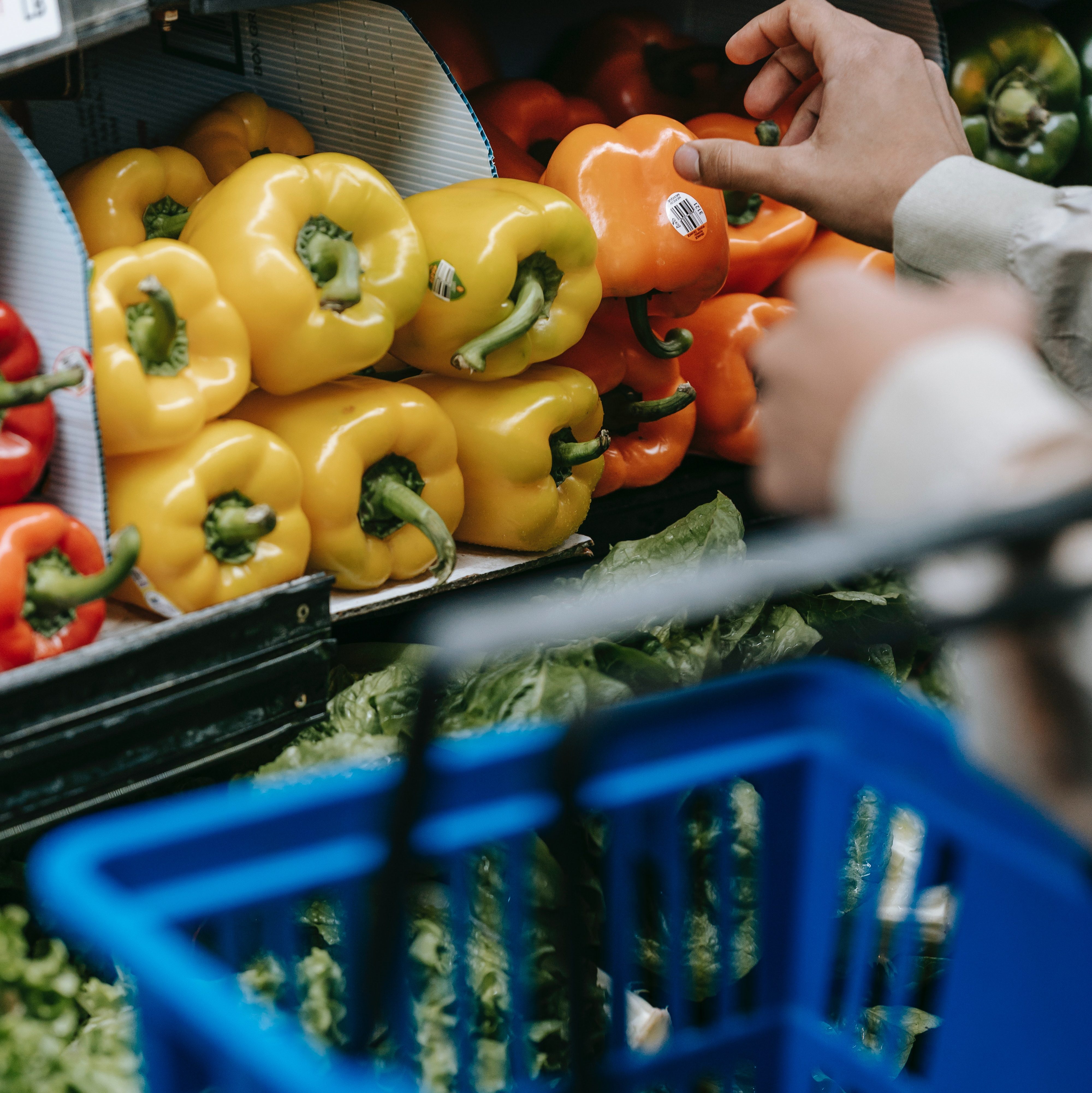
I recently had a volunteer quietly ask this in my ear as we watched a woman and her daughter walk out of our food pantry with a shopping cart brimming with heads of lettuce, an assortment of fresh fruit, bell peppers, bags of dry beans, potato chips, and a variety of other foods.

“I think she’s going to eat it,” is my dry reply. “Hopefully that’s enough to support her family for the week.”

Unfortunately, this isn’t a rare question. It’s practically engrained in our culture that anyone who uses welfare is viewed with skepticism.

The idea that hard work always begets success is so engrained into our national psyche that people who aren’t successful are assumed to be so because they make bad choices. And if they make bad choices, can they really be trusted to choose their own food?

Whenever I participate in discussions on the realities of hunger, I hear people invent stories vilifying food pantry shoppers based on the amount of food they take (or the car they drive, the language they speak, or their level of gratitude, but those are topics for another post). Perhaps the clients are just hoarders, but maybe they’re selling it?

Even though abuse of the emergency food system is incredibly rare, a pervasive suspicion of individuals who use welfare means that people simply trying to feed their families are regularly labeled as greedy, exploitive, or lazy.

How did we get here?

The 1970s saw the first food pantries emerge alongside the attitude that short-term catastrophic events, rather than poverty, pushed people into food insecurity. It was assumed that the impacts of a job loss, illness, or natural disaster were only temporary, so immediate food resources rather than reliability or volume were the appropriate solution. The offering of several days’ worth of food was considered adequate until individuals were able to “pull themselves up by their bootstraps” and regain self-sufficiency.

Economic prosperity also fostered the idea that it was always possible to work your way out of poverty. Food pantries were created to support people through these temporary crises and were never intended as a solution for chronic hunger.

The 1980-90s and the mythical “welfare queen” fostered a tightening of food assistance programs out of fear that they bred dependency rather than independence. Reagan’s emphasis on welfare abuse and Clinton’s policies tightening access to Food Stamps cemented in America’s mind the idea that welfare recipients are always suspect.

Increasingly in the past decades, more and more Americans require regular support accessing food. Particularly since the Great Recession in 2008, families are dependent on food pantries as a regular resource rather than a temporary boost. Low wages and high costs of living mean that people can rarely work themselves out of poverty and are always short of the resources they need to survive.

Hunger is increasingly a chronic experience in the U.S., and millions of people regularly find themselves in situations where they never have enough money to buy food, even when they participate in other food access programs.

Despite this barrier, there’s remains widespread fear that if food pantries provide someone with all they need, this security will push them to quit working, buy lots of drugs, and eat lobster every day.

Through this lens of suspicion, food pantries justify limiting clients to enough food for only several days at a time.

What is our goal?

We know food pantries can’t solve hunger- a systemic problem of this size requires a systemic solution of equal scale. But what food pantries can do is alleviate some of the immediate burdens of living in poverty.

Nearly all food pantry clients have some kind of income- but they must choose whether to spend it on food, rent, healthcare, or other essential needs.

 Institutions committed to building food security should aspire to reduce the amount of money that their clients spend on food. Limiting the amount of food that clients can get at the pantry to a 2–3-day supply (generally considered the industry standard) ensures that shoppers still must make hard choices about where to spend their money. Their only other option is to visit multiple food pantries until they have enough food that they’re able to eat and pay the rent or purchase their medications.

While recognizing that even the most abundant, generous food pantries are only a band-aid to a much bigger problem, they are an essential resource for ensuring all our neighbors eat every day.

When we allow these services to be dominated by bias and assumption, they create a less dignified and less effective experience, and perpetuate the struggles of people living in poverty.

If the end goal is to ensure that everyone in our community has the food they need to thrive, then we need to start by ensuring that resources like food pantries offer their services with respect and understanding of the realities of food insecurity. And that begins by trusting the people who seek our help. If we believe that everyone deserves to eat, then we need to make sure we practice that ideal to the fullest.

The opinions expressed here are solely my own and do not express the views or opinions of my employer.

Want to learn more about food justice? Subscribe so you never miss a post!

When Hunger Can’t Be Solved with Food

Rosebud County in Eastern Montana

I began my career in eastern Montana strategizing on how to improve food access in several remote towns, particularly for children participating in the National School Lunch Program. This included four months living in the town of Lame Deer on the Northern Cheyenne Indian Reservation where I gained a first-hand perspective of the challenges to food access.

Unlike many other communities in the region, Lame Deer was lucky enough to have its own grocery store. However, because the town was so far off all major highways, it was always last on the stop for deliveries.

Fresh foods had practically expired by the time they even arrived in town, and I would see produce literally rotting on the grocery store shelves.

Lame Deer, Montana

Because of the high travel costs, this food was also more expensive. I bought milk at this store if I had to but did most of my grocery shopping in Colstrip, a town twenty miles north.

I was privileged in that I was one of the few people in town who could afford the fuel to make the trip, since buying gasoline on the reservation was astronomically expensive. As a result, many Lame Deer residents had no other option but to buy food at the grocery store, which forced them to depend on the processed and shelf-stable options which survived the trip to their local shelves.

This community was extremely food insecure. (It is important to note that my experience took place a decade ago, and I’m sure that many things have changed. I cannot speak to the current conditions in Lame Deer.) Although I was embraced by a compassionate, enthusiastic community and worked with many dedicated activists, the barriers to building food security were huge.

The Pillars of Food Security

As empathetic creatures, we tend to have a profoundly emotional reaction to the idea of hunger. While we should all ache at the idea of anyone going hungry, it is equally important that we use quantitative tools and frameworks to assess and analyze food insecurity.

The Food and Agriculture Organization (FAO) is a specialized agency within the United Nations that specifically fights hunger, and in 1996 the World Food Summit and FAO produced a framework for evaluating food security. This framework identifies four determinants of food security:

  1. Availability- The supply side of food determined by production, trade, etc.
  2. Access- Do people have physical and economic access? Can they get to it, and can they afford it?
  3. Utilization- Are the available foods functional? Do people know how to prepare them? Do they meet nutritional and cultural needs?
  4. Stability- Are these dimensions consistent over time?

Using these pillars allows us to make objective assessments and develop targeted solutions for ending hunger under a variety of conditions. Using this lens to examine conditions in Lame Deer helps us better assess what solutions might be plausible.

Availability

Although communities like Lame Deer, MT lack availability, as a nation we are rich with food. The United States has enough food available to feed every member of the population and the capacity to trade for what it doesn’t produce itself. Eastern Montana may have weaker availability than other regions, but that is through neglect rather than an actual shortage of supplies.

Access

Lame Deer residents did not have physical or economic access to food. Even if they could afford the high costs for that region, driving forty miles round trip to the Colstrip grocery store was prohibitive. Access was a primary barrier for this community to be food secure.

Utilization

Lame Deer’s food supply neglected their cultural needs. The Northern Cheyenne tribe traditionally lived on wild game and foraged foods that are not available on the small plot of land allocated to them by the federal government. Residents could not get to or afford the food they needed to be healthy.

The foods available also did not meet anyone’s nutritional needs since most of it was heavily packaged, processed, and high in fats and sugars. There were few options for fresh produce.

Stability

Unfortunately, these conditions were consistent in all the wrong ways. At the time, there were few options available for changing food access for the better. The impacts of colonization and the harsh, isolated territory made it unlikely that access or utilization would improve for residents.

Hunger Solutions Aren’t Always About Food

Although this exercise certainly highlights the challenges of living in this community, it allows us to focus on the most effective solutions. Simply bringing more food to the community may not be plausible or effective. Instead, this helps us consider how:

-Building a highway bypass from the nearest big city might enable food to arrive more quickly at the grocery store.

-Subsidizing a regular shuttle between Lame Deer and the Colstrip grocery store would allow people to access better food.

-Are there policy solutions for lowering the cost of gasoline on the Reservation?

-You may be dying for me to add community garden to this list- it is a potential option, but eastern Montana is a tough environment for growing produce, and the reason the Northern Cheyenne were allocated this land by the U.S. government is because it is neither fertile nor friendly, so it’s not a practical solution to food insecurity.


The pillars of food security are an important tool for examining the barriers for hungry communities. It’s easy to get caught up in the idea that ending hunger just calls for growing, harvesting, and processing more food (which is why the focus tends to fall on improving agricultural yields), but our country’s food supply is rarely the problem. While ending hunger certainly depends on ensuring everyone eats today, effective solutions will come through eliminating barriers rather than producing more food.

The opinions expressed here are solely my own and do not express the views or opinions of my employer.

Want to learn more about food justice? Subscribe so you never miss a post!

How to Convince Yourself There’s Enough Food For Everyone

“Do we have enough food?” is the question currently echoing throughout the emergency food assistance network. The demand for food assistance is growing rapidly, and food pantries across the nation are straining to accommodate the number of people reaching out for help every day.

One year ago, my own food pantry was learning how to serve 100 households in four hours. Just two weeks ago, we set a new record for the number of households served- 181 in that same amount of time. With SNAP cuts in March and rising inflation, hunger needs are growing like we haven’t seen since the beginning of the pandemic and show no signs of slowing.

With the dramatically increasing need and demand for our resources, it is incredibly easy to become fixated on scarcity. How do we feed all these people with our limited food supply?

I consider myself a student of anti-hunger advocacy, but lately I realize more and more how much this work depends on psychology.

Although my focus is on the logistics of supplying hungry people with the food they need, I learn every day that doing this job well depends just as much on how I think about food access and hunger.

How people living with food insecurity feel about the resources available to them impacts how they use them.

How anti-hunger advocates think about hunger and the services they provide equally influences the systems they implement and how resources are distributed.

I spend a great deal of time advocating for presenting a sense of abundance and food security for our food pantry visitors. (Read more here). But with the growing need and strained capacity of the anti-hunger system, I have also been reflecting on the importance of advocates prioritizing our own abundance mindset.

Why should we as anti-hunger advocates develop our own attitude of abundance? How does that help us serve our community better?

Most anti-hunger organizations ensure they always have a stash of food available to support the next client, or the next distribution. But an emphasis on holding food back for later also focuses efforts on maintaining the food supply instead of the needs of our shoppers.

 When our brains focus on this scarcity, we shrink our capacity to think about other things, which reduces our effectiveness at the work we do. (Right now I’m reading Scarcity: The New Science of Having Less and How it Defines Our Lives by Sendhil Mullainathan and Eldar Shafir.)

An abundance mindset helps us broaden our vision and find opportunities for doing better.

When we assume that we’re maxed out, we shut down any possibility of innovation. By adopting the paradigm that we have the tools we need to succeed, it enables us to strategize for success. An abundance mindset allows us to experiment with new ways to do better once we’ve internalized the idea that we have the capacity.

How can hunger fighters prioritize an abundance mindset?

1. Prioritize growth and experimentation.

In many ways, food pantries have evolved little since their modern inception of the 1970s. Most food pantries offer similar systems of food distribution that change little once they are established. But these systems may not be able to support an increase of clients or fluid food supplies, so it can be easy for a food pantry to decide they simply don’t have the capacity to grow.

Instead, food pantry staff should constantly experiment with ways to change and update their systems. By ensuring that no operation is set in stone, it empowers opportunities for innovation that very well might be able to support changing community needs.

Even small changes can be incredibly worthwhile. For the past year, our food pantry has taped client tickets to the handle of our clients’ shopping cart. This past month, we experimented with taping them to the front of the cart instead, which has expedited check-out and helped eliminate traffic jams for faster client service. This tiny adjustment has had significant ramifications on our operations.

A willingness to experiment under stress is hard; it requires a certain level of comfort with risk (and requires trust and enthusiasm from volunteers). But a refusal to take those risks ensures that your organization will not evolve to meet your community’s needs.

2. Emphasize the resources you have.

My pantry often runs low on popular food items. We rarely see canned fruit anymore and are experiencing a major shortage of pasta and sauce. These empty sections on our pantry shelves stand out like a beacon, but rather than staring at those gaps, we constantly rearrange.

Canned pumpkin is not a popular food item (especially in the summertime!) but our local food bank has an abundance, and it allows us to fill up our shelves. Even though we know most of our clients aren’t interested, filling the space on the shelves draws attention away from our lack of essentials and helps everyone feel a greater abundance.

I appreciate having some food items that are not popular. Because they move slowly, our volunteers don’t need to dedicate time and effort restocking, but they do help everyone feel like our pantry has the resources to support anyone experiencing hunger.

3. Don’t hoard your food.

My perspective comes partially from the privilege of having a significant warehouse and storage capacity, but our food has little impact when it is sitting on our shelves. There is a pervasive attitude in food banking that we must always save some for the shoppers coming tomorrow (which is true), but we give out sequentially less and less food if the goal is to always have leftovers. If you give away the food you have with faith that more will arrive tomorrow, everyone will be better served.

Projecting an attitude of abundance for food pantry clients is essential for helping them feel like their needs are being met, they are respected, and they can have confidence in their food security.


Adopting an attitude of abundance for anti-hunger advocates is harder- we are constantly faced with the challenging reality of a limited food supply while being overworked and underpaid. But by focusing on the opportunities that are open to us to do better, experiment, and practice innovation, we will access new avenues for success that otherwise would remain unexplored.

Previous Post: Why You Should Run Your Food Pantry Like a Restaurant

The opinions expressed here are solely my own and do not express the views or opinions of my employer.

Want to learn more about food justice? Subscribe so you never miss a post!
One Clever Food Pantry Strategy for Success

Hunger rates are rising. With the expiration of Covid-era SNAP benefits alongside inflation, thousands of families who have never faced food insecurity before now worry about where their next meal will come from.

Food pantries are seeing dramatic increases in the number of clients seeking help. It’s only been seven weeks since this most recent increase began, and anti-hunger advocates are tired. Because of an industry-wide fear that there isn’t enough food for everyone, there is pressure to retract, hoard our food, and reduce the amount distributed so that it never outweighs the amount coming in. Fatigue and fears about the future reinforce this inclination. Historically, the food banking industry has been careful to never give away too much food at once lest they run out, even when hungry families clamor for more.

Contrary to every industry impulse, I propose that this is the moment when food pantries should push harder than ever to give our clients as much food as possible. Although meeting the growing demand is an infinitely complex struggle, this is an opportunity to revisit the reason we do this work while uplifting every client’s individual needs. One of the most powerful methods of empowering our clients is by letting clients choose how much of everything they want rather than limiting and rationing our food supply.

Why food pantries should remove as many limits as possible and increase the amount of food available to our clients right now:

1. Setting limits on the amount of food people take encourages them to take more than they otherwise might.

There is ample evidence in marketing research that introducing scarcity increases demand by making an item seem more rare and thus desirable. Clients are more likely to take the maximum amount allowed because limits promote a scarcity mindset, when otherwise they would only take what they need. Studies show that pantries who switch to a no-limits model see clients increase the amount of food they take at the initial transition, and gradually reduce as confidence in their food security increases. We have noticed in my pantry that the clients who are slowest to transition away from a scarcity mindset are refugees, as we serve several families recently arrived from Afghanistan and Ukraine. It makes complete sense that people escaping a warzone have a scarcity mindset and are slower to adopt a mindset of abundance. Limiting their access to food only perpetuates their fears of scarcity.

2. It’s impossible for someone to take too much food.

Every client requires a different amount of food to feel secure. Some people need a full fridge to feel safe, while others only require a couple cans. Preventing clients from taking what they need to feel secure may force them to visit the pantry more often, which overworked food pantry staff will tell you they would rather not encourage! And for many people, that is an unfair demand. One of our clients last week sold plasma to get gas for their car to visit our pantry. Food pantries should minimize the number of visits a client makes with the recognition that they face many other challenges besides hunger. Abuse of welfare is rare (by people in poverty,) although Regan’s “welfare queen” rhetoric continues to color how our society views people who use welfare.

3. We’re here to end hunger.

Although it’s always more comfortable to have the cushion of a full warehouse, the food we distribute is only useful when it is in the kitchens and bellies of the people who need it.

More complex food flow demands should not deter us from making sure every one of our neighbors has dinner every night this week.

It feels counter-intuitive but with the demand rising, it is more important than ever for food pantries to distribute as much food as possible. As organizations responsible for keeping our neighbors fed, we must overcome the innate human instinct to hoard and our own scarcity mindsets in favor of making sure our community has the food it needs to survive.


The goal of every emergency hunger assistance organization is not just to keep people fed for one more day. For organizations committed to ending hunger, we aspire to provide people with the food they need to thrive so that their resources can be allocated towards paying rent, or medical bills, and other essentials. This starts by respecting their individual needs and empowering clients to make their own choices.

The opinions expressed here are solely my own and do not express the views or opinions of my employer.

Want to learn more about food justice? Subscribe so you never miss a post!

What We Get Wrong About the Root Causes of Hunger

When a new client first comes into my food pantry, many feel compelled to explain why they are here. Many of our shoppers have experienced a chain of challenges that has left them without the money to buy food, such as a job loss, medical emergency, housing crisis, or other disaster.

Based on the “pull yourself up by your bootstraps” mentality that is engrained into our American psyches, it’s easy to internalize the idea that people have arrived at this position due to their own choices. Somehow, they brought those crises on themselves. We assume that people lack the education, the experience, or sound decision-making abilities that could keep them from needing the help of a food pantry. Nothing could be further from the truth. If hunger were an individual problem, then we’d be able to solve it on the individual level.

Here are the two main ways we frame hunger as an individual failure rather than a systemic problem:

1. Nutrition Education

It’s easy to believe that people wouldn’t be hungry if only they knew how to cook and eat a little more responsibly. If someone had taught them how to prepare lentils, or buy in bulk, or create a meal plan, then they wouldn’t be at risk of food insecurity.

 Nutrition education as a root cause of hunger is a popular misconception because it also addresses the high rates of diet-related disease experienced by people living in poverty. Although it is very clearly documented that low income individuals eat unhealthy foods because they are the most affordable and accessible, we assume that people choose to eat this way because they don’t know any better.

In a society that glorifies willpower as the primary determinant of health, it’s too easy to accept the misconception that food insecurity is fueled by poor eating choices that can be solved with cooking classes and nutritional posters.

At my food pantry, it is very clear that our clients are eager for fresh produce and other healthy options. Everyone knows the basics of how to eat healthy.

The barriers preventing people from eating more whole foods and scratch cooking are numerous and complex. Many food pantry clients live in public housing, transitional housing, retirement units, or other facilities which offer inadequate or nonexistent kitchens. Many of my clients only have access to a microwave. They may have a tiny refrigerator, which they often share with other residents. Cooking is challenging or impossible with these limited resources.

Many food pantry clients work more than one job, often in addition to serving as a caregiver for children or aging relatives. As all of us know, it’s hard enough to find the time to cook healthy meals when we’re only responsible for ourselves. Preparing a healthy meal while providing for others with special needs is a daunting and exhausting responsibility when you barely have enough money to get by.

Ignorance of cultural differences can also color our judgements about how others’ food choices. Our pantry currently serves many Russian and Ukrainian families, who have informed me that beans are not a part of their traditional diet. These families are eager to take bags and bags of potatoes, cabbage, and other fresh produce, but dry beans, often praised as one of the healthiest budget food options, don’t play a role in their cuisine. Blaming poverty on cultural differences like this is ridiculous and disrespectful.

Our clients are eager to eat healthy foods. Fresh produce flies off our shelves. We were surprised to observe the immense popularity of eggplant. I didn’t know that our community vastly prefers green over purple cabbage. Things like sliced fruit and berries rarely make it to the fridge before being snapped up, and you’re likely to see a small child munching on an apple or banana while their parents’ shop.

While we are certainly more comfortable assigning individual blame, I have learned that food pantry clients know how they should eat and would love the opportunity to do so if only they were able. Cooking classes and nutrition resources are powerful resources for building skills, having fun, and improving quality of life, but they are an individual resource that acts as only the tiniest band aid for a systemic problem.

2. Financial Literacy

Our cultural biases in America make us particularly likely to assume that people are hungry because of poor financial decisions. We judge the quality of their car, the way they’re dressed, or the age of the phone they carry, and speculate that if they hadn’t made such frivolous purchases, they probably wouldn’t be hungry.

In reality, most of our food pantry clients have very few opportunities to change their financial situation. Employment opportunities are restricted by skillset, but also transportation, caregiving duties, and scheduling around second and third jobs. Responsibilities like this make it incredibly hard to change jobs or careers while ensuring the household gets the care it needs.

It is easy to make judgements about personal spending and think about how we would have behaved differently if we were in that situation.

We may condemn someone for the purchase of a new phone, recognizing that it may represent several days’ worth of food, but it’s also important to remember that the price of that little luxury will not extract anyone from poverty.

This decision has nothing to do with needing financial education.

Everyone needs a certain level of financial literacy, and, in particular, women are often denied it (and then shamed for their lack of knowledge). Financial literacy classes are an important and useful tool for helping people succeed. But naming financial education as the cause of poverty and hunger demonstrates a blatant misunderstanding of what hunger really looks like.

What Does Cause Hunger?

Food pantry users don’t have access to enough money. Gender and/or racial discrimination keeps wages low and limits employment opportunities. Outrageous costs of living suck up income. Medical or student debt curtails financial freedom.  Caregiving responsibilities consume all time and energy outside of work. While both nutrition education and financial literacy are certainly skills that everyone should have, it is important to remember that they are not root causes of hunger. They are minor strategies we can use to empower people experiencing hunger, but truly effective solutions recognize that hunger is a systemic problem, and effective solutions will not address it on an individual level.  

What Do You Think People Experiencing Hunger Should Eat?

On March 1st, 2023, anyone who received SNAP benefits (formerly known as Food Stamps) lost nearly one-hundred dollars per person per month thanks to the expiration of Covid-era bonus benefits. This cut has already had a terrifying impact on people experiencing food insecurity, and anti-hunger advocates expect that it will quickly grow much worse.

The rapidly rising number of people shopping at food pantries has demonstrated just how effective the SNAP program is. It provides dignity to users by allowing them to make their own choices and choose foods that work for their own families and lifestyles. The number of people returning to emergency food assistance services with the loss of these benefits shows us just how many didn’t need it while receiving these benefits.

 Despite the proven effectiveness of SNAP, doubts about the need for and value of welfare are pervasive throughout American society. They are largely fueled by the concept of the “welfare queen,” an imaginary 1980s character who used her welfare benefits to facilitate a life of leisure and excess at the expense of hard-working taxpayers. Concerns about the misuse of benefits and social services permeate how we think about hunger, and they’ve created a conundrum.

Thanks to fears of welfare abuse, society is ready to condemn anyone experiencing food insecurity who eats expensive or quality food.

High-end steak, organic produce, fancy olive oil, and other expensive foods are considered an inappropriate and unnecessary food choice for anyone struggling to meet their food needs. It is deemed irresponsible to spend money on these kinds of items when you could buy greater quantities of lower-quality ingredients.

Conversely, people experiencing poverty are regularly reprimanded for their unhealthy eating habits. Even though chips, soda, and salty snacks are the cheapest and most accessible foods, we see a constant stream of policy proposals eliminating the ability to purchase them with SNAP, increasing taxes to make them more expensive, or other mechanisms intended to make it harder for people living in poverty to access.

These biases have manufactured a very narrow window of food that is considered appropriate for people experiencing hunger to eat; they simply can’t win. They are expected to eat from-scratch meals from bulk ingredients, that are healthy but not too healthy (certainly not organic), but must not eat cheap, accessible soda, chips or instant meals either.

The desire to dictate what food should be available to people experiencing hunger comes from the deeply engrained assumption that people are poor because of personal failure.

American society assumes that people need food assistance because of poor decision-making, which leads us to believe that they make similarly bad choices when it comes to food and need to be told how to eat appropriately.

As anti-hunger activists, it is essential that we examine the biases that we carry through our work. This vision of what we think people should eat is unconscious and pervasive, but it requires a deliberate effort to recognize and change it.

We can start by fighting for people experiencing hunger to be able to make all their own food decisions. We should be advocating for higher and more accessible SNAP benefits, transitioning food pantries to client-choice models, and catching ourselves when we make judgements about what types of foods our neighbors choose to eat.