
The last food pantry that I worked at was always buried in local plums during summertime. Community members, overwhelmed by the abundance of their fruit trees, knew that we had the capacity and the enthusiasm to take as much as they had to give away. Our walk-in refrigerator was piled high with cases of fruit and coated in the sticky juice that rapidly spread to all surfaces of the pantry.
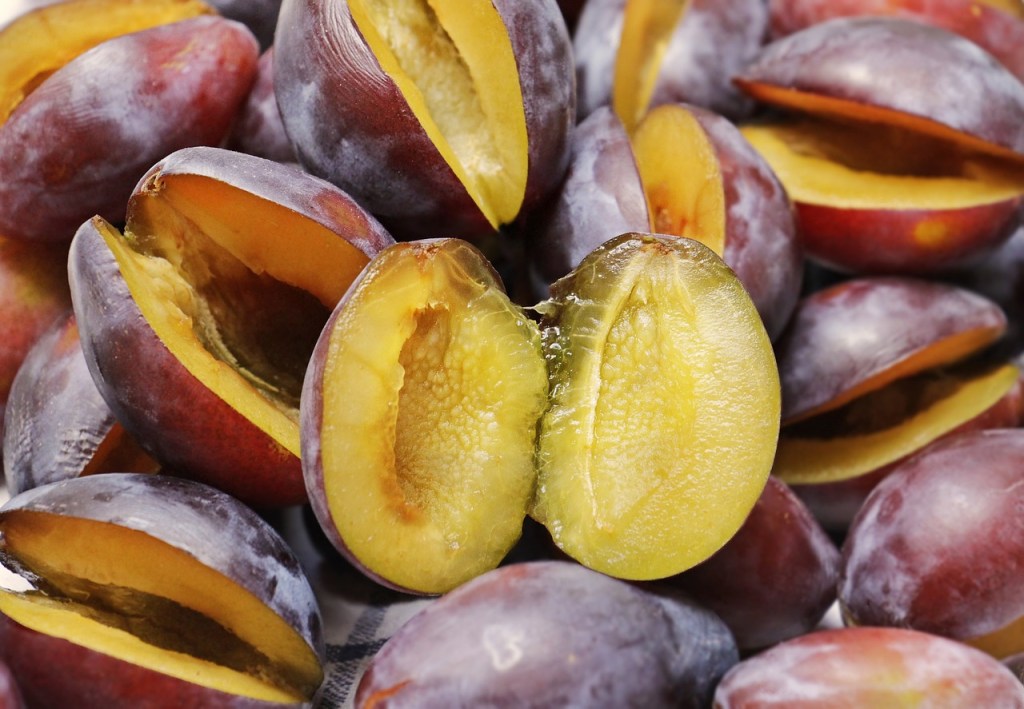
The scale of the donations and the short shelf-life of ripe plums meant that we encouraged our visitors to take as much as they wanted, no holds barred. Alongside this fruit, we also received donations of excess zucchini, cucumbers, tomatoes, root vegetables and more from local gardeners.
These foods were fresher than what we got from the grocery stores, and the irregular sizes, shapes, and colors were popular among our clients precisely because they identified the foods as locally grown.
But as summer ended and the local gardens and fruit trees were depleted, our fresh options dwindled as well. Our produce selection shrank to whatever we received from grocery stores and our regional food bank, rarely in the same quantities as the plums, and never as fresh.
While the term “local food” is thrown around often enough to numb us to its meaning, there are real, tangible reasons why it is important and worth supporting.

Alongside tasting better, fresh foods are more nutritious, and small local operations are far more likely to grow varieties that haven’t been sapped of their nutritional value.
Making local purchases ensures that money stays in the community, rather than heading to a corporation halfway around the world. Foods grown in our community travel shorter distances, which means they have less of environmental impact when it comes to transportation and storage.
I have to note that it’s important to consider what our definition of “local food” is. While contracts and federal funding demand more clarity, my favorite framing of local is food that comes from as close as possible. Only eating locally grown foods is largely unrealistic- there are no cocoa farms in Oregon, so I’m not willing to even try. However, focusing on foods grown in our region when we can adds offers real benefits to our bodies and our communities.
But food banks and pantries were not designed to prioritize fresh options, and the systems we have rarely support local producers or growers.
Where do food pantries get their fresh produce?
- Donations from grocery stores. These donations are often where pantries find a real diversity of foods, based on the store’s options. However, they may vary widely in quality because all stores (and their staff) have different standards for how donations are handled. Some donate foods when they’re just past their peak but still functional, but often times donations are well past their use-by date. It’s not malicious- this is simply a system that doesn’t really work for fresh produce.
- Food banks. These options can come from grocery stores, but also producers and distributors who may have over-ordered or are unable to sell the food for a variety of reasons beyond expiration dates. Food banks are generally able to access and store higher quantities of produce, which in turn helps food pantries offer more consistent choices for their shoppers. An increasing number of food banks have started buying produce in bulk, but generally must prioritize price over place of origin.
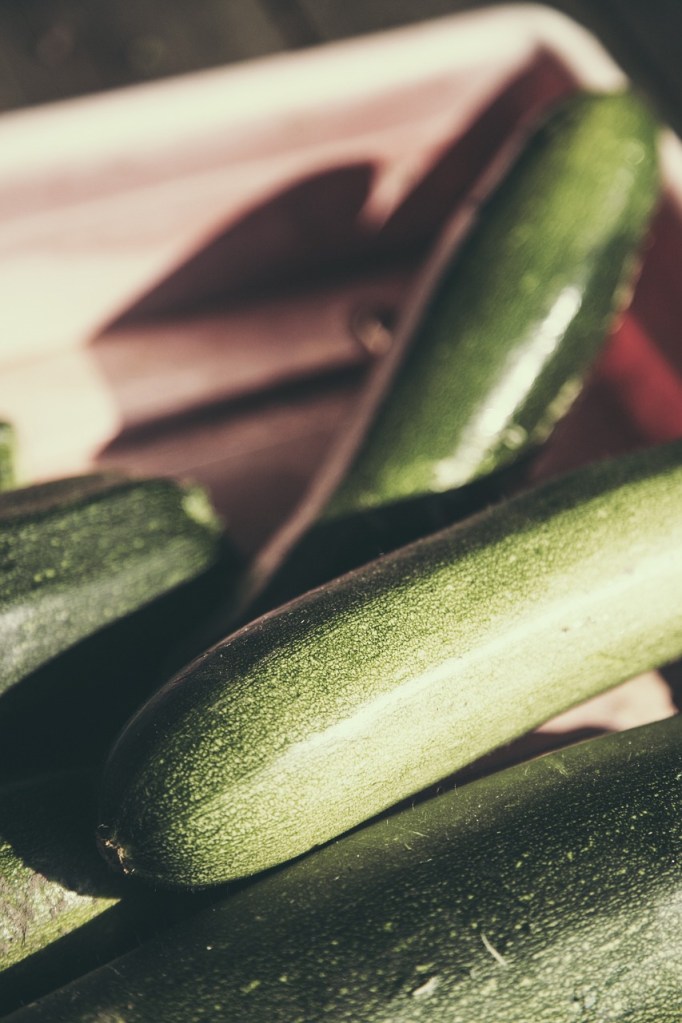
- Community and neighborhood gardens. Some community gardens dedicate specific growing space for their local pantry, while others simply donate their excess. This often helps pantries access foods that grow in abundance, like zucchini, cucumber, tomatoes, and of course plums and other fruits. Getting these foods to the food pantry can sometimes be challenging, because there may not be enough volume to justify the organization doing regular pickups.
The challenge with all of these options is that most of the time fresh produce is donated because no one else wants it. While occasionally mistakes like over-ordering lead to accessing perfectly ripe produce, most donations are made because the food is past its peak or is otherwise undesirable.

Even the community garden donations tend to skew towards ten-pound zucchinis and bruised apples. While these options are still functional, these are not foods that food pantry clients would select at the grocery store or their local farmer’s market.
Offering foods near the end of their lifespan also shortens the timeline of when someone can use it. Providing produce that needs to be eaten immediately means that recipients will not have any fresh produce after just two or three days, and makes it harder to assemble tasty, functional meals.
How can anti-hunger organizations access quality local produce?
- Purchase produce. Since the pandemic, more and more food banks have been purchasing produce to pass on to pantries that is more desirable and lasts longer. With thoughtful purchasing, we can support local farmers, reduces shipping costs, and offers fresher food to clients. It does require a shift in priorities to secure additional funding, so it demands leadership that is clear and committed to the mission of uplifting the health of their community.
- Start their own gardens. While it’s important to recognize the labor and cost of hosting and maintaining a garden, it offers a powerful tool for engaging and educating your neighbors on the value of local food. Few gardens produce enough to make a noticeable impact on food supply, but they still provide an invaluable opportunity to foster enthusiasm for local and fresh produce.

- Connect with farmers markets. One of my food pantries regularly received a donation of excess produce from the farmers market, and it was always magnificent! This food was far fresher than anything we ever got from the grocery store and provided a wider range of culturally specific options. However, one of the main challenges of this partnership is that farmers markets are often weekly events whose schedule may or may not align with food pantry hours.
- CSA (Community Supported Agriculture). This week I connected with a food pantry that buys shares from their local CSA to supplement their fresh produce options, and I’m absolutely enamored with the idea. This is a brilliant way to support local farmers, access fresh produce, and maintain a diversity of options in the pantry. The primary challenge for using this is that CSA shares generally need to be picked up on site, but food pantries who already have volunteers doing donation pickups may be able to add another site to the schedule.
I checked in with my food justice friends to name a few of their favorite CSAs. While the season is winding down, you can still save this list for next spring!
Turkey River Farm in Elkport, IA
Old Homeplace Farm in Oneida, KY
Land’s Sake Farm in Weston, MA
Wild Coyote Farm in Berrien Springs, MI
Three Goats Farm in Oregon City, OR
Zenger Farm in Portland, OR
Old Plank Farm in Plymouth, WI
*There are other ways for people experiencing hunger to access local produce outside of the pantry- such as Double Up Food Bucks and Veggie Rx. Today I’m specifically examining how to get those foods into pantries.
The opinions expressed here are solely my own and do not express the views or opinions of my employer.
Want to learn more about food justice? Subscribe so you never miss a post!

 Reintroducing justice and dignity to the fight to end hunger
One thought on “Fight Hunger with Local Food”