At one of my previous food pantries, we served a woman nearly every week who came to shop with three boys under eight in tow. Cheerful and rambunctious, they behaved expectedly- walking alongside mom quickly devolved into a fast-paced game of tag around the produce table that made us all a little bit nervous. We did our best to keep everyone safe and comfortable but recognized the challenges of running errands with three small children. After waiting in line outside for an hour, it was no surprise they had energy to burn off.
Nearly every time she visited, a volunteer would sidle up to me and comment on how this mom needed to do a better job managing her kids. Not only was she not able to provide them with the food they needed, but she was letting them behave disrespectfully in the pantry!
In the context of a food pantry, rollicking happy children were an indicator of their mother’s inadequacies as a caregiver.

It absolutely would have been easier for everyone- Mom, my pantry staff and volunteers, and other clients if she hadn’t brought her children, but parents rarely have that flexibility. Single parents even less so.
(Today I’m considering the stigma against single moms specifically, but single parents everywhere deal with many of the same barriers.)
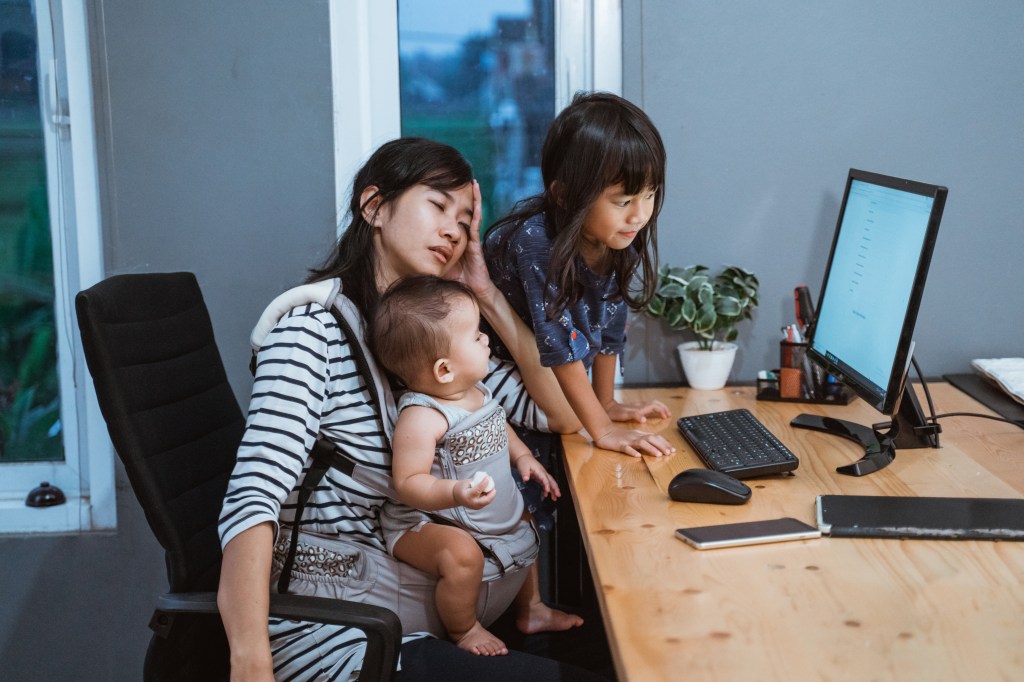
Single mothers are a controversial demographic when it comes to welfare and anti-poverty efforts. While society is generally enthusiastic about fighting childhood hunger, we hold much more complex attitudes about their mothers.
Our society has a specific vision of who deserves food assistance and welfare recognized as “the deserving poor.” These are the individuals we believe deserve assistance because they are unable to change their own situation- namely, children and seniors. Unable to participate in the labor market, these two groups are deemed helpless to conditions around them and are therefore deserving of additional aid.

The problem with creating the deserving poor is that it automatically fosters the idea that there is an undeserving poor- people who do have the capacity to escape poverty, if only they try hard enough. This perspective assumes that economic mobility is possible with enough effort (despite ample evidence to the contrary), largely blaming poverty on the individuals living it.
Single mothers fall somewhere in between the deserving and undeserving poor: no one believes that children should go hungry, but our society also is reluctant to support people for choices we disapprove of, and single motherhood is one of those.
Childcare is still primarily viewed as the domain of women, and societal expectations are that mothers meet all their children’s needs. When women aren’t the perfect parent, they’re seen as a failure.
(Read How the Other Half Eats by Priya Fielding-Singh, PhD for a great analysis of this.)

Distrust of single mothers is also amplified by the concept of the welfare queen. The pervasive myth that women have additional children simply to maximize public benefits colors the support our society is willing to provide. Culturally, we tend to want to punish women for their choice to become a parent rather than lift them up with the support they need.
How can your anti-hunger efforts support single parents?
Design kid friendly pantries. Single parents often have no other option than to take their children shopping. In my wildest dreams, pantries would have a free childcare option or at least a designated play space, but I recognize our world’s not ready for this yet. Baring that, there are child-friendly steps pantries can take:

- Practice flexibility if you have long lines. Do clients have to stay in their spot in line, or can you switch to a number or lottery system? Any parent of a toddler knows that waiting quietly in a long line (full of anxious, worried, and stressed individuals) can be hard, and some parents may prefer to go hungry than face that challenge with their child.
- Offer shopping carts with a child seat, not just baskets, to help parents contain small or active children.
- Maintain a safe space for kids to play. One of my pantries had a bookshelf for donated books that we allowed children to take, and it was not unusual for a parent to have to drag their older child away from a book at the end of their visit. I loved it!
- Flexible hours– including accessibility during school hours, evenings, and weekends. This makes pantries more available for parents who may need to come when their kids are in school, when another person is able to watch them, or when they have the time and flexibility.
The opinions expressed here are solely my own and do not express the views or opinions of my employer.
Want to learn more about food justice? Subscribe so you never miss a post!

 Reintroducing justice and dignity to the fight to end hunger
One thought on “Why Don’t Single Moms Deserve More Support?”