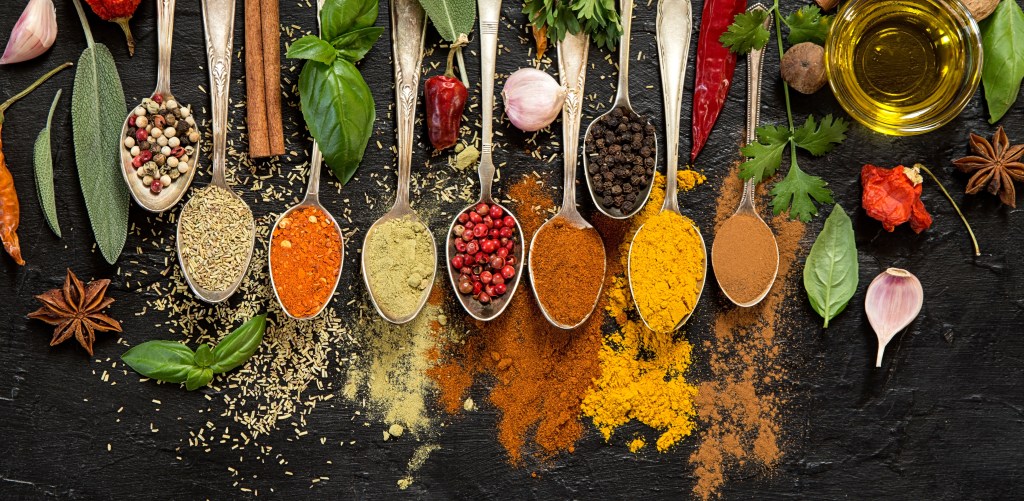
Several years ago, one of my food pantries received a large donation of spices. We were excited as seasonings are always in short supply, and it was a rarity to offer our neighbors cinnamon, thyme, and turmeric.
Although some of the spices went quickly, most of our clients, who had backgrounds in South America, Eastern Europe, and Asia, were not interested in turmeric. Cases of it sat in the warehouse as just a few adventurous shoppers chose to give it a taste.
By complete coincidence, this donation occurred just when our pantry was gearing up for an influx of immigrant families arriving from Afghanistan after the fall of their government. We were struggling to assemble a food selection that adhered to Halal requirements and cultural traditions.

Our Afghani shoppers were thrilled with the turmeric. These families were looking to recreate familiar meals made with whole food ingredients after being thrust into a foreign country, and turmeric was an essential component reminding them of home. Even though we didn’t have all the foods they were used to, an abundance of this spice allowed them to recreate familiar flavors anyways. In no time at all, we gave away all our turmeric.
If you’ve ever donated to a food drive before, you’ve likely contemplated what types of foods you think food pantry shoppers might like. Canned fruits and vegetables, boxed potatoes, and dry beans are all likely selections. Nutritional quality is often a primary factor for choosing what foods to donate, recognizing that access to healthy options can be limited for people experiencing food insecurity. High levels of salt, sugar, and fat are popular concerns.

However, those healthy foods don’t always taste very good on their own. When cooking in your own kitchen, you likely cook in olive oil or butter, add a little salt and pepper, and incorporate other seasonings. No matter how healthy you are eating, you (hopefully) add flavor to your meals.
Taste and the value of delicious food are often neglected components of food security.
Too often, the effort to fight hunger stops with acquiring the basic ingredients without a thought given to the final step of transforming food into a meal.
If we want to encourage families to learn to cook and eat together, we need to ensure they have the tools to do so. Spices are essential for making our food enjoyable, practicing cultural traditions, and evoking memories.

After working with thousands of food pantry clients, I have learned that most people know what they need to do to eat healthy; they simply lack the resources to do so. Although we’ve made progress increasing access to fresh fruits and veggies, it’s still hard to cook collard greens without oil, or to assemble a curry without turmeric or cumin. Even the healthiest eater is unlikely to eat a dry sweet potato unless they have no other options.
Data shows that adding spices and seasoning to meals enhances flavor while increasing nutrient accessibility. But spices are some of the most expensive components of a meal, which means many people experiencing food insecurity can’t afford to buy them.
Why are people living in poverty condemned for not eating healthily when they are denied access to the ingredients that make a meal palatable?

It’s practically a cliché to condemn people experiencing poverty for eating luxurious foods like steak or lobster. But in doing so, we’ve unintentionally reinforced the idea that this population doesn’t deserve to eat things that are delicious. Certainly, steak and lobster are regularly treated as inappropriate because of their cost, but also because they are delicious. People experiencing hunger aren’t considered deserving of delicious food.
I emphatically believe that it’s possible to eat healthy food that also tastes wonderful, but only when we have the tools necessary to succeed. We can build a world where we all have access to healthy food, and meals that leaves us content to sit at the table for just one more pleasurable bite.
How do we build anti-hunger spaces celebrating delicious food?
- Spice drives. Let your donor community know the importance of making food taste good by encouraging everyone to donate spices and seasonings. The more variety, the better!
- Taste tests. Prepare meals using only the options available at your organization. This is a great opportunity for staff and volunteers to experience the reality of working with limited options. Celebrate when you have the ingredients you need to make something truly delicious, but don’t shy away from discussing why it doesn’t taste delicious, and the challenges this raises for your shoppers.
- Purchase seasonings. Food banks and pantries are increasingly making their own food purchases. Find out the spices in highest demand at your organization and consider adding them to your purchased foods. A little can go a long way and can help other staple ingredients taste better and be more versatile.
The opinions expressed here are solely my own and do not express the views or opinions of my employer.
Want to learn more about food justice? Subscribe so you never miss a post!

 Reintroducing justice and dignity to the fight to end hunger
4 thoughts on “Can We Make Food Pantry Food Delicious?”