
My food pantry often receives donations of food from other organizations that are unable to distribute it for a variety of reasons. Recently, staff from one of these pantries stopped by with a donation as I was loading up a cart of butter. Several of the cases had been crushed, and butter was oozing out of the packaging. It was a mess, and the ruined boxes were inappropriate and unsafe for anyone to eat. I quickly sorted through them and tossed them in the garbage without a second thought.
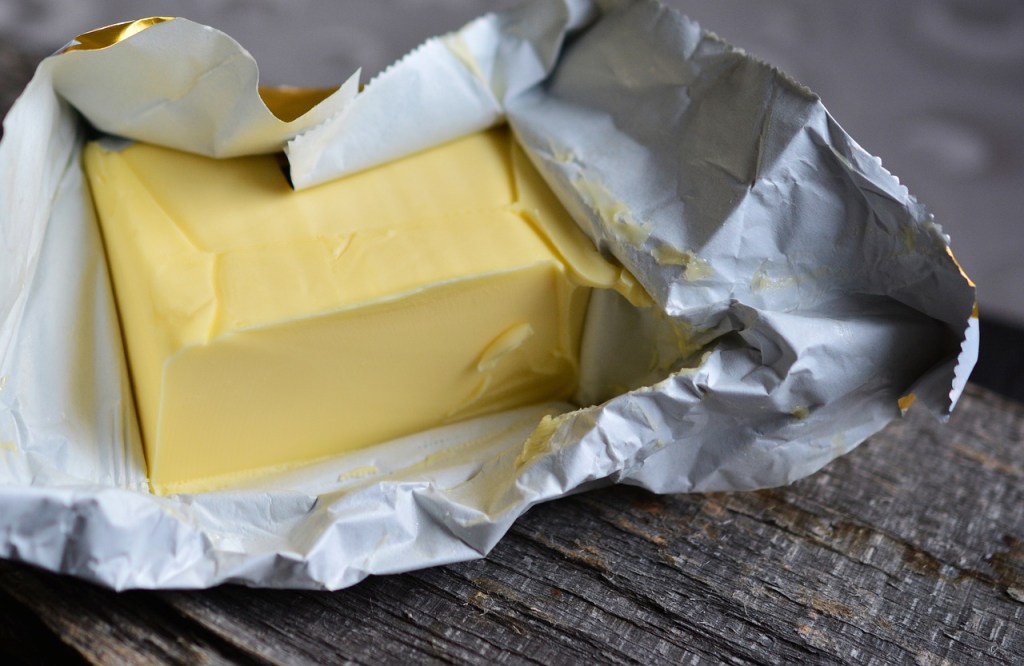
The staff from this other pantry watched me do this with horror. “You’re just throwing it out? Can we take it? I can’t believe you threw it out!”
This request was an uncomfortable surprise. As the packages were clearly damaged and leaky, they were not safe to distribute according to food banking guidelines. I did not let them take the butter.
This incident makes me reflect on the bigger question of what exactly our two food pantries are trying to accomplish, and how we use wildly different strategies to pursue those goals.
For many years, the traditional food pantry model has operated under the idea that quantity of food distributed is the primary measure of success. Pounds given away is the easiest metric available, and combined with the attitude that people should be “grateful for what they get,” has produced a culture that encourages and rewards the process of giving as much food away as possible, prioritizing quantity over quality. This results in food pantries eager to share ruined packages of butter with their clients.

Luckily, the food banking industry is slowly transitioning towards a focus on dignity, which challenges the assumption that quantity trumps quality. This requires anti-hunger organizations to consider the quality of the food they are distributing and how it impacts the people who eat it instead of focusing on our need to give it away.
In many cases, this means throwing out food that you might salvage in your own kitchen, but is inappropriate for a food pantry.
This dichotomy is why I am wary about conversations celebrating the reduction of food waste by donating to food pantries. It perpetuates the idea that it’s okay for people experiencing hunger to eat food that should be thrown away.
If an onion has a little mold on it, it’s quite easy to cut and peel the bad spot off and use the rest. However, no one has ever left a food pantry with a moldy onion and felt excited, respected, or supported. Volunteers and leadership may baulk at the idea of throwing the onion out, citing fears that clients won’t have enough food. A single onion will never make-or-break someone’s food security. But when we make a habit of distributing food of poor quality; slimy lettuce, mushy bruised pears, and packs of butter that look like they were run over by a truck, then we are hurting food security and obstructing food justice. Quantity can never overcome poor quality when it comes to food.
When our goal is to distribute as much food as possible, we fail to offer the support our community really needs while also disrespecting our shoppers.
As hunger needs rise, food pantries must prioritize increasing our food supply. But when that is our only measure of success, it focuses entirely on our side of this transaction.
Saving food from the garbage and giving away as much as possible looks great to donors, volunteers, and supporters, but it entirely disregards the needs of our shoppers.

When food pantries make empathy our primary focus, examining what it’s like to receive our own food options can be transformative. We will always need to prioritize seeking more resources, finding new donors, and building a stronger food supply (until we solve the root causes of hunger). But if we don’t intentionally and deliberately examine what food we are distributing and why, food pantries can lose track of our common goal to ensure that everyone has the food they need to thrive.
The opinions expressed here are solely my own and do not express the views or opinions of my employer.
Want to learn more about food justice? Subscribe so you never miss a post! Look for one email in your inbox every Monday morning.

 Reintroducing justice and dignity to the fight to end hunger
Absolutely. Being in poverty at one era of my own life, my children and I endured heartless mockeries from supposed charitable food organizations. Most of what my small family and I received in our allotment barely had anything edible as most was old, moldy, outdated, and wilted. Little do those who proudly pat themselves on the back realize the terrible impact this has to another person’s dignity that will last them a lifetime!
LikeLike