Years ago, at one of the first food pantries I managed, I had an organizing problem. For some reason, I kept finding canned goods in the wrong sections, despite my careful signage and meticulous sorting. My assistants were high school students, mostly immigrants from a certain region in Africa, who were committed to helping the pantry run smoothly, so I was unsure what was going on.
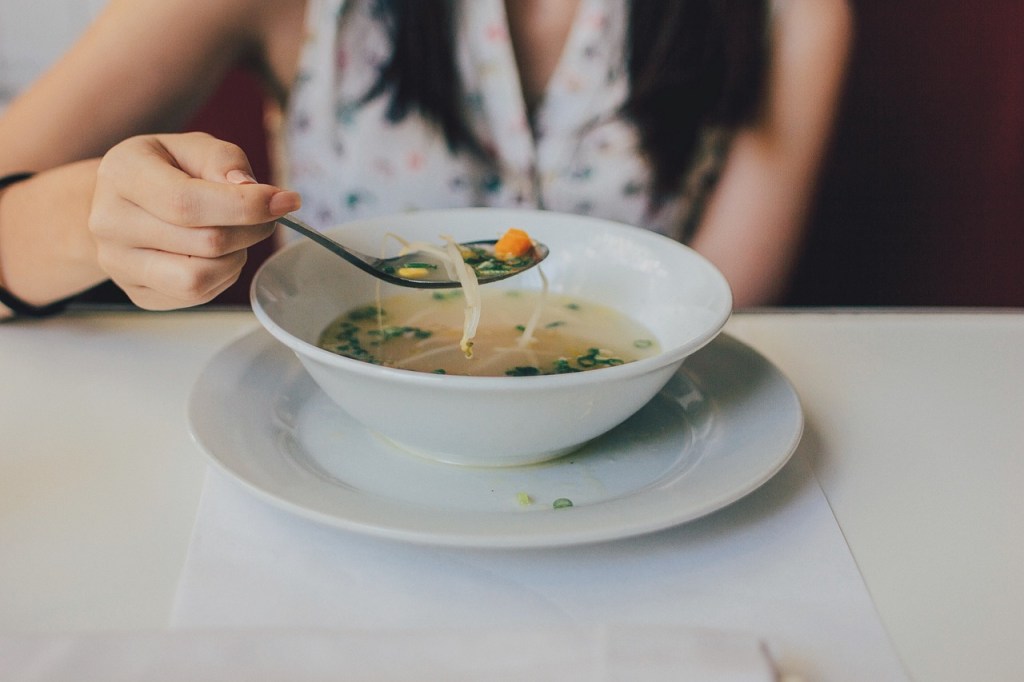
One day, I had a student ask me to explain what broth was as they didn’t know what shelf to put it on. This led to the discovery that they had never eaten soup before. Soup was not a part of their culinary tradition. Suddenly, it made sense why I kept finding chicken noodle soup in the pasta section, minestrone on the vegetable shelf, and chili among the beans.
The foods we grow up eating and the culinary traditions our cultures practice are deeply ingrained in our identities. They are so much a part of us that it can be exceptionally easy to forget that they are not shared by everyone around us.

I had not considered that these students might not recognize all the foods we were distributing. Since many of them were also food pantry clients, this also taught me that my food pantry was offering up foods that their families didn’t eat. This is an easy mistake to make, and one that is seriously detrimental to how we fight hunger.
It is essential that we ensure people experiencing food insecurity have access to foods that are comfortable for them, and not just easy for organizations to distribute.
Food pantries, and nonprofits in general, tend to be led and managed by people of homogenous backgrounds. This means that services will always skew towards the traditions and practices of their specific culture, even when clients have a different background. Although anti-hunger advocates have made great strides in developing a diversification of services, we still have a long way to go.

This past week, my current food pantry moved into full Thanksgiving mode.* We are lucky enough to have turkeys for everyone, along with stuffing, mashed potatoes, gravy, and canned pumpkin. This abundance is immensely popular- it was our busiest week in history.
But we also served hundreds of households who don’t celebrate Thanksgiving and came to us for cabbage, and peppers, and stew meat and the day-to-day foods that make them happy. It takes deliberate and conscious effort to ensure their needs are not subsumed by the demand for Thanksgiving foods, since our organization’s leadership and volunteer community are overwhelmingly celebrants who haven’t considered that anyone might not be mashing potatoes or baking pie this week.
How Food Pantries Can Prioritize Culturally Specific Foods:
- Encourage clients to volunteer (all food pantries should do this anyways, for a thousand reasons). Clients will have the best insights into what foods work and what doesn’t, and what their community wants more of. They may also recognize these foods when they’re donated, since they can be unfamiliar to other culinary traditions.
- Examine the demographics of your clientele. Even anecdotal information will give you valuable insight- if you serve a significant population of a specific community, you should discuss with them what foods they might be looking for.

- Let people take what they want, and as much as they want. Many of my eastern European clients are thrilled to take 5-6 cabbages, while our Latinx families are particularly enthused by bags of peppers. Mandating that everyone gets an equal amount of both only ensures that everyone’s cultural preferences are denied, while letting them take what they needs empowers them eat how their culture practices.
- Experiment. Don’t shy away from foods just because you don’t know what to do with them. You may learn that no one really wanted that specific food, or you may realize it’s in high demand and you just hadn’t heard the requests for it. This can be a fun opportunity for staff and volunteers to learn about new foods.
*While I respect the importance of culinary tradition, it’s also important to remember that the origins of Thanksgiving are found in a myth crafted to obscure a history of colonization and the genocide of millions of Native Americans. For many, this day is a day of mourning.
The opinions expressed here are solely my own and do not express the views or opinions of my employer.
Want to learn more about food justice? Subscribe so you never miss a post! Look for one email in your inbox every Monday morning.

 Reintroducing justice and dignity to the fight to end hunger
4 thoughts on “Respecting Culinary Traditions: I Don’t Want to Eat What You Eat”