Learning to Cook Won’t Solve Hunger

Americans love to judge what people are eating. We have complicated and contradictory expectations about what and how people experiencing hunger should eat. One of the dominant assumptions I hear far too often is that people living in poverty make poor food choices, and that different decisions would improve both their budget and health. A common solution to this assumption is to teach people to cook.

Identifying a lack of cooking skills as a root cause of hunger transforms it into an individual rather than a systemic problem. It shifts the responsibility of solving hunger from policy-level to one of individual responsibility.

It’s also completely wrong. Hunger has very little to do with the individual choices anyone makes.
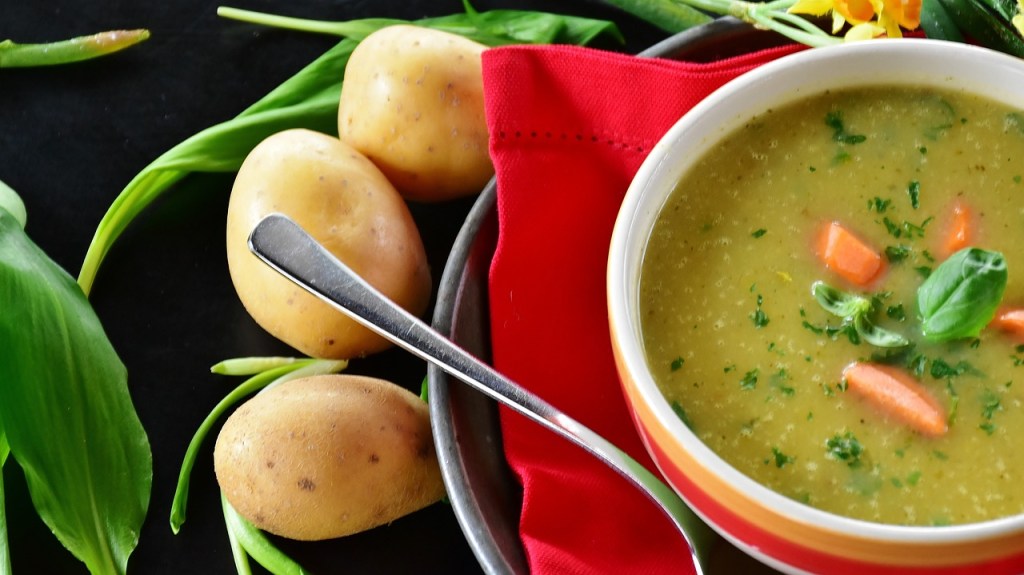
People experiencing hunger do not have worse cooking skills or nutritional knowledge than individuals who are food secure. They face greater barriers to accessing and cooking healthier foods.

Every day at my food pantry, I engage with clients who admire our fresh produce but then explain how their 16-hour workday, or lack of refrigeration in their apartment, or disability that keeps them from standing too long, prevents them from utilizing these foods.

When people aren’t using emergency food assistance programs, fresh produce is more expensive and primarily available at larger grocery stores. It can be hard for low-income communities inundated with gas stations and convenience stores to find fresh options, and what is available is often more costly.

Even when whole foods are accessible, cooking from scratch is time-consuming. Many households experiencing food insecurity work long hours and/or multiple jobs, which limits both time and physical capacity to prepare fresh meals. Anyone who has worked a long day knows how hard it can be to get home and assemble a labor- and time-intensive meal.

Cooking Education is a Solution to the Wrong Problem

Many anti-hunger organizations host or facilitate cooking classes. I love to cook and believe that everyone benefits from being comfortable in the kitchen. However, it is important to not foster the narrative that better cooking skills can end hunger. Teaching a family how to prepare dry beans does not help them escape poverty.  Even if this saves a couple dollars, it is unlikely to make a meaningful impact on anyone’s budget (Millennials tired of avocado toast condemnation will sympathize).

And far too often, cooking classes focus on foods and meals familiar to program leadership, which may not be the same as their clients. Creating a culinary curriculum intended to save money or improve health can easily dismiss the practices and foods important to the community being served.

Most people know the essentials of healthy eating, but face enormous systemic barriers to actually changing how they eat.

How to effectively partner cooking education with anti-hunger advocacy:

  • Present cooking classes as a community activity, a social event, and an effort to help people have fun in the kitchen. Improved skills and confidence in the kitchen can greatly increase quality of life, but they are not an anti-hunger solution. Organizations that present cooking classes as budget savers should tread carefully, recognizing the tradeoffs in time spent and cultural relevance. (Learning to cook with dry beans is a dominant theme of anti-hunger cooking classes, but it requires extra time that people might not have and neglects the fact that many cultures don’t eat beans. It’s great for people to try new foods, but we never want to dismiss them as less valuable than what people are already comfortable eating.)
  • Practice community leadership. Ask food pantry clients to teach how to make culturally relevant dishes. Celebrate their traditional preparation methods. Make sure the foods available are appropriate, useful, and accessible to participants.
  • Don’t ever waiver from the concept that hunger is a systemic problem and that it requires systemic solutions. Our individual efforts can make an individual impact, but they don’t change how inequality is structured. Cooking classes should be treated as a supplemental option, rather than a targeted solution.

The opinions expressed here are solely my own and do not express the views or opinions of my employer.

Want to learn more about food justice? Subscribe so you never miss a post! Look for one email in your inbox every Monday morning.

Respecting Culinary Traditions: I Don’t Want to Eat What You Eat

Years ago, at one of the first food pantries I managed, I had an organizing problem. For some reason, I kept finding canned goods in the wrong sections, despite my careful signage and meticulous sorting. My assistants were high school students, mostly immigrants from a certain region in Africa, who were committed to helping the pantry run smoothly, so I was unsure what was going on.

One day, I had a student ask me to explain what broth was as they didn’t know what shelf to put it on. This led to the discovery that they had never eaten soup before. Soup was not a part of their culinary tradition. Suddenly, it made sense why I kept finding chicken noodle soup in the pasta section, minestrone on the vegetable shelf, and chili among the beans.

               The foods we grow up eating and the culinary traditions our cultures practice are deeply ingrained in our identities. They are so much a part of us that it can be exceptionally easy to forget that they are not shared by everyone around us.  

I had not considered that these students might not recognize all the foods we were distributing. Since many of them were also food pantry clients, this also taught me that my food pantry was offering up foods that their families didn’t eat. This is an easy mistake to make, and one that is seriously detrimental to how we fight hunger.

It is essential that we ensure people experiencing food insecurity have access to foods that are comfortable for them, and not just easy for organizations to distribute.

Food pantries, and nonprofits in general, tend to be led and managed by people of homogenous backgrounds. This means that services will always skew towards the traditions and practices of their specific culture, even when clients have a different background. Although anti-hunger advocates have made great strides in developing a diversification of services, we still have a long way to go.

This past week, my current food pantry moved into full Thanksgiving mode.* We are lucky enough to have turkeys for everyone, along with stuffing, mashed potatoes, gravy, and canned pumpkin. This abundance is immensely popular- it was our busiest week in history.

But we also served hundreds of households who don’t celebrate Thanksgiving and came to us for cabbage, and peppers, and stew meat and the day-to-day foods that make them happy. It takes deliberate and conscious effort to ensure their needs are not subsumed by the demand for Thanksgiving foods, since our organization’s leadership and volunteer community are overwhelmingly celebrants who haven’t considered that anyone might not be mashing potatoes or baking pie this week.

How Food Pantries Can Prioritize Culturally Specific Foods:

  • Encourage clients to volunteer (all food pantries should do this anyways, for a thousand reasons). Clients will have the best insights into what foods work and what doesn’t, and what their community wants more of. They may also recognize these foods when they’re donated, since they can be unfamiliar to other culinary traditions.
  • Examine the demographics of your clientele. Even anecdotal information will give you valuable insight- if you serve a significant population of a specific community, you should discuss with them what foods they might be looking for.
  • Let people take what they want, and as much as they want. Many of my eastern European clients are thrilled to take 5-6 cabbages, while our Latinx families are particularly enthused by bags of peppers. Mandating that everyone gets an equal amount of both only ensures that everyone’s cultural preferences are denied, while letting them take what they needs empowers them eat how their culture practices.
  • Experiment. Don’t shy away from foods just because you don’t know what to do with them. You may learn that no one really wanted that specific food, or you may realize it’s in high demand and you just hadn’t heard the requests for it. This can be a fun opportunity for staff and volunteers to learn about new foods.

*While I respect the importance of culinary tradition, it’s also important to remember that the origins of Thanksgiving are found in a myth crafted to obscure a history of colonization and the genocide of millions of Native Americans. For many, this day is a day of mourning.


The opinions expressed here are solely my own and do not express the views or opinions of my employer.

Want to learn more about food justice? Subscribe so you never miss a post! Look for one email in your inbox every Monday morning.

Keep Calm and Fight Hunger

Historically, the week before Thanksgiving is the busiest of the year for our food pantry. Combined with the growing need and fears of yet another government shutdown, it will likely be the busiest week in our organization’s history. Record-high attendance last week attests to this.

High demand and even higher stress levels add to the difficulty of maintaining a space that feels welcoming, abundant, and respectful. Such high numbers deplete our food supplies and adds to the stress felt by staff and volunteers alike while fostering fears of scarcity in our shoppers. Yet it is still possible to ensure that everyone feels welcome, seen and nourished despite the chaos.

Here’s how other organizations can replicate this success.

How do we maintain an attitude of abundance in a high stress environment?

  • We encourage our clients to take as much as they want of as many items as they can. At the beginning of every day, we’ll ensure our shelves are filled to bursting with canned goods and pay special attention to items that feature in holiday dishes like canned pumpkin, green beans, and cream of mushroom soup. It is more work to keep the shelves full, but pays off in the relief we can see in our clients’ faces as they wheel full shopping carts out the door. It can also help make up for the essential ingredients we generally don’t have- like evaporated milk, sugar or flour.
  • We are excited and enthusiastic to welcome new clients. As soon as they walk in the door, they are greeted with “I’m so glad you made it in today! We’re excited to help you out!” This makes a huge difference in ensuring people feel welcome, even after waiting in a long line outside in the cold. We’ve created a specific volunteer role dedicated to providing a welcome and orientation for first-time shoppers, which both improves flow and gives our new shoppers confidence that we are truly pleased to welcome them.
  • I make sure my team feels appreciated. We’re working harder than anyone else I know, and at the end of the day it’s easy to see the fatigue in everyone’s faces. It’s essential that anti-hunger advocates celebrate and highlight our individual contributions. Too often, nonprofit organizations take for granted the enormous burdens that their staff shoulder in order to foster success, which is an easy way to burn out your best people.

Hunger is a systemic problem and can’t be solved just by offering food to those who need it, but at the same time, hundreds of families will enjoy a bountiful holiday dinner thanks to the efforts of food pantries across the country. By making simple adjustments in how we display food, treat our clients, and appreciate our contributions, we make enormous progress in building more effective, dignified, and welcoming emergency food assistance programs.

The opinions expressed here are solely my own and do not express the views or opinions of my employer.

Want to learn more about food justice? Subscribe so you never miss a post! Look for one email in your inbox every Monday morning.

No One Needs to Be Grateful For Food

“They should just be grateful for what they get!”

If you spend enough time around food pantries, you will inevitably hear this comment. Most often, it’s a default response to an individual in need expressing any level of discomfort, asking for accommodation of a dietary need, or even just pointing out a spot of mold on a loaf of bread. Anything that can be perceived as criticism of emergency food services is often interpreted as a lack of gratitude, and subsequently condemned. 

While the practice of gratitude can be healthy and fulfilling, demanding it at a food pantry is neither. 

Gratitude cannot be required. That’s why it is a beautiful and powerful emotion- it must be voluntarily fostered and practiced. 

Demanding that someone experiencing food insecurity be grateful for otherwise discarded food is the ultimate assertion of dominance. 

There is an enormous power differential between team members and clients at food pantries. Staff and volunteers determine what type and how much food clients can get. We grant or deny access to foods that reaffirm their culture, traditions, and health. We choose when and how rules are enforced, and we determine what behaviors can strip someone of the privilege of receiving food altogether.

Emergency food access programs have a long history of seeking to control behavior. Work requirements, drug testing, and other policies embody the assumption that hunger results from poor decision making. This reasoning is used to justify strict programs limiting individual choice. Knowing that food is necessary for survival, it’s a powerful way to assert authority and mandate specific behaviors (even though they’re not found to have much effect). Somehow, the idea persists that demanding gratitude from a person in need can also be a tool to help them succeed.

We all need food to live. The question of “who deserves to eat?” is essentially synonymous with “who deserves to live?”

Every person deserves a healthy, nourished life.

Even though there are an abundance of barriers preventing access to the foods people need to lead that healthy life, they still deserve it unconditionally.

Most of the foods that food pantries distribute have already been rejected by someone else. Cans may be dented, some items are expired, and many of the fresh options are nearing the end of their lifespan. Even the most dignified organizations depend upon reframing the reality that most of their food is salvaged from food waste. 

It’s incredibly gratifying when a food pantry client leaves the building with tears in their eyes, effusively gushing about the impact that the food pantry had on their life and the gratitude in their heart. Everyone feels good after that kind of encounter.

But it’s essential to remember that a food pantry has just as powerful an impact on the client who is angry that they need a food pantry at all, who is frustrated from a day of enduring microaggressions, who is resentful of the cheerful person who arrived in a shiny BMW telling them they can’t have an extra can of green beans. This individual is just as deserving of food as anyone else, and food pantries need to ensure that they have systems and practices that do not allow this client to be treated with anything other than respect and dignity.

The opinions expressed here are solely my own and do not express the views or opinions of my employer.

Want to learn more about food justice? Subscribe so you never miss a post! Look for one email in your inbox every Monday morning.