
Food banks and pantries do essential work. Hunger is a dominant and growing problem in our country, and having the capacity to provide a family with several days’ worth of food makes a huge difference. But it is essential to recognize that the emergency food assistance program, and the systems we’ve built around it, are merely a band-aid. We cannot solve hunger by handing out free food because the conditions that perpetuate hunger have nothing to do with food.
Especially since the surge of racial justice protests of 2020, there has been greater public discussion, although still inadequate, of how inequality is engrained into our daily life.
Anti-hunger organizations and individuals are beginning to acknowledge that hunger is caused by systems of oppression that deny people access to the resources they need.
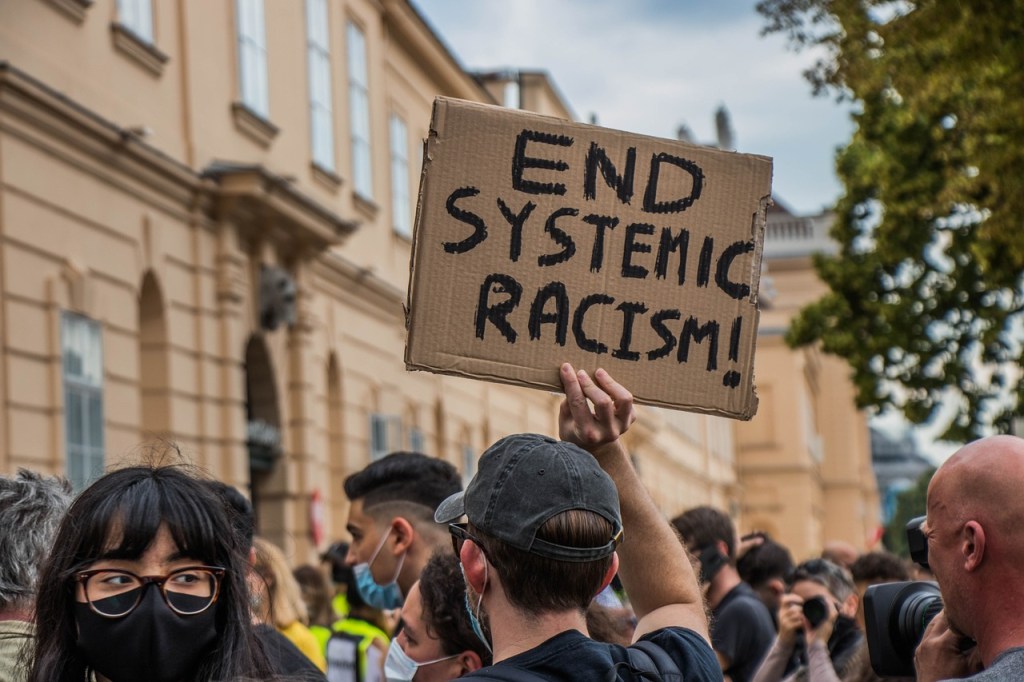
We live in a world where access to resources and opportunity to thrive are heavily determined by race, gender, sexual identity, and ability, among many other forms of discrimination.
Certain identities face greater barriers than others in finding affordable housing, living wages, accessible healthcare, and communities where they feel safe and welcome. Denial of any of these conditions makes it harder for people to access, afford, purchase, and prepare the food they need to thrive. The higher risk of hunger for demographics who experience greater rates of oppression clearly demonstrates how it is a systemic, and not an individual, problem.
To effectively address hunger, it’s important for anti-hunger advocates to learn who faces greater barriers to food access both out in the world and in their own organization.
As an example, my food pantry has a distinctly religious logo. Even though it has been many years since we were affiliated with a church, it’s impossible to tell that we aren’t a faith-based organization. In the past three years, I’ve heard from multiple LGBTQIA+ clients that they were initially hesitant to use our services due to fear of the attitudes they might encounter and a history of hate from religious institutions.

LGBTQIA+ individuals have experienced hostility, poorer service, or even violence when seeking social services from religious-based charities. It has only been through a very slow process of establishing our reputation as an inclusive space that we’ve seen an increase in our LGBTQIA+ clientele, since changing the logo is not an option. Although this evidence is anecdotal, it’s clear that fear of discrimination is a significant barrier to food access for many in my community.
Before I began deliberately welcoming LGBTQIA+ individuals to our pantry, it would have been easy to assume that this demographic didn’t need our services since they weren’t coming. Without considering why people aren’t utilizing our resources, we may completely ignore the needs of the community.
Fighting discrimination is hard but if we really want to end hunger, we must address oppression.
It is inadequate for emergency food assistance programs to just offer food. While pantries are an essential service, and one I passionately believe in, providing food to those who come for it only overcomes the smallest barriers. If we aspire to make food justice a priority, it is imperative that food pantries tackle the big problems. This means honestly evaluating what systems are keeping the most vulnerable communities away from our resources, and how our efforts may contribute to those barriers.
Here are three questions for food pantries to examine the potential barriers they may reinforce:
1. What is the makeup of the leadership, staff, and volunteer base?

A homogenous group both looks unwelcoming to others, but also means that your decision-making lacks diversity. If your pantry team is of all the same cultural background, you are unlikely to prioritize foods that you are unfamiliar with, even if they are important for the communities you serve. If there is no one who speaks the language on the team, it’s harder for those clients to even learn about services, let alone utilize them. If there’s no one with lived experience of hunger guiding decision-making, it’s easy to implement policies based on assumption rather than reality.
2. What’s the culture of the pantry?
Are clients monitored for their behavior or choices as they shop? It’s highly probable that implicit bias plays a role in how clients are supervised. The more rules your program implements, the more opportunities there are to enforce them unequally. This is why I advocate for as few rules as possible, and is why my pantry does not require our shoppers to move along a specific pathway. We have more traffic jams, but we don’t manufacture opportunities for people to do something wrong. This is also one reason why I oppose setting limits on how much food people can take.
3. Do they practice trauma-informed care?
People visiting a food pantry never just face hunger. On top of the challenges of paying rent, buying their children new shoes, and maintaining their prescriptions, it’s likely they’re also enduring racial harassment, sexual violence, or ableist discrimination. If your organization is knowledgeable and empathetic to these burdens, your shoppers are more likely to feel respected and welcomed. If you prioritize just giving everyone food, you ensure these clients feel silenced and invisible.
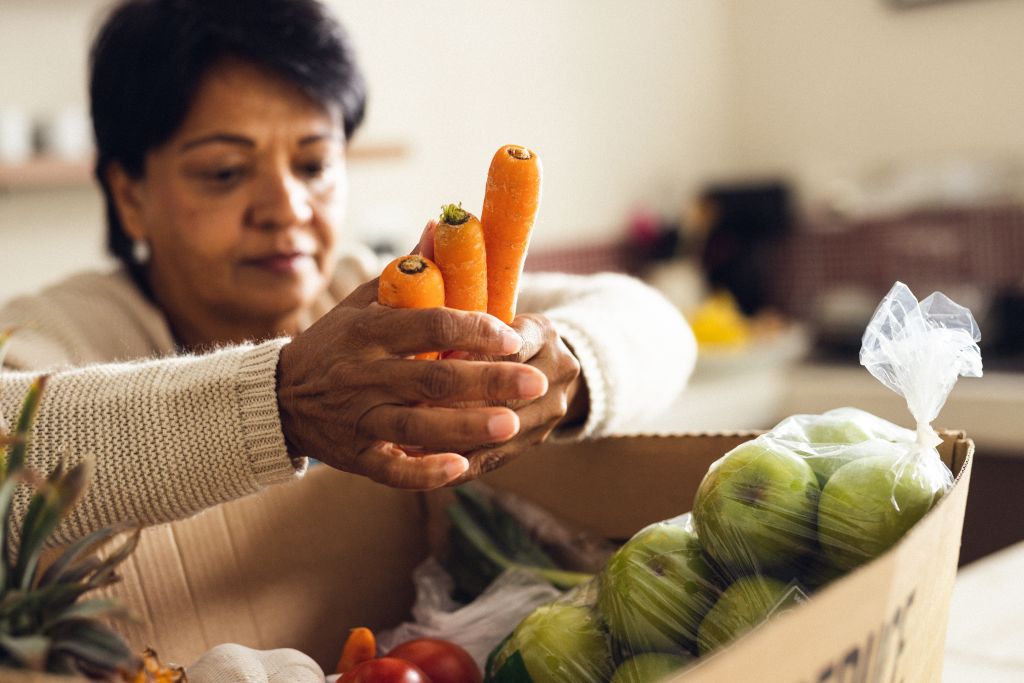
By deliberately evaluating how your pantry can overcome the barriers faced by our most vulnerable populations, we make food more accessible for everyone. If we really intend to end hunger, then we have no excuse for ignoring the communities with the highest needs.
The opinions expressed here are solely my own and do not express the views or opinions of my employer.
Want to learn more about food justice? Subscribe so you never miss a post!

 Reintroducing justice and dignity to the fight to end hunger
3 thoughts on “Ending Hunger: Why You Should Break Down the Greatest Barriers First”