
As someone with an autoimmune disorder, at the beginning of the pandemic I was one of the individuals warned to be extra careful about exposure. To reduce my risk, I initially tried utilizing a grocery delivery service.
Although it was convenient to not make the physical trip to the store, I was quickly frustrated by the choices that my shoppers made, even when I could not have articulated my preferences beforehand. I had envisioned getting a slightly smaller onion. I wouldn’t have picked the lettuce with the wilted spot on the edge. Almond flour was not an acceptable substitute for cassava flour.
Having the power to make our own food choices is important. Not only does it allow me to eat what my body wants and culture practices, but also offers empowerment. Allowing someone else determine our food choices feels infantilizing and undignified.
The emergency food assistance system has long fostered the attitude that people experiencing hunger do so through their own failures, and need an authority to guide them in the right direction which justifies denying them choice in the matter.

For many years anti-hunger programs have offered very few opportunities to people experiencing hunger to select their own foods, or labeled individuals “ungrateful,” if they dared make special requests.
In traditional food pantries, opportunities for individuals to make their own choices can be severely limited. Food pantries are dependent on donations, and rarely have all the options that a family needs. Most also utilize systems that limit what and how much families can take, which means the ability to make decisions based on individual wants is significantly curtailed.
While I passionately believe that food pantries are powerful tools for implementing food justice, it’s important to call out these weaknesses so that we can begin to build better and more equitable systems.
We can do better (and many programs do!)

Food justice requires honoring the needs of every individual. This can only be accomplished by ensuring everyone has the power to choose their own foods. We all know our own needs best, and having the autonomy to make those decisions brings empowerment and dignity to our relationship with food.
It is inadequate for food assistance programs to provide food without allowing choice.
What programs allow people experiencing hunger make their own food choices?
-Grocery model pantries. This style of food pantry allows clients to make their own selections of what foods they want, and an increasing number allow clients to take the quantities they need as well. Although food pantry options will always be limited by their inventory which depends upon donations, this model provides people experiencing hunger with an experience as close to a grocery store as possible.
-Supplemental Nutrition Assistance Program (SNAP). SNAP provides dollars for families to make their own food purchases with few restrictions, and are one of the most effective ways to ensure people have access to foods that work for them. SNAP generally can’t be used on hot foods or dining out, but give families essential resources for making their own choices about what they need in the grocery store.
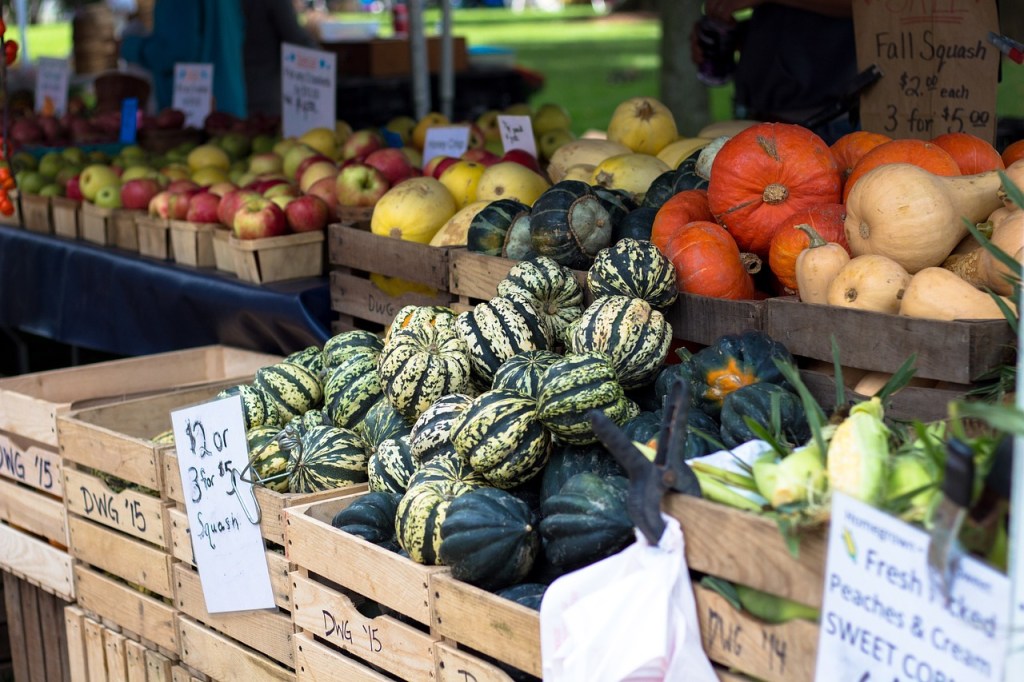
–Double Up Food Bucks. This program matches SNAP dollars (generally up to $10) spent at farmers markets, providing shoppers with $20 to spend on fresh produce. This is a fantastic and growing program, as it makes farmers’ markets significantly more accessible to people with limited funds for food. Farmers’ markets are known for offering high quality but expensive produce that is often out of reach for low-income individuals. Available in 27 states, this program empowers participants to support their local farmers while increasing their power of choice and quality of food available.
I’m sure there are more programs that do incredible jobs of increasing choice and access- please feel free to share!
The opinions expressed here are solely my own and do not express the views or opinions of my employer.
Want to learn more about food justice? Subscribe so you never miss a post!

 Reintroducing justice and dignity to the fight to end hunger
4 thoughts on “No One Knows What I Should Eat Better Than Me”