
This week at my food pantry, as I walked by the long line of clients eagerly waiting to come inside to shop for groceries, I heard one woman on her cell phone say, “I’m already three months behind on my rent. I need all the help I can get.”
Unfortunately, this is not a unique story. Particularly as the holiday season approaches and people struggle with the impacts of inflation, more and more families will make hard choices about what they can afford and what they can do without, and far too often food is the easiest to cut.

At about this time every year, food banks and pantries across the country also begin strategizing and planning for the influx of need that accompanies the holiday season and the dark, colder months.
Emergency food access programs are bracing for a crush of clients as the need continues to rise.
We increasingly encounter clients forced to choose between buying food or heating their home, or paying rent, or purchasing new jackets for their children, or staying up-to-date on their medication.
Luckily, the holiday season also tends to bring a huge interest in donating food. Food banks and pantries will soon start to see a significant increase in both direct donations from individuals as well as through food drives. While we can’t solve most of the challenges faced by our clients, we can work to get them the food they need so their money can be spent elsewhere.
The food we offer our clients can make a huge difference as to whether we can really meet their needs, or simply alleviate an immediate crisis, so being thoughtful about your choices can have a powerful impact. If your or your community are contemplating donating to anti-hunger programs, here’s what you should know.
What we love:
Donate foods that make YOU happy. If you love it, chances are someone in our clientele will love it too. We serve an incredibly diverse population, and I’ve yet to encounter a food that someone doesn’t want. Go ahead and donate canned dolmas, giant jugs of chili oil, and bags of dried mushrooms. Someone’s got a recipe they’re excited to try.
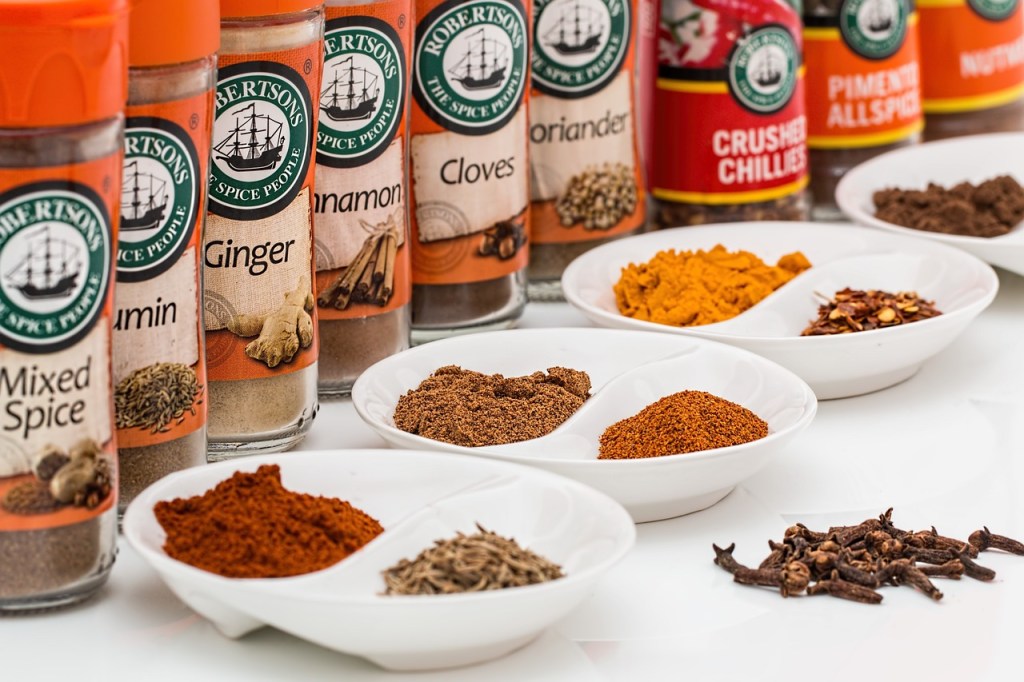
Seasonings and condiments. There is a strong emphasis on donating healthy foods right now (as there should be) but even with all the healthy options in the world, it can be hard to make them into a tasty meal without salt, pepper, herbs, or spices. These are more expensive ingredients, which means they are donated less frequently.
Baking ingredients. While boxed mixes are wonderful for many people, we also serve plenty of clients who are delighted to make their own bread, cookies for their grandkids, or sometimes even pastries for food pantry staff! We are chronically low on flour, sugar, baking soda and powder, baking chocolate, and other ingredients for from-scratch baking. These items in particular often help people celebrate their culture and traditions, and we love any chance we have to uplift them.
If you’re planning a food drive and know the specific organization you want to donate to, call and ask what they need! They will probably have some very specific answers, and appreciate your attention to their food supply.
What we don’t love:

Homemade foods. You may be the most accomplished canner in the world, but we don’t know that, and all our foods must be made in a commercial kitchen so we cannot give away your beautiful homemade jam.
Open and partially-used foods. If you’re moving or cleaning out your kitchen, you may be eager to donate half-empty bags of sugar or gently-used spices rather than throw them out. While they may be safe and functional, no one wants someone else’s cast-offs. Give these to your friends instead because we cannot distribute them.
Alcohol. It should be obvious, but it happens too regularly that someone donates a bottle of wine or a couple cans of beer. While it is surely well-intentioned, there are a million reasons (and federal regulations) why we can’t give theses away.
When you package items together. Most pantry models cannot keep your donation together, so while we appreciate the thought that goes into taping spaghetti, pasta sauce, and shelf-stable parmesan together, it is highly unlikely that we can distribute them that way.
Want to do even more?
Donate year-round. Consider signing up for a program like the Portland Food Project (commonly known as Green Bag) that ensures donations come in throughout the year instead of just during the holidays. My household participates, and we have fun every two months loading up our green bag at the grocery store with the food options I know are most in demand. My food pantry is also a recipient, and the program adds essential variety to our food supply, especially in the summer months when donations drop significantly.
Avoid glass options when you can. With the volume of food we’re working with, it can be hard to ensure it is all handled as gently as it should.
Consider adding non-food items like can openers, toothbrushes, diapers (especially bigger sizes) or menstrual hygiene products. Many food banks and pantries also have systems to distribute these high demand items.
The opinions expressed here are solely my own and do not express the views or opinions of my employer.
Want to learn more about food justice? Subscribe so you never miss a post!

 Reintroducing justice and dignity to the fight to end hunger
3 thoughts on “How to Make Your Food Donations Count This Winter”