Ending Hunger: Why You Should Break Down the Greatest Barriers First

Food banks and pantries do essential work. Hunger is a dominant and growing problem in our country, and having the capacity to provide a family with several days’ worth of food makes a huge difference. But it is essential to recognize that the emergency food assistance program, and the systems we’ve built around it, are merely a band-aid. We cannot solve hunger by handing out free food because the conditions that perpetuate hunger have nothing to do with food.

Especially since the surge of racial justice protests of 2020, there has been greater public discussion, although still inadequate, of how inequality is engrained into our daily life.

Anti-hunger organizations and individuals are beginning to acknowledge that hunger is caused by systems of oppression that deny people access to the resources they need.

We live in a world where access to resources and opportunity to thrive are heavily determined by race, gender, sexual identity, and ability, among many other forms of discrimination.

Certain identities face greater barriers than others in finding affordable housing, living wages, accessible healthcare, and communities where they feel safe and welcome. Denial of any of these conditions makes it harder for people to access, afford, purchase, and prepare the food they need to thrive. The higher risk of hunger for demographics who experience greater rates of oppression clearly demonstrates how it is a systemic, and not an individual, problem.

To effectively address hunger, it’s important for anti-hunger advocates to learn who faces greater barriers to food access both out in the world and in their own organization.

As an example, my food pantry has a distinctly religious logo. Even though it has been many years since we were affiliated with a church, it’s impossible to tell that we aren’t a faith-based organization. In the past three years, I’ve heard from multiple LGBTQIA+ clients that they were initially hesitant to use our services due to fear of the attitudes they might encounter and a history of hate from religious institutions.

LGBTQIA+ individuals have experienced hostility, poorer service, or even violence when seeking social services from religious-based charities. It has only been through a very slow process of establishing our reputation as an inclusive space that we’ve seen an increase in our LGBTQIA+ clientele, since changing the logo is not an option. Although this evidence is anecdotal, it’s clear that fear of discrimination is a significant barrier to food access for many in my community.

Before I began deliberately welcoming LGBTQIA+ individuals to our pantry, it would have been easy to assume that this demographic didn’t need our services since they weren’t coming. Without considering why people aren’t utilizing our resources, we may completely ignore the needs of the community.

Fighting discrimination is hard but if we really want to end hunger, we must address oppression. 

It is inadequate for emergency food assistance programs to just offer food. While pantries are an essential service, and one I passionately believe in, providing food to those who come for it only overcomes the smallest barriers. If we aspire to make food justice a priority, it is imperative that food pantries tackle the big problems. This means honestly evaluating what systems are keeping the most vulnerable communities away from our resources, and how our efforts may contribute to those barriers.

Here are three questions for food pantries to examine the potential barriers they may reinforce:

1. What is the makeup of the leadership, staff, and volunteer base?

A homogenous group both looks unwelcoming to others, but also means that your decision-making lacks diversity. If your pantry team is of all the same cultural background, you are unlikely to prioritize foods that you are unfamiliar with, even if they are important for the communities you serve. If there is no one who speaks the language on the team, it’s harder for those clients to even learn about services, let alone utilize them. If there’s no one with lived experience of hunger guiding decision-making, it’s easy to implement policies based on assumption rather than reality.

2. What’s the culture of the pantry?

Are clients monitored for their behavior or choices as they shop? It’s highly probable that implicit bias plays a role in how clients are supervised. The more rules your program implements, the more opportunities there are to enforce them unequally. This is why I advocate for as few rules as possible, and is why my pantry does not require our shoppers to move along a specific pathway. We have more traffic jams, but we don’t manufacture opportunities for people to do something wrong. This is also one reason why I oppose setting limits on how much food people can take.

3. Do they practice trauma-informed care?

People visiting a food pantry never just face hunger. On top of the challenges of paying rent, buying their children new shoes, and maintaining their prescriptions, it’s likely they’re also enduring racial harassment, sexual violence, or ableist discrimination. If your organization is knowledgeable and empathetic to these burdens, your shoppers are more likely to feel respected and welcomed. If you prioritize just giving everyone food, you ensure these clients feel silenced and invisible.

By deliberately evaluating how your pantry can overcome the barriers faced by our most vulnerable populations, we make food more accessible for everyone. If we really intend to end hunger, then we have no excuse for ignoring the communities with the highest needs.

The opinions expressed here are solely my own and do not express the views or opinions of my employer.

Want to learn more about food justice? Subscribe so you never miss a post!

No One Knows What I Should Eat Better Than Me

As someone with an autoimmune disorder, at the beginning of the pandemic I was one of the individuals warned to be extra careful about exposure. To reduce my risk, I initially tried utilizing a grocery delivery service.

Although it was convenient to not make the physical trip to the store, I was quickly frustrated by the choices that my shoppers made, even when I could not have articulated my preferences beforehand. I had envisioned getting a slightly smaller onion. I wouldn’t have picked the lettuce with the wilted spot on the edge. Almond flour was not an acceptable substitute for cassava flour.

Having the power to make our own food choices is important. Not only does it allow me to eat what my body wants and culture practices, but also offers empowerment. Allowing someone else determine our food choices feels infantilizing and undignified.

               The emergency food assistance system has long fostered the attitude that people experiencing hunger do so through their own failures, and need an authority to guide them in the right direction which justifies denying them choice in the matter.

For many years anti-hunger programs have offered very few opportunities to people experiencing hunger to select their own foods, or labeled individuals “ungrateful,” if they dared make special requests.

In traditional food pantries, opportunities for individuals to make their own choices can be severely limited. Food pantries are dependent on donations, and rarely have all the options that a family needs. Most also utilize systems that limit what and how much families can take, which means the ability to make decisions based on individual wants is significantly curtailed.

While I passionately believe that food pantries are powerful tools for implementing food justice, it’s important to call out these weaknesses so that we can begin to build better and more equitable systems.

We can do better (and many programs do!)

Food justice requires honoring the needs of every individual. This can only be accomplished by ensuring everyone has the power to choose their own foods. We all know our own needs best, and having the autonomy to make those decisions brings empowerment and dignity to our relationship with food.

It is inadequate for food assistance programs to provide food without allowing choice.

What programs allow people experiencing hunger make their own food choices?

-Grocery model pantries. This style of food pantry allows clients to make their own selections of what foods they want, and an increasing number allow clients to take the quantities they need as well. Although food pantry options will always be limited by their inventory which depends upon donations, this model provides people experiencing hunger with an experience as close to a grocery store as possible.

-Supplemental Nutrition Assistance Program (SNAP). SNAP provides dollars for families to make their own food purchases with few restrictions, and are one of the most effective ways to ensure people have access to foods that work for them. SNAP generally can’t be used on hot foods or dining out, but give families essential resources for making their own choices about what they need in the grocery store.

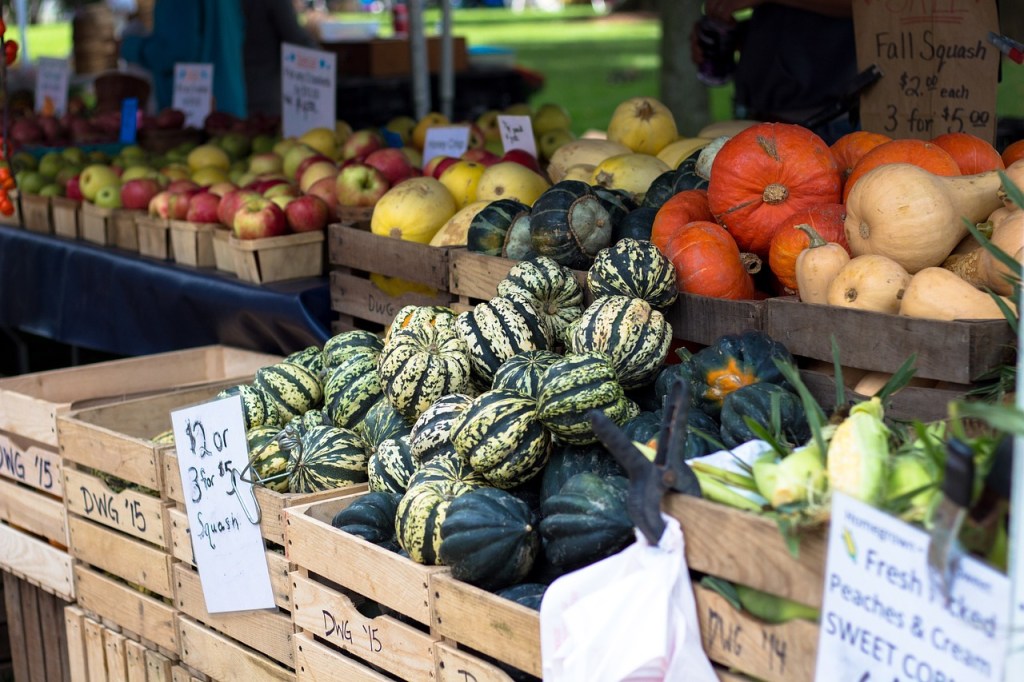
Double Up Food Bucks. This program matches SNAP dollars (generally up to $10) spent at farmers markets, providing shoppers with $20 to spend on fresh produce. This is a fantastic and growing program, as it makes farmers’ markets significantly more accessible to people with limited funds for food. Farmers’ markets are known for offering high quality but expensive produce that is often out of reach for low-income individuals. Available in 27 states, this program empowers participants to support their local farmers while increasing their power of choice and quality of food available.

I’m sure there are more programs that do incredible jobs of increasing choice and access- please feel free to share!

The opinions expressed here are solely my own and do not express the views or opinions of my employer.

Want to learn more about food justice? Subscribe so you never miss a post!

How to Make Your Food Donations Count This Winter

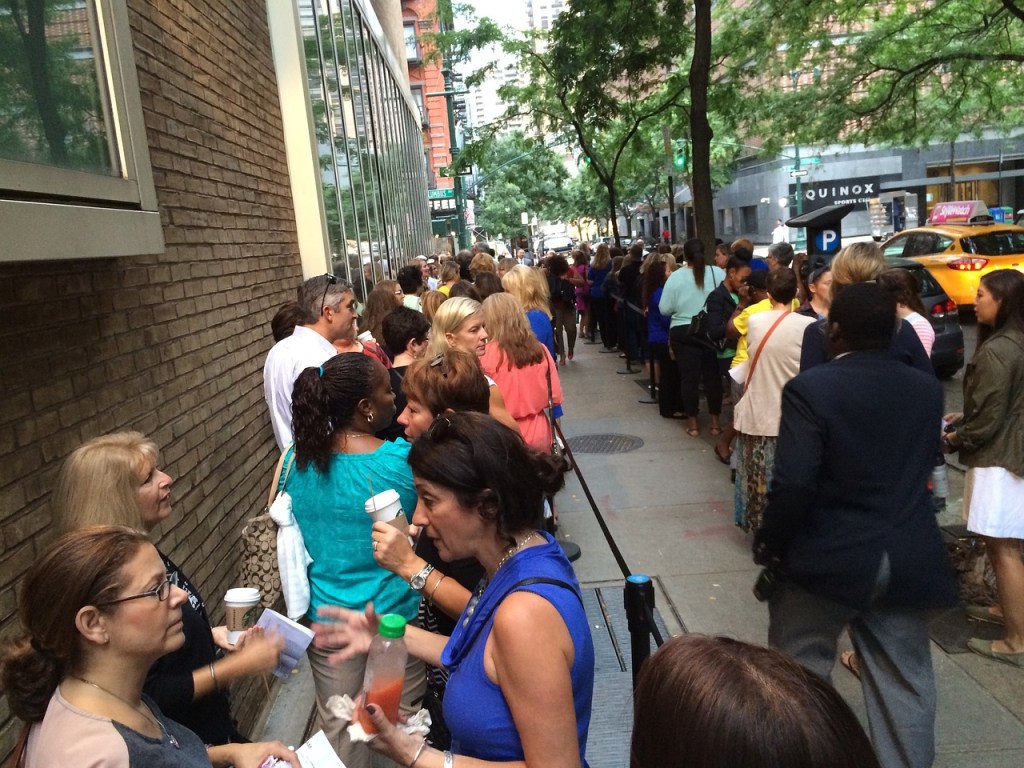
This week at my food pantry, as I walked by the long line of clients eagerly waiting to come inside to shop for groceries, I heard one woman on her cell phone say, “I’m already three months behind on my rent. I need all the help I can get.”

Unfortunately, this is not a unique story. Particularly as the holiday season approaches and people struggle with the impacts of inflation, more and more families will make hard choices about what they can afford and what they can do without, and far too often food is the easiest to cut.

At about this time every year, food banks and pantries across the country also begin strategizing and planning for the influx of need that accompanies the holiday season and the dark, colder months.

Emergency food access programs are bracing for a crush of clients as the need continues to rise.

We increasingly encounter clients forced to choose between buying food or heating their home, or paying rent, or purchasing new jackets for their children, or staying up-to-date on their medication.

Luckily, the holiday season also tends to bring a huge interest in donating food. Food banks and pantries will soon start to see a significant increase in both direct donations from individuals as well as through food drives. While we can’t solve most of the challenges faced by our clients, we can work to get them the food they need so their money can be spent elsewhere.  

The food we offer our clients can make a huge difference as to whether we can really meet their needs, or simply alleviate an immediate crisis, so being thoughtful about your choices can have a powerful impact. If your or your community are contemplating donating to anti-hunger programs, here’s what you should know.

What we love:

Donate foods that make YOU happy. If you love it, chances are someone in our clientele will love it too. We serve an incredibly diverse population, and I’ve yet to encounter a food that someone doesn’t want. Go ahead and donate canned dolmas, giant jugs of chili oil, and bags of dried mushrooms. Someone’s got a recipe they’re excited to try.

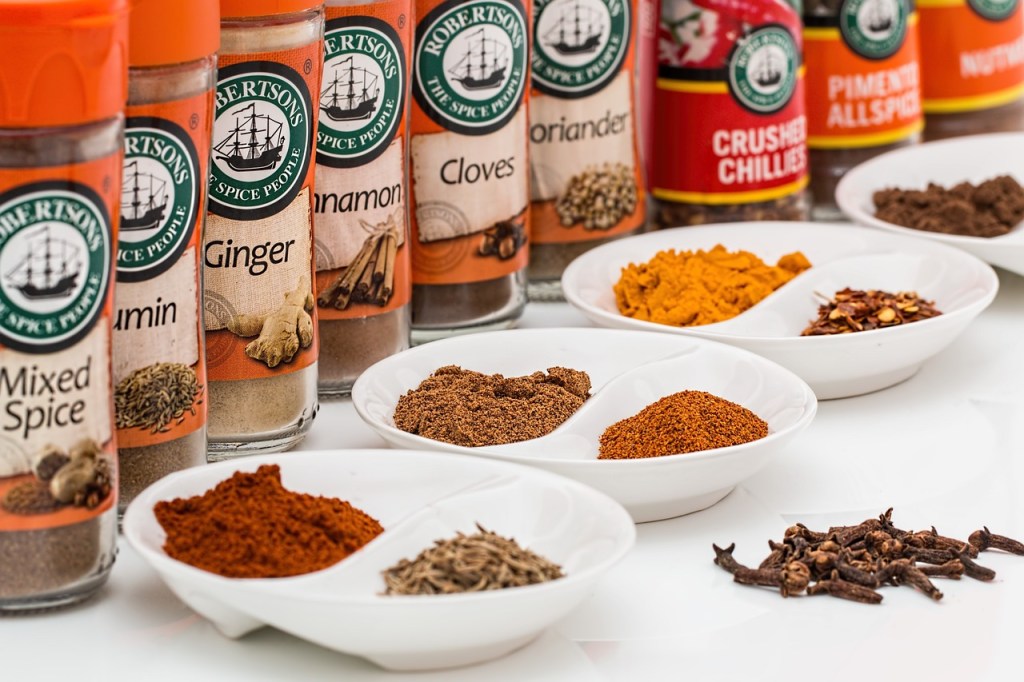
Seasonings and condiments. There is a strong emphasis on donating healthy foods right now (as there should be) but even with all the healthy options in the world, it can be hard to make them into a tasty meal without salt, pepper, herbs, or spices. These are more expensive ingredients, which means they are donated less frequently.

Baking ingredients. While boxed mixes are wonderful for many people, we also serve plenty of clients who are delighted to make their own bread, cookies for their grandkids, or sometimes even pastries for food pantry staff! We are chronically low on flour, sugar, baking soda and powder, baking chocolate, and other ingredients for from-scratch baking. These items in particular often help people celebrate their culture and traditions, and we love any chance we have to uplift them.

If you’re planning a food drive and know the specific organization you want to donate to, call and ask what they need! They will probably have some very specific answers, and appreciate your attention to their food supply.

What we don’t love:

Homemade foods. You may be the most accomplished canner in the world, but we don’t know that, and all our foods must be made in a commercial kitchen so we cannot give away your beautiful homemade jam.

Open and partially-used foods. If you’re moving or cleaning out your kitchen, you may be eager to donate half-empty bags of sugar or gently-used spices rather than throw them out. While they may be safe and functional, no one wants someone else’s cast-offs. Give these to your friends instead because we cannot distribute them.

Alcohol. It should be obvious, but it happens too regularly that someone donates a bottle of wine or a couple cans of beer. While it is surely well-intentioned, there are a million reasons (and federal regulations) why we can’t give theses away.

When you package items together. Most pantry models cannot keep your donation together, so while we appreciate the thought that goes into taping spaghetti, pasta sauce, and shelf-stable parmesan together, it is highly unlikely that we can distribute them that way.

Want to do even more?

Donate year-round. Consider signing up for a program like the Portland Food Project (commonly known as Green Bag) that ensures donations come in throughout the year instead of just during the holidays. My household participates, and we have fun every two months loading up our green bag at the grocery store with the food options I know are most in demand. My food pantry is also a recipient, and the program adds essential variety to our food supply, especially in the summer months when donations drop significantly.

Avoid glass options when you can. With the volume of food we’re working with, it can be hard to ensure it is all handled as gently as it should.

Consider adding non-food items like can openers, toothbrushes, diapers (especially bigger sizes) or menstrual hygiene products. Many food banks and pantries also have systems to distribute these high demand items.   

The opinions expressed here are solely my own and do not express the views or opinions of my employer.

Want to learn more about food justice? Subscribe so you never miss a post!

The Hardest Part of Fighting Hunger Has Nothing to do With Food

Every day, our food pantry distributes approximately 7,000 pounds of food, all of which is carried or loaded on carts from the warehouse to be displayed on shelves, tables, or in bins. The physical demands of this work are extreme, and volunteers and staff are often exhausted at the end of shifts.

It’s easy to get caught up in these big numbers- our team moves 35,000 pounds of food per week, and we’re extremely proud of it. But tangible statistics like this can also mean that we forget to consider the other forms of labor that are equally essential to keep a food pantry running. For instance, the labor of helping someone facing food insecurity feel more comfortable and at ease while shopping at a food pantry.

Using a food pantry is highly stigmatized, and people experiencing food insecurity may feel embarrassed, humiliated, or simply extra emotional when they walk through our doors.

Welcoming clients to the pantry requires staff and volunteers to put forth extra positive and open energy.

I see this effort each day in how our team practices empathy as we explain the process for an overwhelmed new shopper, patience as we explain it again for individuals who worry about doing something wrong, and sympathy as we confess how our food supply may not meet everyone’s needs.

In part due to the stigma of food assistance, people often wait until their cupboards are completely bare before they seek our services.  Sometimes they arrive under massive stress, which at times can manifest in some uncomfortable encounters: disrespectful or abusive language and unpredictable or even scary behavior.

It’s important for food pantries to explicitly recognize that managing client stress levels while offering respectful, dignified food assistance is emotionally exhausting.

Our pantry staff are exceptionally skilled in de-escalation, and when difficult or dangerous situations are diffused with skill, it’s easy for leadership to miss the fact that it was necessary at all.  And even harder to recognize the full extent of the emotional labor that goes into prevention rather than reaction.

 To build a pantry that prioritizes compassion, respect and dignity requires enormous amounts of effort to ensure clients feel welcome even when they’re rude, or feel taken care of even when they’re dissatisfied, or feel like their needs are heard even when we can’t meet them.

Recognizing that emotional labor is an essential part of fighting hunger, how can leaders in anti-hunger organizations better support their staff and volunteers?

  • Listen. For many people, even the concept of emotional labor is unfamiliar. I’m confident my female readers, and some men out there, have tried to explain the stresses and demands of emotional labor, only to have them brushed away.  Anti-hunger leaders need to listen and learn about the emotional demands of this work.
  • Recognize the extra burden through compensation.  Exhaustion due to emotional labor means other tasks may not get done, which can impact performance, promotions, and wages.   Leaders must work to avoid penalizing women working just as hard, if not harder than their male peers.  Emotional labor is rarely listed on job descriptions, but can easily be a full-time job in itself.

Major thanks to Kern Herron for his contributions to this piece.

The opinions expressed here are solely my own and do not express the views or opinions of my employer.

Want to learn more about food justice? Subscribe so you never miss a post!
Why Are We Burning Out Our Anti-Hunger Champions?

For the past week or more, anti-hunger advocates have been nervously watching the news regarding a potential government shutdown. A shutdown would have had immediate, harmful impacts on programs that are essential for keeping families fed, and left charitable organizations strained to the max.

SNAP, WIC, and the National School Lunch Program are the most effective tools we have for fighting hunger.

SNAP serves nine times more people than American food banks, which is why a pause in funding had this field so panicked.

For an industry that is already overwhelmed with need, the repercussions of this shutdown had my colleagues and I quaking in our shoes. The thought of adding to our already oversized workload was daunting, to put it mildly.

Although I’m relieved to see that the immediate crisis has been postponed, the panic this incited in the anti-hunger field is important to examine.

Several days ago, I had an informational interview with someone who works on national-level anti-hunger program implementation, and I learned that these advocates are equally exhausted. During the height of the pandemic, fears of hunger rates escalating out of control led to the dedication of significant (and needed!) additional funding. But this boost in resources also increased the workload of the people who administer the programs far beyond their capacity.

My colleague and I commiserated on the fact that anti-hunger advocates at every level are burnt out. A perpetually increasing workload (with no end in sight) and the nonprofit industry’s preference for spending as much as possible on clients and programs and as little as possible on staffing and overhead means that staff lack the support to thrive (or even just succeed) in their roles.

We’re reaching a tipping point.

At the end of February 2023, people receiving SNAP benefits lost approximately $90 per person per month to spend on food. Anti-hunger advocates correctly sounded the alarm that we were facing a hunger crisis that could overwhelm emergency food resources.

Several months later, those warnings have been proven correct. My food pantry has seen a significant increase in the number of clients, and particularly in people who have never before used emergency food services. A year ago, we were serving about 110 households per day. Last Friday, we served 181 in the same four-hour period.

Considering the impacts of inflation, we anticipate breaking new attendance and distribution records every month from now through at least December.

It is important that we continue to provide exceptional service to these families, but I’m also realizing that now is the time we need to pay attention to our anti-hunger advocates.

The physical demands of running a food pantry include moving several thousand pounds of food every day alongside the emotional labor of making sure clients feel comfortable and safe, volunteers are welcomed, and as much support as possible is provided to individuals in crisis. Growing numbers of clients mean more food, higher stress levels, and greater administrative responsibilities, all to be completed in the same eight-hour workday.

No matter how much we love the work, we cannot continue to meet the demands being placed on emergency food assistance programs without additional support.

As the holidays approach, we will begin to hear calls for food drives, volunteers, and funds from food banks and pantries who will likely cite the increasing hunger needs of our communities. They may boast about how the majority or entirety of your donation goes to helping people in need. What this claim neglects to include is that they only achieve this by minimizing wages and depriving staff of the resources they need to do their job well.

How can you fight hunger without burning out your advocates?

  • Research the priorities of your favorite nonprofits. Do they boast about low overhead costs? Does their staff make a living wage? Let this inform your donation decisions and be vocal about it.
  • Advocate for trust-based philanthropy. The neglect of nonprofit staff is just as much a fault of funders as it is of leadership. When organizations have the autonomy to spend money how they want rather than being told by outside voices, they can make choices that support their mission rather than cater to donor preferences.

The opinions expressed here are solely my own and do not express the views or opinions of my employer.

Want to learn more about food justice? Subscribe so you never miss a post!