
Recently, while doing a quick walk around our food pantry perimeter after we closed, I saw one of our clients sitting in her car eating a box of four chocolate-covered strawberries. I imagine that she is a mom who was about to head home for an evening of family and responsibilities, and it makes me happy to see that she got a break, however brief, to enjoy a fancy treat all to herself.

American society identifies hard work as the key to success, which means our culture is eager to vilify people living in poverty as lazy, entitled, and unmotivated. I’m sure there are some who would condemn this mom for taking a break, eating unhealthily, or not sharing her family.
In our food pantry, we recognize that food is just as important as a tool for self-care as it is a vehicle for nourishment. For some, cooking an elaborate healthy meal helps them feel nourished and competent, while other people find comfort in a bag of potato chips or cookies. We all have these habits and traditions, but it is primarily low-income individuals who are berated for careless eating or lack of cooking skills. This is one reason we see such aggressive advocacy for policies that limit access to unhealthy foods for low-income individuals.

Beyond the fact that we know ignorance is rarely the root cause of these choices, the focus on nutrition neglects the reality that food is a powerful tool for self-care. In the same way that I like to treat myself to a little bit of chocolate with my morning cup of coffee, or my partner finds joy in a bowl of fresh popcorn in the evening, food is a powerful way that humans take care of ourselves.
When I was at my sickest and unable to eat my normal diet, I learned just how much I use food to manage my mental and emotional health. It was agony to no longer be able to drink my normal cup of black tea, and abstain from the flaky fresh biscuits my coworker taught me how to make.
While it is essential that we continue to emphasize and facilitate access to healthy, fresh fruits and vegetables for everyone, it’s also important that we not ignore the value of foods that we use for our mental and emotional sustenance.
In food pantries, shoppers are regularly limited in their access and choices. They are forced to make decisions about what foods they need the most, and what they can go without for another week.
More and more anti-hunger organizations are working to develop nutritional and donation policies that more closely manage the types of food that they accept and distribute. While fighting to increase client access to fresh fruits and vegetables should absolutely be a priority, it’s also important for these policies to appreciate the value of offering other options rather than eliminating them altogether.

For an individual who is stressed and worried, finding a bag of potato chips for their kids at the food pantry may help them relax, knowing they can both feed their family and also help their kids feel like kids, with all the same options their neighbors and friends have.
It is challenging to establish a balance between healthy and comfort foods, but this is exactly what food banks and pantries should aspire to do.
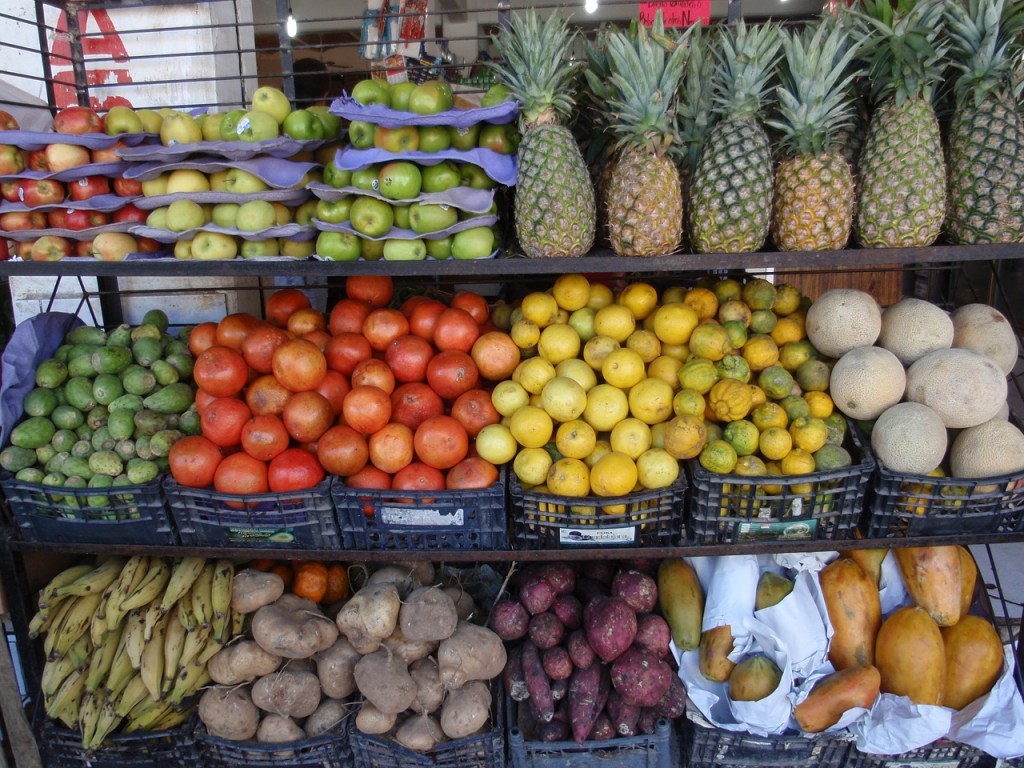
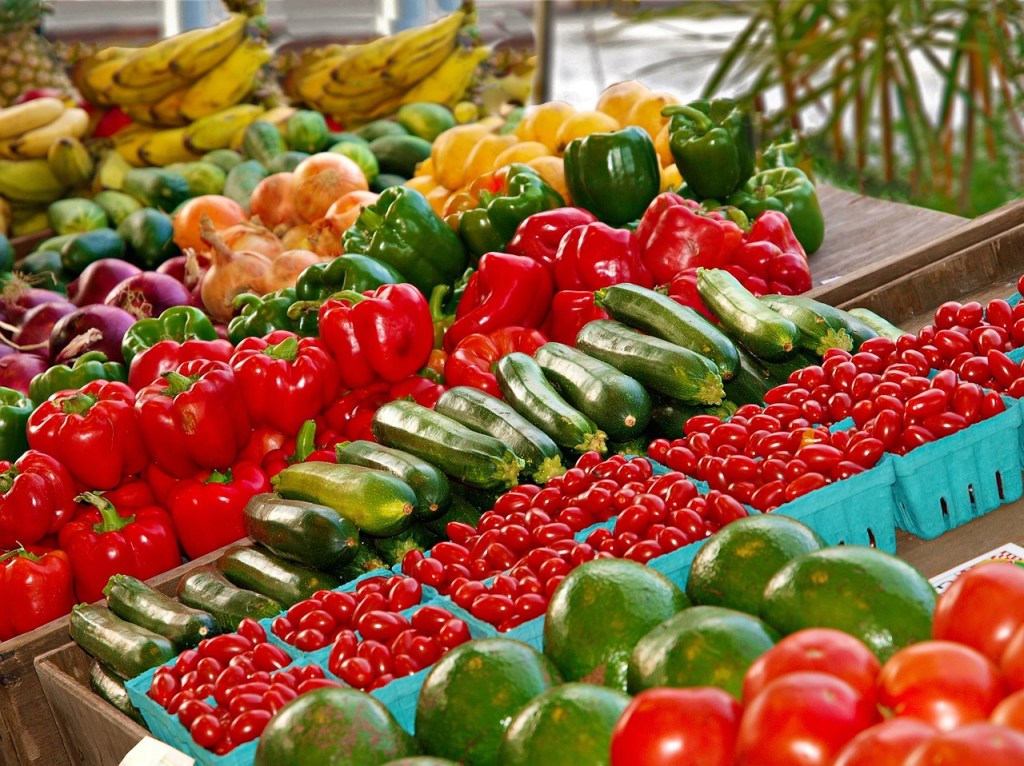
Our food pantry places fresh produce front and center and has been working hard to increase our supply so that clients can really celebrate in our abundance. But we also work hard to make sure that our shoppers feel good about all their options, and don’t feel like they are being limited or judged even if the fresh options don’t work for them.
How can we balance healthy and comfort foods in food pantries?
- Fresh produce is prominently displayed in the center of the pantry lobby, but we also offer potato chips and sweets as they are available through the donation stream. We have them mostly displayed at checkout (much like at a grocery store,) where they are grabbed last minute as people exit the building. For families anxious about their food supply, their carts are often already full and topping them off with some bonus treats feels welcoming, appropriate, and responsible.
- We are vocal about letting our clients know that we want them to take what they need and offer no judgement. Whether they leave with a shopping cart brimming with collard greens or bags stuffed with flaming hot Cheetos, we work hard to educate our volunteers not to comment or judge the food choices of others. No one should be ever be shamed by their food choices, but especially not in a food pantry where there is already so much trauma and emotion present in the experience.
- We celebrate when our clients find the food that they need. Volunteers know that we are here to help our community, and someone leaving with a shopping cart full with food (that they themselves chose) is exactly why we do this work. Ultimately, we want our neighbors to have the foods they need to thrive, and we recognize that they are the sole best judge of those needs. By offering as many healthy options as we can alongside foods that provide emotional comfort and joy, we have options that ensure everyone who visits us feels welcome and nourished.
The opinions expressed here are solely my own and do not express the views or opinions of my employer.
Want to learn more about food justice? Subscribe so you never miss a post!











 Reintroducing justice and dignity to the fight to end hunger