
I began my career in food justice by teaching healthy eating in low-income, rural communities. The goal was to teach elementary school students the basics of nutrition and the value of fresh produce to improve their future diets. What I learned, however, was that these kids were already excited to eat healthy.
Some children had never eaten a fresh vegetable before, and they were absolutely enthralled with the magic of harvesting a radish and crunching into it with dirt still clinging to the sides.
It became clear that improving their diet was a problem of access rather than education. The local grocery store carried an incredibly limited supply of wilted and spoiled produce, and none of their families could afford the fuel to drive to the next nearest store, thirty miles north. No matter what I did with their enthusiasm, there wasn’t much I could do to access more healthy foods.

One of the most solidly cemented assumptions in our society is that people living in poverty don’t care about what they eat. The fact that many individuals depend on convenience stores and cheap snacks is taken as an indicator that they don’t know any better. Higher rates of diet-related disease are seen as confirmation of this assumption.
What I see in our food pantry is that shoppers are passionate about fresh and healthy foods.
Our produce cooler is the most difficult to keep full, and we can always find a home for its contents whether they be banana leaves, acorn squash, or jalapenos. We know green cabbage days are the ones we have to work the hardest and fastest because demand is so high. Salad greens are one of the most requested items we have, even though we rarely have dressing. Shoppers are often excited to cook with a vegetable they’ve never tried before.
Our food pantry clients all know the basics of a healthy diet but share with us every day how fresh and healthy options are inaccessible to them. Many don’t have easy access to a grocery store, so they depend on convenience stores or gas stations for their meals.
Others are in living situations without the capacity for food preparation or storage. Using only a hot plate or sharing a communal fridge severely limits what foods they can use. And a high number of our shoppers are overwhelmed with caregiving responsibilities (paid and unpaid) that limit their time and capacity for cooking.

Although food pantries can supply our community with healthy, fresh options, we can’t improve their cooking capacity or give them the time to cook for their families. No matter what delicious produce we have, some of our visitors still can’t utilize it.
I worry to see a pantry client walk out our door with only a partially full grocery bag. It is important that everyone feels a sense of abundance and leave confident that they have the food they need to survive. That’s why our pantry strives to offer a variety of different foods, including things like instant meals, frozen dishes, and lots of snacks alongside our fresh produce. We aspire to provide options for everyone, and always assume that our shoppers know their own needs best.
We also recognize the hardship that our clients experience daily. One client recently lost yet another job (the third since I’ve known them). Another client was desperately seeking Narcan for a household member at risk of opioid abuse. Someone just found out they are unexpectedly pregnant with twins.
Everyone comes to our pantry with a complex story, and we believe it’s important to ensure they have foods that bring them comfort as well as nourishment. Food plays a huge role in mental as well as physical health.

It’s not unusual to see a frazzled individual eating a pastry or candy in their car after shopping our pantry, so that their family never knows they got to enjoy a sweet treat in solitude.
Although emergency food assistance programs need to continue seeking pathways to improve the diet and nutrition of people experiencing hunger, it’s extremely important that we view this challenge holistically. While prioritizing fresh fruits and vegetables is an important step, we need to fight the stigma that people don’t know how to eat healthy and instead make sure they have the tools to really do so.
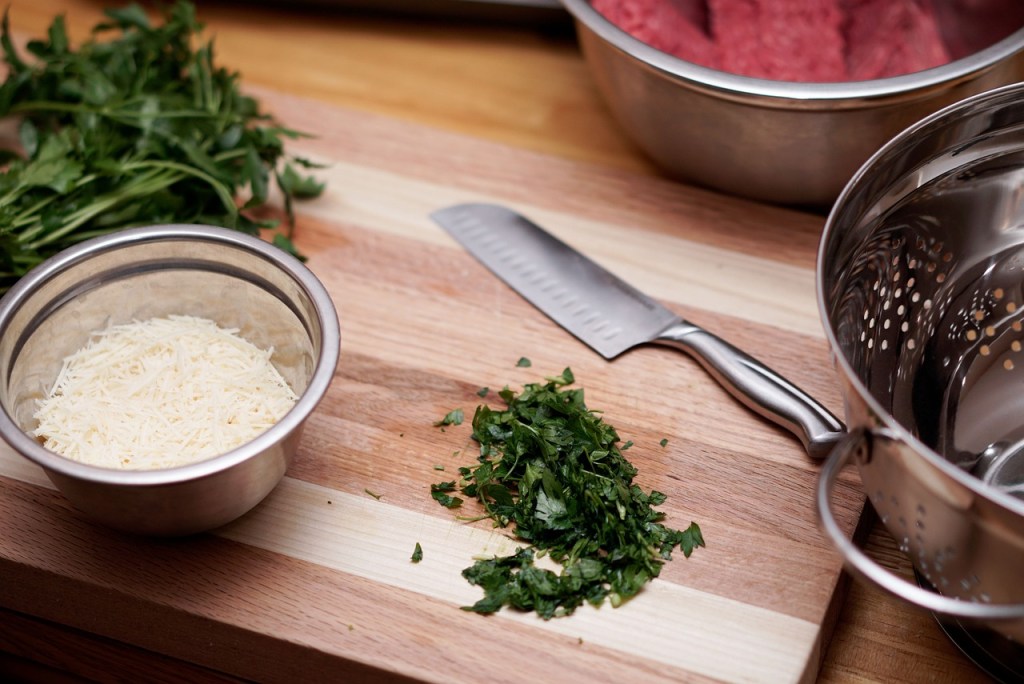
Frozen fruit is only functional if you have a freezer. Cooking butternut squash requires a hefty knife and the physical capacity to cut it. Dry beans need the time and space to appropriately soak and prepare.
Over the last decade, food banks and pantries have made incredible progress in improving the quality of foods distributed. More fresh items are available than ever before. But the stigma remains that people experiencing hunger don’t know any better than to eat junk food, which ignores the significance of the many other burdens that keep a nutritious diet inaccessible.
The opinions expressed here are solely my own and do not express the views or opinions of my employer.
Want to learn more about food justice? Subscribe so you never miss a post!

 Reintroducing justice and dignity to the fight to end hunger
2 thoughts on “Does Everyone Need to Eat Fresh Vegetables?”