
Should Food Justice Be Fair?

As I pushed a cart piled high with fresh fruit into the food pantry lobby, a child of about 8 years old yelled out “FRUIT!” in a hilariously loud and deep voice. He eagerly selected apples, nectarines, blueberries, and several bags of grapes while his mom assured me that he’d eat them all in no time. 

I love it when our shoppers are excited about the options we have, and I always encourage my clients to help themselves when they see items that will bring them joy and nourishment. But it’s also important to note that because this client took so much fruit, other clients had less available to them.
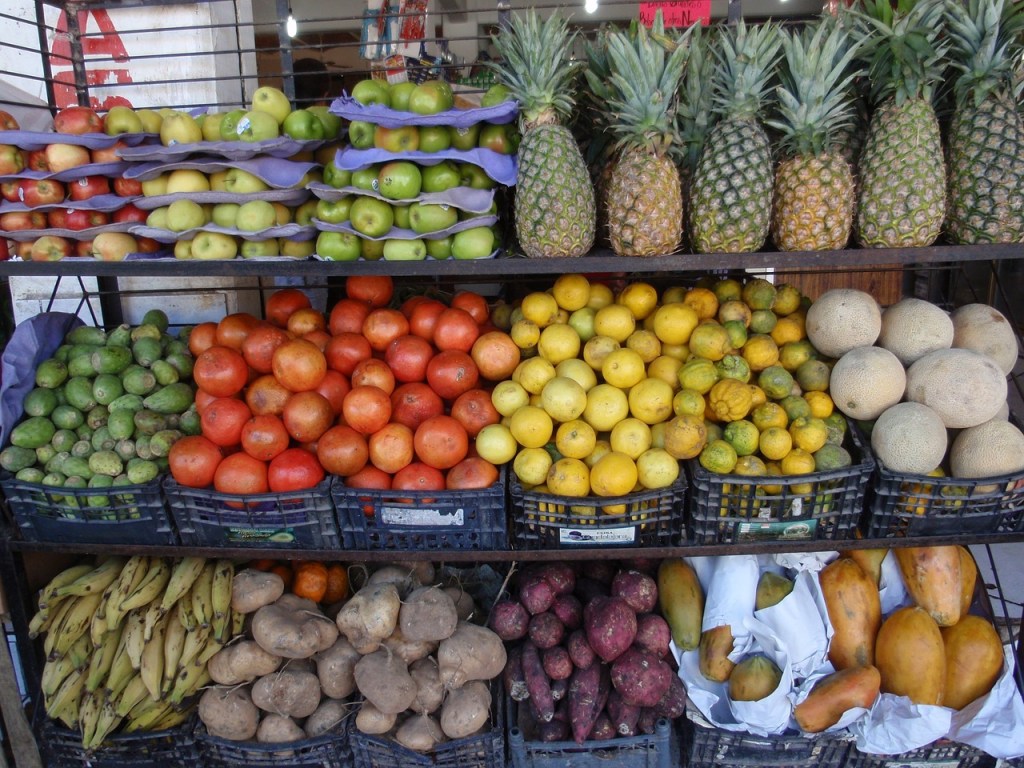
I am a passionate advocate for allowing clients to take as much as they want of whatever they like. For those who believe that individuals living in poverty can’t be trusted to make sound choices, this is a daring and uncomfortable strategy. The opposite approach is to manage client choices by dictating what and how much food they can take, which is often justified in the name of fairness.

If we are working to end hunger, is fairness an appropriate goal?

In food pantries, food supplies are often closely managed to ensure that everyone has access to all the same food and no one is given an advantage over another (like taking all the red onions so that someone else doesn’t get any).

As anti-hunger advocates increase our understanding of social justice, we’re starting to recognize that equitable food access acknowledges everyone has different needs and challenges that bring them to the food pantry, and there’s no “one size fits all.”

Initially, it sounds reasonable that everyone visiting a food pantry be given the exact same options. No one wants to see that the person in line in front of them get a box of strawberries while they get none. Is that fair?

Why should food pantries focus on equity instead of fairness?

Everyone has different needs.

Some families are thrilled to fill their shopping cart with fresh fruit. Others eagerly stuff their bags with frozen breakfast sandwiches. Occasionally, someone is enthused about cream of mushroom soup. It does all these households a disservice to give them all the exact same thing, even if the fresh fruit family won’t eat the breakfast sandwiches, and only one person wants the cream of mushroom soup. By limiting their options, all these families will probably leave the pantry with less food than they need because they don’t take the food they won’t use.

It’s easy for people of privilege to rationalize that if someone is truly hungry, they’ll take whatever is offered (the idea “beggars can’t be choosers”), but that attitude is ignorant of reality. We shouldn’t expect people to give up their cultural, religious, or nutritional needs to accommodate our judgements about what is fair.

Many food pantry clients have different cooking capabilities.

Some people have full kitchens, but many are working with nothing but a microwave or a hot plate. Some people have refrigerators, and some have campfires. Mandating that everyone has equal access to all the same types of foods simply reduces the amount of available food that they can utilize (one of the pillars of food security.) A senior may have no interest in chopping up a heavy squash, while a immigrant family may be passionately opposed to eating microwave meals. Allowing each of these households one squash and one prepared meal does them both a disservice.

Many food pantry clients also have disabilities or chronic illness, and dictating that they have access to the same foods as everyone else can also impact their health. A diabetic may prefer taking extra vegetables over canned fruit. A gluten-free individual may want to snack on apples rather than the box of crackers granted to them.

Food pantries will never have a food supply that enables them to treat everyone fairly.

We are chronically short of popular items like fresh berries, cooking oil, eggs, and pasta sauce. There will always be clients who get some while others don’t. The only option for creating a totally fair system is to store these items until we’ve collected enough for everyone (but how much is everyone? All the clients who attend in a day, a week, a month?)

My definition of what is fair is probably different from yours.

Particularly when it comes to deciding what and how much food someone experiencing hunger should get, what is considered fair varies based on cultural background, country of origin, level of affluence, and many other factors. As the leadership of nonprofits and charities are predominantly composed of white, affluent seniors without lived experience of poverty, their concept of what is fair is probably different from that of the people they serve.

When we institute systems that are one-size-fits-all (even when we adjust for household size, as pantries regularly do), we dismiss the unique needs of our community.

Every single one of my clients will emphatically argue that their needs are different from anyone else’s, and they don’t want the same foods. Increasingly, food justice organizations are working to acknowledge these differences (which is why grocery-style/client choice food pantries are growing in popularity as organizations move away from the pre-boxed model.)

Although I won’t deny that an equitable model allowing clients to take what they need requires more oversight, deliberate management, and thoughtful reflection, accommodating the diversity of needs in our food pantry will always provide more effective support for those seeking assistance. If we are truly committed to ending hunger, we need to demonstrate it by prioritizing the needs of our community over our own comfort and ideas of fairness.

The opinions expressed here are solely my own and do not express the views or opinions of my employer.

Want to learn more about food justice? Subscribe so you never miss a post!

People Experiencing Hunger Deserve Nice Things Too

Occasionally, someone pulls up to our food pantry in a shiny, pristine car. There are no Mercedes or Tesla in our parking lot, but a well-maintained car with a bit of chrome stands out. This is something that our volunteers tend to notice immediately, and begin grumbling.

“They don’t need our food.”

“If they can afford that car, then they can afford their own groceries.”

In the U.S., we have a very rigid perspective of what poverty should look like, heavily influenced by suspicions that poverty stems from bad choices rather than systemic problems. A nice car pulling into a food pantry is seen as confirmation of these suspicions that people either are looking to take advantage of the system or made a foolish purchase that forces them to seek food assistance.

I am confident that neither assumption is true.

Poverty and hunger are not chronic conditions. They ebb and flow. Most people who struggle financially also experience periods of relative stability.

On average, Americans live in poverty poverty for about three years before at least temporarily regaining stability, and only a minority experience it for extended periods of time. This doesn’t mean that people are comfortable, but it does mean they are not constantly on the verge of a financial crisis.

When individuals are feeling financially secure, they can treat themselves to a reliable car that makes their life easier.

We all have different ways of treating ourselves, and poverty shouldn’t disqualify someone from practicing self-care. It doesn’t make sense to get rid of that reliable car when we hit hard times just because it doesn’t conform with society’s vision of what poverty looks like.

 Most Americans do not have an emergency fund. That means that all it takes is one major car repair, medical bill, or job loss to upset a comfortable lifestyle. If we believe that everyone deserves to eat, then we need to serve everyone without judgement knowing that the situations which bring them to a food pantry are valid and complex (and also none of our business).

Food pantries and anti-hunger activists should actively engage their community in fighting assumptions which reinforce the stigma and shame of hunger.

Here are three talking points for educating your community on why poverty may not match their vision:

  • Although it may be more expensive initially, a well-maintained, quality car will often run better than a dented vehicle with 300,000 miles on it. Why should anyone turn down the opportunity to drive something reliable that will last longer if they have the capability?

We have a food pantry client whose car doesn’t work in reverse, which means every time she visits, we must physically push her car out of the parking lot. If she had the option, should she choose to keep it because it is cheaper than something more functional?

And someone driving a nice car may have borrowed it, it may have been a gift, or the driver may be shopping for someone else who was unable to come to the pantry in person.

  • Everyone deserves nice things. Obviously, what is accessible to an individual changes based on financial situation, but in the same way I will argue that all our clients deserve organic produce, expensive meats, or a cookie that makes them smile, they are equally entitled to own things that bring them joy.

If we aspire to end hunger, it’s essential that we take the time to examine our assumptions about poverty. Do you grumble if you see a houseless individual using a cell phone? Would you feel uncomfortable witnessing SNAP benefits being used to buy a fancy steak? 

What is your objection to someone driving a car they can count on to get them where they need to go?

The opinions expressed here are solely my own and do not express the views or opinions of my employer.

Want to learn more about food justice? Subscribe so you never miss a post!

Does Everyone Need to Eat Fresh Vegetables?

I began my career in food justice by teaching healthy eating in low-income, rural communities. The goal was to teach elementary school students the basics of nutrition and the value of fresh produce to improve their future diets. What I learned, however, was that these kids were already excited to eat healthy.

Some children had never eaten a fresh vegetable before, and they were absolutely enthralled with the magic of harvesting a radish and crunching into it with dirt still clinging to the sides.

It became clear that improving their diet was a problem of access rather than education. The local grocery store carried an incredibly limited supply of wilted and spoiled produce, and none of their families could afford the fuel to drive to the next nearest store, thirty miles north. No matter what I did with their enthusiasm, there wasn’t much I could do to access more healthy foods.

One of the most solidly cemented assumptions in our society is that people living in poverty don’t care about what they eat. The fact that many individuals depend on convenience stores and cheap snacks is taken as an indicator that they don’t know any better. Higher rates of diet-related disease are seen as confirmation of this assumption.

What I see in our food pantry is that shoppers are passionate about fresh and healthy foods

Our produce cooler is the most difficult to keep full, and we can always find a home for its contents whether they be banana leaves, acorn squash, or jalapenos. We know green cabbage days are the ones we have to work the hardest and fastest because demand is so high. Salad greens are one of the most requested items we have, even though we rarely have dressing. Shoppers are often excited to cook with a vegetable they’ve never tried before.

Our food pantry clients all know the basics of a healthy diet but share with us every day how fresh and healthy options are inaccessible to them. Many don’t have easy access to a grocery store, so they depend on convenience stores or gas stations for their meals.

Others are in living situations without the capacity for food preparation or storage. Using only a hot plate or sharing a communal fridge severely limits what foods they can use. And a high number of our shoppers are overwhelmed with caregiving responsibilities (paid and unpaid) that limit their time and capacity for cooking.

Although food pantries can supply our community with healthy, fresh options, we can’t improve their cooking capacity or give them the time to cook for their families. No matter what delicious produce we have, some of our visitors still can’t utilize it.

I worry to see a pantry client walk out our door with only a partially full grocery bag. It is important that everyone feels a sense of abundance and leave confident that they have the food they need to survive. That’s why our pantry strives to offer a variety of different foods, including things like instant meals, frozen dishes, and lots of snacks alongside our fresh produce. We aspire to provide options for everyone, and always assume that our shoppers know their own needs best.

We also recognize the hardship that our clients experience daily. One client recently lost yet another job (the third since I’ve known them). Another client was desperately seeking Narcan for a household member at risk of opioid abuse. Someone just found out they are unexpectedly pregnant with twins.

Everyone comes to our pantry with a complex story, and we believe it’s important to ensure they have foods that bring them comfort as well as nourishment. Food plays a huge role in mental as well as physical health.

It’s not unusual to see a frazzled individual eating a pastry or candy in their car after shopping our pantry, so that their family never knows they got to enjoy a sweet treat in solitude.

Although emergency food assistance programs need to continue seeking pathways to improve the diet and nutrition of people experiencing hunger, it’s extremely important that we view this challenge holistically. While prioritizing fresh fruits and vegetables is an important step, we need to fight the stigma that people don’t know how to eat healthy and instead make sure they have the tools to really do so.

 Frozen fruit is only functional if you have a freezer. Cooking butternut squash requires a hefty knife and the physical capacity to cut it. Dry beans need the time and space to appropriately soak and prepare.

Over the last decade, food banks and pantries have made incredible progress in improving the quality of foods distributed. More fresh items are available than ever before. But the stigma remains that people experiencing hunger don’t know any better than to eat junk food, which ignores the significance of the many other burdens that keep a nutritious diet inaccessible.


The opinions expressed here are solely my own and do not express the views or opinions of my employer.

Want to learn more about food justice? Subscribe so you never miss a post!

The Best Volunteers are Taught, Not Found

Several years ago, I was working with a group of volunteers who were sorting donations of fresh and perishable foods. I remember emphasizing that if they were unsure of the quality, they should throw it out because making sure that no one got sick from this food was of the utmost importance. One volunteer nodded and said, “That’s true, because if they get sick then they’ll want us to pay for their medical bills too!”

I was shocked to hear this comment from someone who was volunteering to fight hunger.

It was hard to believe that an individual motivated to do this work could also be so cynical and unkind to the people they were there to help.

One of the major challenges that all food banks and pantries face is working with volunteers. Because nonprofits tend to depend on donated labor to keep staffing costs low, volunteers are essential for accomplishing our social justice goals. However, volunteers come with an incredibly wide range of motivations which can present unique obstacles for the organizations with which they serve.

Volunteering is widely recognized to be good for our physical and mental health, provides important social opportunities, and gives everyone a way to make a meaningful contribution to the world around them. However, this also means that nonprofits are faced wrangling a diverse and eclectic population to meet their goals.

The most effective food pantries have volunteers with a comprehensive understanding of the root causes of hunger, respect for the realities of living in poverty, and trust the mission of their chosen organization to make an impact. (A future post will explore the importance of volunteers with lived experience of hunger.) Here are some of the strategies I use to ensure my volunteers have the skills, confidence, and knowledge they need to be powerful food justice advocates.

Building a Powerful, Anti-Hunger Volunteer Force

1. Present a Unified Message

Every anti-hunger organization needs to be articulate about their mission and goals, which should clearly align with the assignments of volunteers. Are you trying to end hunger? Give your clients all the food they need to thrive? Ensure all the children in your neighborhood have a healthy dinner tonight? This message needs to come from the organization’s leadership, have buy-in from staff, and be regularly explained and reviewed with volunteers.

2. Repetition

Many of your volunteers might not agree with your message. They may believe that people experience hunger because they’re lazy. They may volunteer because they want to spend time with their friends. They may be committed to reducing food waste to be more environmentally friendly. Whatever reason brings them to your food pantry, you will have to explain and model your mission a thousand times every day. Although tedious and emotionally fatiguing, this repetition will help your team understand and eventually internalize your message.

3. Address Power Dynamics

It is essential to be aware that even in the most respectful food pantry, there is an imbalance of power. People seeking assistance are expected to adhere to rules, and volunteers are generally there to enforce them. They have the authority to supply or deny an individual the food they’re looking for, and this authority must not be abused.

As this famous 1973 Stanford experiment taught us, people adopt attitudes that reflect the position they’re in. As the prison guards became more abusive of their authority, it’s easy for volunteers to also inappropriately focus on enforcing rules.

I have two solutions to this problem:

 A. Implement as few rules as possible, so that there are fewer opportunities for violation or enforcement. For example, our clients have no predetermined path that they must travel through our pantry, and they can take as much as they like of many items.

B. Explicitly discuss the power imbalance and the specific language we expect from volunteers to minimize it. For example, if a volunteer sees a client taking more of something than the posted limit, their script is, “we ask that everyone only take (#) of this item. I know it’s not enough, but we’re trying to ensure that everyone gets some. We’re sorry about that.” We always interrupt the use of phrases like a client trying to “take too much” or “steal food,” and instead discuss the potential challenges of accessing the food they need. (We also tell our volunteers that if they find themselves getting too caught up in monitoring our clients, they are to excuse themselves to the breakroom for some candy.)  

4. Model Respect

Like any organization, we occasionally serve individuals who are annoying, frustrating, or aggravating. But no matter how challenging I find them to be, it is essential that volunteers only hear staff speak of and treat these clients with respect and dignity. We also discuss the factors that may influence the behavior of our clients such as stress, embarrassment, mental health, or trauma.  

When I first started working with my food pantry, there were two clients in particular who were known to be difficult. Every visit was an event that took an enormous amount of maintenance to be successful. Eventually, it became clear that previous volunteers had been rude and disrespectful to these individuals so they anticipated conflict every time they came to use our services. By establishing an environment that prioritized respect where they knew they would be treated with kindness, the challenges with these clients largely vanished. Your community will respond to the attitudes of your volunteers, who look to pantry leadership for guidance. When respect is expected at every level, everyone has a better experience.


No matter what your specific mission is, every organization has the capacity to harness their volunteers to be food justice advocates. This is a slow process that depends on the environment you create and the organizational culture you celebrate. Eventually, these attitudes and tools will produce volunteers who find greater fulfillment from their service, higher client satisfaction, and an organization less prone to conflict or abuse.

The opinions expressed here are solely my own and do not express the views or opinions of my employer.

Want to learn more about food justice? Subscribe so you never miss a post!